.svg)



Key Takeaways
- Compare fintech design agencies by expertise, services, pricing, and project experience.
- Strong fintech UX makes complex financial products clearer and easier to use.
- Research, usability testing, and design systems help create scalable fintech experiences.
- Fintech design costs vary based on complexity, scope, platforms, and research needs.
- Choose an agency that understands your users, workflows, goals, and financial requirements.
Building a financial product that users trust is not easy. But fintech design agencies can help you create a product that feels simple, secure, and easy to use from the first screen.
A fintech design agency looks at your users, compliance needs, transaction flows, and trust issues before designing the interface. Through UX research, wireframes, prototypes, and usability testing, the team can find problems early and create a product that is easier and safer to use.
But with so many agencies to choose from, finding the right one can be difficult. To make your search easier, we have listed 15 of the best fintech design agencies for 2026 and explained what each one does best.
Top 15 Best Mobile App Design Agencies at a Glance
Here's a quick comparison of the agencies before we look at each one in detail:
Now let's move on to details about the agencies
Top 15 Fintech Design Agencies
Choosing the right fintech design agency is easier when you know what each one does best. Here are the details of our top picks:
Design Monks
Design Monks is a fintech design agency specializing in UX research, fintech app design, UI/UX design, prototyping, and design systems. The team helps fintech startups and financial technology companies create simple, intuitive, and trustworthy digital products that make complex financial experiences easier to use.
From early-stage product ideas to launch and ongoing improvements, Design Monks supports the full fintech product design process. Its services cover user research, UX strategy, UI design, prototyping, design systems, and post-launch design support, giving financial businesses a dedicated design partner throughout the product lifecycle.
Overview
- Services: Fintech UX/UI Design, UX Research, MVP Design, Product Design, Prototyping, Design Systems, Branding, UX Audits, App Redesign, Post-Launch Support
- Engagement model: Project-based or monthly retainer
- Best for: Fintech startups, DeFi platforms, digital banks, and personal finance apps
- Industries: Fintech, SaaS, Crypto, HealthTech, EdTech, Real Estate, and more
- Team: 50+ professionals
- Location: Remote-first
- Price: Starts at around $1,800, with typical fintech UI/UX projects from about $5,000
For fintech projects, Design Monks starts by understanding users and their needs. The team maps user flows, creates wireframes, and uses prototypes and usability testing to find problems early.
The team then improves the interface and builds a design system to keep areas like onboarding, dashboards, and transactions consistent.
Design Monks also focuses on making complex financial information easier to understand. By looking at the full user journey, the team can create fintech products that feel clear and easier to use.
Notable Fintech Projects
Design Monks has worked on DeFi, digital banking, personal finance, and payment products:
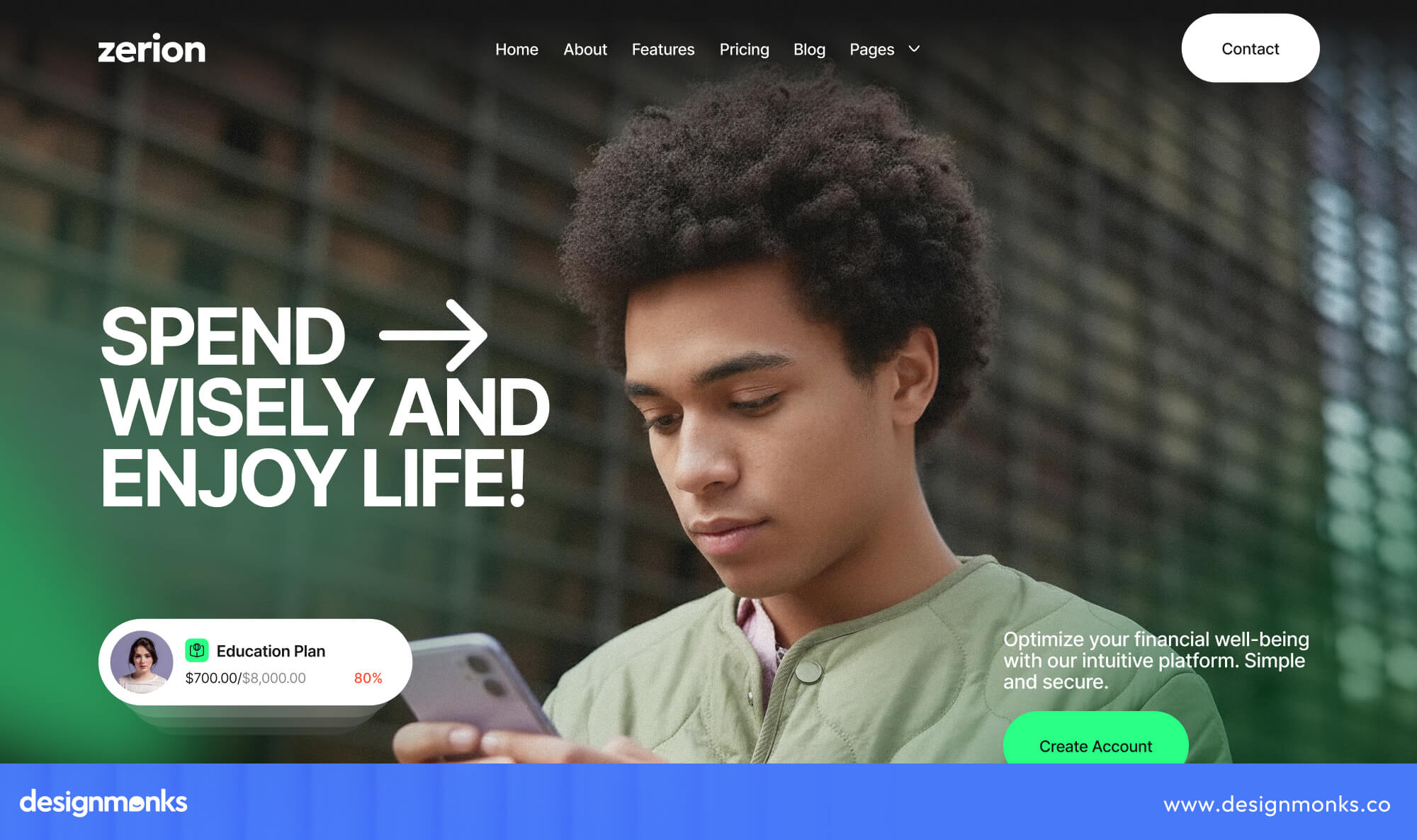
Zerion: A Smarter Approach to Finance
For Zerion, Design Monks focused on making complex financial information clearer and easier to scan. The design uses clear sections, typography, and spacing to create a more trustworthy experience.
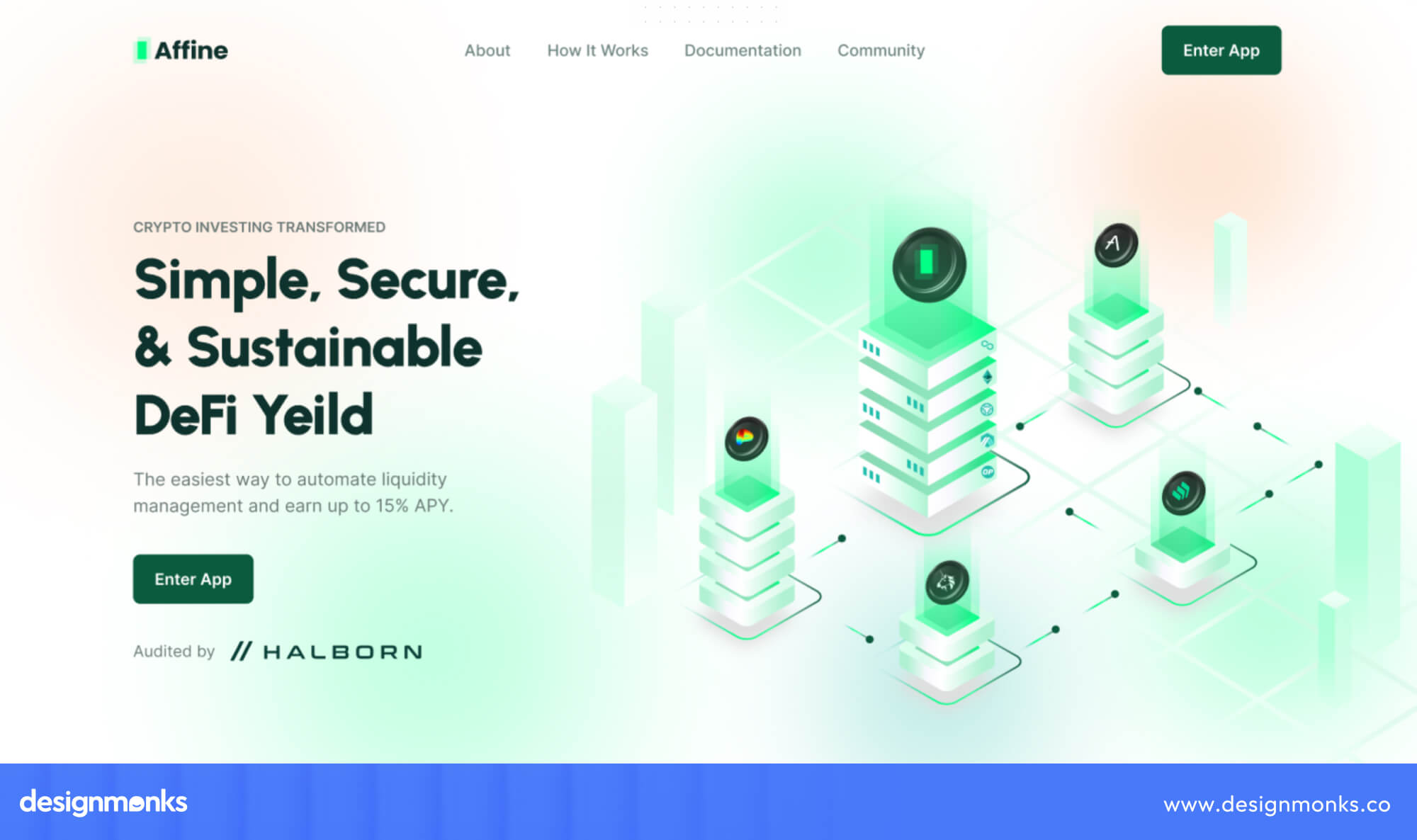
Affine's Restacking Journey
For Affine, Design Monks worked on making complex liquid restaking features easier to understand. The goal was to create a more approachable DeFi experience.
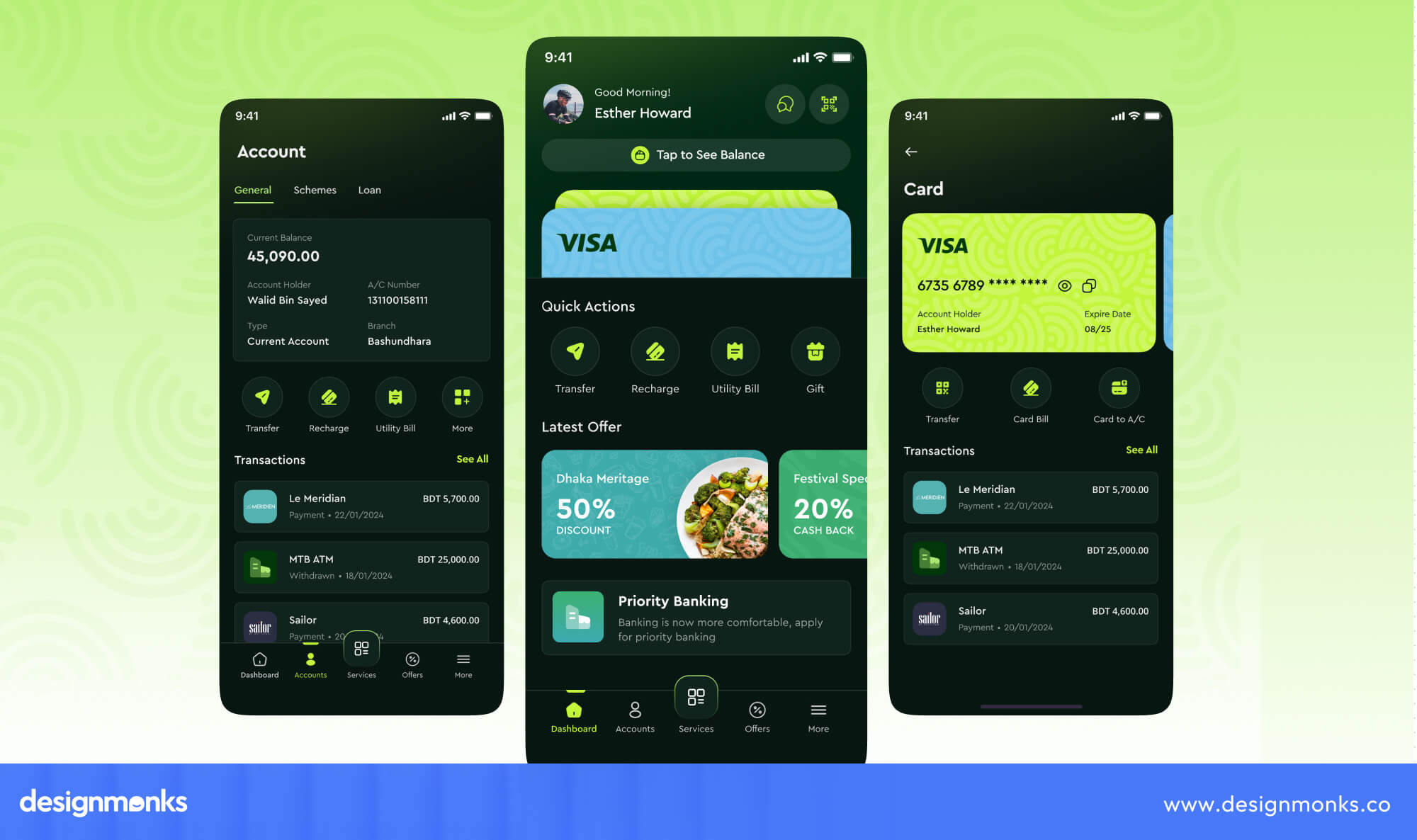
MTB Mobile App: Banking Made Simple
For MTB, Design Monks focused on making mobile banking easier to navigate. The project shows how complex banking features can be presented in a simpler way.
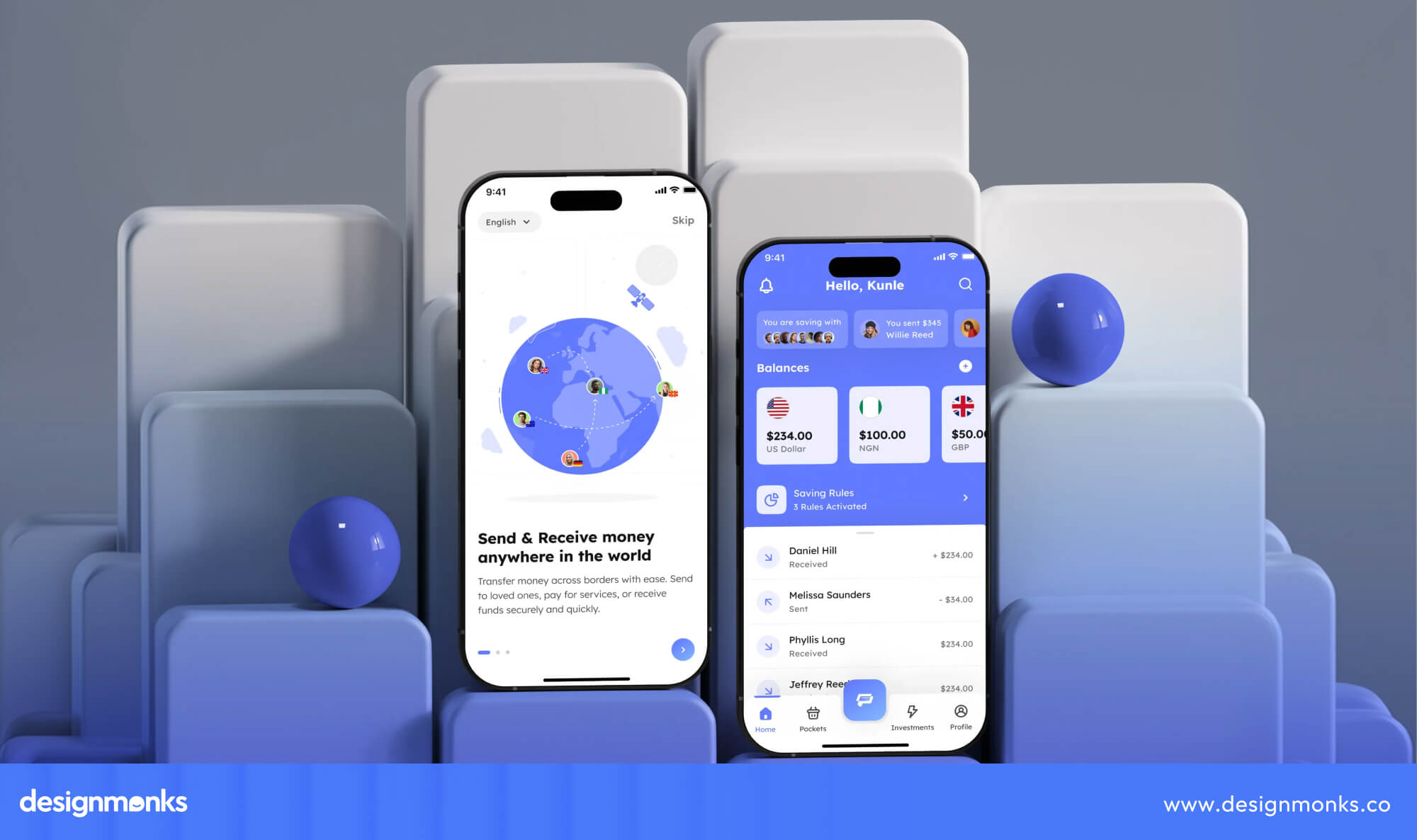
Plenty Pay: Redefining Smart Personal Finance
Plenty Pay shows Design Monks' experience with personal finance products. The design helps users track and manage their money without making the interface feel overwhelming.
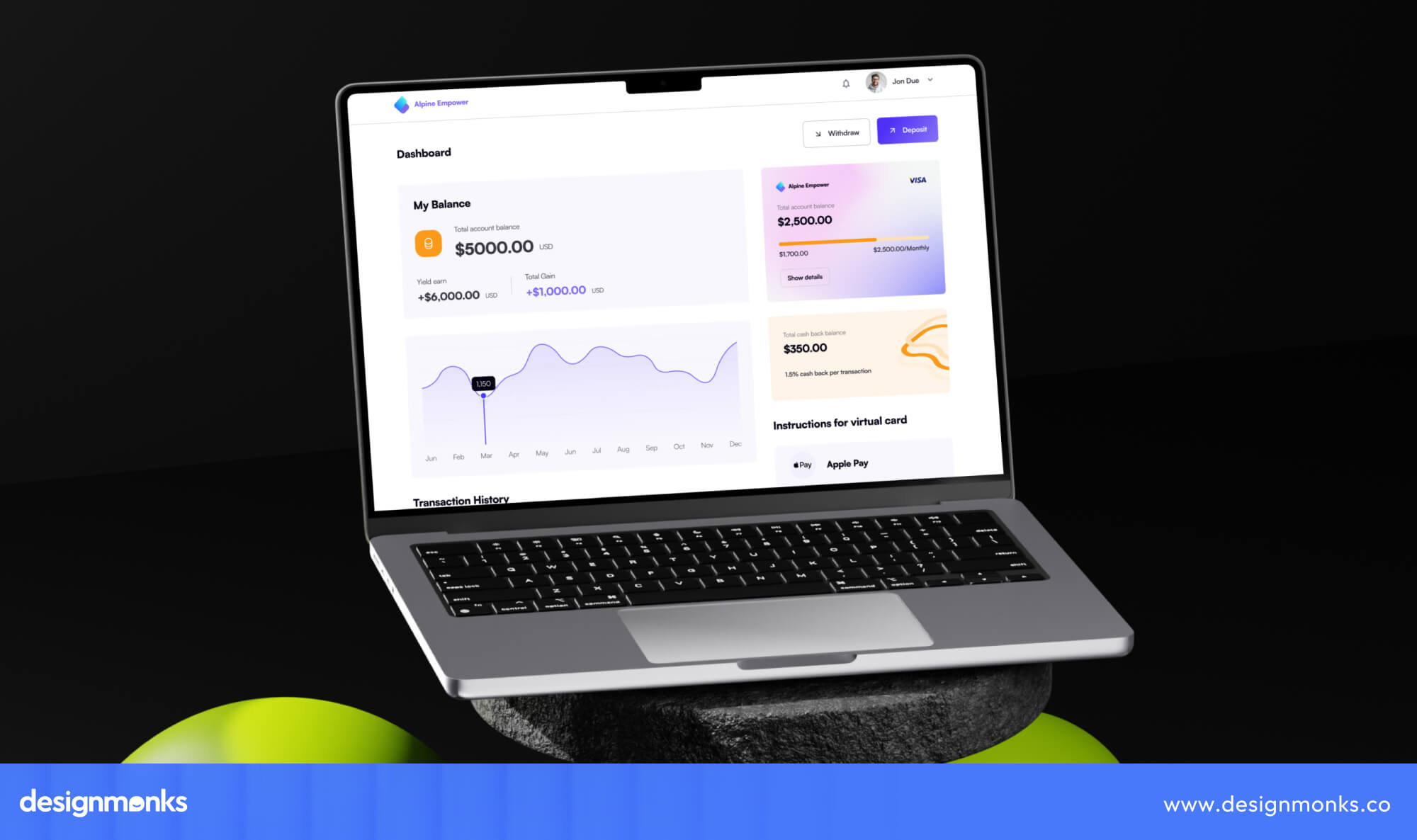
Alpine Banking: Empowering Your Finance
For Alpine Banking, the team focused on making account information and transaction details clear and easy to understand while maintaining a sense of trust.
Together, these projects show Design Monks' experience across DeFi, digital banking, personal finance, and payments. The common focus is making complex financial products easier to understand and use.
Testimonials and Review
Design Monks’ client feedback highlights the team’s communication, responsiveness, design quality, and attention to detail. You can get a closer look at their client experience through these testimonials and reviews:
Client Testimonial on YouTube: Hear directly from a Design Monks client about their experience working with the team.
Client Reviews on Clutch: See what verified clients say about working with Design Monks and their overall project experience.
Clay
Clay is a UI/UX design and branding agency based in San Francisco. It is known for combining strong visual design with product UX for fintech brands.
For fintech companies, Clay can help improve areas such as onboarding, product interfaces, branding, and customer experiences. Its services include brand identity, product strategy, UX/UI design, prototyping, and design systems.
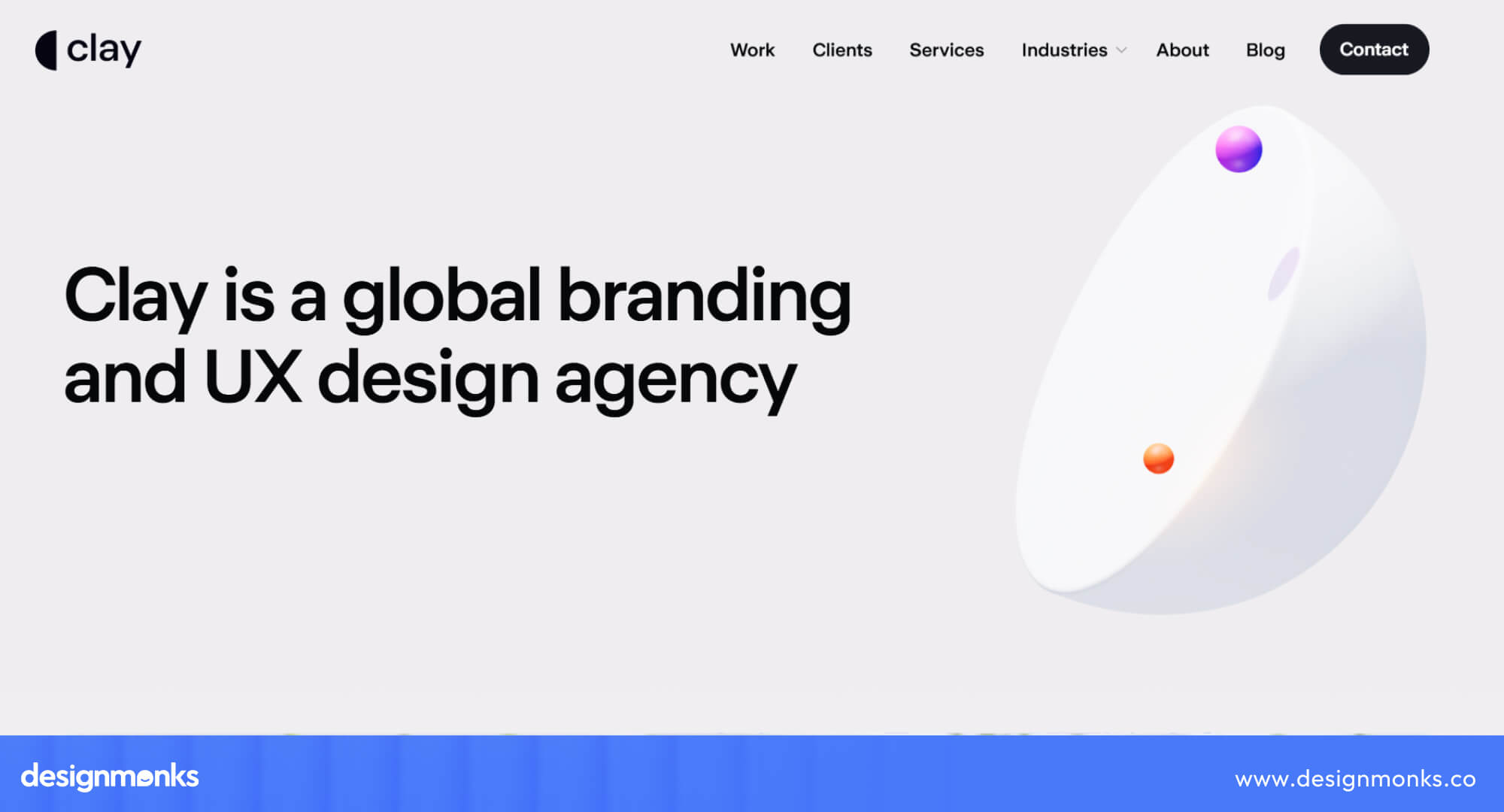
Clay is best for well-funded consumer fintech companies that want a polished product and strong brand identity. It may be less suitable for complex internal financial tools where functionality and data are the main priorities.
Qubstudio
Qubstudio is a digital product design agency based in Lviv, Ukraine. It has years of experience working with banks, neobanks, payment platforms, and lending companies.
The agency's redesign of Gulf Bank's mobile app helped increase the bank's user base. Its fintech work also covers retail banking, BNPL, payments, and open banking.
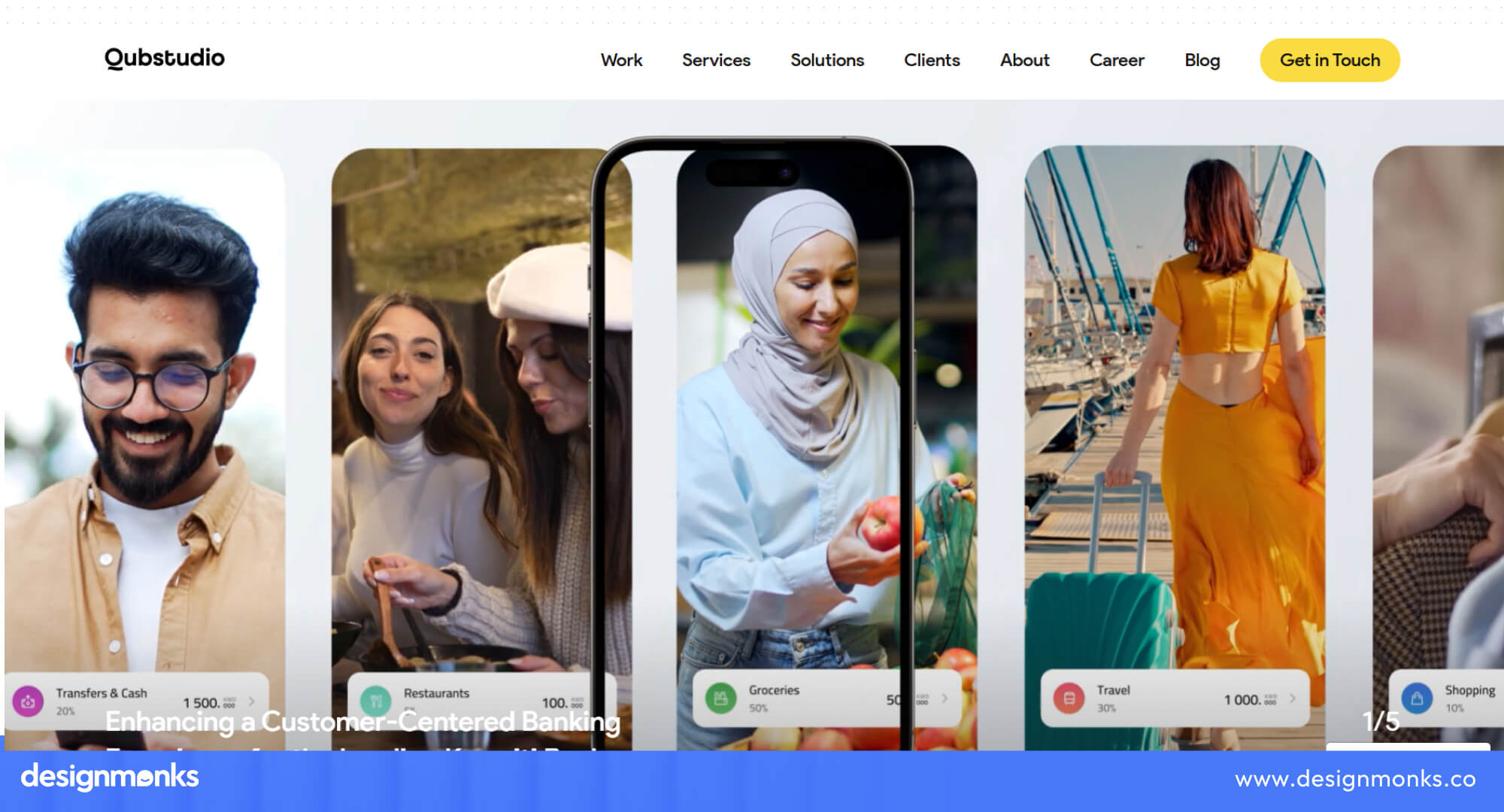
Qubstudio is strong at information architecture and helps to organize complex financial products so users can find information more easily. With rates of $25–$49 per hour and projects starting around $10,000, it can be a good option for mid-sized fintech companies modernizing older platforms.
Eleken
Eleken uses a different model from many agencies on this list. Instead of charging for a single project, it offers a monthly subscription with a dedicated designer who works directly with your team.
Based in Kyiv, Ukraine, and registered as a US LLC, Eleken charges around $6,000 per month per designer or $25–$49 per hour. The agency has completed more than 200 SaaS projects, including fintech products that needed work ranging from wireframes to clickable demos.
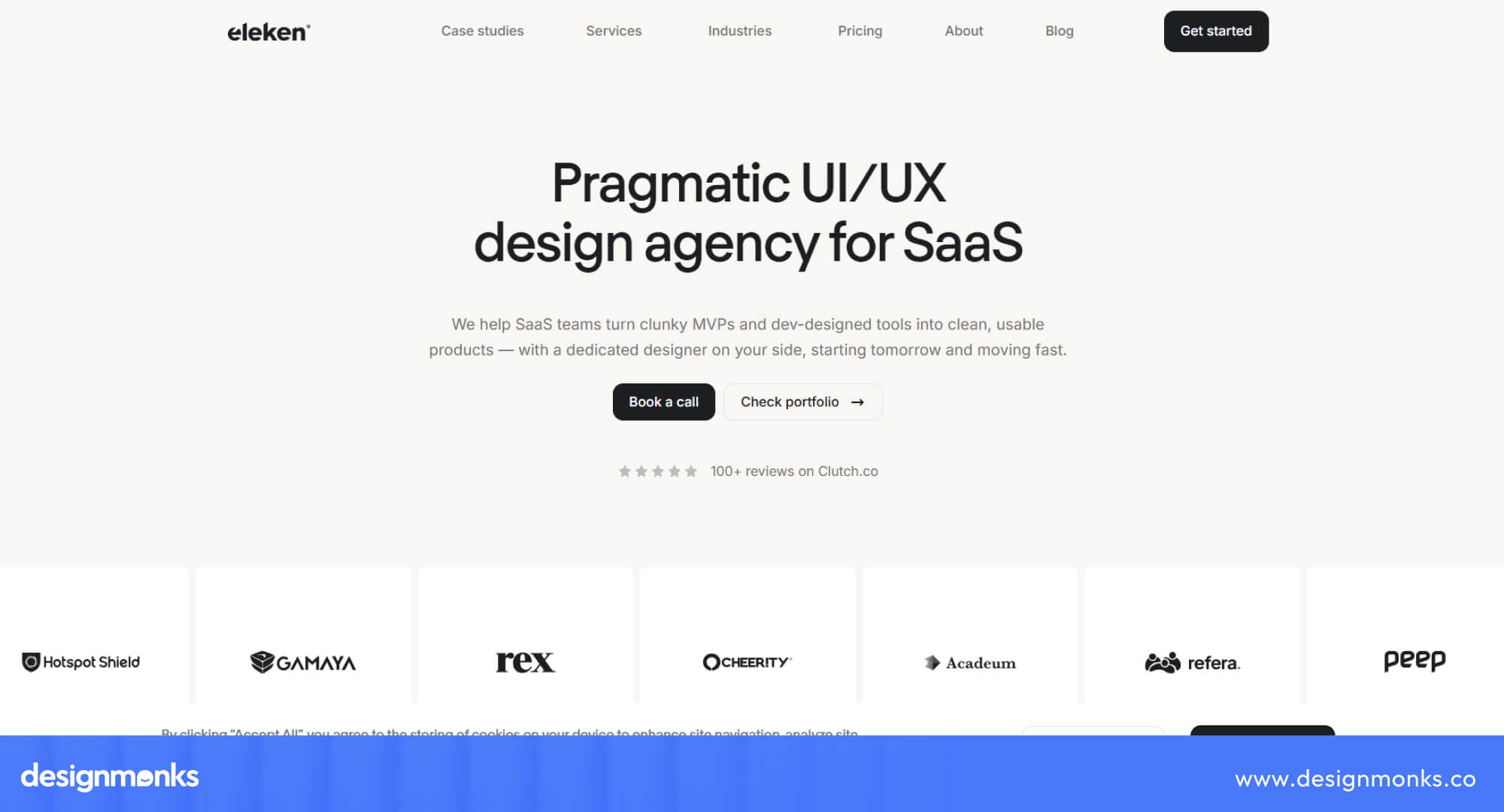
For fintech teams, this model can be useful when the product needs regular design updates, new features, or ongoing improvements.
Eleken is a good fit for fintech startups and SaaS companies that need continuous design support and want a predictable monthly cost.
Cieden
Cieden is a digital product design agency based in Toronto, Canada. Founded in 2016, its 40+ person team focuses on complex B2B products. Its fintech work includes Edelman Financial Engines, a Mastercard B2B payment platform, and Lendflow's embedded credit infrastructure.
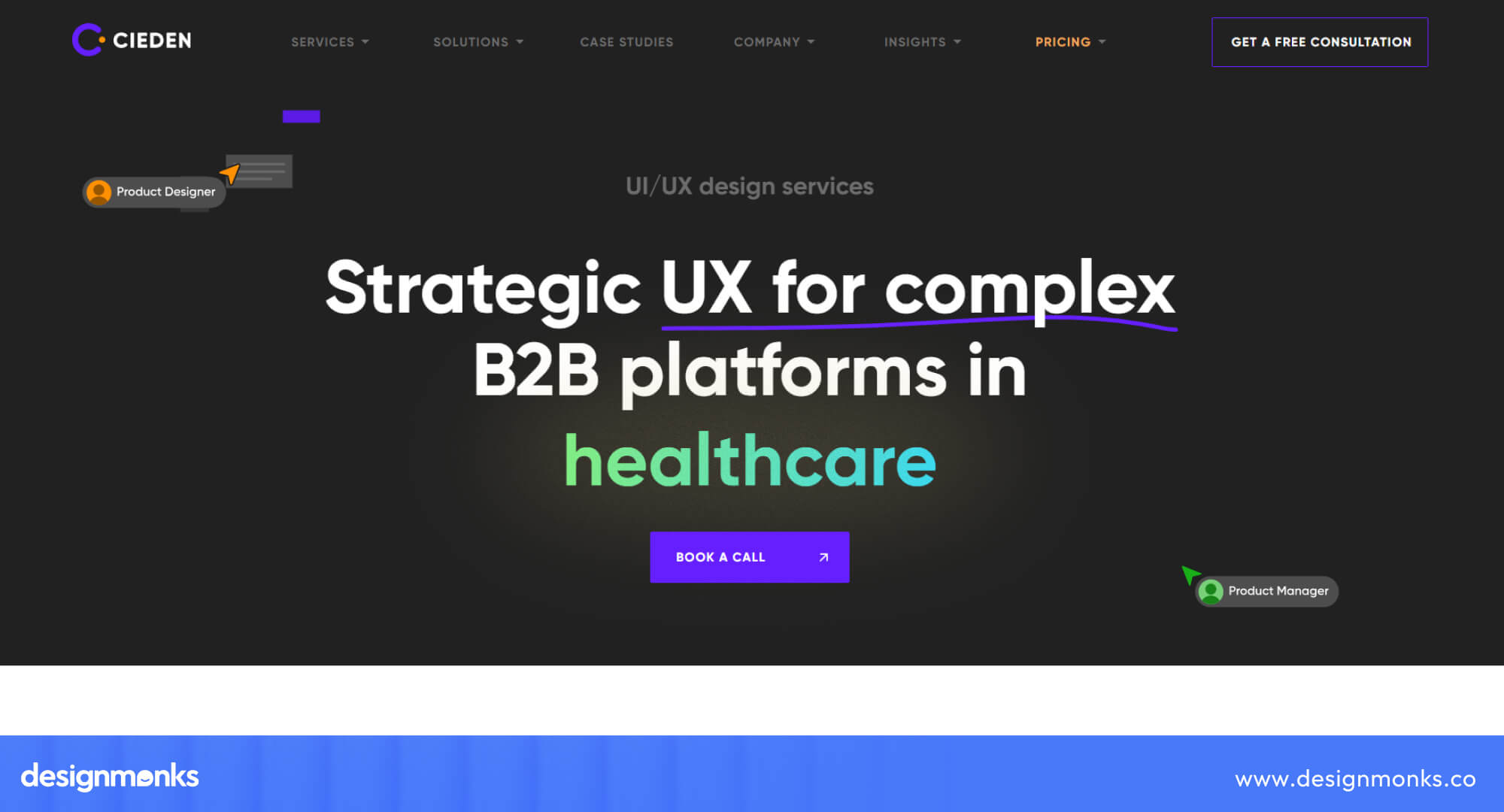
Cieden focuses on enterprise and regulated fintech products. Its team can help design data-heavy dashboards and financial flows while considering requirements such as KYC and AML.
Cieden is a good choice for fintech and SaaS teams that need structured UX research and design that considers compliance requirements.
UXDA
UXDA is one of the few agencies on this list that focuses only on fintech. Based in Riga, Latvia, the team has designed more than 80 digital banking and fintech products across 39 countries.
Because UXDA works only in financial services, its team has experience with regulations, older banking systems, and the trust concerns that come with financial products.
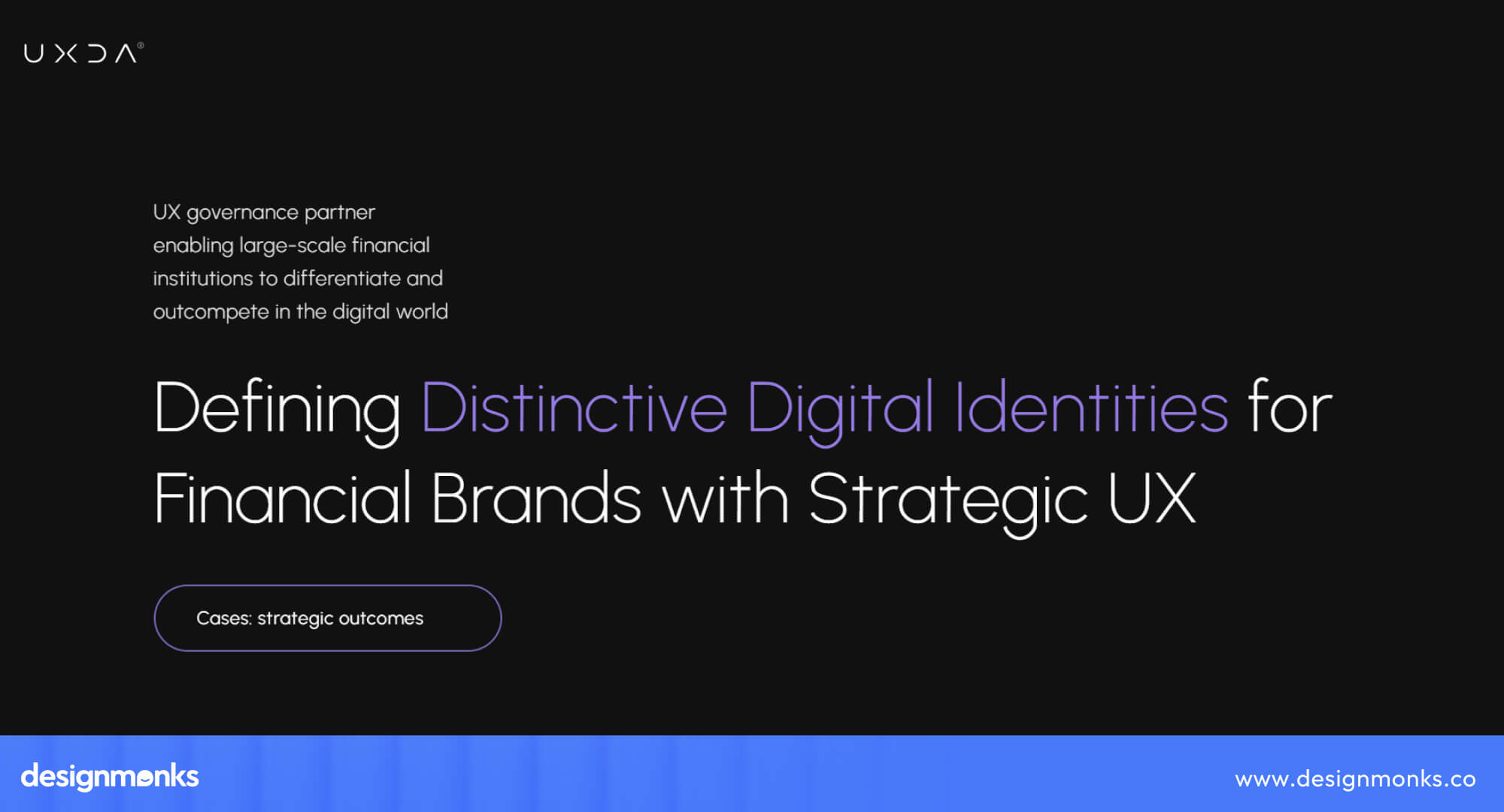
Its pricing is at the premium end, with hourly rates of $200–$300. UXDA is best for banks, neobanks, and investment platforms that need strong fintech experience and want compliance considered from the beginning.
Momentum Design Lab
Momentum Design Lab is a UX and product strategy agency based in San Francisco. It focuses on enterprise digital transformation. Since being acquired by HTEC Group in 2021, the agency has also added in-house engineering capabilities.
For fintech companies, Momentum works on complex products such as trading interfaces, portfolio management tools, treasury dashboards, and other financial platforms.
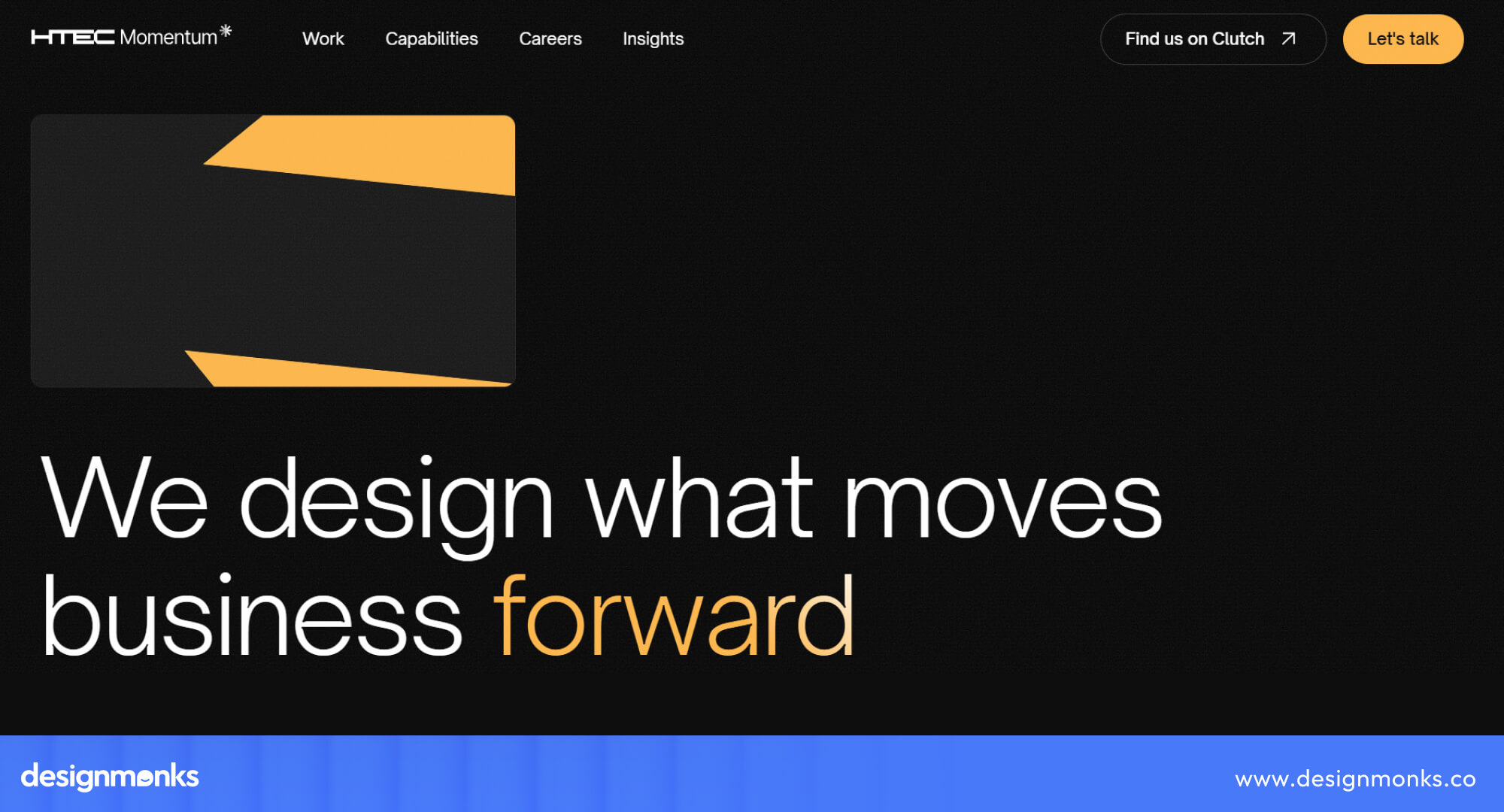
Momentum is a good fit for large fintech companies that need to improve complex financial software and handle data-heavy workflows. It is generally less suitable for early-stage startups with smaller budgets.
Blink UX
Blink UX is a Seattle-based UX research and design agency. It is known for conducting detailed user research before starting the design process.
For fintech companies, this research-first approach can help uncover user needs, pain points, and problems in complex or regulated products. The team can use these insights to improve financial dashboards, banking platforms, and products used by different types of users.
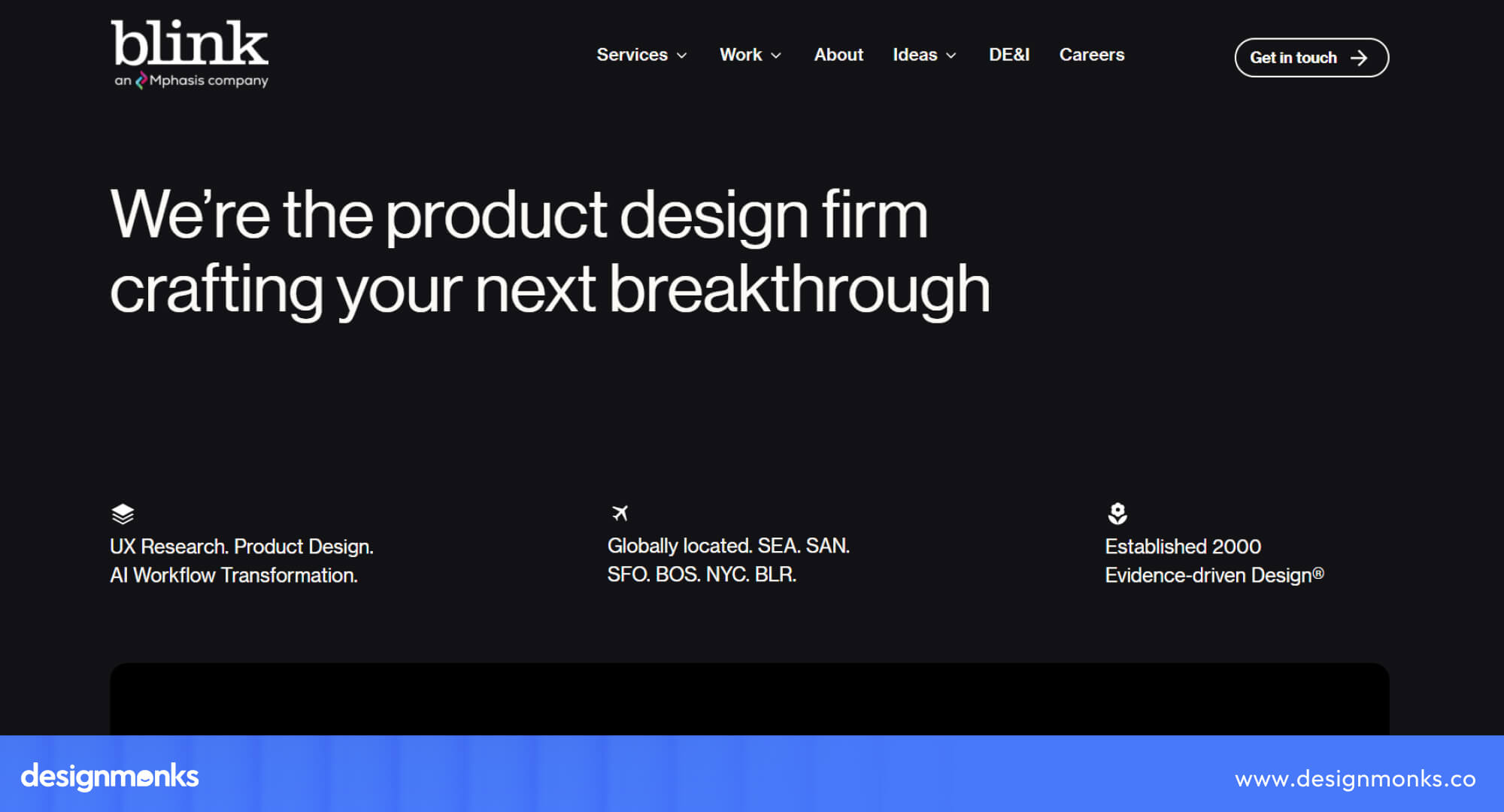
By understanding users before designing, Blink UX can help fintech teams make better design decisions and reduce usability issues early in the process. Pricing is available on request and usually reflects enterprise-level projects.
Blink UX is best for fintech companies that want strong user research to guide the entire design process.
Frog
Frog is one of the oldest names in the design industry. Founded in 1969, it is now part of Capgemini Invent. Frog has a global team of more than 1,000 people. It works with large financial institutions on major digital transformation projects.
For fintech and financial services, Frog can help with research, product design, service design, and business strategy. Its portfolio includes a banking and investment “super-app” for Odeabank and a banking redesign for Konfio, a Mexican fintech serving SMEs.
Frog is best suited to established financial institutions working on large and complex projects. It may not be the right fit for startups seeking faster and more affordable design support.
Fantasy
Fantasy is a small, selective digital product design agency based in New York. It is known for high-quality work for major consumer and enterprise brands.
For fintech and crypto companies, Fantasy focuses on polished product design that can help financial products stand out in a competitive market. Its work can improve areas such as user interfaces, interactions, and overall product presentation.

The agency works with only a small number of clients at a time. This allows them to focus closely on each project. Pricing is customized and usually suits premium projects with six-figure budgets.
Fantasy is best for well-funded fintech and crypto companies that want premium product design and strong visual branding rather than a low-cost or fast design solution.
IDEO
IDEO is one of the best-known names in the design industry. The agency is known for its human-centered design approach, which puts user needs at the center of the process.
For fintech companies, IDEO can help with complex products, new financial services, regulatory changes, and larger customer experience challenges. Its research-led process can help teams understand users and improve the full customer journey.
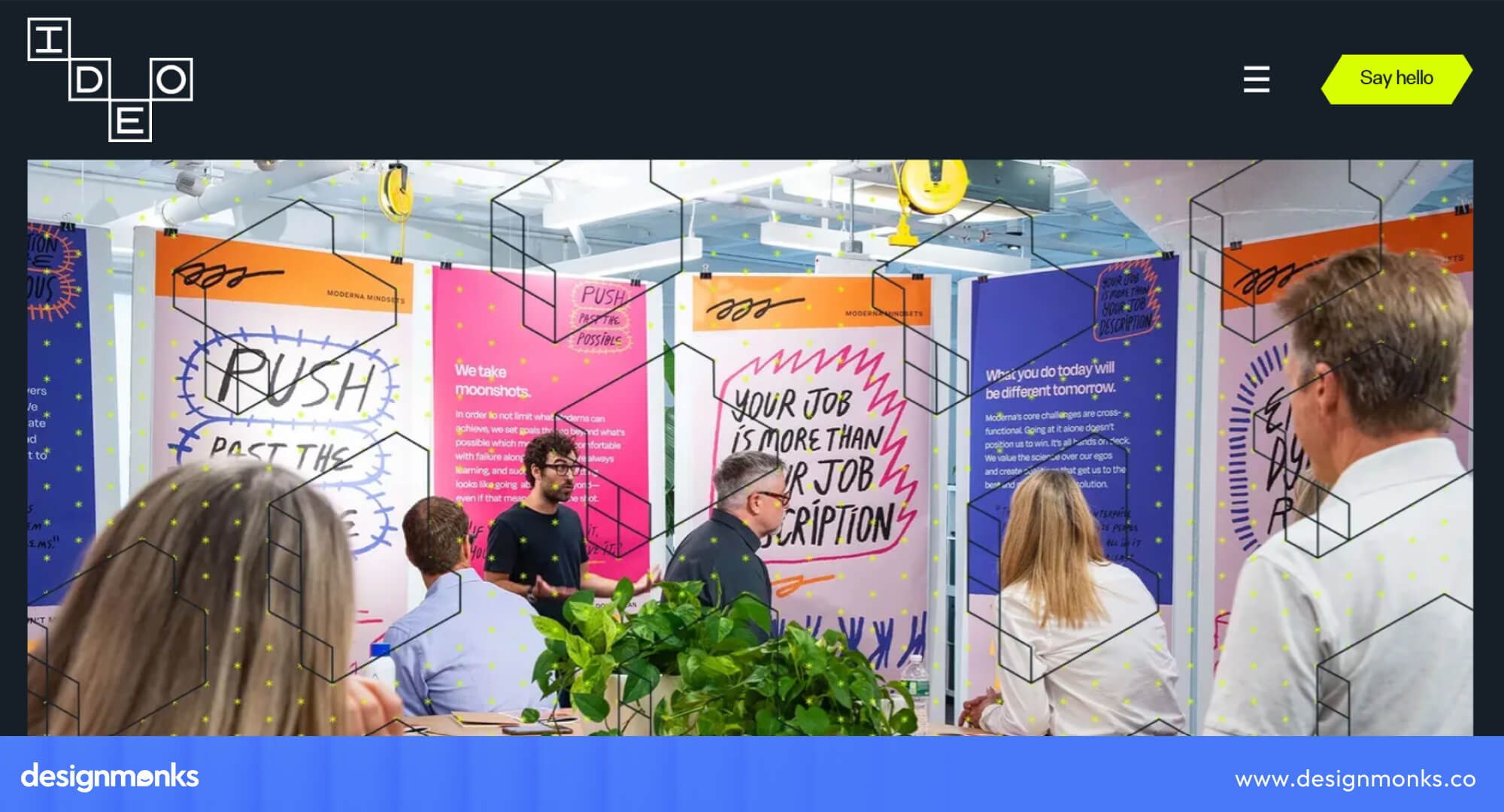
Pricing is custom and usually reflects large enterprise projects. IDEO is a good fit for established financial companies that have the budget and time for deep research and discovery.
It may not be ideal for startups that need quick, focused design support.
Designit
Designit is an international design firm founded in Aarhus, Denmark, in 1991. Wipro acquired the company in 2015. With more than 700 people across 17 global studios, Designit takes a strategic approach to financial products.
For fintech companies, it can help improve the full customer journey across banking apps, payment services, and other financial platforms.
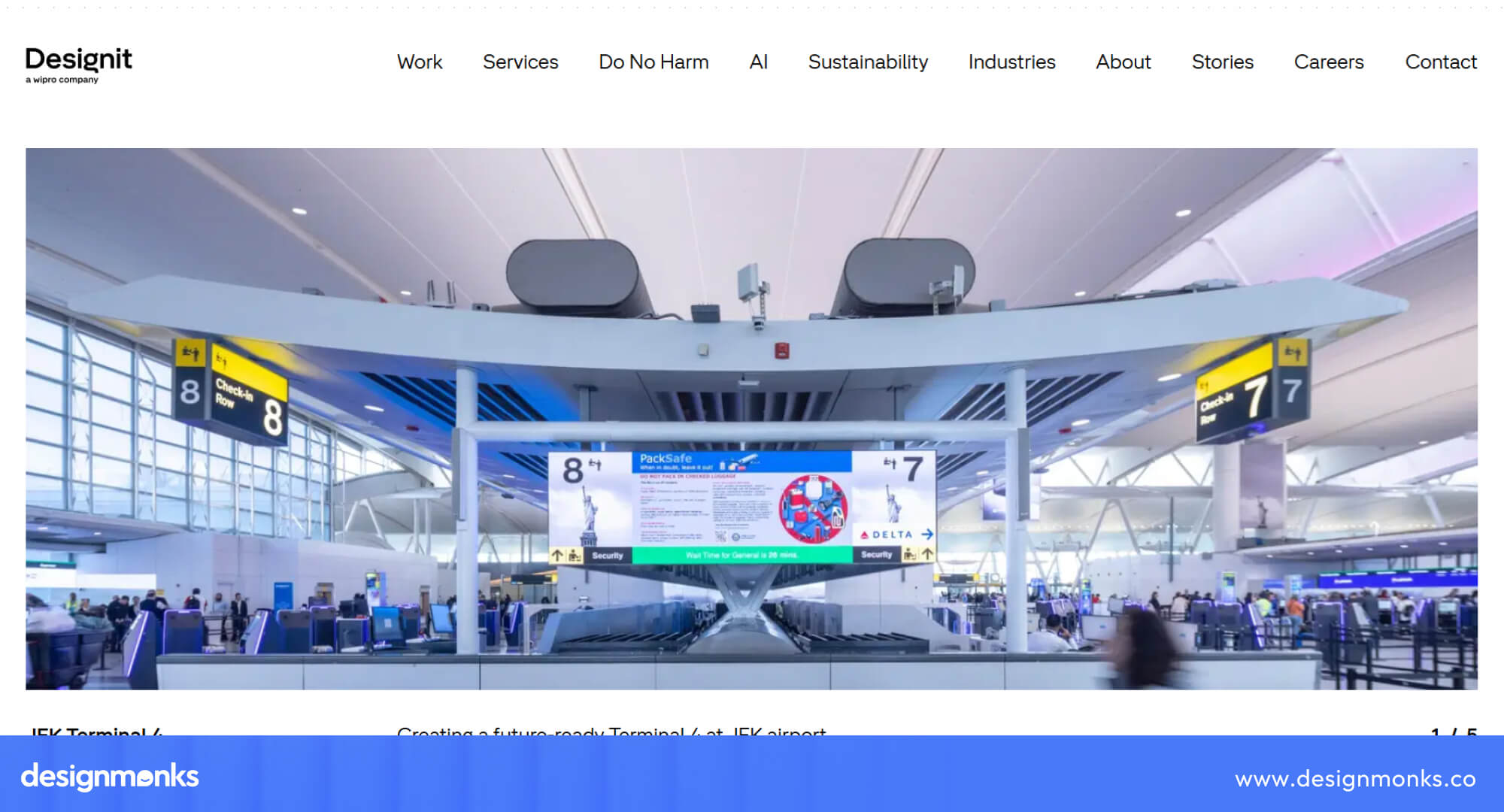
Rather than focusing only on individual screens, the agency looks at how different services and touchpoints work together. This can help banks simplify complex services and create more consistent user experiences.
The agency is best for large financial institutions working on new products or major digital transformation projects.
Ramotion
Ramotion is a San Francisco-based digital product and brand design agency with more than 15 years of experience.
The agency combines brand identity with UI/UX design and helps fintech companies create a consistent experience across their brand and product. This can be useful for banking apps, financial platforms, and SaaS products that need a clear and recognizable identity.
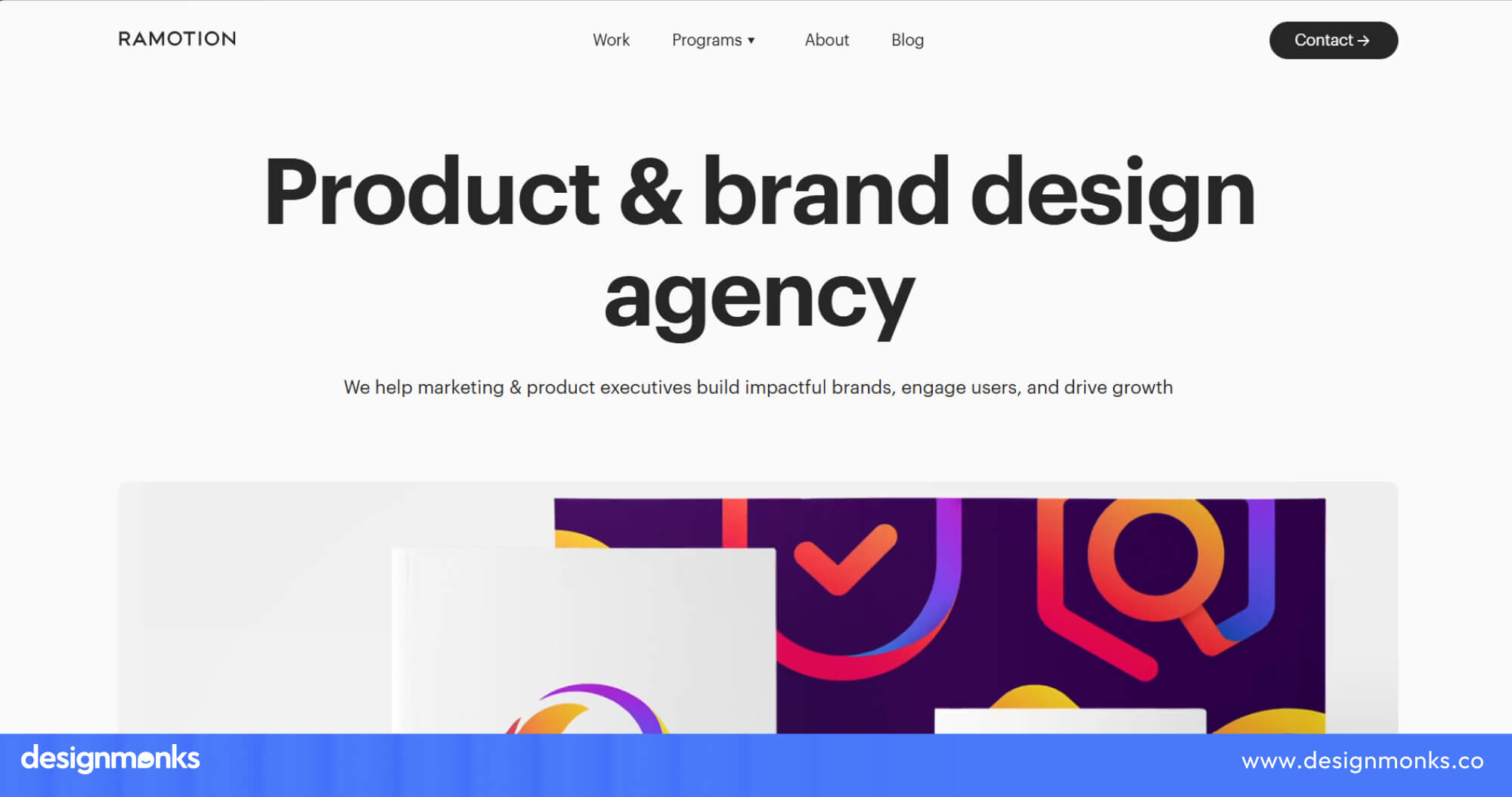
Ramotion also works closely with development teams, which can make the design-to-development process smoother. It's a good choice for fintech startups that want their brand and product to feel connected, especially before a funding round, product launch, or major brand update.
Metalab
MetaLab is a full-service product design studio best known for its early work on Slack. The agency focuses on premium product design for growth-stage and well-funded companies.
For fintech companies, MetaLab can help create polished digital products with strong visual and interaction design. This can be useful for financial apps that want to offer a more engaging and premium user experience.
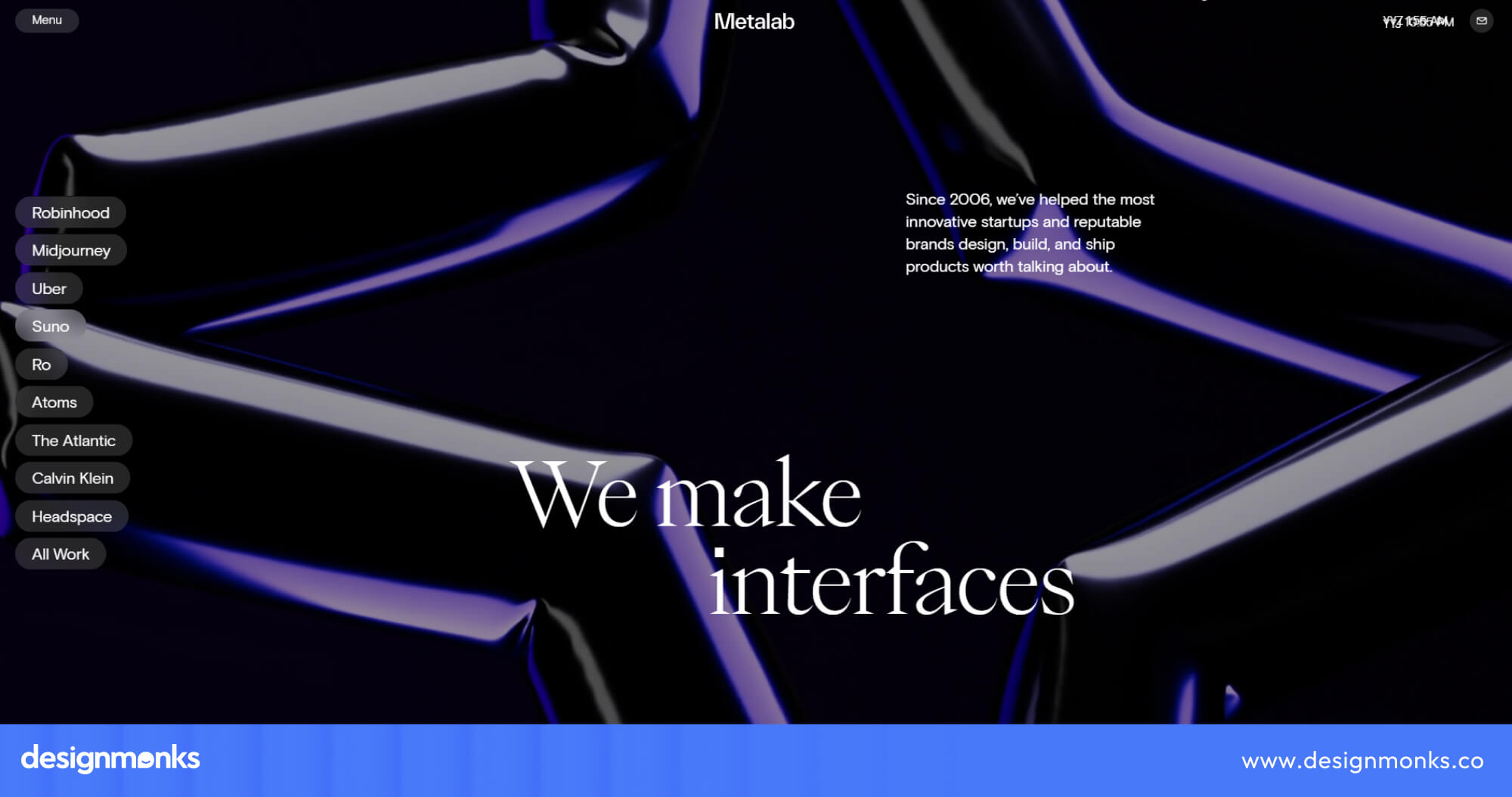
Projects typically start at $100,000, so MetaLab can be less suitable for early-stage or bootstrapped fintech startups. MetaLab is best suited to well-funded fintech companies looking for premium product design.
Gojilabs
Goji Labs is a Los Angeles-based digital product agency founded in 2014. It combines UX/UI design and custom software development under one team.
For fintech companies, the agency can help design and build products such as banking apps, payment platforms, financial dashboards, and blockchain products. Its team can simplify complex financial flows and make tasks like onboarding, payments, and account management easier for users.
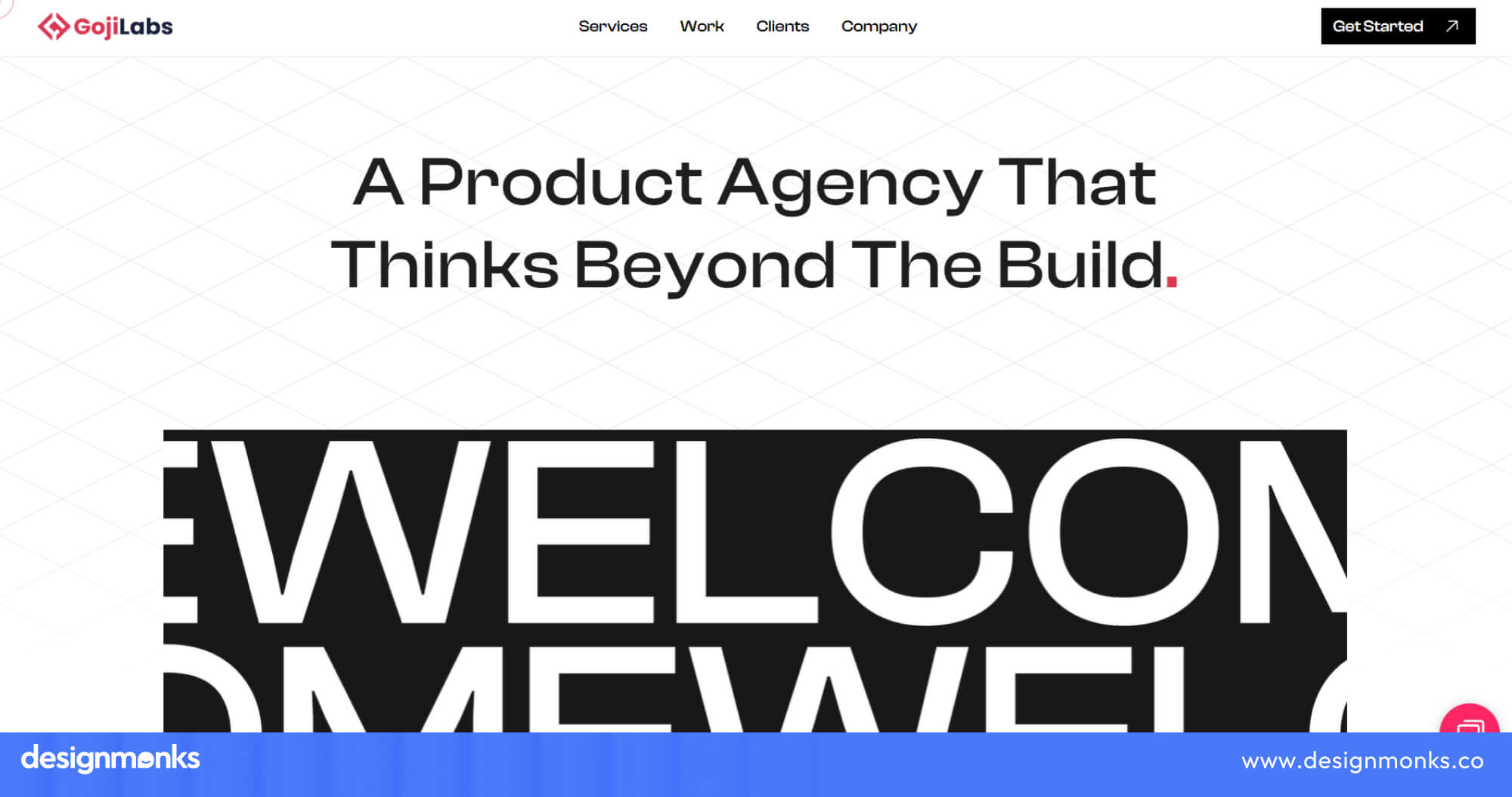
The agency has launched more than 500 digital products across different industries, including fintech and blockchain. Goji Labs is a practical choice for fintech founders building an MVP who want one team to handle both design and development.
How We Selected the Best Fintech Design Agencies
We selected the best fintech design agencies based on more than just their portfolios. A strong fintech agency needs to understand financial products, user trust, complex workflows, and business goals.
Image fintech
This matters even more as digital finance becomes a bigger part of everyday life. In emerging and developing economies, the average number of digital financial transactions increased from 55 per adult in 2017 to 251 in 2024, according to the IMF’s 2025 Financial Access Survey.
Now, let's check the criteria we used to pick the agencies:
- Fintech experience: Agencies should have experience designing banking, payments, lending, wealth management, insurance, or other financial products.
- UI/UX expertise: We considered how well agencies handle research, user flows, information architecture, interaction design, and visual design.
- Portfolio quality: Real fintech projects provide better proof than polished concept designs alone.
- Complex product experience: We looked at whether agencies had experience designing complex fintech products with dashboards, transactions, reports, onboarding, account management, and multiple user roles.
- Research and usability testing: We checked how agencies use user research and usability testing to understand user needs and validate design decisions.
- Design systems: We considered whether agencies had experience creating scalable design systems with reusable components, patterns, and consistent UI across products.
- Accessibility and security awareness: We evaluated how agencies approach accessibility, clear financial interactions, and the responsible handling of sensitive user information.
- Communication and process: We considered how clearly agencies define their design process and collaborate with product, engineering, compliance, and other teams.
- Client reviews and reputation: We also considered feedback, project outcomes, and the agency's experience working with established businesses and startups.
The goal was simple, and that is to identify agencies that can do more than make a fintech product look good. They should be able to make it easier to understand, easier to use, and ready to scale.
What Services Does a Fintech Design Agency Offer?
A fintech design agency helps financial businesses create easier, clearer, and more trustworthy digital experiences.
Its services can cover everything from UX research and UI/UX design to mobile apps, dashboards, design systems, prototyping, and UX audits. Most fintech design agencies offer:
- UX research: User interviews, competitor research, surveys, and usability testing to understand user needs.
- UI/UX design: User flows, wireframes, and interfaces for banking, payments, investing, and other financial products.
- Mobile and web design: Responsive experiences for fintech apps, platforms, dashboards, and portals.
- Design systems: Reusable components and patterns that keep growing products consistent.
- Prototyping and testing: Interactive prototypes that help teams find usability issues before development.
- Branding: Visual identity, typography, colors, and guidelines for fintech brands.
- UX audits: Reviews that identify usability, accessibility, and workflow problems in existing products.
These services can directly affect how easily users complete important financial tasks. A good fintech agency connects these services rather than treating them as separate tasks.
How Much Does Fintech Design Cost?
Fintech design can cost anywhere from a few thousand dollars for a small project to $100,000+ for a complex financial platform. The final price depends heavily on the product's scope, number of screens, research requirements, complexity, and team involved. As a general planning range, you can expect these:
These are planning estimates, not fixed market rates. An agency may charge by project, hourly rate, monthly retainer, or design team size.
Designing five core onboarding and payment screens is very different from designing an entire financial ecosystem with customer, admin, support, and compliance workflows. This is how project costs vary significantly.
What Affects Fintech Design Cost?
Several factors influence fintech design costs. This is why two fintech projects can have very different budgets:
- Product complexity: Trading platforms, financial dashboards, and products with complex transactions require more design work than simple budgeting apps.
- Screens and workflows: More screens and user flows mean more research, design, testing, and documentation.
- Research: Interviews, competitor research, surveys, and usability testing add time and cost but can prevent costly design mistakes.
- Platforms: Designing for mobile, web, tablet, and admin interfaces costs more than designing for a single platform.
- Design system: Creating reusable components and patterns requires extra work but makes the product easier to scale.
- Integrations: Banking APIs, payment systems, identity verification, and other integrations can make workflows more complex.
- Compliance and accessibility: Financial products need clear, accessible interfaces, especially for sensitive actions.
- Team and timeline: Larger teams and tight deadlines can increase costs, especially when several specialists are needed at once.
The cheapest proposal is not always the best value. Compare what each agency includes for the price. A $10,000 project with limited research may deliver less value than a $15,000 project that includes usability testing, a design system, and complete developer handoff.
How to Choose the Right Fintech Design Agency
You should choose a fintech design agency based on its relevant experience, design process, product thinking, communication, and ability to handle financial complexity, not just its visual portfolio. Here is a practical way to evaluate agencies:
1. Check Relevant Fintech Experience
Look for projects similar to yours. A team that has designed payment apps may understand transaction flows, while an agency experienced in wealth management may be better suited to investment products.
2. Review Case Studies, Not Just Screenshots
Screenshots show what the final product looks like. Case studies show how the agency thinks. Look for information about the problem, research, design decisions, challenges, and results.
3. Understand Their Process
Ask what happens after you sign the contract. A strong process should explain research, UX, UI, prototyping, testing, revisions, handoff, and communication.
4. Evaluate Their Product Thinking
Good fintech designers should ask questions about users, business goals, technical limitations, and important workflows. If an agency immediately starts discussing colors and screens without understanding the product, that is worth questioning.
5. Ask About Design Systems
A reusable design system becomes increasingly important as your product grows. Ask whether the agency creates components, states, variants, tokens, and documentation.
6. Consider Developer Handoff
The design needs to work for developers too. Ask how the agency handles specifications, components, responsive states, assets, and developer collaboration.
7. Check Communication
You may work with the agency for weeks or months. Clear communication, regular updates, and a defined feedback process can make a major difference.
8. Compare Value, Not Just Price
Create a simple comparison of agencies based on experience, services, timeline, team, deliverables, and cost. The right agency should feel like a product design partner, not simply a team that delivers screens.
Fintech Design Agency vs. Freelancer: Which Should You Choose?
Choose a freelancer for a focused, smaller fintech project and an agency when you need a broader team, deeper research, or a complex product experience. Neither option is automatically better. It depends on what you are building:
When Should You Choose a Freelancer?
A freelancer works well for smaller, focused projects with limited budgets or timelines, such as redesigning an onboarding flow or creating an MVP. They can also add design support to an existing team. Just make sure they have real fintech experience, not only a strong visual portfolio.
When Should You Choose an Agency?
An agency is a better fit for complex products that need multiple specialists, extensive research, or ongoing design support. They can handle UX research, UI design, prototyping, design systems, accessibility, and developer handoff as one team.
Questions to Ask Before Hiring a Fintech Design Agency
Before signing a contract, ask questions that reveal how the agency actually works. A polished portfolio does not tell you everything. Here are some useful questions:
- Have you designed products for fintech or financial services before?
- Can you show relevant fintech case studies?
- How do you conduct UX research?
- How do you validate design decisions with users?
- How do you handle complex financial workflows?
- Will you create a design system for the product?
- How do you collaborate with developers?
- What deliverables will we receive at the end?
- How many designers and specialists will work on our project?
- Who will be our main point of contact?
- How do you handle revisions and feedback?
- What happens if the project scope changes?
- How long will the project take?
- How do you approach accessibility?
- Can you support the product after the initial design phase?
- How is the project priced?
Pay close attention to how the agency answers these questions. Strong teams usually explain their process clearly and ask questions about your users, product, goals, technical setup, and business model.
FAQs
How much does a fintech design agency charge?
A fintech design agency may charge anywhere from a few thousand dollars for a small project to $100,000 or more for a complex product. Pricing depends on scope, research, screens, platforms, integrations, and team size.
How long does fintech product design take?
A small fintech MVP may take around 4-8 weeks, while a larger fintech platform can take several months. The timeline depends on research, number of workflows, product complexity, testing, and revision cycles.
Should a fintech startup hire an agency or freelancer?
A startup with a small, focused project may benefit from a freelancer. If the product requires research, multiple designers, complex workflows, or a scalable design system, an agency may be a better fit.
Can a fintech design agency redesign an existing product?
Yes, a fintech design agency can redesign an existing product. Many agencies offer UX audits and product redesign services. They can identify usability problems, simplify workflows, improve the interface, and create a more consistent experience without rebuilding the entire product.
Do fintech design agencies also provide development?
Some do, while others focus only on design. If you need development too, confirm whether the agency offers it directly or works with your existing engineering team.


.avif)
.avif)
.avif)
.avif)


.avif)
.avif)
.avif)
.avif)






.avif)