.svg)



Key Takeaways
- Choosing the right blockchain product design agency improves Web3 usability and adoption.
- Strong blockchain UX simplifies wallets, transactions, gas fees, and smart contract interactions.
- Top agencies design secure, transparent interfaces for DeFi, crypto apps, and dApps.
- Effective blockchain product design balances security, scalability, decentralization, and user experience.
- Structured UX research, prototyping, and UI design ensure successful blockchain product launches.
Choosing the right blockchain product design agency can determine whether your Web3 product will succeed or fail. Many platforms struggle not because of weak technology, but because users find wallets, transactions, and confirmations confusing.
Blockchain apps require transaction approvals, wallet connections, and awareness of gas fees. Without thoughtful UX, these steps create friction and quickly undermine trust, which is why partnering with the right agency is crucial.
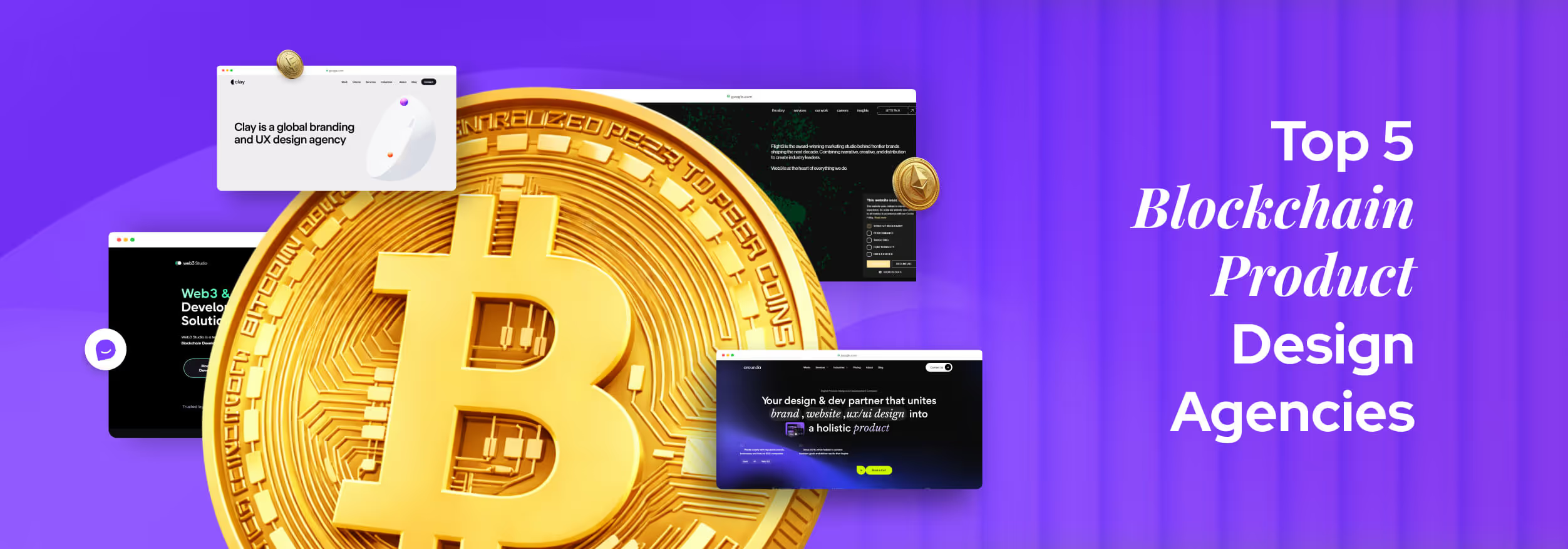
To help you decide, here are the top 5 blockchain product design agencies creating simple, secure, and user-friendly Web3 experiences.
What Is a Blockchain Product Design Agency?
A blockchain product design agency is a design team that focuses on building user-friendly experiences for Web3 products and decentralized applications (dApps). These agencies understand how blockchain systems work and design interfaces that help users interact with them easily.
Unlike traditional SaaS products, blockchain platforms include features such as wallet connections, transaction approvals, and network security. These steps can be confusing for many users. A blockchain product design agency simplifies these processes so people can complete actions clearly and securely.
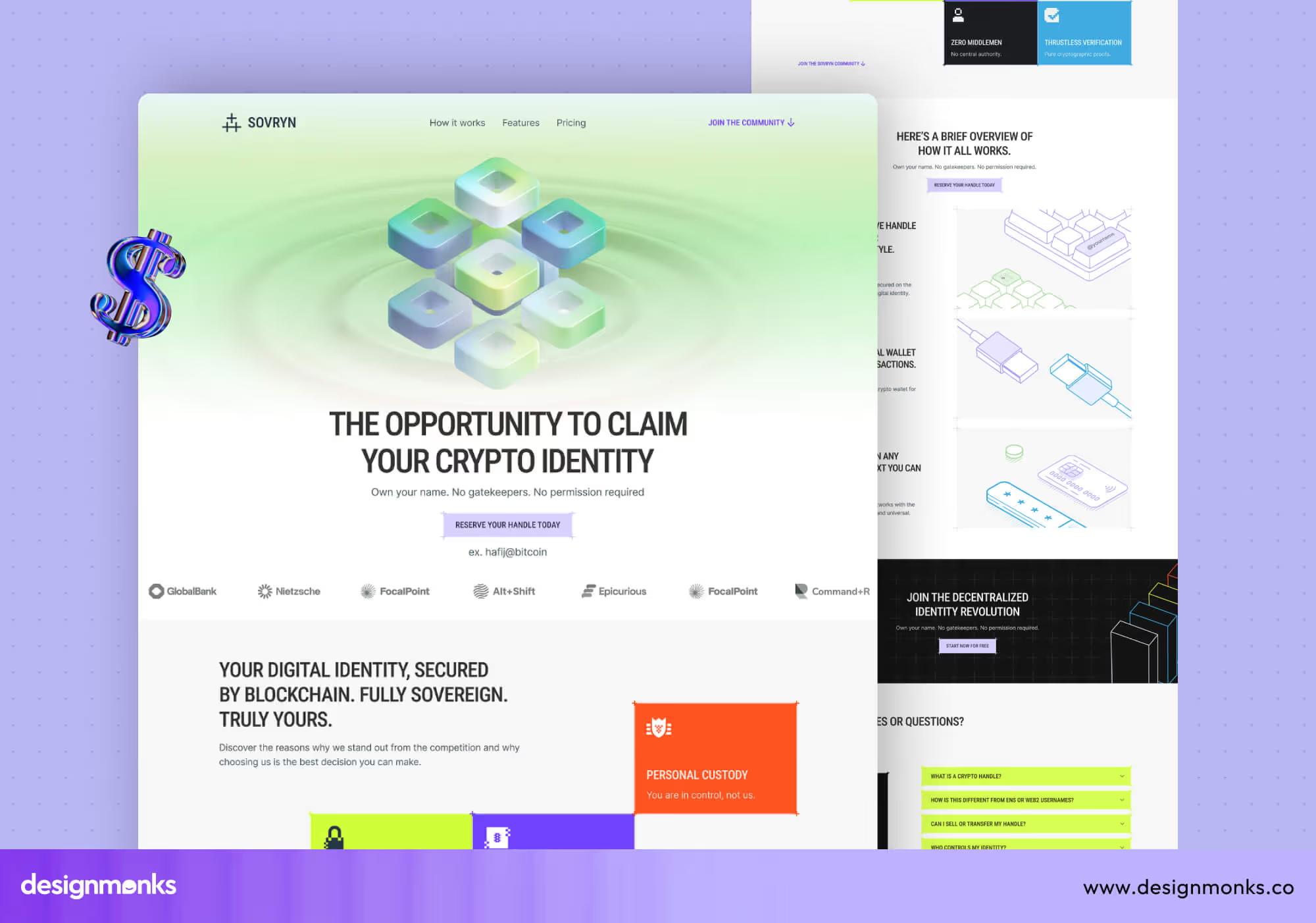
These agencies design interfaces for crypto platforms, DeFi dashboards, NFT marketplaces, and other dApps. They focus on making tasks like connecting a wallet, confirming transactions, and understanding gas fees simple and easy to follow. Clear design helps users understand what is happening at every step.
The goal is not only to create visually appealing interfaces but also to build secure, trustworthy blockchain products. By improving usability and clarity, blockchain product design agencies help Web3 platforms become easier to use, which encourages more users to adopt them.
Top 5 Blockchain Product Design Agencies
Choosing the right blockchain product design agency is critical for building Web3 platforms that are secure, user-friendly, and scalable. You need to pick an agency that will help you make a product that users can trust and easily navigate. Below are five agencies that excel in designing intuitive blockchain experiences:
Design Monks
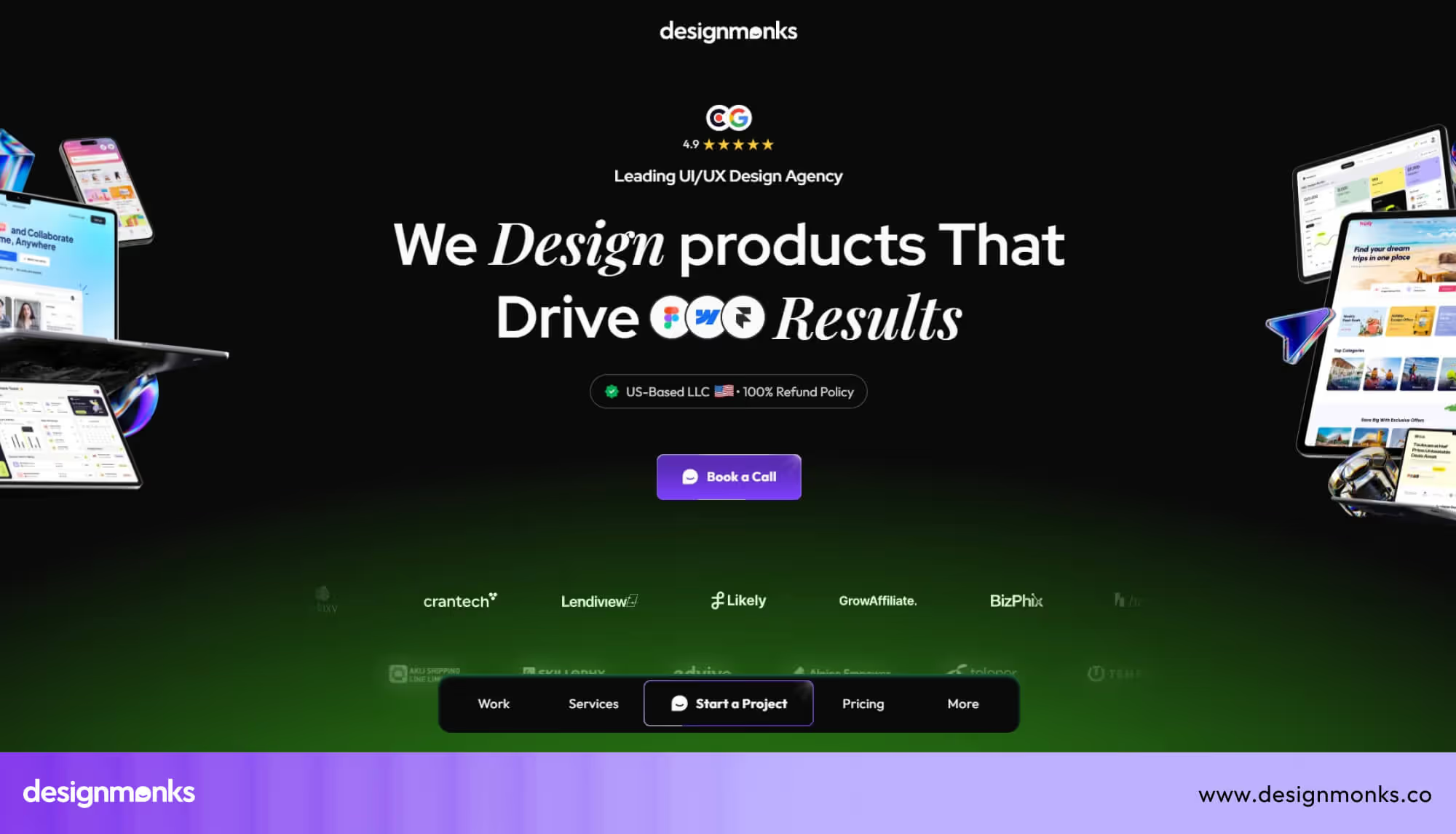
Design Monks is a leading blockchain product design agency, renowned for creating user-first Web3 experiences that combine usability, security, and clarity. Their team specializes in DeFi platforms, NFT marketplaces, crypto wallets, token dashboards, and enterprise blockchain products.
Overview
- Website: Design Monks
- Locations: Dhaka, USA, Dubai, Johannesburg, and more
- Price: $50 – $99/hr
- Clients: Telenor, Robi, SwissLife, Dingi, Ostad, and more
- Ideal for: Companies seeking scalable, secure, and highly intuitive blockchain product design
Design Monks isn’t just a blockchain product design agency, they are creative partners for building intuitive and secure Web3 platforms. From crypto wallets, DeFi dashboards, NFT marketplaces, to token platforms, Design Monks helps brands create user-friendly, reliable, and visually appealing blockchain products.
Their clients value their fast turnaround, responsive support, and hands-on approach throughout every project. Every project begins with understanding user personas. The team maps detailed user journeys and ensures every blockchain workflow is simple, transparent, and secure.
They also prioritize trust and transparency in every interface. They integrate clear transaction status indicators and explorer links. This allows users to verify blockchain activity independently.
By combining UX research, wireframing, and interface design, they create products that reduce friction, improve adoption, and retain users long-term.
Clay
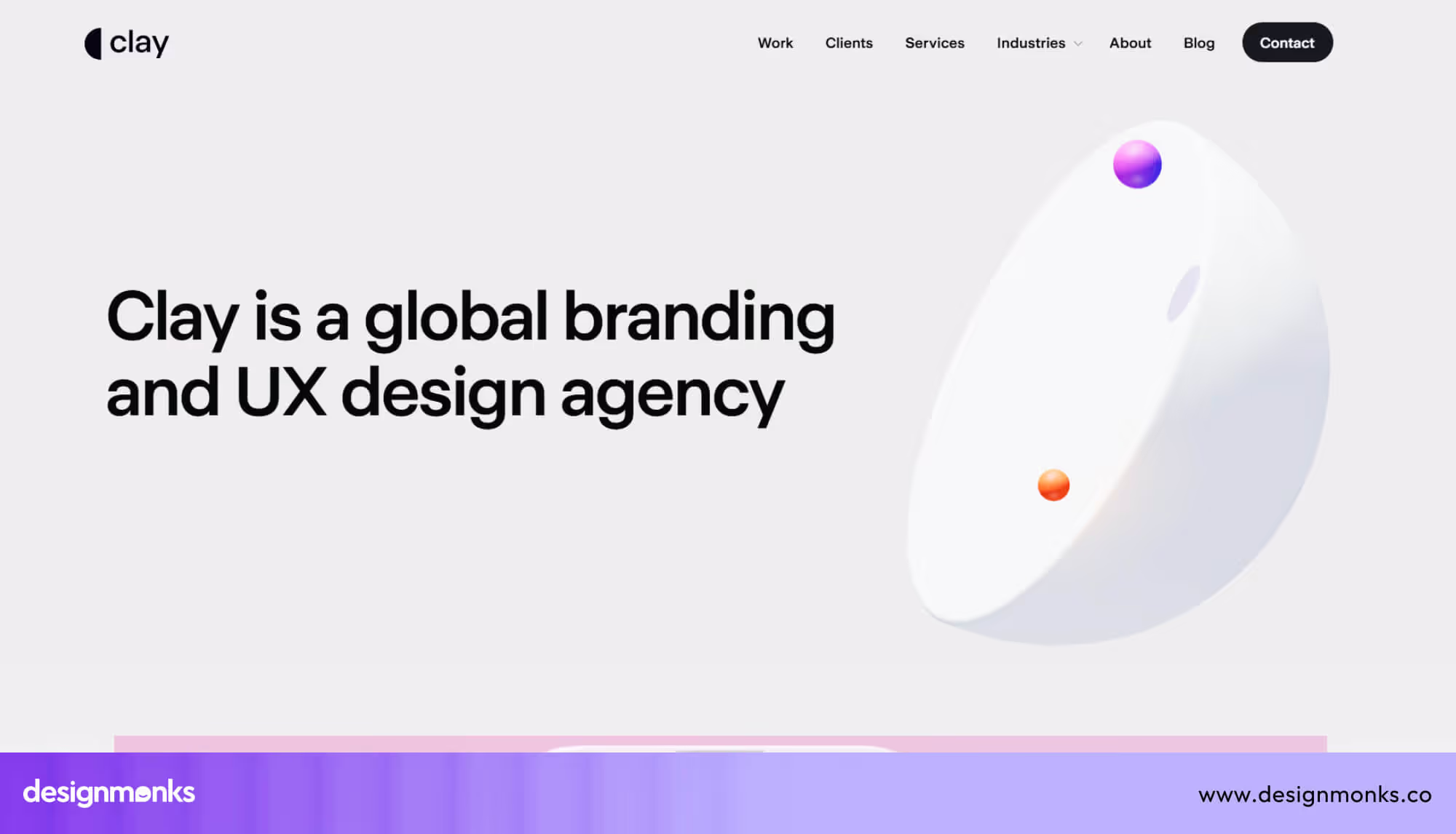
Clay is a digital product design agency known for creating high-quality user experiences for complex digital platforms, including blockchain and Web3 products.
Overview
- Website: Clay
- Locations: San Francisco, Austin, New York
- Price: $150 – $199/hr
- Clients: Facebook, Google, Slack, Coinbase, Amazon, Stripe, and more
- Ideal for: Companies seeking premium blockchain product design with strong UX and brand strategy
Clay approaches blockchain product design with a strong focus on clarity, usability, and product structure. Web3 platforms often involve complex processes such as wallet connections, token management, and smart contract interactions. Clay designs clean dashboards, intuitive transaction flows, and structured interfaces that help users understand these actions more easily.
Their team works closely with companies to align product strategy, UX design, and branding. This ensures blockchain platforms are not only functional but also consistent in how they present data, assets, and transactions across the product experience.
Clay’s experience with global technology companies has helped them develop a design process that prioritizes scalability, usability, and visual refinement.
Web3 Studio
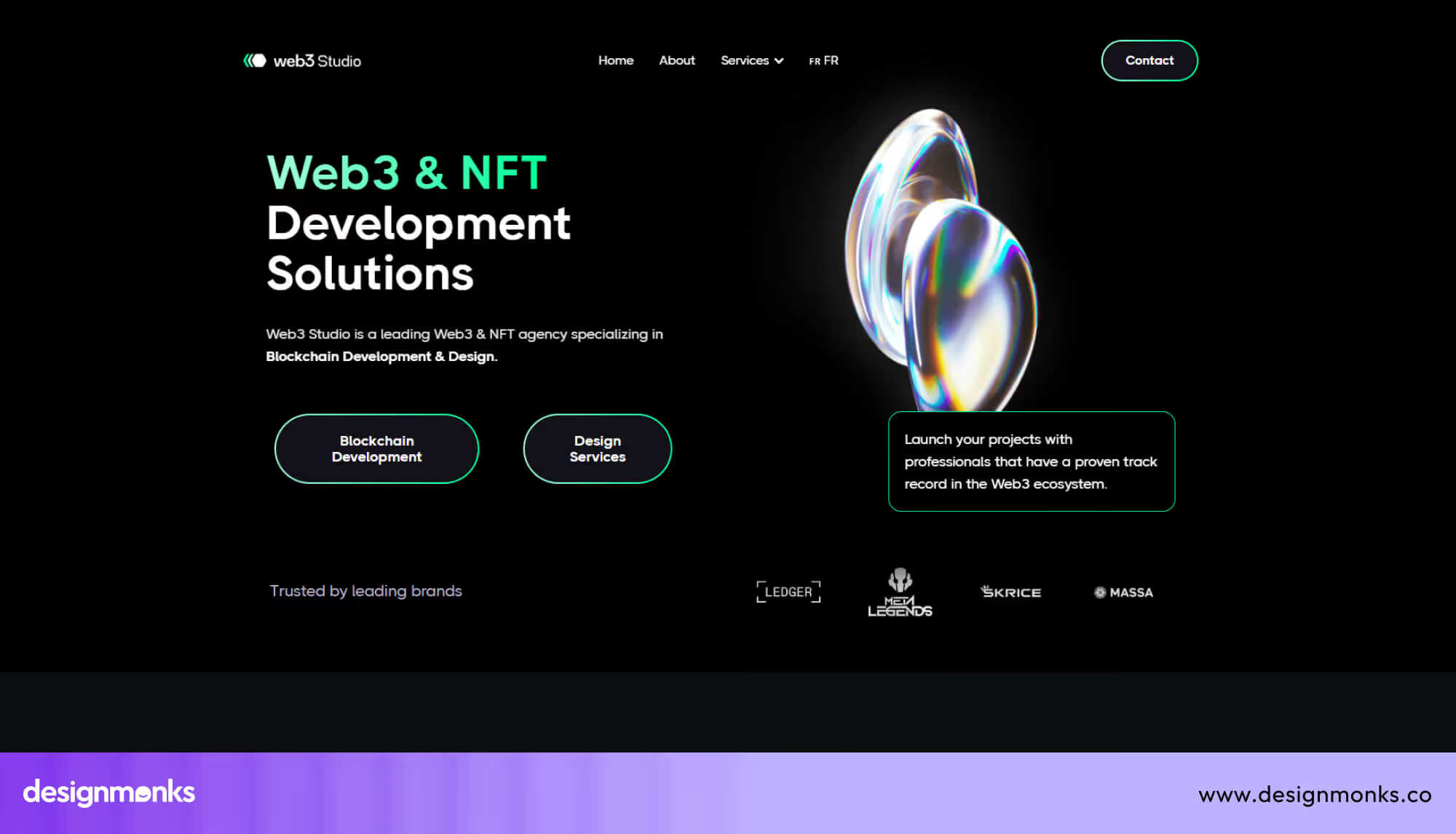
Web3 Studio is a specialized design and development agency focused entirely on building products for the Web3 ecosystem. Their team helps blockchain startups design and launch platforms such as NFT marketplaces, DeFi applications, crypto dashboards, and decentralized applications (dApps).
Overview
- Website: Web3 Studio
- Locations: Global
- Price: Project-based
- Clients: Meta legends, Baby Ghosts, Tavern Squad, and more
- Ideal for: Teams looking for specialized Web3 product design and development
Web3 Studio focuses on creating clear and functional user experiences for blockchain products. Web3 platforms often require users to connect wallets, approve transactions, and interact with smart contracts. Their design approach simplifies these processes through structured dashboards, intuitive navigation, and transparent transaction flows.
The team also prioritizes trust and usability in decentralized applications. They design interfaces that clearly communicate actions such as token transfers, approvals, and blockchain confirmations. This helps users understand what is happening at every step and reduces confusion during blockchain interactions.
By focusing entirely on the Web3 ecosystem, Web3 Studio helps startups turn complex blockchain ideas into practical & user-friendly products that are easier to launch and scale.
Arounda Agency
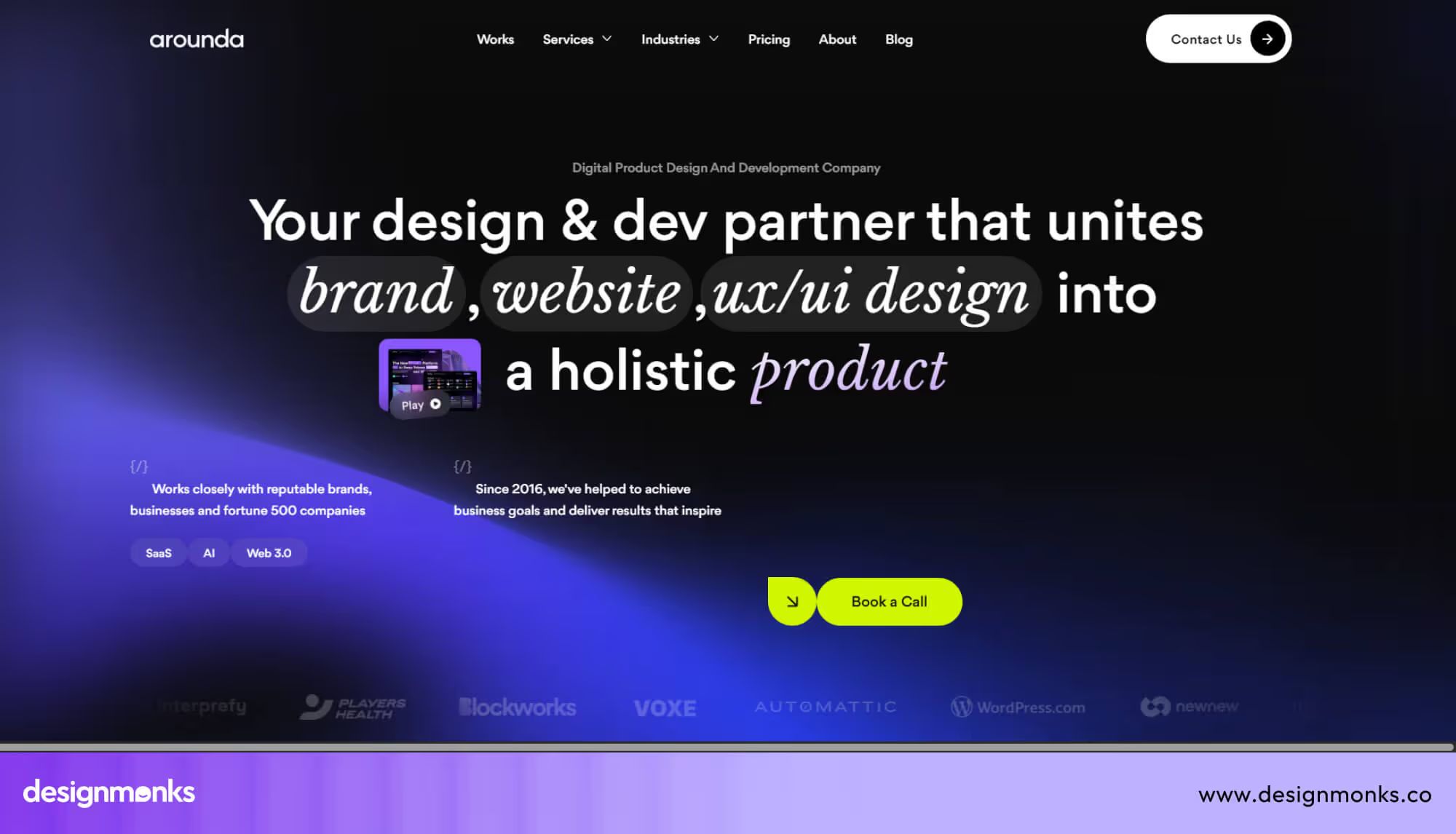
Arounda Agency is a design studio that creates user-friendly and visually appealing blockchain products.
Overview
- Website: Arounda Agency
- Locations: Global
- Price: Project-based
- Clients: BlockDB, Piko Health, NetGet, Cray, and more
- Ideal for: Companies seeking simple, clear, and attractive blockchain product design
Arounda focuses on making wallet connections, multi-signature transactions, and token flows easy to understand. Their designs guide users step by step, reducing mistakes and improving confidence.
The agency combines visual design with blockchain usability patterns. This ensures interfaces are both engaging and functional. They aim to make blockchain products intuitive, trustworthy, and easy for anyone to use, even for new users.
With a strong focus on clarity, simplicity, and adoption, Arounda helps Web3 teams deliver blockchain products that users can rely on and enjoy.
Flight3
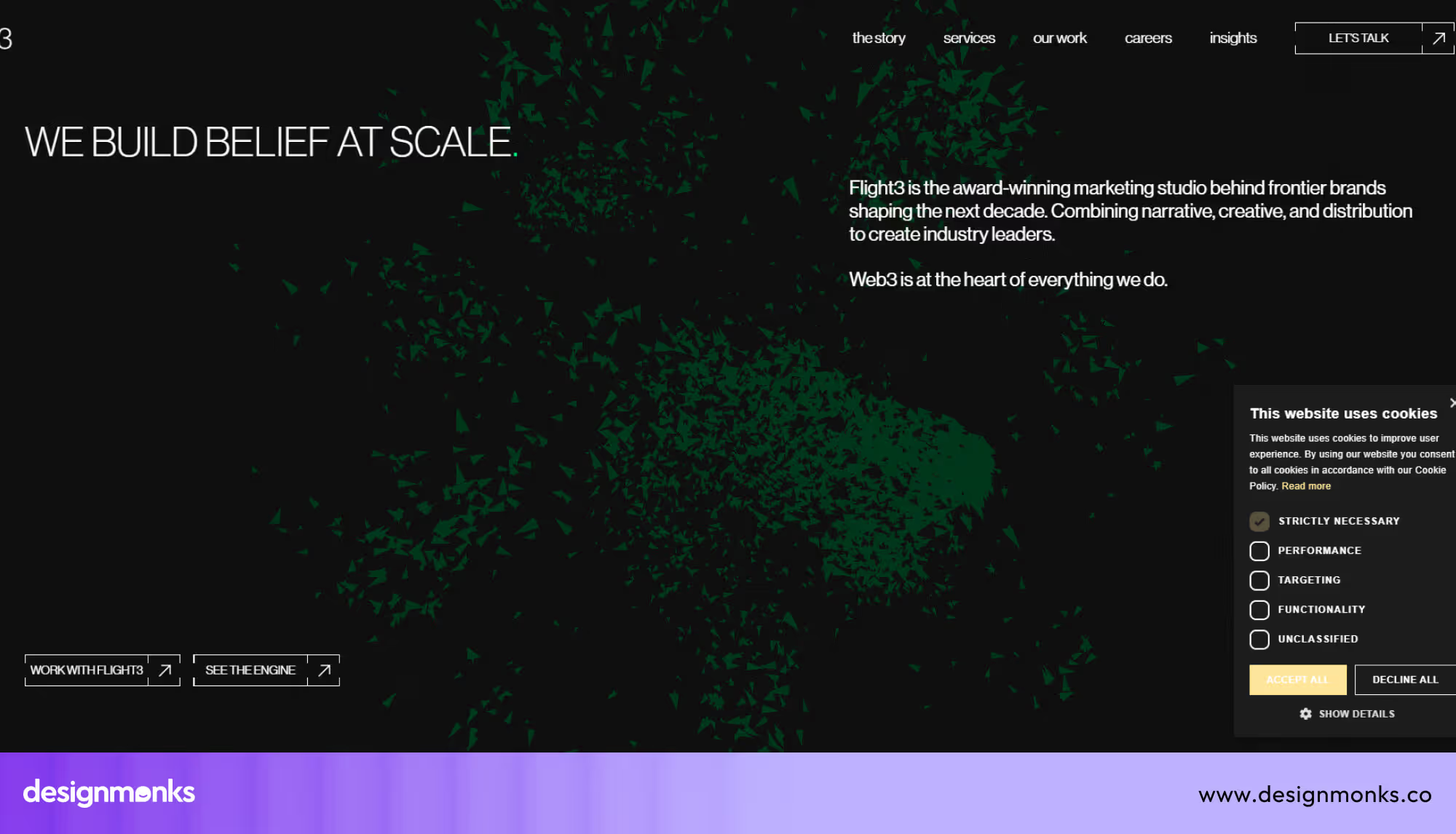
Flight3 is a blockchain product design agency that builds secure, clear, and scalable Web3 platforms.
Overview
- Website: Flight3
- Locations: Global
- Price: Project-based
- Clients: Coinbase, Vechain, Solana, Google, Optimism, and more
- Ideal for: Companies needing secure and user-friendly blockchain product design
Flight3 focuses on security-first UX, including wallet onboarding, transaction approvals, and multi-signature workflows. Their designs clearly show transaction status, risks, and smart contract interactions, helping users avoid mistakes.
The team combines UX design, interface clarity, and blockchain usability patterns to make complex platforms understandable and safe. They prioritize trust, transparency, and smooth user flows in every project.
By focusing on security, clarity, and usability, Flight3 helps Web3 teams deliver blockchain products that users can navigate easily and use confidently, even for complex DeFi or multi-chain platforms.
Key Design Principles for Blockchain Products
Designing blockchain products requires a different approach than traditional apps. Users must connect wallets, approve transactions, and sometimes pay gas fees to complete simple actions. These steps can feel confusing or risky, especially for new users. Good design reduces this friction by making each step clear and easy to follow.
To achieve this, designers follow several key blockchain design patterns and principles, which we’ll explore below. These focus on building trust, simplifying wallet interactions, and ensuring strong security for users.
Designing for Trust & Transparency
Trust is essential in blockchain products because users often manage real money or digital assets. The interface should clearly show transaction status, such as pending, confirmed, or failed. This helps users understand whether a transaction was successful or is still processing.
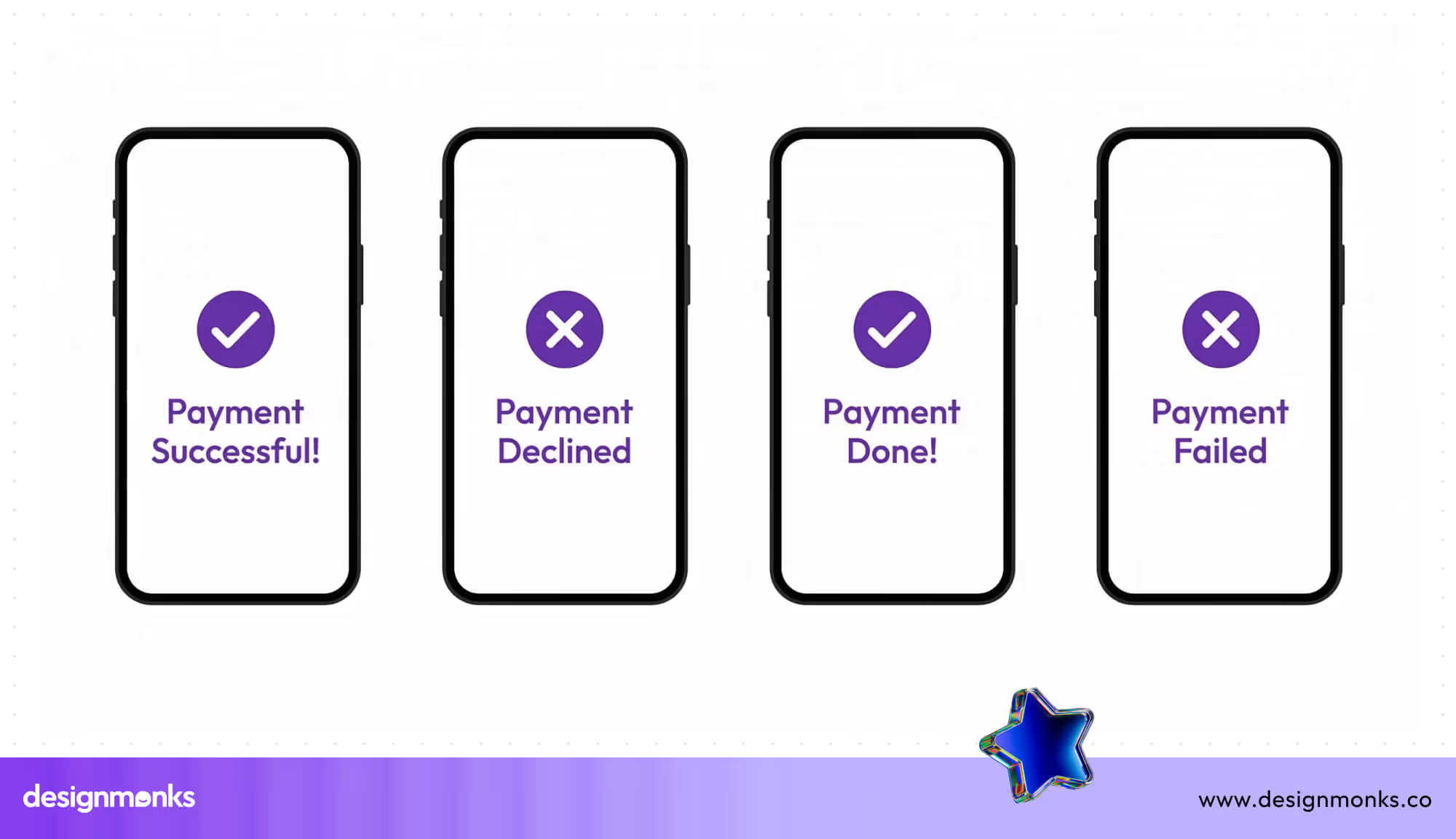
Clear confirmation details are also important. Users should see token amounts, gas fees, and the type of action they are approving. Platforms should also link each transaction to a blockchain explorer. This allows users to verify the transaction themselves. Explorer links give transparency and make users feel more confident.
When users can check their transactions and confirm what is happening, they trust the platform more. They feel safer interacting with smart contracts, performing transfers, or using decentralized applications.
Simplifying Complex Wallet Interactions
A key design principle in blockchain products is making wallet interactions simple and safe. Wallets are central to Web3 platforms, and users must connect them, approve transactions, and manage account permissions. If this process is confusing, users may make mistakes or abandon the platform.
Seed phrases play a critical role in making wallet use safe and clear. Interfaces should explain what a seed phrase is, how to store it securely, and why it must never be shared. Step-by-step instructions and visual cues guide users, reduce errors, and make interactions easier to follow.
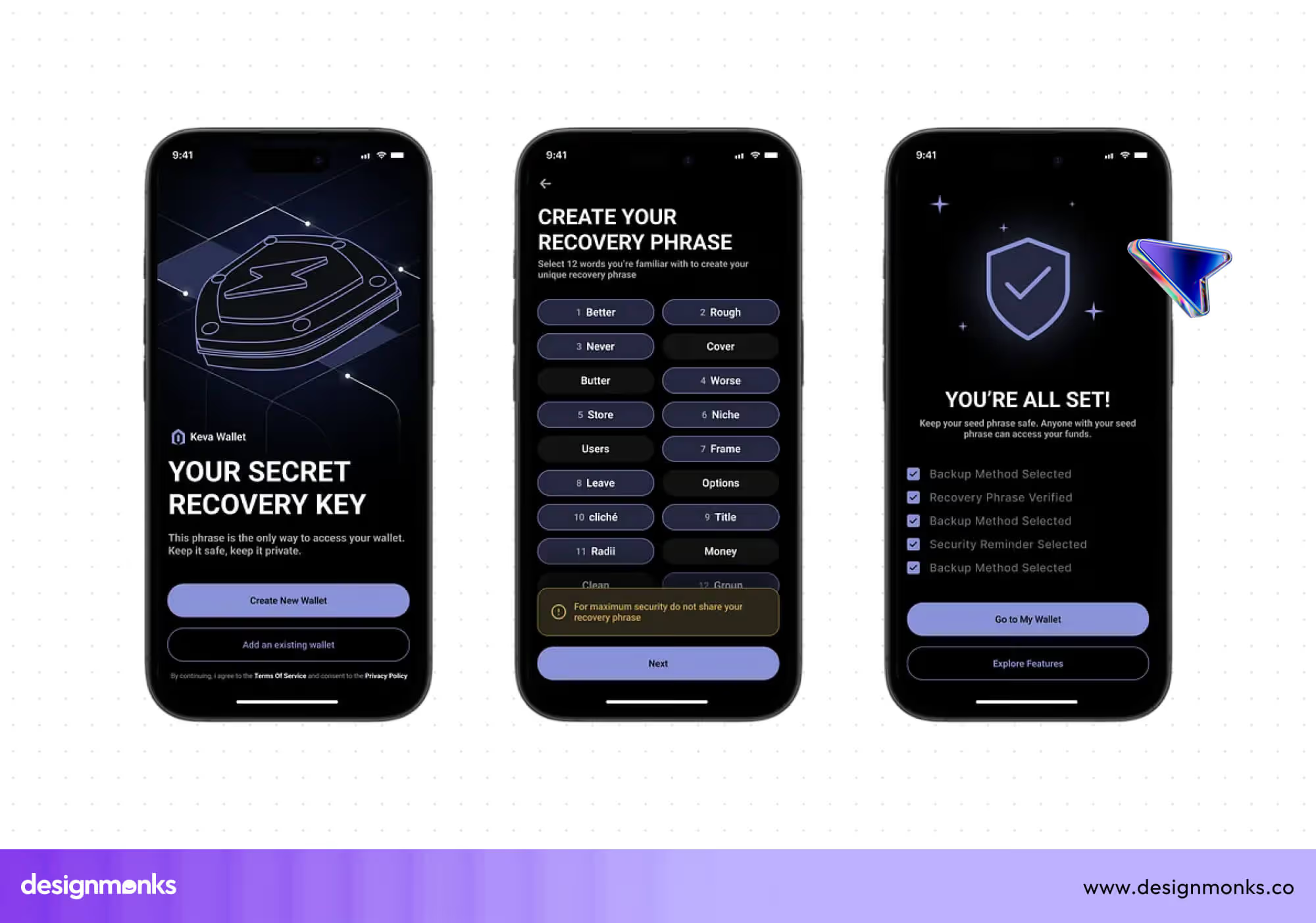
Multi-signature wallets also add another layer of security while keeping processes transparent. Interfaces should show when multiple approvals are needed, who must sign, and which steps are pending. This makes complex transactions understandable and helps users act confidently.
Using clear wallet onboarding, seed phrase guidance, and multi-signature workflows helps reduce friction and build user trust. These design practices make even complex blockchain operations safe, clear, and easy to use for everyone.
Security-First UX Patterns
Protecting users is a top priority in blockchain product design. Every interface should follow a security-first UX principle.
The platform must clearly disclose risks. Users should receive warnings about unsafe transactions, unusual gas fees, or suspicious activity. Transparent alerts prevent mistakes and build confidence.
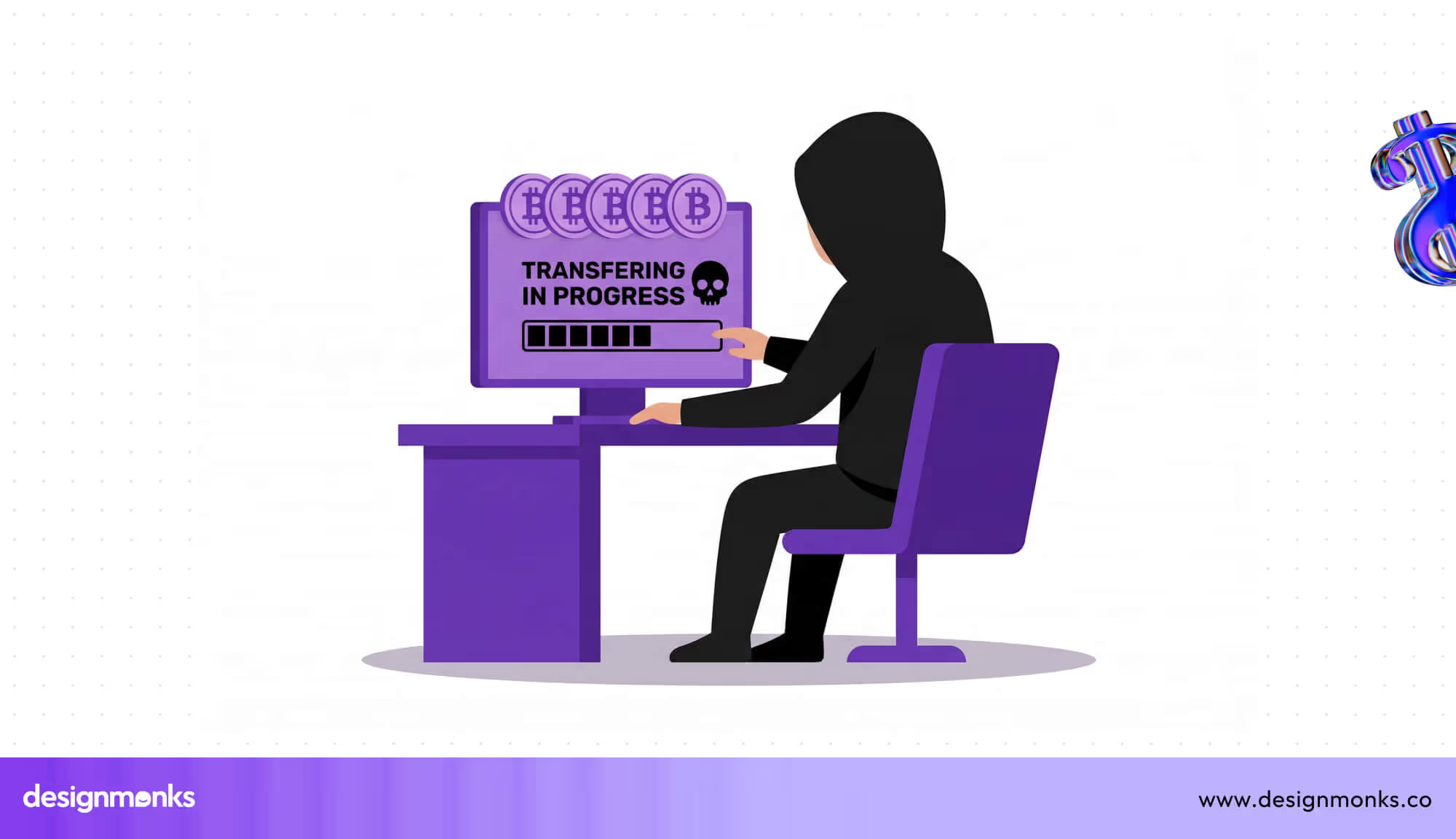
Phishing protection is also critical. Visual cues, confirmation steps, and clear prompts help users avoid scams. Wallets like MetaMask need careful interface design to keep private keys and sensitive data safe.
Security-focused blockchain UX design ensures users feel safe and confident while using the platform. Clearly showing transaction status, gas fees, and smart contract details helps users understand every step and avoid mistakes.
Integrating clear risk warnings, anti-phishing measures, and visible transaction details makes blockchain products safer, more trustworthy, and easier to navigate.
Blockchain Product Design Process
Creating a successful blockchain product requires a structured and thoughtful design process. This is similar to the step-by-step workflow used when learning how to do blockchain UX design, from research to final interface design.
From initial discovery to launch, each stage ensures the product is user-friendly, secure, and aligned with the needs of Web3 users. Following a clear process helps minimize errors, reduce user frustration, and deliver a platform that both novice and experienced users can trust:
Web3 Product Discovery & Token Model Understanding
The first step is Web3 product discovery. Agencies study the blockchain ecosystem in detail, including network protocols, consensus mechanisms, and supported smart contract standards. They examine platform rules, technical limitations, and performance constraints to ensure the product works reliably on-chain.
Agencies also analyze the token model thoroughly. This includes token distribution strategies, emission schedules, staking mechanisms, and transaction flows. They evaluate incentives for users, liquidity models, and how tokens drive engagement or governance participation.
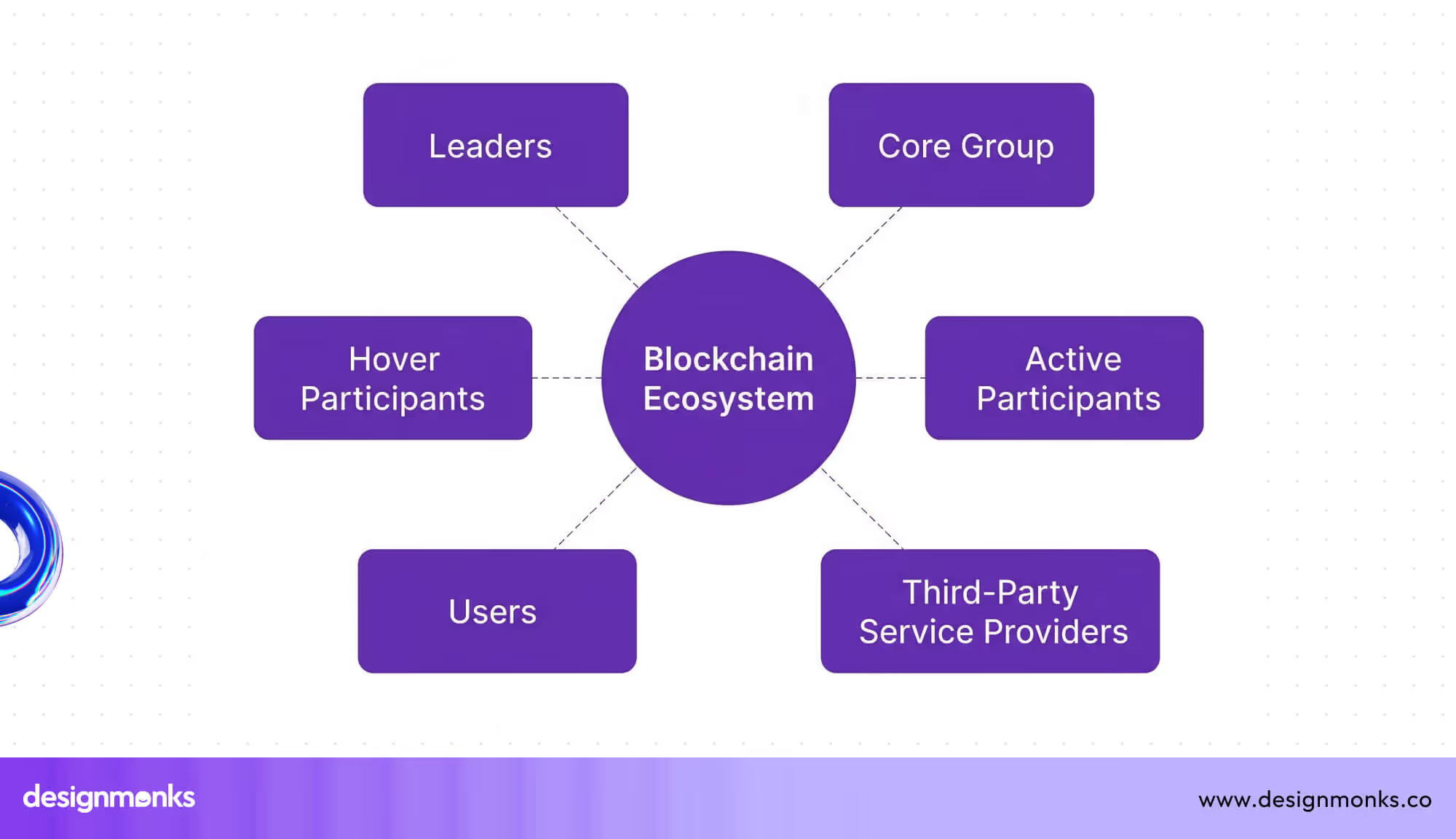
Research extends to competitors, market trends, and existing Web3 solutions. Understanding user behavior, pain points, and adoption patterns informs product positioning. This deep ecosystem knowledge ensures design decisions align with technical capabilities, regulatory considerations, and tokenomics goals.
By combining blockchain ecosystem research with token model analysis, agencies create a strategy that ensures the product is technically sound, usable, and provides clear value to users from launch.
UX Research for Crypto Users
Next, designers focus on user experience research for crypto audiences. They create personas for retail investors, traders, and institutional clients. Each group has different experience levels and expectations for blockchain interactions.
Research examines wallet onboarding, transaction approvals, token management, and gas fee understanding. Surveys, interviews, and usability tests identify pain points and areas where users might make mistakes. Insights help teams simplify processes and prioritize features that improve confidence and trust.
By understanding crypto-specific behaviors, UX research ensures blockchain platforms are user-friendly, secure, and meet real user needs. These findings guide all subsequent design decisions.
Wireframing & Prototyping for dApps
Once research is complete, designers create wireframes and prototypes for decentralized applications. This stage focuses on testing actual interactions, including wallet flows, transaction approvals, and multi-signature workflows.
Prototypes allow teams to validate ideas, refine steps, and ensure usability. Testing here highlights friction points before final UI development. This approach ensures that even complex blockchain actions are clear, intuitive, and secure for users.
UI Design for Web3 Platforms
The final stage is user interface design, where dashboards, transaction histories, and platform elements are structured visually.
Designers focus on dashboard clarity, ensuring users can quickly find important information without confusion. Clear labeling, visual hierarchy, and intuitive layouts make complex blockchain data understandable.
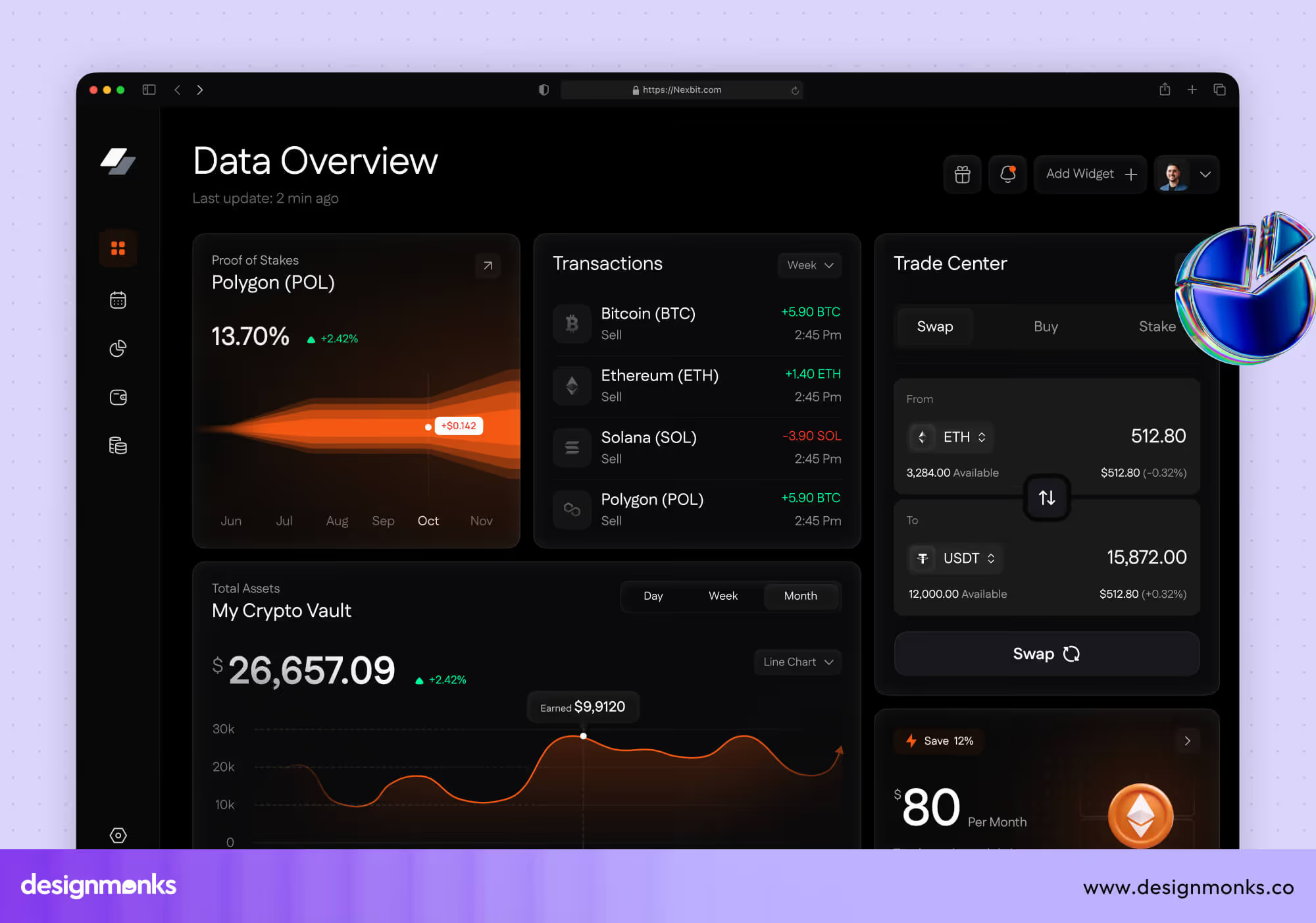
Data density is also carefully managed. Designers show detailed information, such as token balances, transaction histories, and gas fees, without overwhelming users. Actionable insights are highlighted so users can make informed decisions efficiently.
A strong UI reduces errors, builds confidence, and ensures users can interact safely with Ethereum or other blockchain networks.
Following this workflow process ensures blockchain products are intuitive, secure, and ready for launch. From discovery to prototyping and final UI design, every step contributes to a seamless experience for crypto users.
Blockchain Networks Design Monks Design For
Most Web3 products operate across several blockchains. Each network has different transaction speeds, wallet integrations, and smart contract environments. Because of this, blockchain product design must adapt to multiple ecosystems while keeping the user experience consistent.
Design Monks designs products that work smoothly across major blockchain networks. Their team understands how network differences affect wallet connections, transaction confirmations, and smart contract interactions. This ensures users experience clear and reliable flows regardless of the underlying chain.
Their multi-chain design expertise allows Web3 platforms to scale across ecosystems without confusing users. Design Monks designs for these blockchain networks:
- Ethereum: The most widely used smart contract platform, Ethereum hosts thousands of dApps and DeFi products. Design Monks ensures that transaction flows, wallet connections, and token interactions are intuitive for both retail and institutional users.
- Solana: Known for high-speed and low-cost transactions, Solana requires design strategies that balance speed with clarity. The team focuses on making transaction confirmation, staking, and token interactions understandable without overwhelming the user.
- Polygon: As a Layer 2 scaling solution for Ethereum, Polygon allows applications to reduce gas fees while maintaining security. Design Monks designs dashboards, stakeholder interfaces, and transaction flows that leverage Polygon’s speed and cost advantages.
- BNB Chain: Popular for NFTs, DeFi, and tokenized products, BNB Chain platforms need interfaces that clearly communicate transaction states and wallet interactions. The agency prioritizes clarity and trust in all user flows.
- Layer 2 Ecosystems: Other Layer 2 solutions require attention to transaction batching, confirmation states, and bridging assets. Design Monks ensures these interactions remain simple and transparent, even for complex operations.
By designing across multiple networks, Design Monks demonstrates its ability to handle complex blockchain product design challenges. Multi-chain expertise ensures that clients’ Web3 products can succeed in any ecosystem, providing flexibility and reliability for users.
Blockchain Product Design vs Traditional SaaS Design
Blockchain product design differs from traditional SaaS because the system architecture is not the same. SaaS apps rely on central servers, while blockchain platforms are decentralized, with data distributed across the network. This affects how users interact with the product and how designers approach UX.
For example, blockchain users must pay gas fees for transactions, whereas SaaS apps typically charge fixed fees. Designers must communicate transaction costs clearly, so users understand what they are paying and why delays may occur.
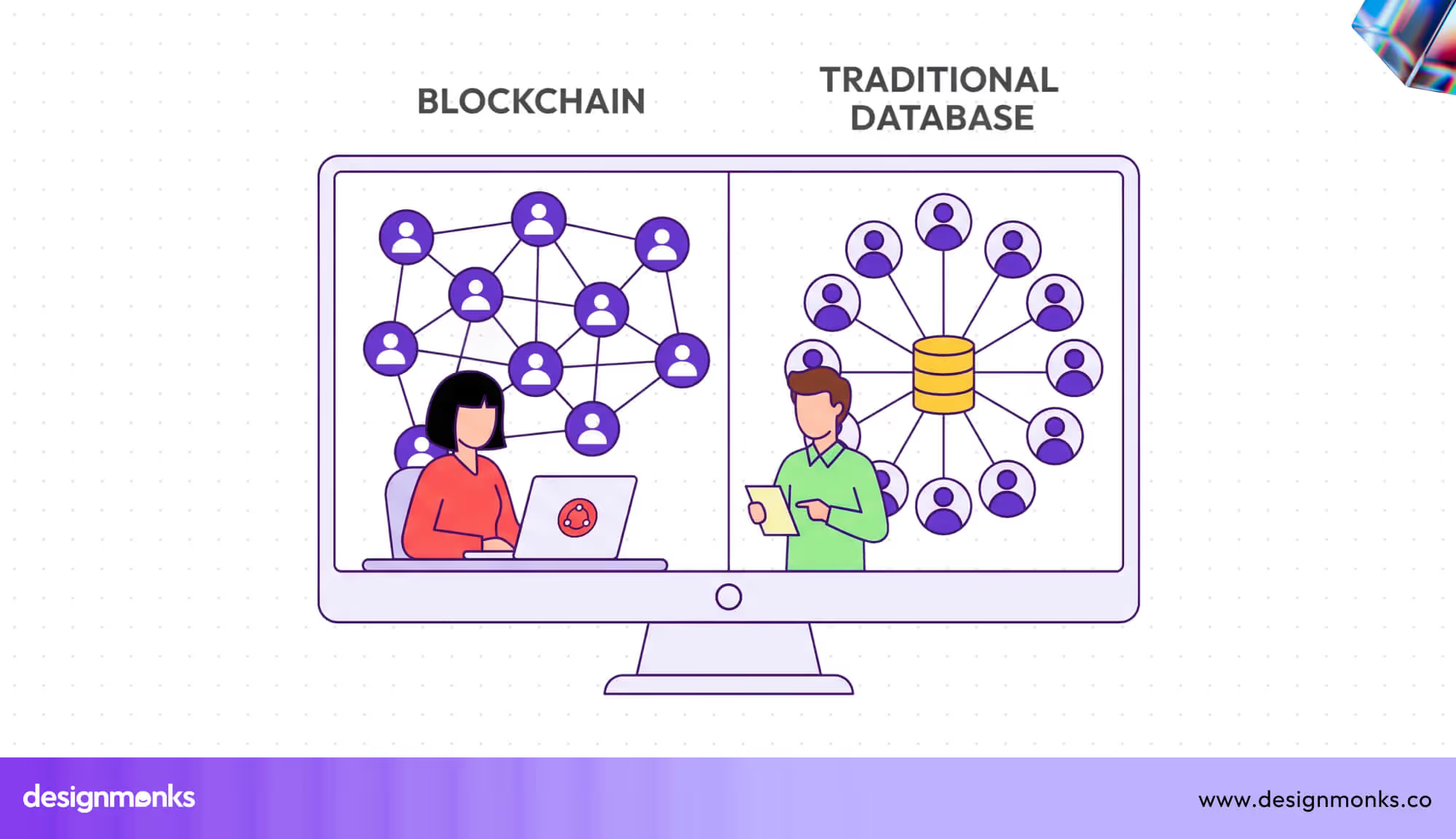
Login methods also change the experience. Blockchain platforms require wallet connections instead of email and password logins. Users need guidance connecting wallets and safely managing keys. In SaaS, login flows are familiar and instant, so this step is simpler.
Because blockchain actions can take time to confirm, UX must provide clear feedback on pending, completed, or failed transactions. This ensures users feel confident, unlike SaaS, where actions appear immediately.
Overall, blockchain UX must handle network delays, costs, and security. These challenges do not exist in traditional SaaS design.
Designing for the Blockchain Trilemma in Product UX
Designing a blockchain product isn’t just about appearance, it’s about balancing security, scalability, and decentralization. Each choice affects how users experience the platform.
When networks are busy, transactions slow down, and gas fees rise, creating frustration. Designers solve this by showing clear cost and pending transaction messages. This keeps users informed while the network processes actions. This directly addresses scalability issues.
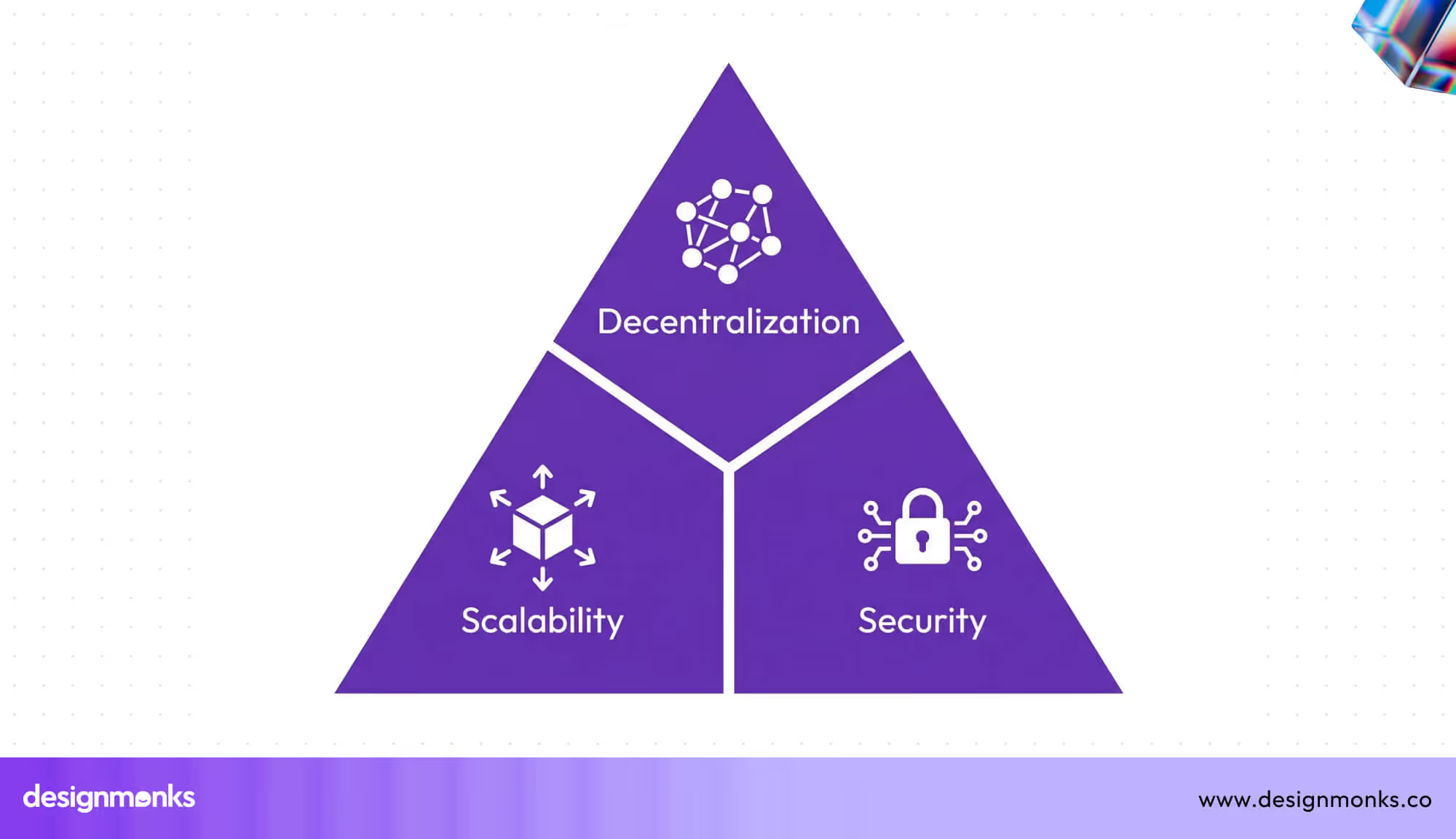
To make transactions faster, platforms often use Layer 2 solutions. But these can confuse users if not explained properly. Designers guide users with onboarding and step-by-step instructions. It helps them move assets safely while maintaining decentralization.
Security is another critical factor. Features like multi-signature approvals and risk warnings protect user funds but can slow interactions. UX design solves this by integrating clear prompts and confirmations, ensuring security doesn’t overwhelm usability.
By linking solutions to each challenge, blockchain products balance the trilemma. Users experience platforms that are secure, fast, and decentralized, with clear guidance at every step.
FAQs About Blockchain Product Design Agencies
How much does blockchain product design cost?
Blockchain product design costs vary depending on project complexity, number of screens, and blockchain integrations. But typical blockchain product design ranges from $15,000 to $40,000+.
How long does it take to design a Web3 product?
Simple projects may take 6–8 weeks, while complex DeFi or multi-chain platforms can take 3–6 months. The timeline for designing a Web3 product depends on research, prototyping, and the complexity of wallet, token, and smart contract integrations.
Do you work with smart contract developers?
Yes, we work with smart contract developers. This ensures the UX design aligns with the technical implementation and that interactions are secure and functional.
Can you redesign an existing DeFi platform?
Yes, we can redesign an existing DeFi platform. We can audit your current UX, identify pain points, and redesign the interface to improve usability, reduce friction, and enhance security for your users.


.avif)
.avif)
.avif)
.avif)


.avif)
.avif)
.avif)
.avif)






.avif)