.svg)



Key Takeaways
- Effective blockchain UX transforms complex transactions into clear, simple, and safe experiences.
- Conduct research and map user journeys to prevent confusion and abandonment.
- Clear information architecture and wireframes reduce errors and increase user confidence.
- Usability testing and iterative improvements ensure apps remain intuitive over time.
- Future UX trends like AI guidance and embedded wallets simplify blockchain interactions.
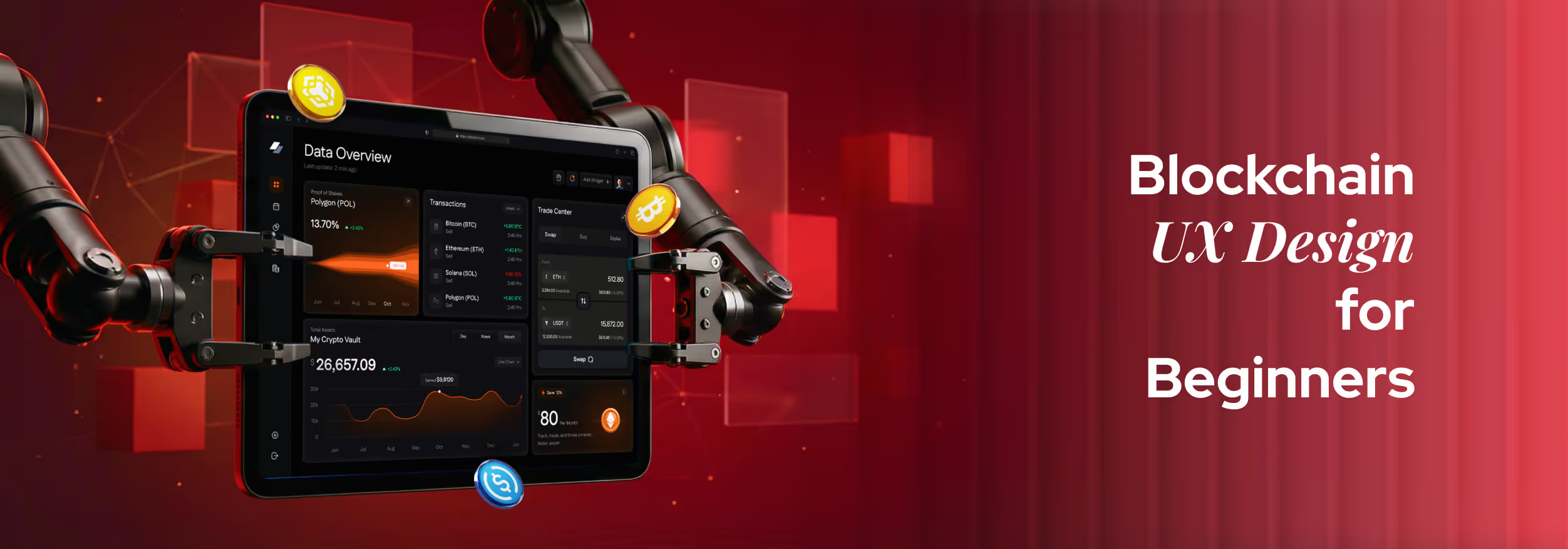
Clicking "confirm" on a transaction shouldn't feel like a leap of faith, yet it often does without the right blockchain UX design. But you can turn this technical anxiety into total user confidence by learning how to do blockchain UX design.
Blockchain apps involve unique interactions such as connecting wallets, reviewing transaction details, and approving smart contract actions. If these steps are confusing or poorly designed, users will abandon the platform before completing even simple tasks.
So how do the top blockchain apps make complex actions feel effortless? Look no further as we guide you through the full blockchain UX process, common mistakes, and practical strategies for clear, secure, and intuitive experiences.
Blockchain UX Design Process (Step-by-Step Framework)
Designing a blockchain app is not only about technology, but also about people. A good process helps you build something clear, safe, and easy to use. This is called user-centered blockchain design, which means you design around real user needs, not just code.
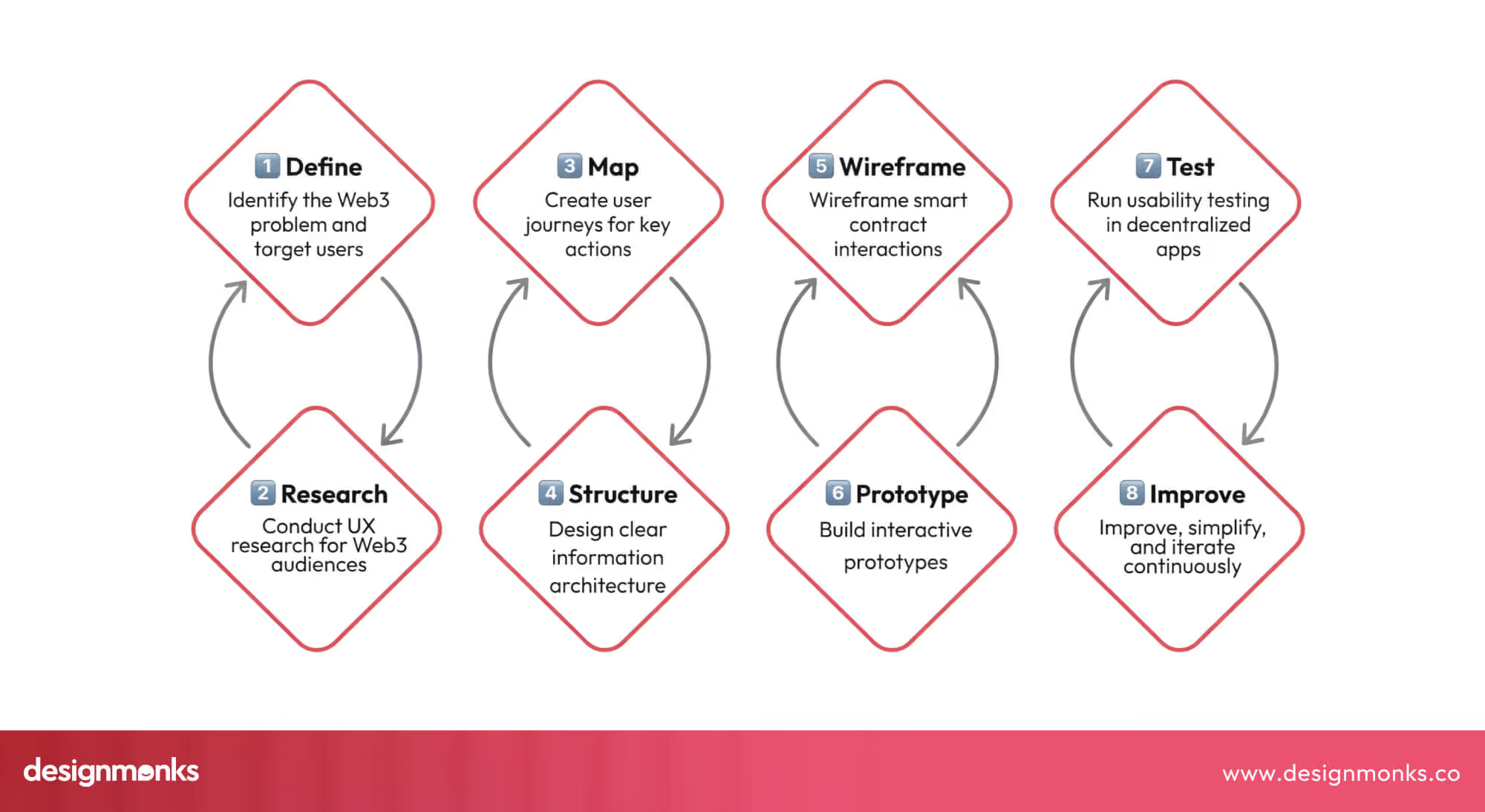
Industry experts like Nielsen Norman Group also support structured UX methods such as user research and usability testing. They believe good design is not guessing. It is a careful process based on real user behavior and clear problem-solving. Now, let's move on to the step-by-step process:
- Define the Problem and Target Users
- Conduct UX Research for Web3 Audiences
- Create User Journeys for Key Actions
- Design Clear Information Architecture
- Wireframe Smart Contract Interactions
- Build Interactive Prototypes
- Run Usability Testing in Decentralized Apps
- Improve, Simplify, and Repeat
Define the Problem and Target Users
Every good blockchain project starts with a clear problem. Before designing anything, you must understand what you are trying to solve. Ask yourself simple questions:
- What problem does this app fix?
- Who will use it?
- Are they beginners who are new to crypto, or experienced users who trade daily?
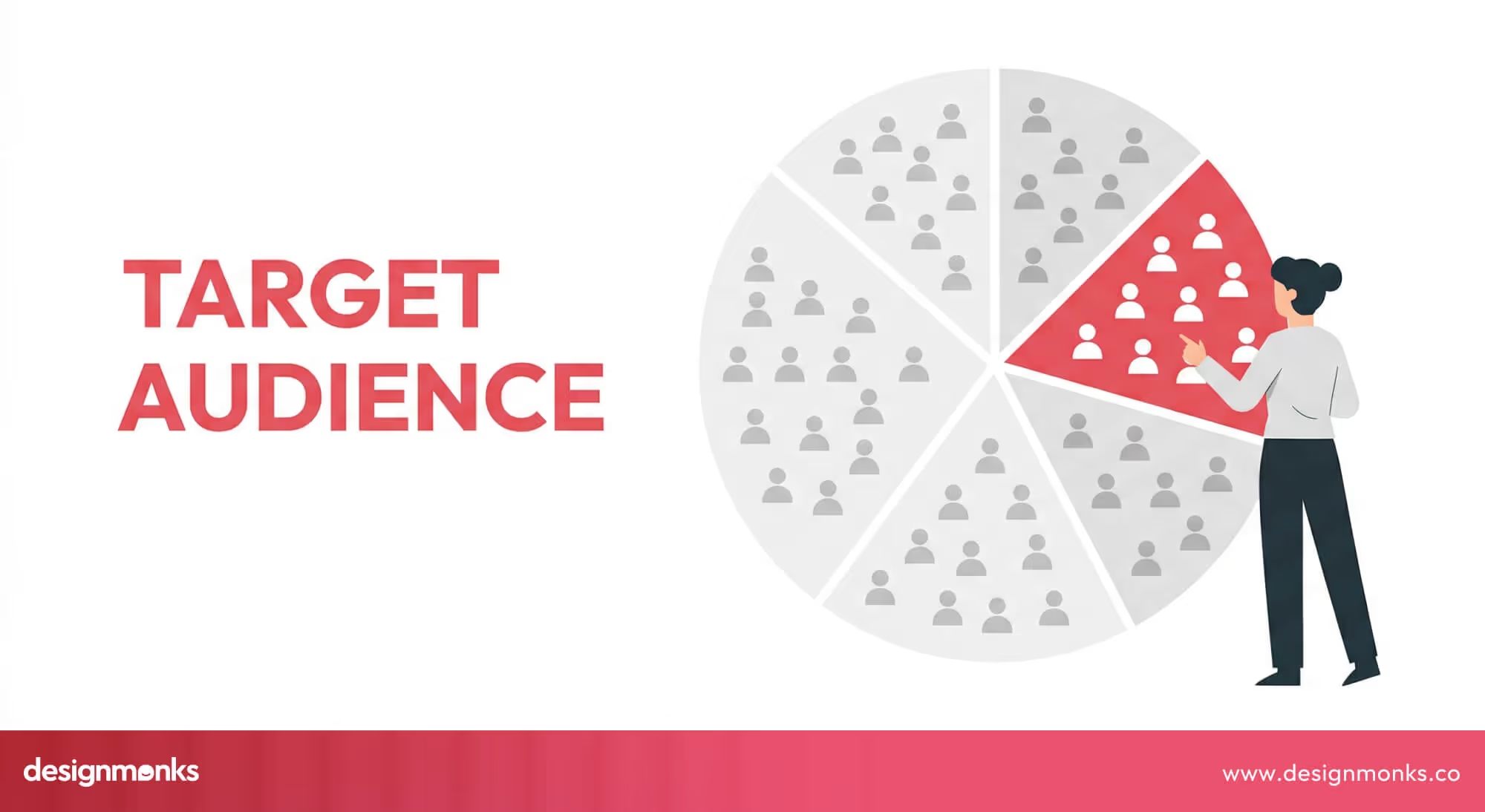
For example, a crypto wallet for beginners must explain every step clearly. A DeFi trading app for experts can include more advanced tools. When you clearly understand your users, your design decisions become easier and smarter. You stop guessing and start designing with purpose.
Conduct UX Research for Web3 Audiences
UX Research means learning about your users before you design the product. Instead of assuming what people want, you collect real information. You talk to potential users, run surveys, study competitor apps, or observe how people use crypto wallets.
Web3 users often feel nervous. They worry about losing money, paying high gas fees (small network fees), or approving fake transactions. If you understand these fears, you can design screens that feel safer and clearer. Good user research helps you prevent problems before they happen.
Create User Journeys for Key Actions
A user journey is the step-by-step path someone takes inside your app. It shows how a person moves from one action to another. For example, a simple journey might look like this: connect wallet, choose token, approve transaction, then confirm payment.
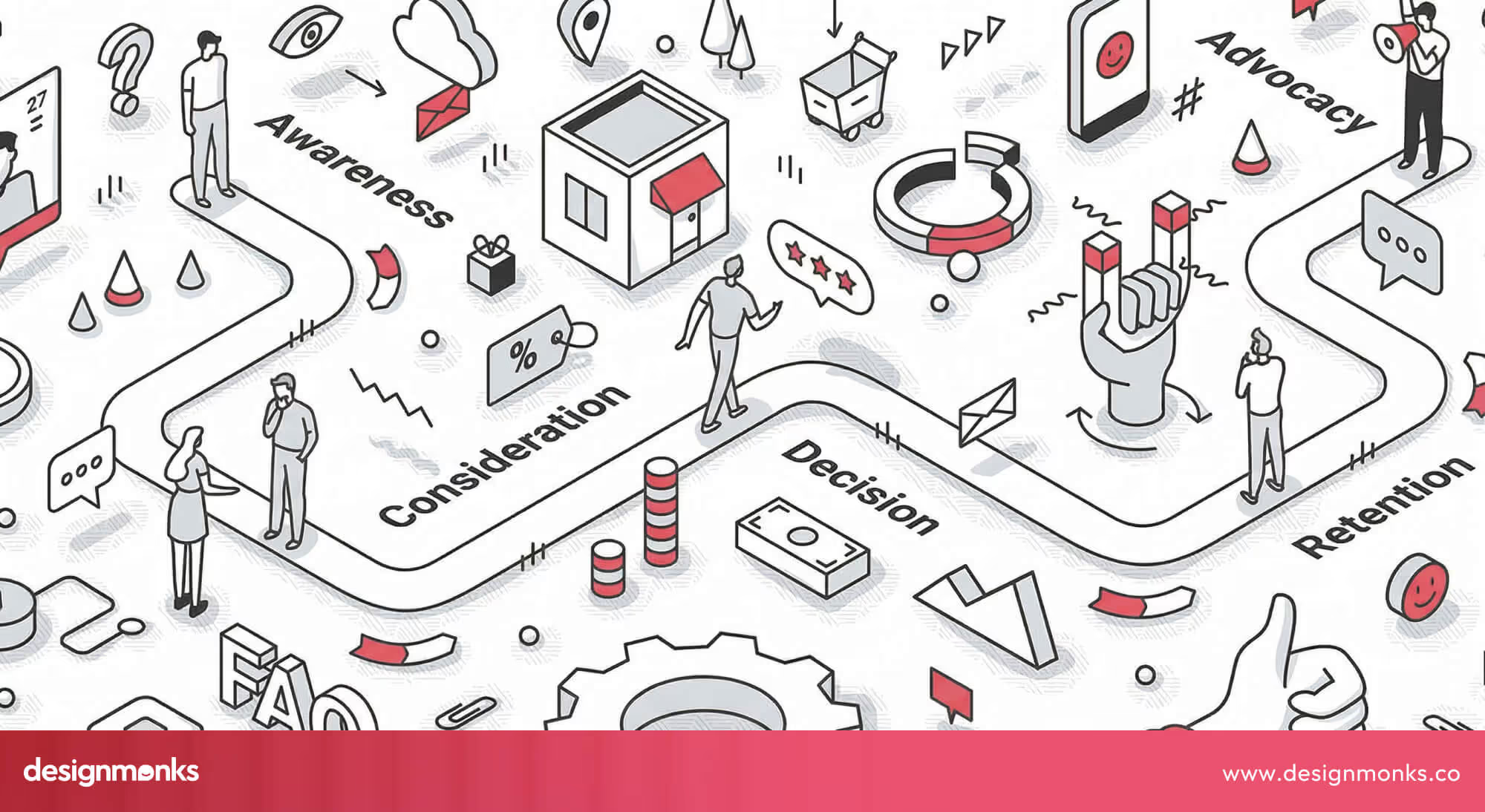
When you map this user journey, you can see where users might feel confused. Maybe there are too many steps. Maybe one screen does not explain enough. By reviewing the full journey, you can remove extra steps and make actions smoother. If even one step feels unclear, users may leave.
Design Clear Information Architecture
Information Architecture means organizing your app in a clear and logical structure. Users should quickly find important sections like the dashboard, transaction history, wallet details, and settings without searching too much.
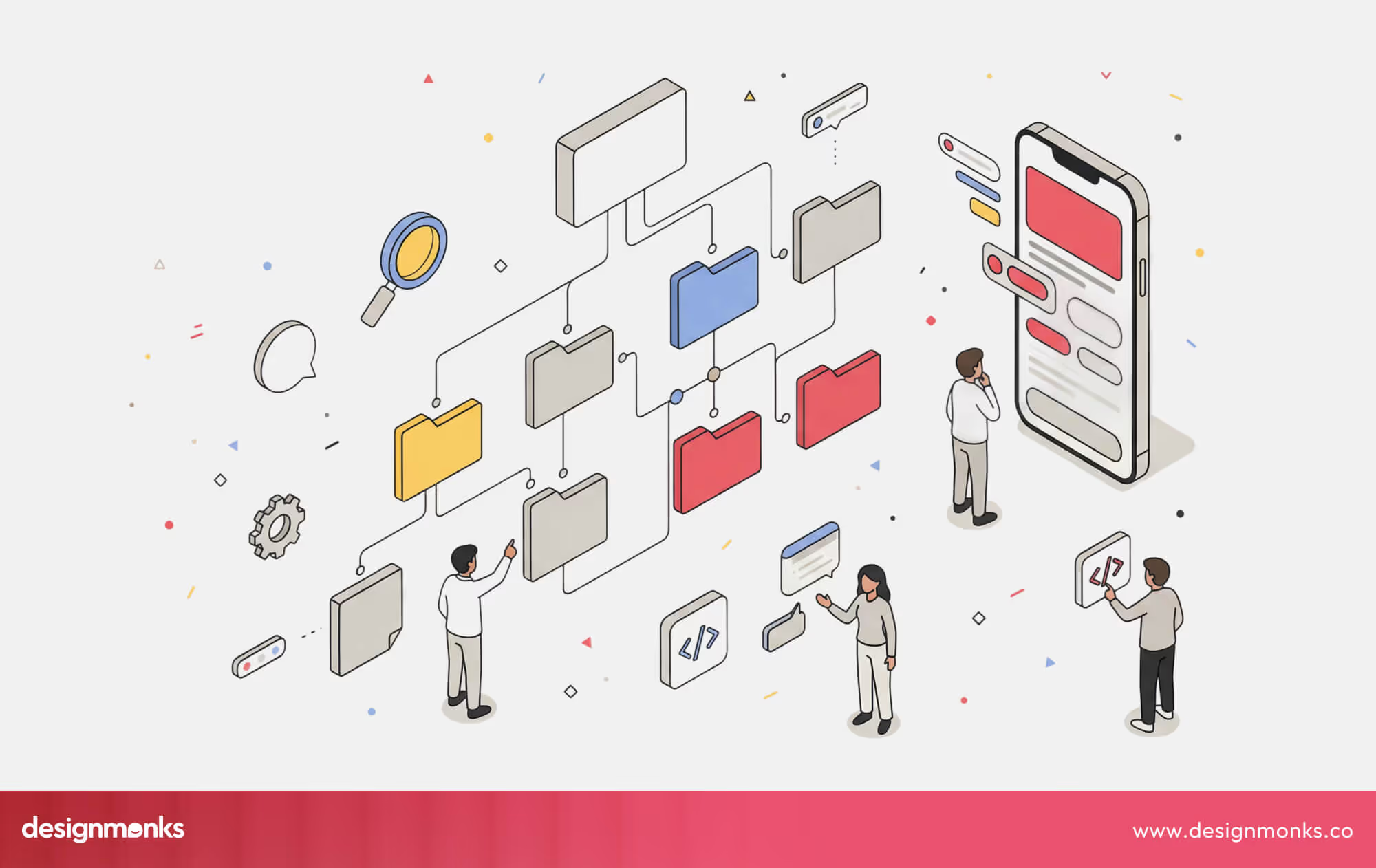
This step is important because blockchain apps already involve complex actions. Users manage money, approve transactions, and review fees. If information is poorly organized, they may click the wrong option or miss important details.
Group related features together and limit how much information appears on one screen. A well-structured layout reduces confusion and helps users complete actions with confidence.
Wireframe Smart Contract Interactions
A wireframe is a simple layout of your app that focuses only on structure. It shows where buttons, text, and important details will appear, without colors or final visuals. This step is critical in blockchain design because users interact with smart contracts.
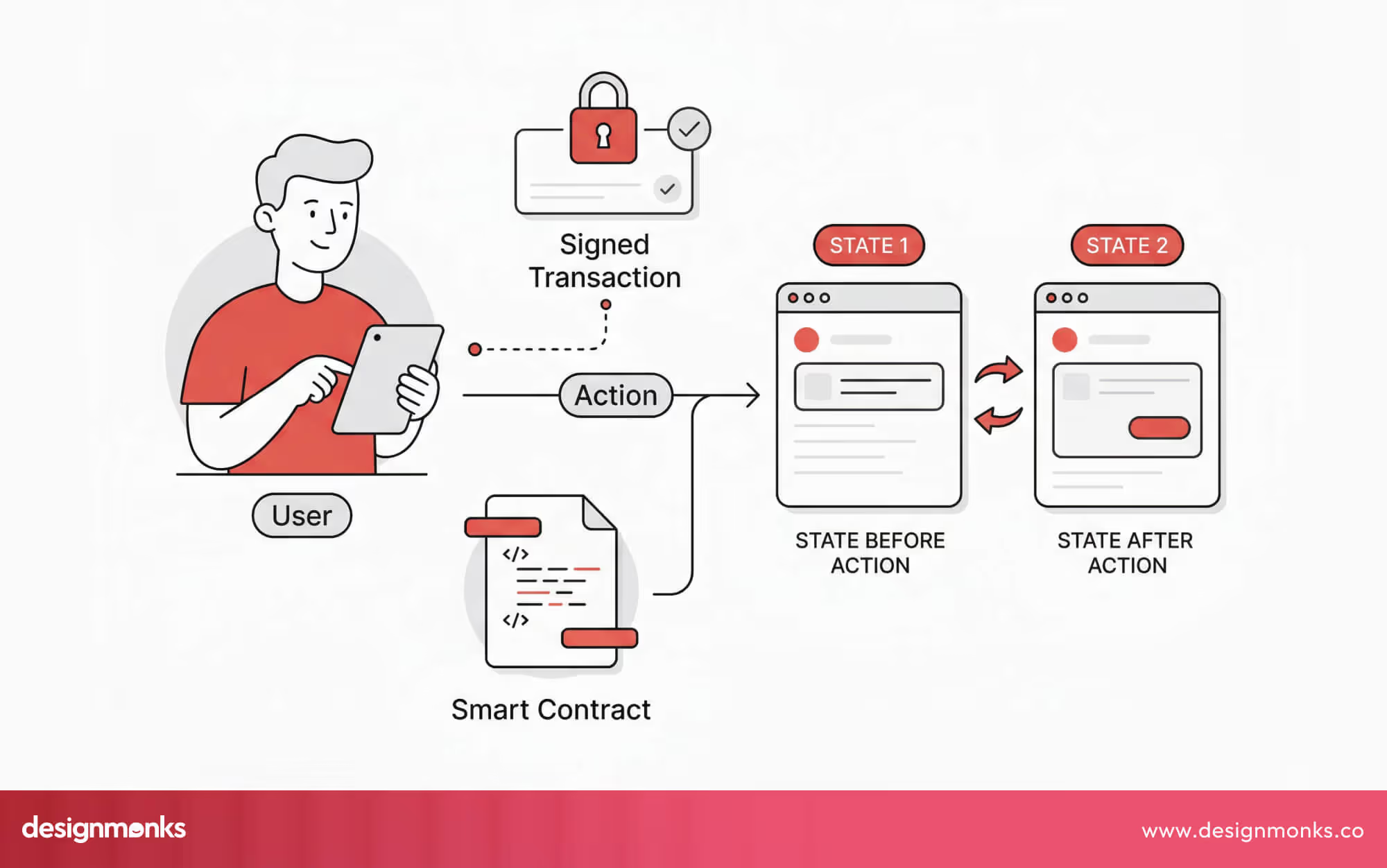
Smart contracts on the blockchain run automatically after approval. Once a user confirms an action, it is often permanent. During wireframing, make sure approval buttons are clearly labeled, gas fees are visible, and warning messages explain risks. Careful planning at this stage helps prevent serious user mistakes.
Build Interactive Prototypes
A prototype is the clickable version of your app that simulates the real experience. Users can move between screens and test key actions before development is complete. This step is important because real interaction often reveals problems that are not visible in static designs.
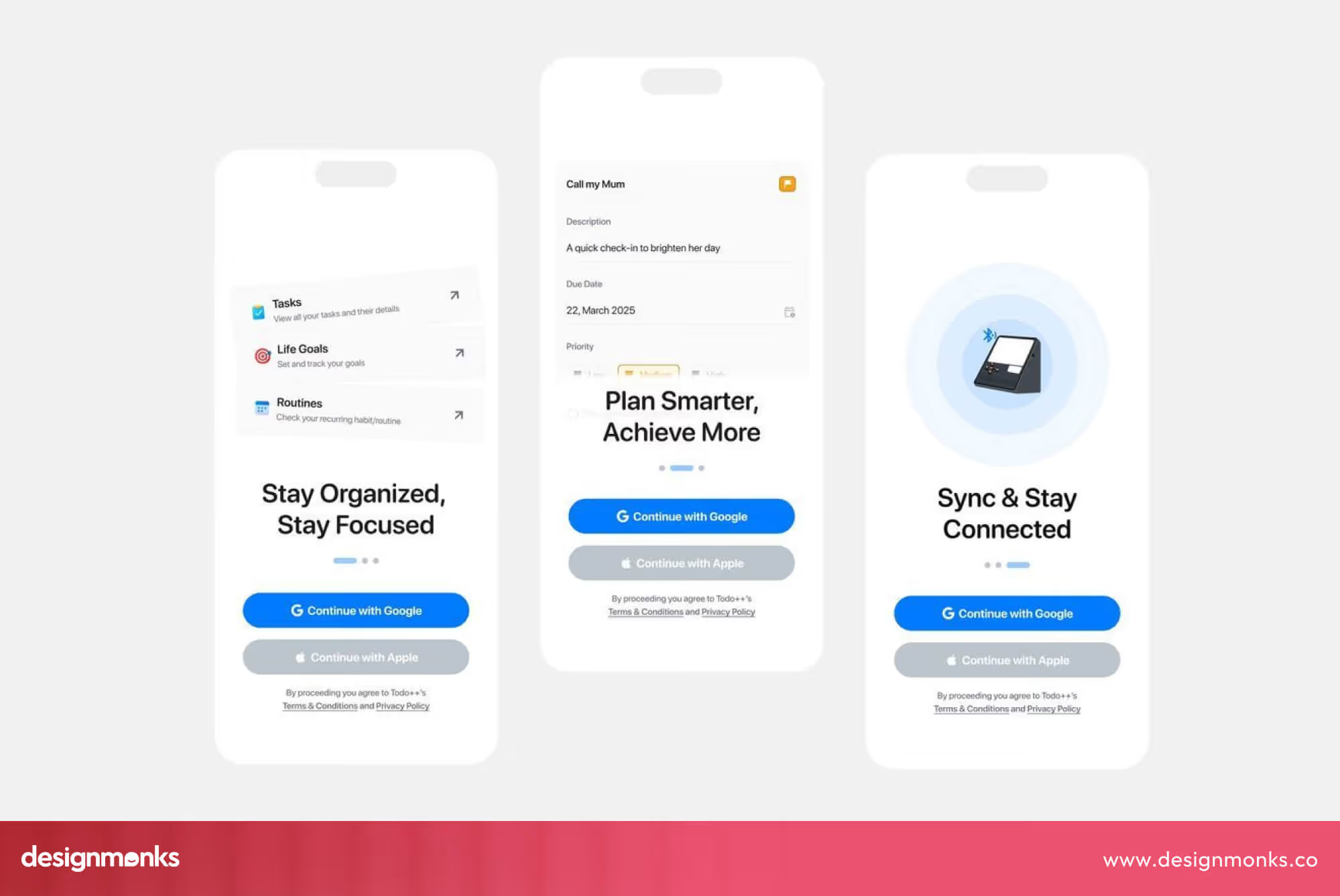
Users may hesitate, misunderstand labels, or take longer to complete tasks. Testing a prototype allows you to adjust flows and improve clarity early. Making changes now is faster and less expensive than fixing problems after coding begins.
Run Usability Testing in Decentralized Apps
Usability Testing means observing real users as they complete tasks in your app. Ask them to connect a wallet, approve a transaction, or swap a token. Watch how they move through each step. Agencies specializing in usability testing can help structure these tests and turn observations into actionable insights.
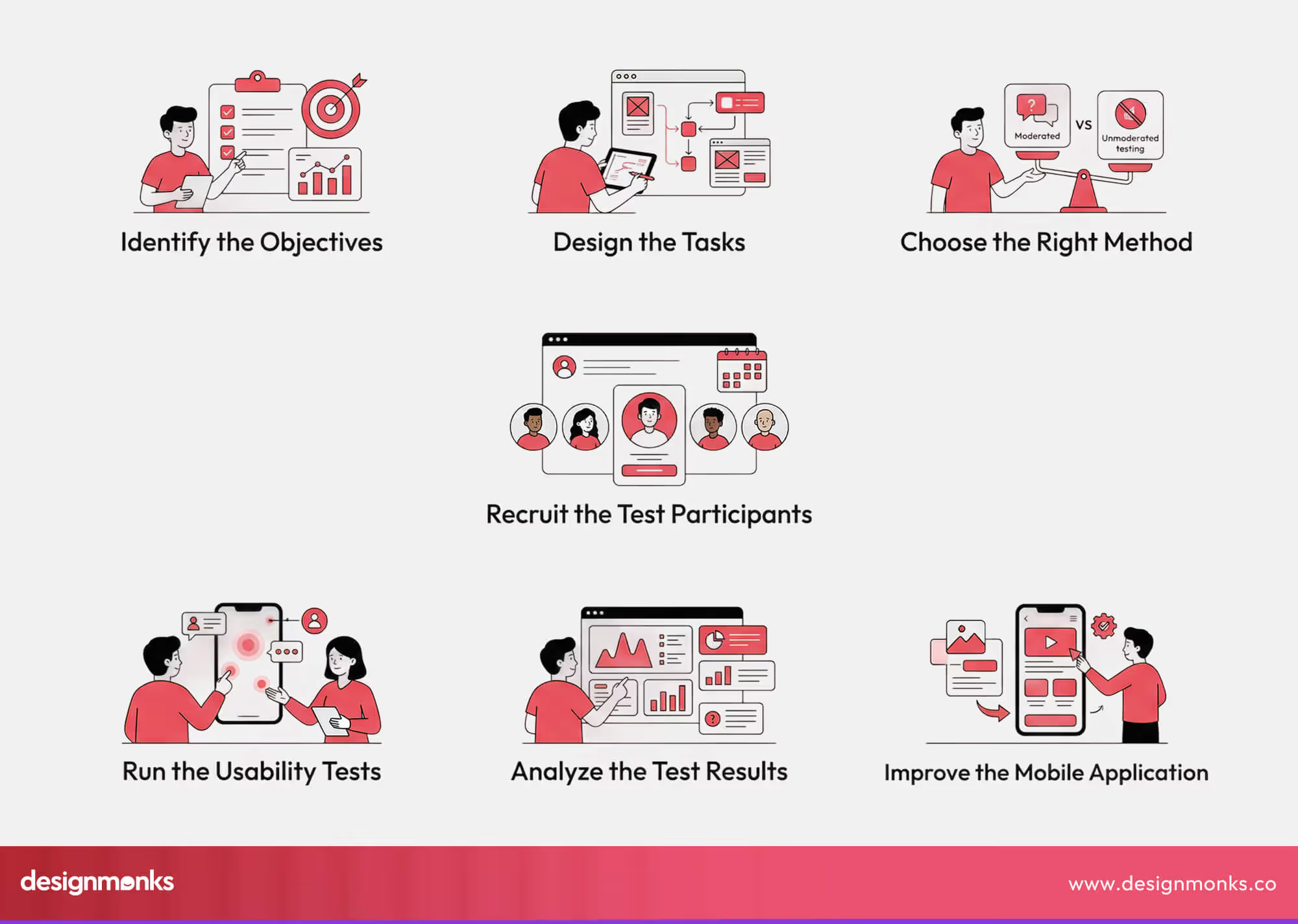
This step matters because designers cannot predict every user's behavior. In blockchain apps, small confusion can result in financial loss or loss of trust. By identifying where users hesitate or make mistakes, you can improve instructions, simplify actions, and increase safety before launch.
Improve, Simplify, and Repeat
UX design is an ongoing process. After testing, review the feedback and make improvements. Remove unnecessary steps, simplify instructions, clarify transaction details, and adjust button labels.
This step is essential because blockchain systems evolve, and user expectations change. Continuous improvement helps maintain trust, reduce errors, and ensure the product remains clear and easy to use over time.
Blockchain UX Case Studies (Real Examples)
To understand good blockchain design, it helps to see how successful apps handle UX. These examples show real improvements that make blockchain apps easier, safer, and more trustworthy. By studying them, we can learn what works and what mistakes to avoid:
MetaMask UX Evolution
MetaMask is a popular crypto wallet. But early versions of Metamask were quite confusing for many users. Transaction approvals were unclear, gas fees were confusing, and account management was not intuitive. Many beginners felt unsure and made mistakes.
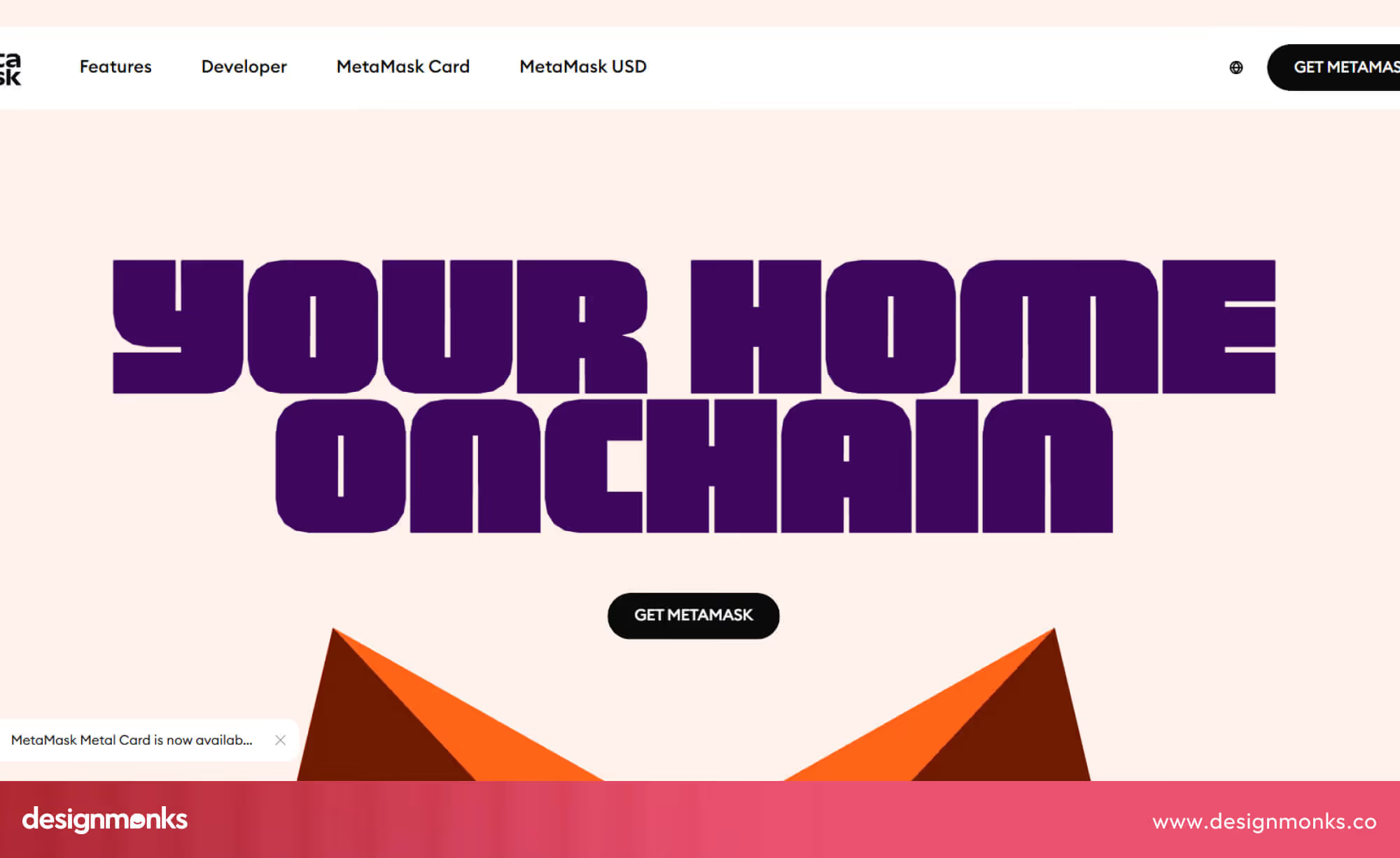
MetaMask addressed these issues by simplifying the interface and highlighting key information. Transaction details are now easier to read, gas fees are displayed prominently, and warning messages alert users to potential risks. These changes directly improved user confidence, reduced errors, and made the wallet accessible even to people new to crypto.
Uniswap Interface Simplicity
Uniswap allows users to swap tokens directly, but early designs were cluttered and confusing. Users could easily make mistakes when selecting tokens or reviewing transaction details.
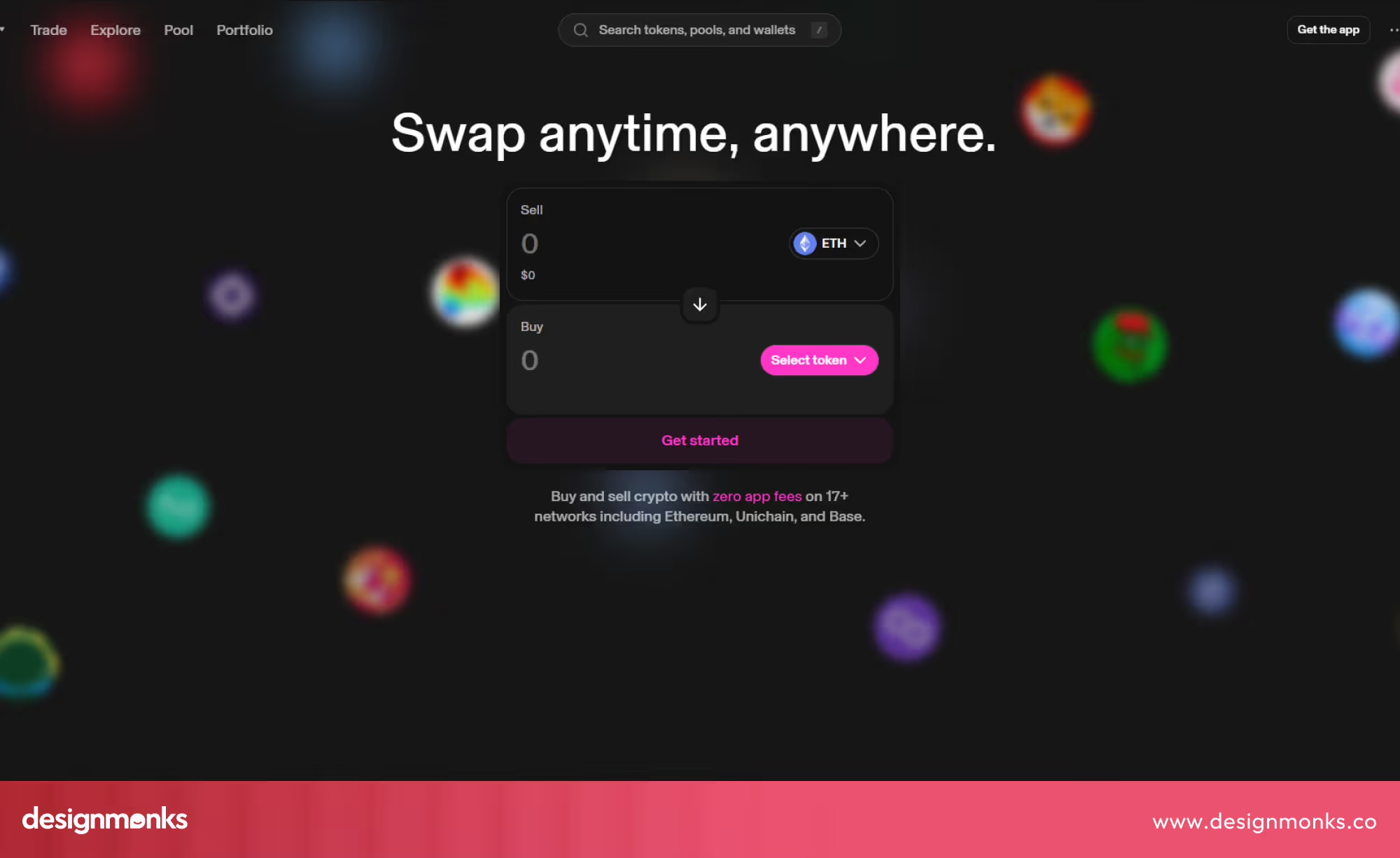
The interface was redesigned to focus on one task at a time. Swap buttons are clearly labeled, token selection is straightforward, and unnecessary information is hidden until needed.
This reduces cognitive load and helps users complete transactions correctly. The simple layout also speeds up the process, making the exchange feel more reliable and approachable for both new and experienced users.
OpenSea Marketplace Navigation
OpenSea faced usability challenges as NFT collections grew. Users struggled to find items, compare assets, or understand pricing. The original layout made browsing overwhelming, causing frustration and abandoned sessions.
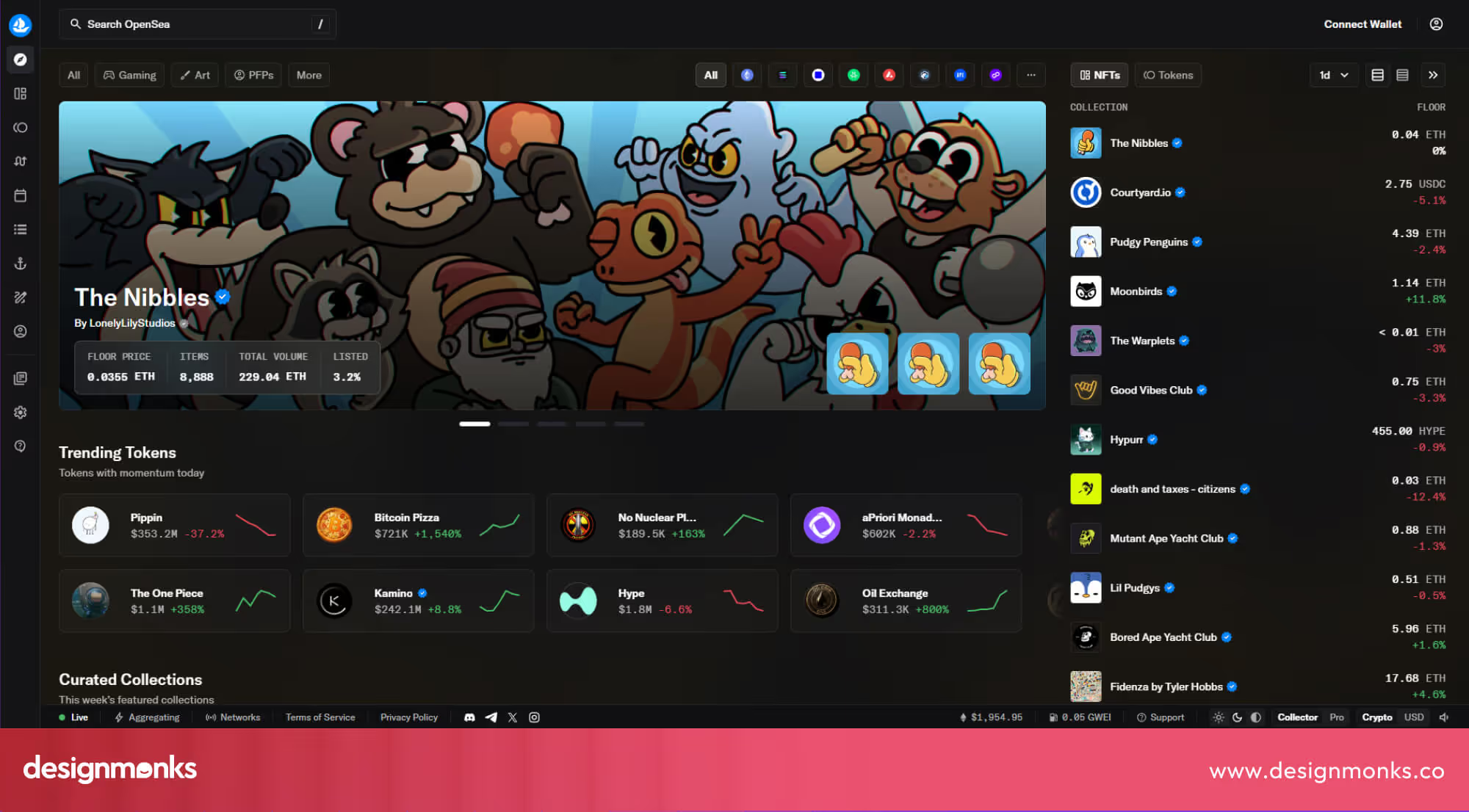
OpenSea improved navigation by clearly organizing collections, adding effective filters, and showing concise asset details. Users can now browse, search, and purchase NFTs without confusion.
These changes not only made the marketplace easier to use but also increased trust. It helps users feel confident about their purchases in a complex, fast-moving environment.
Future Trends in Blockchain UX
Blockchain UX is constantly evolving as technology and user expectations change. The next generation of blockchain apps will focus on making complex actions simpler, faster, and safer.
Innovations like Ethereum’s Layer 2 solutions, account abstraction, and embedded wallets are already shaping how users interact with Web3 apps. Designers need to stay aware of these trends to create apps that feel natural and trustworthy for everyone, whether beginners or experienced crypto users:
Account Abstraction
Account abstraction allows users to interact with blockchain apps without managing multiple technical details, like private keys or gas fees. Instead of requiring users to understand complicated processes, apps can simplify actions while still keeping them secure.
This trend makes blockchain apps more accessible and reduces the chance of mistakes. UX designers will need to rethink how transactions are presented, focusing on clarity and reassurance so users feel confident completing actions.
Layer 2 Usability
Layer 2 solutions are ways to speed up blockchain transactions and lower fees. While the technology improves performance, it can also introduce extra steps or complexity for users.
Future UX design will need to clearly show which network a user is on, how fees are calculated, and what actions are being executed. Transparent design and simple visuals will be key to helping users trust and navigate faster, cheaper blockchain networks.
Embedded Wallets
Embedded wallets allow users to store and spend crypto directly inside apps, without installing separate wallets. This reduces friction and makes onboarding much smoother.
UX designers will need to focus on creating interfaces that clearly explain balances, transactions, and security. Clear instructions, visual confirmations, and step-by-step guidance will help users feel safe while using integrated wallets.
AI-Driven Web3 UX
Artificial intelligence is starting to play a role in blockchain UX. AI can guide users through complex processes, suggest optimal transaction times, detect potential errors, or flag suspicious activity.
The challenge for designers is to integrate AI in a way that feels helpful without being overwhelming. Future apps will combine AI suggestions with clear instructions, and give users confidence and reduce mistakes.
Blockchain UX in the future is about making complex technology feel simple, safe, and intuitive. Designers who focus on clarity, trust, and smart guidance will create the most successful Web3 apps as blockchain becomes a bigger part of everyday digital life.
Common Mistakes of Blockchain UX Design
Even experienced designers can make mistakes in blockchain UX because the technology is new and complex. Some of the most common mistakes include:
- Overloading screens with information: Showing too many options or details at once can confuse users.
- Unclear transaction steps: Hidden gas fees or poorly labeled “Approve” buttons make users uncertain about what will happen.
- Ignoring beginner needs: Apps designed only for experts can overwhelm new users, causing frustration or fear.
- Poor error messages or missing guidance: Users may make mistakes or lose money if errors are not explained clearly.
- Inconsistent navigation or layout: Confusing menus and screens make it hard for users to complete tasks.
Avoiding these mistakes improves confidence, usability, and trust in your blockchain app. A guaranteed way to prevent costly errors is to get help from experts like Design Monks, who specialize in blockchain UX and know how to create clear, safe, and user-friendly experiences from start to finish.
FAQs
Why do blockchain apps feel complicated for users?
Blockchain apps can feel complicated for users if transactions and smart contract steps are not explained clearly. Users get confused or anxious, which reduces trust and engagement.
How can UX prevent mistakes in blockchain apps?
Good UX guides users step by step, clearly shows fees and approvals, and provides warnings for risky actions. This helps users avoid costly errors or accidental transactions.
How can I make a blockchain app beginner-friendly?
You can make a blockchain app beginner-friendly by using clear labels, reducing unnecessary steps, and explaining actions in simple language. You can also provide warnings before risky operations. Onboarding tutorials and interactive guidance help too.
Are there UX trends that can improve blockchain apps?
Yes, there are UX trends that can improve blockchain apps. Trends like Layer 2 networks, account abstraction, embedded wallets, and AI-driven guidance simplify transactions, reduce fees, and make the apps more intuitive for users.
How often should blockchain UX be tested and updated?
Blockchain UX should continuously be tested and updated. Blockchain technology and user expectations change fast. Regular testing, feedback, and updates ensure the app stays safe, clear, and usable over time.
End Notes
Learning how to do blockchain UX design is not just about making apps look modern, it’s about making them safe, clear, and easy to use. By focusing on user needs, guiding actions, and reducing mistakes, designers can turn complex blockchain tasks into simple, confident experiences.
Whether you are building a wallet, exchange, or NFT platform, use structured UX methods, test carefully, and improve continuously. You can also explore this complete blockchain website design guide to understand how UX fits into the overall Web3 platform experience.


.avif)
.avif)
.avif)
.avif)


.avif)
.avif)
.avif)
.avif)






.avif)