.svg)




Key Takeaways
- Blockchain website design requires strong UX, security signals, and structured SEO foundations.
- Clear information architecture improves rankings, engagement, and Web3 user conversion rates.
- Trust signals like audits and transparency strengthen E-E-A-T for crypto websites.
- Real-time blockchain data enhances user experience while supporting SEO credibility signals.
- Optimized Web3 design combines technical performance, content structure, and search visibility.
Money moves fast in crypto, but first impressions move even faster. A powerful Blockchain website design determines whether visitors trust your vision or bounce in seconds. In the Web3 world, your website isn't just a digital brochure, it is your pitch deck, your storefront, and your primary proof of credibility.
If the interface feels cluttered or the security seems questionable, users won’t hang around long enough to understand your innovation. Investors look for clarity, users demand security, and search engines reward structure and trust.
By balancing these three pillars, your design builds trust and drives real growth. Discover how to master these Web3 essentials in the discussion below.
What Is Blockchain Website Design?
Blockchain website design means creating websites for companies that work with Blockchain, Web3, and crypto technology.
It is different from normal SaaS or fintech website design. A SaaS website usually sells software. A fintech website provides online financial services. In contrast, a blockchain website isn’t just a storefront. It is an active interface that connects users directly to the blockchain for real-time data and transactions.
This website also lets users interact with Smart Contracts, which run automatically, and support decentralized applications (dApps).
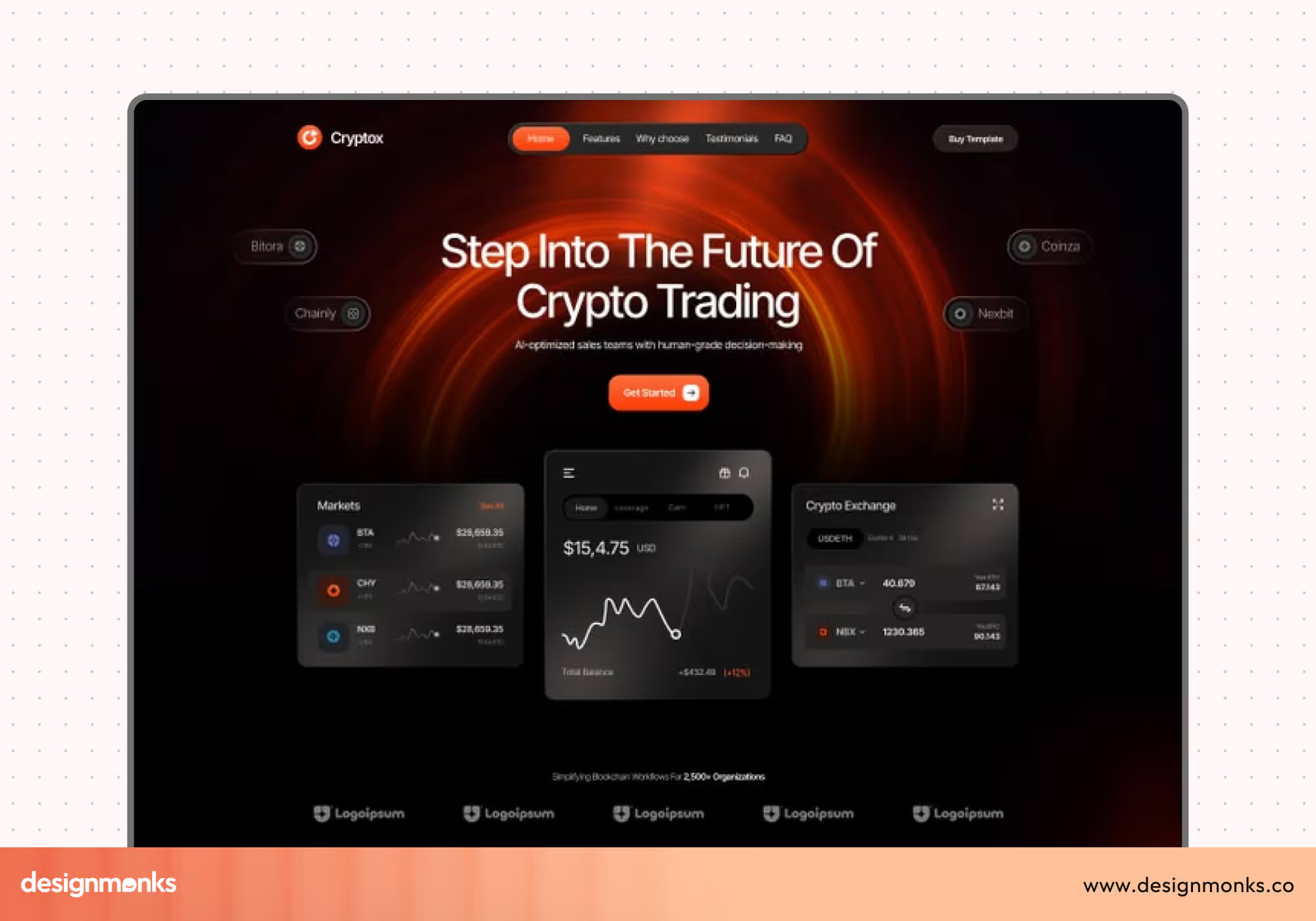
Moreover, in Web3 and DeFi, users don’t create accounts with email or passwords. They connect crypto wallets and approve actions like sending tokens, buying in an ICO, staking, or voting. This lets users control their money, tokens, and data, instead of relying on a single company.
That is why blockchain websites need extra care and protection. They must connect wallets smoothly, guide users through every action, show live data clearly, explain complex ideas simply, build trust, and keep transactions secure. These requirements make blockchain websites very different from regular websites.
Core Features of a High-Performing Blockchain Website
A strong blockchain website is more than a marketing page. It must support features that build trust, show transparency, and make complex blockchain actions simple for users. Here are the essential features every crypto or Web3 company should include:
Tokenomics & Whitepaper Presentation
Every blockchain project needs to clearly explain its tokenomics, which shows how tokens are created, distributed, and used. The website should include clear visuals that break down token allocations and vesting schedules. It makes it easy for anyone to understand.
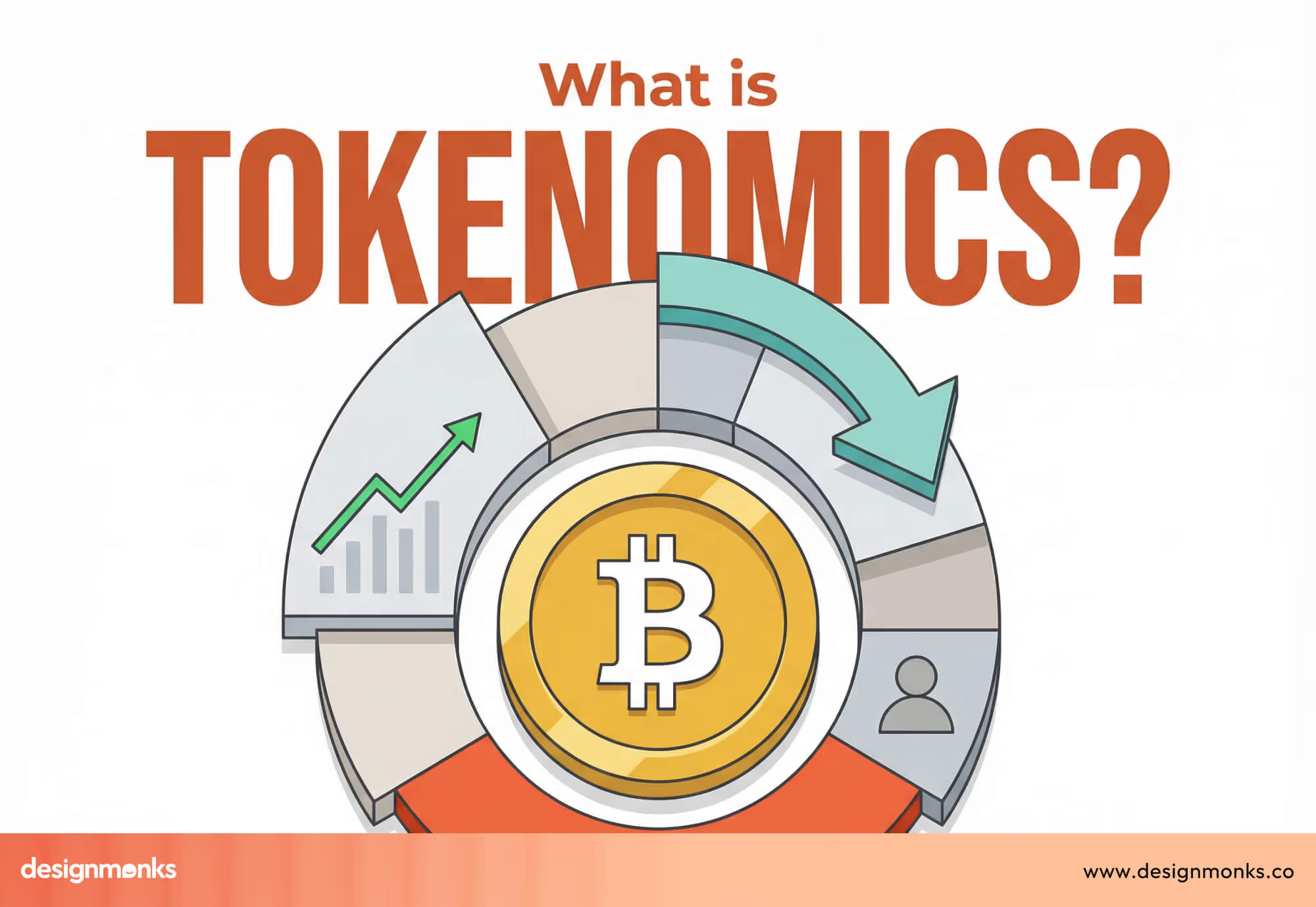
Roadmap sections need to show the project’s timeline, milestones, and future plans in a simple way. The whitepaper will provide more detailed information about the project’s goals, features, and technical workings. During an ICO, these elements are essential for building transparency and trust, helping investors feel confident in the project and its long-term potential.
Wallet Integration & dApp Connectivity
A blockchain website must allow users to connect their crypto wallets smoothly. Wallets like MetaMask or WalletConnect act as the user’s digital identity, letting them securely store and manage their money, tokens, and data. Without wallet integration, users cannot interact with your platform or approve transactions.
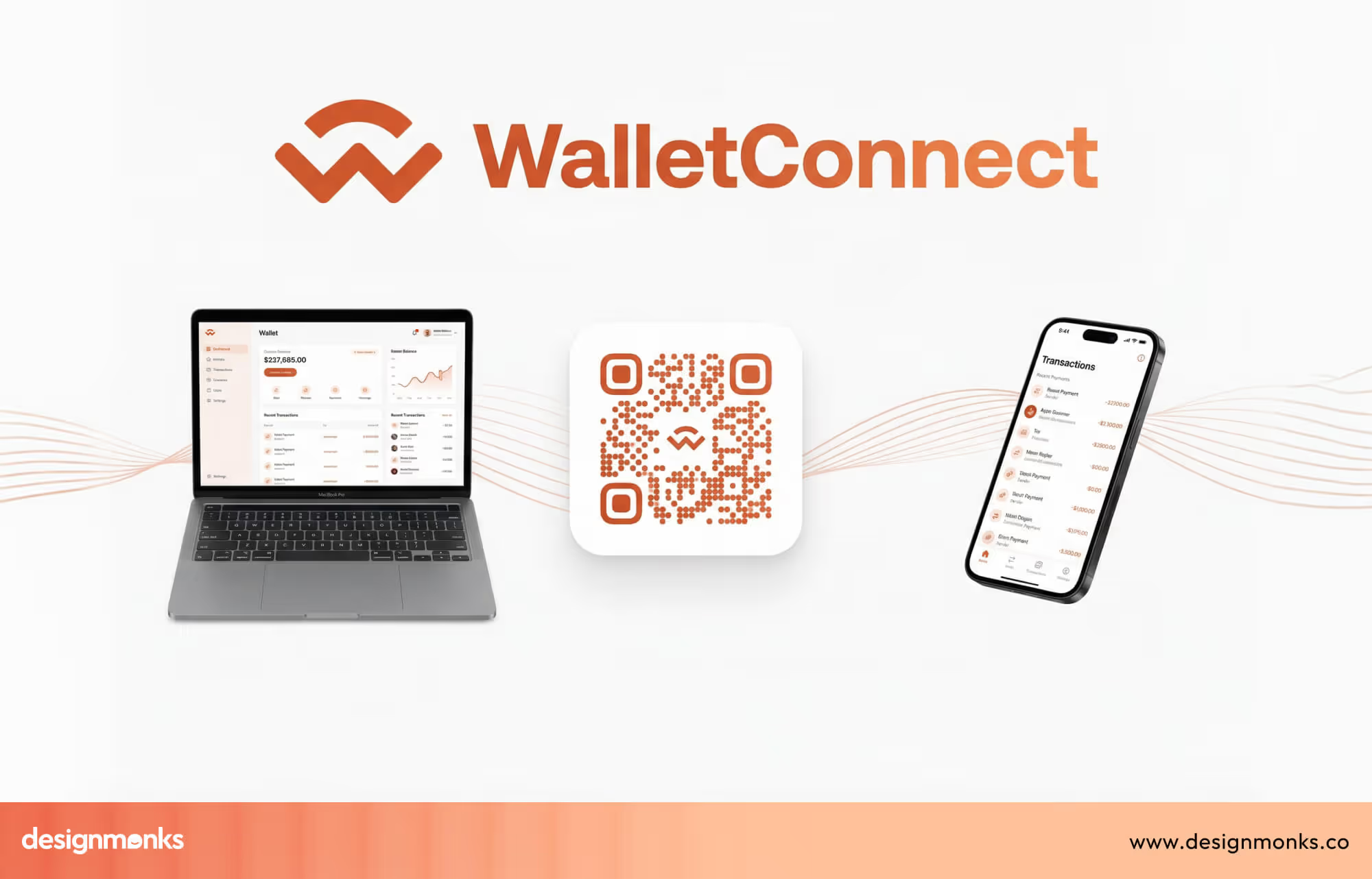
This connection also enables dApp (decentralized application) functionality. dApps run on the blockchain and rely on smart contracts to execute actions automatically, such as buying tokens, staking, or voting in governance.
Clear and simple wallet flows are essential to reduce user confusion, prevent errors, and build trust. By guiding users through wallet connections and transaction approvals, your website becomes easy to use, secure, and fully functional for Web3 interactions.
Real-Time Data & Smart Contract Interaction
Blockchain websites should display real-time data so users can see the latest transactions, token balances, and network activity. This gives users confidence that the platform is active, transparent, and reliable.
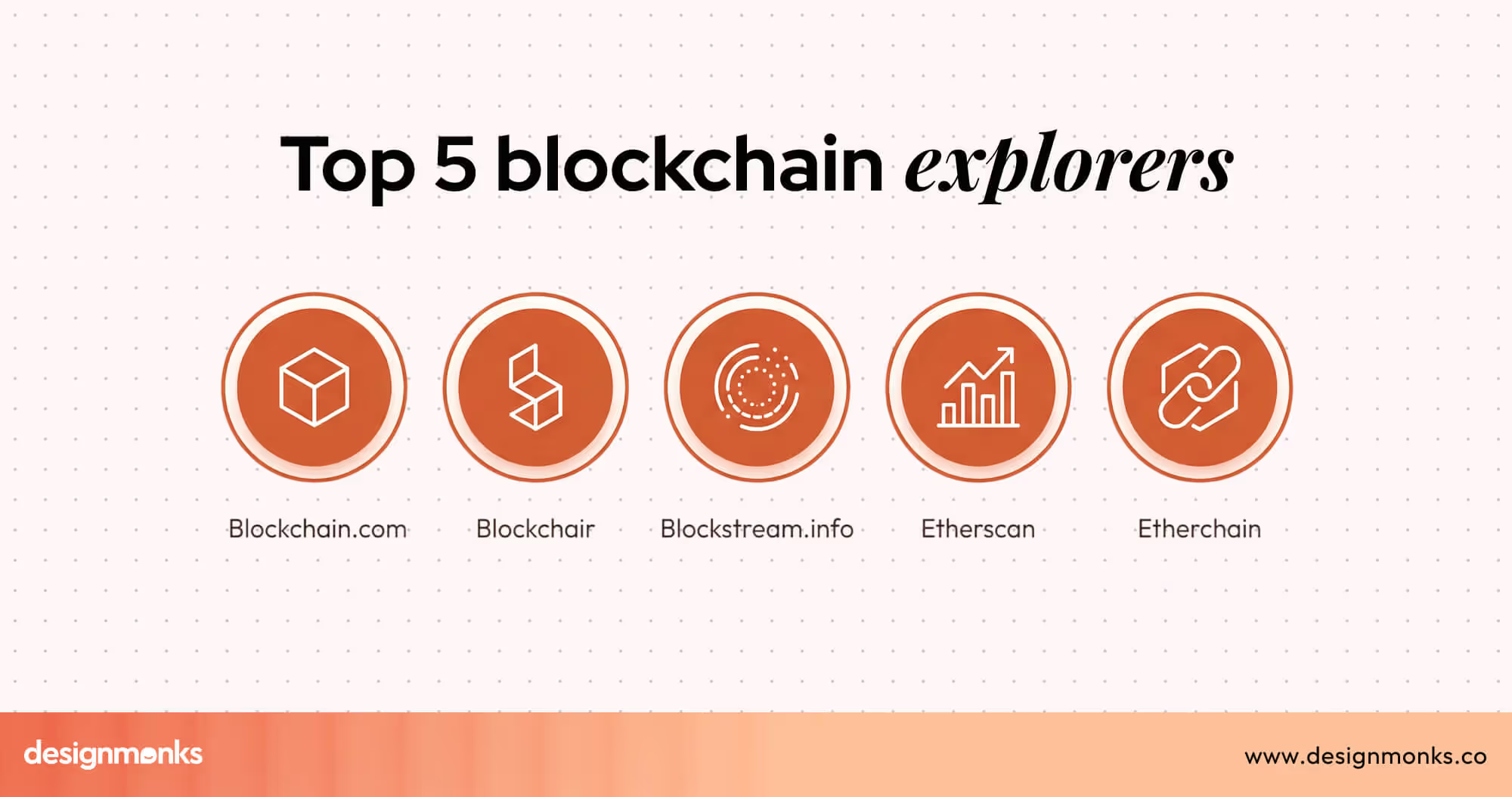
Users need to be able to see token purchases, staking updates, or swaps happen in real time, without waiting for manual confirmation. It should also integrate with networks like Ethereum and tools such as a Blockchain Explorer to make on-chain data easy to understand and transparent. Accurate, real-time data is essential to building trust and enhancing user experience.
Community & DAO Integration
A successful blockchain website also connects users to the project’s community. Many Web3 projects use a DAO (Decentralized Autonomous Organization), which allows token holders to vote on project decisions.
The website should include governance pages to explain voting processes and proposal details. Links to platforms like Discord help users join discussions, ask questions, and stay engaged.
Integrating community features and DAO tools strengthens transparency, encourages participation, and builds trust. Users feel more confident when they can see how decisions are made and actively take part in the project’s direction
UX/UI Best Practices for Web3 & Crypto Platforms
Designing a Web3 or crypto platform requires more than just a visually appealing layout. The interface must make complex blockchain actions simple, smooth, and secure for users, reducing friction in wallet connections, transactions, and other interactions.
Simplifying Technical Blockchain Concepts
Blockchain terms like gas fees, staking, or token swaps can easily confuse new users. Many visitors arrive curious but leave when they do not understand what an action means.
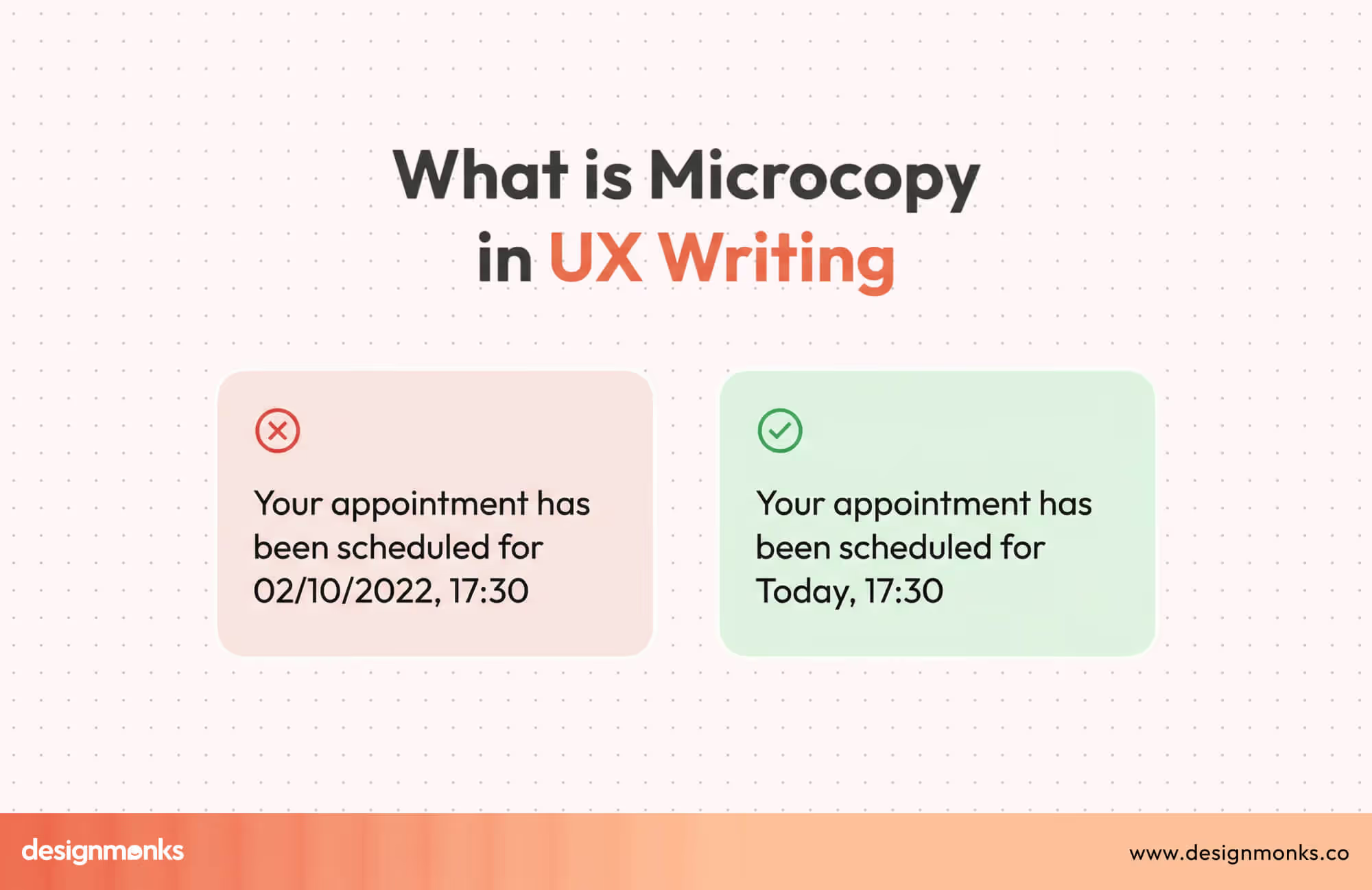
That is why websites should use microcopy(short, helpful text placed near buttons, forms, and confirmations) to explain what will happen before users click. Simple phrases like “You will approve this transaction in your wallet” can remove uncertainty instantly.
Infographics and visual guides can also help explain complex topics such as tokenomics, governance voting, or reward systems. Step-by-step visuals, icons, and progress indicators make learning feel easy instead of technical.
When users clearly understand each step, they feel more confident interacting with the platform. This reduces mistakes, lowers hesitation, and encourages deeper engagement with Web3 products.
Conversion Optimization for Token Launches
During an ICO or token launch, the website becomes the project’s main conversion channel. Visitors need clear direction on what to do next. The platform should have a strong CTA hierarchy, where the primary action, such as “Buy Tokens” or “Join Token Launch,” is immediately visible.
Secondary actions like reading the Whitepaper or exploring tokenomics should support, not distract from, the main goal.
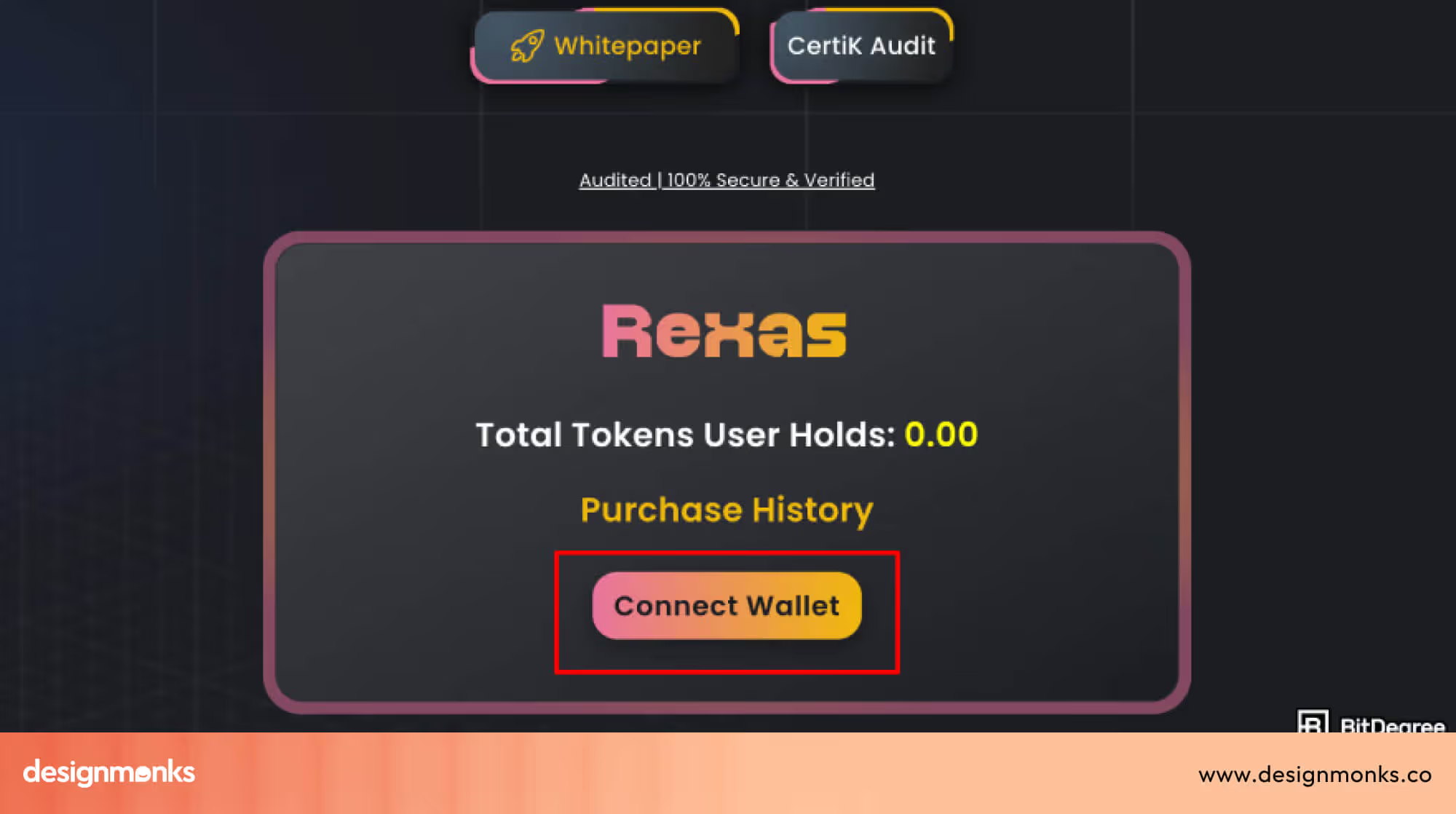
The website should also include trust-building elements such as audit badges, security certifications, supported wallet icons, and partnership logos. Countdown timers, progress bars, and clear token availability updates can create urgency while keeping users informed.
These elements need to have clear visual priority because users are making financial decisions. A structured layout helps visitors move from interest to action with confidence.
Designing for Transparency & Credibility
Web3 users value transparency more than polished marketing. Because crypto projects involve financial risk, visitors actively look for proof that a platform is legitimate.
Websites should display audit reports, team profiles, and project documentation in easily accessible sections rather than hiding them deep inside pages. Founder bios, advisor details, roadmap updates, and technical audit summaries should also be visible to show accountability.
Linking to community channels, development updates, or public activity strengthens credibility further. When users can clearly see who built the project and how it operates, trust grows naturally. Giving transparency strong visual placement needs to have priority. It reduces skepticism and helps users feel safe engaging with the platform. Projects that openly share information stand out in an industry where trust is often questioned.
Applying these UX/UI practices can make a blockchain website more accessible and credible for users. Even so, executing them effectively can be challenging without specialized experience. Teams like Design Monks can help bridge this gap by designing Web3 platforms that combine clarity, security, and performance.
Technology Stack for Blockchain Website Development
Building a blockchain website requires the right technology stack to keep the platform fast, secure, and fully connected to Web3 systems. Each layer of technology plays a different role, but together they ensure users can interact with blockchain features smoothly and safely:
Front-End Frameworks for Web3
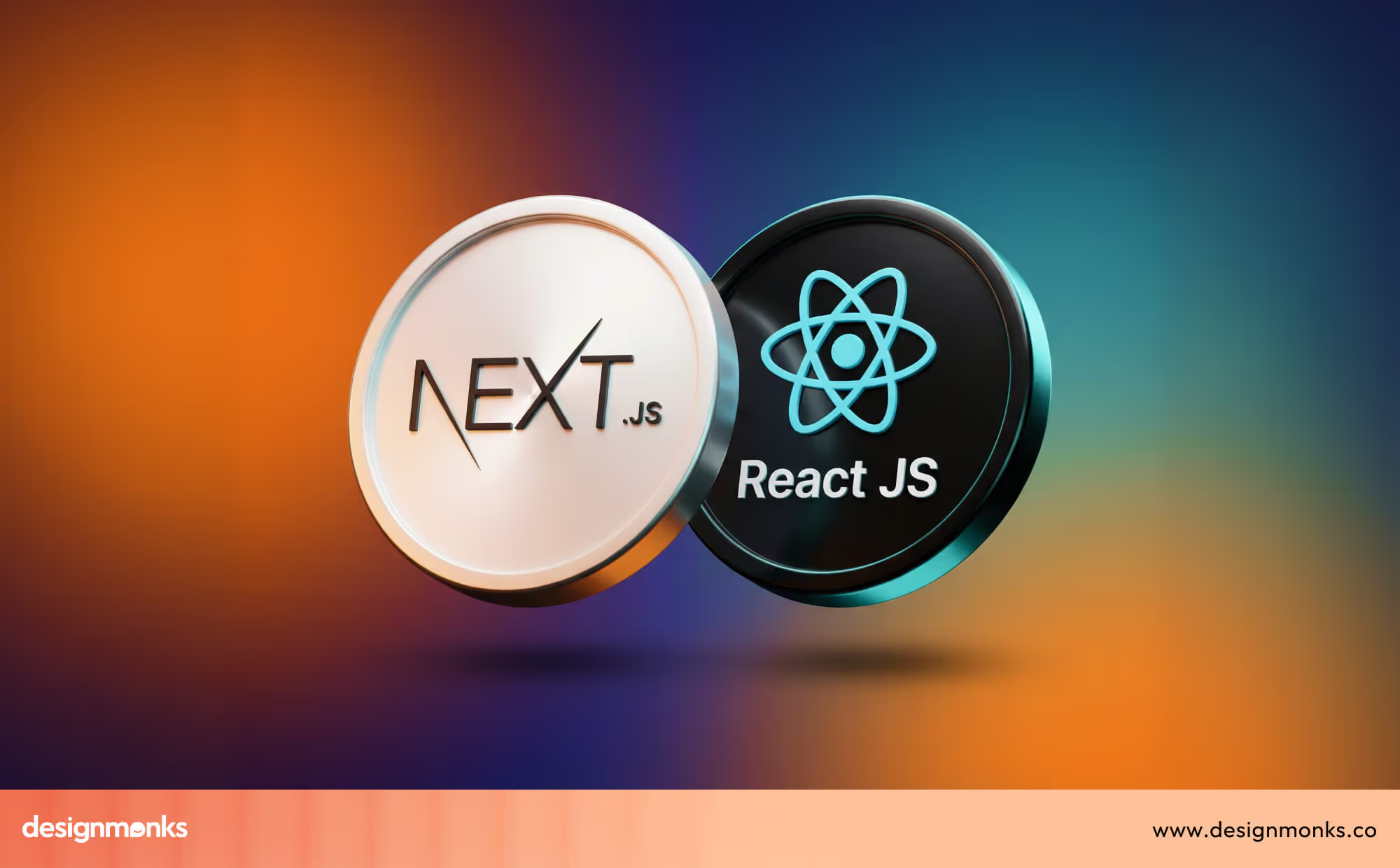
The front end is the part of the website that users see and interact with. For Web3 platforms, frameworks like React and Next.js are widely used because they create fast and responsive interfaces. These frameworks help pages load quickly and allow real-time updates without refreshing the screen.
Libraries such as Web3.js help the website communicate directly with blockchain networks. This makes features like wallet connections, live token balances, and decentralized application (dApp) interactions possible.
A strong front-end setup ensures users can explore the platform easily, even when handling complex blockchain actions.
Blockchain Integration Layer
The blockchain integration layer connects the website to blockchain networks behind the scenes. It should link the platform with smart contracts and external APIs, allowing transactions to run smoothly and data to update instantly.
This layer enables users to buy tokens, stake assets, or view transaction results directly on the website. A well-built integration layer should also ensure accuracy and reliability, so users can trust that actions are processed correctly and reflected in real time. Without this connection, a blockchain website would only display information instead of enabling real Web3 interaction.
Hosting & Security Infrastructure
Blockchain platforms handle financial activity, so strong hosting and security infrastructure are essential. Websites should use reliable protection services like Cloudflare to guard against attacks and maintain fast performance worldwide.
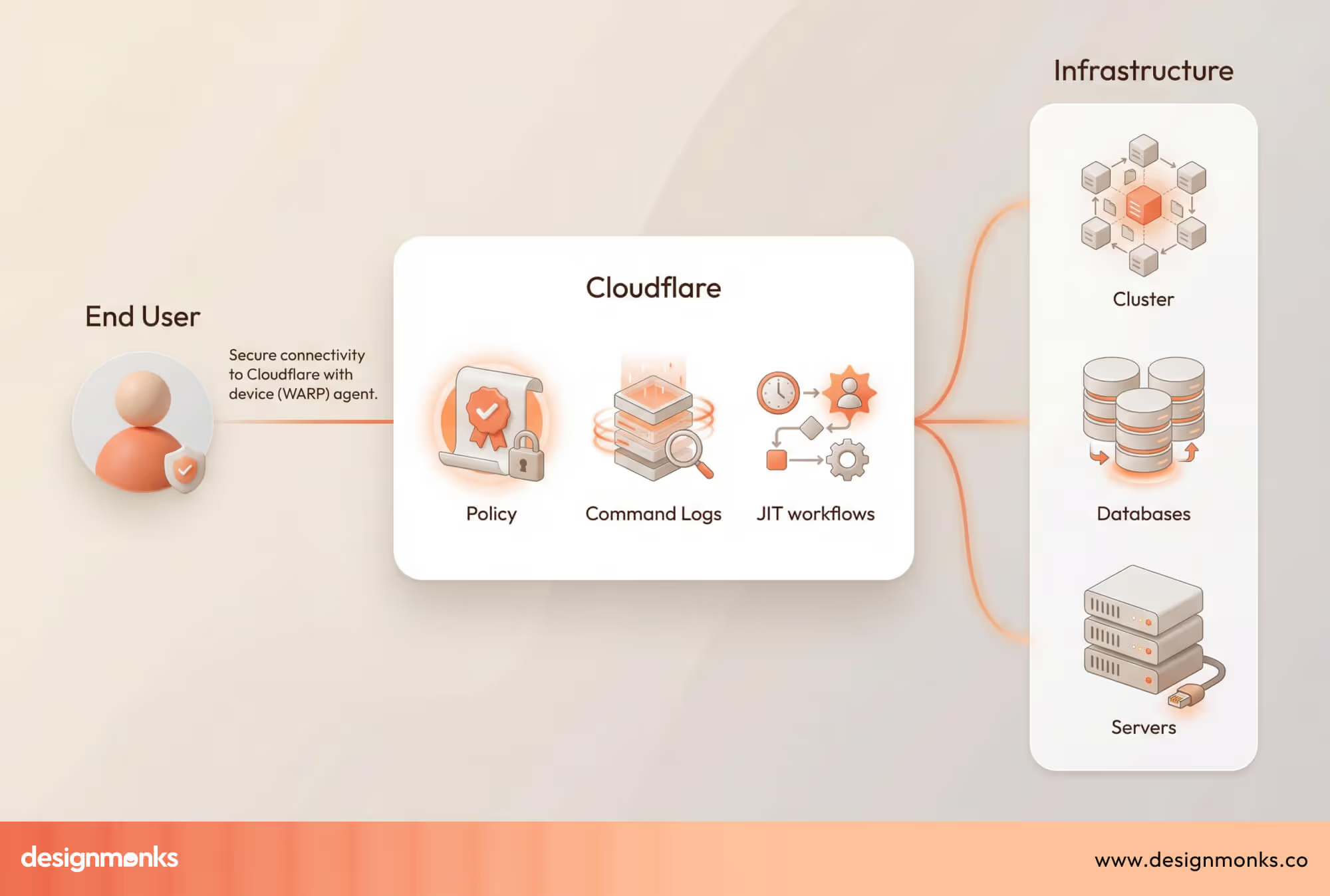
Decentralized storage solutions such as IPFS should also be considered because they store data across distributed networks instead of one central server. This improves transparency, reduces downtime risks, and keeps important content accessible even during heavy traffic or technical issues. Secure infrastructure helps maintain performance, protects users, and builds long-term trust. All of which are critical for blockchain and token-based platforms.
Choosing the right technology stack creates the foundation of a reliable blockchain platform. But technology alone is not enough. Turning these tools into a seamless user experience requires a clear design and development process, which we will explore next.
Blockchain Website Design Process (Step-by-Step)
Creating a blockchain website requires a carefully planned process that connects strategy, user experience, and secure technology. A structured approach helps ensure the platform works smoothly, protects users, and builds trust from the very first interaction:
Discovery & Token Model Review
Every successful project starts with understanding the bigger picture. During the discovery phase, the team analyzes the project’s goals, target audience, and market positioning. The token model and tokenomics are reviewed to understand how users interact with the ecosystem and what actions the website must support.
This stage also identifies user expectations, competitor gaps, and key conversion goals. By aligning business strategy with design decisions early, the website becomes more than a visual asset. It becomes a tool that supports growth and adoption.
Understanding how strategy translates into execution becomes easier through real-world implementations. For example, this DeFi liquid restaking platform case study shows how UX decisions, token mechanics, and scalable Web3 architecture align during an actual blockchain product journey.
UX Wireframing for Web3 Flows
Once the strategy is clear, designers create wireframes that map how users move through the platform step by step. Special attention is given to Web3 actions such as wallet connection, staking, governance voting, token purchases, and transaction confirmations.
Careful UX planning reduces friction and prevents user confusion, especially for first-time crypto users. This stage ensures complex blockchain interactions feel familiar and easy to navigate.
Smart Contract Integration
After validating the user experience, the platform is connected to blockchain infrastructure. Front-end actions are securely linked with smart contracts, so activities like buying tokens, staking assets, or participating in governance execute correctly.
Proper implementation at this stage is critical because even small errors can affect trust and usability.
Testing & Security Audit
Before launch, the entire platform undergoes extensive testing. Designers and developers review usability, performance, and interaction flows to ensure everything works as expected.
At the same time, security checks and audits help identify vulnerabilities that could risk user funds or platform stability. This phase focuses on creating confidence. A thoroughly tested website reduces errors, protects users, and prepares the platform for real-world usage.
Launch & Ongoing Optimization
Launching the website is only the beginning of the journey. After going live, performance metrics, user behavior, and engagement patterns are continuously monitored.
Updates, improvements, and security enhancements are introduced based on real user feedback and evolving blockchain standards. Ongoing optimization helps the platform stay competitive, scalable, and aligned with long-term business goals.
Cost of Blockchain Website Design
The cost of a blockchain website can vary greatly depending on the type of platform, features, and security requirements. Marketing sites, interactive dApps, smart contract complexity, visual design, and infrastructure all influence the budget.
Here’s a breakdown of the main factors and their typical costs:
Custom dApp vs. Marketing Website
A marketing website typically costs between $5,000 and $15,000, with high-end animated versions reaching $18,000. These sites are designed to drive conversions by showcasing your brand, tokenomics, and roadmap.
In contrast, a Custom dApp starts at $15,000 and can exceed $80,000. Because dApps require live blockchain interactions, wallet integrations, and real-time data dashboards, they demand significantly more technical planning and development time.
Smart Contract Integration Complexity
Smart contracts are the "brains" of a blockchain app, and their complexity drives the price. Simple wallet connections cost $3,000–$8,000, while staking systems range from $8,000–$20,000. Advanced DeFi features like token swaps can exceed $50,000. These costs cover the expert coding and rigorous testing required to keep user funds 100% secure.
UI Motion and 3D Elements
Custom animations and 3D visuals typically cost between $1,500 and $25,000. While they require specialized design and technical optimization, production can take significant time.
Teams often accelerate the process using ready-made visual resources like a 3D cryptocurrency icon set. These helps maintain visual consistency while explaining complex blockchain concepts more clearly.
Security, Hosting, and Infrastructure
Keeping a platform safe and online requires a steady investment in infrastructure. Security audits range from $5,000–$25,000, while hosting and monthly maintenance add another $1,500–$8,000. These expenses are non-negotiable for preventing hacks, ensuring uptime, and building user trust.
Average Total Cost Overview
Project totals vary by type: Marketing sites cost $5,000–$15,000, Web3 product sites cost $15,000–$40,000, and full dApps range from $40,000 to $100,000+. Since security and complexity are the main cost drivers, partnering with a skilled team like Design Monks early on is the best way to ensure your project’s success.
3 Examples of Great Blockchain Website Design
Many successful blockchain platforms demonstrate how good website design can improve user experience, trust, and engagement. Looking at major brands like Ethereum Foundation, Binance, and Coinbase helps us understand key UX patterns that work well in the crypto space:
Ethereum Foundation
The Ethereum Foundation website emphasizes clarity and simplicity. It organizes complex blockchain information into clear sections, uses concise headings, and includes visual guides to explain tokenomics, decentralized applications, and development resources.
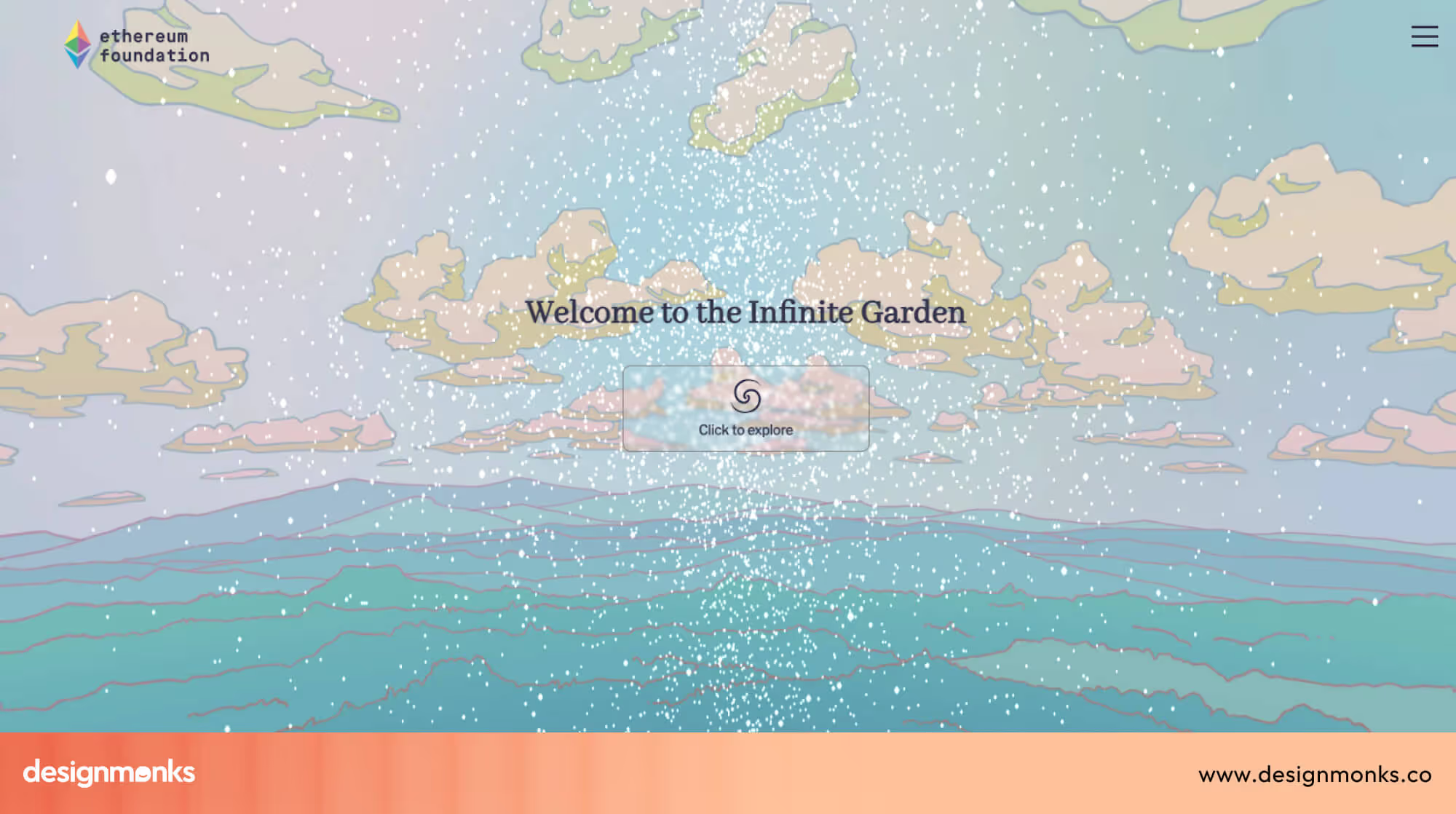
This approach helps users quickly find important information without feeling overwhelmed.
Binance
Binance focuses on user action and accessibility. Its design prioritizes navigation and transaction workflows, making it easy for users to buy, sell, or trade cryptocurrencies.
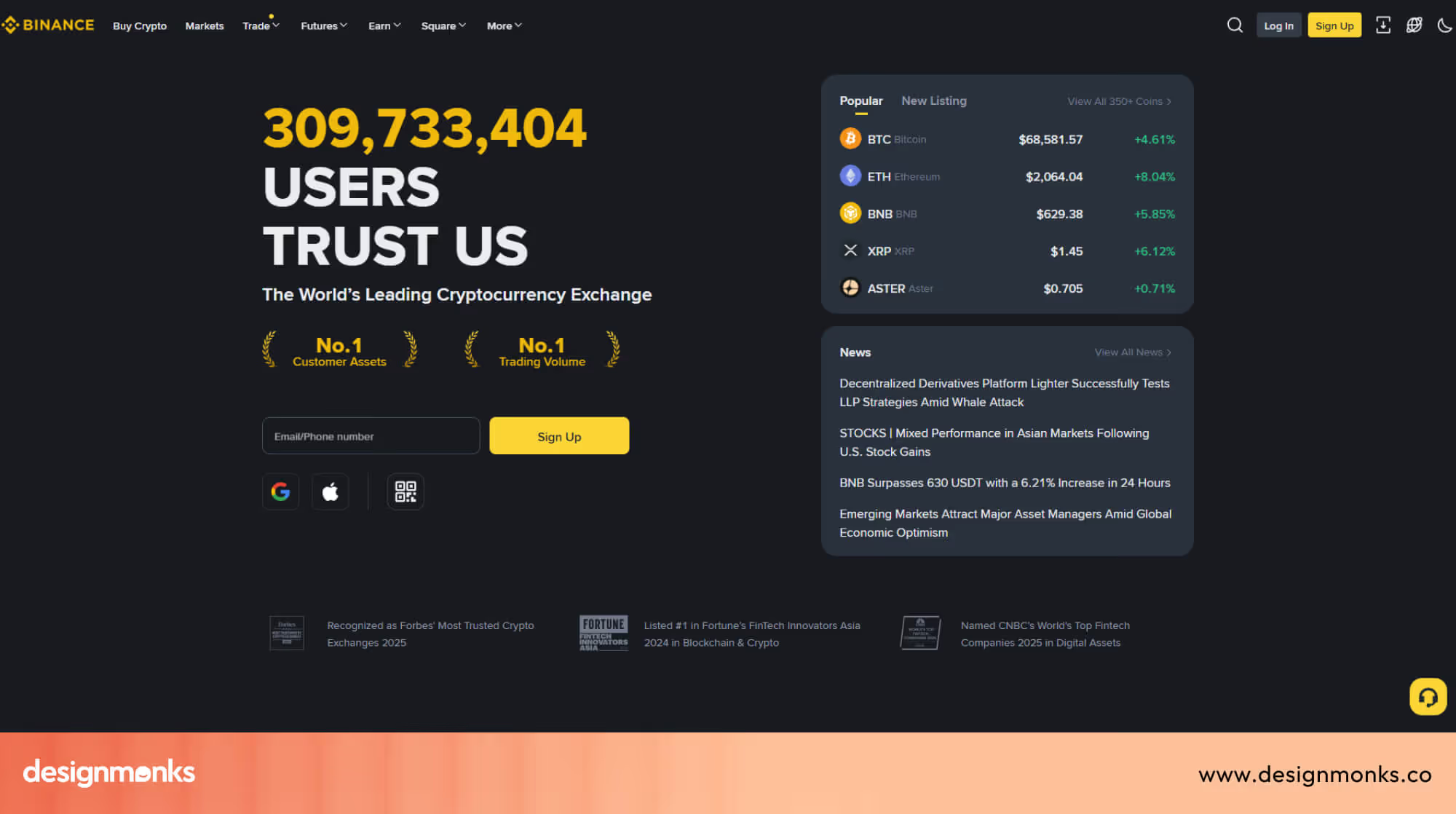
Key features like real-time price updates, prominent CTAs, and clean dashboards reduce friction. It helps both beginners and experienced users interact confidently with the platform.
Coinbase
Coinbase emphasizes trust and transparency. The site clearly shows security measures, user guidance, and educational resources.
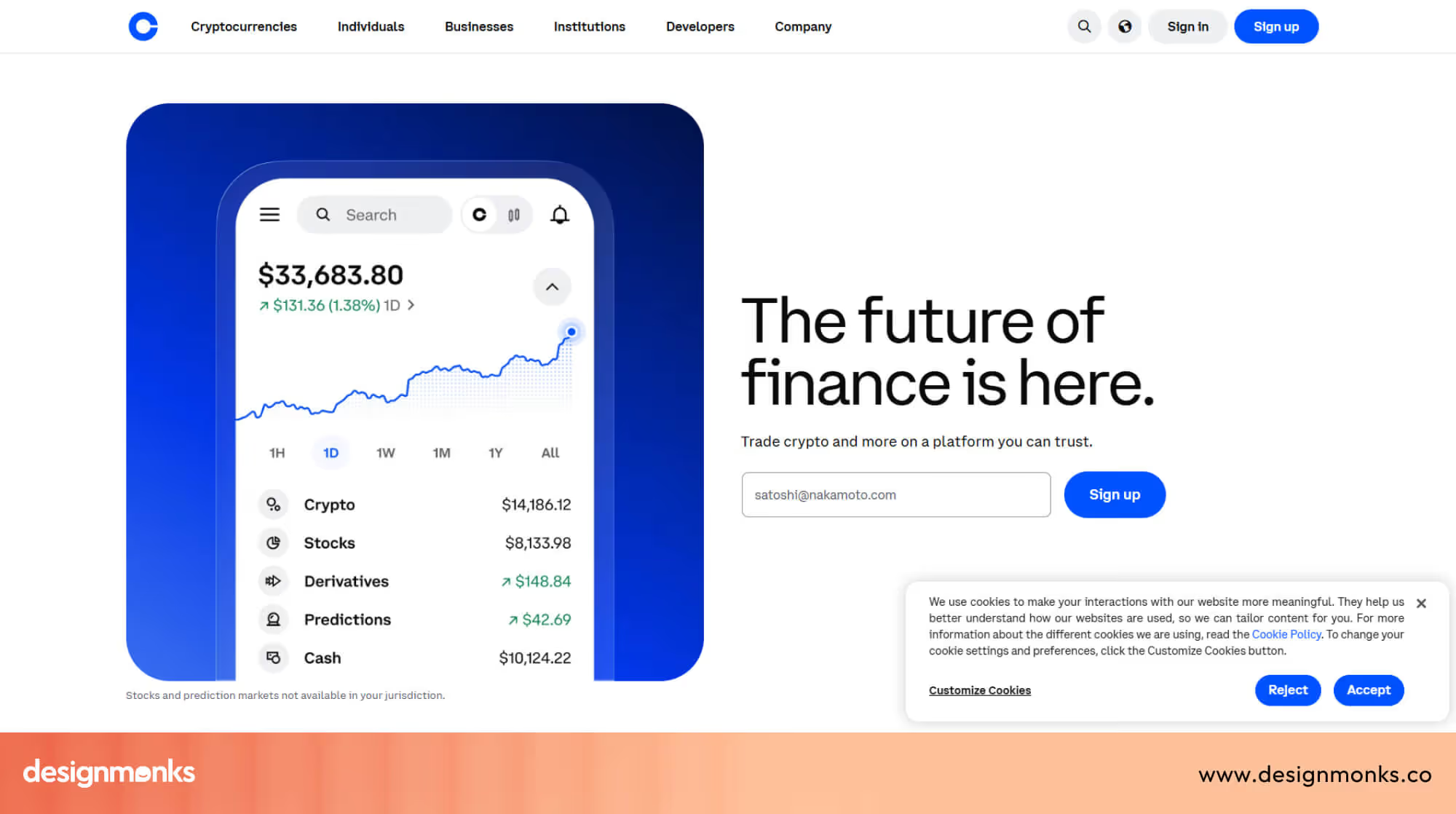
Visual consistency, intuitive onboarding flows, and accessible support sections make complex financial actions, such as staking or swaps, easy to understand. This approach of Coinbase reinforces credibility and ensures users feel safe using the platform.
Analyzing these websites shows common UX patterns such as clear information hierarchy, simple navigation, trust signals, and visual clarity. Applying these principles can help any blockchain website improve usability, build confidence, and encourage user engagement.
SEO for Blockchain Websites
SEO for blockchain websites comes with unique challenges because crypto and Web3 platforms deal with finance, tokens, and user funds. These are considered YMYL (Your Money or Your Life) topics. It means search engines require extra proof of expertise, authority, and trustworthiness before ranking such sites.
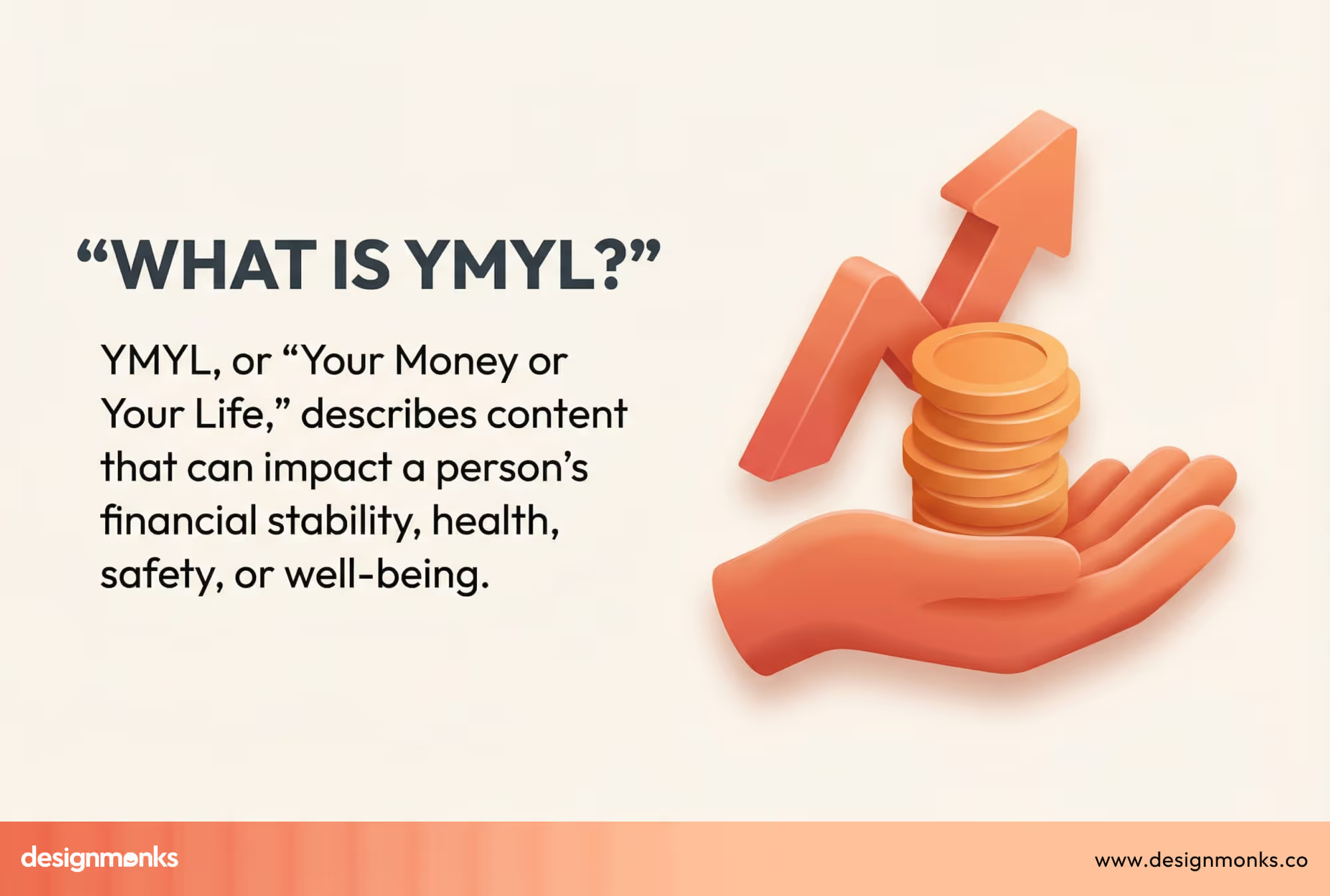
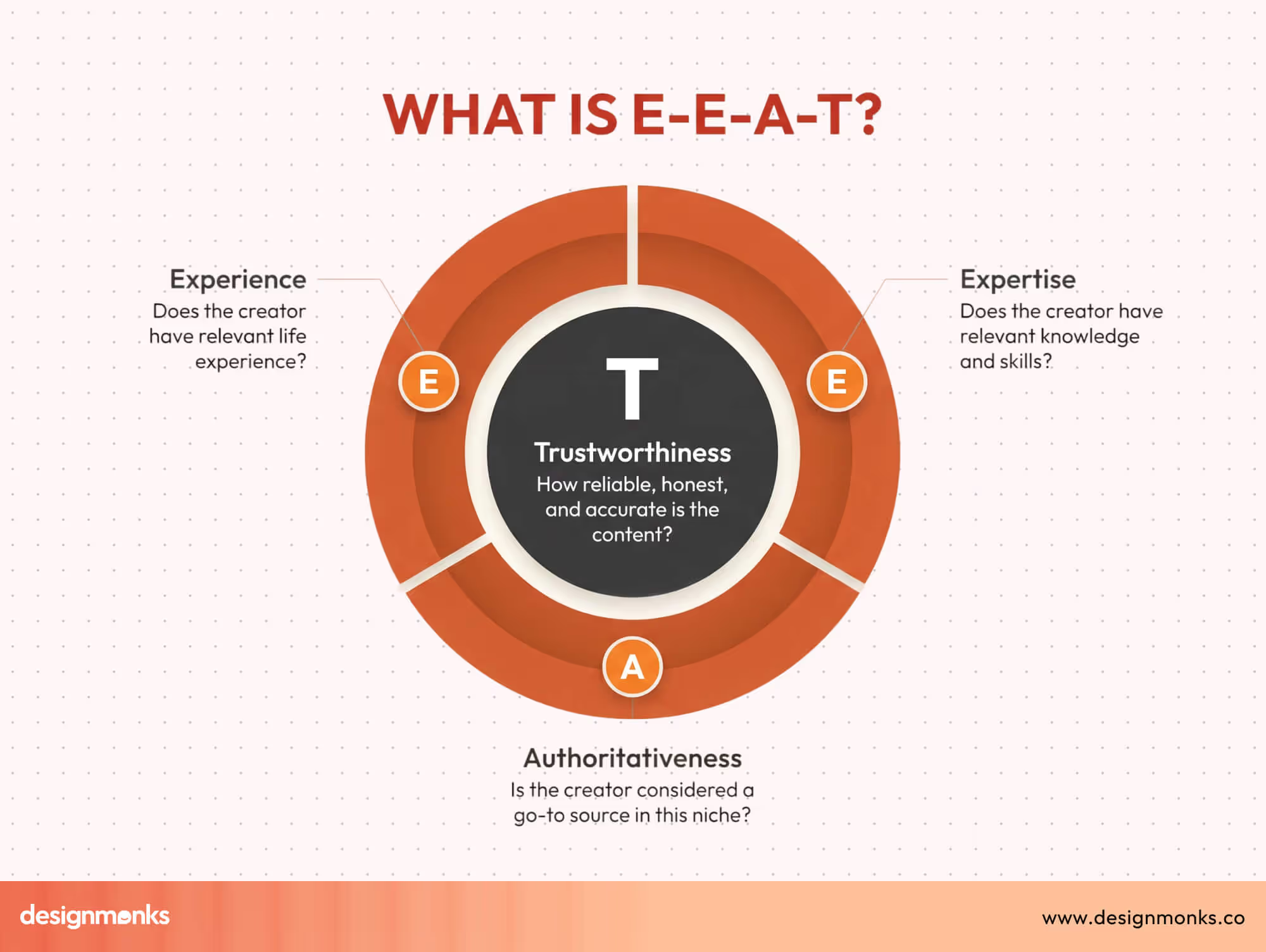
Platforms also need strong E-E-A-T (experience, expertise, authority, and trust) to show both users and search engines that the project is credible and reliable.
Schema markup is another important aspect. Web3 projects benefit from structured data that highlights key elements like token information, roadmap updates, team profiles, or smart contract addresses. Proper schema helps search engines understand your platform and display rich results, improving visibility and click-through rates.
Beyond traditional SEO, blockchain websites must also convey trust and credibility through design. Showing on-chain transparency, such as live transaction logs, adds confidence. Audit reports, founder verification, and even GitHub activity embedding demonstrate accountability and professionalism. Users can verify that the project is legitimate and that technical work is publicly trackable.
When implemented correctly, these SEO and trust strategies do more than improve search rankings, they create a sense of security, clarity, and reliability that sets your blockchain website apart from competitors who rarely cover these psychological trust signals in depth.
Designing for Web3 Trust & Credibility Signals
Trust and credibility are vital for any blockchain or Web3 platform because users are handling money, tokens, and sensitive data. People often overlook the psychological factors that make users feel safe. Your website can stand out by clearly demonstrating transparency and accountability. A clear interface structure also contributes to credibility. Studying modern cryptocurrency app UI design examples shows how thoughtful interactions build trust.
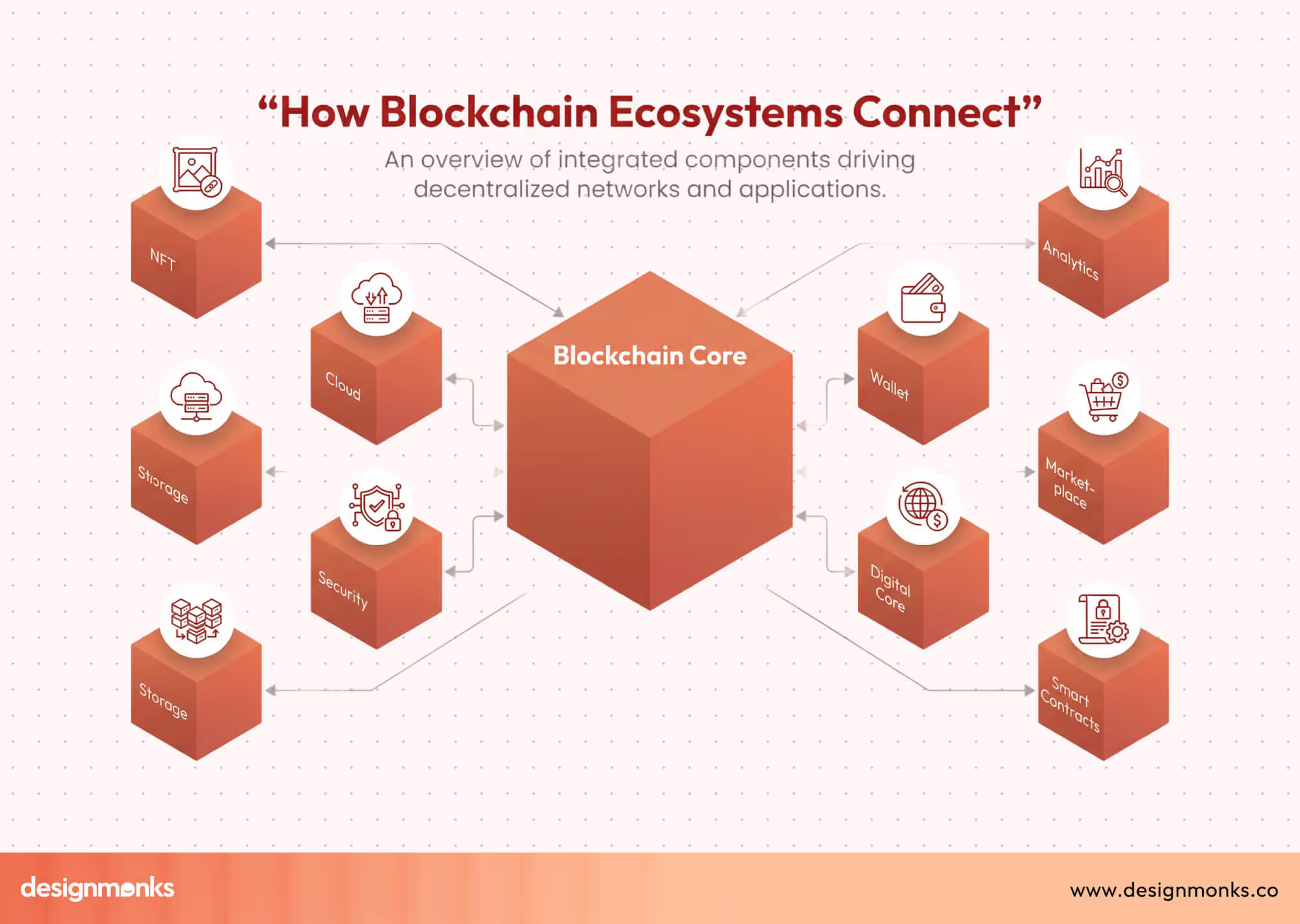
On-chain transparency remains essential. Showing live blockchain activity, such as token transfers, staking updates, or DeFi interactions, helps users verify every action themselves. This reduces skepticism and gives users confidence that the platform operates exactly as promised.
Audit documentation strengthens trust further. Clearly presenting audit reports for smart contracts and platform systems shows that security and reliability have been professionally verified.
Similarly, founder and team verification ensures users know real, accountable people are behind the project, while embedding GitHub activity highlights ongoing technical progress and updates.
To go a step further, platforms should also show legal and compliance credentials, such as licenses, regulatory approvals, or partnership validations. Including customer support transparency, like accessible help desks or live chat responses, reassures users that help is available if anything goes wrong. These additional trust cues make a blockchain website stand out, encouraging adoption and engagement even among cautious or first-time users.
By combining on-chain transparency, audits, verified teams, visible development, compliance credentials, and responsive support, a platform not only gains credibility but can also position itself as a leader in the Web3 space.


.avif)
.avif)
.avif)
.avif)


.avif)
.avif)
.avif)
.avif)







.avif)