.svg)




Key Takeaways
- Clear UX makes blockchain apps easier for beginners to understand and use.
- Simple onboarding helps people connect wallets and complete actions confidently.
- Transparent transaction details build trust and prevent costly user mistakes.
- Secure interface design protects users during wallet and smart contract interactions.
- Product-specific UX improves usability for dApps, DeFi, and NFT platforms.
Blockchain can feel like a puzzle that never ends, where every step seems confusing and hidden behind technical walls. Users often try to act but hesitate because the interface gives too much information at once, and that makes them feel lost or frustrated.
A smart blockchain UX design process can change this experience completely by guiding users with clear steps and visible instructions. Every button, message, and visual hint should work together to make tasks understandable.
The question is, how to do that? Well, in this blog, we’ll show you how thoughtful design makes blockchain simple for everyone. So, keep reading.
What Is Blockchain UX Design?
When using blockchain apps like Ethereum or MetaMask, it can feel confusing at first. A well-designed interface makes actions clear and reduces mistakes. That’s what blockchain UX design focuses on.
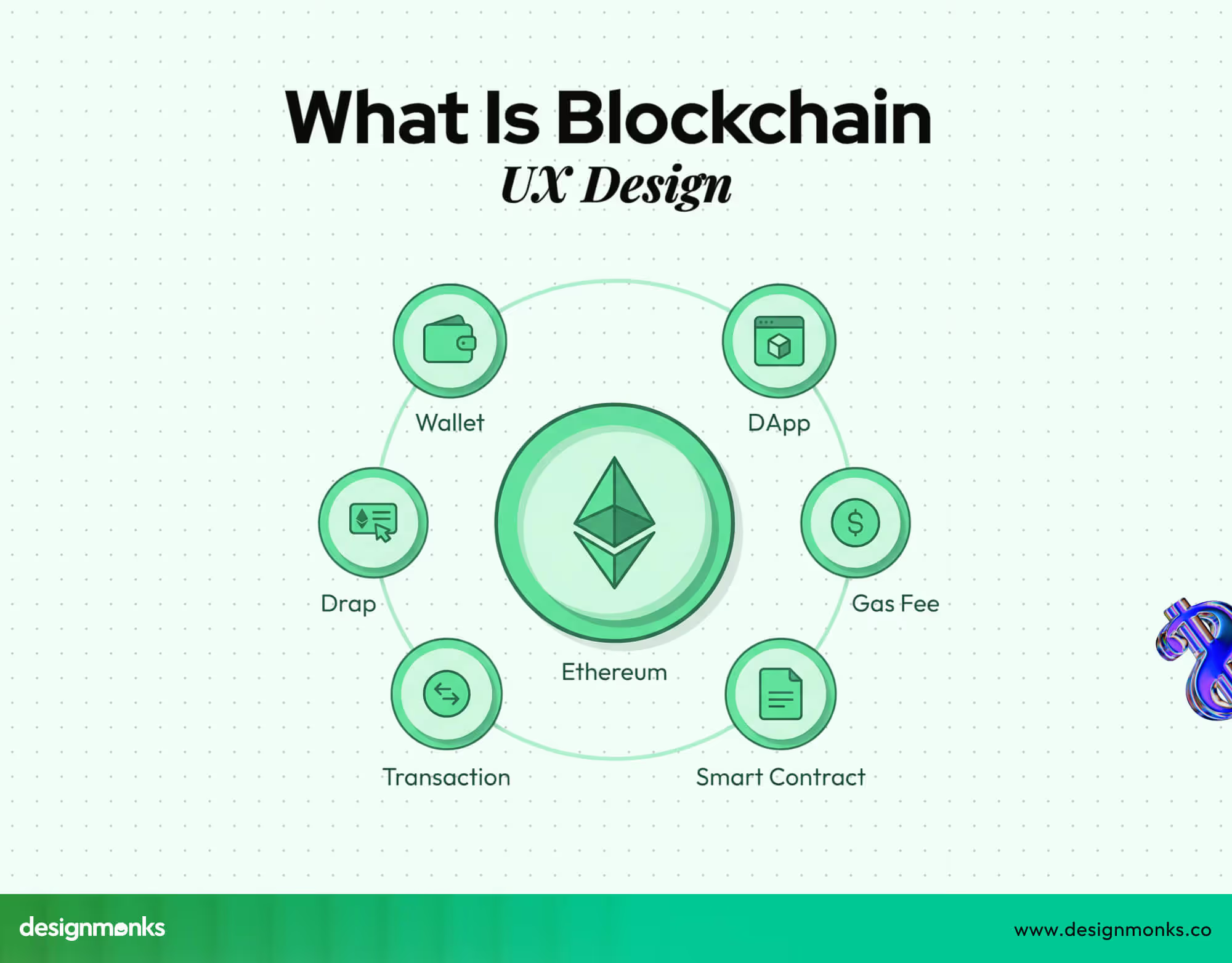
Unlike regular apps, blockchain apps are decentralized, so no single company controls everything. Every transaction goes directly on the blockchain. This changes how interfaces must show balances, transactions, and confirmations so interacting feels smooth.
Security and transparency matter a lot in this case. Every action is permanent, so clear guidance is needed for wallet login, sending crypto, or paying fees. Good design makes even complicated blockchain apps understandable and safe to use.
How Blockchain UX Differs from Traditional UX?
Traditional apps rely on central servers, support teams, and reversible actions. Users can usually fix mistakes, recover accounts, or cancel transactions easily.
Blockchain apps work differently because there is no central authority, and every action happens on a decentralized network. This changes how designers must think about user experience.
- Trustless systems: In traditional UX, mistakes can be corrected by support. In blockchain, designers must prevent errors and guide users clearly.
- Gas fees: Regular apps do not charge for basic actions. Blockchain apps require small fees for each transaction, which must be displayed understandably.
- Wallet authentication: Traditional apps use usernames and passwords. Blockchain apps rely on secure wallets like MetaMask, so login flows need special guidance.
- Irreversible transactions: Mistakes in normal apps can often be undone. Blockchain actions cannot be reversed, so confirmations and warnings are critical.
- Decentralized user experience: Traditional apps fetch data from a single server. Blockchain apps show information from multiple nodes, affecting feedback and speed.
Core UX Challenges in Blockchain Applications
Blockchain apps usually feel confusing because they work very differently from regular apps. Using Ethereum, MetaMask, or Coinbase Wallet often involves steps that feel complicated and technical. They simply create friction for beginners.
Wallet Connectivity & Authentication Complexity
Connecting a wallet can be confusing for first-time users. Unlike traditional logins, users must link to secure wallets like MetaMask or Coinbase Wallet. Designers need to explain authentication clearly to avoid errors and improve crypto onboarding experiences.
Gas Fees & Transaction Transparency
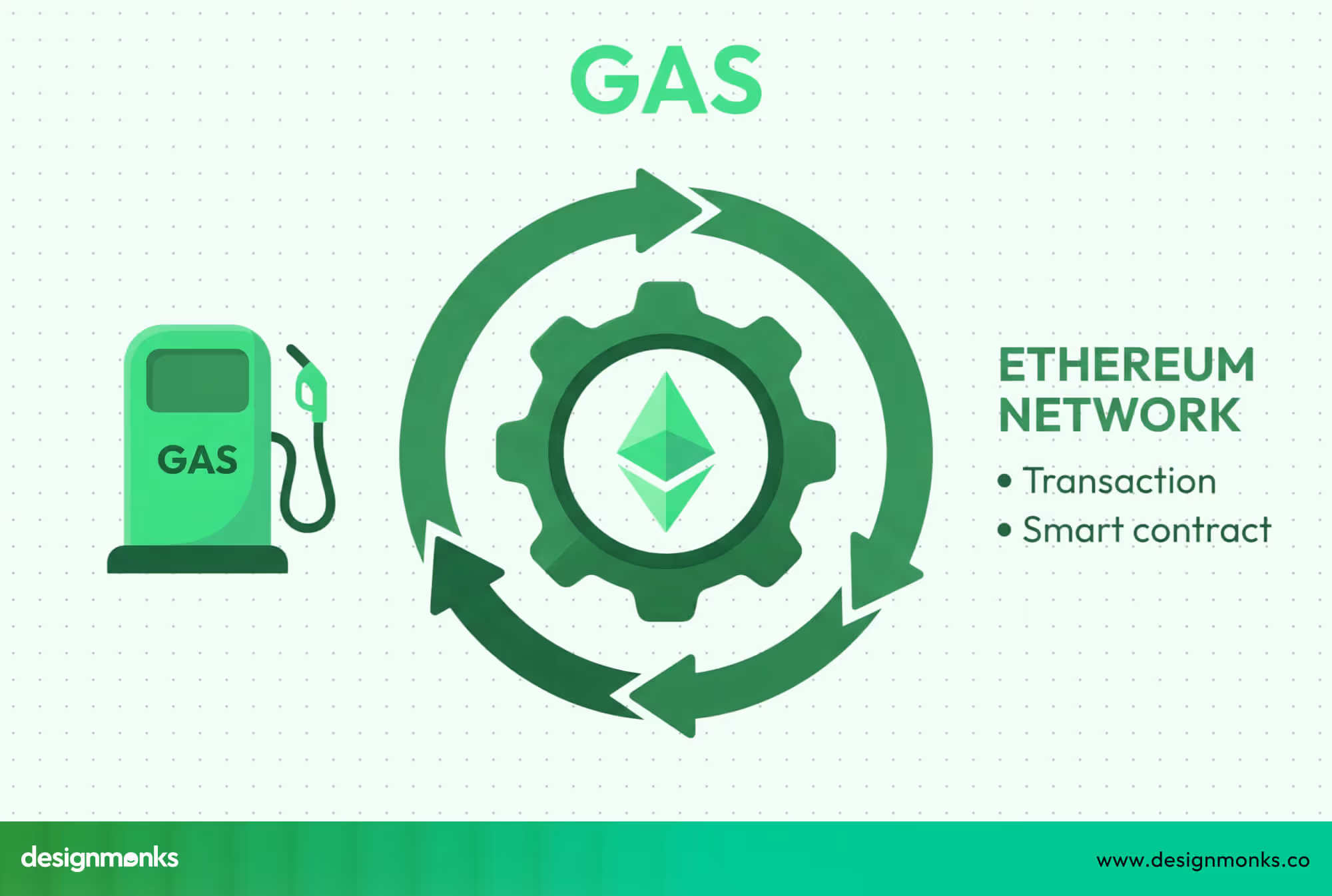
Every blockchain transaction requires gas fees, which can vary depending on network demand. Users often struggle to understand why fees are charged and how much they should pay. Clear UI elements and alerts improve transaction transparency.
Private Keys, Seed Phrases & User Anxiety
Managing private keys and seed phrases is stressful for new users. Losing this information can result in permanent loss of funds. Designers from reliable bockchain product design agency can help users by showing clear instructions, warnings, and secure storage tips.
Important points to guide users:
- Seed phrase backup: Steps to safely record recovery phrases.
- Private key handling: Explain why keys should never be shared.
- Recovery options: Highlight ways to recover wallets securely when possible.
Irreversible Transactions & Trust Issues
Blockchain actions are permanent. Unlike traditional apps, users cannot undo mistakes. This creates anxiety and mistrust if transactions are unclear. Interfaces should confirm actions and explain consequences before processing any transaction.
Smart Contract Interaction & Complexity
Interacting with smart contracts can feel technical and intimidating. Users must understand what each contract does before approving it. UX design should simplify contract steps, highlight risks, and use readable language for safer engagement.
Onboarding & Crypto Adoption Friction
New users face friction when starting with blockchain apps. Complex terms, unfamiliar processes, and multiple steps to complete a transaction can block adoption. Simple tutorials, guided walkthroughs, and clear visual cues improve onboarding significantly.
UX Principles for Designing Blockchain Products
When you start designing a blockchain product, you need to think about how people will interact with wallets, transactions, and decentralized apps. You can make it simple by following clear UX principles.
While designing, make sure your interface guides people step by step so they don’t feel lost. Use frameworks from experts like the Nielsen Norman Group to test your design and reduce confusion.
By keeping interfaces intuitive, you can help people complete actions confidently and reduce mistakes.
Reduce Cognitive Load in Crypto Interfaces
When you show too many options at once, people get confused. That’s why you'd better simplify the interface by displaying only the important actions.
While designing menus or dashboards, make sure each step is clear and visually separated. This way, people can focus on what they need to do next without distraction.
Build Trust Through Transparency
You can build trust by showing exactly what happens during each transaction. While people send crypto or interact with smart contracts, make sure gas fees and wallet actions are clearly displayed. This way, they can see costs, confirmations, and security steps without having to guess.
Progressive Disclosure for Technical Concepts
Crypto can be intimidating. You can hide complex details at first and reveal them only when people need them. While explaining smart contracts or token swaps, show simple instructions first.
Use tooltips or pop-ups to explain technical terms. This way, the interface stays clean, but people can explore deeper if they want.
How we do progressive disclosure:
- Show main actions first, then reveal extra details if you want them.
- Add tooltips or pop-ups to explain technical words.
- Avoid showing everything at once to keep your experience simple.
Clear Transaction Feedback Systems
When people make blockchain transactions, mistakes cannot be undone. This is why you should give clear feedback like confirmations, progress updates, or warnings. While showing each step, make sure people know exactly what’s happening and feel in control of their actions.
Designing UX for dApps, DeFi & NFT Platforms
When you design blockchain products, you will notice that every product type needs a different UX approach. A dApp, DeFi platform, or NFT marketplace has different goals and user flows. You should adjust your interface based on what people want to do.
Some platforms focus on token swaps, while others focus on digital ownership. If you design each flow carefully, you can help people complete actions confidently and avoid costly mistakes.
dApp User Flows
When you design a dApp, you should guide people from wallet connection to smart contract interaction clearly. Show each step in order, so nothing feels hidden.
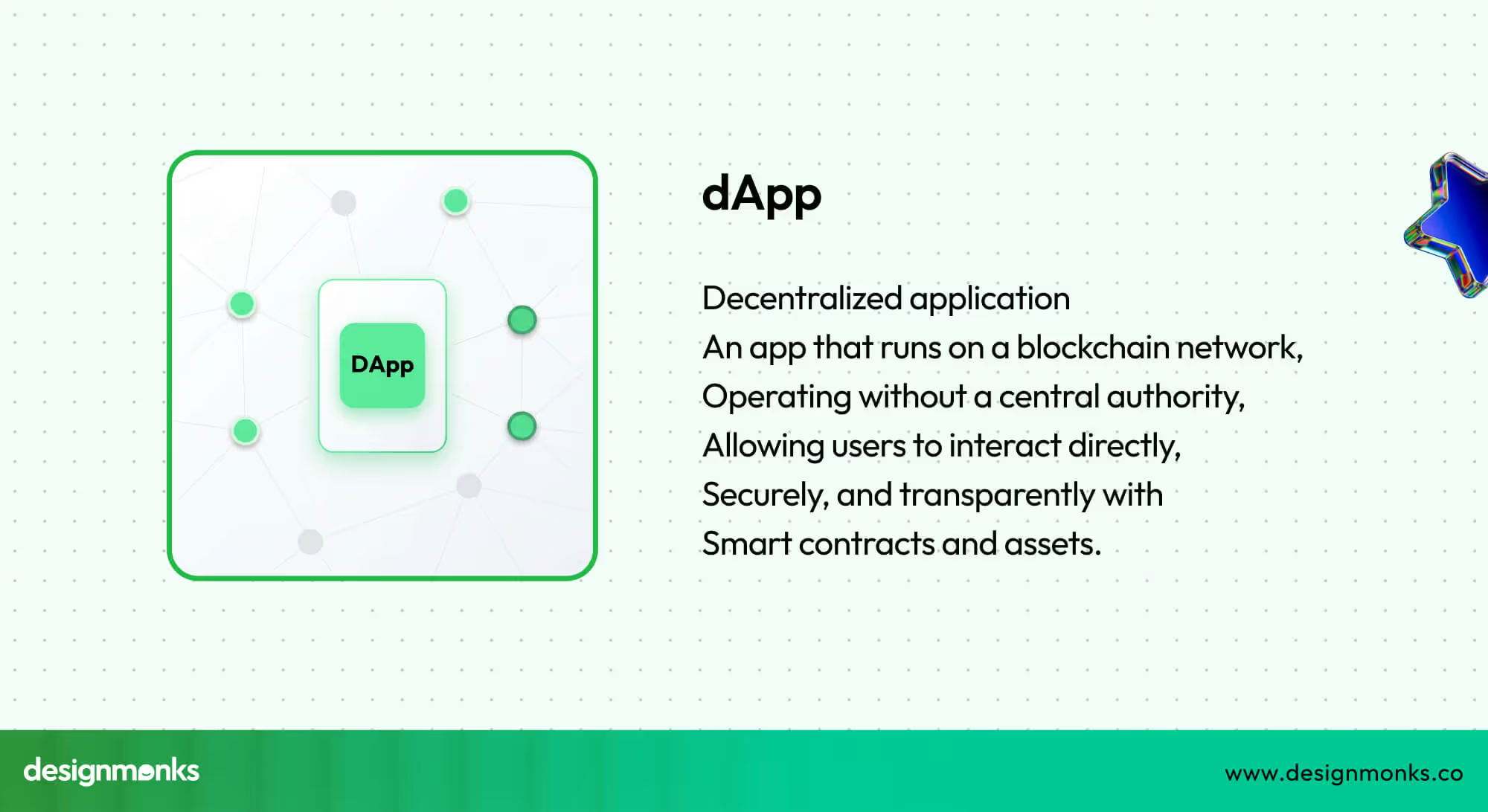
While interacting with smart contracts, provide confirmations and clear action buttons. This approach helps people understand what they approve and prevents accidental transactions.
DeFi Dashboard Design
When you design a DeFi dashboard like Affine, you should show balances, token values, and liquidity pool details clearly. People often perform token swaps or manage assets.
Make sure these elements are easy to understand:
- Token swap panels: Show selected tokens, exchange rate, and final amount clearly.
- Liquidity pool status: Display deposited tokens, rewards, and performance in a simple visual format.
- Transaction preview: Show fees, total cost, and expected results before confirmation.
This structure helps people act confidently without confusion.
NFT Marketplace UX Patterns
When you design an NFT marketplace like OpenSea, you should focus on browsing, ownership, and purchase clarity. People need to see what they own and what they buy.
Focus on these important UX patterns:
- NFT preview cards: Show image, price, owner, and blockchain network clearly.
- Ownership indicators: Help people confirm authenticity and avoid fake assets.
- Purchase flow feedback: Show wallet confirmation steps and transaction status updates.
These patterns help people explore, buy, and manage NFTs without fear or confusion.
Blockchain Onboarding & Wallet UX Optimization
When you design onboarding for blockchain products, you must guide people carefully from the first screen. Many people have never used wallets before. A clear onboarding flow helps them connect wallets, secure accounts, and complete actions without fear or confusion.
First-Time User Experience (FTUX) in Web3
When someone opens your Web3 product for the first time, you should explain what the app does in simple words. Show clear steps like connect wallet, approve access, and confirm identity. Avoid showing too many technical details at once.
You can use short tooltips, visual highlights, and progress indicators so people always know where they are and what comes next. This creates a smooth first impression and builds confidence early.
Simplifying Wallet Setup
Wallet setup can feel stressful if instructions are unclear. When you guide people through MetaMask or Coinbase Wallet setup, explain each step in plain language. Show how to create the wallet, confirm passwords, and complete wallet integration safely.
Make sure these setup steps are clear:
- Connect wallet button: Place it in a visible area so people can start easily.
- Seed phrase backup instructions: Explain why backup is important and where to store it safely.
- Confirmation screens: Show success messages so people know the wallet setup is complete.
This structure helps people finish the setup without hesitation or mistakes.
Educating Without Overwhelming
You should teach blockchain basics while people use your product, not all at once. Show short explanations when they reach important steps. Use simple words, visual hints, and small help icons. You can use any relevant icon pack, like the cryptocurrency icon pack.
Avoid long paragraphs or technical definitions. When education appears at the right moment, people learn naturally and continue the onboarding process without frustration.
Security-Centered UX in Blockchain Design
When you design blockchain websites or apps, security must be part of the user experience from the first step. People control their own wallets and assets, so mistakes can cause permanent loss.

A secure crypto interface should guide people clearly, warn about risks, and help them verify every action. On networks like Ethereum, UX must reinforce safe behavior through clear feedback, visible trust signals, and strong protection steps.
UX Patterns That Prevent User Errors
You can prevent mistakes by guiding people before they confirm sensitive actions. Always show clear transaction verification details, including wallet address, amount, and network fees. Use confirmation dialogs, warnings, and highlighted risk messages to stop accidental approvals.
Important UX patterns that improve safety:
- Address preview and labels: Help people confirm they send assets to the correct destination.
- Phishing prevention alerts: Warn people if a website or contract looks suspicious.
- Two-Factor Authentication support: Add extra protection during login or sensitive account changes.
These patterns help people act carefully and reduce avoidable security mistakes.
Designing for Secure Smart Contract Interaction
When people interact with smart contracts, they often approve actions without understanding the consequences. You should show what the contract will do in simple words. Display permissions, token access, and transaction impact clearly before approval.
Make sure your interface also includes clear trust signals:
- Permission summaries: Explain what the contract can access or control.
- Risk warnings: Alert people if the contract requests unusual access.
- Approval confirmations: Show final review screens before completing the interaction.
Besides, the design should have clear guidance with a relevant icon set, like a 3D cryptocurrency icon set. This approach helps people understand their actions and interact with blockchain systems safely and confidently.
FAQs
What makes a blockchain interface feel trustworthy to new users?
A blockchain interface feels trustworthy when it clearly shows transaction details, wallet addresses, and confirmation steps before approval. Visible security indicators, honest fee explanations, and consistent feedback help you understand each action and feel confident that your assets remain safe.
Why do blockchain apps ask users to save a seed phrase?
Blockchain apps ask you to save a seed phrase because it is the only way to recover your wallet if access is lost. This phrase acts like a master recovery key, allowing you to restore funds without relying on any central company.
How can designers reduce fear for first-time crypto users?
Designers can reduce fear by guiding you with clear instructions, simple language, and visible confirmations at every step. Helpful tooltips, progress indicators, and risk warnings help you understand actions, avoid mistakes, and feel more confident while using crypto products.
End Note
Blockchain can feel complex, but thoughtful UX design makes it clear and approachable. When you simplify onboarding, explain transactions, and guide wallet interactions, you help people act with confidence.
Strong security cues and clear feedback also build trust. As Web3 grows, good UX will decide how easily people adopt blockchain products. By focusing on clarity, safety, and intuitive flows, you can create experiences that welcome both beginners and experienced users.


.avif)
.avif)
.avif)
.avif)


.avif)
.avif)
.avif)
.avif)






.avif)