.svg)




Key Takeaways
- Blockchain Design Patterns simplify smart contract structure and improve reliability.
- Proxy, Factory, and Registry patterns help manage upgrades and deployments efficiently.
- Security patterns prevent exploits and protect funds in live blockchain systems.
- Patterns influence gas usage, so optimization balances cost with safety.
- Applying patterns in DAO, DeFi, and NFT projects ensures maintainable contracts.
A blockchain design pattern is a proven way to solve common problems in blockchain systems. It gives clear rules that developers use while writing smart contracts. You need to learn these patterns because blockchain data cannot change after confirmation.
These patterns guide how contract parts connect and how data stays secure. They help developers build stable systems inside blockchain architecture. Anyone who works with smart contracts, especially in Ethereum projects, should learn these patterns early.
In this blog, we explain core ideas in simple language. You will learn structure, real examples, and practical use cases step by step.
What Is a Blockchain Design Pattern?
A blockchain design pattern is a common solution for repeated problems inside blockchain systems. It guides how a Smart Contract works inside blockchain architecture. You can use these patterns to build a clear smart contract structure in decentralized architecture pattern environments.
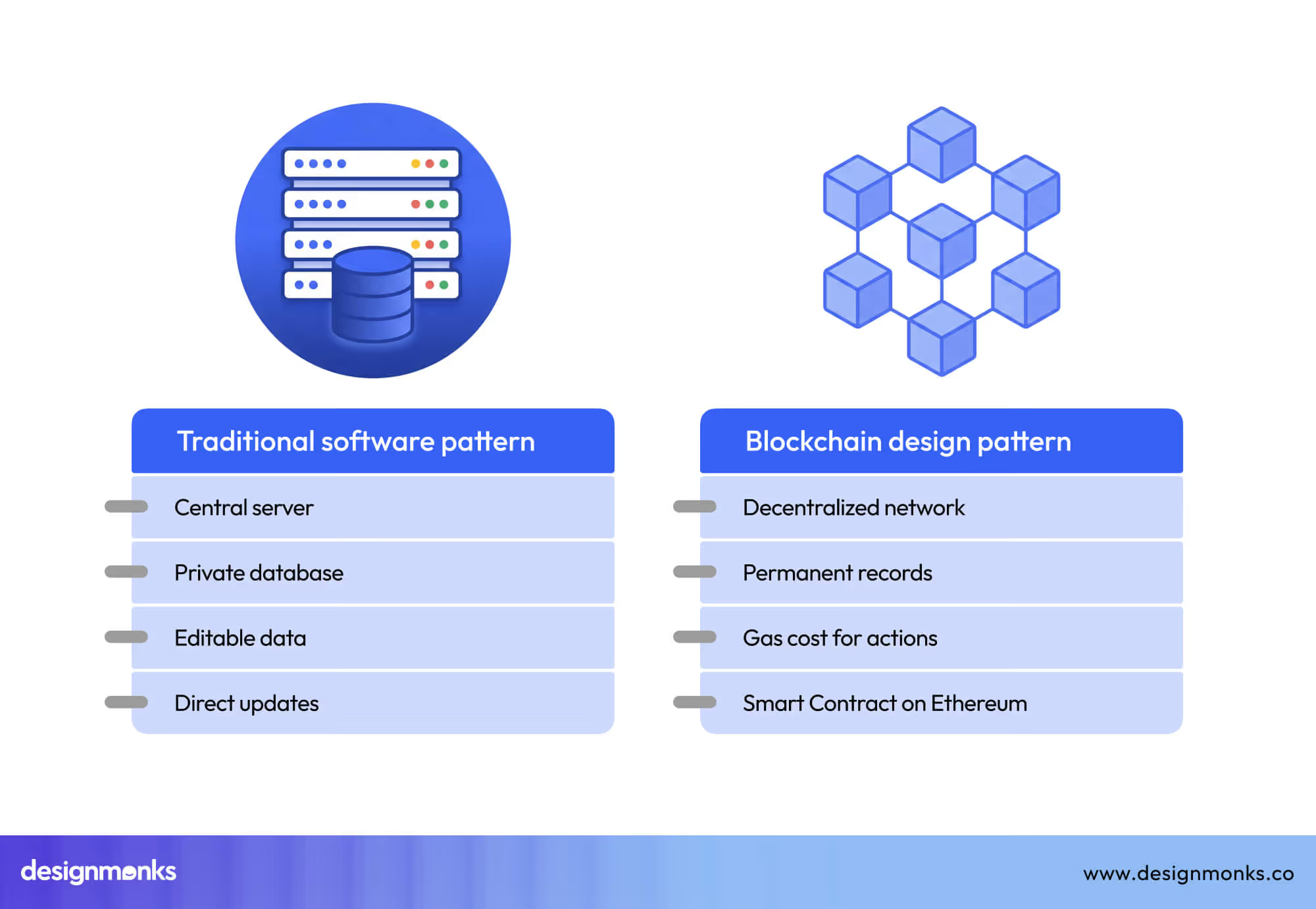
Traditional software patterns focus on central servers and private databases. Blockchain UX design patterns work inside shared networks like Ethereum.
Developers write contracts in Solidity, and the rules stay permanent after deployment. This makes blockchain architecture very different from normal software systems.
Design Patterns in Distributed Systems
A design pattern in distributed systems is a tested solution for repeated network problems. Distributed systems run across many computers instead of one server. These systems must share data and agree on actions without a central controller.
In a decentralized architecture pattern, many nodes store the same data copy. Each node checks and confirms transactions before adding new records. A pattern gives a clear method that keeps the system stable and organized.
Patterns also help teams avoid common structural mistakes in blockchain architecture. They explain how parts connect and how the smart contract structure remains clear. Developers follow these guides to reduce risk and improve contract reliability.
Why Blockchain Requires Specialized Design Patterns
Blockchain needs special patterns because its environment has strict technical limits. Data stays permanent after confirmation, and every contract action costs network fees. The system also depends on shared agreement rules between many independent nodes.
- Data cannot change after confirmation on the chain.
- Every contract action requires gas cost payment.
- Network consensus controls the transaction approval process.
- Public visibility increases developers' security responsibilities.
Core Categories of Blockchain Design Patterns
Blockchain design patterns fall into clear groups based on their main purpose. These groups help you understand where each pattern fits inside blockchain architecture. Most patterns belong to architectural, smart contract, security, or scalability categories.
Smart Contract Design Patterns
Smart contract design patterns define how contracts organize logic and data. They help developers write clear and reusable code. These patterns also reduce repeated structure problems in decentralized systems.
Proxy Pattern
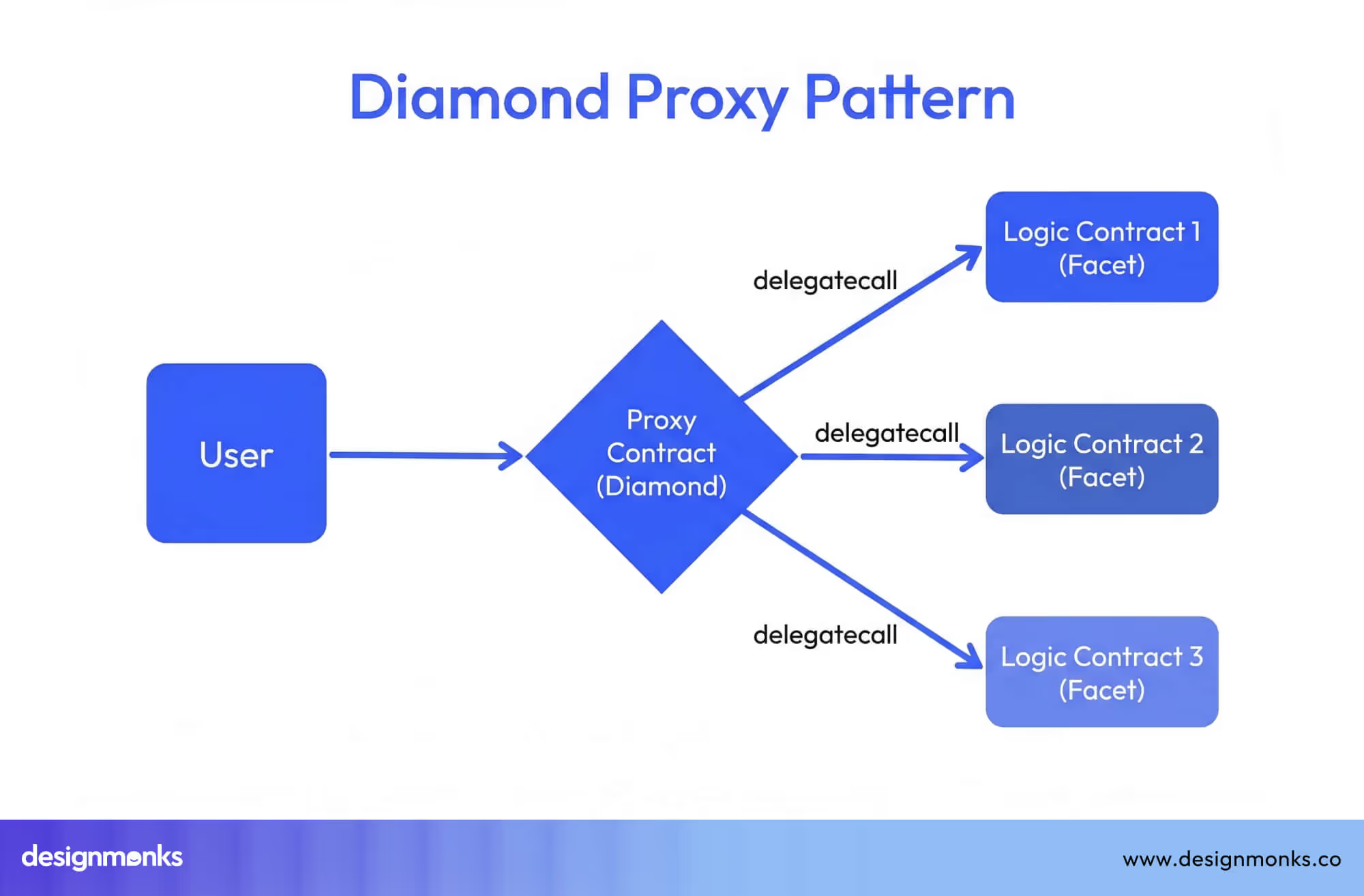
The Proxy Pattern uses a proxy contract that forwards calls to another contract. This setup allows contract upgrades without changing stored data. For example, a token platform on Ethereum can update logic while keeping user balances safe.
Factory Pattern
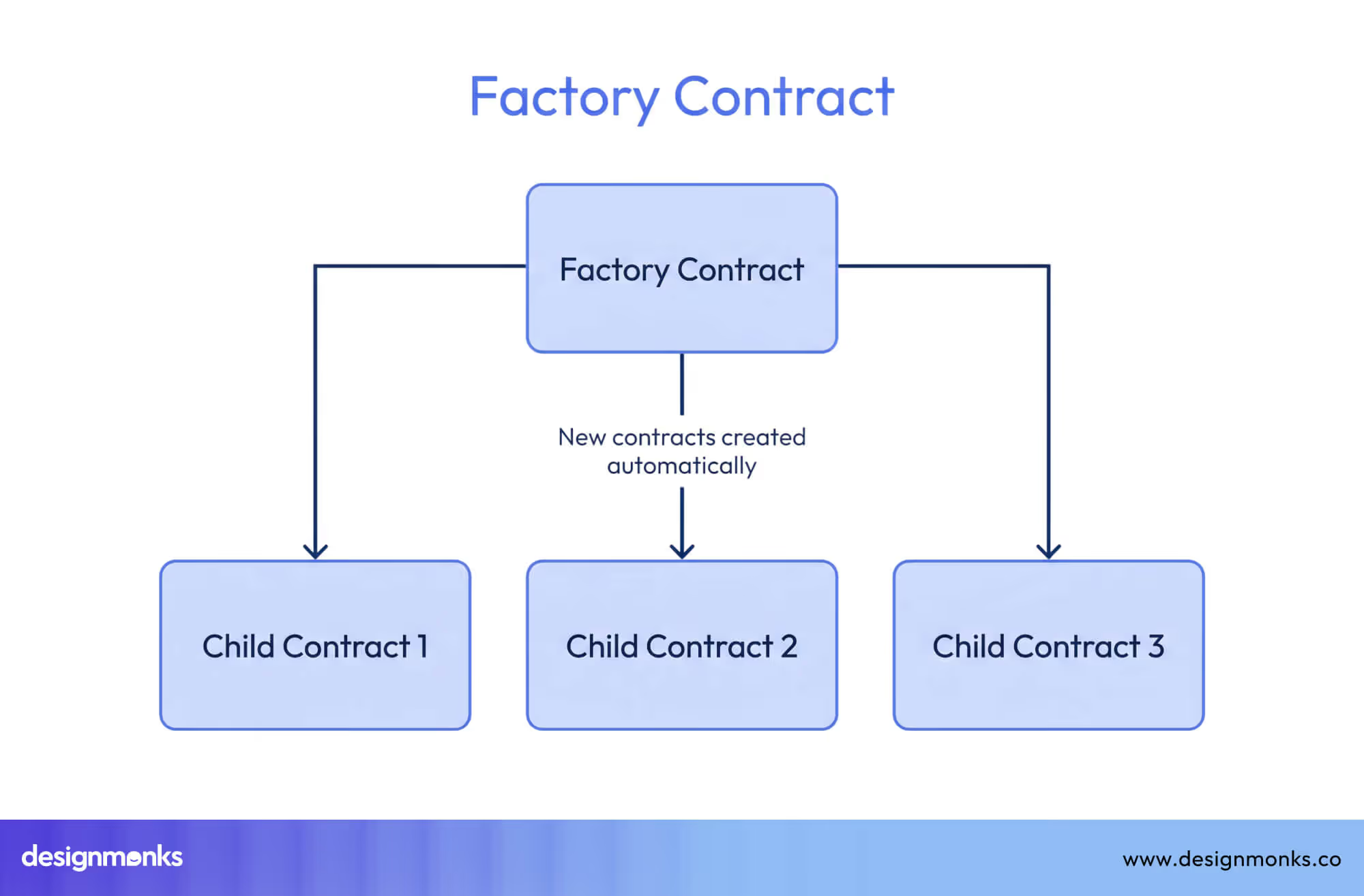
The Factory Pattern creates new contracts through one main contract. It acts like a contract generator inside blockchain architecture. A marketplace can use it to create a new sales contract for each seller automatically.
Registry Pattern
The Registry Pattern stores important contract addresses in one central record. Other contracts check this registry to find valid addresses. A voting platform can store approved contract addresses for governance modules.
Pull over Push Pattern
This pattern lets users withdraw funds instead of automatic transfers. It reduces failed transactions and gas waste. For example, a reward system lets users claim tokens manually after approval.
Access Restriction Pattern
This pattern limits who can execute specific contract functions. It protects sensitive actions inside the smart contract structure. A project owner may restrict fund withdrawal functions to verified administrators only.
Security Design Patterns
Security patterns protect smart contracts from common exploits and logic errors. They reduce attack risk and improve system reliability. Developers must apply them carefully before deployment.
Checks-Effects-Interactions Pattern
This pattern follows a strict function order inside contracts. The contract checks conditions first and updates internal data next. It interacts with external contracts only after state changes, which prevents reentrancy attacks.
Guard Check Pattern
This pattern adds clear condition checks before function execution. It stops invalid or harmful actions early. For example, a contract verifies the user's balance before processing a token transfer.
Emergency Stop Pattern
This pattern allows contract owners to pause critical functions during threats. It protects user funds during suspicious activity. A DeFi platform can pause withdrawals if unusual behavior appears.
Scalability & Upgradeability Patterns
Scalability patterns help blockchain systems handle growth and future changes. They also support safe logic upgrades after deployment.
Upgradeable Proxy
This pattern uses a proxy contract that points to new logic contracts. It supports upgradeable contract architecture without losing stored data. Large projects on Ethereum use this method to improve features safely.
Layer 2 Pattern Logic
Layer 2 patterns move heavy transactions off the main chain. This reduces congestion and gas costs. Payment systems use Layer 2 networks to process many transactions quickly.
Modular Contract Architecture
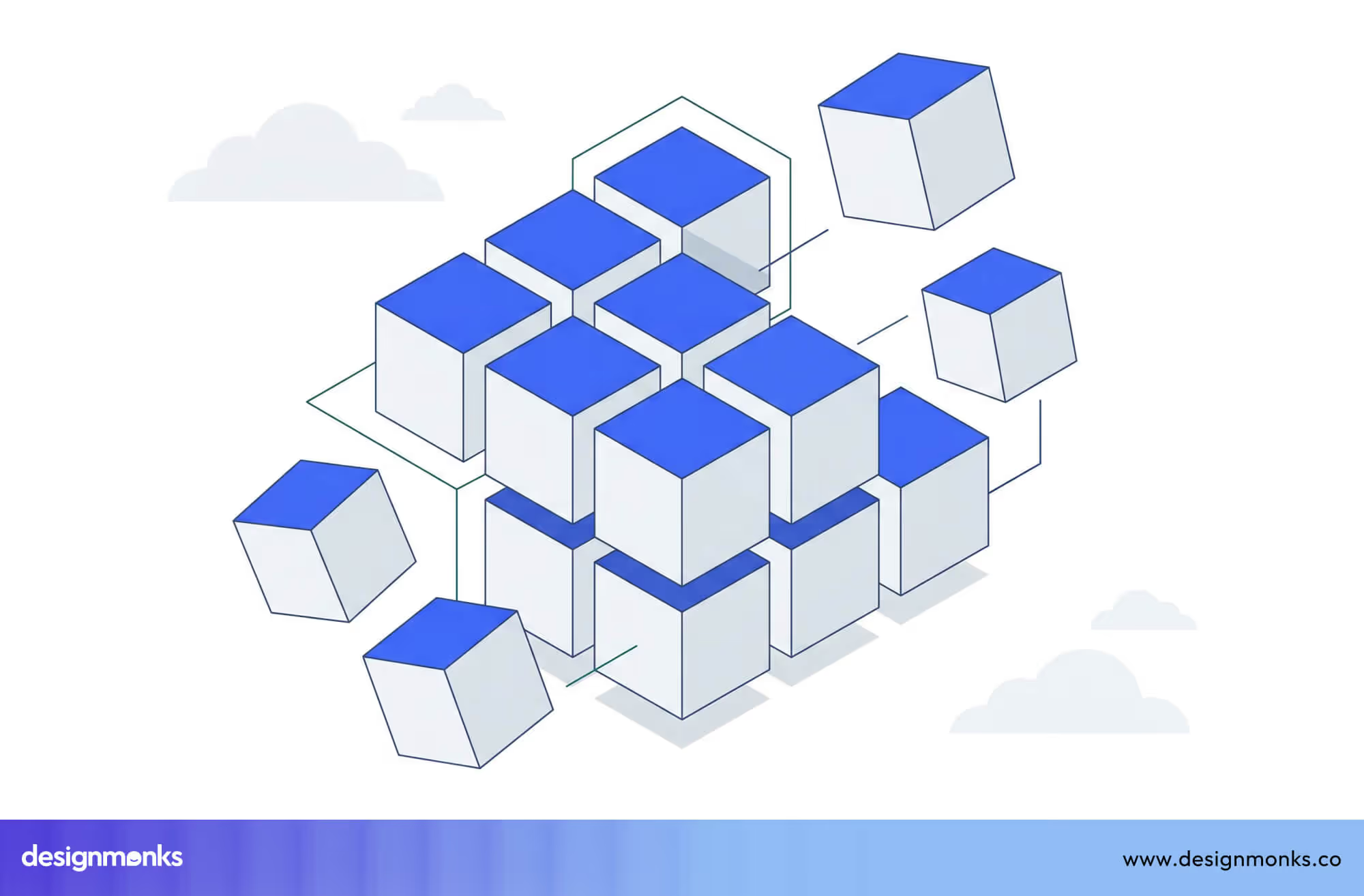
This pattern splits logic into smaller connected contracts. It creates modular smart contract systems that are easier to update. A complex app can separate payment, governance, and storage into different modules.
Most Important Blockchain Design Patterns
The most important Blockchain design patterns solve common smart contract problems. Proxy, Factory, and Registry patterns help with upgradeable contracts, dynamic deployment, and service discovery, making Solidity contracts safer and easier to manage on Ethereum.
Proxy Pattern in Ethereum
The Proxy Pattern allows a contract to forward calls to another contract. This lets developers update logic without changing stored data. In Ethereum, it often uses delegatecall, which runs logic in the context of the storage contract.
Pseudo-code Example:
contract Proxy {
address logicContract;
function updateLogic(address newLogic) external {
logicContract = newLogic;
}
fallback() external {
delegatecall(logicContract, msg.data);
}
}
This approach supports upgradeable contracts safely, keeping user data intact while allowing contract improvements over time.
Factory Pattern for Contract Deployment
The Factory Pattern creates new contracts from a single main contract. This pattern is useful for managing many similar contracts automatically. It separates deployment logic from contract functionality.
Pseudo-code Example:
contract Factory {
address[] public deployedContracts;
function createContract() external {
address newContract = new ChildContract();
deployedContracts.push(newContract);
}
}
This allows dynamic creation of contracts while keeping contract logic separation clear and manageable.
Registry Pattern for Address Discovery
The Registry Pattern stores contract addresses in a central registry. Other contracts or apps can look up addresses to interact with services. This works like service discovery in decentralized apps.
Pseudo-code Example:
contract Registry {
mapping(string => address) services;
function registerService(string name, address service) external {
services[name] = service;
}
function getService(string name) external view returns(address) {
return services[name];
}
}
This ensures that contracts always know where to find other important contracts in Ethereum Virtual Machine systems.
Blockchain Design Patterns vs Traditional Software Patterns
Blockchain design patterns and Object-Oriented Programming (OOP) patterns both solve recurring problems in system design. While OOP focuses on central servers, blockchain patterns handle decentralized application architecture. Both follow clear design principles, but implementation differs.
Blockchain patterns often use separate logic and storage contracts, improving safety and upgradeability. Traditional OOP patterns allow more flexible changes but rely on central control. Both require careful planning to maintain system integrity.
Understanding these differences helps developers adopt the right patterns for distributed application architecture. Comparing design principles between blockchain and OOP shows how smart contract systems need specialized solutions for immutability, consensus, and secure fund management.
Common Mistakes When Implementing Blockchain Design Patterns
Even experienced developers can make errors when using Blockchain Design Patterns. Mistakes often lead to security vulnerabilities, wasted resources, or broken contracts on Ethereum. Awareness of common pitfalls ensures safer, more efficient smart contract implementation.
Overusing Delegatecall
Using delegatecall too often can introduce security risks. If the logic contract contains bugs, all calls forwarded by proxy contracts become vulnerable to exploits. Limit delegatecall usage to trusted, well-tested contracts.
Storage Collision Issues
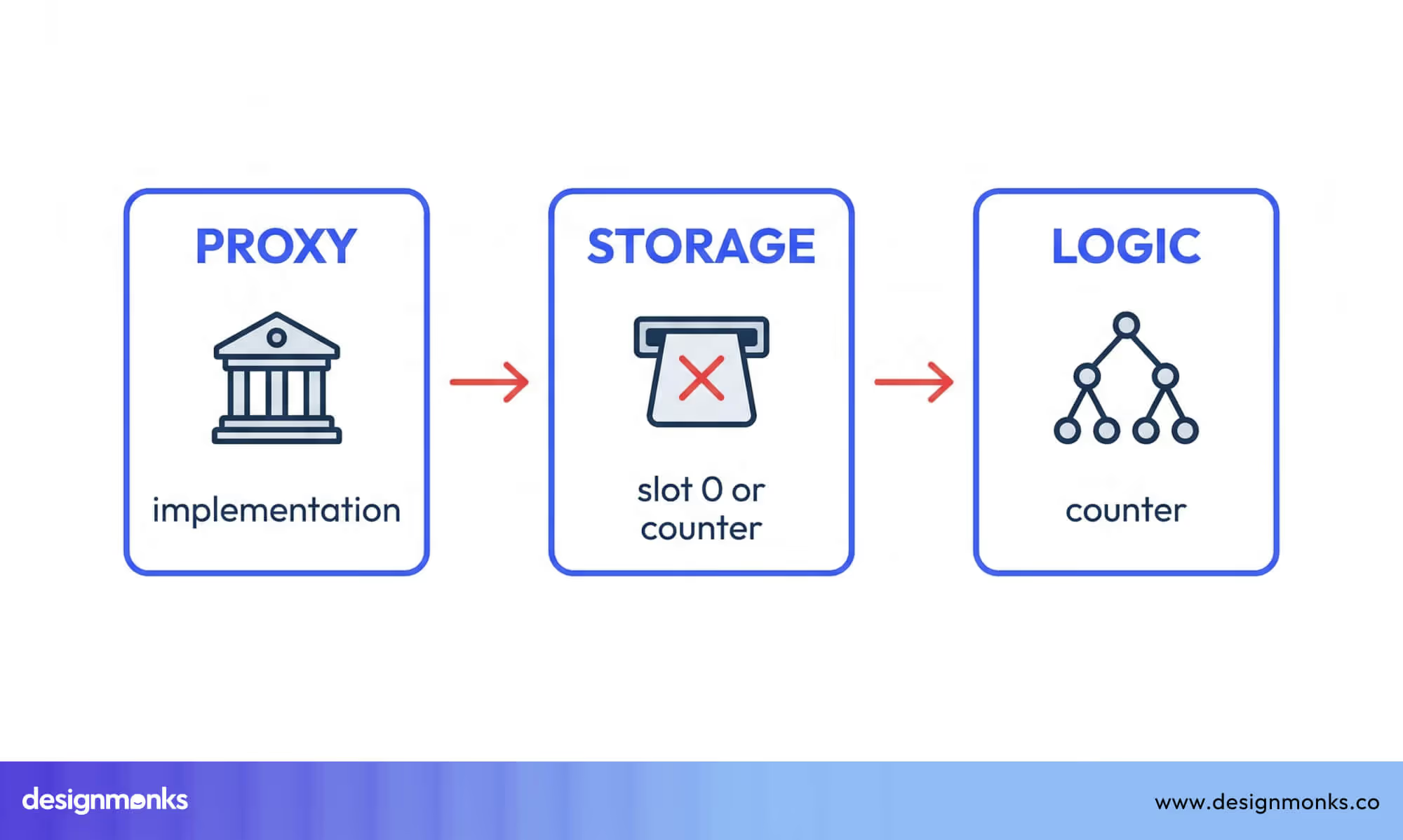
Contracts sharing storage slots may overwrite important data. This often happens in upgradeable proxy patterns. Developers must carefully define storage layout to prevent collisions between logic and data contracts.
Improper Access Modifiers
Functions without proper access restrictions allow unauthorized users to change the contract state. Always use modifiers to restrict critical functions to administrators or verified addresses.
Ignoring Gas Optimization
Inefficient loops, unnecessary storage writes, or redundant calls increase gas cost. Optimizing contract logic saves users money and reduces transaction failures in Solidity contracts.
Awareness of these mistakes helps beginners write safer contracts. Following best practices reduces vulnerabilities, avoids costly errors, and ensures that blockchain systems remain stable and efficient.
Real-World Use Cases of Blockchain Design Patterns
Blockchain Design Patterns are not just theoretical; they solve real problems in live systems. They guide developers in structuring contracts safely and efficiently for DAO, DeFi, and NFT projects on Ethereum.
DAO Governance Contracts
Patterns like Proxy and Registry help DAO contracts manage governance rules. Upgradeable logic allows proposals to evolve, while registries track approved members and voting modules safely.
DeFi Protocol Contracts
DeFi platforms use Factory and Proxy patterns to deploy multiple lending, staking, or exchange contracts. Patterns ensure fund security, efficient upgradeability, and consistent smart contract structure for DeFi protocols.
NFT Marketplaces
NFT platforms use Factory and Registry patterns to manage collections and marketplace listings. These patterns make it easier to track token ownership, manage new NFT drops, and ensure safe trading for NFT users.
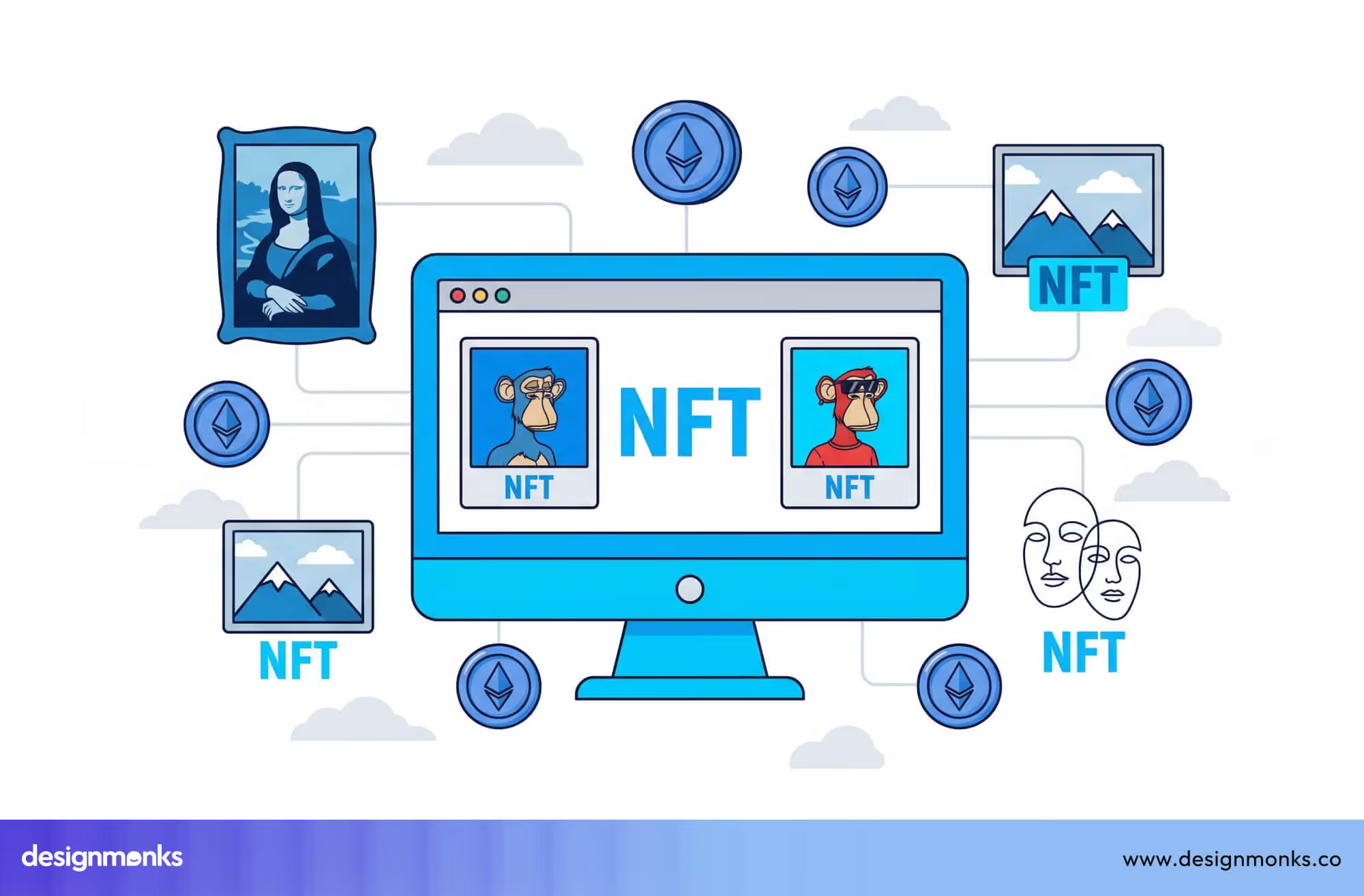
Using these patterns in real-world applications improves security, reduces errors, and allows projects to scale reliably while following tested contract structures.
Pattern Selection Framework for Blockchain Architects
Choosing the right Blockchain design pattern can be confusing for developers. A clear framework helps architects decide when to use each pattern based on contract goals, upgrade needs, and resource efficiency in Ethereum.
Decision Tree for Pattern Selection:
- Upgradeable Logic Needed?
- Yes → Use Proxy Pattern for upgradeable contracts
- No → Consider an Immutable Contract for simpler deployment
- Multiple Contract Deployment Needed?
- Yes → Use Factory Pattern to create new contracts dynamically
- No → Single contract is sufficient
- Priority: Security or Gas Efficiency?
- High security → Add Checks-Effects-Interactions and Guard Checks, even if gas increases
- Low gas cost → Optimize storage and logic, reduce unnecessary delegate calls
Using this framework, blockchain architects can balance security, upgradeability, and gas cost while selecting the best design pattern for smart contract projects.
FAQs
Are blockchain design patterns mandatory?
No, they are not strictly mandatory, but using Blockchain design patterns greatly reduces errors and improves contract clarity. Beginners and professionals benefit from following tested patterns to ensure security and maintainable smart contract structure.
What is the safest upgradeability pattern?
The proxy pattern is widely considered the safest for upgradeable contracts. It separates logic and storage, allowing contract improvements without losing data. Proper access control and testing make it secure on Ethereum.
Are patterns different on Ethereum vs other chains?
Yes, patterns can vary depending on blockchain architecture. Ethereum uses Solidity and the Ethereum Virtual Machine, while other chains may have different languages or transaction rules. Core concepts remain similar, but implementation details change.
Do patterns affect gas fees in Blockchain?
Yes, patterns can impact gas usage. Upgradeable or modular contracts may require extra storage or delegatecall, increasing cost. Optimized patterns reduce unnecessary writes and function calls, balancing security with efficiency.
End Note
Blockchain Design Patterns help developers build safer, clearer, and more efficient smart contracts. By following tested solutions, teams reduce errors, protect user funds, and manage upgradeable contracts effectively on Ethereum and other blockchain networks.
Choosing the right pattern, Proxy, Factory, or Registry, depends on contract goals, security needs, and gas efficiency. Applying these patterns in real-world DAO, DeFi, and NFT projects ensures reliable, maintainable systems. Beginners and experts alike gain practical guidance for smarter smart contract implementation.


.avif)
.avif)
.avif)
.avif)


.avif)
.avif)
.avif)
.avif)








.avif)