.svg)



Key Takeaways
- 2026 redesign is crucial as AI, Google rules, and user expectations evolve rapidly.
- Startups must redesign to meet faster, mobile-first, and accessible website standards.
- Google rewards sites with clear UX, fast loading, and helpful content.
- AI-driven products need modern websites to show innovation and build trust.
- Redesigning in 2026 protects SEO, conversions, and long-term startup growth.
Rising AI tools, stricter Google rules, and higher user expectations are changing how people judge websites. A site that felt “fine” last year can now look slow and dated. That’s why 2026 is the year to redesign your startup website.
A redesign is more than new colors. Faster loading, cleaner layouts, mobile-first pages, and stronger security all help visitors feel safe and stay longer. Clear paths guide them to sign up, book demos, or buy without confusion.
Planning early also avoids costly fixes, keeps your SEO strong, and prepares your site for AI features. Keep reading as we explain what’s changing, when to act, and how to redesign the smart way.
Why Timing Matters for Startup Website Redesigns
Knowing when to redesign a startup website is just as important as doing the redesign itself. Timing can have a direct impact on growth, user traction, and investor perception. An outdated or confusing site doesn’t just frustrate users, it signals that your startup isn’t keeping up with competitors or market trends.

HubSpot faced stagnant growth from an outdated site with poor navigation and weak calls-to-action, launched during a competitive SaaS boom. Their 2018–2020 redesign prioritized clarity, user-focused UX, and content strategy, aligning with inbound marketing trends while avoiding mid-crisis disruption.
Strategic changes included simplified layouts, personalized CTAs, improved mobile responsiveness, and educational content hubs that guided users from awareness to purchase. The result? Conversions doubled post-launch, organic traffic surged, and engagement skyrocketed.
HubSpot’s timely redesign shows that well-planned website updates can drive real growth. It improves credibility and support scaling, while rushed or poorly timed redesigns often falter.
3 Reasons 2026 Is the Year to Redesign Your Startup Website
Redesigning your startup website isn’t just about making it look modern. 2026 is shaping up as the critical moment because user expectations, search standards, and technology are all evolving rapidly. Here are three core reasons why:
User Expectations Are Higher Than Ever
Today’s users don’t just want a functional website, they expect fast, clear, and easy interactions. Research shows that users decide whether to stay or leave within 1–3 seconds of page load.
With modern design tools and faster frameworks, people are used to smooth, intuitive experiences everywhere they browse. If a site loads slowly, hides key information, or feels difficult to navigate, visitors leave and rarely return.
What’s changed is the baseline. Clear layouts, simple flows, and instant responses are no longer “nice to have”, they’re the default standard across modern UI Design and User Experience (UX). Startups that refresh their sites now can meet these expectations before they fall behind competitors who already have.
So, a well-timed website redesign in 2026 isn’t about chasing trends. It’s about making sure prospects can understand your product quickly, build trust faster, and convert without friction. All while your competitors are still catching up!
Google’s Search & UX Signals Are Stricter
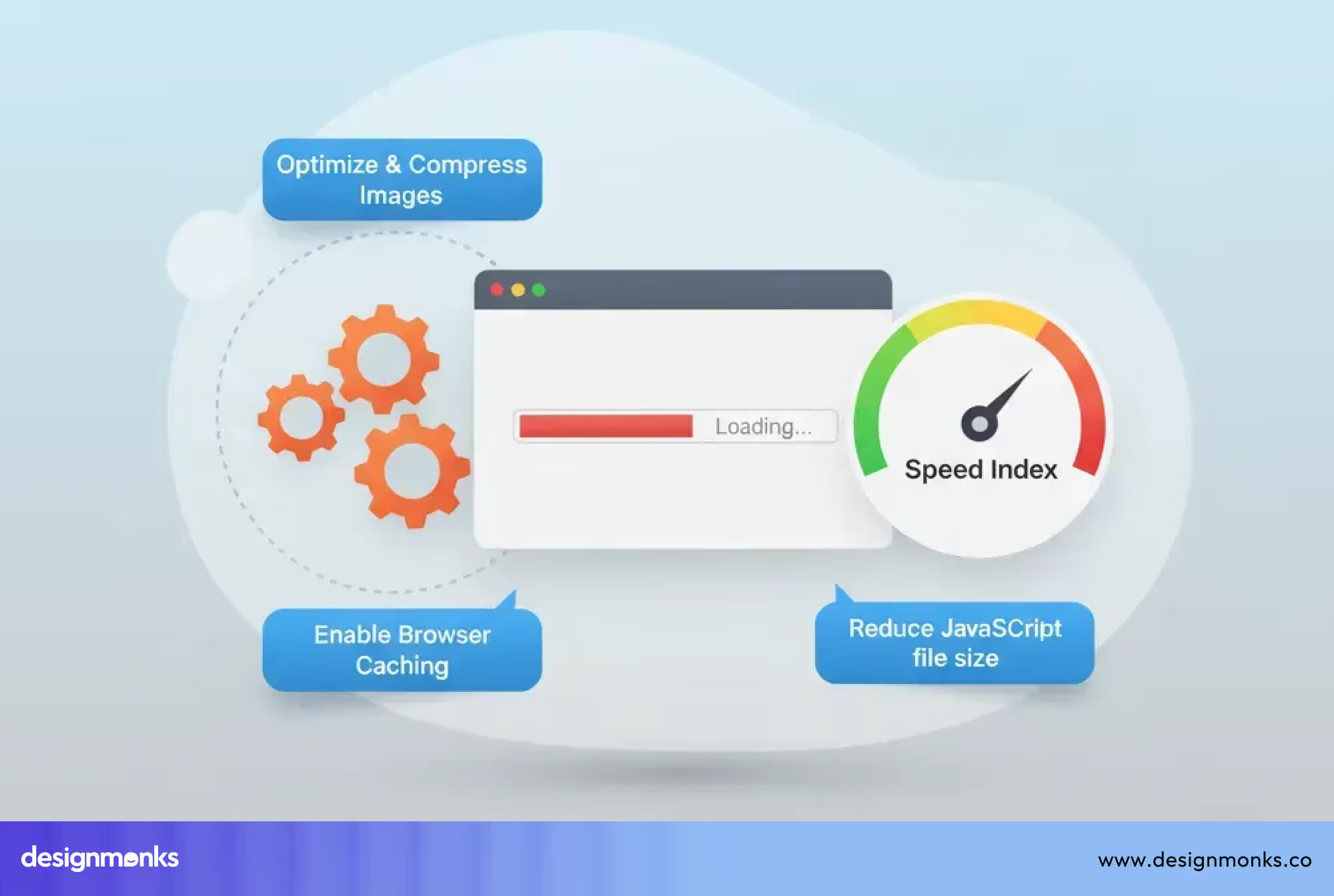
Search engines like Google now use multiple technical signals to rank websites. One major set of signals is Core Web Vitals, which measure real user experience in three areas:
- Loading performance (how fast a page becomes usable)
- Visual stability (whether elements shift as the page loads)
- Interactivity (how quickly the page responds)
Moreover, Google’s ranking system is moving steadily toward rewarding sites that genuinely help users, not just those that are technically optimized. Beyond Core Web Vitals, Google’s Helpful Content updates push websites to deliver real answers, intuitive layouts, and smooth navigation.
In practice, that means SEO and user experience are now inseparable: slow pages, cluttered copy, or confusing flows don’t just frustrate visitors, they quietly drag rankings down.
Startups that redesign with these signals in mind will see measurable gains within months. Because cleaner structure, faster load times, and clearer messaging align with Google’s quality expectations. With more updates coming, 2026 is the moment to modernize before outdated UX starts costing visibility and growth.
AI-Driven Products Need AI-Ready Websites
More startups now lead with Artificial Intelligence, but many still market those products on sites built years earlier. That mismatch creates doubt: if the product is “smart,” the website should feel smart too.

An AI-powered website does more than promote features. It supports personalization, clearer demos, automated assistance, and faster answers, the very experiences users expect from AI-driven companies. Without that foundation, even strong AI products can look outdated, confusing, or risky.
Redesigning in 2026 gives startups the chance to build a future-proof website that works with emerging AI tools instead of bolting them on later. This alignment signals maturity to customers and investors and shows that the technology and the brand experience are advancing together.
Signs Your Startup Website Will Be Outdated by 2026
Even well-designed startup websites age quietly. If several of the issues below sound familiar, it’s a signal your site may struggle to compete by 2026:
- Slow load speed: Pages take more than a few seconds to load, especially on mobile or slower networks. Visitors bounce, conversions drop, and every future ad campaign becomes more expensive.
- Poor mobile UX: Buttons are hard to tap, layouts break, or content requires constant zooming. With most traffic now coming from mobile, a site that only “works on desktop” is already behind.
- Weak conversion paths: Visitors can browse, but clear next steps are missing. CTAs are vague, pricing pages are confusing, or signup forms are buried. All of these lead to low conversion rates.
- Generic messaging: Your website uses big words but doesn’t say clearly what you do. People read the headline and still don’t know how your product helps them.
- No personalization: Every visitor sees the same content, regardless of role, industry, or stage in the journey. Without customized experiences, prospects feel less understood and move on faster.
These are classic, outdated website signs, and they compound over time. Fixing them through a thoughtful website redesign not only improves user experience, but also directly strengthens traction and conversion rate.
What Startups Should Redesign in 2026
Redesigning a startup website in 2026 isn’t just about looks, it’s about making the site smarter, faster, and easier for users. The following areas show what to focus on to improve performance, clarity, and conversions:
Information Architecture & Messaging
A redesign should start with information architecture. Startups need clear hierarchies so visitors immediately understand what’s most important. Messaging should be aligned with your value proposition, making it obvious why your product matters.
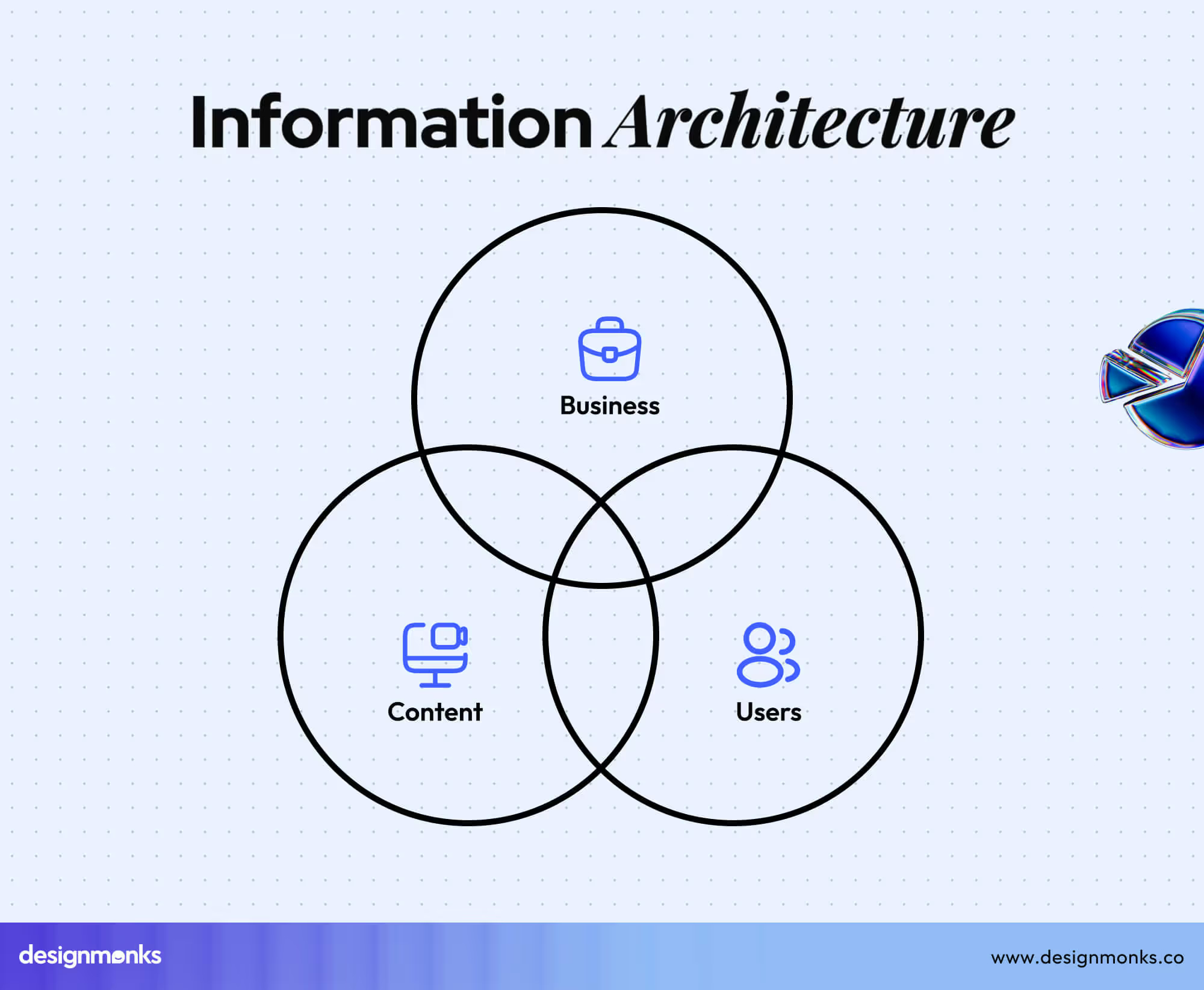
Well-structured content guides users naturally toward the next step, whether that’s signing up, requesting a demo, or exploring features. Clear website messaging reduces confusion, increases engagement, and sets a solid foundation for growth.
Performance, Accessibility & Mobile Experience
Startups should focus on redesigning their websites to load fast, work well on phones, and be easy for everyone to use. Most people browse on mobile, so your site needs to feel smooth on phones and tablets. Accessibility is also important, and making sure all users, including those with disabilities, can easily navigate and interact with your site.
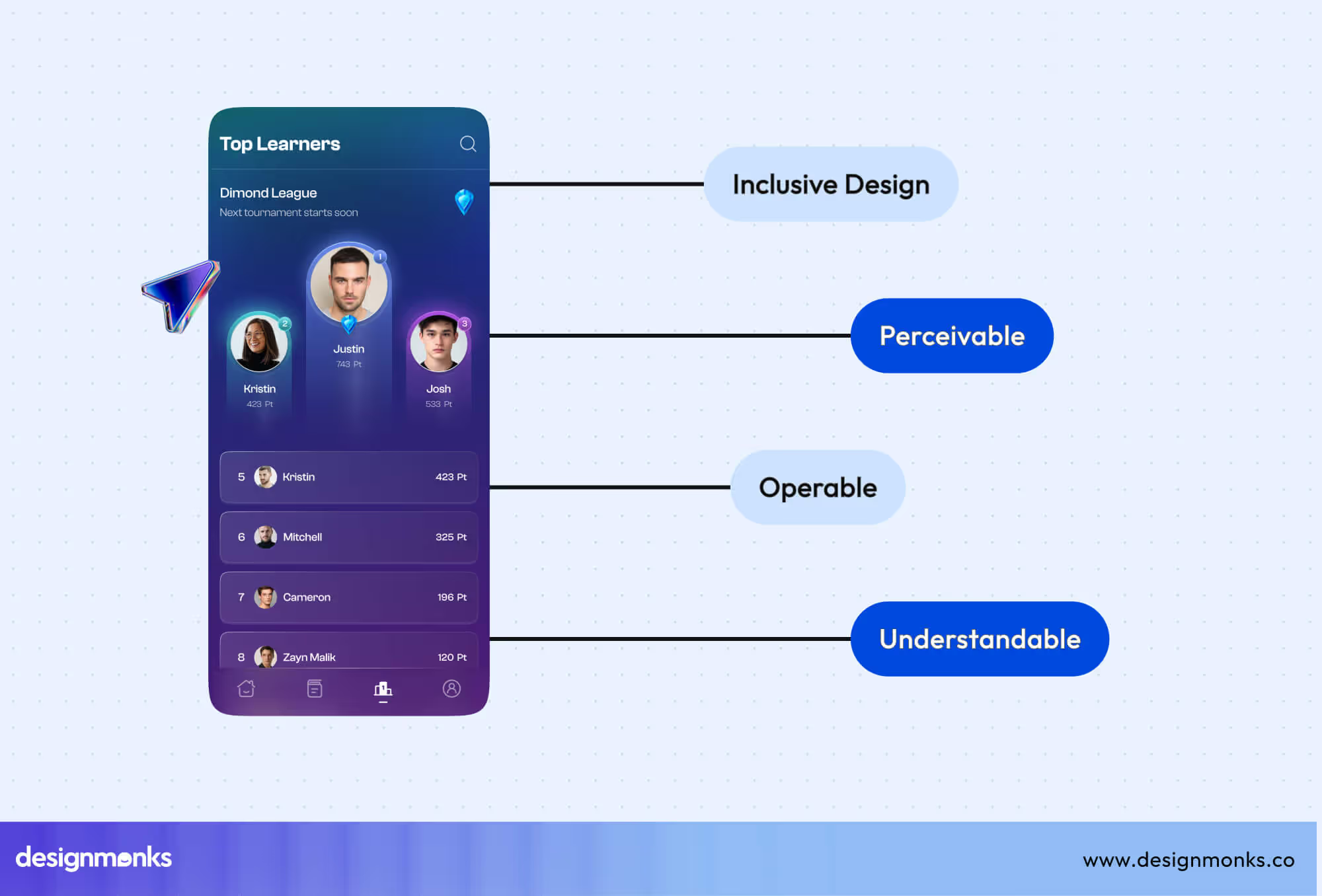
Improving speed and accessibility keeps visitors happy, helps them stay longer, and makes it easier for new people to find your startup online through search engines. A website that works well on any device also builds trust, showing that your startup is professional, reliable, and ready for growth.
Conversion Paths & User Flows
A redesign should focus on conversion paths and user flows. Calls-to-action (CTAs) should be clear, noticeable, and placed where users naturally need guidance. Onboarding, navigation, and form processes should be intuitive, reducing confusion and helping visitors move toward sign-ups, demo requests, or purchases.
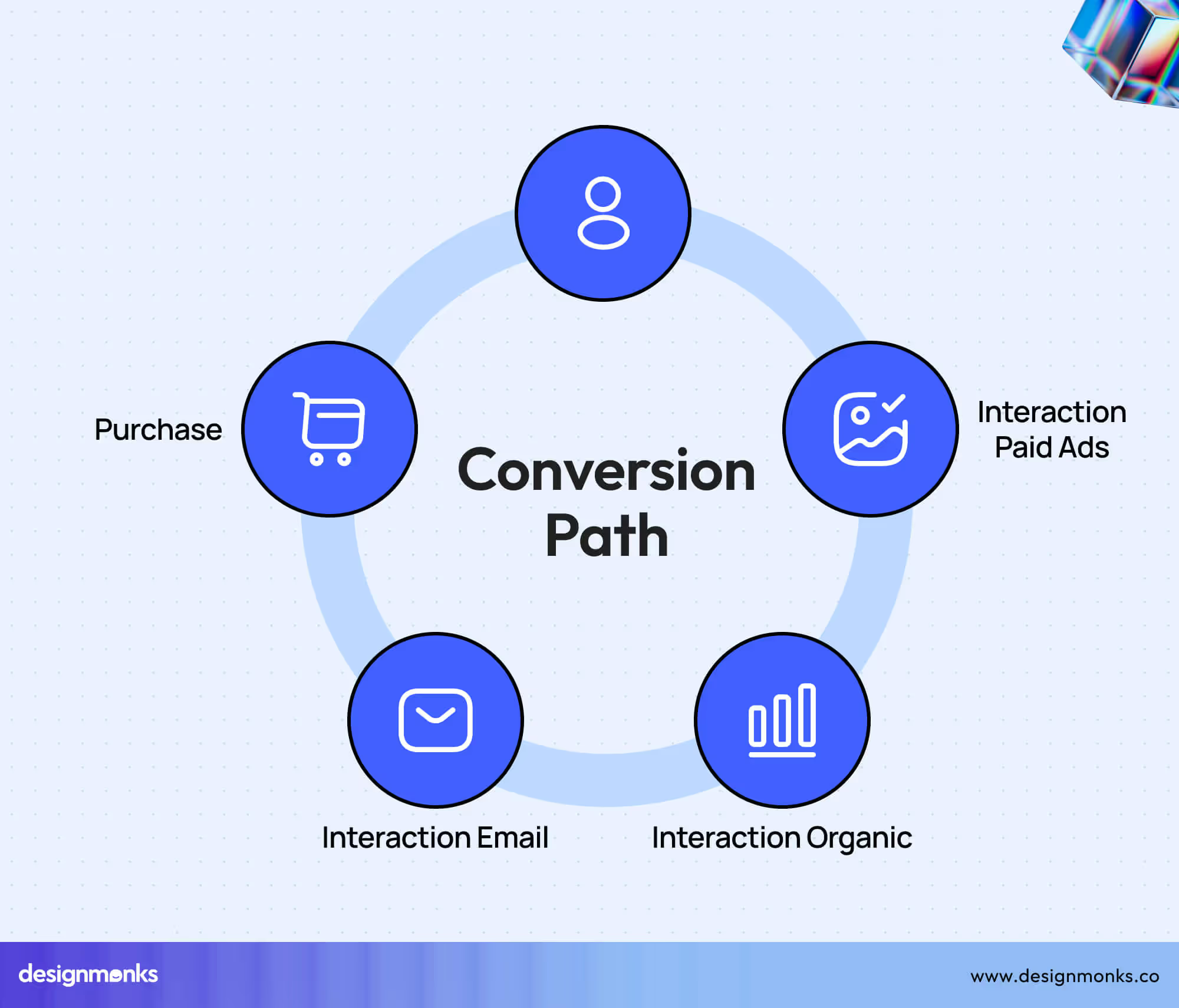
Optimized flows remove friction, making it easier for users to act while providing a smoother experience. Thoughtful design here directly impacts conversion rate optimization (CRO), turning casual visitors into loyal customers.
By mapping and improving these flows, startups can increase engagement, drive revenue, and make the website a reliable engine for growth. Many startups struggle to prioritize these changes on their own. That's why partnering with an experienced UX team like Design Monks can make the process clearer, faster, and more strategic.
Business Risks of Not Redesigning Your Website by 2026
Without a timely redesign, your startup faces several business risks that can quietly hurt growth, revenue, and credibility. Slow pages, confusing navigation, and weak calls-to-action all add up, affecting conversions, trust, and search visibility. The main risks your business may encounter are outlined below:
Lower Conversions and Higher Acquisition Costs
When your website feels slow, confusing, or hard to use, fewer people take action. They don’t sign up, don’t book demos, and don’t buy. This problem is called conversion rate optimization (CRO). It simply means helping more visitors do what you want them to do.
If your site converts poorly, you must spend more on ads and promotions just to get the same results. That means higher cost per lead and less profit. Over time, this becomes real “money leakage.”
A clear layout, simple pages, and strong calls-to-action can change this quickly. Even a small conversion lift (for example, from 2% to 3%) can create big gains in revenue. By 2026, companies that ignore UX and conversion-focused design will pay more to acquire every new customer, while competitors with better websites win them for less.
And here’s the catch, when conversions drop, another problem follows: people start trusting your brand less.
Loss of Brand Trust and Credibility
Your website is often the first impression people get of your startup. If it looks old, loads slowly, or feels unfinished, visitors quietly think: “If the website is weak, is the product weak too?”
Investors, partners, and customers notice these signals. A modern brand experience shows care, stability, and confidence. An outdated site does the opposite, it suggests the company is falling behind.
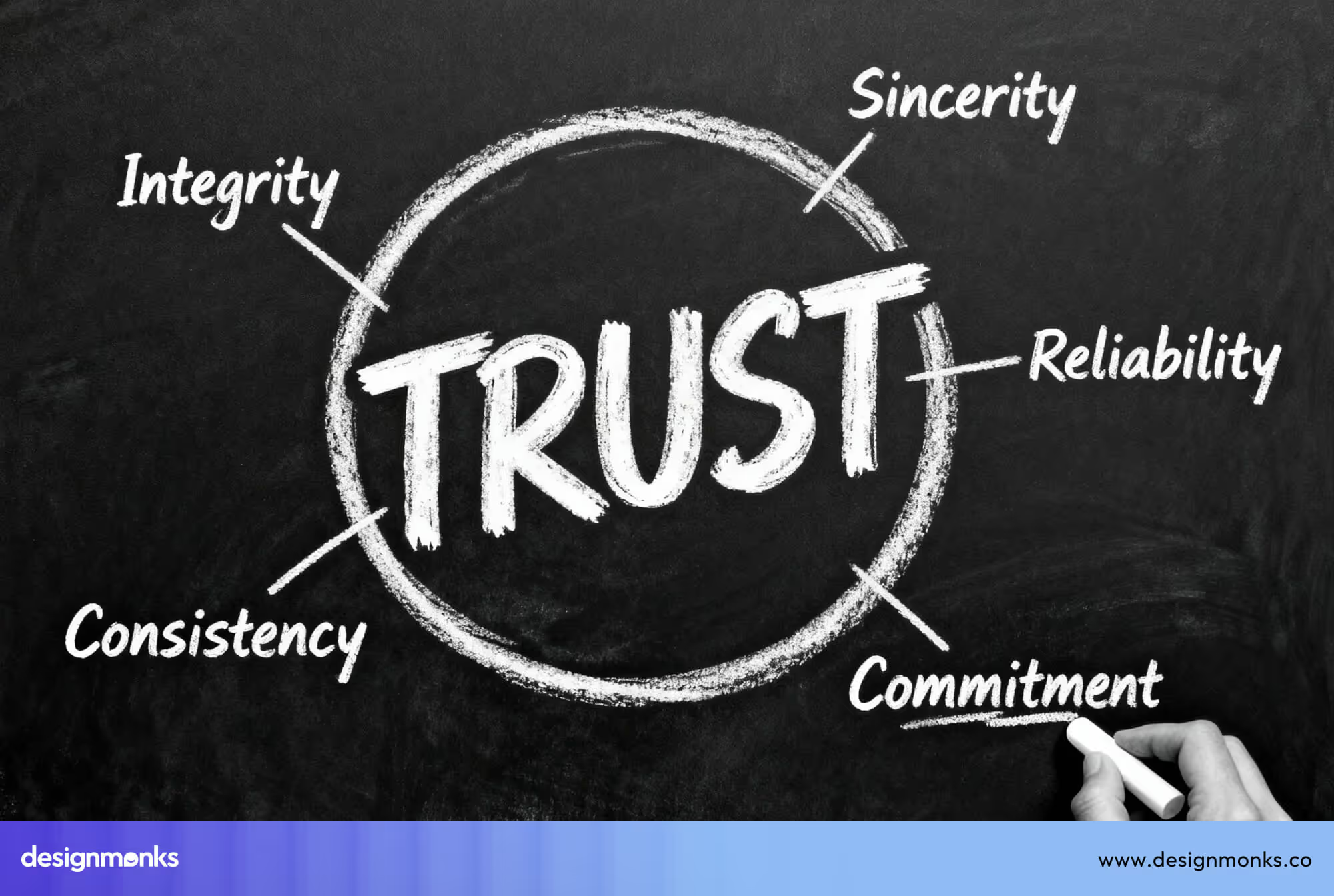
Trust is fragile online. Simple things like broken links, unclear pricing, or outdated blog posts can make people doubt your reliability. Startups depend heavily on trust to grow, especially when they are still new in the market.
By redesigning, you protect your brand trust. You show that your company is active, improving, and focused on users. A trustworthy website encourages more sign-ups, stronger partnerships, and better investor conversations.
Declining Search Visibility Over Time
Search engines like Google now look at more than keywords. They measure user behavior, page speed, mobile experience, and how helpful your content is. When these things are weak, search visibility slowly drops. This creates what many teams call UX debt. It's a small website problems that pile up until rankings start to slide. Once that happens, fixing it becomes more expensive and takes longer.
An outdated design often has slow pages, poor mobile layouts, and a messy structure. Google sees visitors leaving quickly and assumes the page does not meet their needs. So it shows your site to fewer people. A smart redesign improves structure, speed, and content, which supports long-term SEO growth. If you wait too long, competitors who modernize sooner will take your search traffic.
By 2026, startups that invest early in redesign will keep visibility while others slowly fade from search results. If you’re planning a redesign and want expert guidance, Design Monks specializes in startup-focused website and product redesigns. Our team helps you improve UX, performance, and conversions without unnecessary complexity.
Why 2026 Redesigns Look Different From Past Redesigns
Website redesigns in 2026 are not just about refreshing pages or colors. It's focusing on building systems that make websites faster, easier to maintain, and ready for the future. Modern redesigns often use design systems, which are sets of reusable components like buttons, forms, and layouts that keep the site consistent and easy to update.
No-code platforms like Webflow and Framer let teams design and launch interactive, responsive websites without heavy coding, speeding up development and allowing non-technical team members to make changes.
Many startups are also moving to scalable CMS (content management systems), including headless CMS setups, which separate content from design. This makes it easier to add new pages, update content, and integrate tools like AI or marketing automation without breaking the site.
In short, a 2026 redesign is about building a flexible, future-ready website rather than just changing how it looks.
When a 2026 Website Redesign Makes the Most Sense for Startups
The right time to redesign your website depends on your startup’s stage. For pre-seed startups, the focus is on clarity and first impressions. Your website is often the first place investors, early users, or potential partners encounter your idea.
A redesign at this stage makes sense if your messaging is confusing, the value of your product isn’t clear, or visitors struggle to understand what you offer. The goal is to quickly communicate your vision and build trust, even before large-scale growth begins.
For growth-stage startups, traffic is increasing, users are giving feedback, and marketing campaigns are running at scale. Your website now needs to do more than just look good, it must guide visitors through clear paths, support lead generation, and handle higher volumes without performance issues.
A redesign here ensures your site keeps converting leads efficiently and adapts to evolving user expectations, such as mobile responsiveness, personalization, and faster interactions.
For scale-stage startups, the focus shifts to performance, scalability, and advanced functionality. This is when integrating AI tools, personalization features, complex onboarding flows, or multi-market support becomes crucial. A modern, scalable website supports continued business growth, strengthens credibility with investors, and reinforces your brand as a market leader.
At this stage, a thoughtful redesign is not just cosmetic, it becomes a strategic asset for long-term success. By aligning your redesign with your growth stage, you can invest in the right improvements at the right time. This way, you can avoid wasted effort and ensure the website supports both user needs and business goals. If you need expert guidance during your redesign, explore our guide on startup UX consulting!
How to Prepare for a Website Redesign in 2026
Before diving into a redesign, it’s important to take a step back and assess your current website. Preparing properly ensures the process is smoother, faster, and more effective. Start with these key areas:
- UX audit: Review how users interact with your site, identify pain points, and note areas where navigation or layouts cause confusion.
- Analytics review: Look at traffic, bounce rates, conversions, and user behavior to see what’s working and what isn’t.
- SEO baseline: Check search rankings, keywords, and technical SEO issues to make sure improvements maintain or boost visibility.
- Clear goals: Define what success looks like: faster load times, higher conversions, better mobile experience, or stronger brand messaging.
A focused preparation phase saves time, helps prioritize updates, and ensures the redesign truly supports business goals. For more detailed inspection, check out our UX checklist for startups.
Frequently Asked Questions
How often should startups redesign websites?
It depends on growth and technology changes. Many startups review every 2–3 years, but fast-growing companies may need updates sooner.
Is a redesign expensive?
Not necessarily, costs vary by complexity, features, and team size. Planning ahead, using modern platforms, and focusing on business priorities can make it more cost-effective.
How long does a redesign take?
Timeline of redesign depends on size and scope. Small updates can take a few weeks, while full-scale redesigns with performance improvements, UX upgrades, and new integrations may take 2–4 months.


.avif)
.avif)
.avif)
.avif)


.avif)
.avif)
.avif)
.avif)







.avif)