.svg)




Key Takeaways
- Great travel websites balance visual storytelling with a clear, conversion-focused user experience.
- Design directly impacts trust, usability, and booking decisions in competitive markets.
- Mobile-first, fast-loading interfaces are now essential, not optional, for travel platforms.
- The best examples focus on guiding users, not just impressing them visually.
- Use inspiration wisely by adapting patterns, not copying entire designs.
A travel website is no longer just a digital brochure; it’s a decision-making machine. The best travel website design examples don’t just look good; they guide, persuade, and convert visitors into travelers. In a market where users compare ten options before booking one, design has become the difference between being explored and being ignored.
However, today’s websites in the travel industry must balance emotion with usability. Stunning visuals mean nothing if users can’t find trips, compare options, or book easily. Speed, structure, mobile experience, and trust signals now matter as much as destination photos.
Well, this guide breaks down 15 carefully selected examples to show what actually works, why it works, and how you can apply the same ideas to your own travel website.
Key Elements Every Successful Travel Website Includes
Before exploring the best travel website design examples, it’s important to understand what actually makes them effective. These core elements will help you judge each example properly and understand why certain designs perform better than others in real-world use.
- Strong Visual Storytelling: Uses high-quality photos and videos to create an emotional connection and make destinations instantly feel desirable and trustworthy.
- Clear Navigation Structure: Helps users find destinations, packages, and important pages quickly without confusion or unnecessary clicks.
- Mobile-First Responsive Design: Ensures the entire website works smoothly on phones, tablets, and all modern screen sizes.
- Fast Loading Speed: Reduces drop-offs by keeping pages lightweight, optimized, and quick to load even on slower connections.
- Clear Calls-to-Action (CTAs): Guides users toward booking, inquiry, or planning actions without forcing or overwhelming them.
- Simple Booking or Inquiry Flow: Makes trip planning easy by reducing steps, removing friction, and keeping forms short and focused.
- Trust Signals and Social Proof: Builds confidence using reviews, ratings, testimonials, certifications, and secure payment indicators.
- Readable Typography and Clean Layout: Improves content scanning and keeps the interface comfortable for long browsing sessions.
- Smart Use of Animations: Adds life to the interface without distracting users or slowing down the overall experience.
- Well-Structured Destination Pages: Present key information clearly, including highlights, pricing, itineraries, and essential travel details.
15 Best Travel Website Design Examples
Now that you understand what makes a travel website truly effective, it’s time to see those principles in action. While exploring the examples below, don’t just look at how they look; pay attention to how they guide users, present information, and lead visitors toward booking or planning:
1. MonksTrip by Design Monks
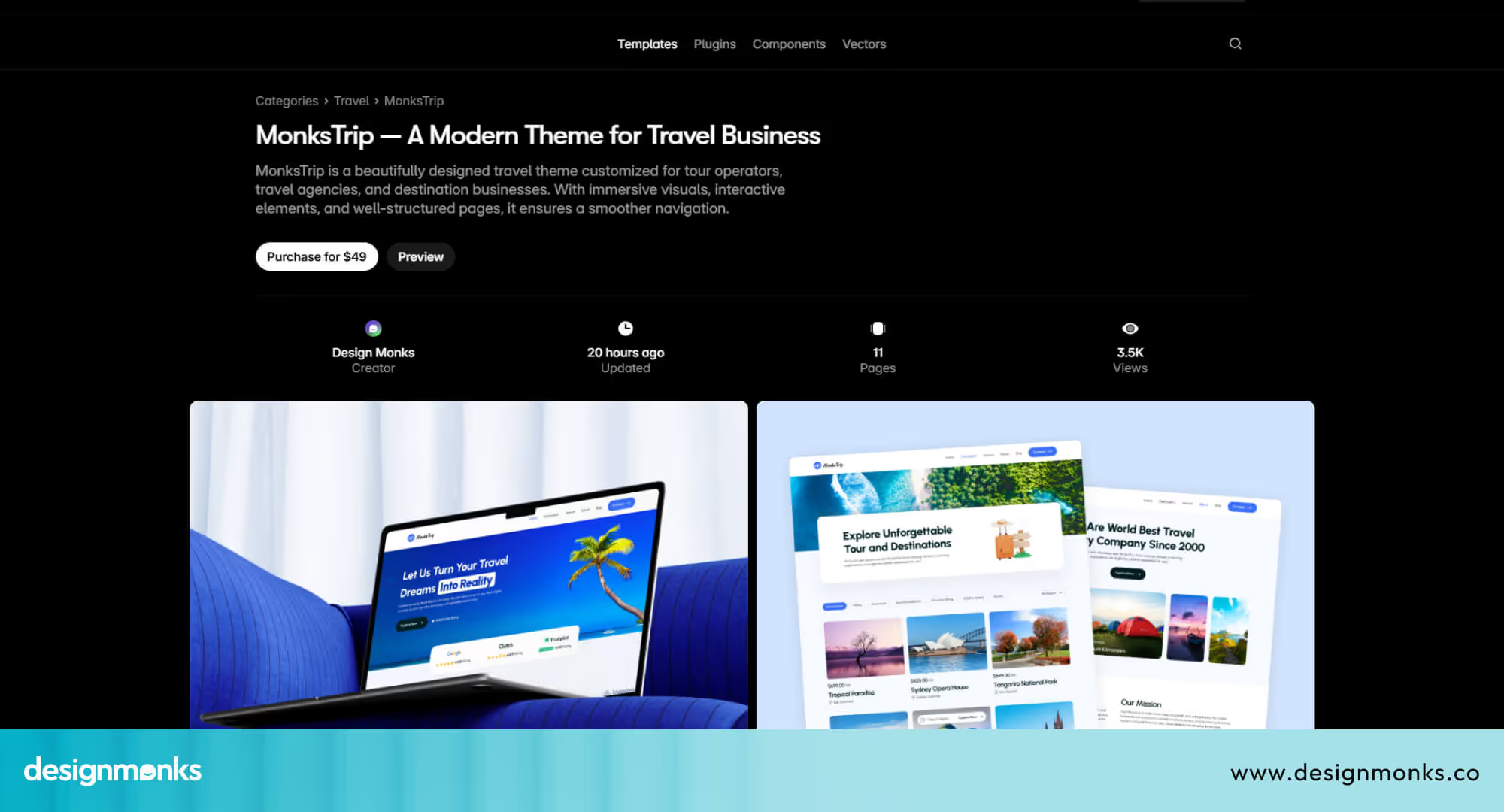
Monk's Trip is a Framer template built for travel brands that value storytelling and a smooth user experience. It features immersive layouts, subtle animations, and ready sections for reviews, FAQs, and blogs, making it ideal for visually rich, content-focused travel websites.
2. Travelicious
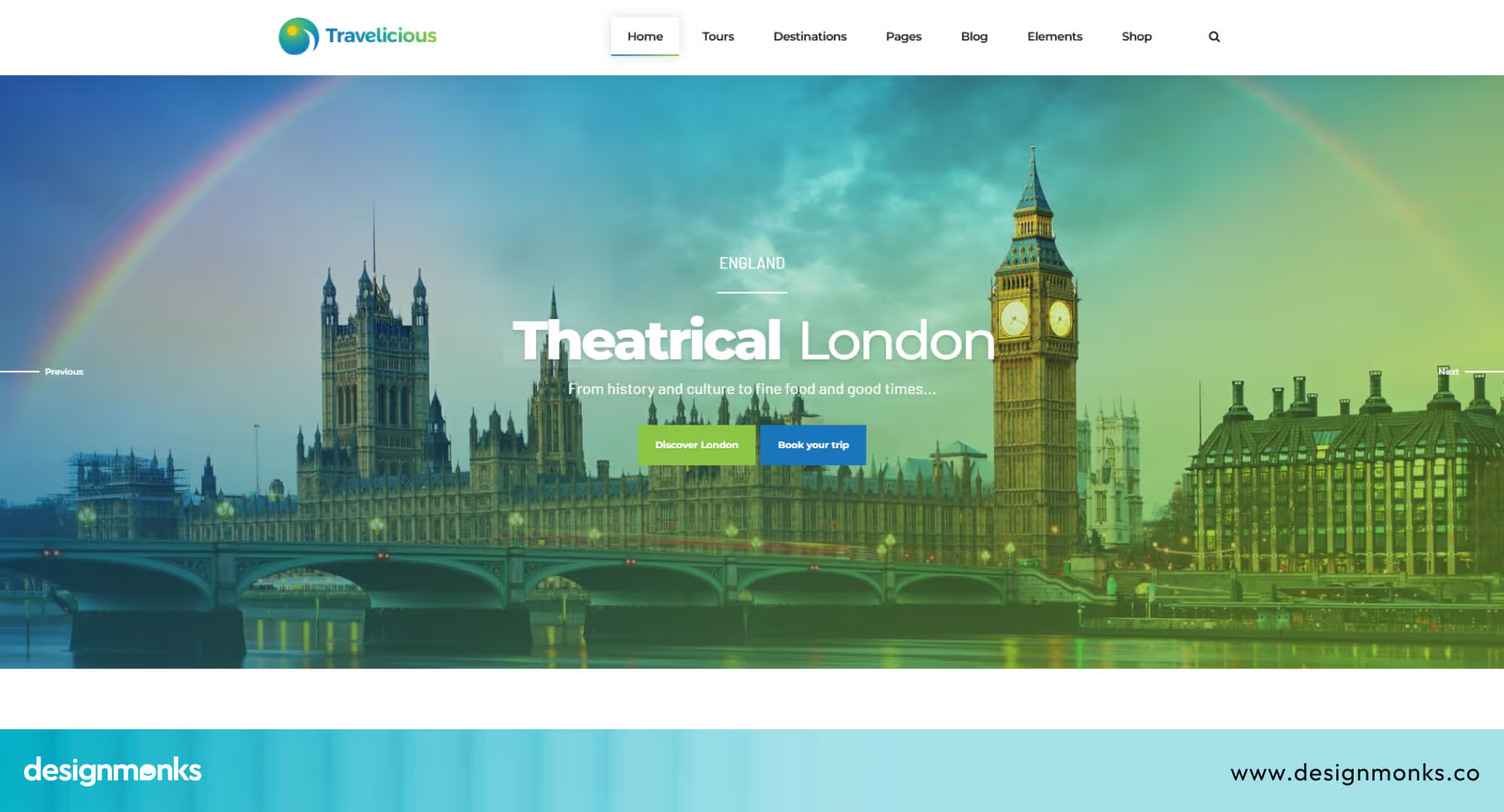
Travelicious is a versatile WordPress theme created for tour operators handling multiple travel packages. With flexible homepage designs, itinerary-focused layouts, interactive maps, and integrated booking features, it allows visitors to explore destinations easily and complete reservations directly from the website.
3. Star Travel: HTML Travel Website Template
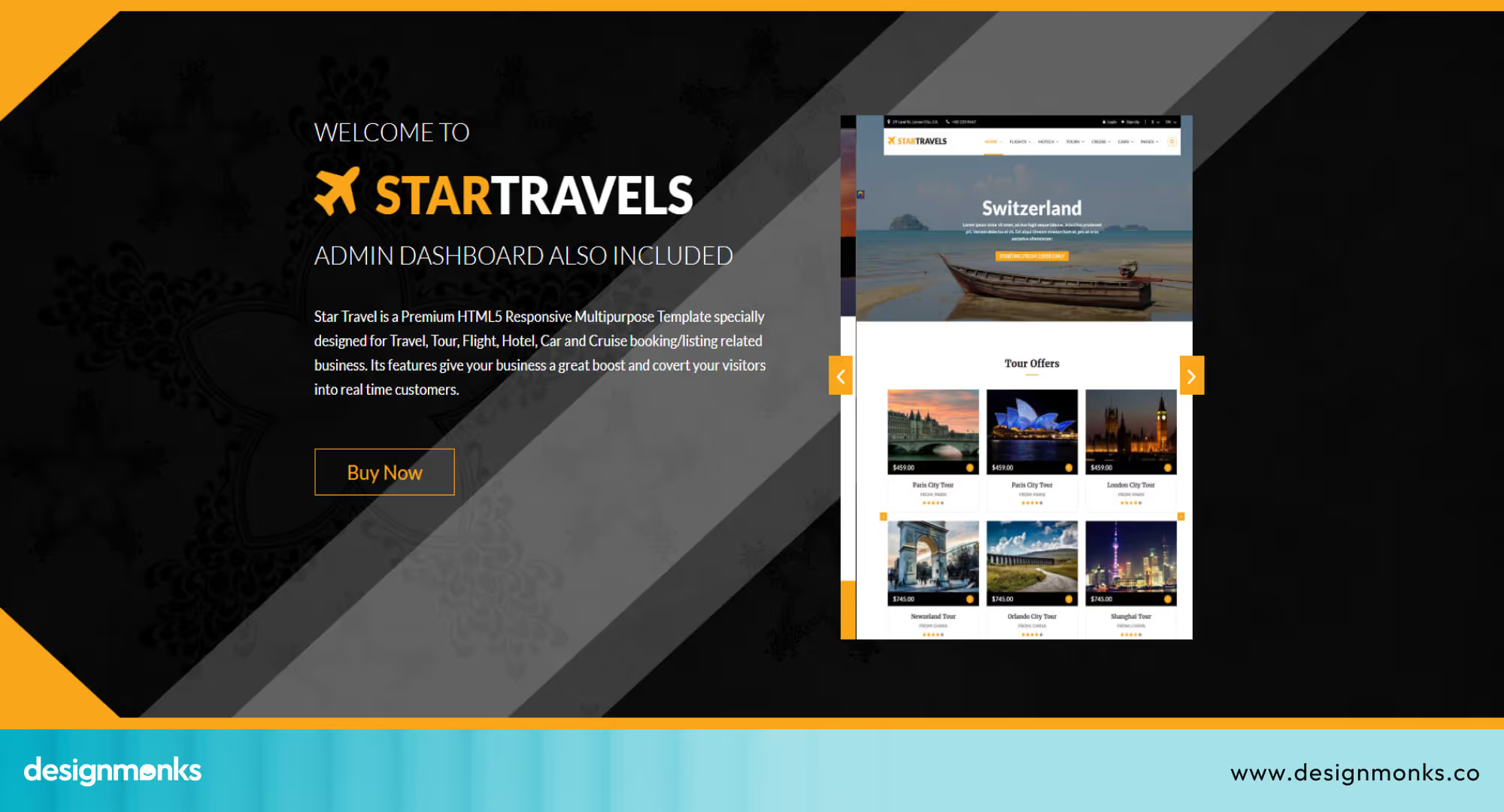
Star Travel is a robust HTML5 travel template offering an extensive collection of pre-built pages and vibrant layouts. Designed for content-heavy travel businesses, it supports detailed tour listings, booking pages, and destination showcases while remaining easy to customize and visually consistent.
4. Sightseeing Travel Template
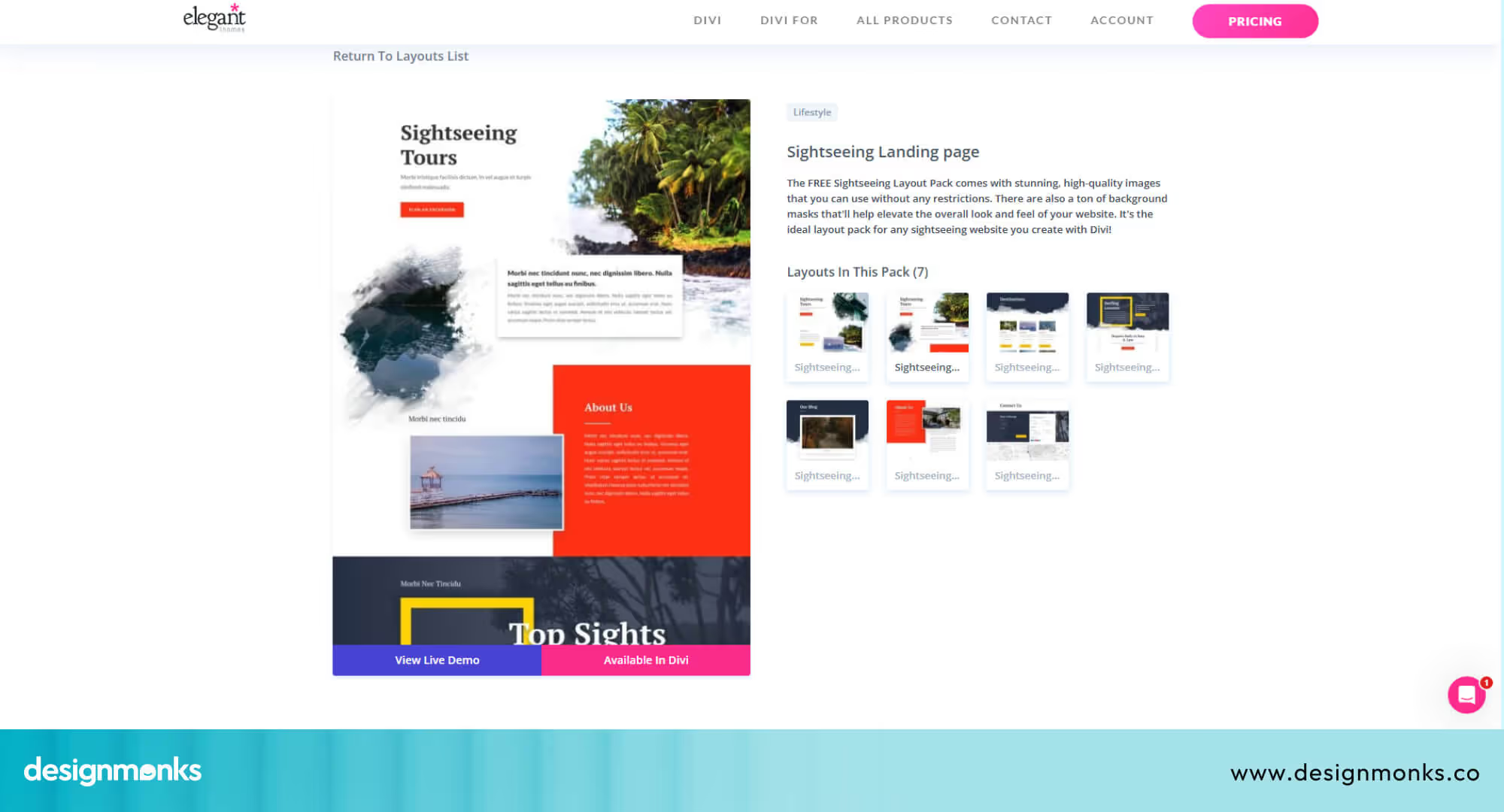
Sightseeing is a Divi-based WordPress template crafted for sightseeing and activity-focused travel businesses. Its clean structure, engaging visuals, and clear call-to-action placements help highlight tours effectively, making it a great option for smaller operators seeking simplicity and conversion-focused design.
5. Travel Agency Template
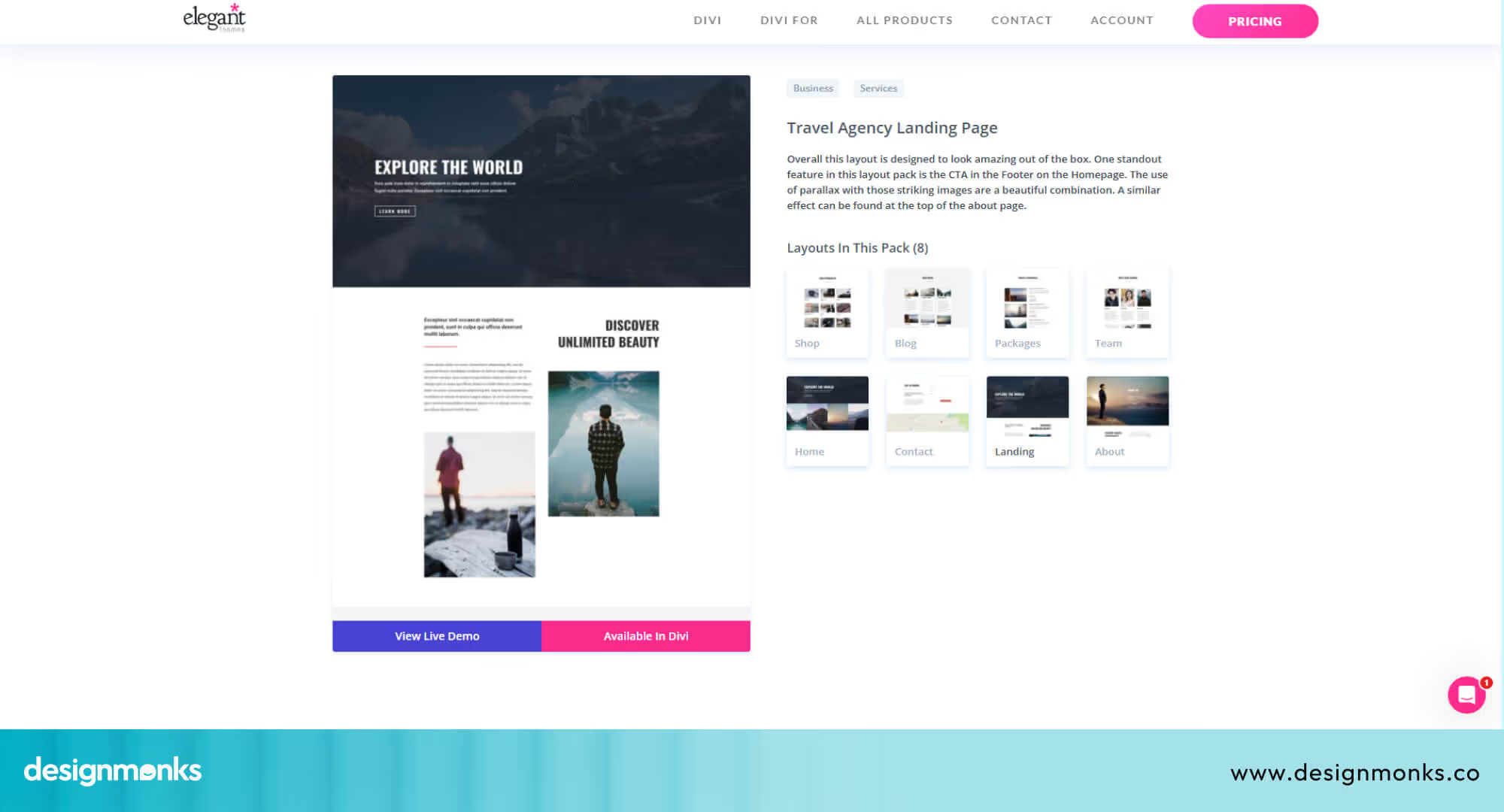
This Divi-powered Travel Agency Template delivers a professional, image-driven layout ideal for showcasing diverse travel services. Its balanced design, clean typography, and customization flexibility help agencies present their offerings clearly while building credibility and trust with potential travelers.
6. Tripin
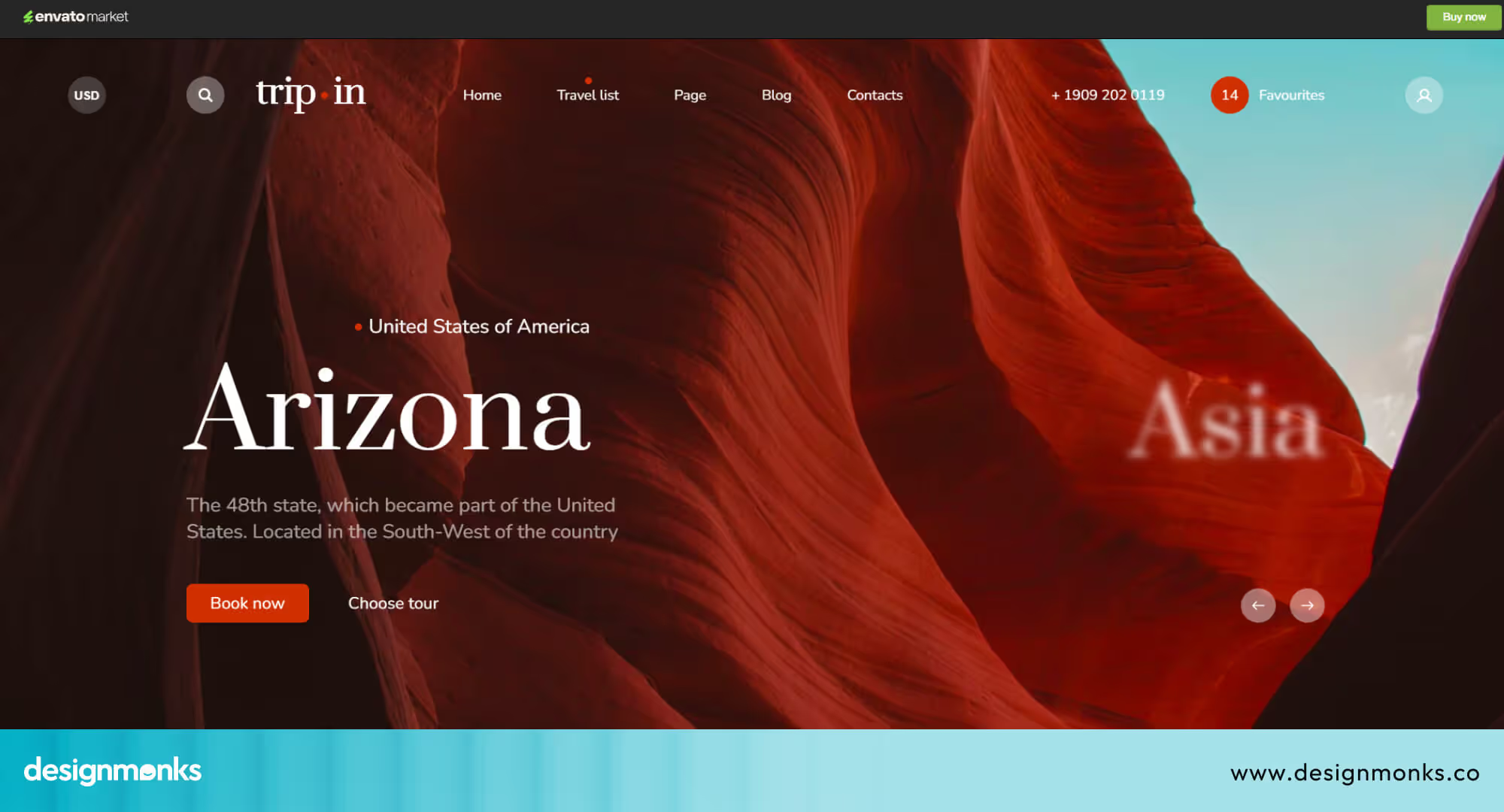
Tripin is a modern Bootstrap theme designed for agencies targeting a younger and mobile-first audience. With features like a video slider, an integrated Instagram feed, and responsive booking pages. It simply creates a colorful and lively presence that blends well with today’s social-first travelers.
7. Tour
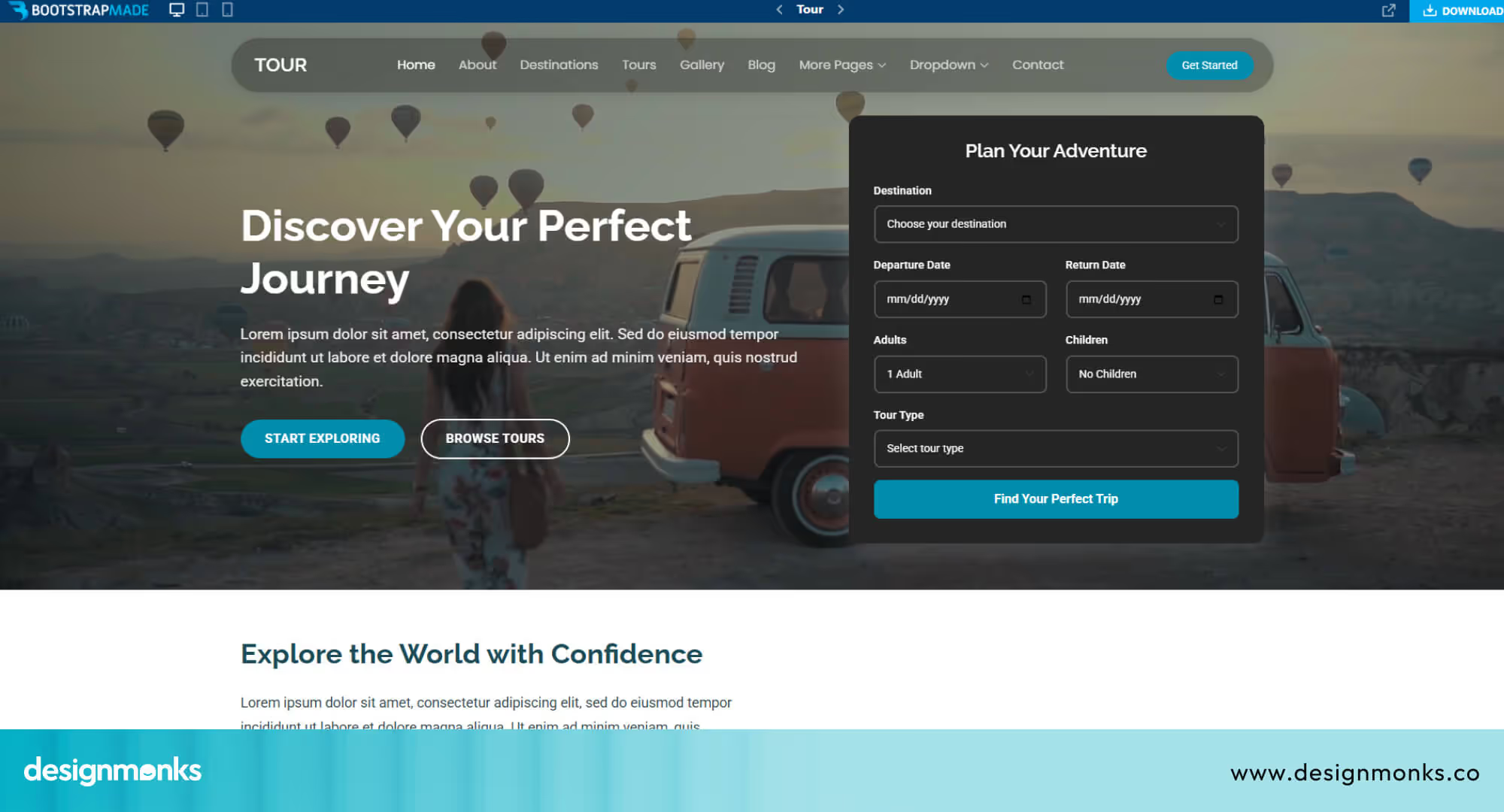
This lightweight Bootstrap template is ideal for tour package businesses. With a simple layout, trip listings, and booking forms, Tour focuses on clarity and functionality. Agencies looking for an intuitive, user-friendly starting point will find Tour both effective and affordable.
8. Himara
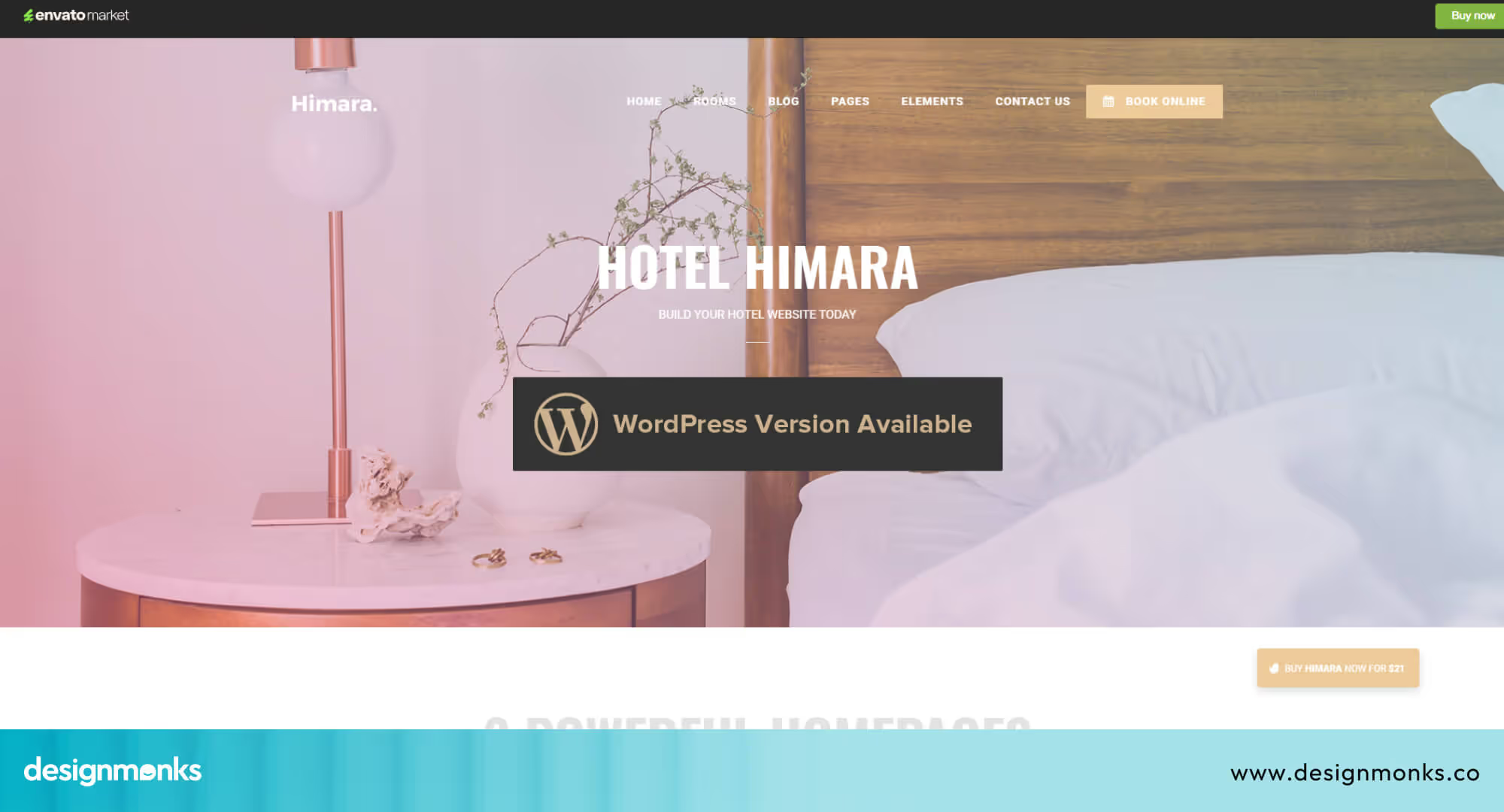
Himara is purpose-built for hotels and resorts that need a stylish online booking presence. With multiple homepage layouts, responsive forms, and a calming design language, it creates a professional atmosphere. At the same time, it gives guests an easy booking experience.
9. Ora
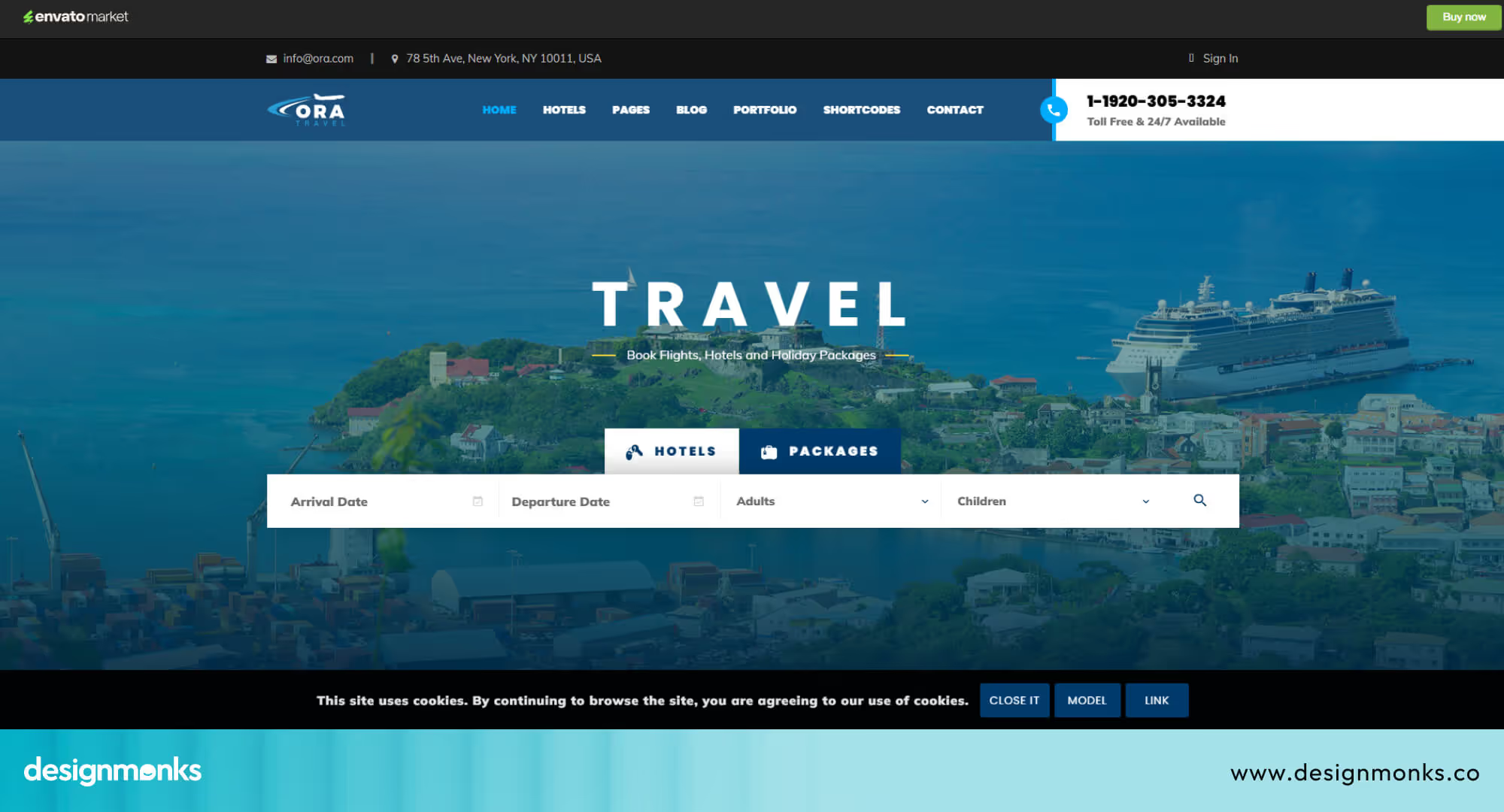
Ora is a versatile WordPress theme that combines travel, hospitality, and lifestyle elements. With options for blogs, portfolios, and shops, it’s a multipurpose choice for agencies or hotels looking to expand their digital brand. Smooth animations add to its professional feel.
10. Journey
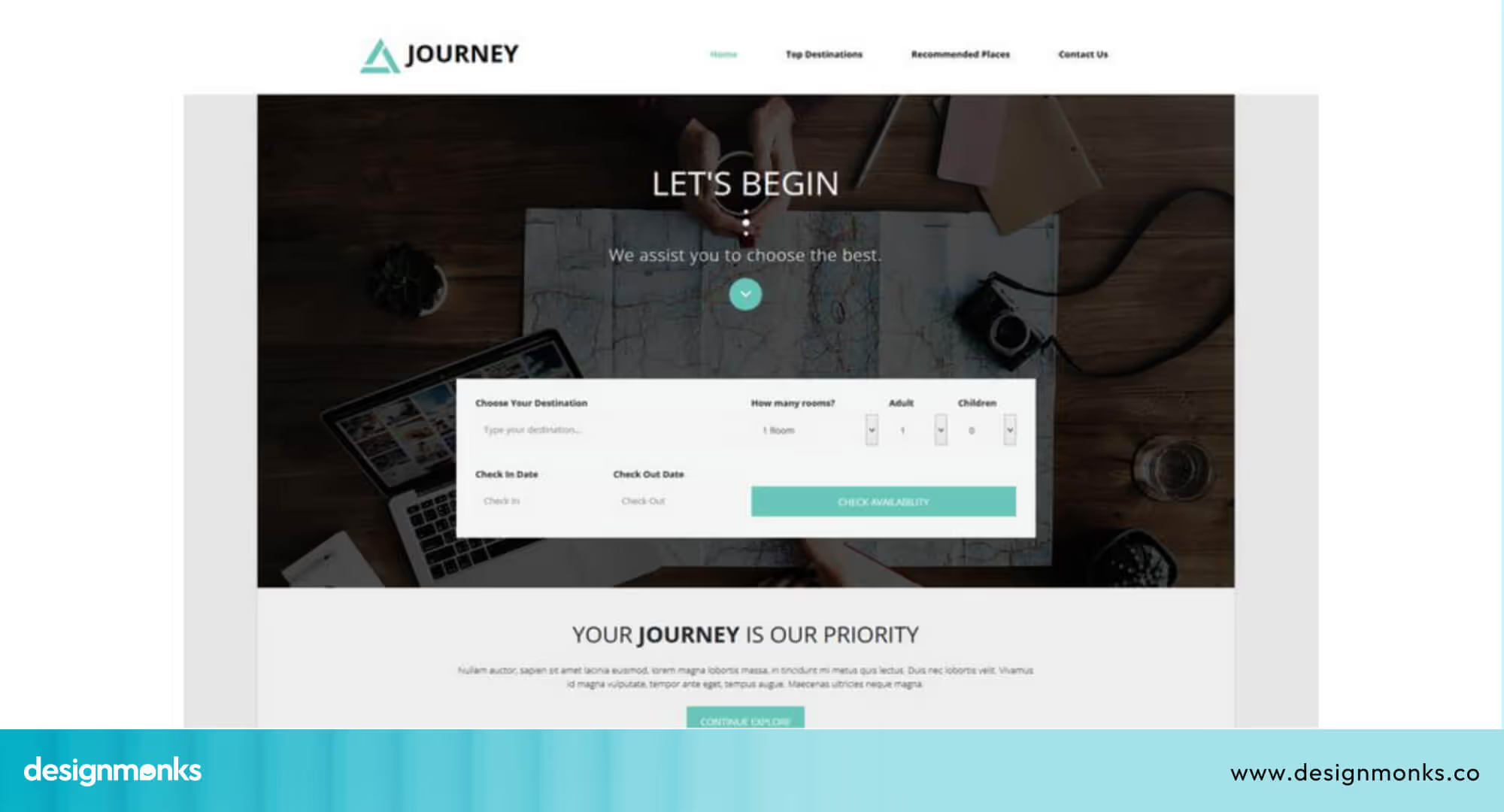
A free option that doesn’t compromise on visual appeal. Journey focuses on strong imagery, storytelling layouts, and functional booking options. It’s a great starting point for budget-conscious startups or small agencies that want a professional-looking site without the cost.
11. Travula
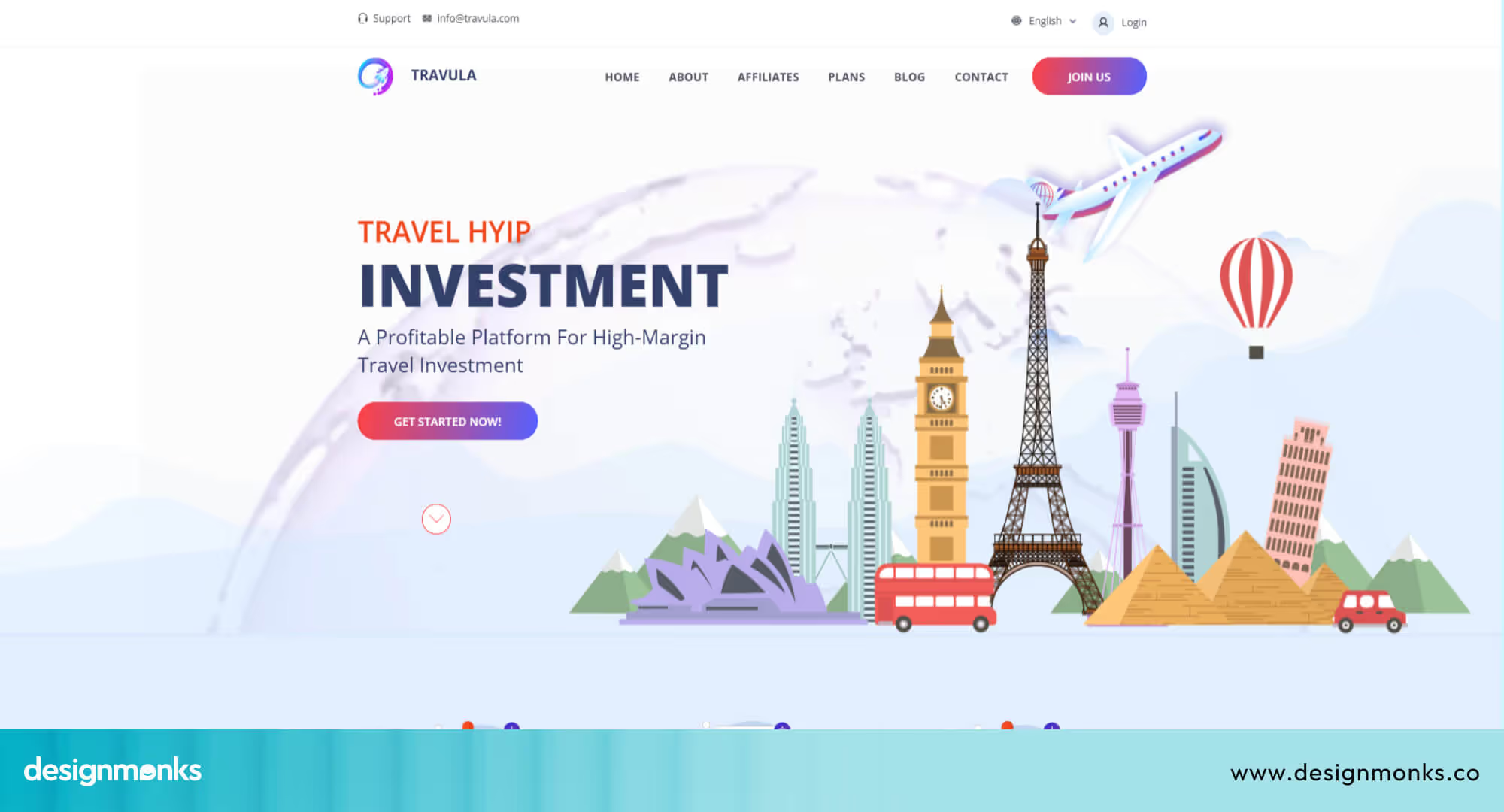
Travula’s modern and clean layout fits travel branding well with clear visuals and intuitive UI. This design strikes a balance between white space and bold imagery, creating an eye-catching visual experience. The responsive design, smooth animations, and structured UX flow guide users easily through trips and bookings. All its features simply make it pretty effective for travel audiences.
12. Trisog
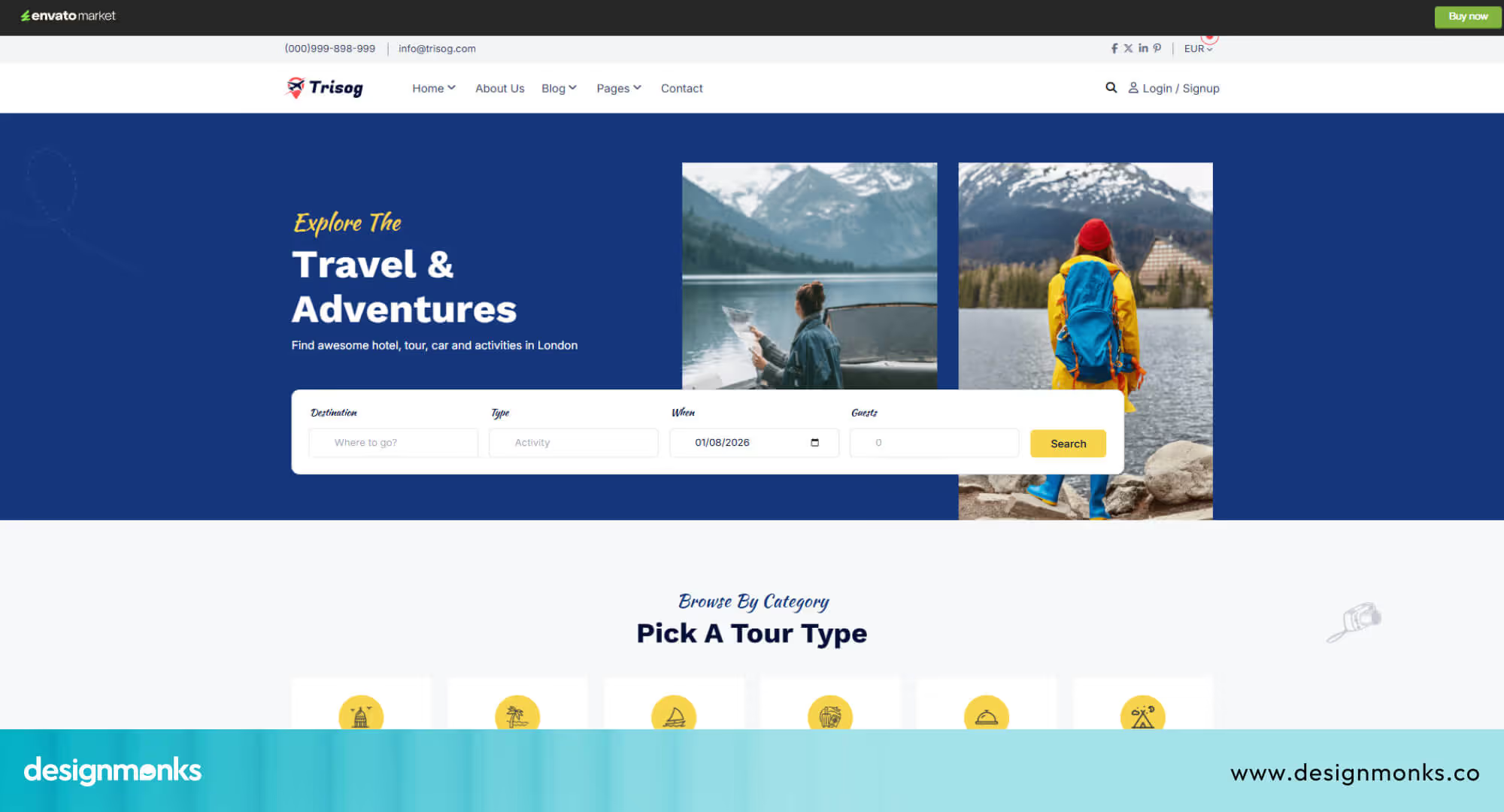
Trisog’s layout feels crisp and purposeful, with balanced sections that guide users smoothly from discovery to booking. The clean white theme highlights destination imagery, while subtle animations and clear navigation improve engagement. Its structured pages and responsive UI make information easy to find, enhancing both usability and conversion for travel businesses.
13. My Voyage
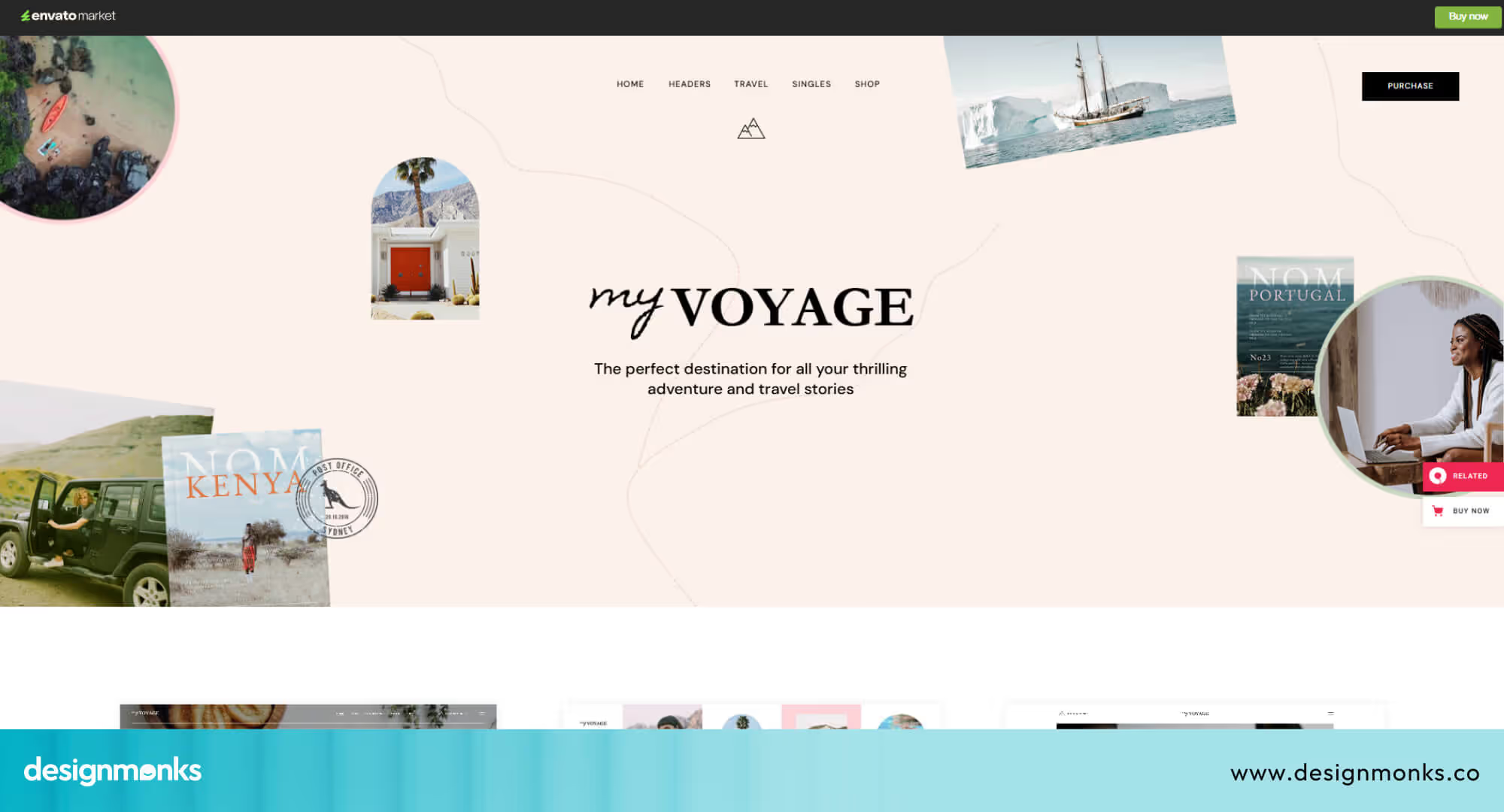
If you have a plan to create a travel-based blog website, you can consider MyVoyage as an ideal travel website design example. It delivers a flexible and content-focused blog layout ideal for storytellers and travel writers. The clean white aesthetic keeps photos and posts front-and-center, while Elementor integration and multiple blog formats simplify customization.
14. Wanderland
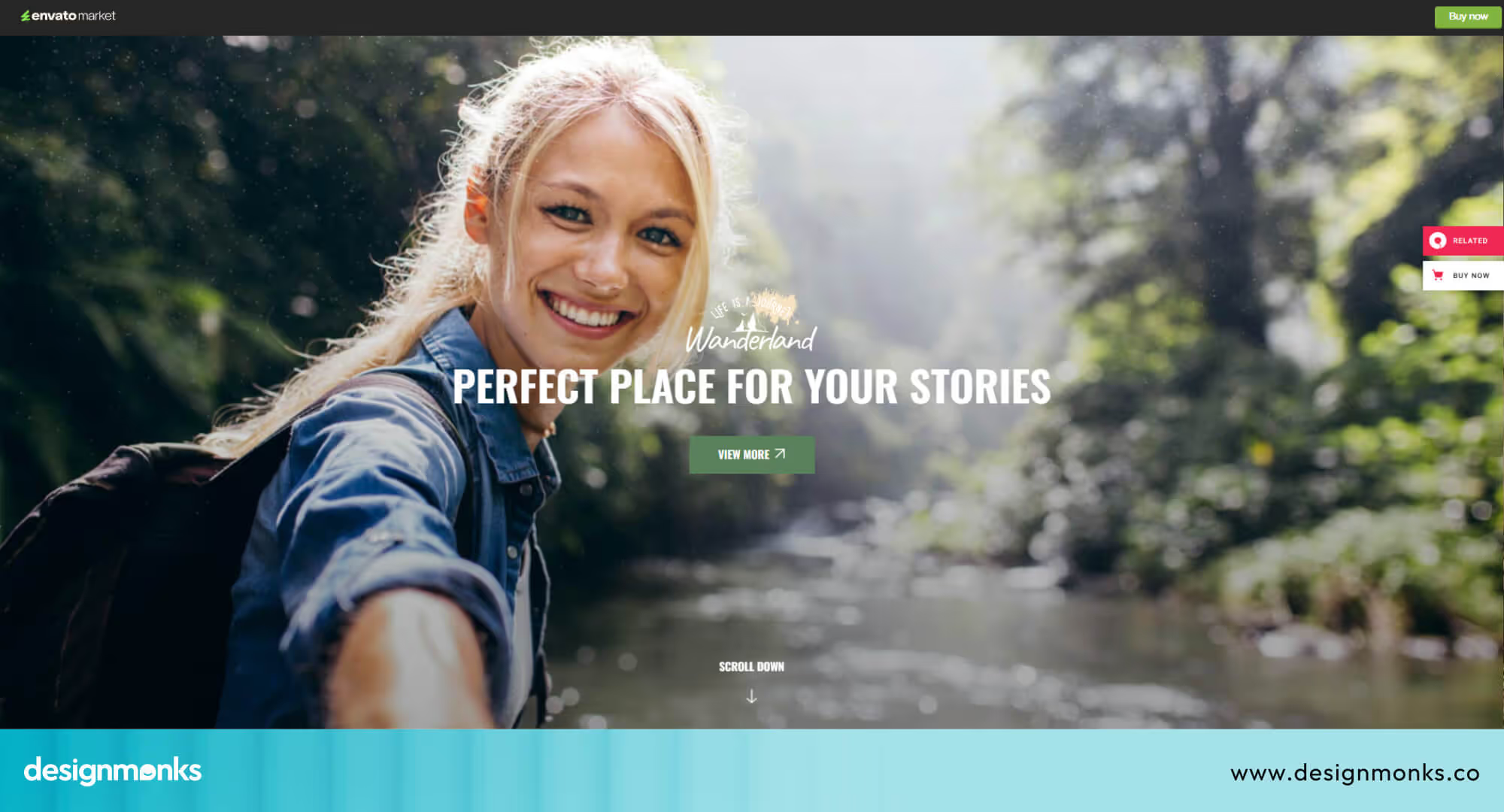
Wanderland combines clean visuals with customized layouts that are suitable for travel storytelling. Its white-space-driven design enhances readability while rich blog and destination sections highlight photos and narratives. Personalized headers, smooth page transitions, and responsive UI help keep readers engaged and browsing longer.
15. SetSail
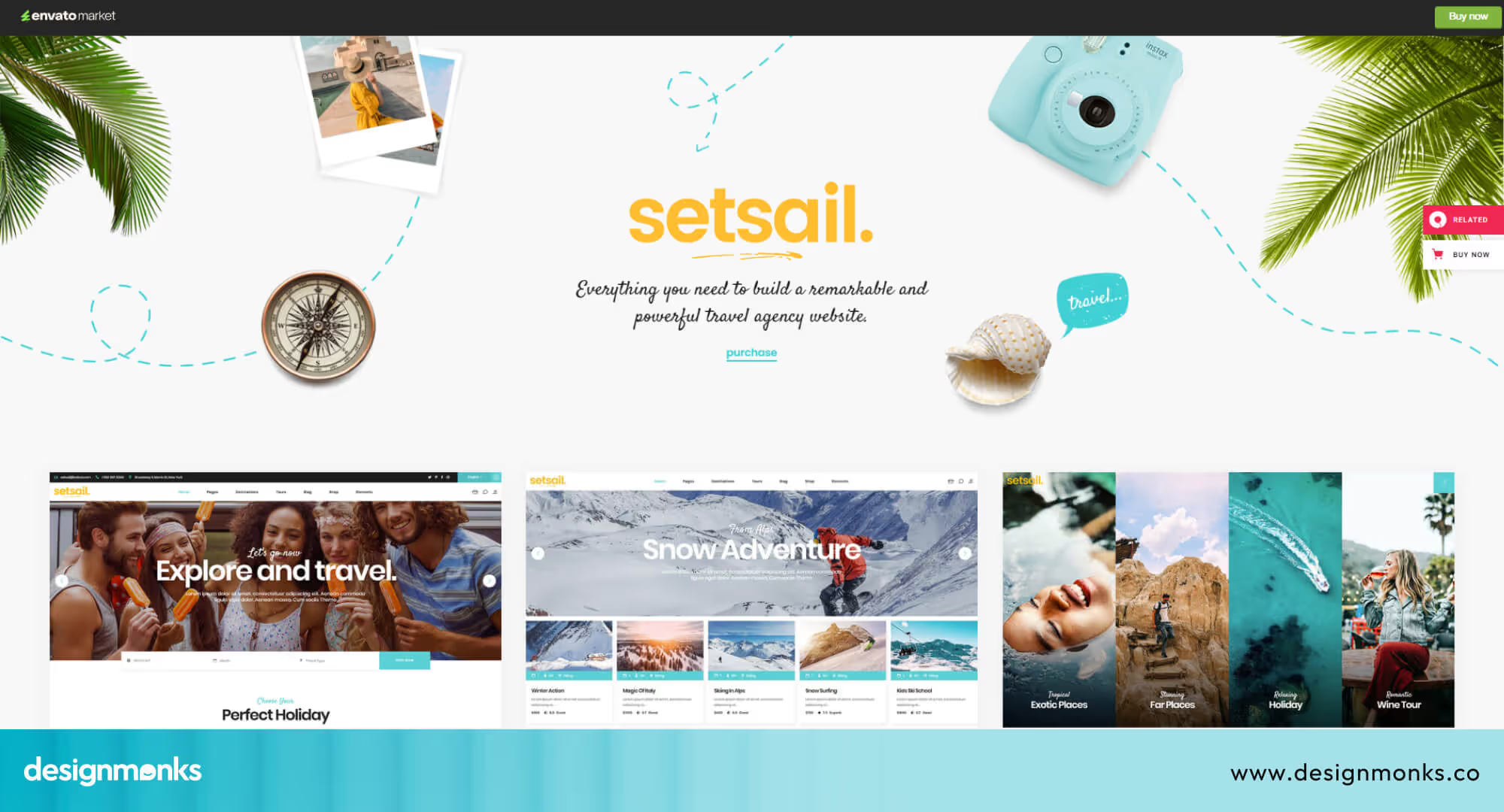
SetSail gives a professional travel agency website a polished look with striking hero visuals and structured tour showcases. Its clean layouts and smooth navigation help users explore destinations and book trips easily. The integrated booking system and responsive design boost usability, while customizable headers and interactive sections enhance the overall user journey.
Bonus: Triply
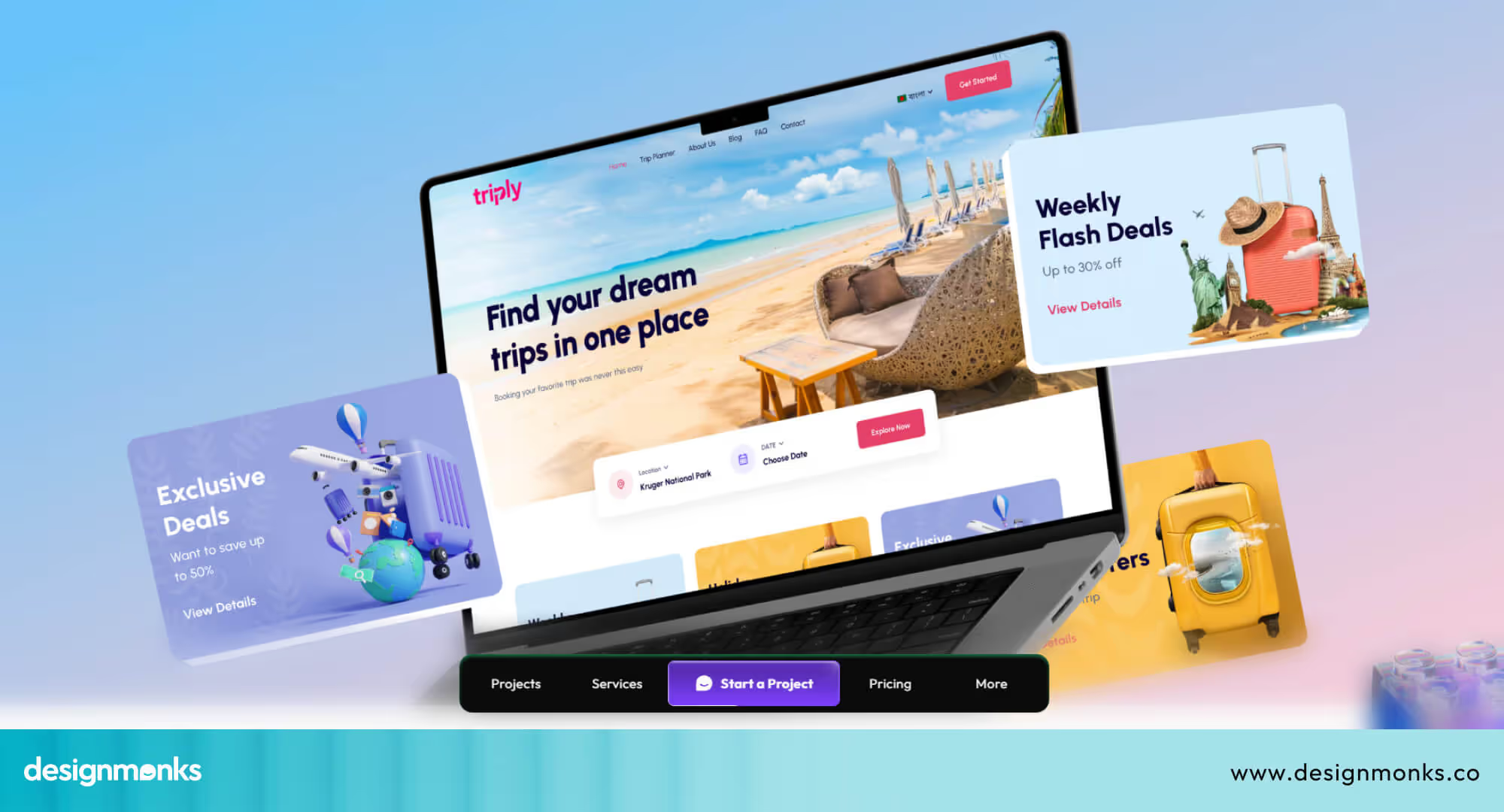
Triply is a website designed by Design Monks. Triply simplifies travel planning and booking. We focused on intuitive navigation, visually rich destination pages, and seamless booking flows to ensure that every user action feels natural and enjoyable across devices.
The result is a highly effective travel platform that balances visuals, functionality, and UX. Clear CTAs, smooth interactions, and responsive design make Triply engaging and trustworthy, helping users plan, explore, and book trips effortlessly.
Core Design Trends in Travel Websites in 2026
Travel websites in 2026 focus more on experience, speed, and clarity than ever before. These design trends show how modern travel brands combine storytelling, usability, and technology to create interfaces that convert visitors into confident travelers.
Experience-First Visual Storytelling
Modern travel websites use immersive imagery, video backgrounds, and carefully crafted layouts to make users feel the destination before booking, while still keeping essential information, pricing, and actions clearly visible and easy to access.
AI-Assisted Personalization
Websites now adapt content, destinations, and offers based on user behavior, location, and interests, helping visitors see more relevant trips, smarter recommendations, and personalized experiences without needing to search manually.
Faster & Lighter Interfaces
Performance has become a design feature. Travel websites prioritize optimized assets, clean code, and lightweight animations to ensure fast loading, smooth scrolling, and stable experiences even on slower networks or mobile devices.
Mobile-First Booking Experiences
Designers now build booking flows primarily for mobile users, ensuring forms, calendars, filters, and payment steps work perfectly on small screens before scaling up to tablets and desktops.
Trust-Centered Design Systems
Modern layouts highlight reviews, ratings, guarantees, security badges, and transparent pricing earlier in the journey, helping users feel confident and reducing hesitation before they commit to bookings or inquiries.
Suitable Micro-Interactions
Instead of heavy animations, interfaces now use small feedback animations, hover states, and smooth transitions to guide users, confirm actions, and make the experience feel responsive without distracting from the main content.
Why Travel Website Design Matters in 2026
In 2026, a travel website is no longer just about looking good. It directly affects trust, bookings, brand perception, and how easily users can plan trips across devices, regions, and increasingly competitive digital marketplaces. Here are why it matters a pretty lot:
First Impressions Decide Bookings
Users judge credibility within seconds. A modern, well-structured design builds immediate trust, while outdated or confusing layouts push visitors to competitors before they even explore destinations, packages, or pricing options.
UX Directly Impacts Conversion Rates
Every extra click, slow page, or confusing step reduces bookings. Clean UX, clear CTAs, and simple flows make it easier for users to complete searches, compare options, and finish reservations without hesitation.
Mobile Usage Dominates Travel Research
Most travelers now research and plan trips on phones. A mobile-first design ensures maps, filters, booking forms, and content remain usable, readable, and fast on smaller screens and slower connections.
Trust Is Built Through Design, Not Words
Design communicates safety and reliability faster than copy. Reviews, transparent pricing, clean layouts, and secure-looking interfaces reduce anxiety and make users feel comfortable committing money and personal information.
Competition Is One Click Away
With dozens of similar platforms available, users won’t tolerate friction. A faster, clearer, and more enjoyable website experience becomes a real competitive advantage, not just a visual upgrade.
How Design Monks Can Help in Your Dream Travel Website Design
We, the team Design Monks, specialize in creating travel websites that inspire and convert. Whether it’s a vacation website design or a no-code travel website design solution, we focus on making every interaction smooth, engaging, and user-friendly.
We don’t just design; we build experiences that reflect your brand, boost retention, and drive bookings. From Webflow travel website design to mobile-first user journeys, we ensure your travel platform is modern, scalable, and optimized for growth.
What we deliver:
- User-focused design that simplifies planning and booking.
- Intuitive interfaces with real-time recommendations & personalization.
- Scalable Webflow and custom platforms for travel businesses.
- Visual storytelling that showcases destinations beautifully.
- Data-driven design to improve engagement and conversions.
With Design Monks, your travel website won’t just look good; it will work smarter for your business and travelers alike. Also, if you want to design it yourself, you can try our travel-based UI kit to make things easier.
FAQs
What makes a travel website design effective?
A travel website design becomes effective when it combines strong visuals, clear navigation, fast performance, and simple booking flows. It should guide users smoothly from discovery to decision while building trust through reviews, transparency, and a consistent, mobile-friendly user experience.
Should I use a WordPress theme or a custom design?
You should use a WordPress theme if you want a faster launch and lower cost, but choose a custom design if you need unique branding, advanced features, or performance optimization. The right choice depends on budget, goals, scalability needs, and long-term business plans.
Can I design a travel website without coding?
Yes, you can design a travel website without coding by using tools like WordPress, Elementor, Webflow, or Wix. These platforms offer drag-and-drop builders, templates, and integrations that let you create professional, functional travel websites without technical development skills.
End Note
Great travel website design is not about decoration, it’s about direction. The best examples combine visuals, usability, speed, and trust to guide users from inspiration to booking without friction. In 2026, successful travel brands win by making planning feel simple, clear, and enjoyable across every device.
Use the mentioned travel website design examples as reference points, not templates. Study what works, adapt the ideas to your goals, and focus on creating an experience that helps users decide faster and travel with confidence.


.avif)
.avif)
.avif)
.avif)


.avif)
.avif)
.avif)
.avif)






.avif)