.svg)


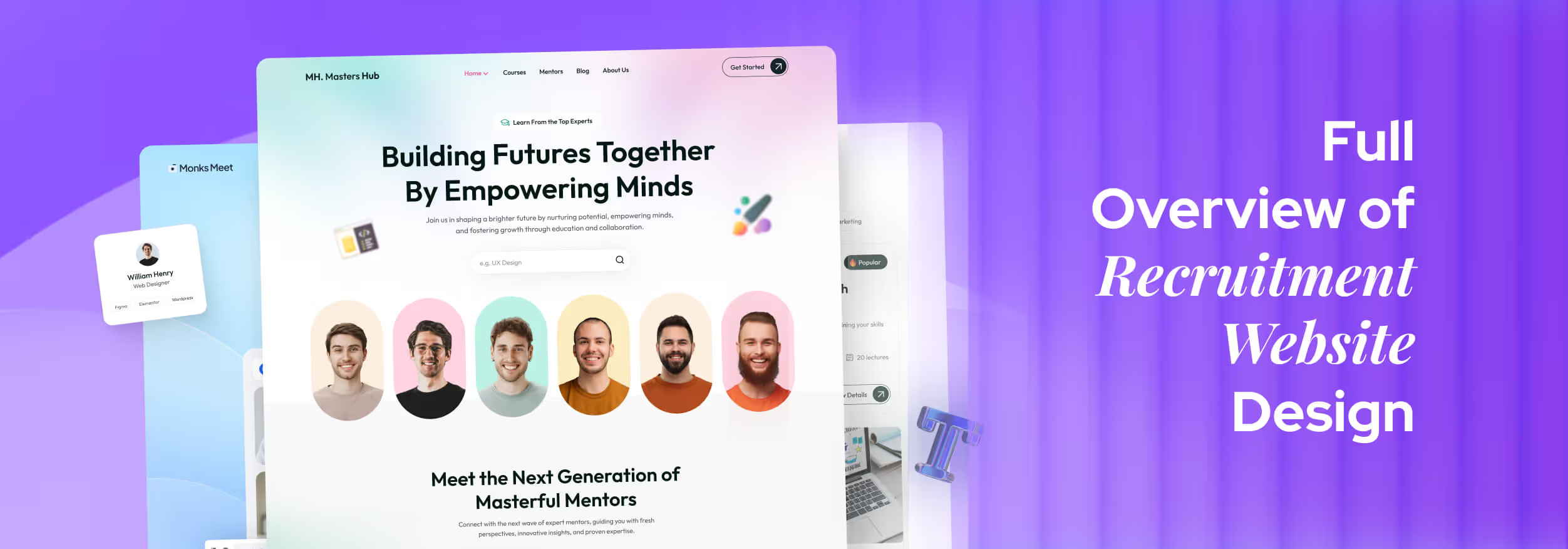

Key Takeaways
- Recruitment websites focus on seamless UX to convert visitors into applicants.
- ATS and CRM integrations streamline applications, saving recruiters time effectively.
- Mobile-first design ensures easy job search and application on smartphones.
- Strong employer branding attracts clients while building trust with top candidates.
- Customized, feature-rich platforms drive higher conversion and long-term hiring success.
High-quality candidates often abandon great job opportunities because of one specific factor: poor recruitment website design. Even when the role is a perfect match, a frustrating digital experience creates a barrier between the talent and the "apply" button.
When friction from long forms, vague job details, or slow-loading pages sets in, even the most interested applicants quickly lose steam. These design flaws create a sense of fatigue and uncertainty, causing potential hires to drop off before they ever complete the process.
So, what drives candidate loyalty and engagement? Keep reading as we dive into the essential design shifts that rebuild candidate trust and turn your career page into a talent magnet!
What Is Recruitment Website Design?
Recruitment website design means creating a website made only for hiring. Unlike normal company websites, it focuses on jobs, people, and the hiring process. The goal is simple, to help candidates find jobs easily and help employers receive applications without confusion.
A typical corporate website covers services, history, and products. A recruitment website is different. It highlights job listings, clear role details, and easy apply steps instead of sales pages.
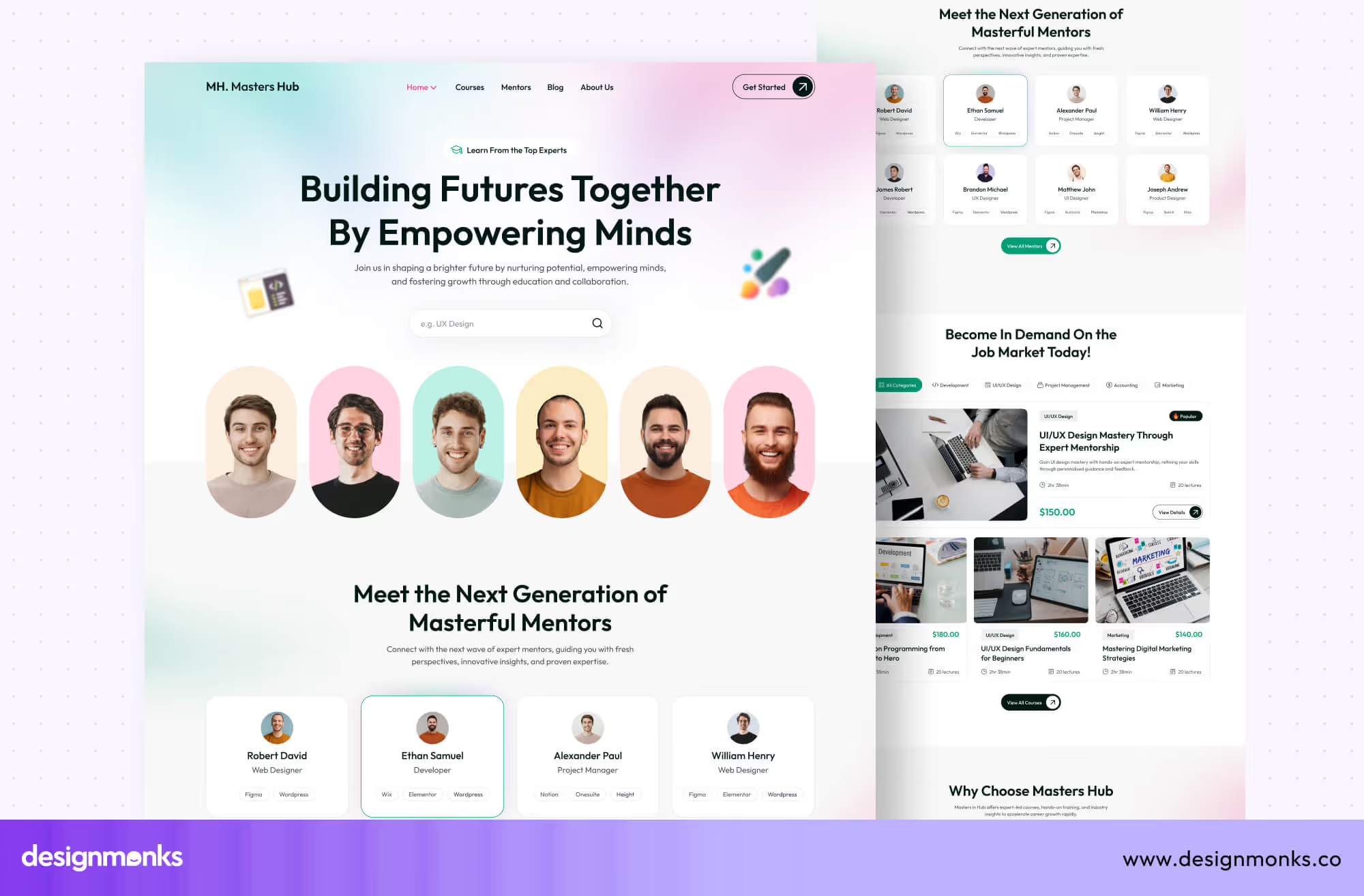
Many recruitment websites are connected to an ATS or Applicant Tracking System. It's a software tool that helps companies collect, store, and manage job applications in one place. Instead of reading emails or spreadsheets, recruiters can see all candidates on one screen.
Applications move automatically from the website into the system. Recruiters can review profiles, track progress, and contact candidates faster. For applicants, this means fewer steps, faster responses, and a clearer hiring experience.
This is what makes recruitment website design different from normal websites. It is not just about looking good. It is about building a career portal that supports real hiring work, saves time for recruiters, and makes applying feel easy and stress-free for candidates.
Key Goals of a High-Performing Recruitment Website
A high-performing recruitment website is built to do more than just show job listings. Its main goals are candidate conversion, candidate acquisition, and employer branding.
All these goals work together to make the website not just attractive but effective for real hiring results:
Candidate Acquisition
Candidate acquisition is about bringing the right people to your website in the first place. Even the best application form won’t work if qualified candidates don’t visit.
Recruitment websites attract candidates through clear job listings, organized categories, and search filters. Showing relevant jobs, helpful tips, and easy navigation keeps users engaged.
Design elements like friendly visuals, clear headlines, and quick-loading pages also help. When candidates can easily find roles that match their skills, they are more likely to explore the site and start applying, boosting overall hiring success.
Candidate Conversion Optimization
Candidate conversion means turning visitors into applicants. A website’s UX and job application form are critical here. The easier it is for someone to find a job and apply, the more likely they will complete the process.
Long, confusing forms or cluttered pages make candidates leave before finishing. A well-designed application funnel guides users step by step, showing exactly what to do next.
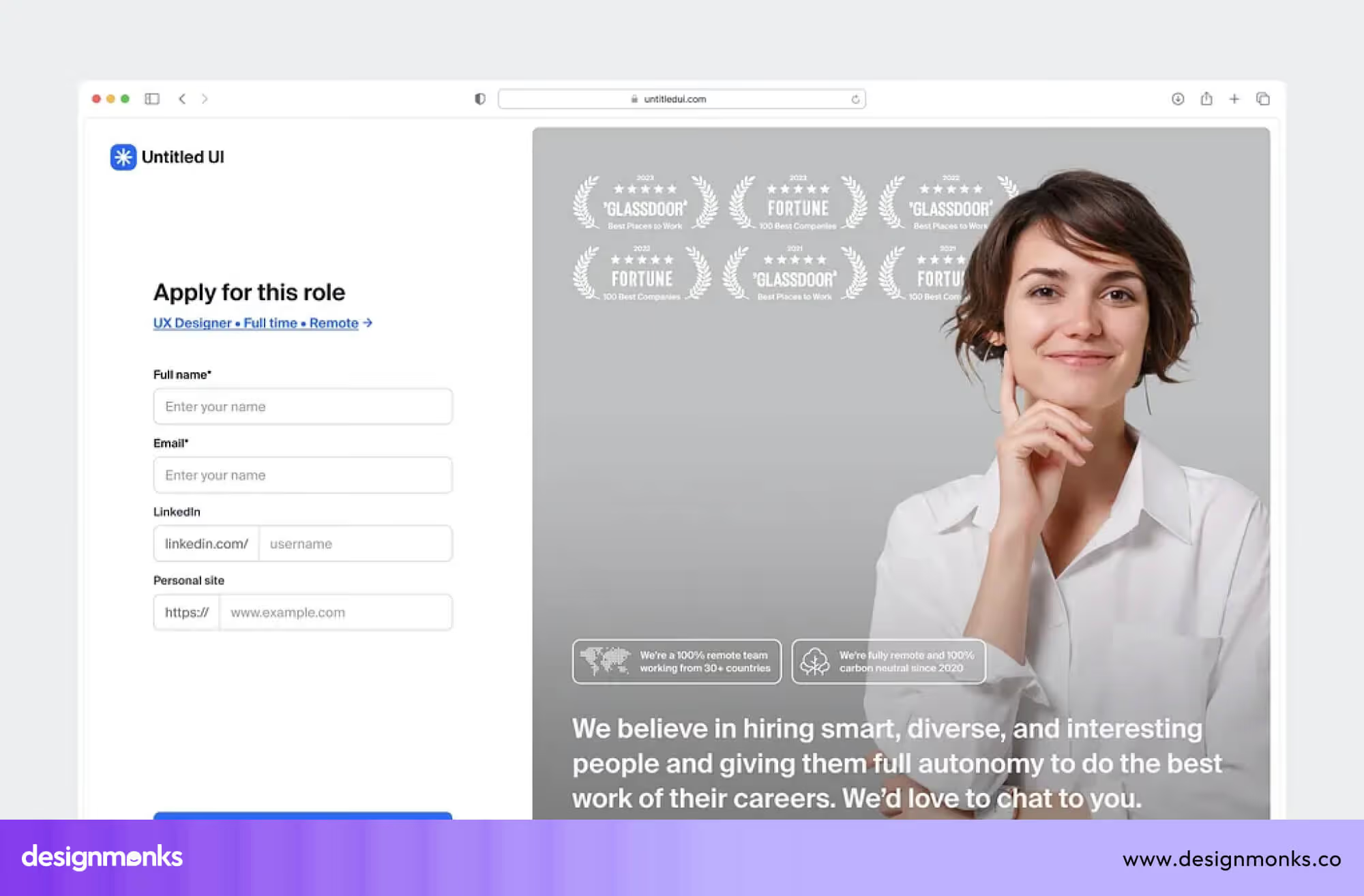
Good UX design, like clear buttons, mobile-friendly pages, progress indicators, and short fields, reduces frustration.
Candidates understand what to do next, feel confident, and are much more likely to finish the application, increasing overall conversion for the website.
Employer Lead Generation
Another one of the key goals of a high-performing recruitment website is attracting companies that want to hire. It’s not just about showing job listings, it’s about bringing in potential clients who trust your platform or agency to find the right talent.
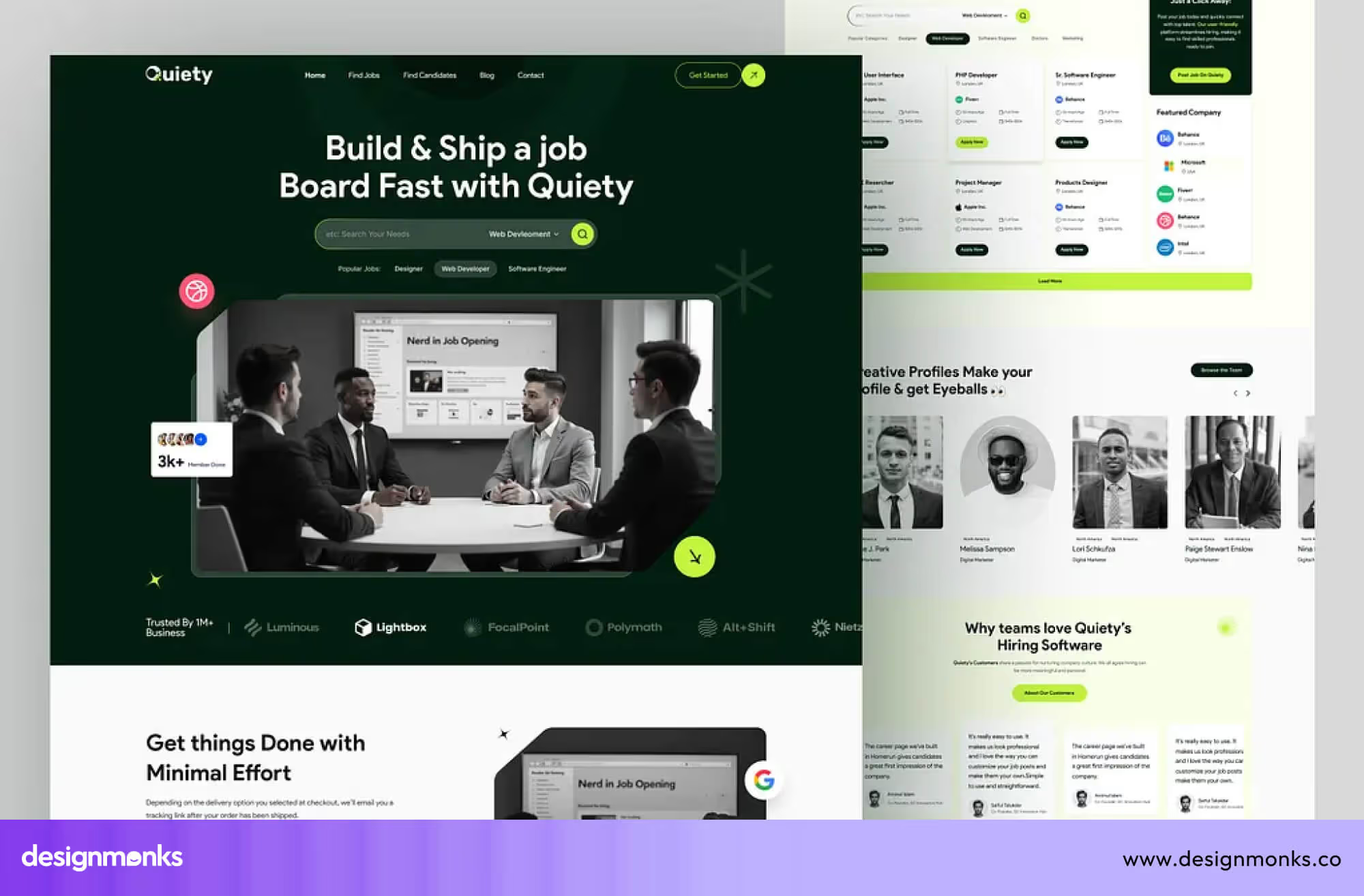
Strong employer branding helps here by showing professionalism, success stories, and a clear company identity that builds confidence with visitors.
A well-designed website also supports client acquisition. Features like service pages, case studies, testimonials, and easy-to-find contact forms guide employers to take action and reach out to your team.
By combining lead generation, client acquisition, and employer branding, a recruitment website not only grows your business but also builds long-term partnerships. It ensures your platform delivers value for both candidates and hiring companies.
Essential Features of Recruitment Websites
Modern recruitment websites need more than just job listings, they must make hiring easy for both candidates and employers. High-performing platforms include these functional features that improve user experience, streamline applications, and support recruitment workflows:
Job Search and Filtering Systems
A key feature of any recruitment website is a job search and filtering system. This lets candidates quickly find roles that match their skills, location, or interests.
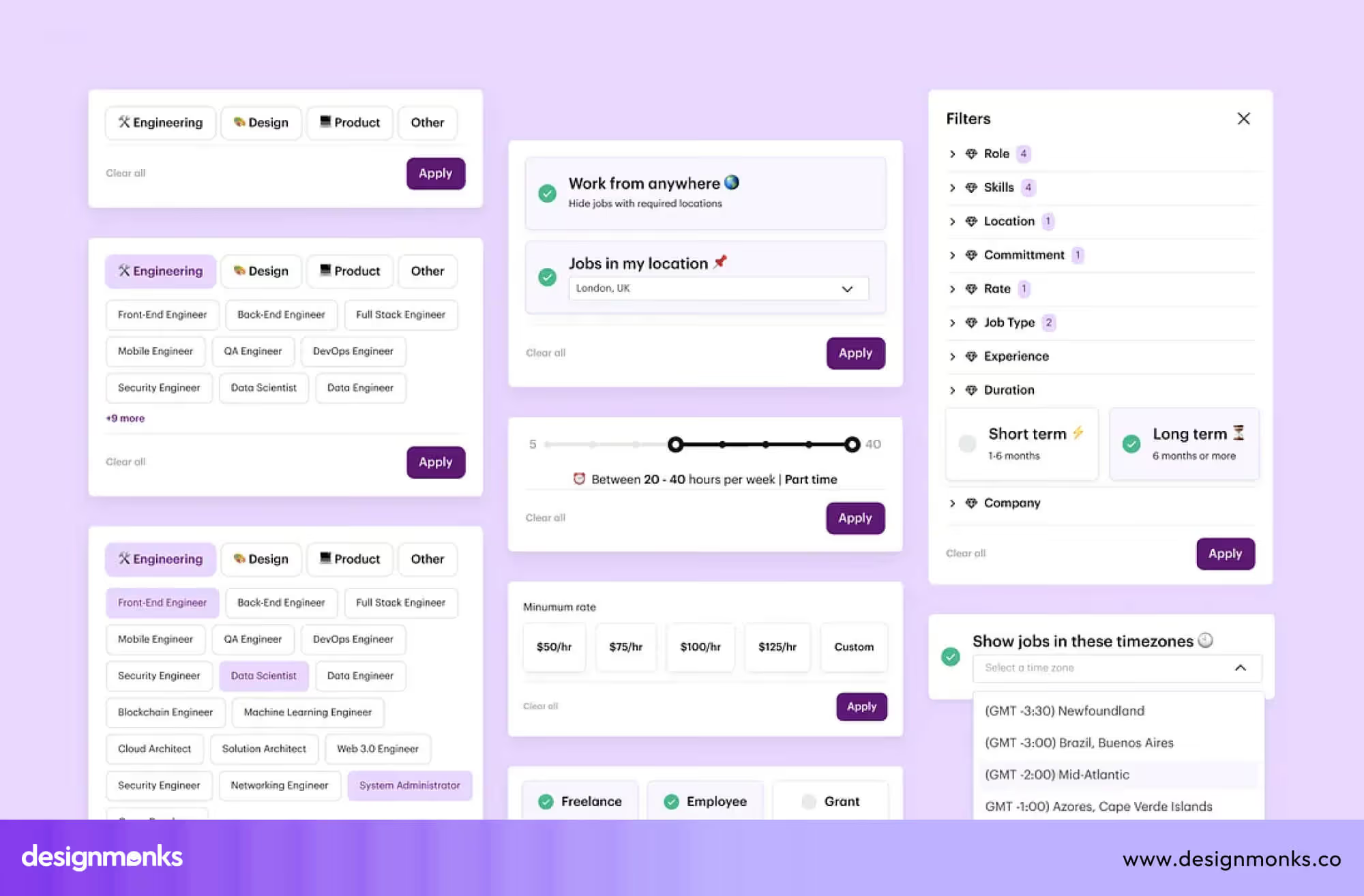
Job filters are categories like job type, experience level, or location, while taxonomy organizes jobs into clear groups so visitors don’t get lost.
A good search UX makes it fast and intuitive to search, select filters, and view results. Modern platforms often use Job board software to power these systems. The job search filter ensures candidates can find the right roles quickly.
ATS and CRM Integration
Recruitment websites often connect with ATS (Applicant Tracking Systems) and CRM (Customer Relationship Management) platforms. This helps employers track candidates, manage applications, and communicate efficiently, all in one place.
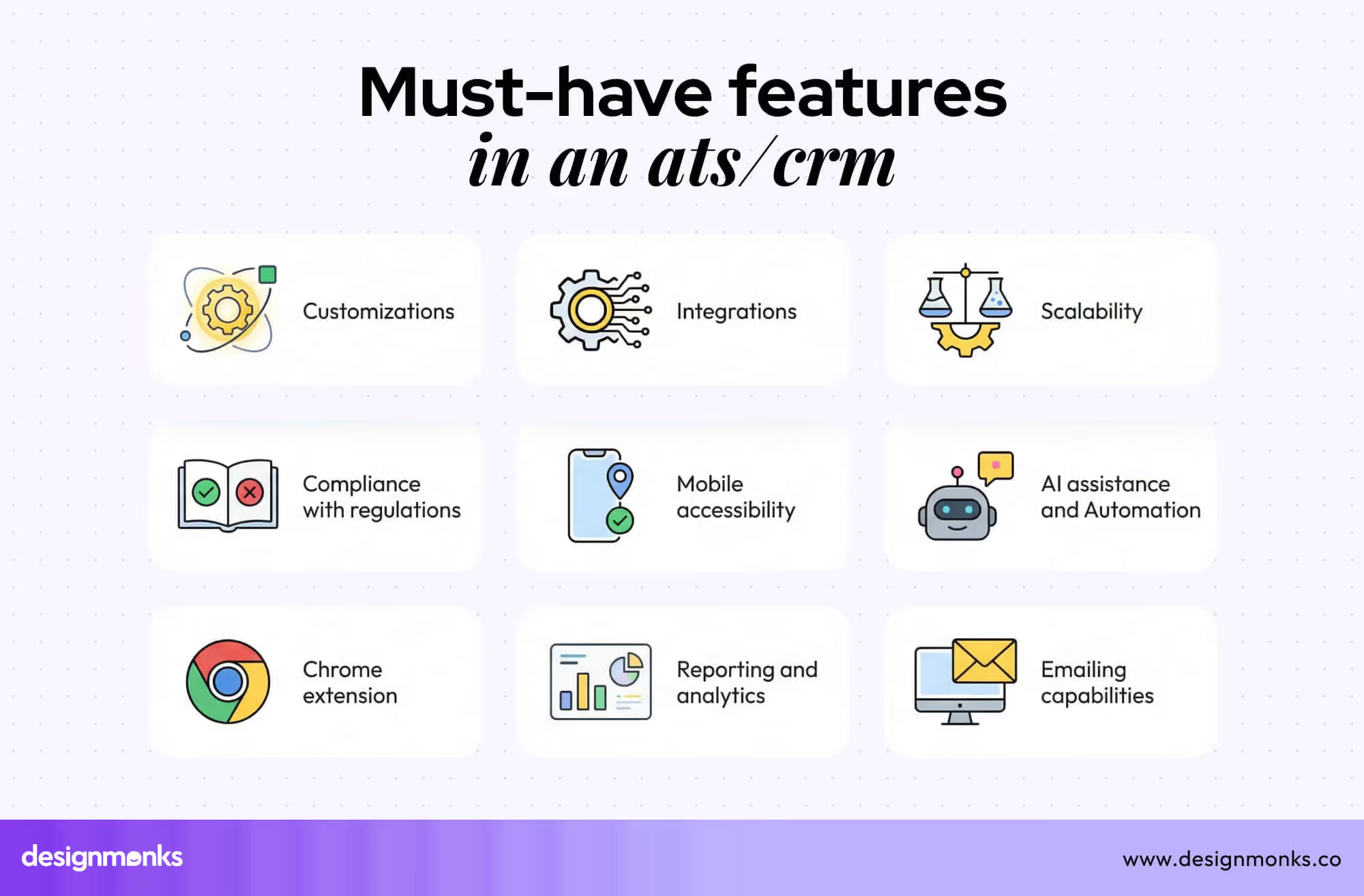
When a website syncs with an ATS or CRM, applications submitted on the site automatically enter the system. Recruiters can sort candidates, track progress, and schedule interviews without manual entry.
This is a key part of recruitment automation. Integration saves time, reduces mistakes, and ensures a smoother hiring experience for both employers and candidates.
Candidate Dashboards and Profiles
Candidate dashboards or account portals let applicants manage their own information. They can save jobs, track applications, upload resumes, and update personal details anytime.
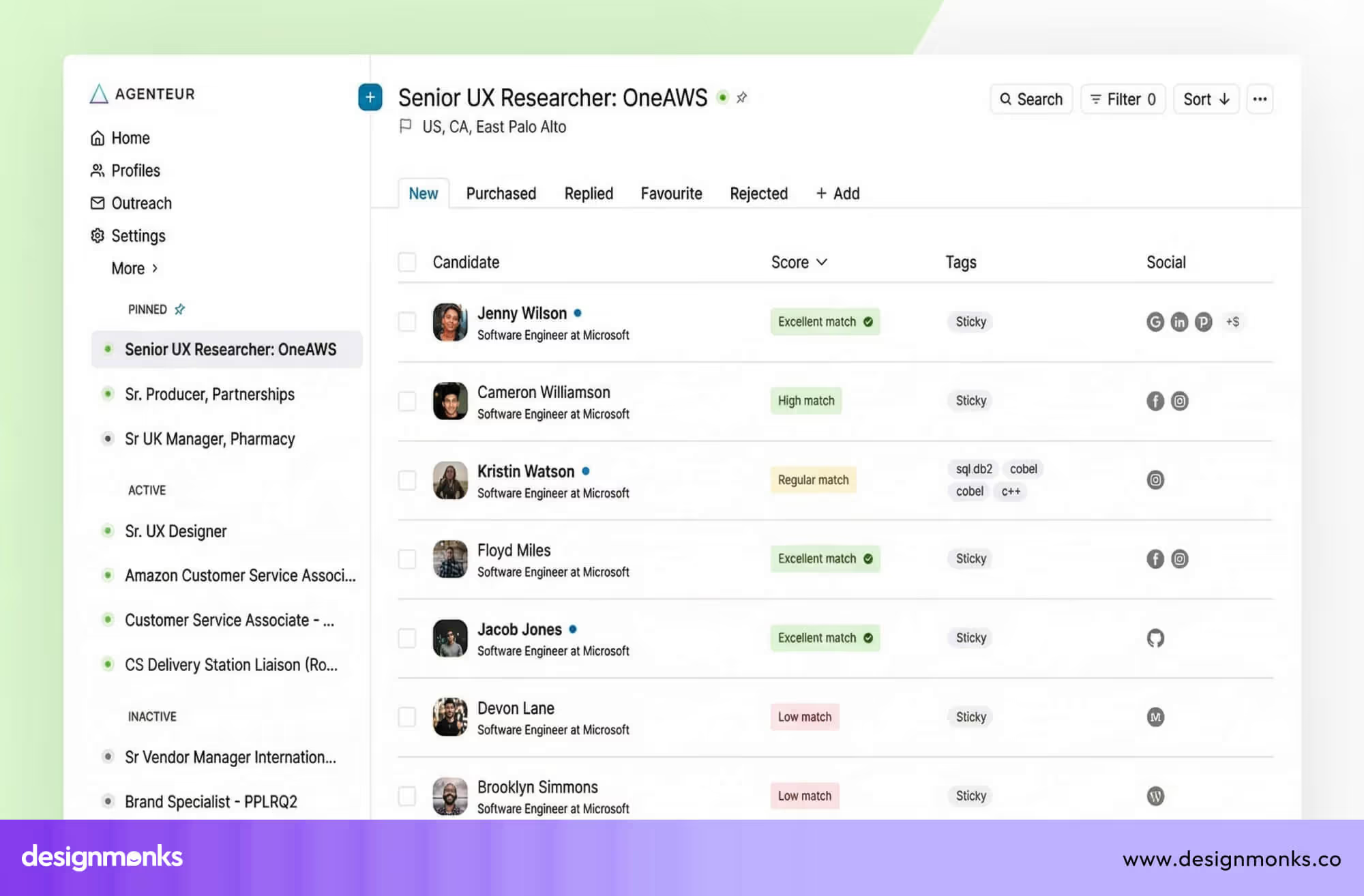
A clear candidate portal gives candidates a sense of control and transparency. Dashboards also make it easier for recruiters to view submitted profiles and match candidates to jobs.
For candidates, it creates a smoother experience and increases the likelihood they return to apply for more positions.
UX/UI Best Practices for Recruitment Platforms
A recruitment website is all about making applying fast, easy, and enjoyable. Smart UX/UI design ensures candidates can find jobs, submit applications, and return again and again without frustration.
Following best practices customized for hiring platforms can boost applications, improve engagement, and leave a strong impression on both candidates and employers:
Mobile-First Career Site Design
Most job seekers these days search and apply from their phones, so a mobile-first approach is critical. A responsive hiring platform ensures that job listings, forms, and buttons work perfectly on any screen size.
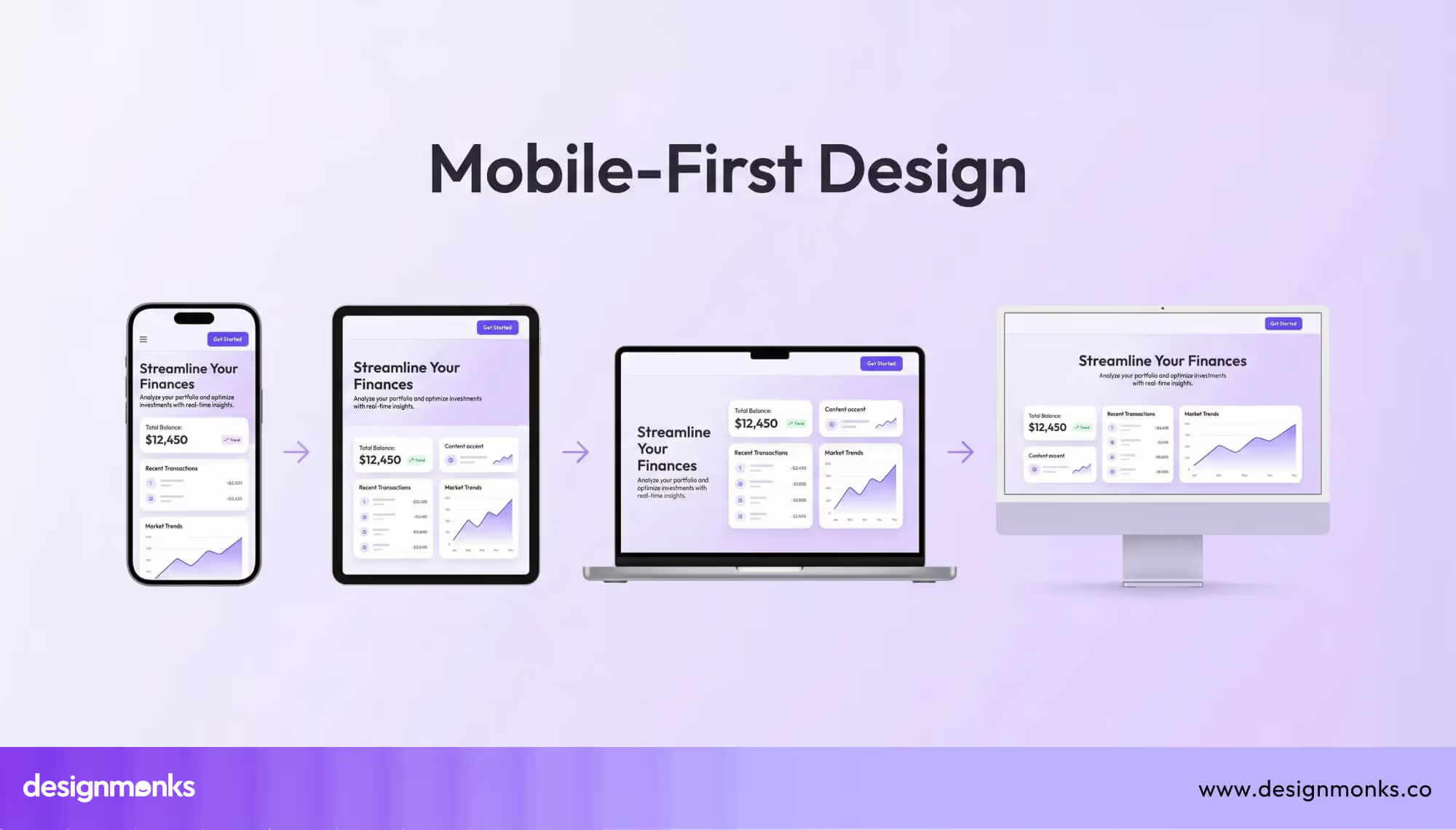
Mobile usability isn’t just about shrinking a desktop site, it’s about simplifying navigation, making buttons easy to tap, and presenting information clearly.
When candidates can browse jobs, filter listings, and apply without pinch-zooming or scrolling endlessly, they are far more likely to complete applications and come back for future openings.
Fast Application and Resume Upload Experience
Nothing kills a candidate’s motivation faster than a slow or confusing application process. A frictionless resume upload allows users to attach resumes, cover letters, and other documents in seconds.
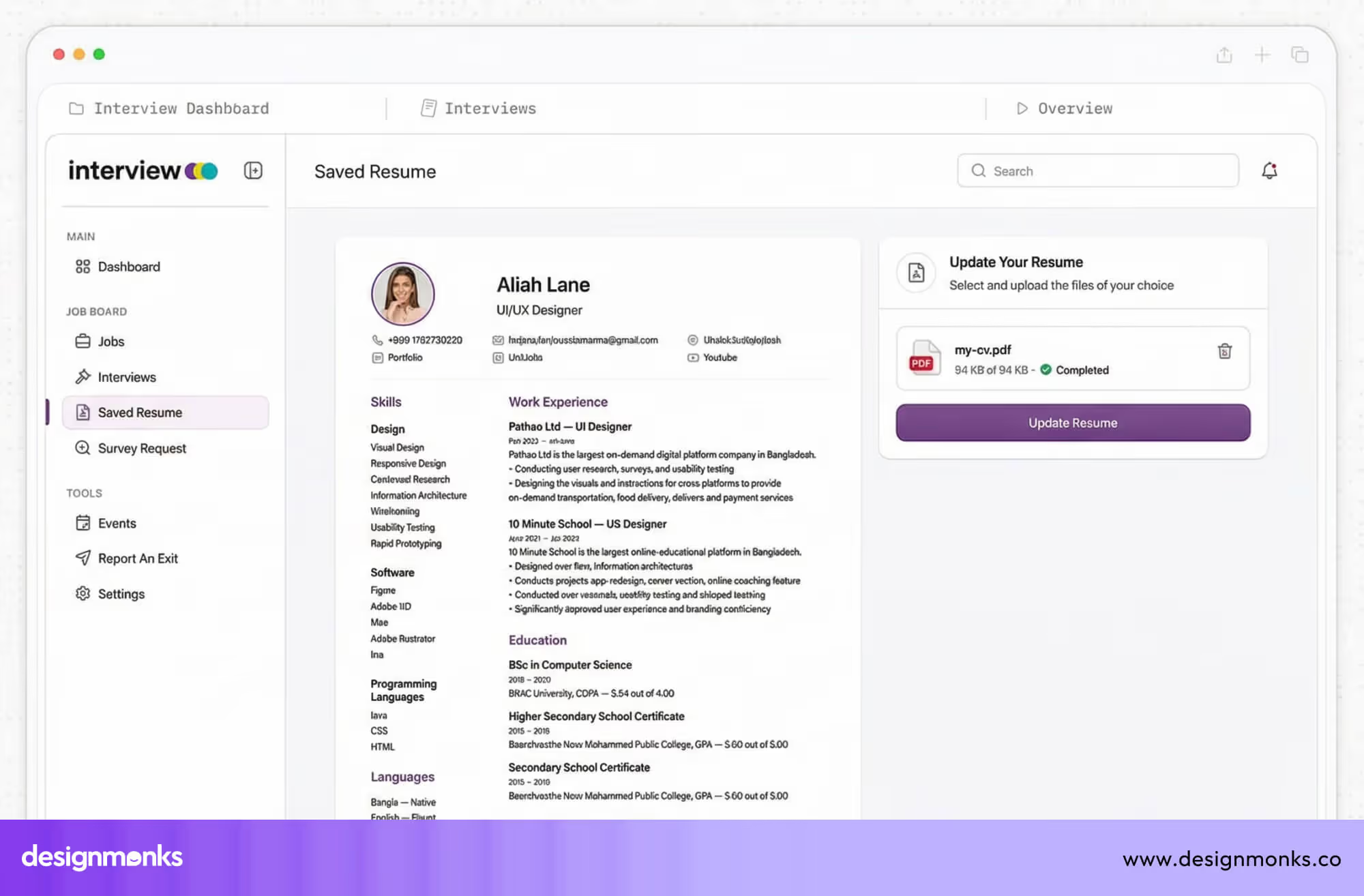
Smart design keeps forms short, provides clear instructions, and shows real-time progress indicators.
Fast, smooth submission flows reduce drop-offs, make the application process feel effortless, and leave candidates confident that their information has been received. A quick application experience turns visitors into applicants and makes your recruitment website truly high-performing.
Recruitment Website Design Process
After understanding the key goals, features, and UX principles, the next step is how recruitment websites are actually planned and built. A structured design process ensures that the platform not only looks good but also works efficiently for both candidates and employers.
Discovery and Hiring Workflow Mapping
Every great recruitment website starts with understanding the hiring process. Agencies study how recruiters collect applications, review candidates, and make decisions. This is called the Recruitment workflow.
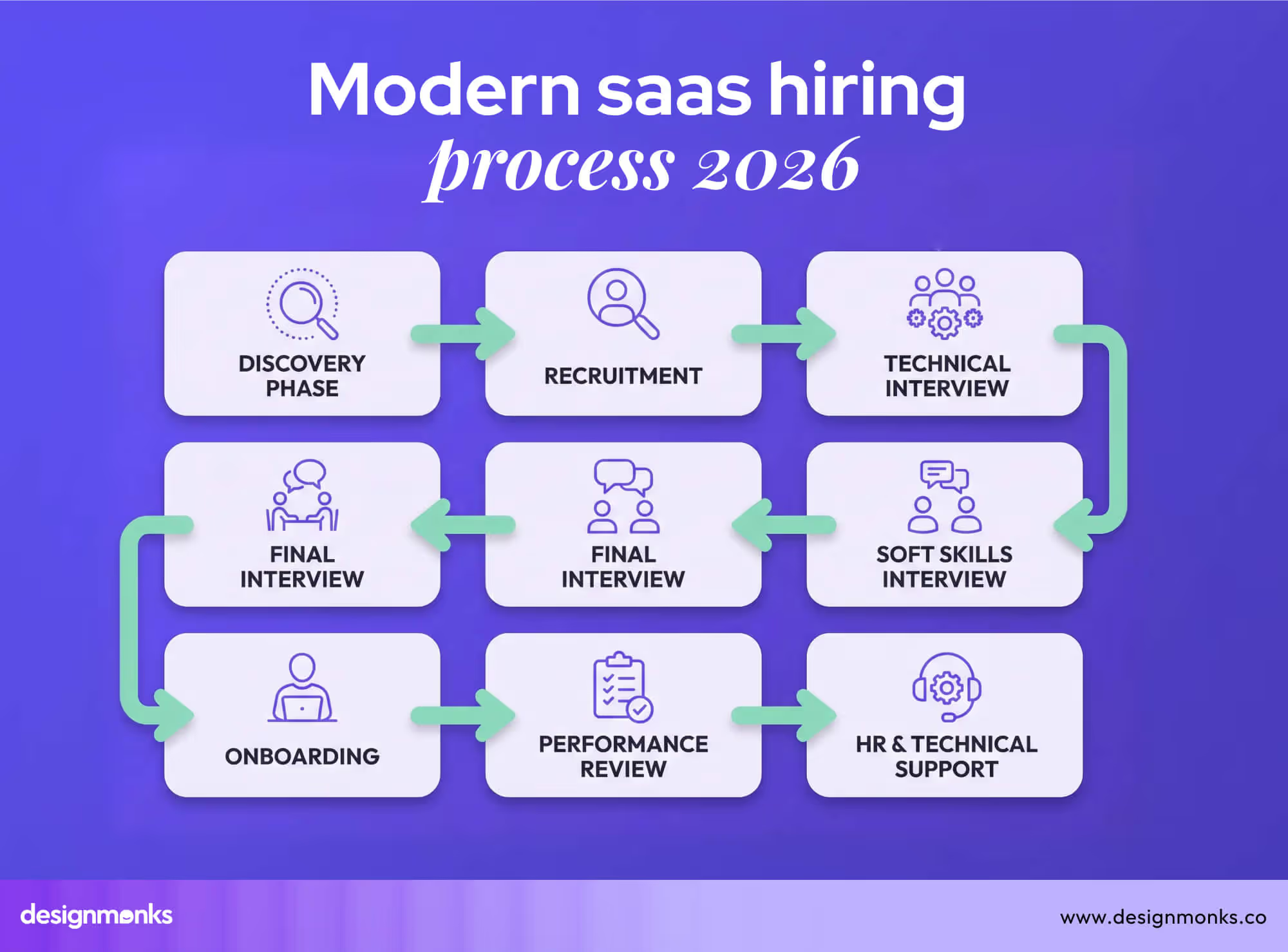
By mapping the user journey for both candidates and recruiters, agencies identify pain points, bottlenecks, and opportunities to simplify the experience.
This ensures the website is built around real workflows, guiding candidates smoothly from job discovery to application submission while helping recruiters manage talent efficiently.
UI Design, Development, and Testing
Once workflows are clear, the next step is designing, building, and testing the website. Agencies create wireframes and prototypes to visualize how the site will look and feel.
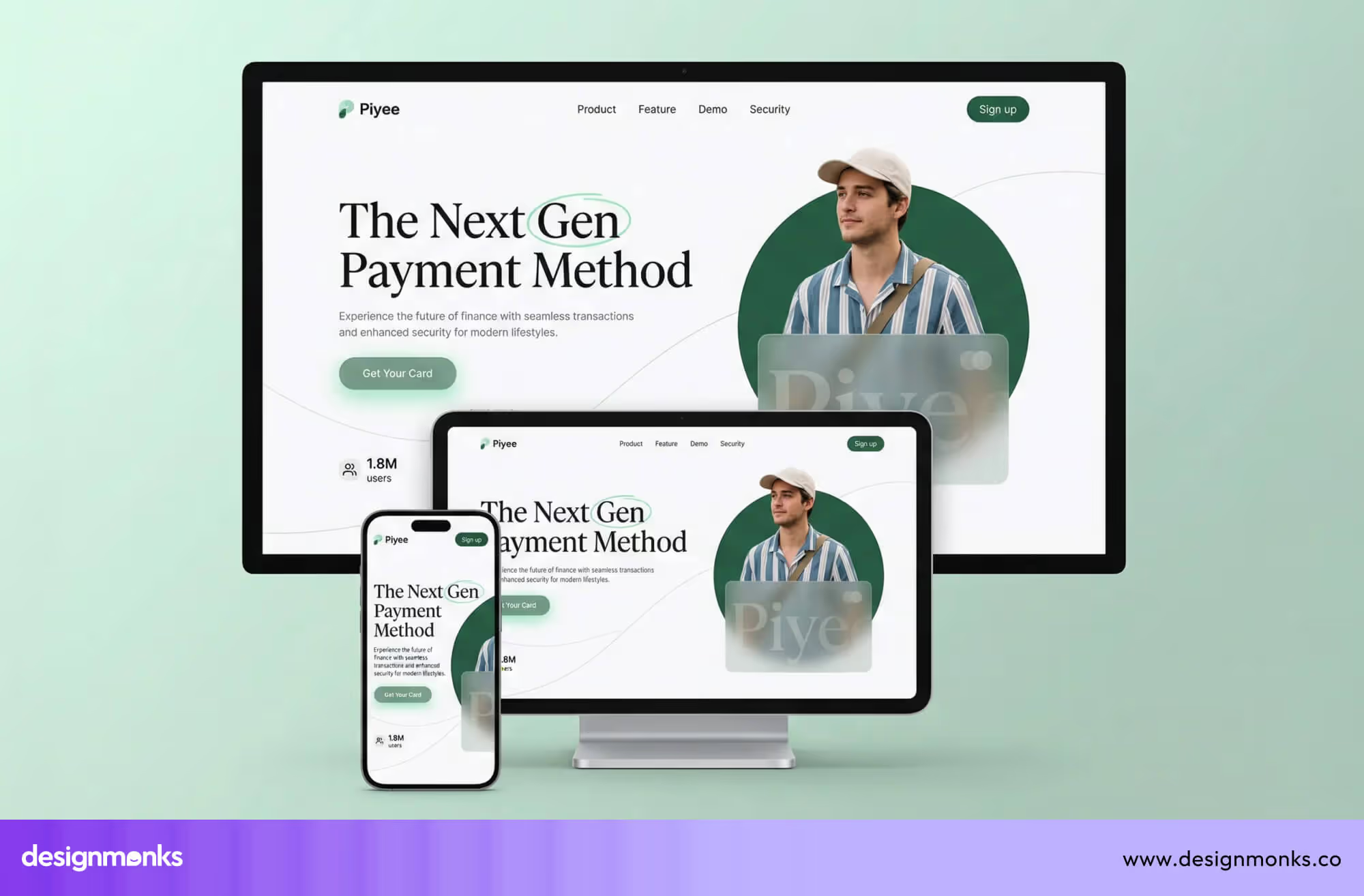
This website prototyping stage allows designers and developers to experiment with layouts, buttons, forms, and navigation before the final build.
After development, thorough testing ensures that the site works on all devices, loads quickly, and provides a smooth application experience. By following this design-build-launch cycle, recruitment websites are not only visually appealing but also highly functional, driving higher candidate conversion and employer satisfaction.
5 Recruitment Website Examples and Design Inspiration
To understand what truly works in recruitment website design, we need to look at the industry leaders.
These examples demonstrate how a well-structured layout and clear navigation remove barriers, making it effortless for candidates to find the right role and finish their application:
LinkedIn Jobs
LinkedIn Jobs serves as a masterclass in recruitment website design by utilizing a clean, organized layout that keeps candidates focused on relevant opportunities.
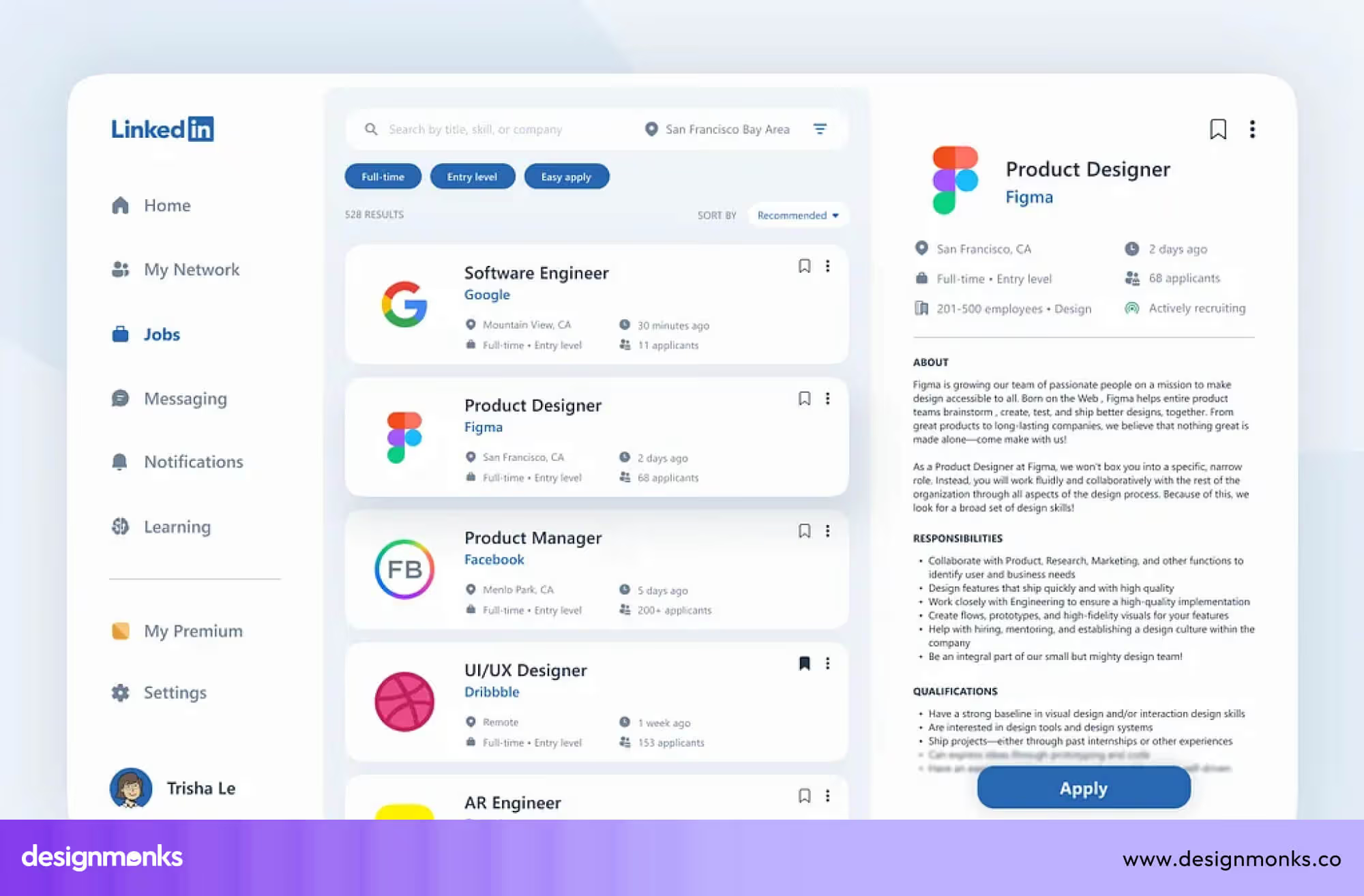
Through advanced filtering by role, location, and specific skills, the platform eliminates search fatigue and helps users narrow down results in seconds.
The application process is built on familiarity and intuition, ensuring candidates never have to guess their next step. By integrating personalized job recommendations and clear progress tracking, LinkedIn builds candidate confidence and minimizes drop-offs.
This blend of personalization and a high-conversion funnel makes it a benchmark for modern recruitment sites.
Indeed
Efficiency is the core of Indeed’s recruitment website design. By stripping away distractions, the platform ensures job listings are immediately readable, featuring concise descriptions and high-contrast 'Apply' buttons that command attention on every page.
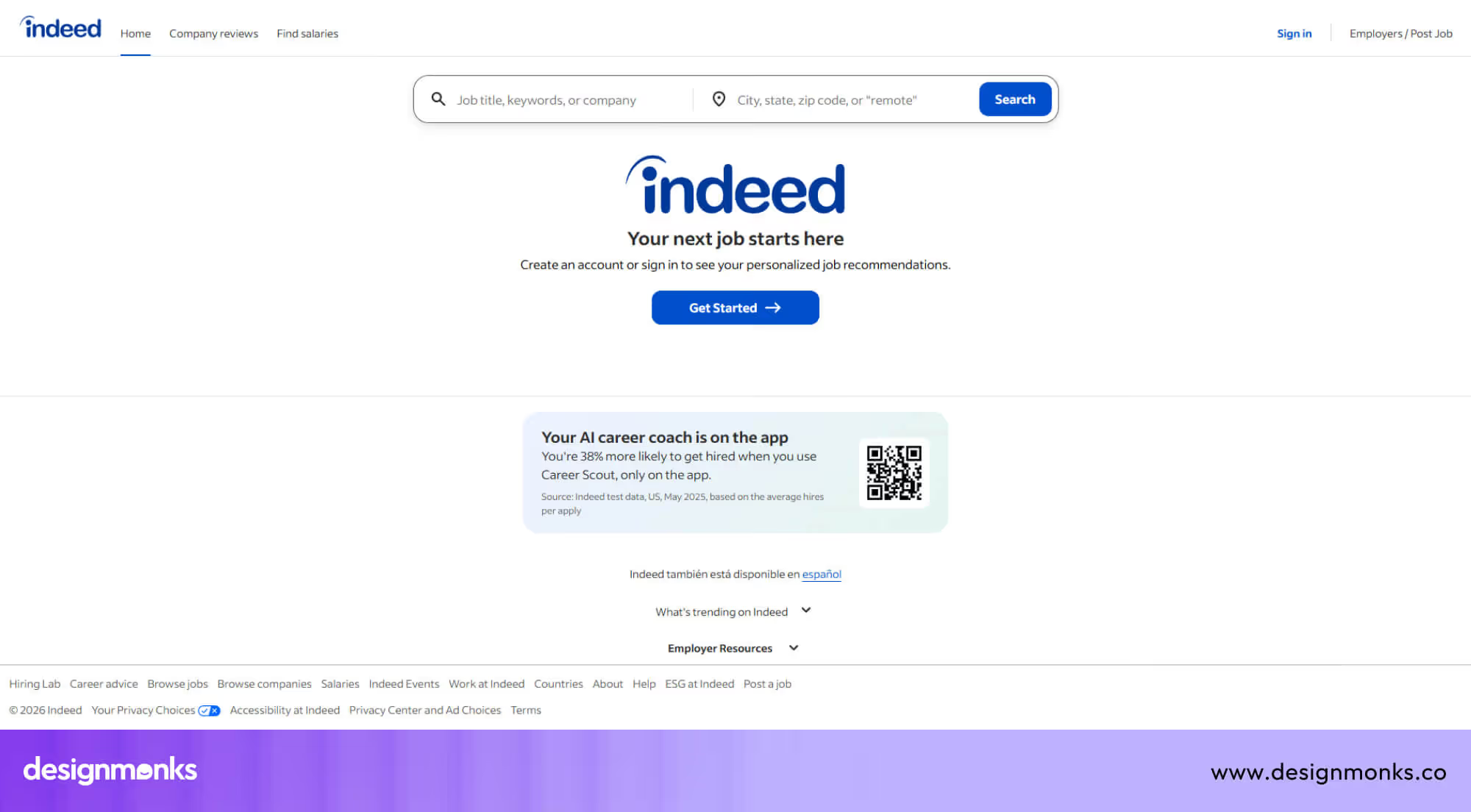
This minimalist approach allows candidates to act quickly, scanning multiple roles and submitting applications with zero friction.
Beyond the initial search, strategic features like saved searches and automated email alerts keep users engaged long-term. Indeed proves that when recruitment website design prioritizes speed and clarity, it naturally encourages higher application rates and repeat visits.
Randstad
In recruitment website design, credibility is everything and Randstad excels here. Their platform uses clear navigation and 'humanized' design elements, such as friendly team photos, to create an immediate connection with the user.
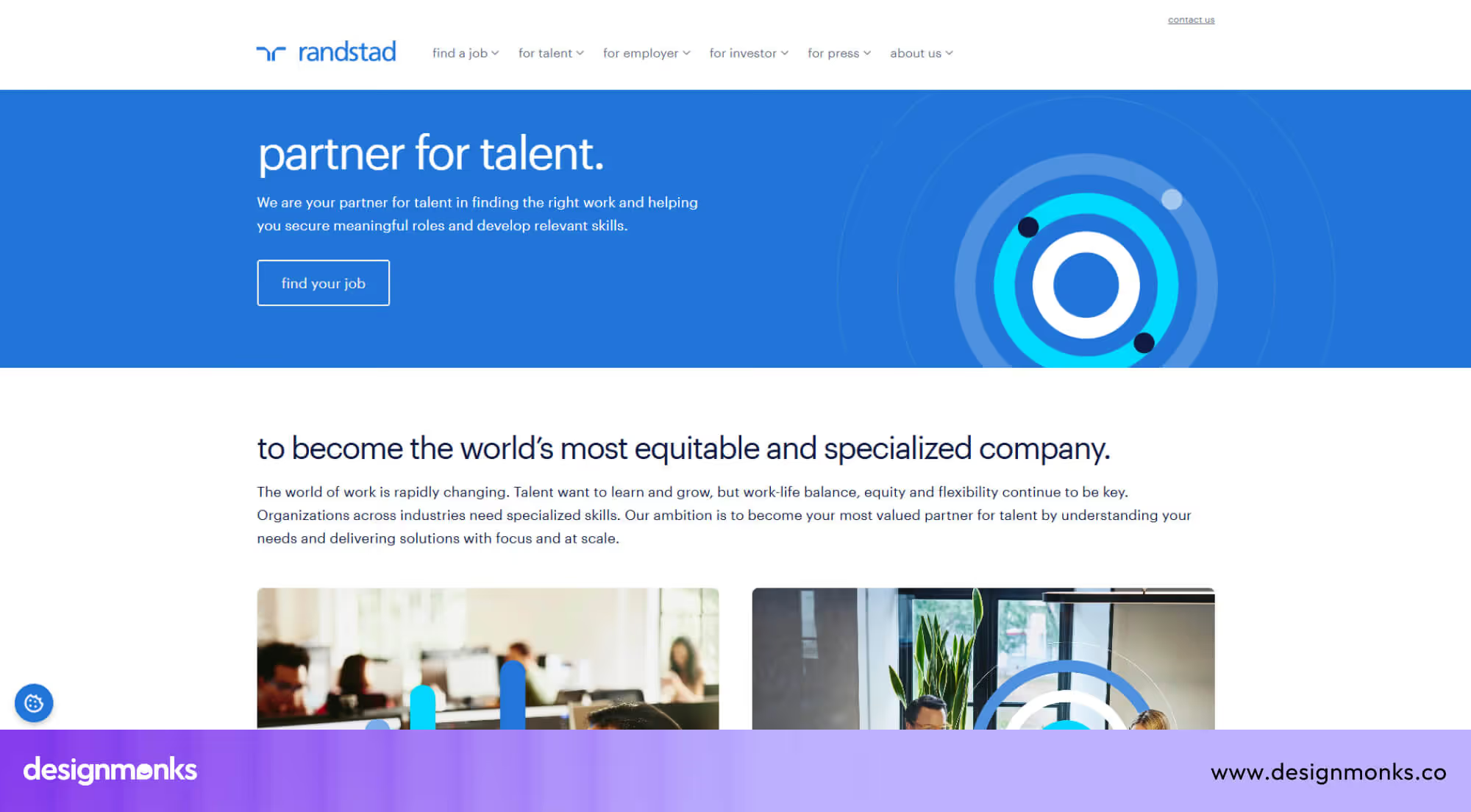
Short, frictionless forms further ensure that the application process feels accessible rather than intimidating.
Beyond the job search, Randstad highlights its services and professional milestones to build a narrative of stability. By combining these trust-centered visuals with a clean, logical flow, they successfully convert hesitant visitors into active applicants.
Google Careers
Google Careers is a premier example of how recruitment website design can go beyond simple job listings to highlight company culture, values, and benefits.
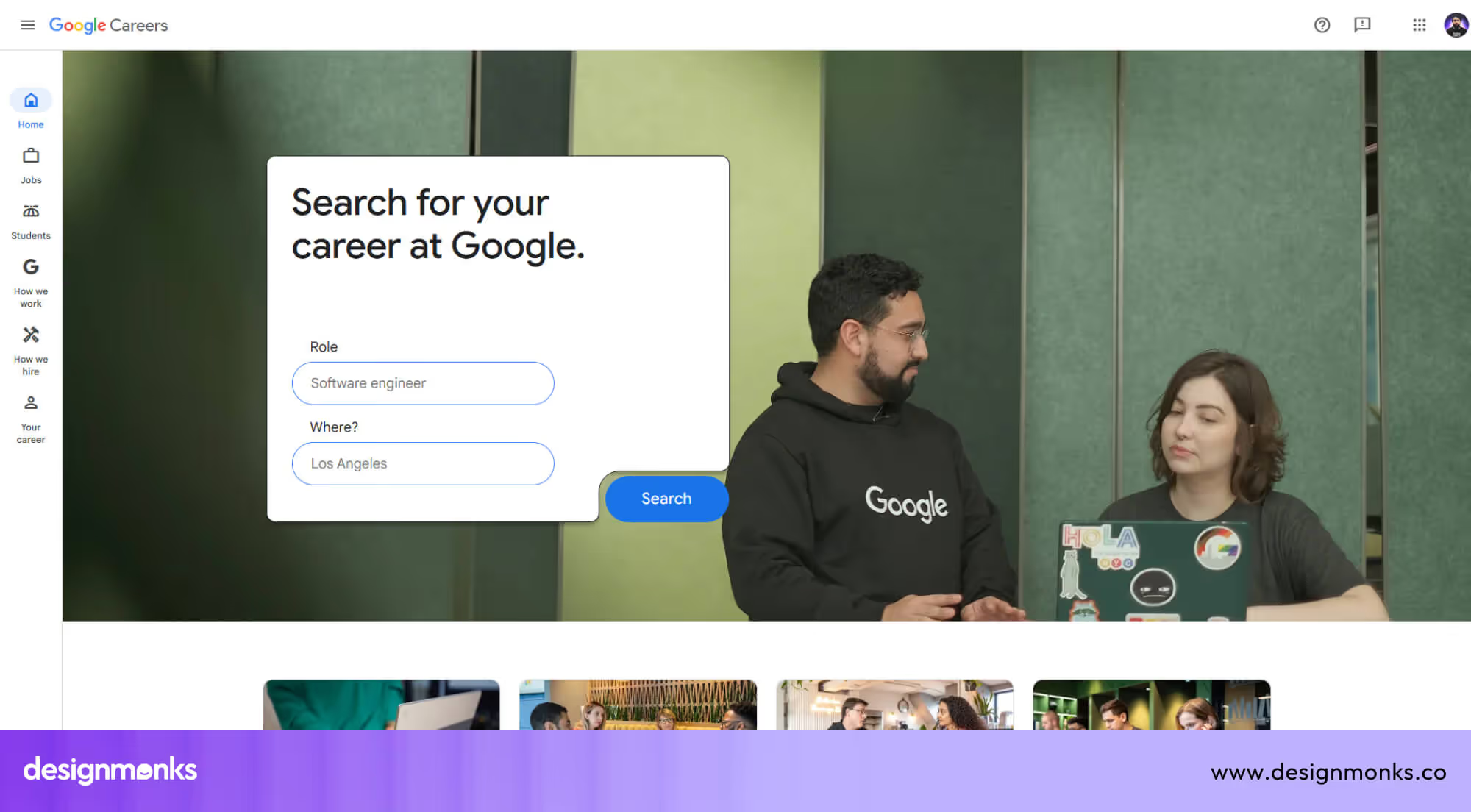
By using clear, accessible language, the site explains each role in detail while providing essential context on team dynamics, career growth opportunities, and employee perks.
This culture-first approach helps attract candidates who truly align with Google’s mission. To make the process feel more approachable, the recruitment website design integrates high-quality visuals, videos, and authentic employee testimonials.
By blending deep information with a seamless user experience, Google Careers proves that a well-designed site doesn't just improve candidate conversion, it significantly strengthens your overall employer brand.
Dribble Jobs
Dribbble Jobs is a niche platform focused on designers. Its focused design removes unnecessary distractions, helping users find relevant creative roles quickly.
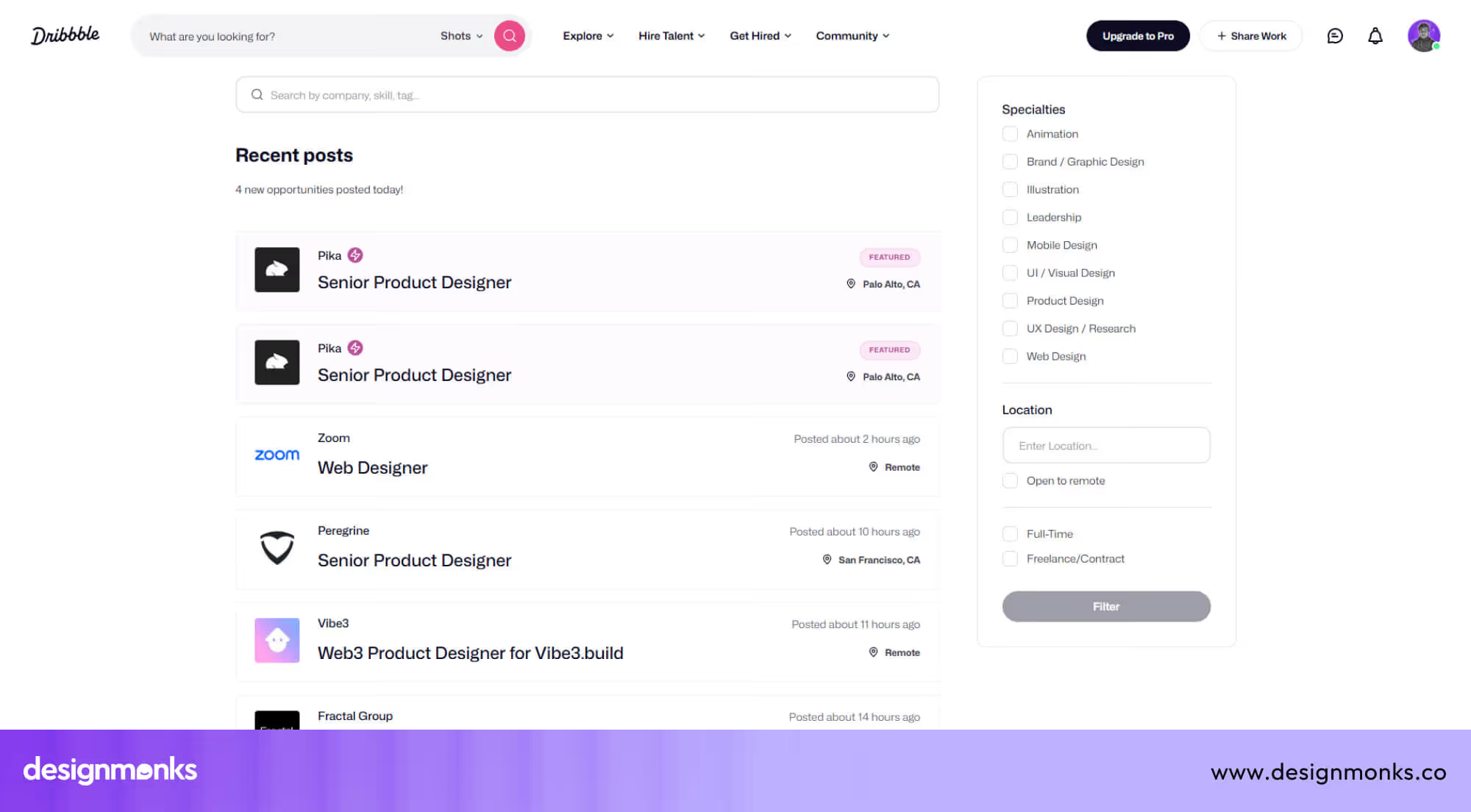
By removing the clutter found on general job boards, the platform provides a hyper-focused environment that allows designers to find creative roles without unnecessary distractions.
The site utilizes intuitive filters, tags, and search tools that make pinpointing the right opportunity effortless. This clean interface ensures the user’s attention remains on the application itself rather than on navigating confusing menus.
Moreover, by highlighting featured employers and trending roles, the recruitment website design encourages deeper exploration of the platform. Niche boards like Dribbble prove that customizing the user experience for a specific audience significantly boosts candidate satisfaction and engagement.
How to Choose a Recruitment Website Design Agency
Choosing the right recruitment website design agency is a strategic investment in your talent pipeline. It requires a partner that balances aesthetic appeal with a deep understanding of candidate psychology and hiring workflows.
Here is a breakdown of the critical factors to evaluate:

Experience with Recruitment Websites
Experience in this industry is non-negotiable. The agency must understand the technical nuances of recruitment website design, such as job filtering logic, ATS/CRM integrations, and candidate dashboard functionality.
This specialized knowledge allows them to anticipate bottlenecks and build a high-converting application funnel from day one.
Performance-Driven Portfolio
A strong portfolio should offer more than just "pretty" websites. Look for case studies that highlight measurable outcomes, such as reduced drop-off rates or a surge in qualified resume submissions.
Evaluating their past work helps you see if they prioritize business results and user experience over simple aesthetics.
Technical & Scalable Infrastructure
Your platform must be fast, mobile-responsive, and secure. Ensure the agency has the technical depth to handle complex API integrations and data protection requirements.
A reliable partner builds for the future and ensures your site remains stable and scalable as your hiring volume grows.
Post-Launch Support & Collaboration
Website development is an ongoing partnership, not a one-time transaction. Assess how the agency handles communication, project updates, and post-launch training.
Clear documentation and reliable support ensure your team can manage the site efficiently without constant technical hurdles.
Strategic ROI Guidance
The best agencies act as consultants, not just order-takers. They should provide proactive recommendations on how to optimize forms, improve employer branding, and leverage the latest industry best practices.
This strategic insight ensures your recruitment website design consistently converts top-tier talent into active applicants.
Choosing the right partner transforms your hiring process into a competitive advantage. For those seeking a seamless candidate experience, Design Monks is the ideal partner. As experts in recruitment website design, Design Monks blends technical mastery with intuitive UX to build high-conversion career portals. They ensure your platform doesn't just look great, but consistently attracts and converts the world’s best talent.
Cost of Recruitment Website Design
The cost of a recruitment website depends on several key factors. Typical ranges in 2026:
- Features and Functionality ($5,000 – $25,000+): Elements like job search filters, candidate dashboards, mobile-first design, and ATS/CRM integrations directly affect development time and cost. More features usually mean higher pricing.
- Number of Pages and Custom Design ($3,000 – $15,000+): Sites with multiple pages, custom graphics, illustrations, or branded visuals require more design work, which adds to the overall cost.
- Complexity of Workflows ($2,000 – $10,000+): Multi-step applications, notifications, reporting dashboards, or advanced filtering increase development complexity and price.
- Integration with Existing Systems ($1,500 – $8,000+): Connecting with your current ATS or CRM takes technical effort to sync data correctly, which may increase cost.
- Scalability and Future Growth ($3,000 – $12,000+): Platforms designed to handle more listings, higher traffic, or future feature expansion require careful planning and robust architecture, which can raise costs.
- Customization vs. Templates ($2,000 – $20,000+): Fully customized, feature-rich sites are usually more expensive, while template-based solutions are more budget-friendly.
- Agency Support and Timelines ($1,000 – $5,000+): Post-launch support, training, and project timelines also influence cost.
Pro Tip: Discuss all features, integrations, timelines, and support with your agency. This ensures your investment delivers a recruitment website that improves candidate conversion, supports employers, and grows with your business.
FAQs
What makes a recruitment website different from a regular corporate site?
Recruitment websites focus on jobs, candidates, and applications. They include features like job search, filters, candidate dashboards, and ATS integrations, things regular sites usually don’t need.
How long does it take to build a recruitment website?
Depending on complexity, it usually takes 8–16 weeks. Custom features, integrations, and testing can extend the timeline.
Can I integrate my existing ATS or CRM with a new website?
Yes, you can integrate an existing ATS or CRM with a new website. Modern recruitment websites are designed to sync with most ATS and CRM platforms, keeping candidate data organized and reducing manual work.
How can I increase candidate conversion?
You can increase candidate conversion by focusing on UX and forms. Simple, mobile-friendly designs, step-by-step application funnels, progress indicators, and fast resume uploads all boost completed applications.


.avif)
.avif)
.avif)
.avif)


.avif)
.avif)
.avif)
.avif)






.avif)