.svg)



Key Takeaways
- Marketing Material Design builds strong brand identity through clear and consistent visuals.
- Good design helps businesses communicate messages clearly across print and digital channels.
- Well-planned visuals increase trust, awareness, and customer engagement with brands.
- Different marketing materials serve different goals, from awareness to sales support.
- Simple layout, colors, and fonts make marketing messages easy to understand.
Every business has a story, but not every story is seen or remembered. Marketing material design turns simple ideas into visuals that grab attention, communicate clearly, and leave a lasting impression.
From flyers to social media posts, well-designed materials make your brand look professional and trustworthy.
Creating effective marketing materials isn’t just about picking pretty colors or cool fonts. It’s about understanding your audience, highlighting key messages, and arranging content so it’s easy to follow.
Even small changes in layout, typography, or imagery can transform ordinary materials into powerful marketing tools. This guide will walk you through the essentials of material design and help you create visuals that shine in today’s busy world.
What Is Marketing Material Design?
Marketing Material Design is the process of creating visual content that communicates a brand’s message effectively. It includes all marketing materials such as flyers, brochures, social media posts, banners, and other promotional materials. The goal is to make information clear, attractive, and memorable so that it connects with the audience.
At its core, marketing material design supports marketing communication by visually conveying ideas. It also helps businesses to tell their story and build a consistent brand identity. Well-designed materials guide customers through information, highlight key benefits, and encourage engagement.
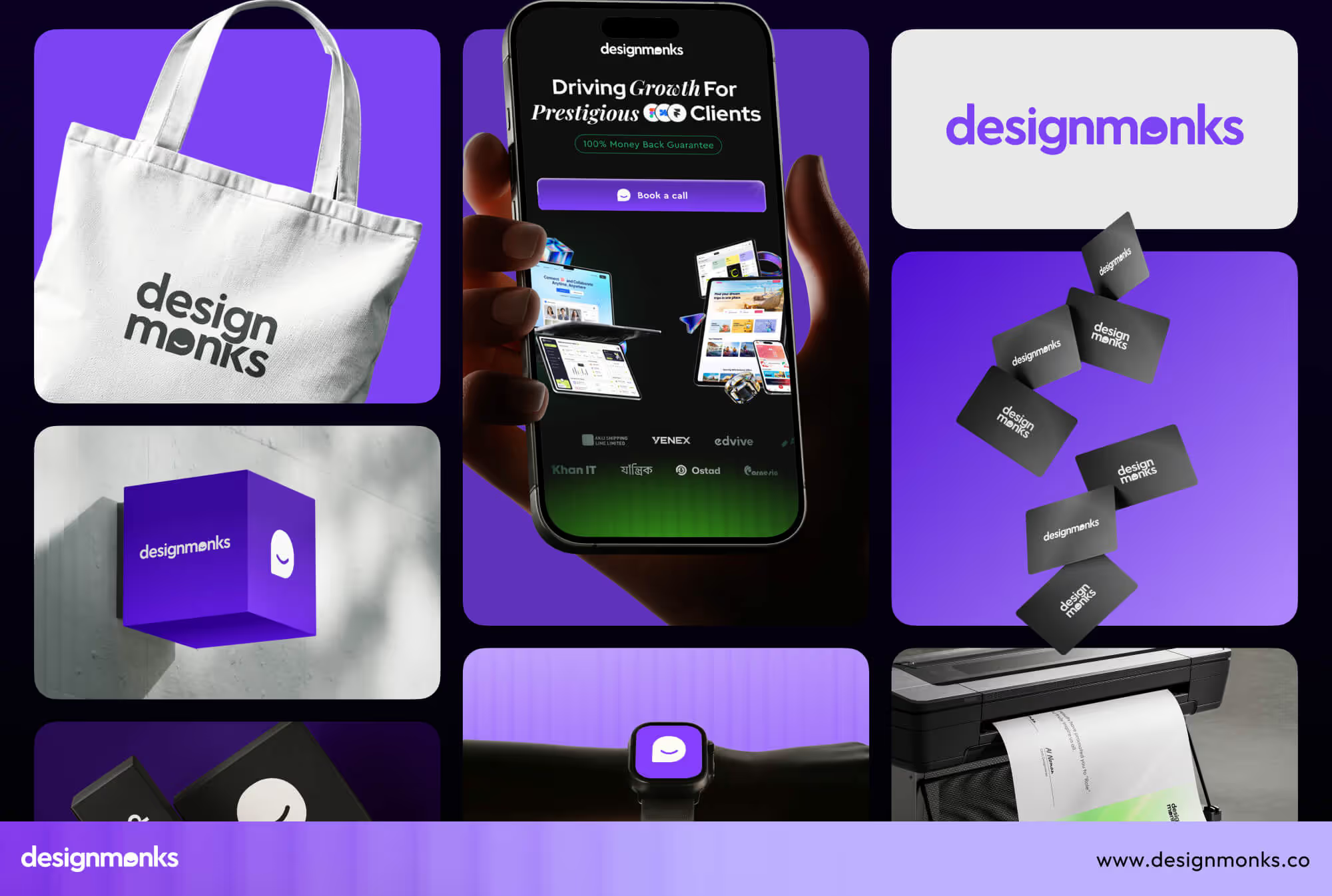
Strong graphic design in marketing material design also boosts lead generation and conversions. By combining color, typography trends, images, and layout thoughtfully, promotional design makes your marketing materials visually attractive.
At the same time, it ensures your marketing collateral is effective in capturing attention and driving results.
Role of Marketing Materials in Modern Marketing
Well-designed marketing materials do more than just look good, they shape how people perceive your brand at every touchpoint. They help build a strong brand identity and ensure every material feels consistent and professional. This brand consistency signals reliability and credibility, which encourages customers to trust your business and engage with your products or services.
When a brand looks and feels cohesive, it becomes memorable, and customers are more likely to choose it over competitors. Good design also builds trust. When your marketing materials are consistent and professional, customers feel more confident in your business.
Marketing today happens both online and offline, and well-designed marketing materials play a big role in reaching the right audience. Items like banners, social media posts, emails, brochures, and flyers help people understand your message quickly. By combining clear visuals, colors, fonts, and images, these materials make information easy to follow and make your brand recognizable at a glance.
Promotional design drives results as well. Thoughtful layouts and visuals increase awareness, guide customer decisions, and inspire action, such as signing up, buying, or sharing. Simply put, effective marketing materials turn simple messages into tools that grow your business.
Types of Marketing Materials (By Use Case)
A poster, a website, and a brochure may look different, but each has a clear purpose. When we group marketing materials by how they are used, it becomes easier to choose the right one for the right goal:
Icon Design
Icon design means creating small pictures that show an idea in a simple way. These icons help people understand actions, features, or services quickly. For example, a shopping cart icon shows buying, and a phone icon shows contact.
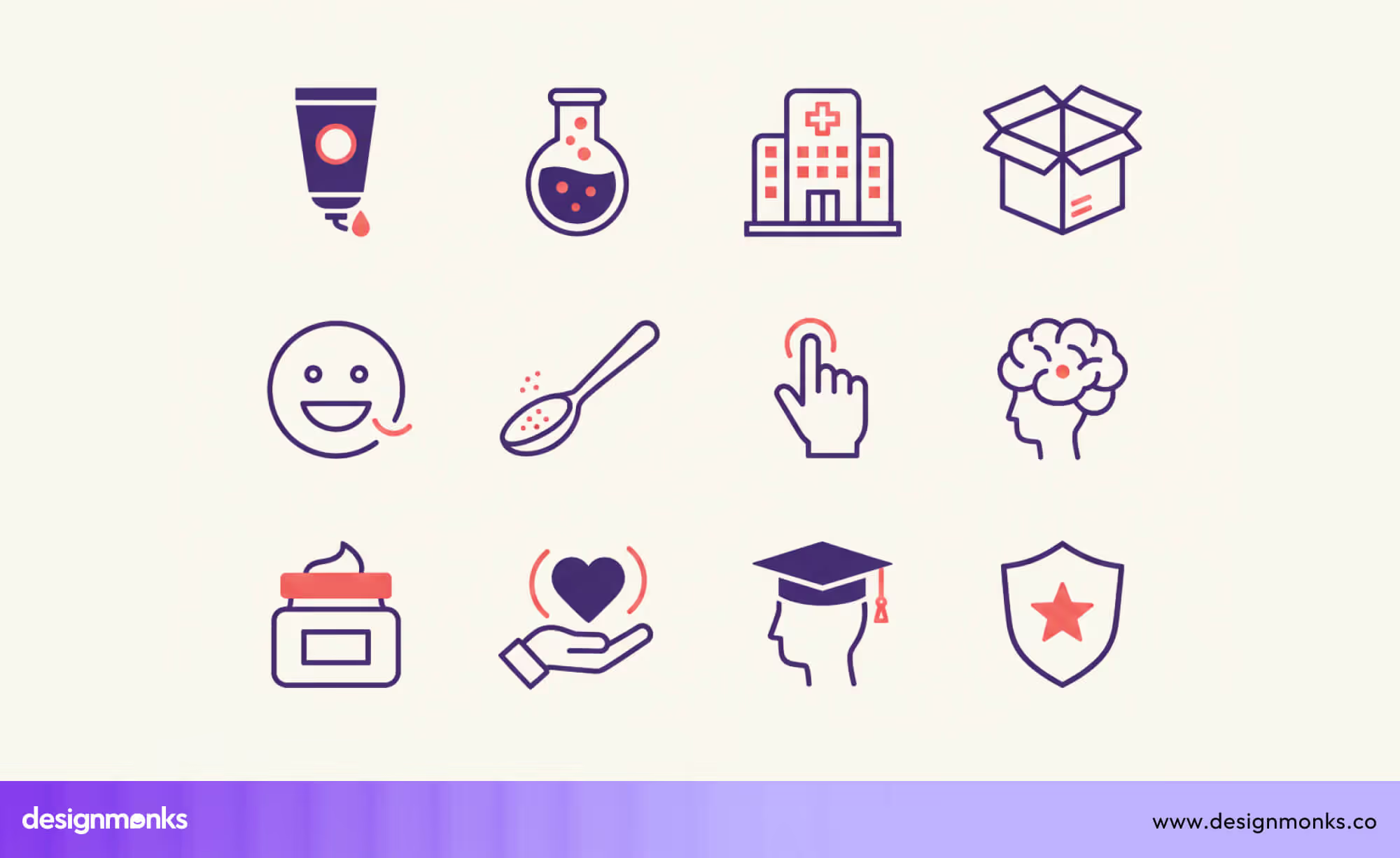
In marketing collateral, icons make websites, apps, and posters easy to read. They guide the eye and save space. Good icon design uses clear shapes, simple colors, and familiar symbols so even new users can understand the message without reading long text.
Packaging Design
Packaging design is how a product looks on the outside. It includes the box, bottle, label, and all printed parts. Good packaging attracts buyers, tells what the product is, and builds trust.
Colors, images, and words must be clear and neat. For example, food packages show ingredients and taste, while beauty products show style and care. Packaging is also a form of marketing collateral because it represents the brand on store shelves and helps customers choose one product over another.
Print Marketing Materials
Print marketing materials are physical items, such as brochures, flyers, posters, and business cards. A brochure gives full details about a service. A flyer shares quick news or offers. Posters catch attention in public places. Business cards help people remember your contact.
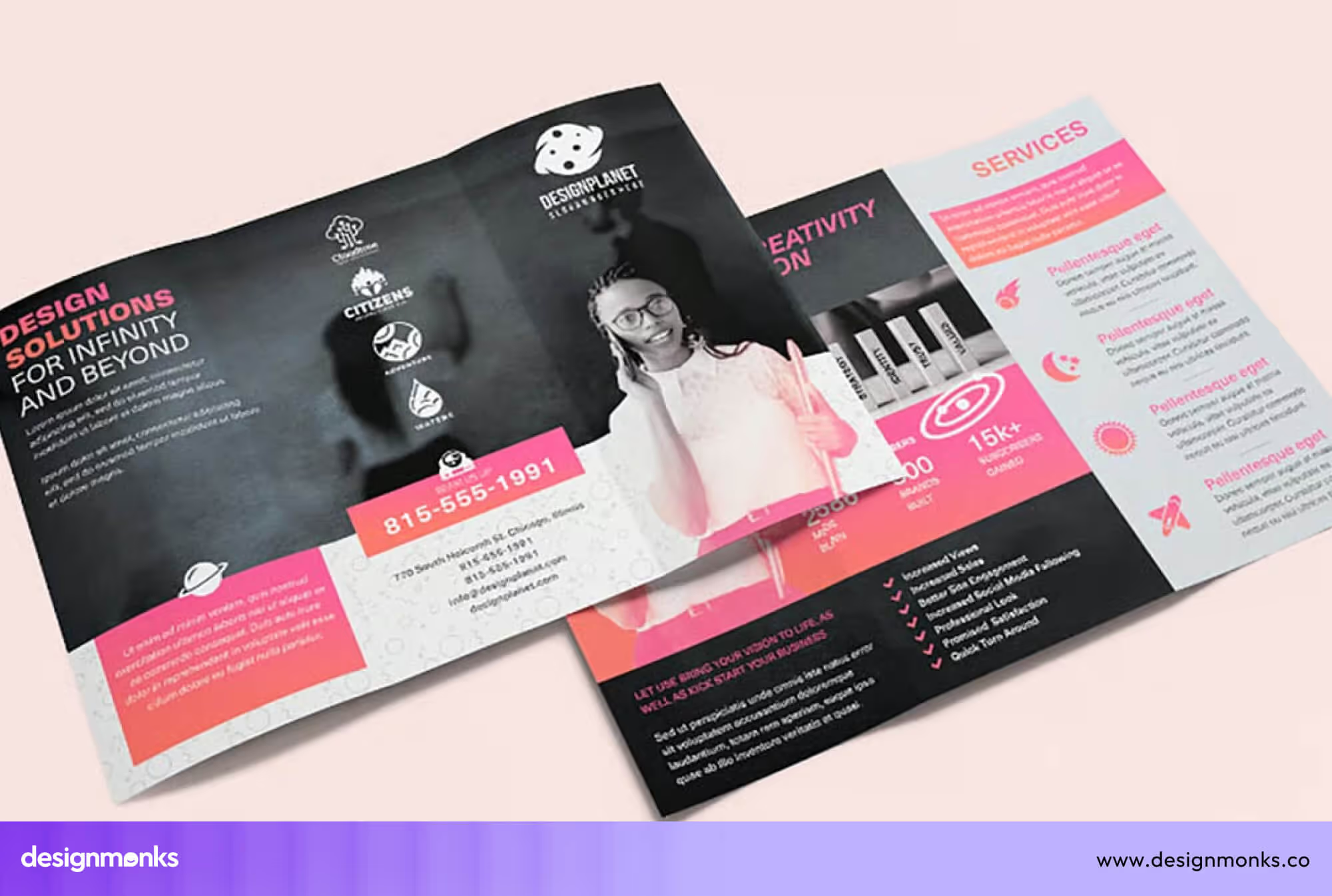
Print still matters because people can touch and keep these items. In print advertising design, clear text, strong images, and good layout help the message stay in the reader’s mind longer.
Digital Marketing Materials
Digital marketing materials are designed for online use. These include social media posts, display ads, landing page visuals, and email graphics. They help brands talk to people on phones and computers. A landing page visual guides visitors to sign up or buy.
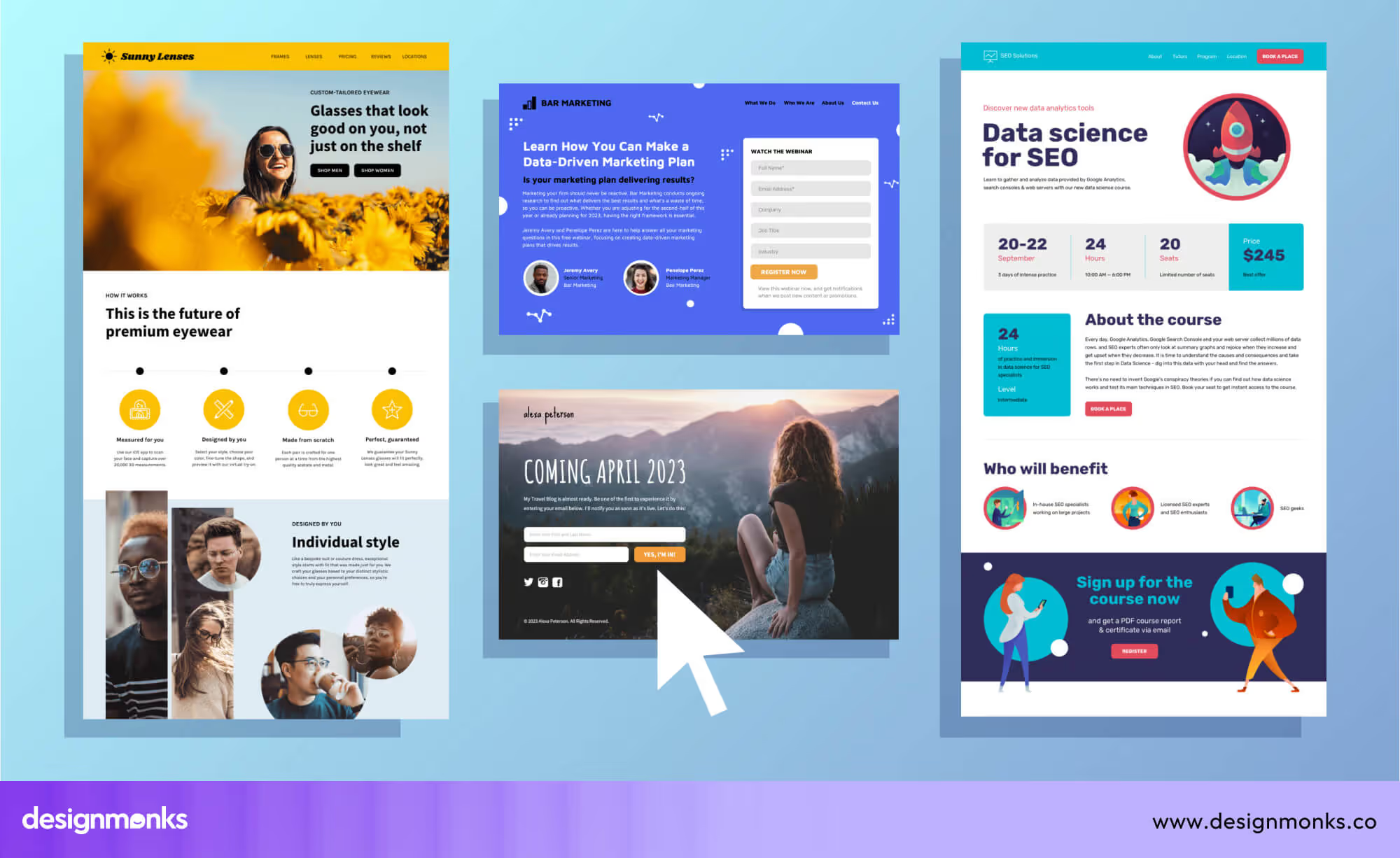
Social media creatives build interest and sharing. In digital marketing, bright colors, clear words, and simple images work best. These online marketing visuals must load fast and look good on all screen sizes.
Sales & Brand Support Materials
Sales and brand support materials help teams explain and sell a product. These include pitch decks, presentations, and one-page sheets. A pitch deck tells a company’s story to investors. Presentations help during meetings. One-pagers give quick facts about the company.

All these support brand identity by using the same colors, logo, and style. In sales enablement design, the goal is clarity. Simple slides and strong visuals help people understand and trust the brand.
Illustration
Illustration means using custom drawings instead of photos. Illustrations can explain ideas, show stories, and add a friendly feel. They are used in websites, ads, books, and social media. Simple illustrations help easily explain hard topics.
For example, a drawing can show how an app works step by step. In marketing collateral, illustrations make the brand look unique and help messages feel warm, clear, and easy to remember.
Key Elements of Effective Marketing Material Design
Good marketing design is not only about looking nice. It is about helping people understand the message quickly and clearly. When the main elements work well together, the design becomes easy to read and remember. Now let’s see the key parts that make marketing materials truly effective:
Visual Hierarchy & Layout
Visual hierarchy means deciding what the viewer should notice first, second, and third. Layout is the way text, images, and space are arranged to support that order. When the title is larger, the key message is placed in the center, and the details are neatly below, the eyes move naturally across the page.
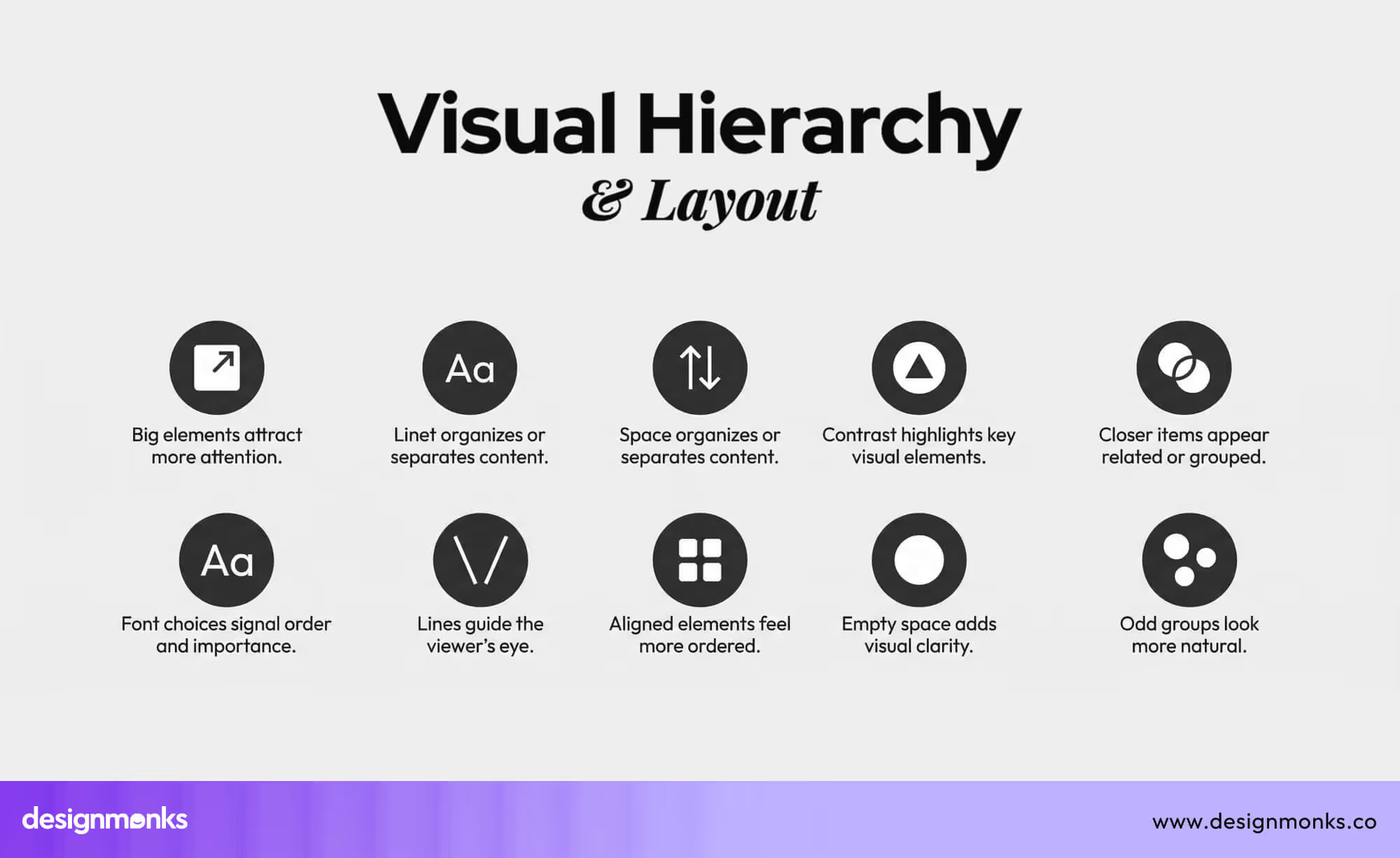
White space gives breathing room and keeps the design from feeling crowded. A clear layout structure helps people quickly understand where to look and what the message is about. Always show the most important message first and keep enough empty space so the page does not look crowded.
Typography & Color Psychology
Once the layout guides the eyes, fonts and colors shape how the message feels. Typography controls how easy the words are to read and what mood they create. Simple fonts feel friendly and clear, while heavy fonts feel strong and serious.
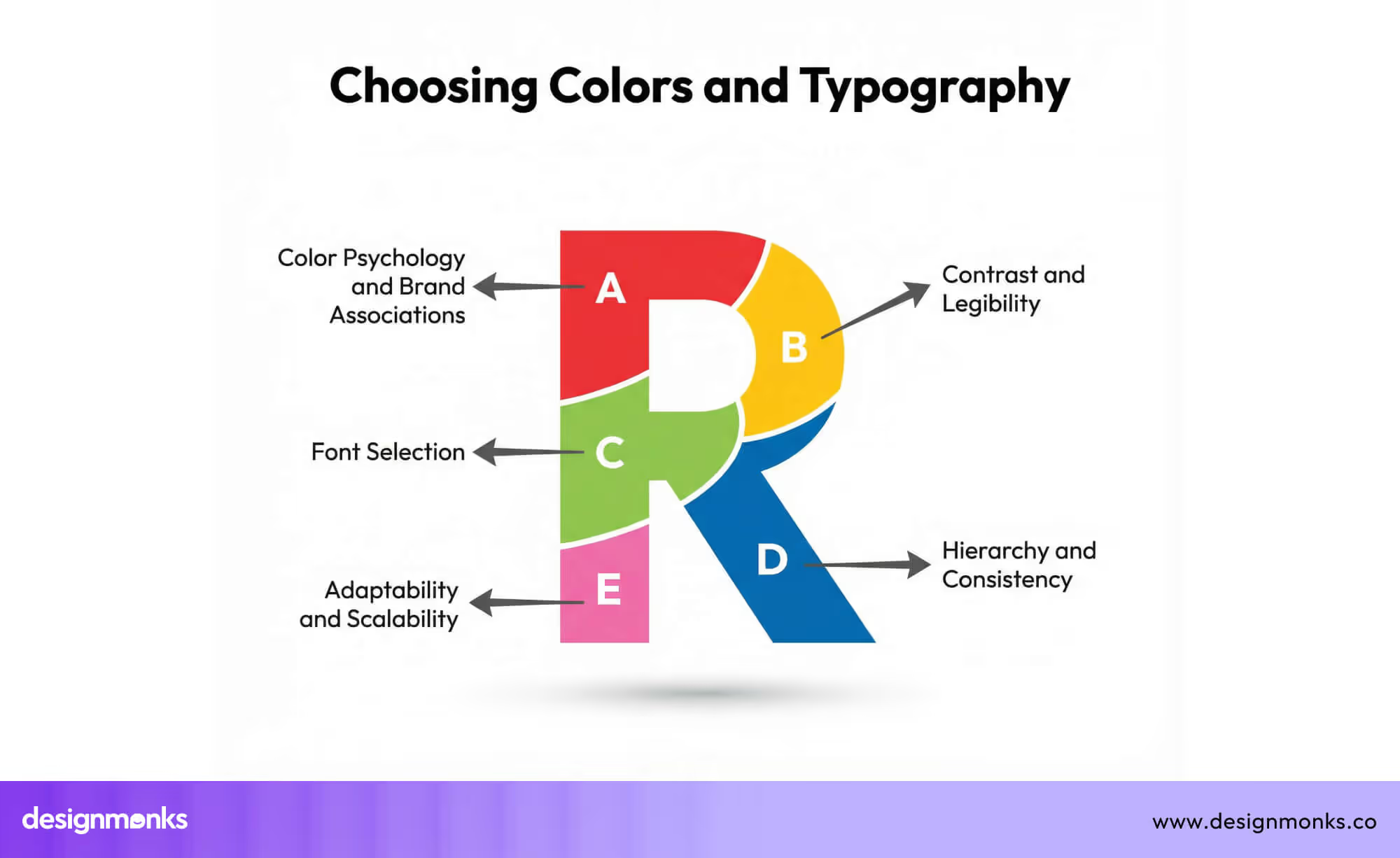
Color theory explains how colors affect emotions and memory. For example, blue often feels calm and trustworthy, while red feels energetic. When the right fonts and brand colors are used together, they make the message more attractive and easier to remember. Use easy-to-read fonts and 2-3 main colors that match the feeling you want people to have.
Brand Consistency & Messaging
When the same fonts, colors, and style are used again and again, people start to recognize the brand quickly. This is called brand consistency. It means following brand guidelines so that every poster, website, or presentation looks and sounds like it comes from the same place.
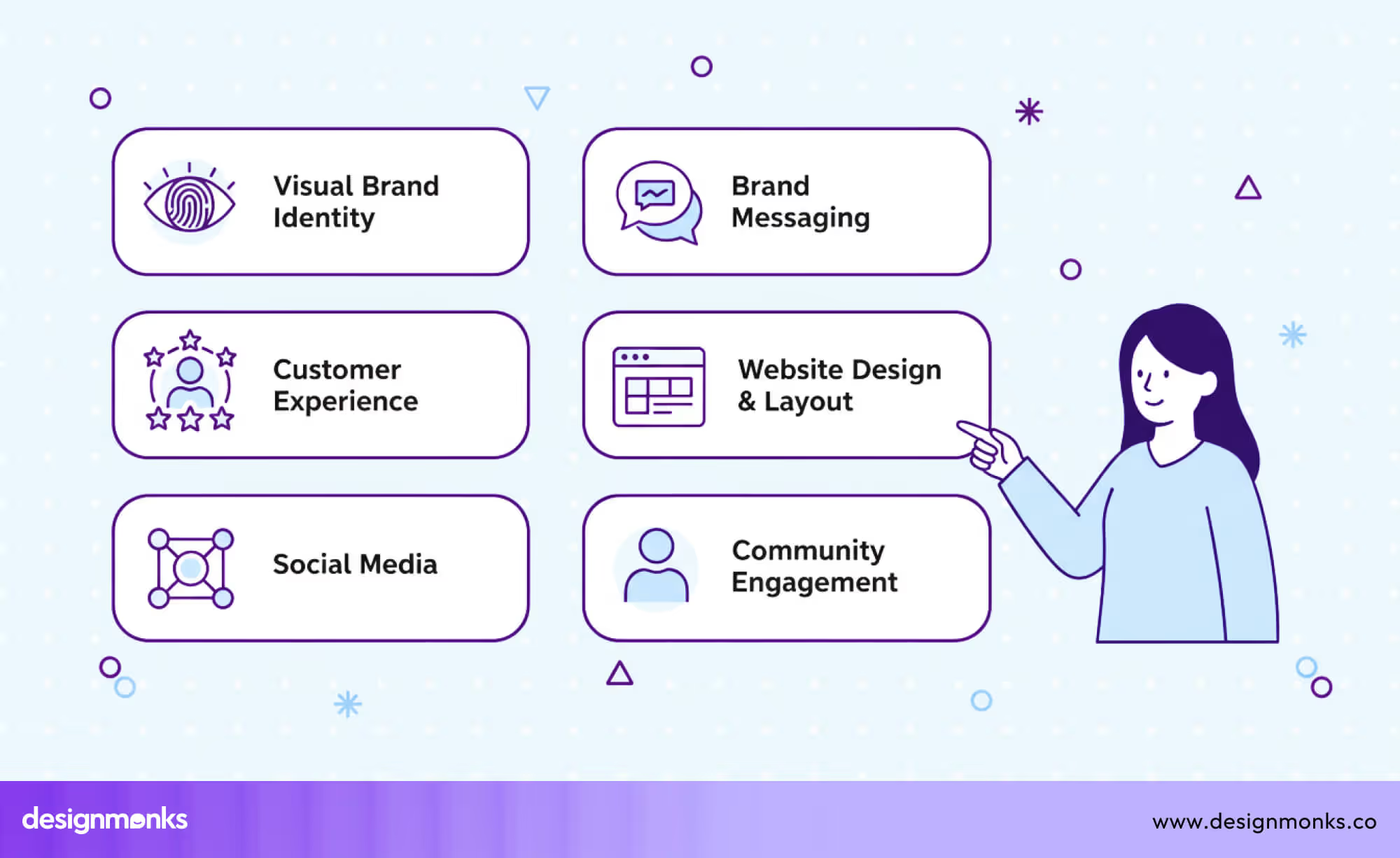
When the visuals match the brand identity, and the words match the brand’s tone and values, the message feels clear and trustworthy. Over time, this steady look and voice help build a strong connection with the audience.
Marketing Material Design Process
Creating effective marketing materials doesn’t happen by chance. There is a clear process that guides designers from idea to final product. Following a guided approach ensures the design communicates the right message and connects with the audience. Let’s break down the process in simple, practical steps:
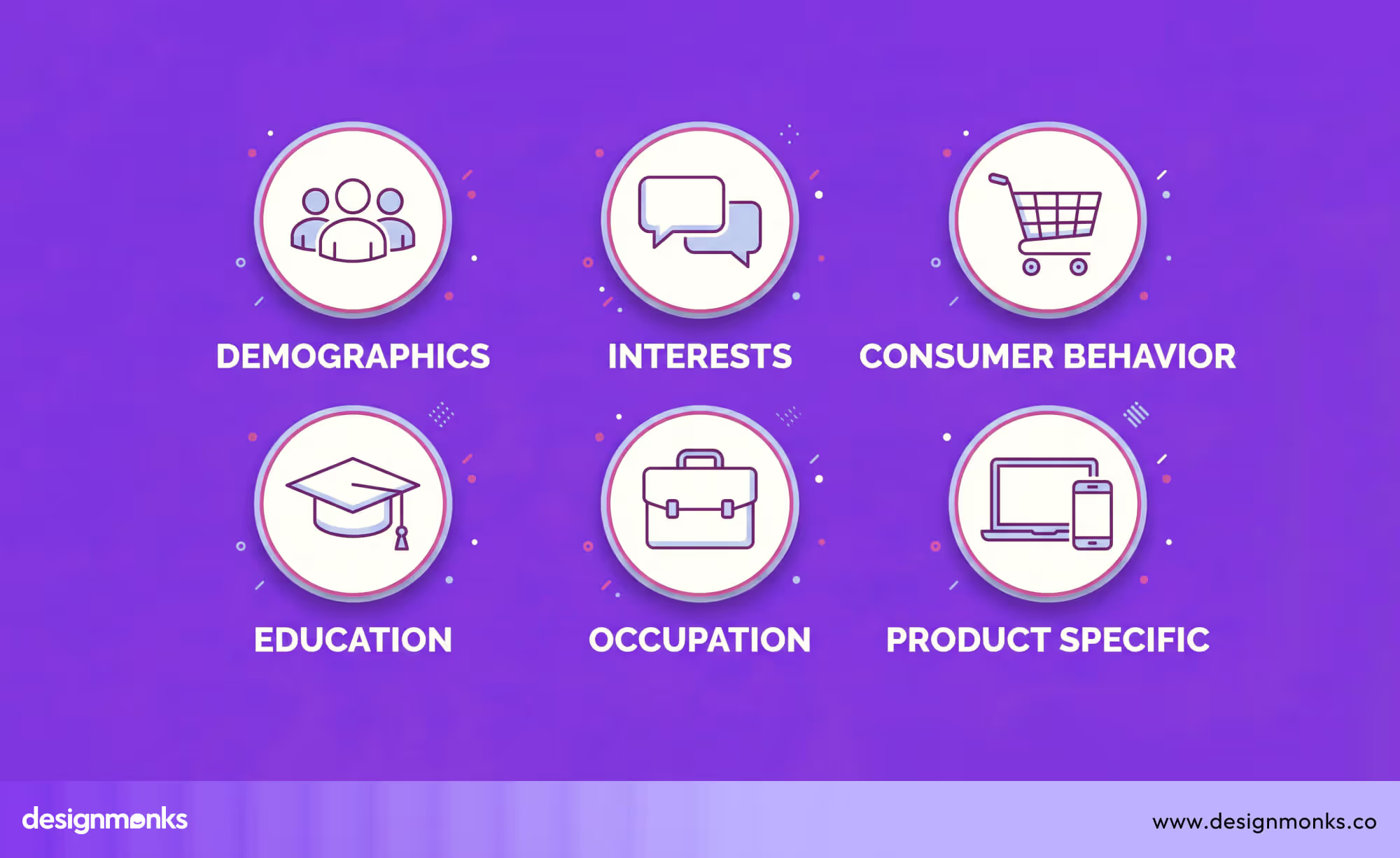
Research & Audience Understanding
The first step is knowing who the materials are for. Designers create an audience persona, which is a simple description of the ideal customer. They study the audience’s needs, problems, or pain points and what they want to achieve.
This helps in planning messages that will truly connect. Intent mapping is also done, which means understanding why people will read or use the material. When designers know the audience well, the marketing material is more likely to attract attention and be useful.
Concept Development & Wireframing
Next comes concept development. This is where designers generate ideas for how the materials will look and feel. They decide what content goes first, second, and last, which is called content hierarchy.
Early drafts, called wireframes, are simple sketches of the layout without full design details. Wireframing helps check the flow of information and ensures the design will guide the user naturally. This stage saves time because changes are easy before final production.
Design Execution & Review
Finally, designers bring the concepts to life with colors, images, fonts, and final layouts. This is the design execution stage. Feedback loops are important as designs are shared with team members or clients to get suggestions.
After adjustments, the materials are optimized for print or digital use. This step ensures the final marketing material looks professional, communicates clearly, and works well for the audience. Following this process avoids guesswork and creates strong, effective designs.
Marketing Material Design Best Practices
Creating marketing materials that really connect with your audience takes more than just pretty visuals. These simple best practices help your designs guide people, deliver your message clearly, and encourage action:
- Clear CTA Placement: Put the Call-To-Action where it is easy to spot, like near the main message or at the end, and use colors or buttons that stand out.
- Readability & Contrast: Choose simple fonts, avoid too many styles, and make text stand out against the background so it is easy to read.
- Channel-Specific Sizing: Adjust the size of your design for each platform, whether social media, email, website, or print, to keep everything visible and professional.
- Accessibility Considerations: Make materials usable for everyone by using clear fonts, readable colors, simple layouts, and adding alt text for images.
- Consistent Branding: Keep fonts, colors, logos, and tone consistent across all materials so your brand is easily recognizable and builds trust.
Examples of High-Performing Marketing Materials
Marketing materials are only as good as the results they bring. The most effective designs do more than look appealing, they grab attention, clearly explain a message, and encourage people to take action.
Let’s explore standout examples from both B2B and B2C marketing to understand the key strategies behind their success:
B2B Marketing Material Examples
B2B (business-to-business) marketing materials are designed to communicate with other companies or professionals.
Pitch decks are a great example, they are simple slide presentations that explain a company’s product, idea, or service to investors or partners. They use clear headings, charts, and visuals to make complex information easy to follow.
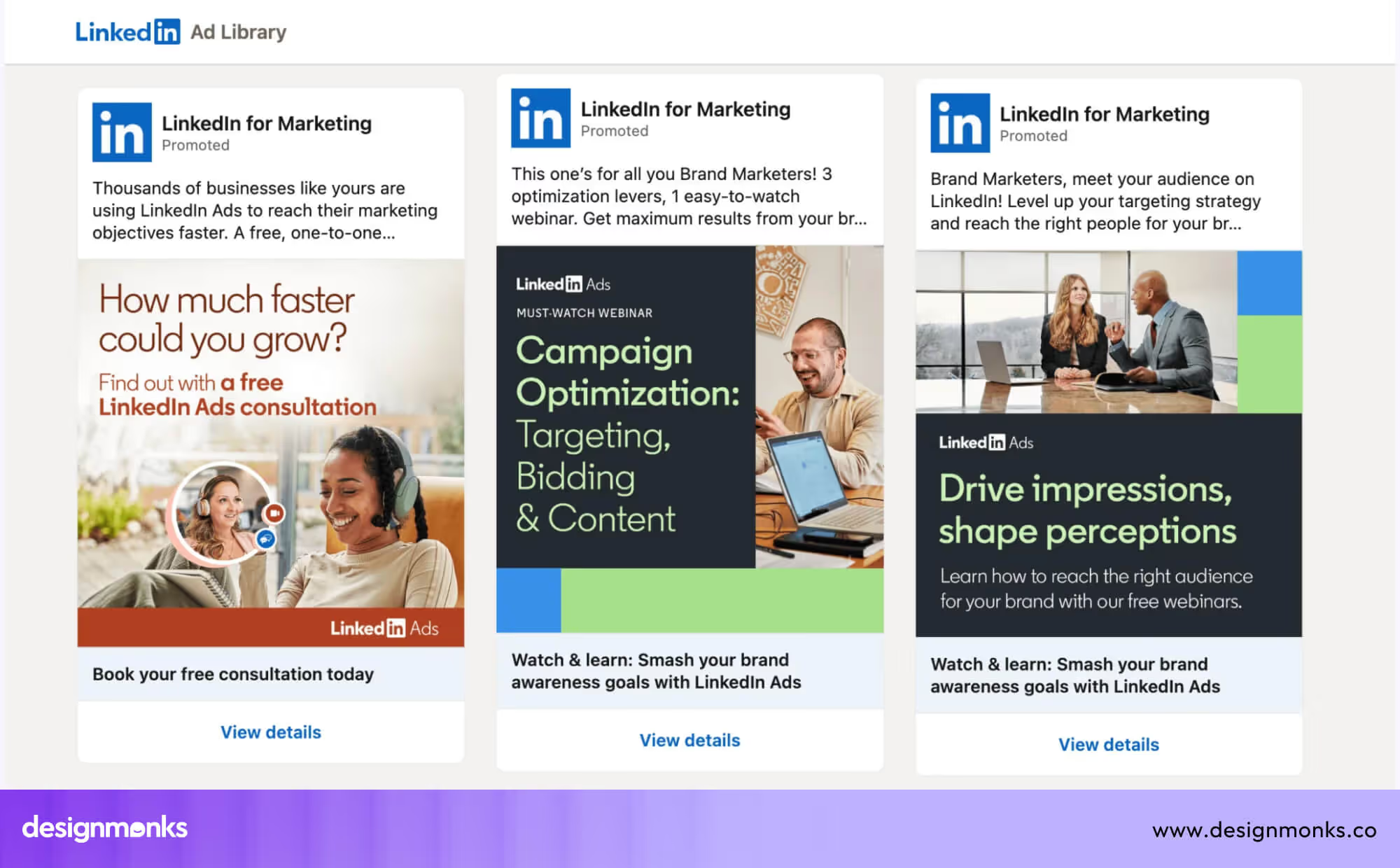
For example, LinkedIn ads target professional audiences with short, clear messages, strong visuals, and a clear call-to-action to drive engagement.
Whitepaper visuals use diagrams, charts, and images to support written reports and help professionals quickly understand detailed or technical information. These materials work because they focus on clarity and usefulness for their audience.
B2C Marketing Material Examples
B2C (business-to-consumer) marketing materials are aimed directly at customers. Social ads on Instagram, Facebook, or TikTok are designed to catch attention in seconds. They use bright colors, simple text, and eye-catching visuals to make people notice and click.
Posters, whether printed or digital, are placed in public spaces to share messages quickly. Strong images, concise wording, and bold colors make them memorable.
Promotional banners, on the other hand, are used online or in stores to highlight offers or sales and include clear CTAs, so customers know exactly what to do. These materials work because they grab attention fast and clearly show the benefit or action.
Marketing Material Design Tools & Software
Professional designers use tools to create marketing materials more efficiently, but knowing which ones to use doesn’t mean you need to be an expert right away. These tools help bring ideas to life, organize content, and make designs look polished:
- Canva: A beginner-friendly tool with templates for social media posts, posters, and banners. It’s easy to use and great for quick designs.
- Adobe Illustrator: Used for creating logos, icons, and detailed illustrations. It gives precise control over shapes, colors, and typography.
- Adobe InDesign: Ideal for brochures, magazines, and multi-page documents. It helps keep layouts consistent and professional.
- Figma: Popular for digital design, like website visuals, landing pages, and app interfaces. It’s great for collaboration and real-time feedback.
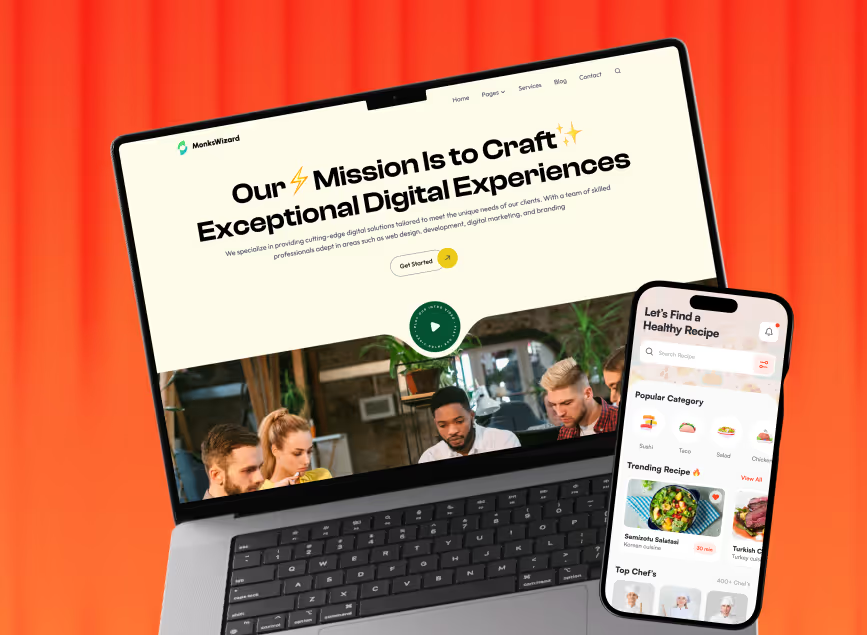
If you want professional-quality marketing materials but don’t have the time or tools, we at Design Monks can handle the design process from start to finish. Our team combines creative expertise with the right tools to produce materials that look polished, communicate clearly, and perform well.
We believe that even beginners can start simple and grow as they practice, but having expert guidance makes the process faster, easier, and more effective.
Marketing Material Design FAQs
What is included in marketing materials?
Marketing materials include anything used to promote a business, such as brochures, posters, social media posts, landing pages, pitch decks, and email graphics.
How much does marketing material design cost?
Costs vary depending on complexity, type of material, and whether a professional designer or agency is hired. Simple designs may be low cost, while multi-page brochures or full campaigns can cost more.
Print vs Digital Marketing Materials: Which is better?
Print materials are physical, like posters, flyers, or business cards. Digital materials are used online, like social media posts, emails, or website visuals. Each type has its own benefits, and many businesses use both for maximum reach.


.avif)
.avif)
.avif)
.avif)


.avif)
.avif)
.avif)
.avif)






.avif)