.svg)



Key Takeaways
- Marketing agency websites act as proof of expertise and credibility.
- Clear UX, structure, and messaging significantly improve user trust and engagement.
- Strong portfolios and case studies help convert visitors into potential clients.
- Mobile-first, SEO-ready design ensures better reach, performance, and visibility online.
- Strategic planning, conversion optimization, and integrations drive consistent lead generation.
Marketing agency website design is the first real test of an agency’s marketing ability. Before speaking with a team or requesting a proposal, most businesses judge an agency by the experience they get from its website.
If the website feels clear, modern, and confident, visitors naturally assume the agency understands marketing strategy. But when the experience feels cluttered or confusing, trust quickly fades. Instead of overwhelming people with information, the best a website can do is make every section purposeful and easy to explore.
So what exactly separates an average agency website from one that consistently attracts new clients? Let's find out!
What Is Marketing Agency Website Design?
Marketing agency website design refers to how a marketing agency plans and builds its website to present services, show results, and attract new clients. The website acts like an online office where visitors learn about the team, explore projects, and understand services.
For a digital marketing agency, the website also proves its marketing skills and professional experience. If the site feels clear, fast, and simple, visitors quickly develop stronger trust in the agency’s abilities.
Moreover, the website's structure usually includes service pages, case studies, testimonials, and strong calls to action that encourage visitors to contact the agency.
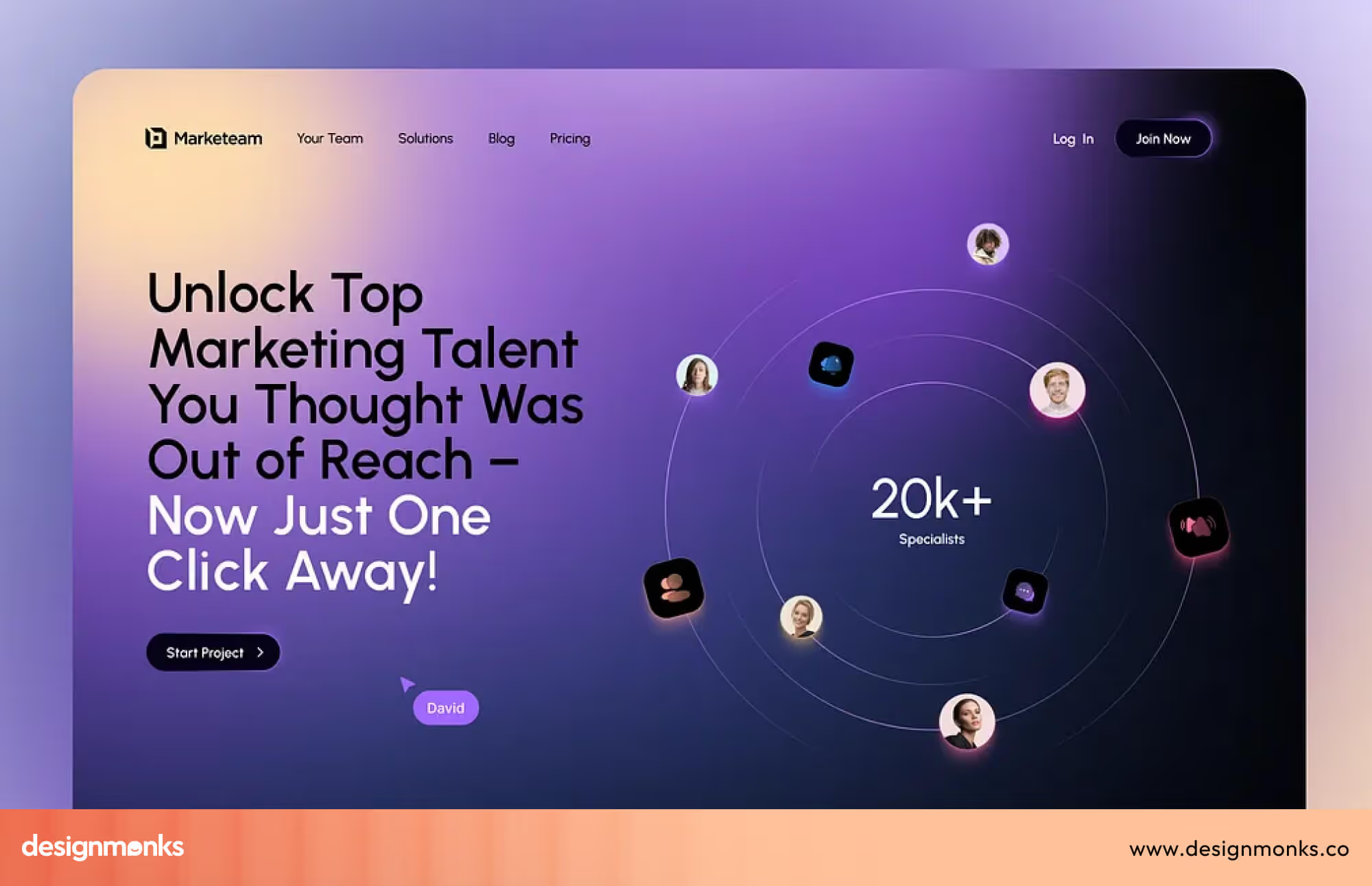
A well-designed agency website also focuses strongly on lead generation by guiding visitors toward simple and useful actions. These actions may include booking consultations, requesting proposals, or filling out quick contact forms. The design, layout, and content work together to turn curious visitors into interested prospects and potential clients.
Another important goal is brand positioning. The website helps an agency show what makes it different from competitors. Through visuals, messaging, and examples of work, the site communicates the agency’s unique style, expertise, and industry focus.
In this way, a marketing agency website becomes both a business tool and a living proof of the agency's capabilities. Because of this role, it is important to understand its purpose and how it differs from typical business websites.
Purpose of a Marketing Agency Website
A marketing agency website plays several important roles in helping the agency grow its business:
First, it builds a strong brand image. When visitors land on the website, they immediately get a sense of the agency’s personality, style, and professionalism.
A well-designed website helps position the agency as trustworthy and experienced. This same consistency should extend beyond the website into other assets like brochures, ads, and presentations, which are part of effective marketing material design.
Second, the website supports client acquisition, which means attracting and winning new customers. Many businesses search online when they need marketing help. If the agency’s website clearly explains services and shows proven results, visitors are more likely to reach out.
Finally, the website acts as a long-term marketing tool. Through useful content, case studies, and service pages, the agency can continuously attract new visitors and turn them into potential leads.
How Agency Websites Differ From Normal Business Websites
Marketing agency websites are different from typical business websites. They must demonstrate marketing expertise through their own design and content.
Most standard business websites focus on explaining products or services. In contrast, agency websites focus more on results and proof of success. They often highlight detailed case studies that explain how the agency helped a client improve traffic, sales, or brand visibility.
Many agencies also treat their sites like portfolio websites. Instead of simply listing services, they show real projects, campaign results, and creative work. This helps visitors see the agency’s capabilities in action.
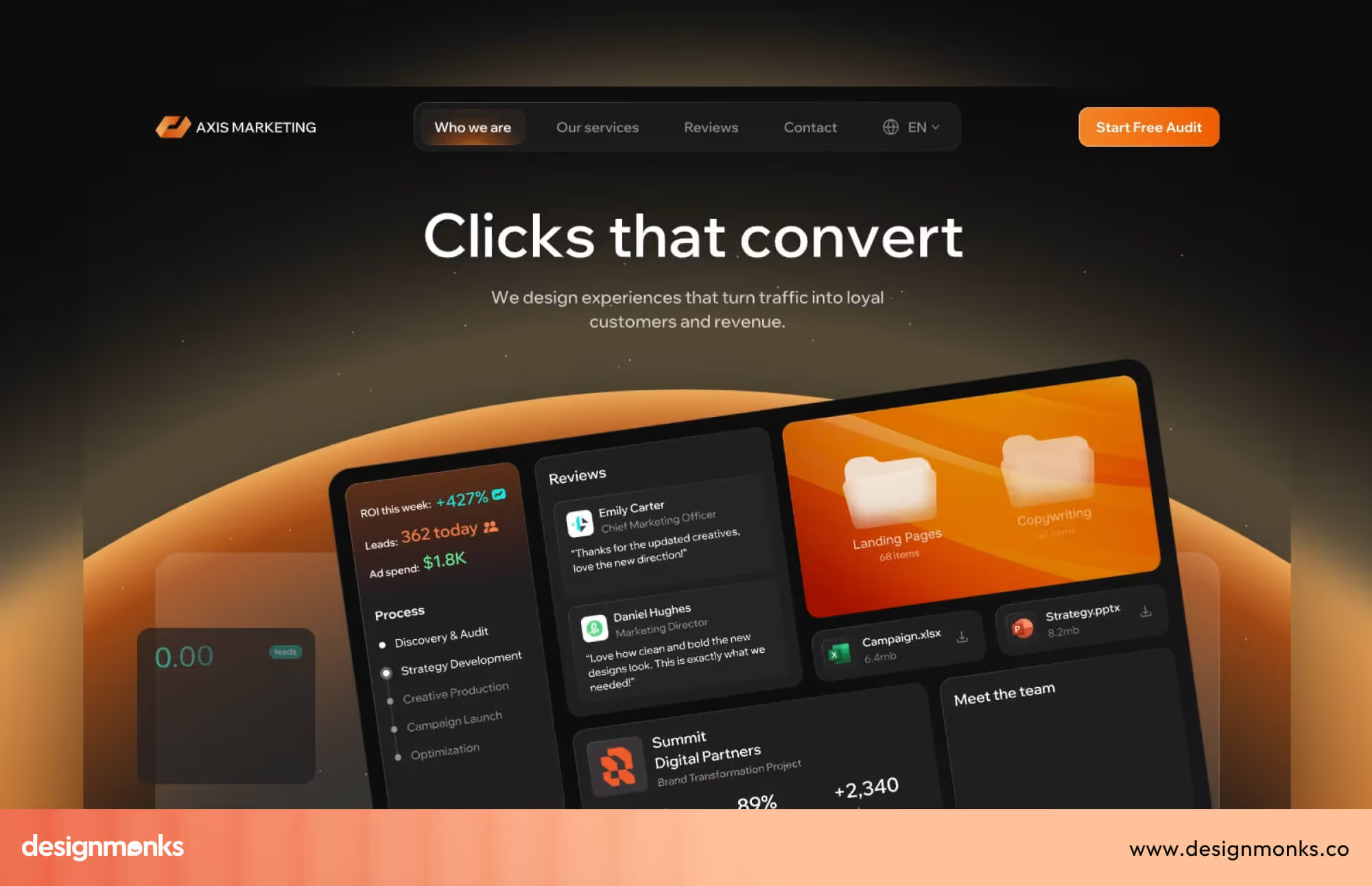
Another difference is the strong focus on conversion rate optimization. This means designing the website to encourage visitors to take action, such as booking a call or requesting a proposal.
Clear buttons, simple forms, and well-placed calls to action help increase client acquisition. Following best web design practices ensures these elements work together seamlessly.
Altogether, these differences show that a marketing agency website must work harder and smarter than a typical business site.
UX Design Principles for Marketing Agency Websites
User experience plays a huge role in how visitors interact with an agency website. User experience design focuses on making the website simple, clear, and enjoyable to use.
When visitors can easily find information and navigate without confusion, they stay longer, explore more, and are more likely to reach out. A smooth and professional experience also builds credibility and makes the agency appear more trustworthy and capable.
This is what separates a well-designed agency website from the rest, and it all comes down to a few key principles:
Visual Hierarchy and Layout
A key part of good UX is visual hierarchy. This means arranging content so visitors naturally notice the most important information first.
For example, a marketing agency website usually begins with a clear headline explaining what the agency does. Below that, sections may introduce services, highlight case studies, and present client testimonials.
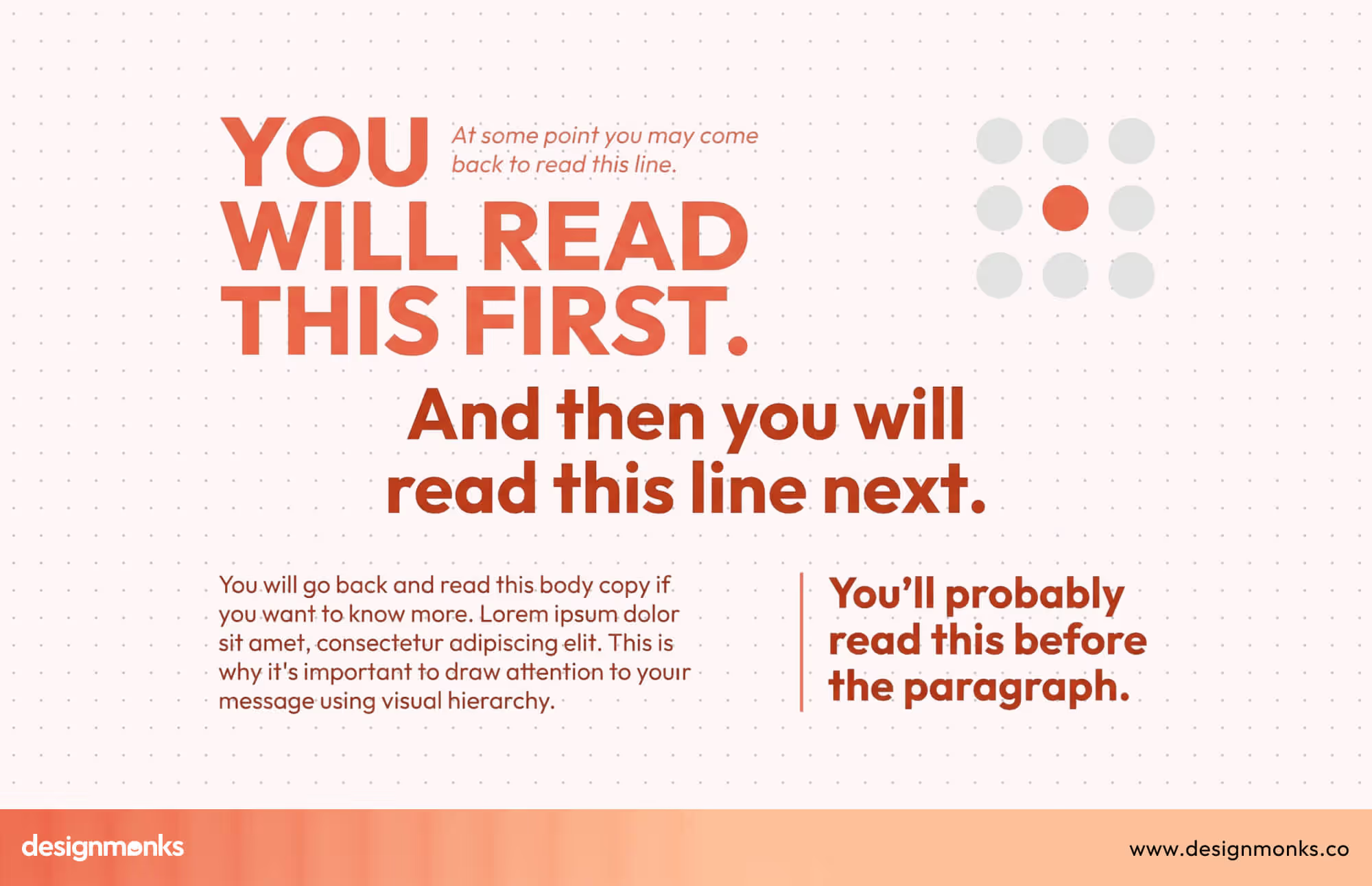
This structured layout helps visitors quickly scan the page and understand the agency’s value. Instead of overwhelming users with too much information, the website organizes content into clear blocks that guide the reader step by step.
Portfolio-Driven Storytelling
One of the strongest features of marketing agency websites is portfolio-driven storytelling. This approach uses real projects to show how the agency solves problems for clients.
Through case studies, the website explains the client’s challenge, the strategy used by the agency, and the final results. This form of UX storytelling makes the information more engaging and easier to understand.
Visitors do not just read about services, they see real examples of success. This builds trust and helps potential clients imagine how the agency could help their own business.
Mobile-First Design
Today, a large number of people browse websites on their phones. Because of this, marketing agencies must prioritize mobile-first design.
Mobile-first design means creating the website for small screens first and then adapting it for larger devices. This ensures the site loads quickly, text remains readable, and navigation stays simple on mobile devices.
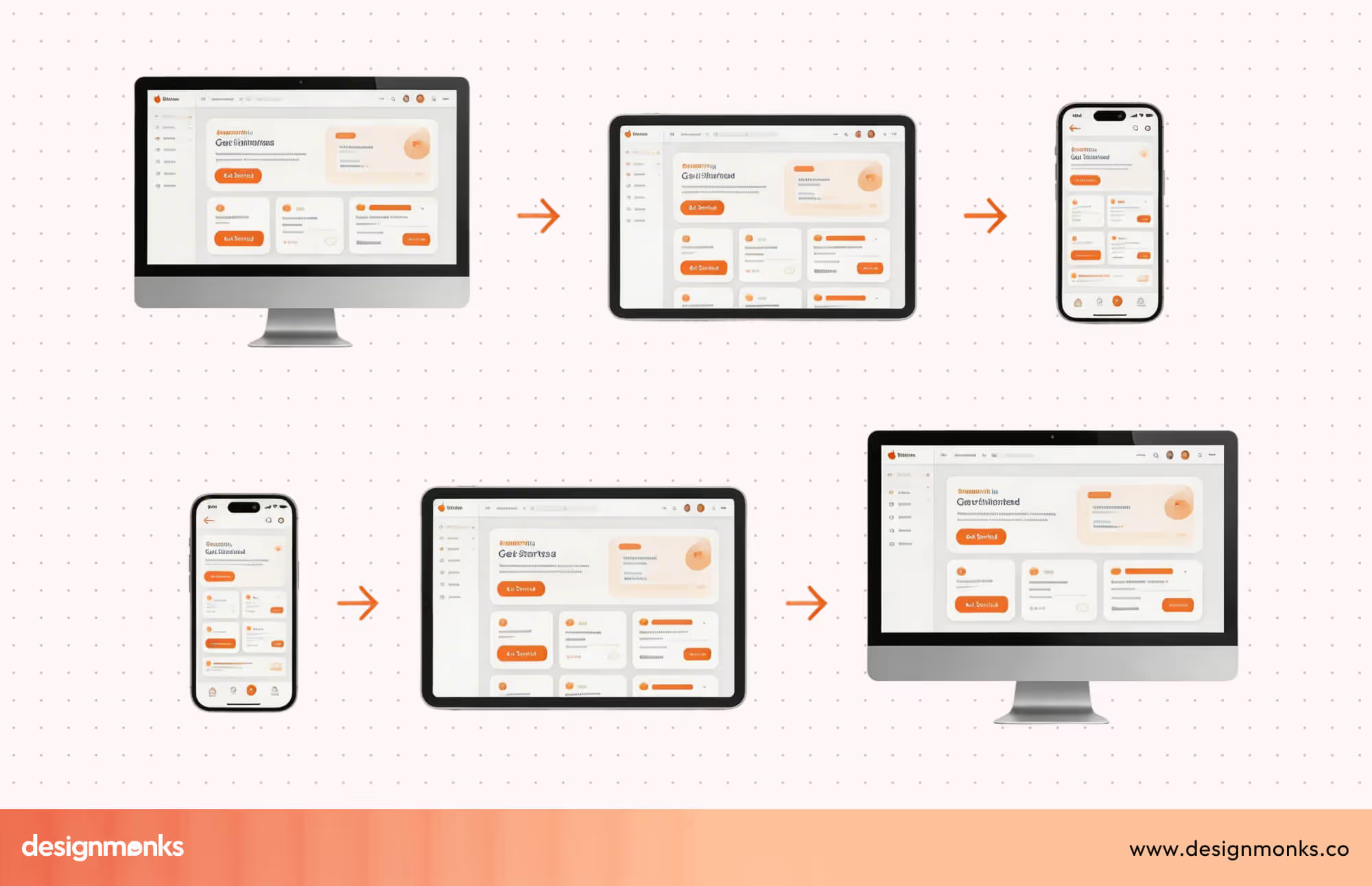
At the same time, agencies use responsive design, which allows the website to adjust its layout based on the screen size automatically. This ensures visitors get a smooth experience whether they are using a phone, tablet, or desktop computer.
When a website is easy to use on any device, it keeps visitors engaged and improves the chances of turning them into clients.
Best Marketing Agency Website Design Examples
A strong marketing agency website should look clear, professional, and easy to explore.
It should also guide visitors toward simple actions like contacting the agency or booking a consultation. To understand what good design looks like in practice, let’s look at a few real agency websites:
WebFX
WebFX is a good example of a website that feels modern and professional from the moment you land on it. The design is clean, with bright call-to-action buttons that stand out and guide visitors naturally.
The homepage is carefully structured. It introduces services, highlights client results, and shows the awards the agency has received.
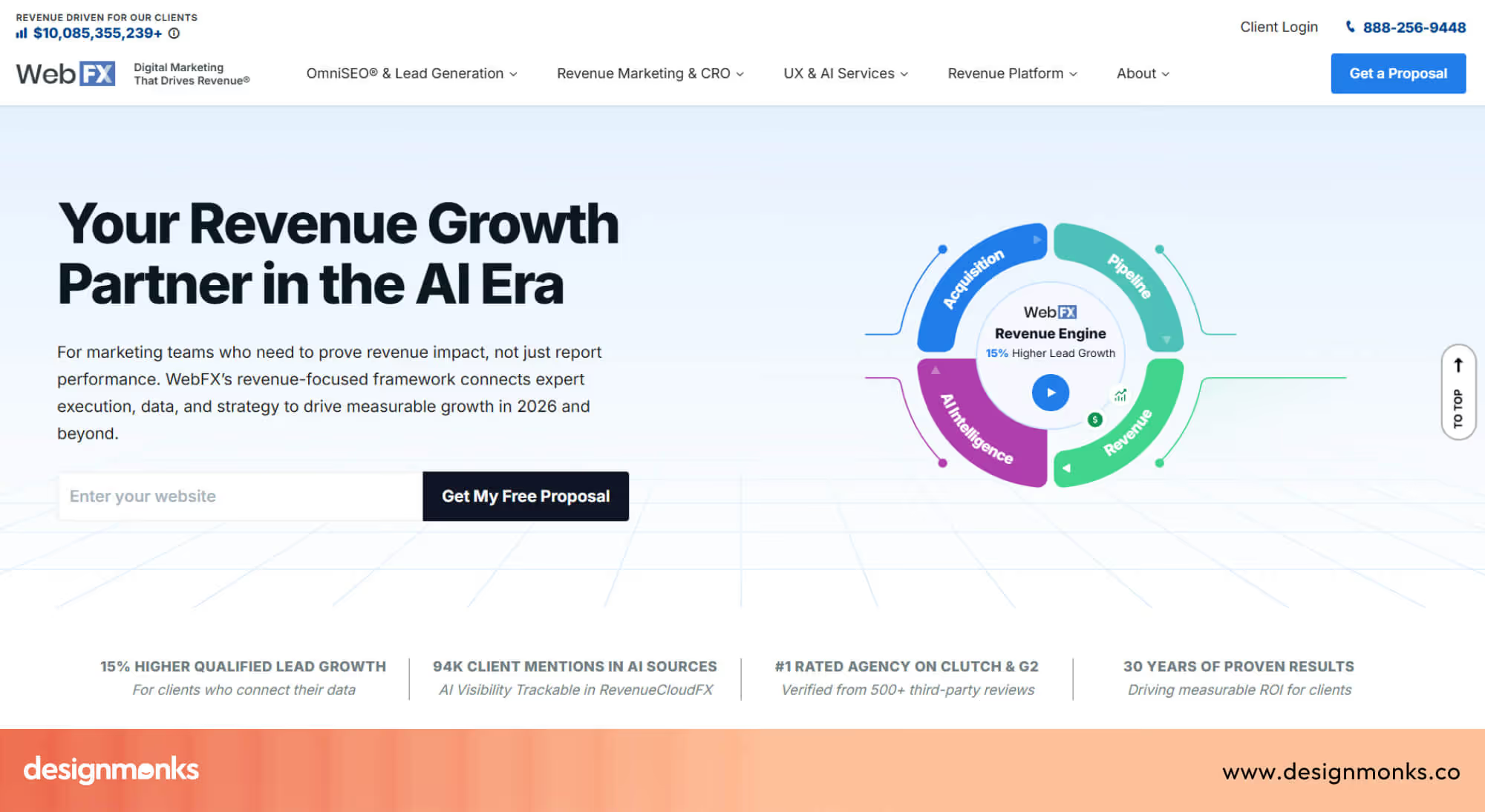
Because the sections are clearly organized, visitors can quickly scan the page and understand what the agency offers. WebFX also uses strong conversion techniques. Contact forms, free consultation buttons, and clear service links encourage visitors to take the next step.
SmartSites
Another strong example is SmartSites. Their website feels bold and visually engaging, yet still very easy to use. The design uses contrasting colors to highlight important sections and guide the visitor’s attention.
The layout is simple and well-organized. Different sections present services, case studies, and client testimonials clearly.

Navigation is also straightforward, which helps visitors move through the website without confusion. SmartSites also focuses heavily on lead generation. Sticky call-to-action buttons and quick forms make it easy for visitors to reach out.
Neil Patel Digital
Neil Patel Digital takes a slightly different approach. The design is clean and modern, with a strong focus on content. Because Neil Patel is a well-known marketing expert, the website also emphasizes personal branding.
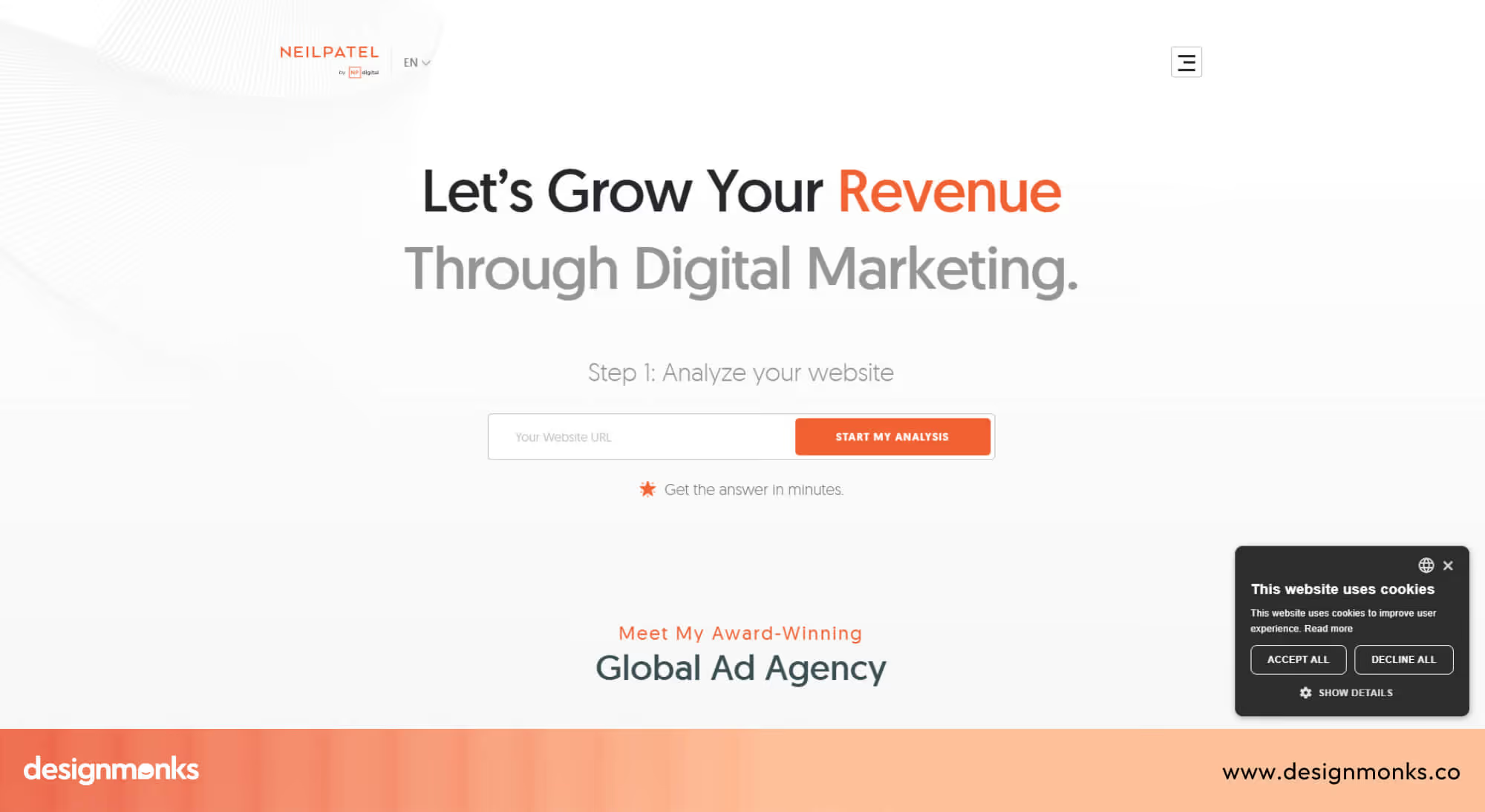
The homepage uses a long-scroll layout that presents services, case studies, and helpful resources step by step. This structure allows visitors to learn about the agency naturally as they move down the page.
The site also uses smart conversion techniques. Free tools, downloadable resources, and newsletter sign-ups help turn visitors into potential leads.
Single Grain
Single Grain offers another interesting example of effective agency design. The website uses a bold but simple style that focuses heavily on storytelling.
The homepage quickly explains what the agency does and shows real examples of client success. Services, results, and client stories are placed in clear sections that are easy to understand.
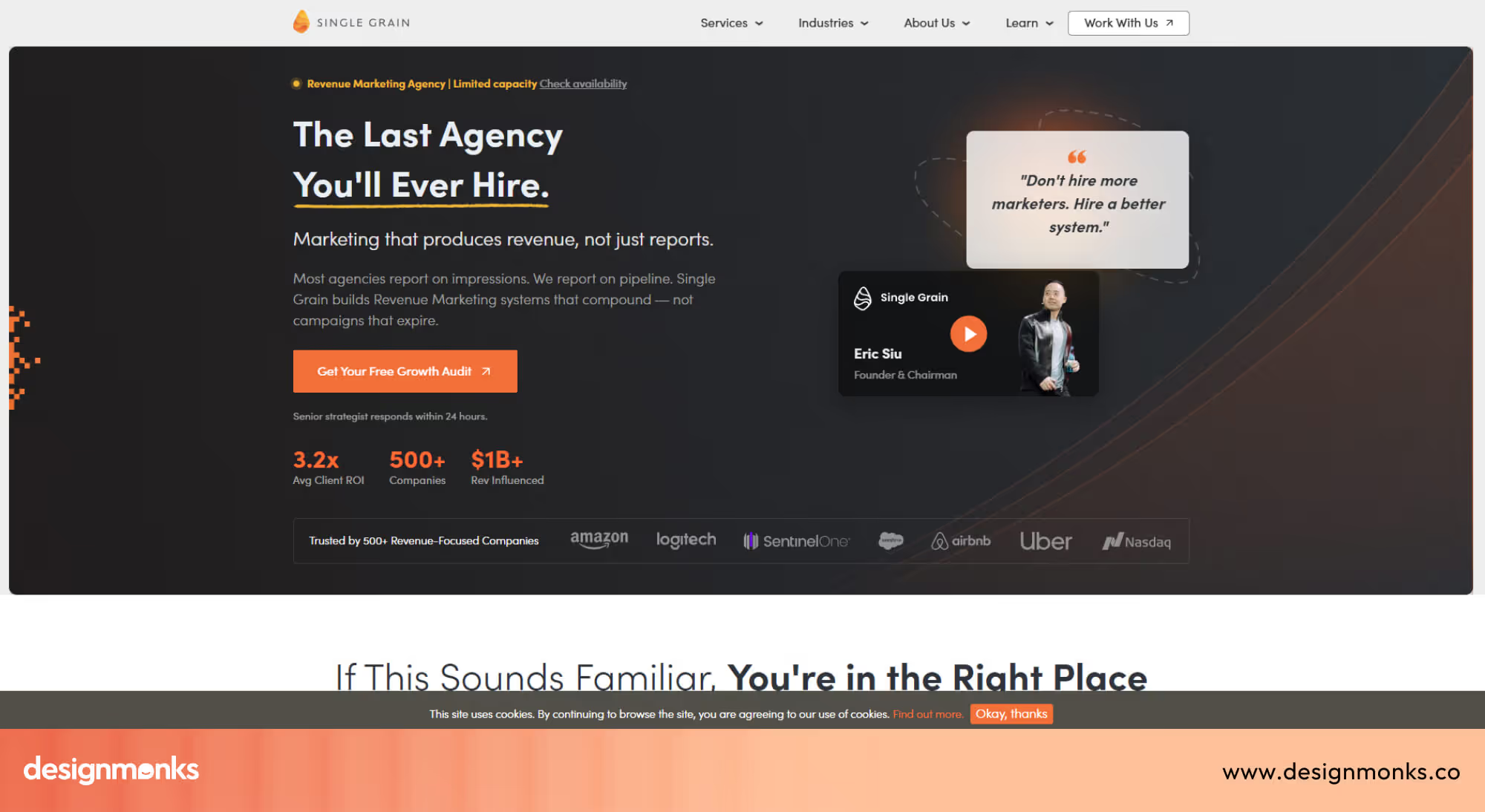
To encourage action, the website uses strong call-to-action buttons and clear contact options. These elements make it simple for visitors to schedule consultations or start a conversation with the agency.
How to Design a Marketing Agency Website (Step-by-Step)
Designing a marketing agency website is about planning the structure, content, and user journey carefully. A clear process helps agencies create websites that look professional, explain services clearly, and attract potential clients.
Below is a simple step-by-step workflow that many agencies follow when building their websites.
Define Target Industry or Niche
The first step is deciding who the agency wants to serve. Many agencies work better when they focus on a specific industry or niche. For example, an agency may specialize in SaaS companies, eCommerce brands, healthcare businesses, or startups.
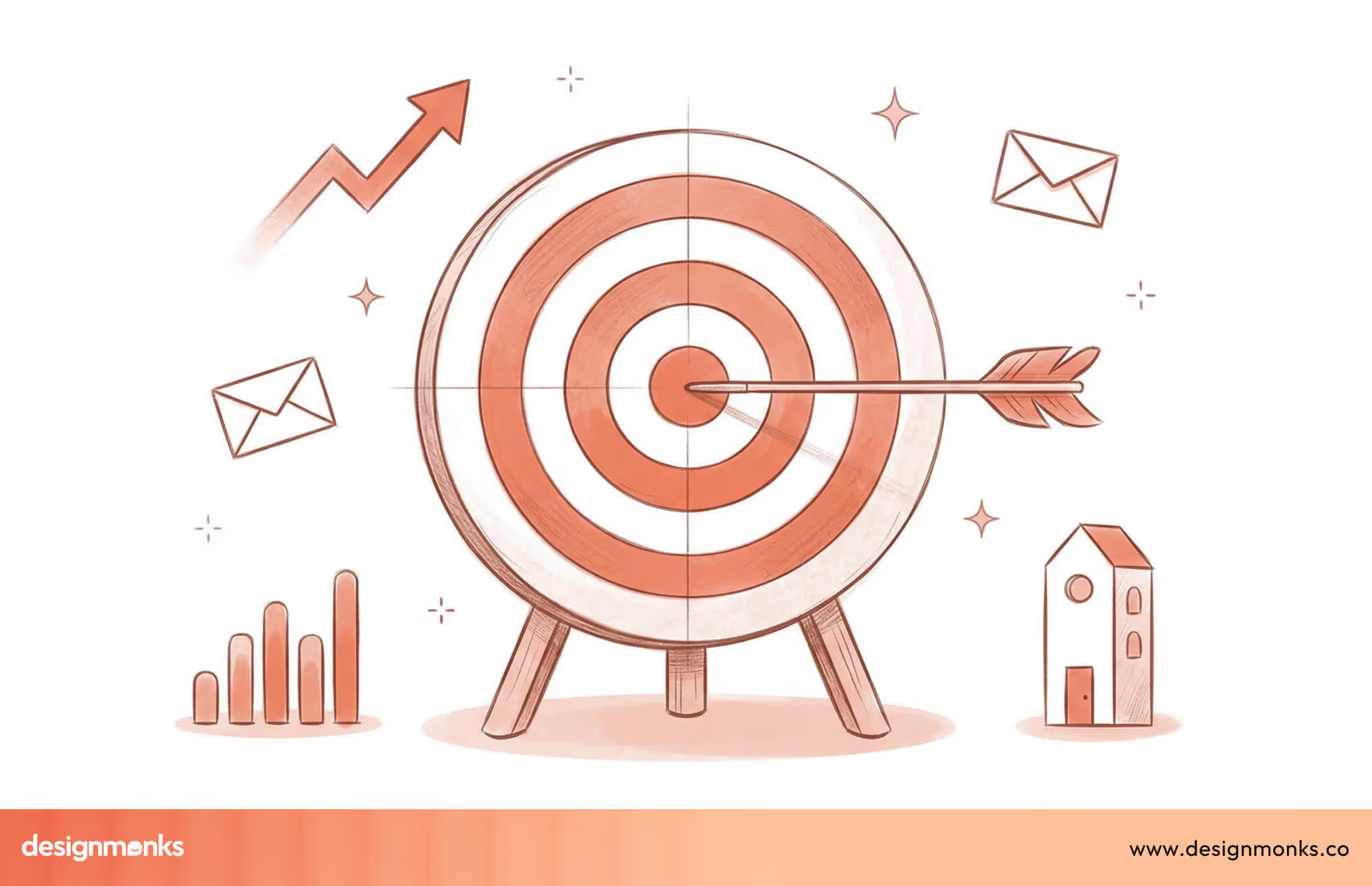
When the target audience is clear, the website can speak directly to their problems and goals. For example, industries like logistics or transportation often require specialized solutions such as fleet marketing design to maintain consistent branding across vehicles and digital platforms.
This also helps shape the messaging, design style, and case studies shown on the website. Visitors feel more confident when they see that the agency understands their industry.
Create Service Architecture
Once the target audience is clear, the next step is organizing the services the agency offers. This structure is called service architecture. It simply means deciding how services will be grouped and presented on the website.
For example, an agency may create separate pages for SEO, paid advertising, content marketing, and website design. Each service page explains what the agency does, how the process works, and what results clients can expect.
A clear service structure helps visitors quickly find the information they need.
Design Wireframes
After planning the services, the next step is designing wireframes. Wireframes are simple page layouts that show where content and design elements will appear. They usually look like basic sketches or diagrams. They show where headlines, images, text blocks, and buttons will go.
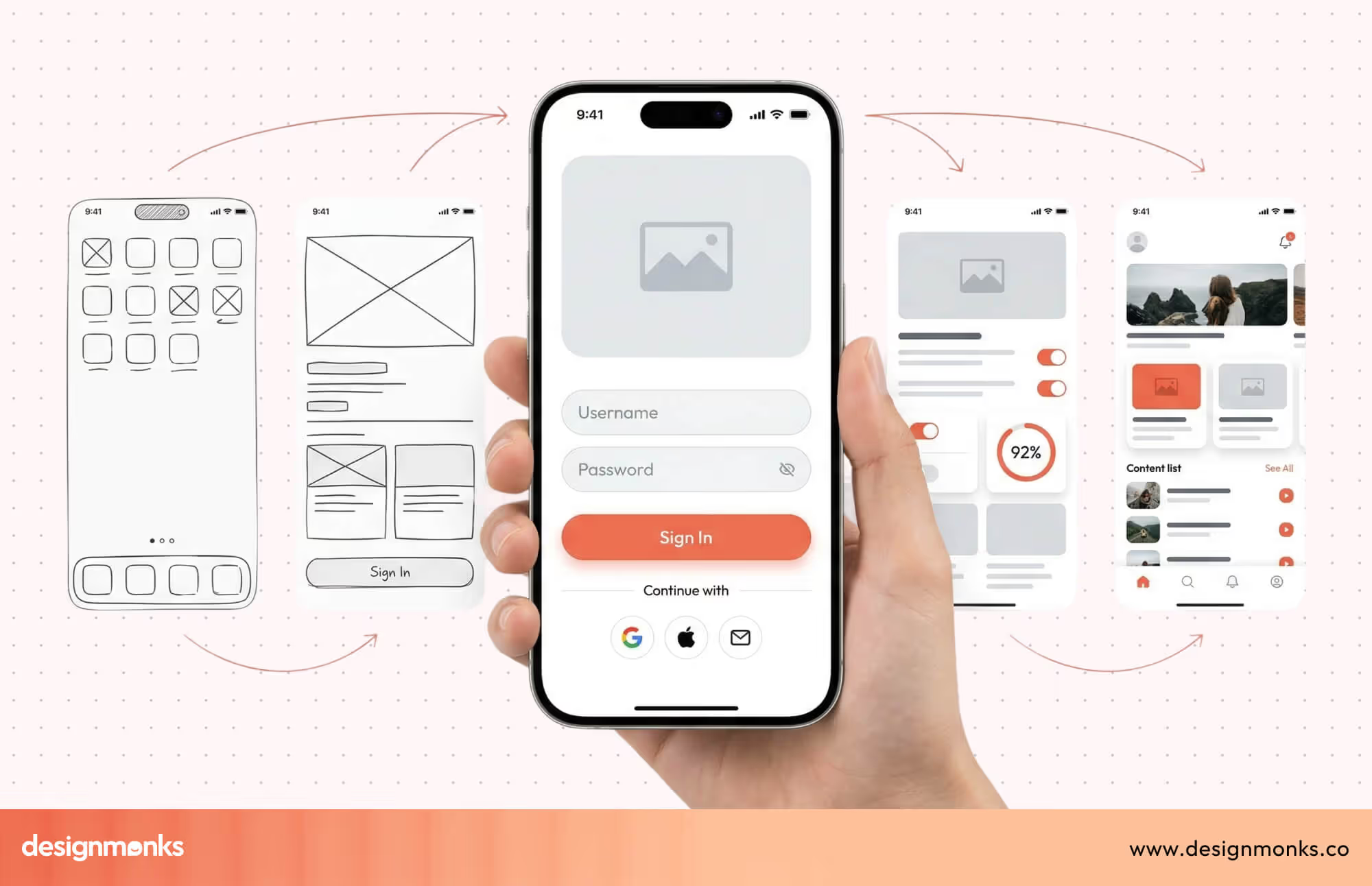
Wireframes help designers focus on layout and structure before worrying about colors or visual style. This step makes sure the website is easy to navigate and organized properly.
Build UI Design
Once the wireframes are approved, designers move to UI design. This is where the website begins to look visually complete. Designers add typography, colors, images, icons, and interactive elements.
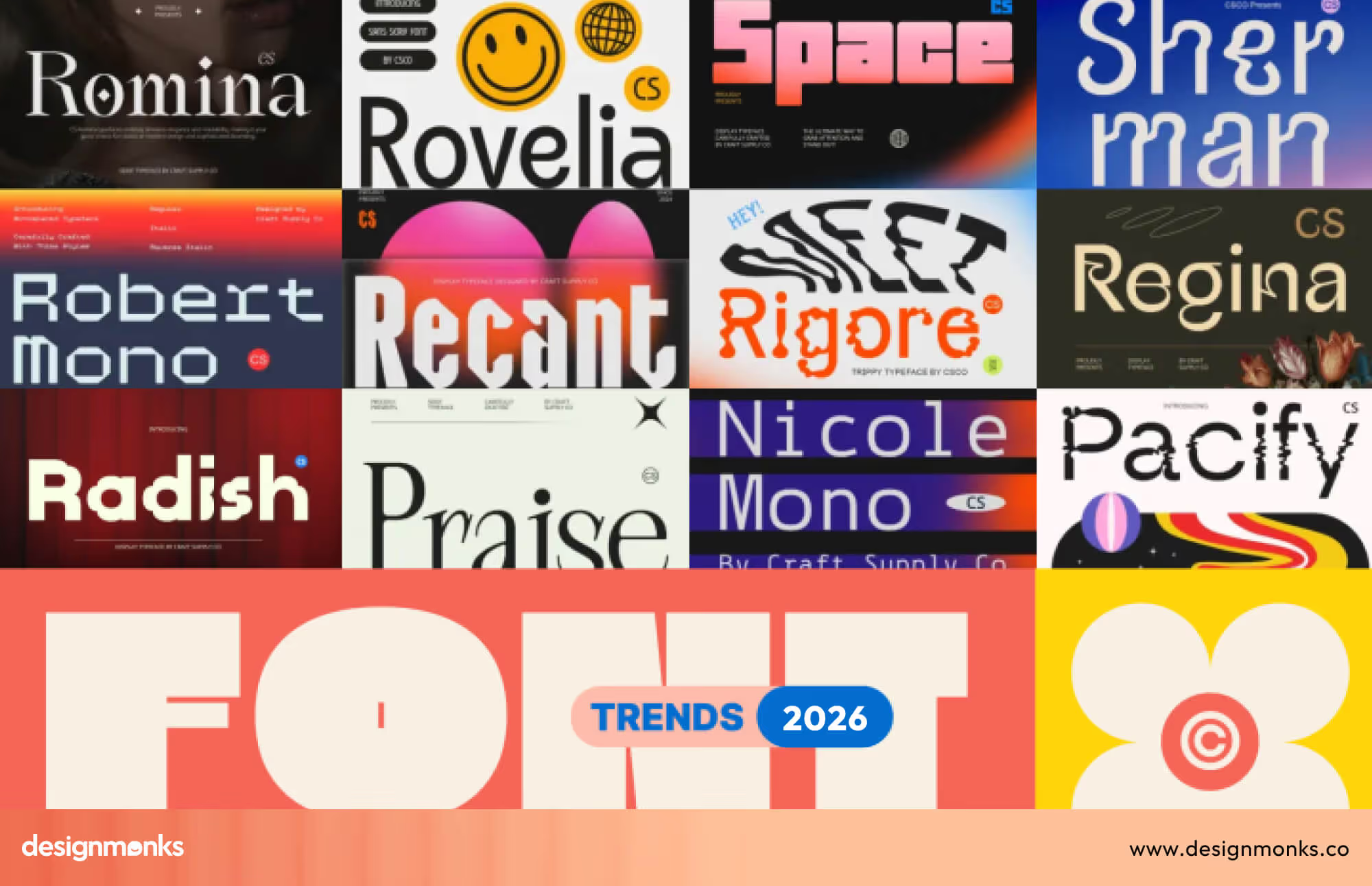
Good UI design reflects the agency’s brand personality and creates a professional appearance. At this stage, designers also make sure buttons, menus, and forms are clear and easy to use.
Launch With SEO Optimization
After the design is finished, the website moves into website development and launch preparation. Developers build the website so it works properly on different devices and browsers.
At the same time, the website should be optimized for search engines. This includes writing clear page titles, using proper headings, improving page speed, and organizing content correctly. When SEO optimization is done properly, the website becomes easier for search engines to find and rank.
Common Marketing Agency Website Design Mistakes
Even experienced agencies sometimes make design mistakes that reduce website performance. These issues can confuse visitors and lower the chances of turning them into clients.
Understanding these common problems helps agencies avoid them while designing their websites:
Unclear Messaging
One common mistake is unclear messaging. Visitors should immediately understand what the agency does and who it helps.
If the homepage uses vague language or complicated terms, people may feel confused. Clear headlines and simple explanations help visitors quickly understand the agency’s value.
Weak Portfolio
Another mistake is having a weak or incomplete portfolio. Potential clients often want to see proof of the agency’s work. If the website does not show strong examples or detailed case studies, visitors may hesitate to trust the agency.
A strong portfolio should explain the client’s challenge, the strategy used, and the final results.
Poor UX
Poor user experience is another common issue on agency websites. If visitors cannot easily find information, they may leave the site quickly. Confusing navigation, cluttered pages, or hard-to-read text can create frustration. A clear layout and simple navigation improve the overall browsing experience.
Slow Website
A slow website can quickly drive visitors away. When pages take too long to load, people often leave before exploring the site. This increases the bounce rate, which means visitors leave after viewing only one page. Fast loading speeds help keep visitors engaged and encourage them to explore more pages.
No SEO Strategy
Some agency websites look good, but ignore search engine optimization. Without SEO, the website may struggle to appear in search results. This means fewer visitors discover the agency online.
Using proper keywords, structured headings, and optimized content helps improve visibility in search engines.
Avoiding these mistakes helps agencies create websites that are clear, professional, and effective at attracting new clients.
How Much Does Marketing Agency Website Design Cost?
The cost of marketing agency website design depends on the complexity of the project. A simple website may cost $2,000–$5,000, while a fully custom agency website usually ranges between $8,000–$25,000.
These prices depend on several factors, such as:
Custom Design
The biggest cost difference comes from whether the site uses a template or a custom design.
- Template website: $2,000–$6,000
- Custom-designed website: $8,000–$25,000+
Custom design gives a unique look and a stronger brand identity. Custom websites also feel more professional and help agencies stand out from competitors.
CMS Platform
The platform used to build the website also affects the cost. Most agencies choose WordPress or Webflow:
- WordPress: $2,000–$10,000, flexible and great for SEO
- Webflow: $3,000–$12,000, modern design with strong animations
The platform can affect development time, customization, and maintenance costs.
Agency Experience
Pricing also depends on the experience of the design agency.
- Freelancers: $1,500–$5,000
- Small design studios: $5,000–$15,000
- Top design agencies: $15,000–$40,000+
Experienced teams often provide stronger strategy, better UX, and higher conversion performance. Agencies like Design Monks are known for offering high-quality design at more affordable prices than many premium agencies.
Integrations
Many agency websites connect with marketing tools called integrations. Common examples include CRM systems, email marketing tools, booking software, and analytics platforms.
Adding integrations usually costs $500–$5,000, depending on complexity. However, they help improve lead generation and marketing performance.
Why Hire a Professional Agency for Marketing Agency Website Design
Building a marketing agency website requires more than basic design skills. A professional design agency understands how to combine strategy, usability, and marketing goals.
Hiring experts helps ensure the website works as a strong tool for attracting and converting clients:
Strategic Website Planning
Professional designers begin with strategy. They study the agency’s services, audience, and goals before creating the website structure.
This planning helps the website communicate the right message and guide visitors toward contacting the agency. A strong strategy also improves brand positioning and helps the website stand out from competitors.
Better UX Design
Professional teams focus heavily on user experience (UX). Good UX design makes the website easy to navigate and pleasant to explore. Visitors should quickly find information about services, projects, and results. When navigation feels simple, people stay longer and trust the agency more.
Experienced agencies carefully design layouts, menus, and content flow to create a smooth user journey.
Conversion Optimization
Another major benefit is conversion optimization. Professional designers know how to guide visitors toward taking action.
They place clear call-to-action buttons, contact forms, and consultation options in the right places. These small design decisions help turn visitors into leads and potential clients.
SEO-Ready Design
Professional agencies also build websites that are ready for search engine optimization. This includes proper page structure, optimized headings, fast loading speed, and mobile-friendly design.
An SEO-ready website has a better chance of appearing in search results and attracting organic traffic.
In short, working with professionals ensures your website not only looks good but also drives real business results. That is why many growing agencies choose experienced teams like Design Monks to build websites that attract, engage, and convert clients.


.avif)
.avif)
.avif)
.avif)


.avif)
.avif)
.avif)
.avif)






.avif)