.svg)



Key Takeaways
- Fast, simple hotel websites guide users smoothly from browsing to booking.
- A strong booking system directly increases conversions and reduces user friction.
- High-quality visuals help guests trust, imagine, and choose your hotel faster.
- Clear pricing, reviews, and UX build trust and boost booking decisions.
- Mobile-friendly, fast-loading design is essential for capturing modern travelers.
A beautiful hotel means nothing if your website cannot sell it. Hotel website design is the bridge between your rooms and your guests. If that bridge is weak, visitors will never reach the booking stage.
Most users do not have patience. They want quick-loading pages, simple steps, and clear details. When they cannot find what they need, they leave without thinking twice. But this is where smart website design can help.
By improving layout, speed, and booking flow, you can guide users smoothly from browsing to booking and make your website work like a strong sales tool. Keep reading to find out what’s holding your site back and how to turn more clicks into confirmed bookings!
What Is Hotel Website Design?
Hotel website design means creating a website specially made for hotels and the hospitality industry. It is not the same as general web design because the main goal is getting bookings, not just sharing information.
A normal website may focus on content or services. But a hotel website must help users choose a room, trust the hotel, and book quickly. Every part of the design supports this goal.
A key part of any hotel website is the booking engine (the tool that allows visitors to check room availability, view prices, and book directly without leaving the site). A smooth and easy-to-use booking system keeps users on your website and increases conversion rate.
Unlike a normal website, which might only display information, a hotel site must actively guide users to take action and book a room.

Visuals of the hotel website are equally important. Guests want to see where they will stay, so high-quality photos, videos, and clear layouts help them imagine the experience. Normal websites often use visuals for decoration or branding, but hotel websites use them to sell an experience. This makes every image part of the decision-making process.
Finally, trust plays a big role. Visitors need to feel confident before they book, which is why good hotel website design shows transparent pricing, real guest reviews, and clear contact options.
Standard websites may focus on presenting information, but hotel websites must build confidence fast, because trust directly affects whether a visitor becomes a paying guest.
In short, hotel website design is about creating a fast, clear, and trustworthy site that makes booking simple and inviting.
Key Features Every High-Converting Hotel Website Needs
A high-converting hotel website turns visitors into paying guests. To achieve this, your website must include certain key features that make booking simple, trustworthy, and enjoyable.
Each of these elements plays a specific role in keeping users engaged and encouraging them to complete their reservation:
Online Booking System Integration
The booking engine is the heart of any hotel website. A smooth, easy-to-use booking system reduces friction and makes it much more likely that a visitor will complete a reservation.

A good booking engine should show real-time availability, display prices clearly, and offer a quick checkout process. The fewer steps a user has to take, the higher the chance they will finish their booking.
Mobile-Friendly & Responsive Design
Most travelers browse and book hotels using their smartphones or tablets. This makes mobile responsiveness essential.
A responsive design automatically adjusts the website layout to fit any screen size. This ensures it looks clean and functions well on phones, tablets, or desktops. If your site is difficult to use on mobile, you risk losing a large number of potential guests.
High-Quality Visual Content
Guests want to see rooms, views, and facilities before booking. High-quality photos and short videos help users imagine their stay.

Visuals should showcase rooms, bathrooms, facilities, and views. Real photos are better than stock images because they build trust. Videos can also highlight the ambiance and give a sense of the overall experience.
In contrast to regular websites, where visuals may serve just branding purposes, hotel websites use imagery strategically to sell an experience and encourage bookings.
Clear Room Listings & Pricing Transparency
Each room should have a dedicated section with clear photos, descriptions, amenities like WiFi or breakfast, and accurate pricing. Hidden or unclear charges can frustrate users and make them leave without booking.
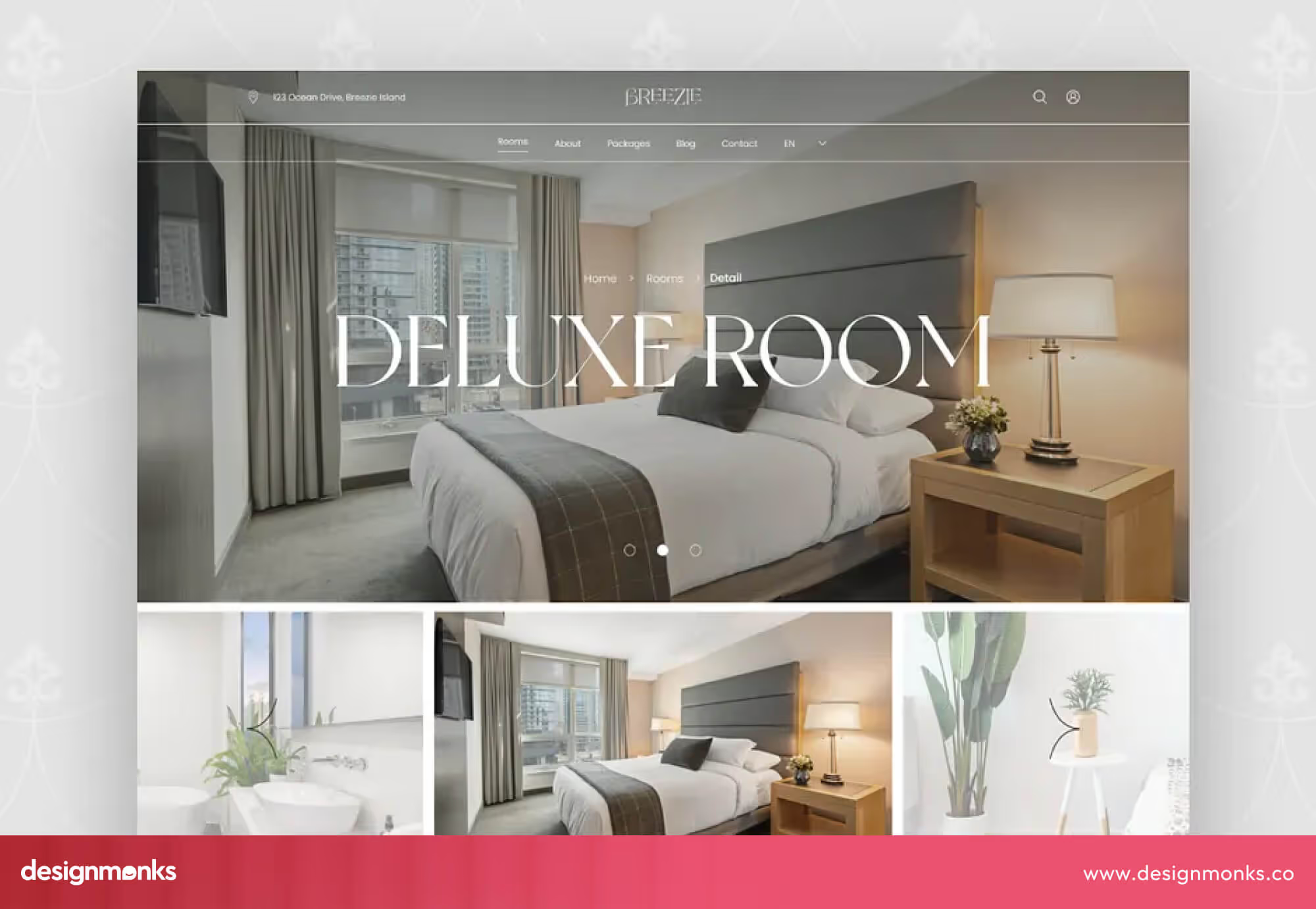
Transparency builds trust and reduces confusion. Unlike normal websites that may only display general information, hotel websites must provide clear and detailed room options because this information directly affects the booking decision.
Guest Reviews & Testimonials
Customer reviews are powerful tools for building trust. People are more likely to trust experiences shared by other guests than marketing messages or ads.

Including real reviews, ratings, and testimonials helps visitors feel confident in their choice. Unlike standard websites that may focus on brand messaging or content alone, hotel websites rely on social proof to increase credibility and encourage bookings.
Multilingual & Multi-Currency Support
If your hotel welcomes international guests, offering content in multiple languages and showing prices in different currencies is very important. This feature improves user comfort and accessibility.
Visitors from different countries can browse and book without confusion, which is crucial for increasing international bookings. Normal websites may not need this level of localization, but hotel websites must accommodate global audiences to maximize revenue.
Best Practices for Hotel Website UX/UI Design
Good UX and UI design make your website easy to use and pleasant to look at. For hotel websites, this is very important because users follow a quick journey, search, check rooms, compare prices, and book.
If anything feels confusing or slow, they leave and choose another hotel. That is why hotel UX needs to focus on speed, clarity, and trust:
Simplified Navigation Structure
Navigation should be simple and clear so users can move around easily. Important pages like rooms, pricing, and booking must be easy to find. A clean layout also reduces distractions and keeps users focused.
Fast Load Speed Optimization
Speed plays a big role in keeping users on your site. If pages take too long to load, users may leave before even seeing your rooms.
Fast loading creates a smooth experience and builds trust from the start. A faster website feels more reliable and increases the chances of getting a booking.
Clear Call-to-Action Placement
A clear “Book Now” button helps guide users toward making a reservation. It should stand out visually and appear in key places like the header, homepage, and room pages. This makes it easy for users to take action anytime.
Accessibility & Inclusive Design
Your website should be easy for everyone to use, including people with disabilities. Simple fonts, clear text, and good color contrast make content easier to read. Adding image descriptions also helps users understand visuals better.
Hotel Website Design Examples & Inspiration
Looking at successful hotel websites helps you understand what works. Strong designs focus on visuals, simplicity, and smooth booking experiences. These examples show how different styles can still follow the same goal and turn visitors into guests:
The Ritz-Carlton
This luxury hotel uses large, full-screen images, simple navigation, and clear booking buttons across the website. This works well because the clean and elegant design removes distractions and makes the experience feel premium.
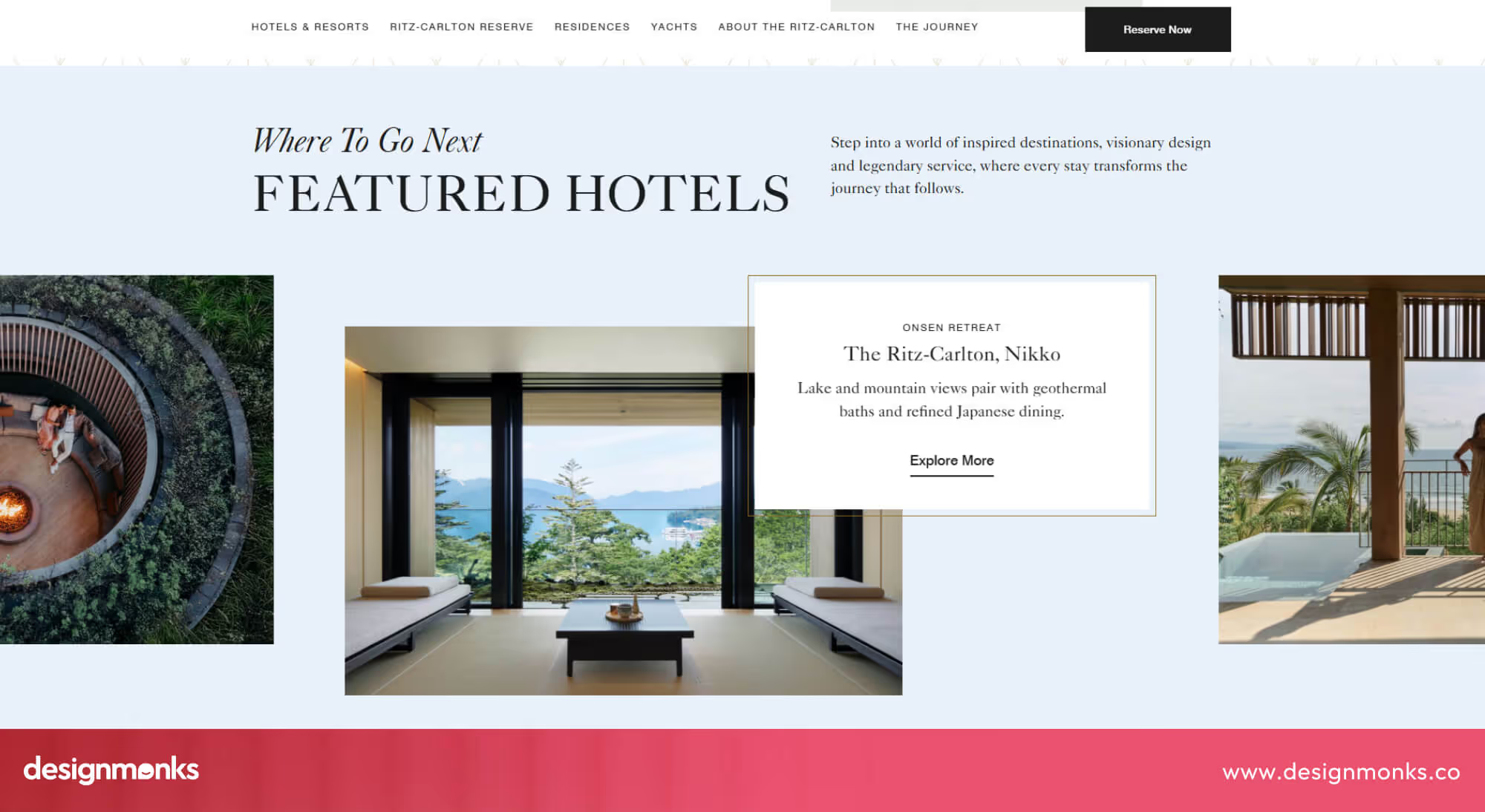
It helps users focus only on what matters, exploring and booking. You should always keep your layout simple, use high-quality visuals, and make your booking option easy to find at all times.
Aman Resorts
Aman Resorts takes a more minimal approach by using lots of empty space, soft visuals, and very little text. This works because it creates a calm and peaceful feeling, which matches what luxury travelers expect.
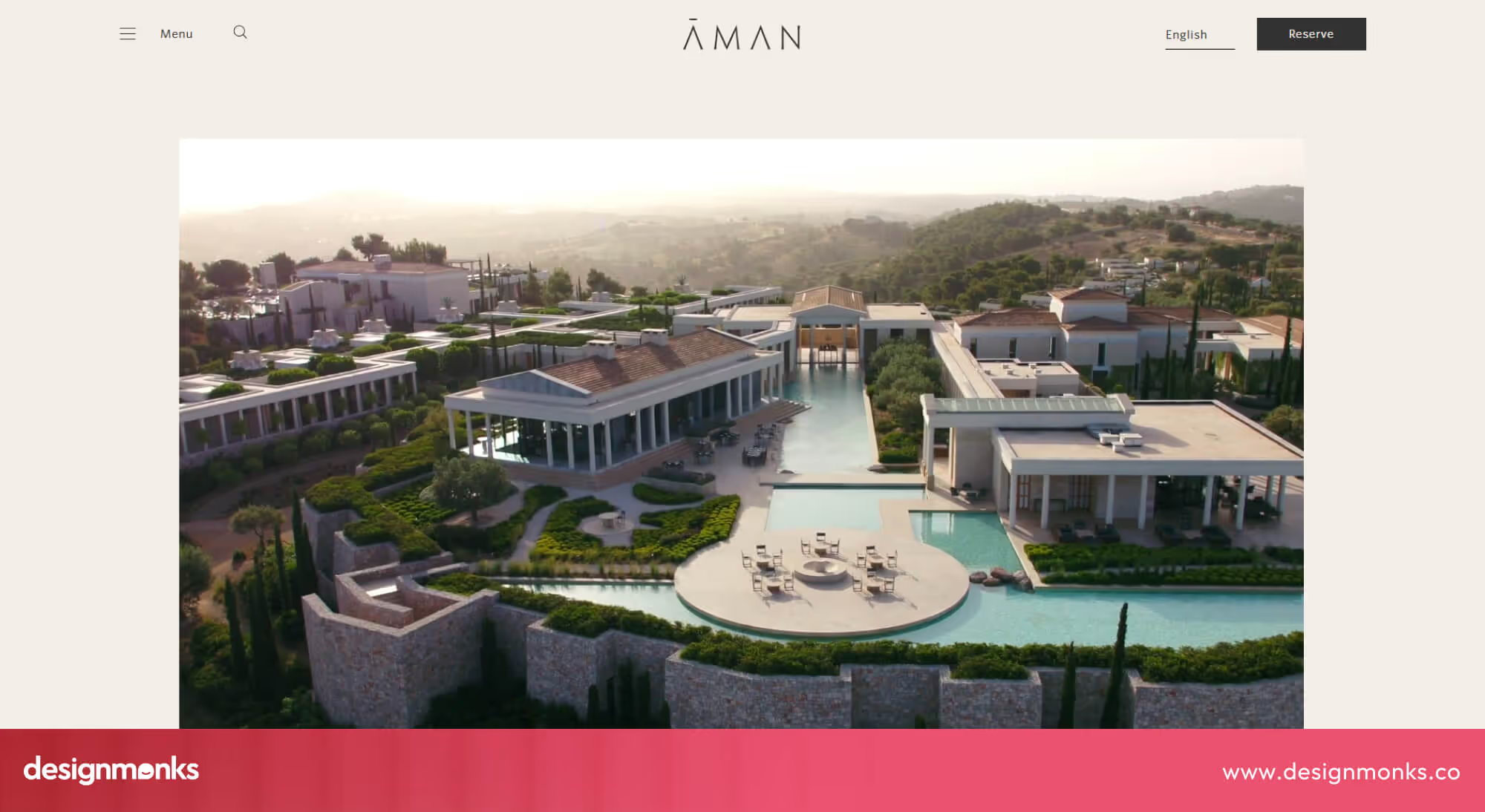
It also builds trust without overwhelming the user. You can apply this by avoiding clutter, using space wisely, and letting your images tell the story instead of adding too much content.
Ace Hotel
Ace Hotel uses bold fonts, creative layouts, and lifestyle-focused images to stand out. This approach works because it shows a strong personality and attracts users who want something modern and different.
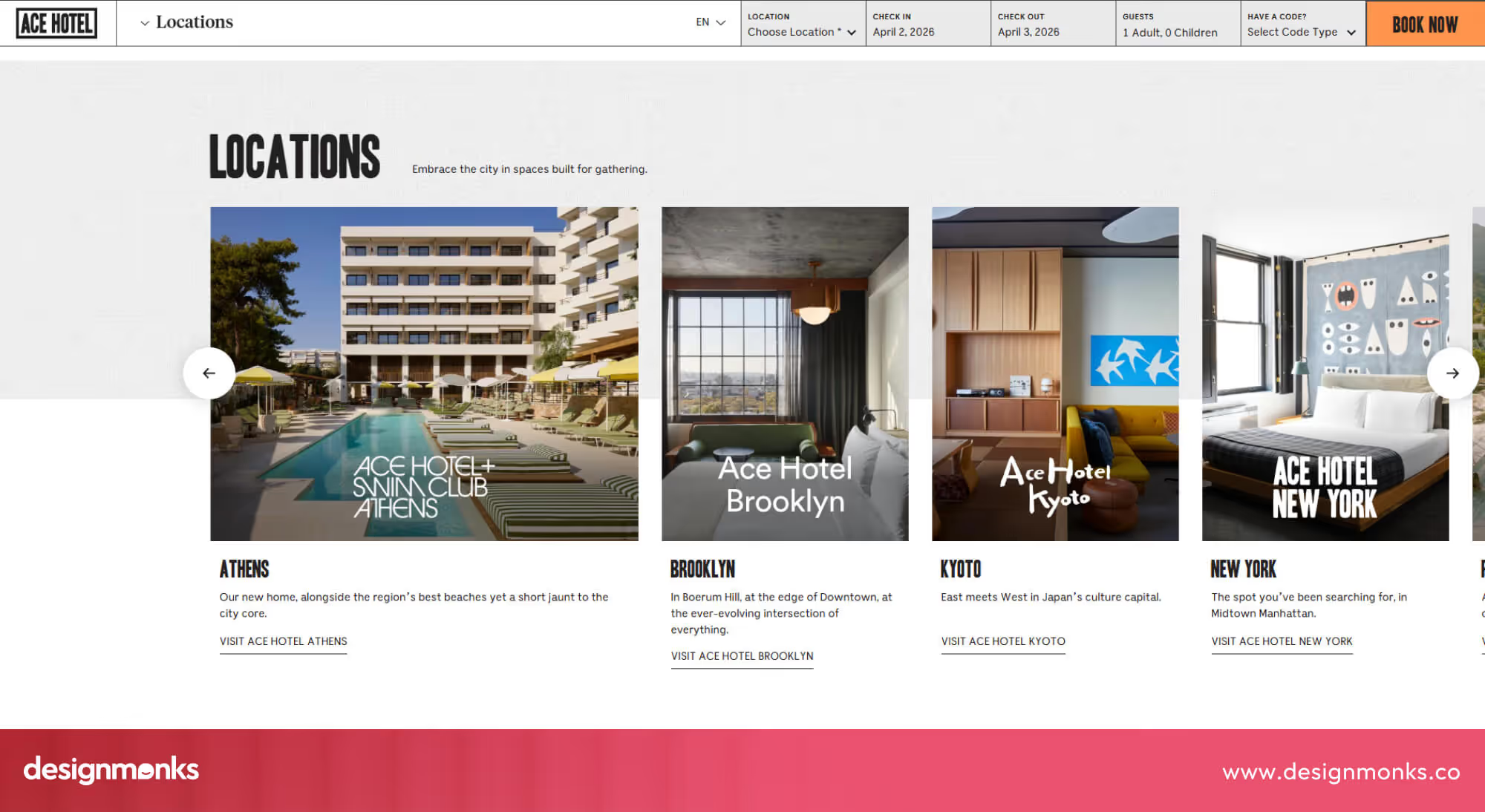
It feels less formal and more real. You can add unique design elements and clearly show your brand’s style instead of following generic templates.
The Hoxton
The Hoxton focuses on storytelling, simple language, and real-life images of guests and spaces. This works because it builds an emotional connection and makes users feel comfortable and familiar with the place.
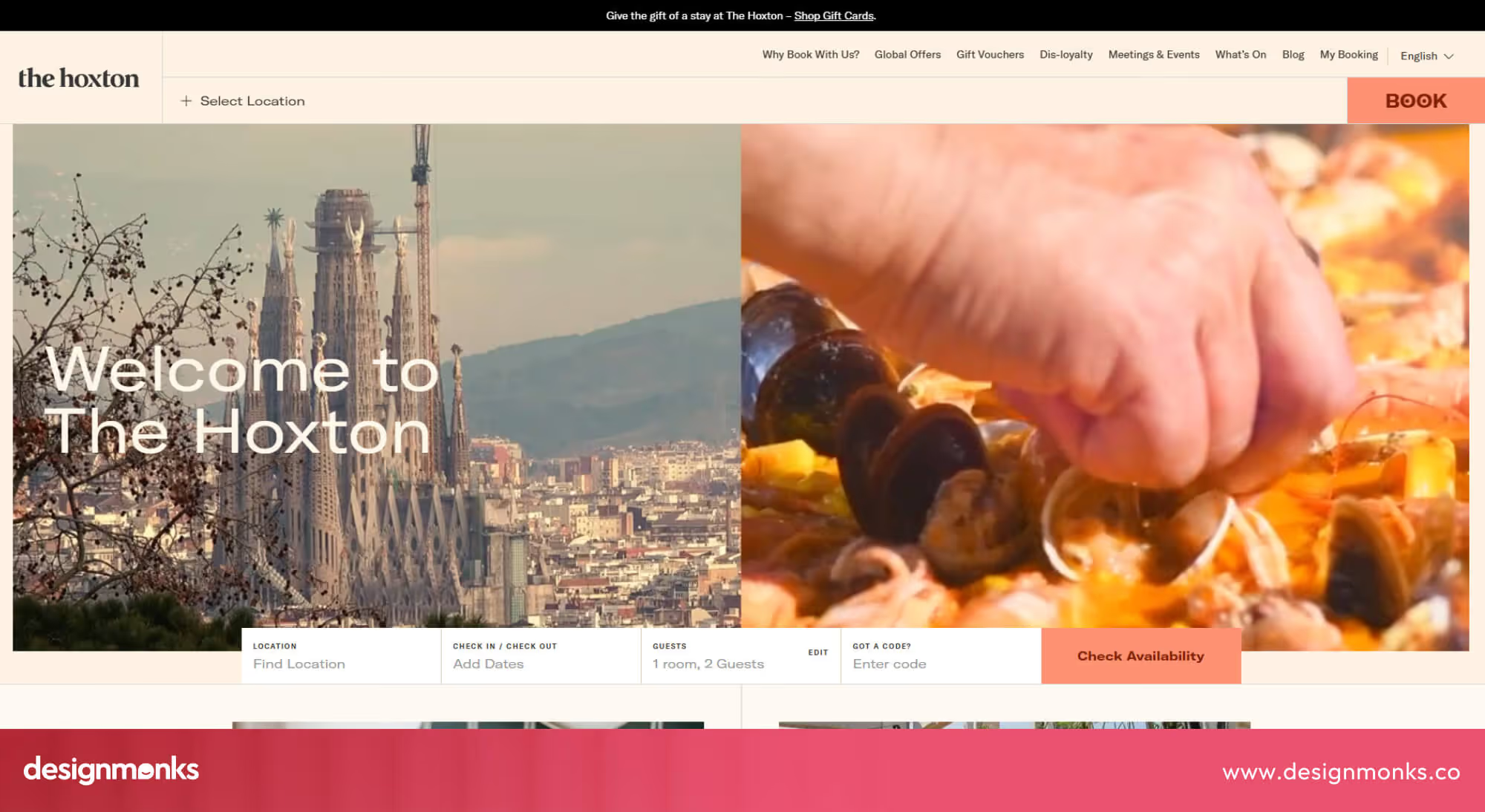
It feels more like a story than a sales page. You should try using friendly language, sharing your hotel’s story, and showing real experiences to connect better with your audience.
Six Senses Hotels Resorts
Six Senses Hotels Resorts Spas focuses on nature, wellness, and experiences through calm visuals and smooth scrolling design. This works because it helps users imagine their full stay, not just the room.

It creates a feeling of relaxation even before booking. You can use this idea by highlighting experiences, showing activities, and designing your website in a way that feels smooth and immersive.
Common Mistakes in Hotel Website Design
Even a good-looking website can fail if it has basic usability problems. These small mistakes can confuse users, reduce trust, and stop them from booking. By avoiding them, you can improve user experience and turn more visitors into paying guests:
- Slow Loading Speed: A slow website makes users leave quickly before exploring. This hurts bookings because users compare many options and choose the fastest, easiest site.
- Confusing Booking Process: Too many steps or unclear forms can frustrate users. Unlike normal websites, hotel sites must make booking quick and simple to avoid losing customers.
- Hidden Pricing: Extra costs shown at the last step break trust. Guests prefer clear, upfront pricing, as it directly affects their decision to book.
- Poor Mobile Experience: If your site is hard to use on phones, users will leave. Most people book through mobile, so your design must work smoothly on all screen sizes.
- Weak Call-to-Action (CTA): If “Book Now” is hard to find, users may not take action. Hotel websites need clear and visible CTAs to guide users toward booking quickly.
Hotel Website Design Process
Designing a hotel website is not done in one go. It follows a clear step-by-step process to make sure the website looks good, works well, and helps users book easily. Each step plays an important role in creating a smooth experience:
Research & Competitor Analysis
This step focuses on understanding users and studying competitors. It helps identify what works and what users expect. Unlike general websites, hotel websites require deeper research into booking behavior and guest preferences.
Wireframing & UX Planning
Wireframing creates a basic layout of the website before design begins. It shows how pages connect and how users move through the site. Hotel websites rely heavily on this step to ensure a smooth booking journey.
UI Design & Branding
This stage focuses on visual design, including colors, fonts, and images. It ensures the website matches the hotel’s brand and also stay upto date with the latest UI/UX design trends. Unlike normal websites, hotel design must create both trust and emotional appeal to attract bookings.
Development & Booking Integration
Developers build the website and connect it with the booking engine. This ensures all features work properly. Hotel websites require stronger integration than normal sites because bookings must happen smoothly without errors.
Testing & Launch
Before launch, the website is tested on different devices and browsers. Errors are fixed, and booking flows are checked. Hotel websites need careful testing because even small issues can affect bookings and revenue.
How to Choose the Right Hotel Website Design Agency
Picking the right agency can make a huge difference in how well your hotel website performs. A skilled team understands both design and the hospitality industry, helping you create a website that attracts visitors and turns them into guests:
Image 11: How to choose?
Portfolio Evaluation
Always look at the agency’s past work. Focus on hotel or travel-related projects to see if they understand booking-focused design. Unlike general agencies, those with hospitality experience can create more effective hotel websites.
Industry Experience
An agency familiar with the hospitality industry understands what guests expect. They know booking behavior, user preferences, and design elements that increase trust. This expertise ensures your website is built to convert visitors, not just look good.
CMS & Platform Expertise
Check if the agency works with platforms like Webflow or WordPress. These tools make it easier to update content, manage bookings, and keep your website running smoothly. Hotel websites need flexible systems that handle changes efficiently.
If you want a worry-free experience, Design Monks stands out as a top choice. With deep hospitality experience, strong design skills, and expertise in modern platforms, they can create a website that attracts guests, boosts bookings, and gives you peace of mind.
Cost of Hotel Website Design
The cost of a hotel website depends on features, design quality, and how complex it is. Investing in the right design can help attract more guests and improve bookings in the long run:
Basic vs Custom Design
A basic website uses ready-made templates and costs around $2,000–$5,000. It’s cheaper but offers limited flexibility and branding.
A custom-designed website costs between $8,000–$25,000 or more, depending on features. Custom sites are better for hotels because they focus on user experience, smooth booking, and high conversion rates.
Booking System Cost
Booking engines are essential for hotel websites. Simple systems may cost $500–$1,500 per year. Advanced systems with real-time availability, multi-currency support, and payment integration can cost $2,000–$5,000+ annually.
Unlike normal websites, hotels need reliable booking systems to handle reservations without errors.
Maintenance
Ongoing maintenance keeps your website secure, fast, and updated. This usually costs $500–$2,000 per year, depending on the complexity of the site and booking system. Regular updates are especially important for hotels because they manage bookings, user data, and seasonal content.
Investing in the right design, booking system, and maintenance ensures your hotel website works smoothly, looks professional, and converts visitors into paying guests.
FAQs
How much does hotel website design cost?
Hotel website design can cost between $1,500 and $20,000+, depending on features and complexity. More advanced designs with booking systems usually cost more but offer better results.
How long does it take to design a hotel website?
It usually takes 4 to 12 weeks to design and launch a hotel website. The timeline depends on features, design complexity, and booking system integration.
Can I integrate a booking system into my website?
Yes, most hotel websites include booking engines that allow users to check availability and book directly. This is a key feature for increasing direct reservations.
Can I redesign my existing hotel website?
Yes, you can redesign your existing hotel website. Redesigning your website can improve speed, usability, and booking rates. A modern design helps attract more users and convert them into guests.
Why Hotel Website Design Matters for Revenue Growth
Your website is one of your most important sales tools. A strong hotel website design helps you get direct bookings without relying too much on third-party platforms.
When your site is fast, clear, and easy to use, visitors feel confident and complete their bookings. Unlike normal websites, every part of a hotel website is built to drive revenue.
In a competitive market, a well-designed website is not just helpful, it is essential for steady growth and long-term success.


.avif)
.avif)
.avif)
.avif)


.avif)
.avif)
.avif)
.avif)






.avif)