.svg)



Key Takeaways
- An About page builds trust by clearly showing your agency’s story and values.
- Introduce your team to humanize your brand and connect with visitors.
- Use visuals, videos, and layout to improve readability and user experience.
- Include proof, client feedback, or results to show credibility and reliability.
- End with a clear call-to-action to guide visitors toward the next step.
An About page is a special section on your website that tells visitors who you are, what your agency does, and why you exist. It is necessary because it helps people understand your brand quickly and builds trust, which can lead to more clients and meaningful connections.
Some of the best practices for an About page include:
- Clear value statements
- An engaging agency story
- Team introductions
- Proof of work, and
- Easy navigation.
Using visuals, readable text, and proper layout also improves user experience and makes the page more appealing and professional.
To learn more about creating a strong about page, read this blog. It shares tips, examples, and step-by-step guidance to help your agency connect with visitors effectively.
What Is an About Page of a Business?
An about page tells people who you are. It is where you share your story, your team, and what makes your work special.
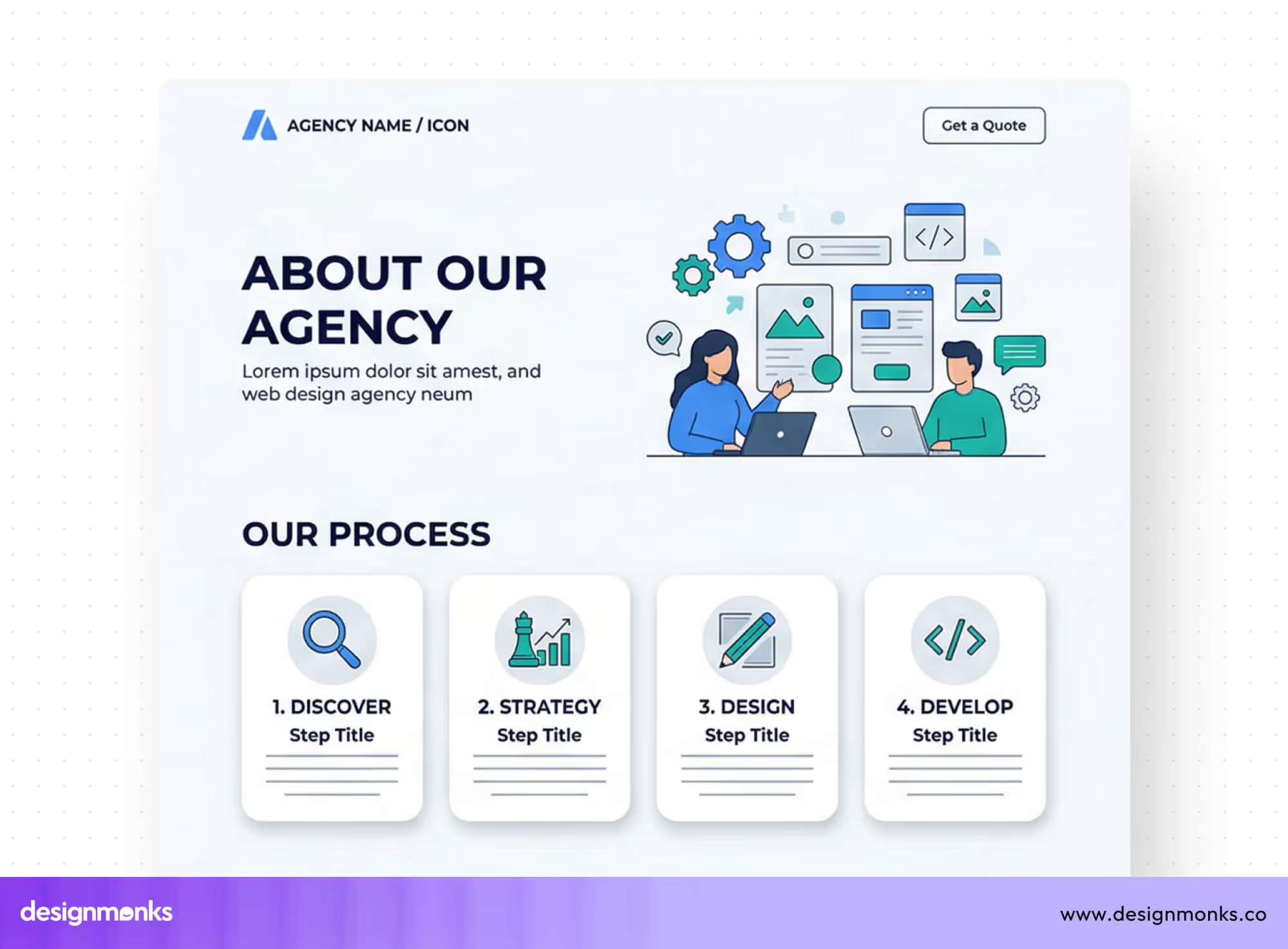
This page is different from a regular business page. It does more than list services or contact details. It shows your brand identity and how your agency works. People can see your style and approach to digital projects.
A good About page gives an agency overview. Visitors understand your values, history, and the way you create designs. It builds trust because clients feel they know the team behind the screens.
In simple words, this page answers the question: Who are you, and why should I work with your agency?
Core Elements of a High-Converting About Page
A strong About page helps visitors understand your agency quickly. It should explain your purpose, show your team, and build trust. Every section works together to guide potential clients toward working with your agency.
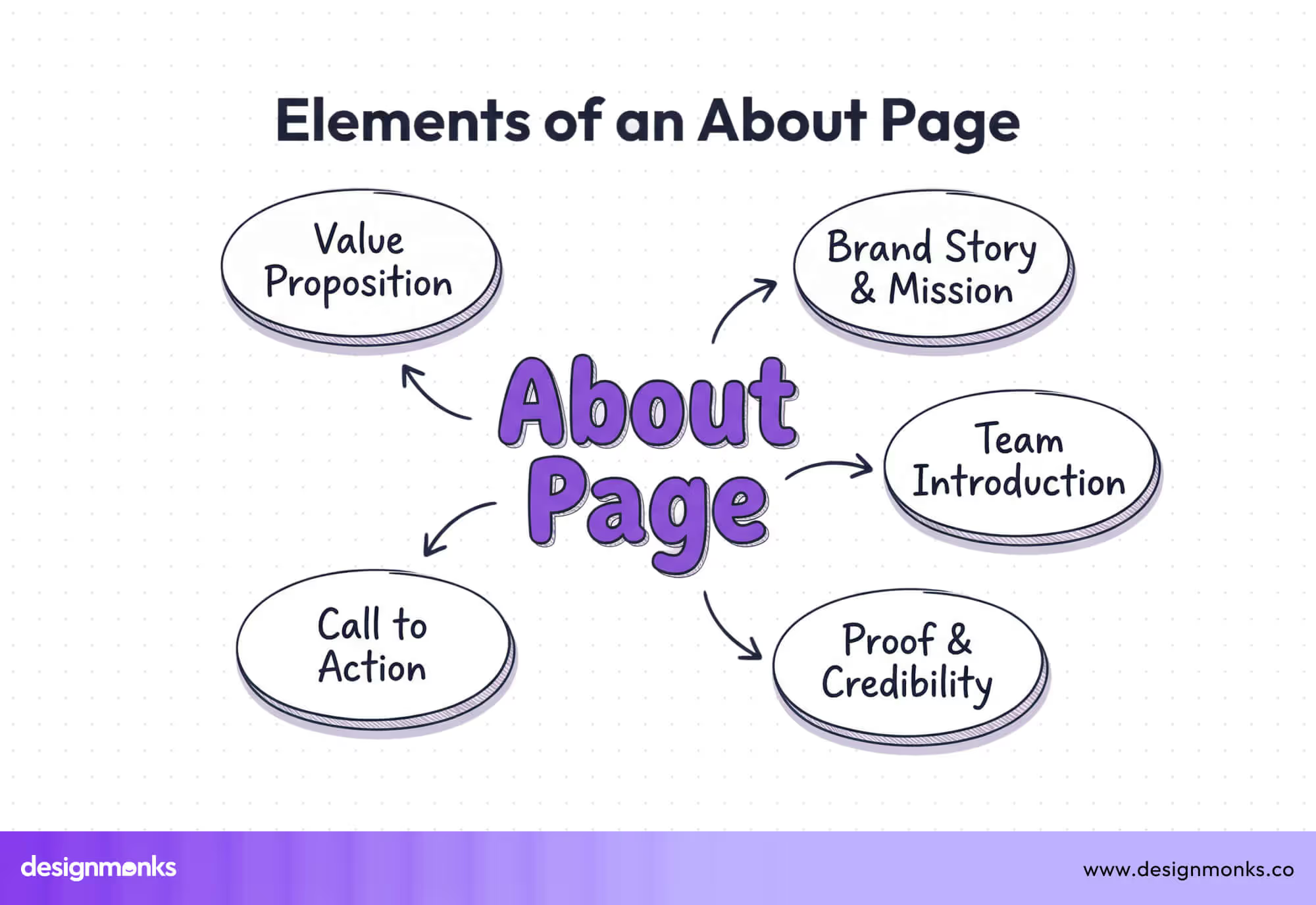
Clear Value Proposition
Your value proposition shows what you do, who you help, and why you are different from others. It should be clear and easy to read. Clients should know immediately why your agency is the right choice for their project.
Brand Story & Mission
The brand story explains why your agency exists and what it cares about. Keep it relevant and honest. Focus on how your team approaches projects and what your mission means for clients.
Team Introduction (Humanizing the Brand)
Introduce your designers, leaders, and culture. Sharing photos, roles, or short bios makes your agency feel real and approachable. It helps visitors connect with the people behind your work.
Proof & Credibility (Case Studies, Clients, Metrics)
Show results with case studies, client logos, or metrics. Testimonials add credibility. This section proves that your agency delivers quality work and has satisfied clients who trust your skills.
Call-to-Action (CTA) Placement
Guide users to take the next step with a clear CTA. Whether it is contacting the agency, exploring a portfolio, or requesting a quote, the CTA should stand out and feel natural.
UX Best Practices for About Pages
A well-designed About page should feel easy to read and simple to explore. Good UX design helps visitors understand your agency without confusion. Clear structure, smooth flow, and thoughtful visuals improve usability and create a better user experience design.
Scannable Layout & Visual Hierarchy
A clean layout helps users find information without effort. Use headings, short sections, and enough space between content blocks. A strong visual hierarchy guides the eyes step by step. This practice also improves interface clarity and makes the page easier to explore.
Visual Storytelling (Images, Videos, Motion)
People connect faster with visuals than plain text. Show your team, work process, and real project moments through images or short videos.
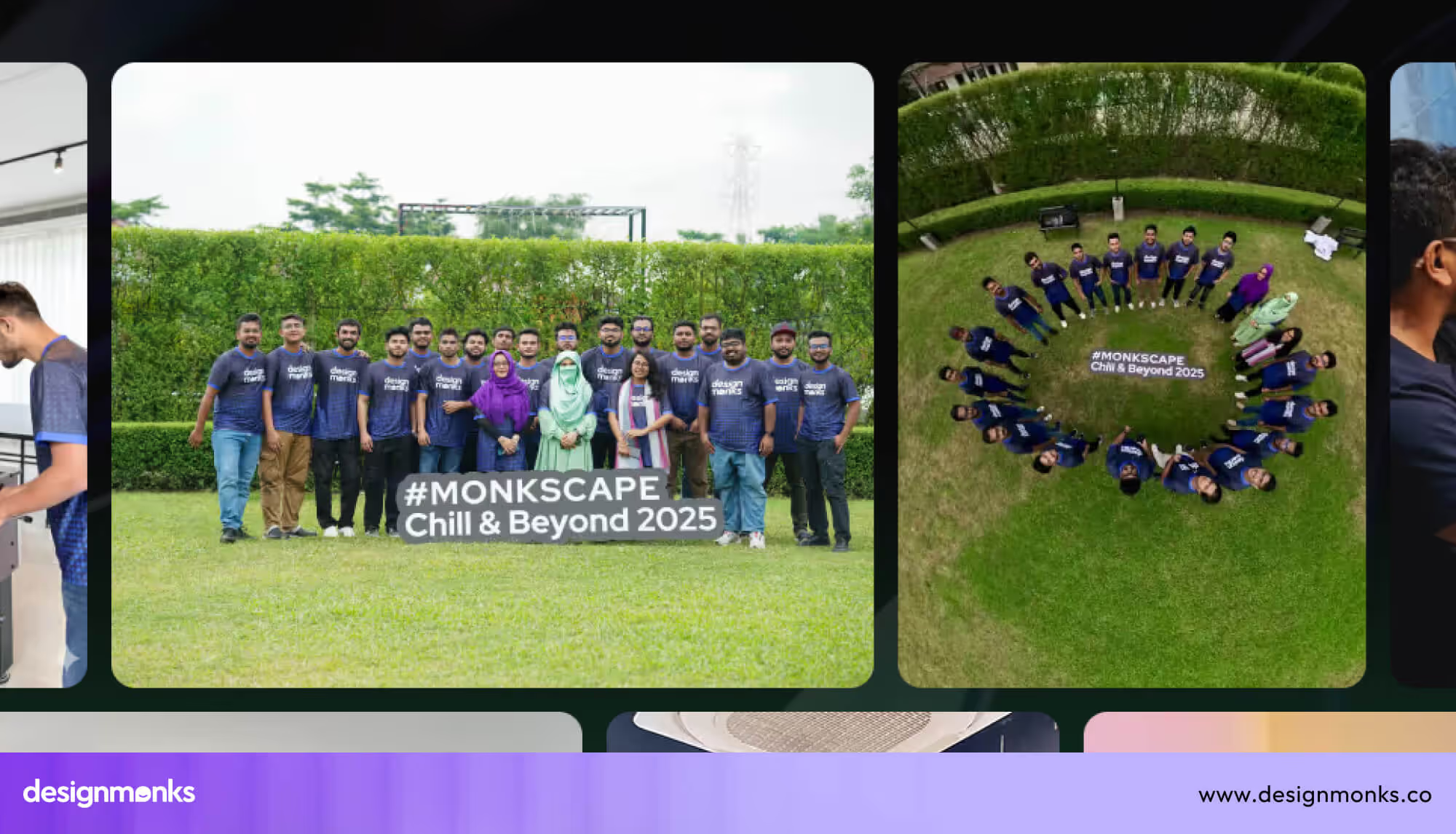
It's a prominent web design best practice that helps build trust. It also helps users understand your agency's story simply and engagingly.
Mobile Optimization & Performance
Many visitors check your site on mobile devices first. Your About page should load fast and adjust to all screen sizes. Strong mobile responsiveness improves usability and keeps users engaged. A slow or broken layout can quickly push visitors away from your agency page.
Accessibility Considerations
Accessibility makes your About page usable for everyone. Use clear fonts, proper color contrast, and helpful alt text for images. accessibility improves readability and ensures all users can access your content without difficulty, no matter their needs or devices.
Clear Content Flow & Readability
Content should follow a simple and logical order. Start with key information, then move toward details about your team and work. Short paragraphs and easy words improve readability.
This approach supports better usability and helps users stay focused throughout the page.
Consistent Design & Responsive Design
Consistency makes your page feel professional and trustworthy. Use the same colors, fonts, and layout style across sections. A strong responsive design ensures your About page looks good on every device, improving UX best practices and the overall user experience.
Copywriting Best Practices for About Pages
Your About page should sound real and easy to understand. Good copywriting helps visitors trust your agency and feel connected. Clear words, honest tone, and simple structure make your message stronger and easier to follow.
Writing for Clarity & Authenticity
Write in a way that feels natural and direct. Avoid complex terms or corporate language that feels empty. Your brand voice should sound human and honest. Clear sentences help visitors understand your agency faster and build trust through authentic messaging.
Balancing Storytelling with Business Value
A good storyteller shares your journey with purpose. Your story should connect with the client's needs and show real value. Focus on how your work helps users solve problems, not just on your past or achievements.
Using Social Proof & Data
Show real results to support your words. Add numbers, client feedback, and project outcomes to your about page copy. This builds trust and supports persuasive writing. Strong data and proof help visitors feel confident about your agency and its work.
Common About Page Mistakes to Avoid
Many About pages fail because they miss simple but important details. These mistakes reduce trust and hurt conversion. A clear message, strong proof, and smooth user experience help visitors stay and take action.
Too Generic Messaging
Generic content makes your agency look like everyone else. Phrases without clear meaning confuse visitors and reduce interest. Your message should explain what makes you different. Clear positioning helps users understand your value and improves overall conversion.
No Clear CTA
An About page without direction leaves users unsure about the next step. Maintaining the right call-to-action best practices guides visitors toward contact or project inquiry. Without it, even interested users may leave without action, which lowers your chances of conversion.
Overly Long or Vague Story
A long story without focus can lose user attention quickly. Visitors want useful and relevant details, not unnecessary background. Keep your story simple and direct. Clear structure improves usability and helps users stay engaged with your content.
Lack of Proof
Without proof, users may doubt your claims. Add results, client feedback, or real examples to support your message. Strong proof builds trust and reduces common errors in decision-making for potential clients.
Poor UX
Bad UX creates confusion and frustration for visitors. Messy layout, hard navigation, and slow loading pages cause usability issues. A clean and simple structure improves the experience and helps users explore your About page without effort.
Best Design Agency About Us Page Examples
Checking other About pages can give you real ideas before you write your own. Seeing how top agencies share their story and team helps you build a page that feels professional, clear, and trustworthy for visitors.
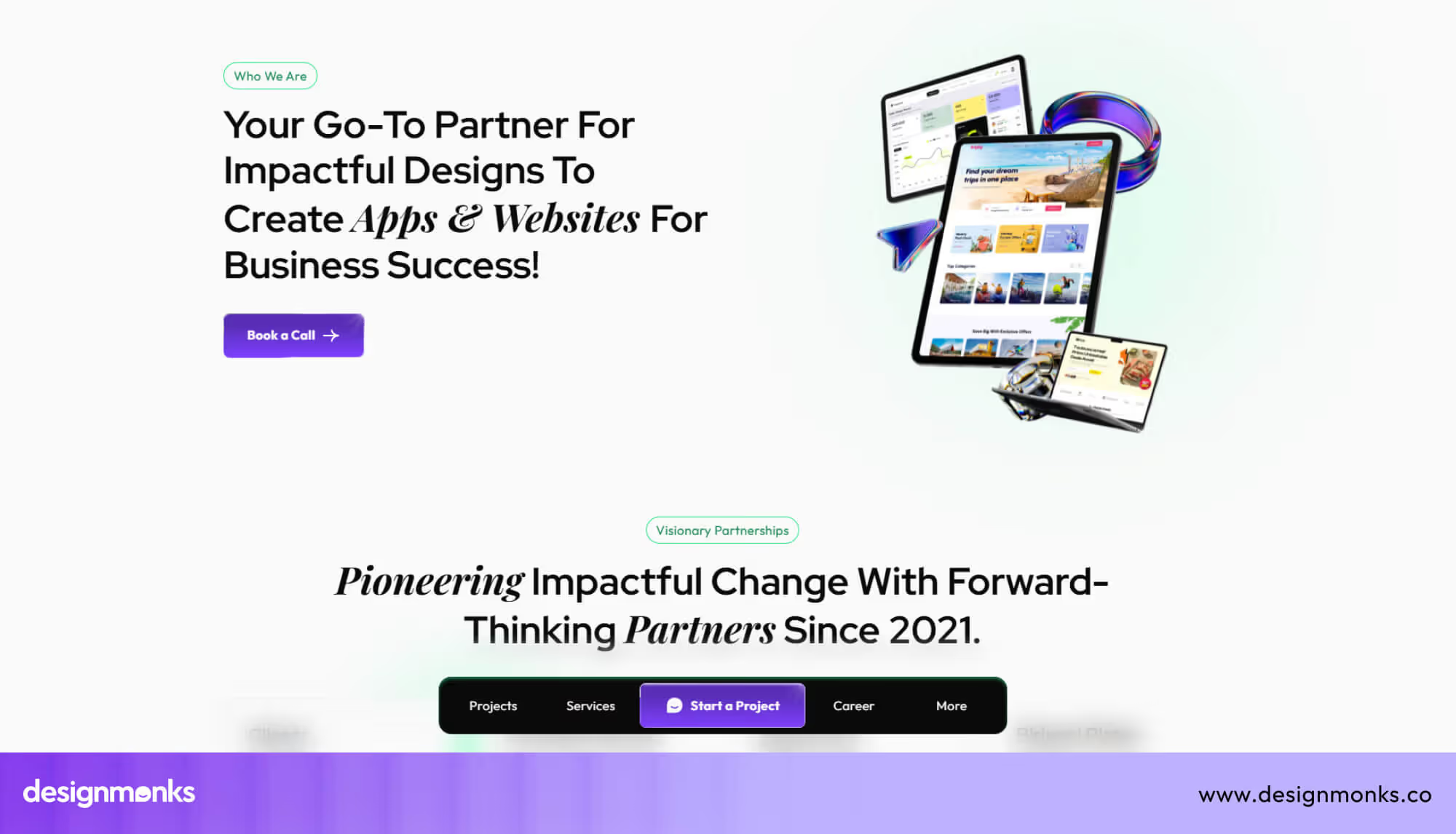
1. Design Monks About Page
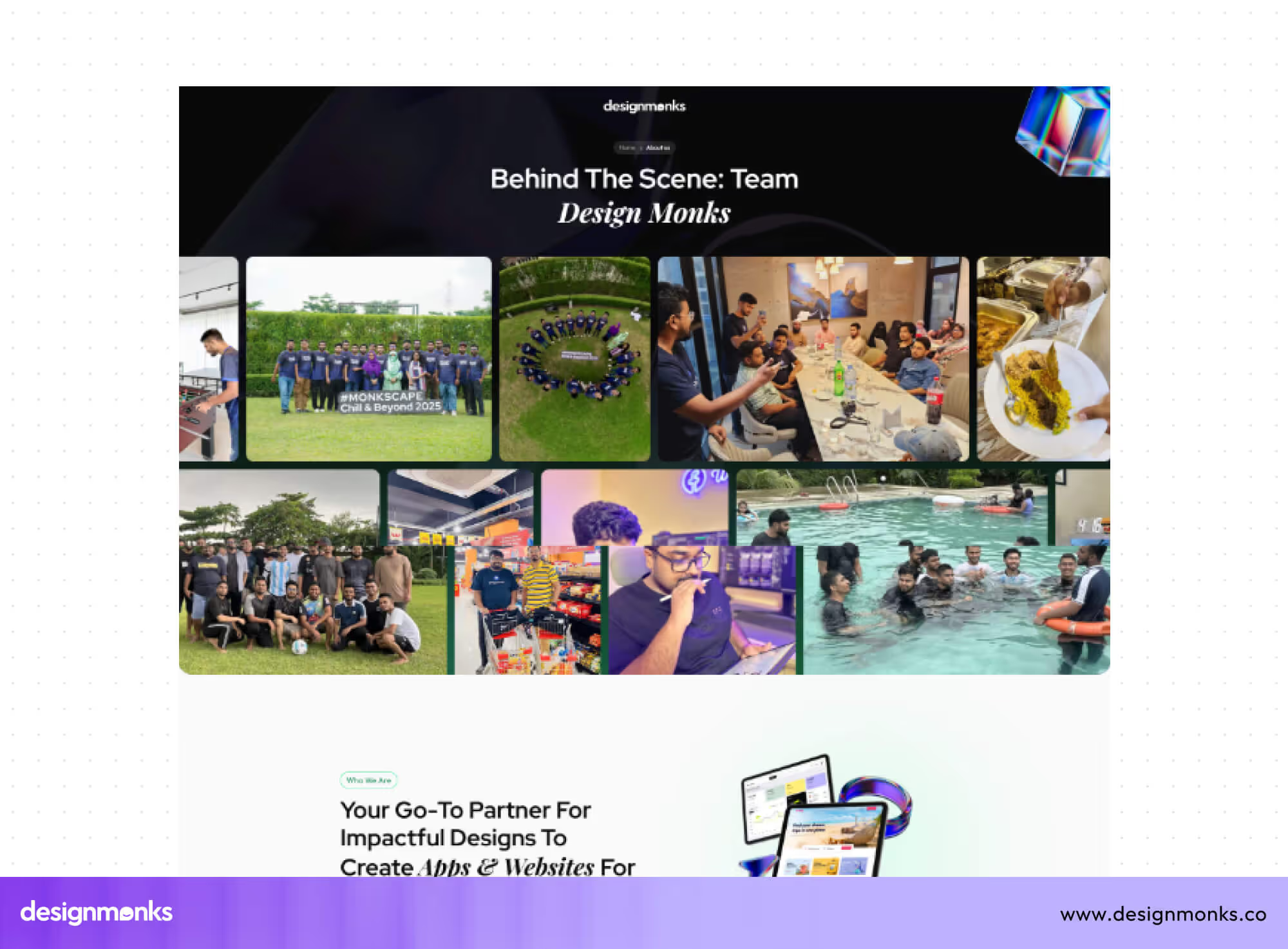
The About page of Design Monks About Page stands out as one of the best for design agencies. It explains who the Design Monks team is and how they work to deliver meaningful website and app experiences. The agency clearly shows its journey, client reach, and years of work, giving visitors a strong sense of purpose.
The page also introduces the founders and many team members by role, helping humanize the brand. It shares key statistics and success stories that build trust quickly. With a warm tone and clear structure, this page feels relatable, honest, and engaging for anyone interested in design services.
2. The Oak Theory About Us Page
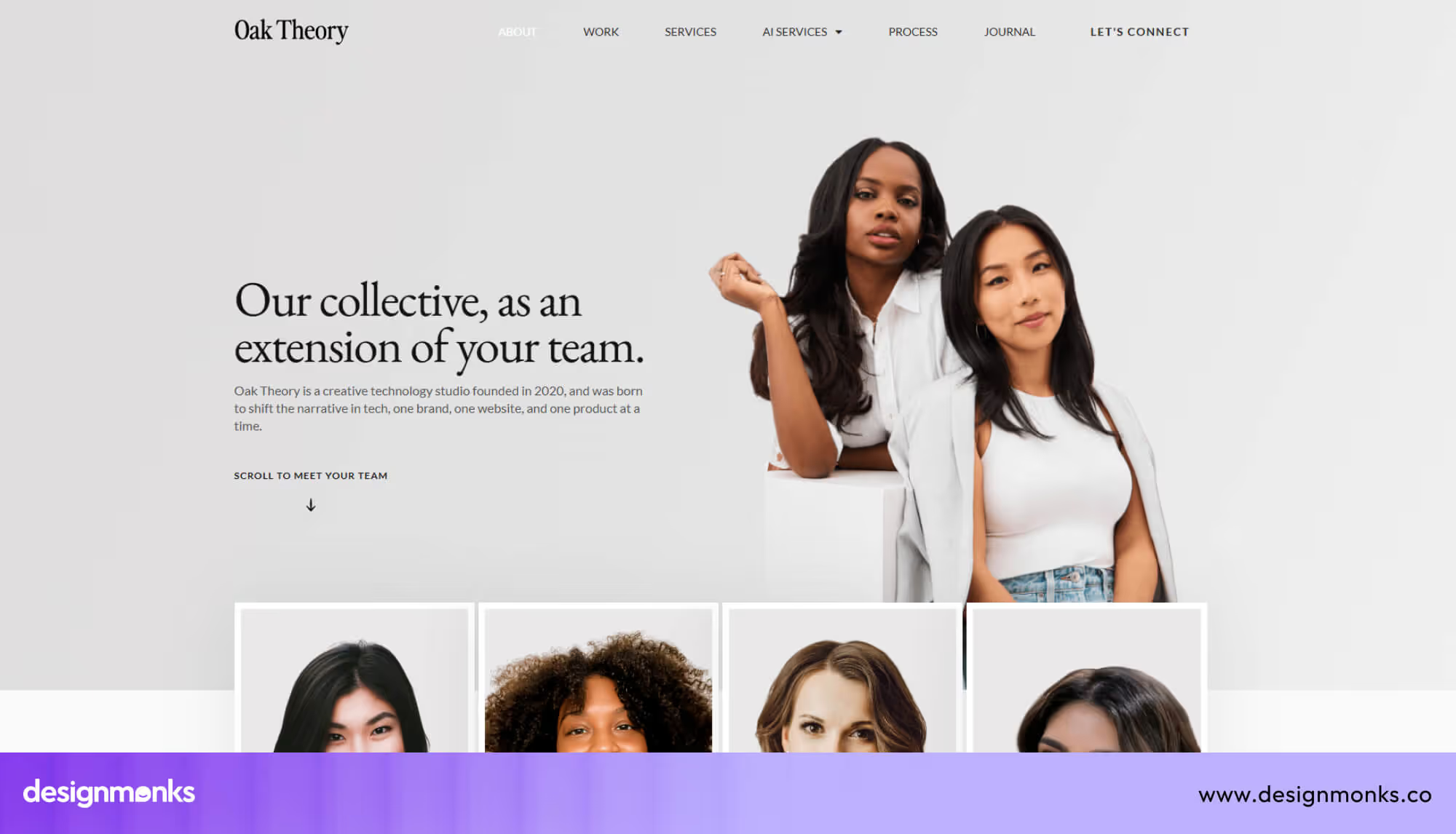
The Oak Theory about us page shows a diverse creative studio with a clear purpose and values. The page shares who they are, their team, and their mission to build purposeful digital experiences rooted in inclusivity and collaboration.
This About page also highlights partnerships, respected tech standards, and the agency’s broad expertise in design and innovation. Oak Theory’s focus on meaningful work and inclusive design gives visitors a strong sense of credibility and trust in their studio.
3. The Neuron About Page
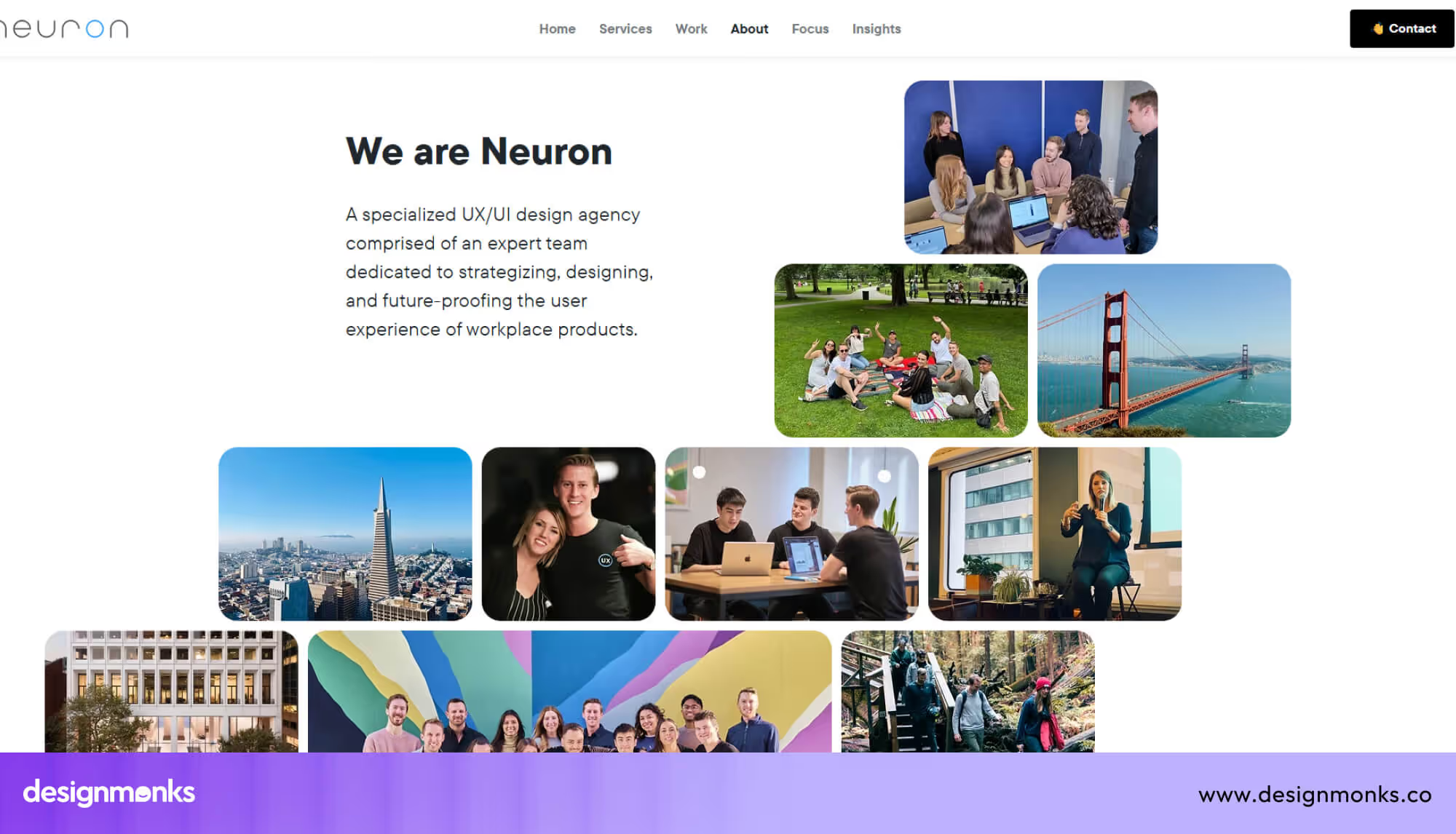
The Neuron About page shows a focused UX/UI design agency that highlights its approach to complex workplace software with strong strategy and expert design. It shares how their team tackles tough challenges and plans solutions that connect user needs with business goals.
This page also showcases leadership, client feedback, and team expertise across multiple locations. By blending real client quotes and clear service context, Neuron builds credibility and gives visitors a solid sense of its design focus and professional strength.
How to Structure an About Page (Step-by-Step Framework)
A clear page structure helps visitors understand the web design for a marketing agency or any other agency field without confusion. When each section follows a logical order, users can read smoothly and stay engaged. This simple step-by-step guide works as an easy about page template for beginners.
Step 1: Start with a Clear Introduction
Begin with a short and clear intro about your agency. Explain who you are and what you do. This section should quickly answer basic questions and give visitors a reason to keep reading your page.
Step 2: Show Your Value Proposition
Right after the intro, explain your value in simple words. Tell users who you help and how your work solves their problems. This part should feel direct and easy to understand for first-time visitors.
Step 3: Share Your Story and Mission
Add your agency's story in a short and relevant way. Focus on why your agency exists and what your team believes in. Keep the message simple so users can connect with your purpose.
Step 4: Introduce Your Team
Create a section to show your team members. Add names, roles, and short details about each person. This builds trust and helps visitors feel they are working with real people.
Step 5: Add Proof and Work Examples
Show your past work, results, or client feedback in this section. You can include project highlights or simple data. This part builds trust and shows that your agency delivers real value.
Step 6: Guide Users with a Clear CTA
End your page with a strong call-to-action. Ask users to contact you, explore your work, or start a project. This step helps turn visitors into potential clients.
Step 7: Plan the Layout with a Simple Wireframe
Before final design, sketch a basic wireframe of your layout and sections. This helps you organize content clearly. A planned layout improves flow and makes your About page easier to read and use.
How Design Monks Structures Its About Page (Case Insight)
Design Monks builds its About page with clear intent and thoughtful structure. Every section reflects its philosophy, team approach, and focus on results. The page shows visitors why Design Monks is different from other design agencies.
Philosophy and Approach
The page starts by sharing the agency’s philosophy. It explains how Design Monks combines creativity and strategy to deliver meaningful digital experiences. This section highlights the values that guide every project, helping clients understand the agency’s unique mindset and approach.
Team Positioning
Design Monks introduces its team with care. Each member’s role, expertise, and contribution are presented to humanize the brand. This structure reinforces trust, shows leadership, and makes visitors feel connected to the people behind the agency.
Results-Driven Messaging
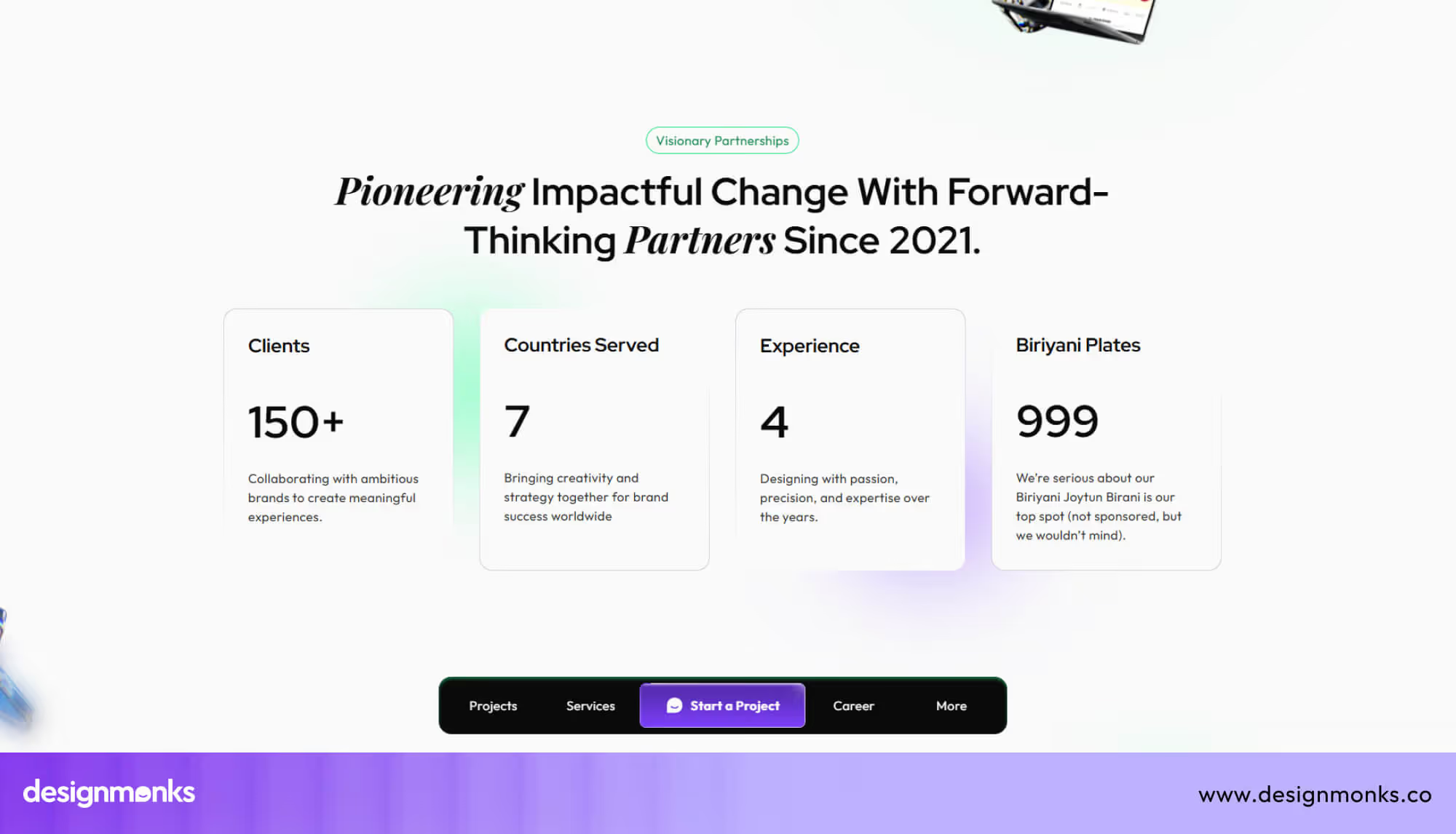
Every part of the page emphasizes outcomes. Case highlights, client stories, and measurable results show the agency’s impact. The content balances storytelling with proof, making the About page both engaging and persuasive while supporting strong brand positioning.
FAQs
Should I include photos of my team on the About page?
Yes, showing team photos helps humanize your agency. Visitors feel more connected when they see real people. Keep images professional, friendly, and consistent to give a clear sense of your team’s personality and roles.
How can I make my agency's story interesting but short on a FAQ page?
Focus on the most important parts of your story. Highlight your mission, core values, and unique approach. Use simple words and short paragraphs so readers can quickly understand your agency without getting overwhelmed.
Can I use videos or motion on an About page?
Yes, videos and motion can make your page engaging. Show your team, work process, or client stories visually. Keep videos short and purposeful to enhance understanding without slowing down the user experience.
End Note
A well-crafted About page is more than just information about your agency. It tells your story, shows your team, and builds trust with visitors. Following best practices helps your page feel clear, professional, and engaging, making it easier for potential clients to connect with your brand.
Remember to keep your content simple, use visuals wisely, and guide users with a clear call-to-action. A strong About page can turn curious visitors into loyal clients and strengthen your agency’s online presence.


.avif)
.avif)
.avif)
.avif)


.avif)
.avif)
.avif)
.avif)






.avif)