.svg)


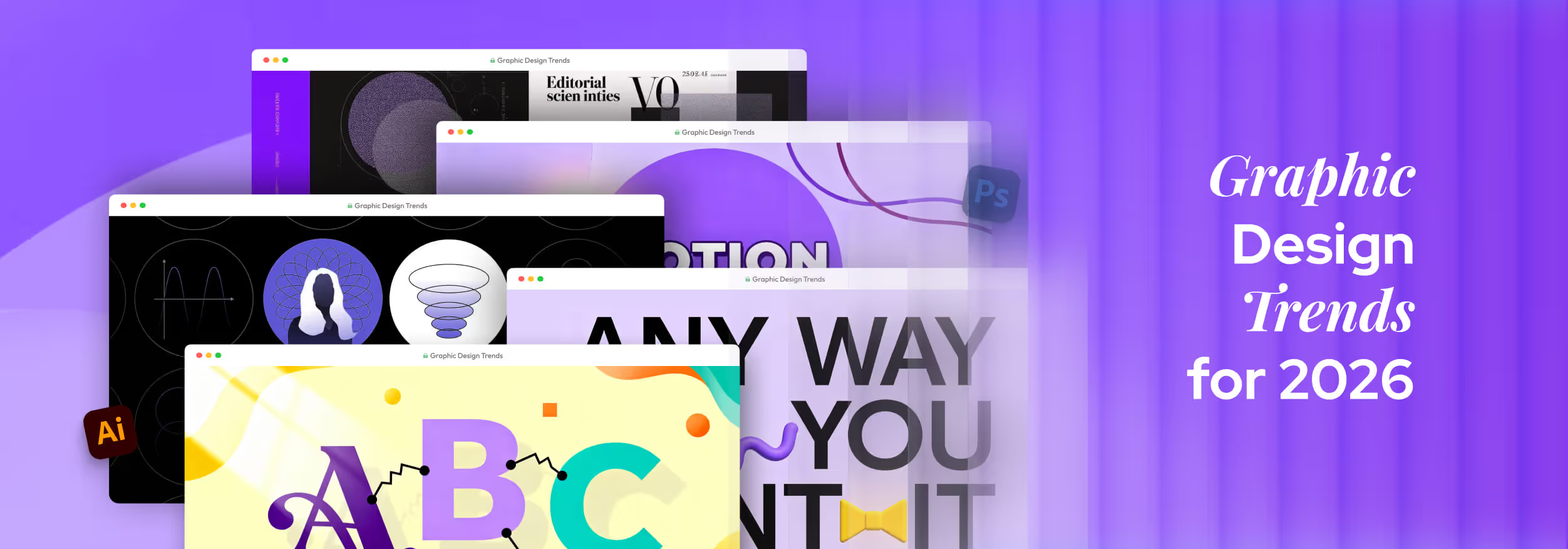

Key Takeaways
- AI tools accelerate creativity while keeping human judgment central in design.
- Motion, 2.5D, and modular layouts create immersive brand experiences.
- Sustainable and ethical visuals enhance credibility and audience trust effectively.
- Fading trends include generic icons, overused gradients, and stock-heavy visuals.
- Designers should experiment, adapt, and balance innovation with clarity consistently.
Design in 2026 is all about energy, adaptability, and personality. Bold colors clash intentionally, layouts break traditional grids, and motion turns static visuals into experiences. Designers are blending playfulness with purpose, making interfaces feel alive rather than just functional.
Creativity now moves faster with AI, but human taste and intent remain central. Immersive visuals, modular systems, and hyper-personalized content are shaping how audiences interact with brands. Sustainability and ethical design choices are also emerging as essential signals of credibility, not just trends to follow.
This blog dives into the most important 2026 graphic design trends, highlights fading styles, and shares actionable insights to help designers and brands stay ahead.
Top 14 Graphic Design Trends for 2026 (Expert Forecast)
Graphic design in 2026 is getting so many new trends, but not every idea will leave a mark. Here are the 14 most important, impactful trends that are set to shape the creative landscape this year.
1. Hybrid Human-AI Creativity
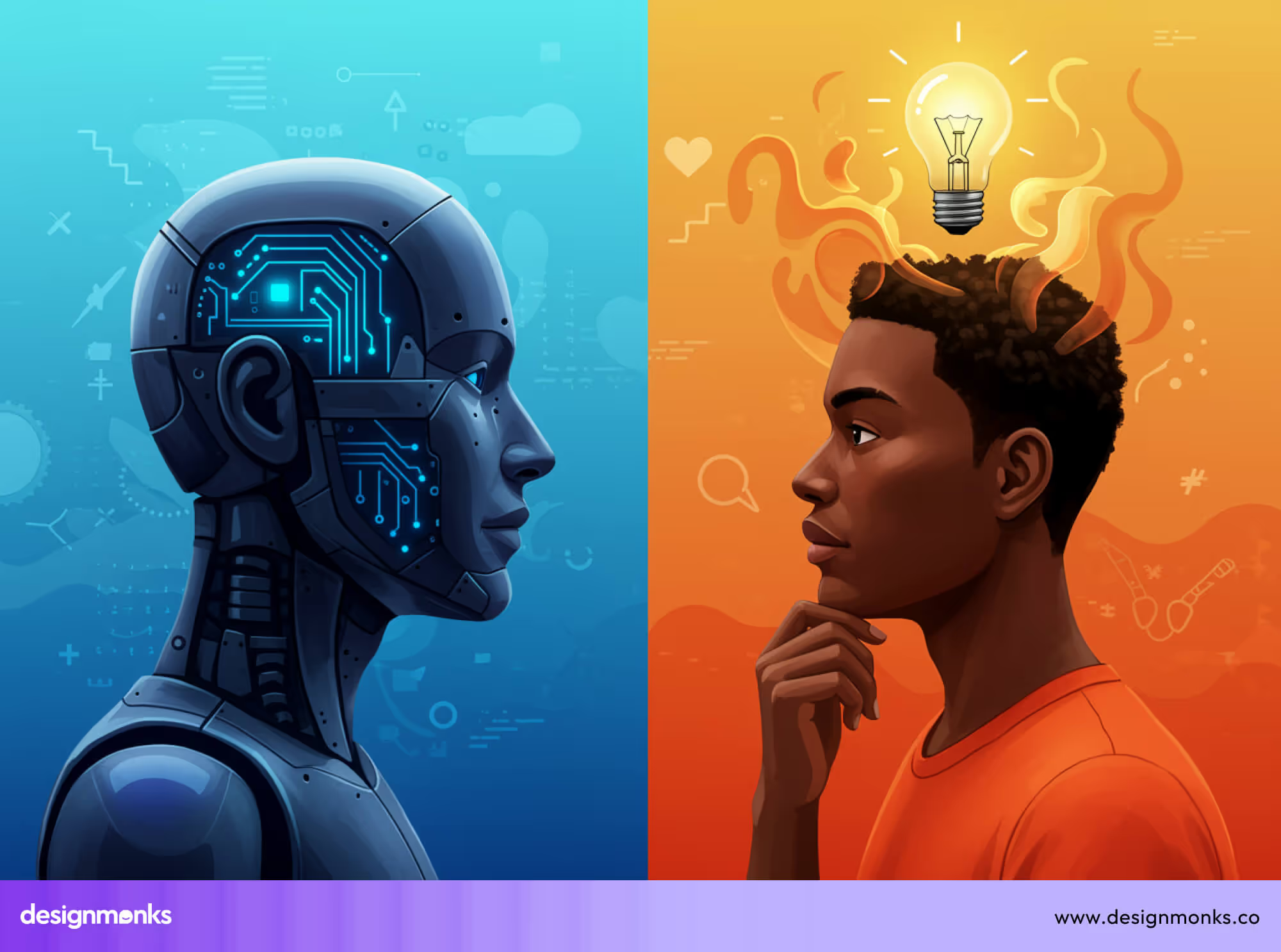
Working with AI in design isn’t about replacing us; it’s about boosting creativity. Lately, I’ve noticed how AI can handle repetitive layouts, color variations, or pattern explorations, leaving us more time to focus on concept and feel. It’s like having a co-designer who never sleeps.
The key is to treat AI as a collaborator. You guide it, tweak the outputs, and infuse it with personality. I’ve found experimenting with AI early in a project speeds up ideation without sacrificing style or intention.
One great example is Canva, whose Magic Design feature uses AI to generate layout and style options instantly, empowering designers to choose, customize, and refine instead of starting from scratch.
Here are some best practices for implementing AI in your graphics design tasks:
- Use AI for rapid concept generation, not final output.
- Maintain personal taste while reviewing AI suggestions carefully.
- Combine multiple AI outputs to create unique variations.
- Treat AI as a sketching partner, not the final designer.
2. Kinetic Typography as a Core Brand Asset
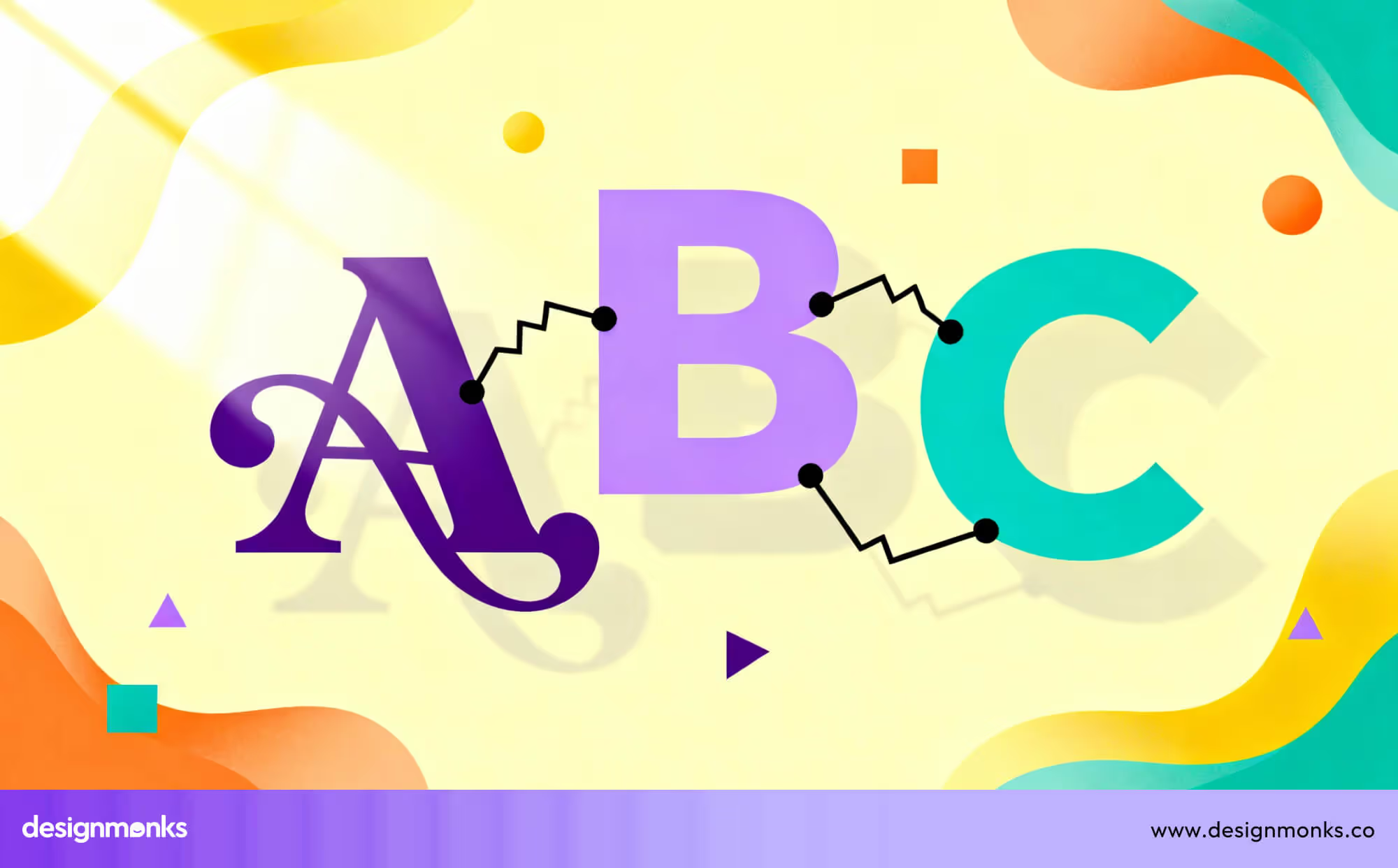
Motion in type isn’t just decoration, it’s voice, attitude, and energy. I’ve started seeing brands use moving text to express personality instantly, making static logos or banners feel alive. Timing, rhythm, and spacing are everything.
Applying it effectively means thinking about how type moves across screens and media. It’s tricky but rewarding; even subtle shifts can dramatically change perception. I usually prototype in short bursts and adjust pacing based on audience feel.
- Animate keywords to emphasize brand personality clearly.
- Keep motion smooth to avoid distracting viewers.
- Match animation speed to brand tone and messaging.
- Test kinetic type across devices for consistent experience.
- Use motion sparingly to highlight, not overwhelm content.
3. Ultra-Expressive Variable Fonts
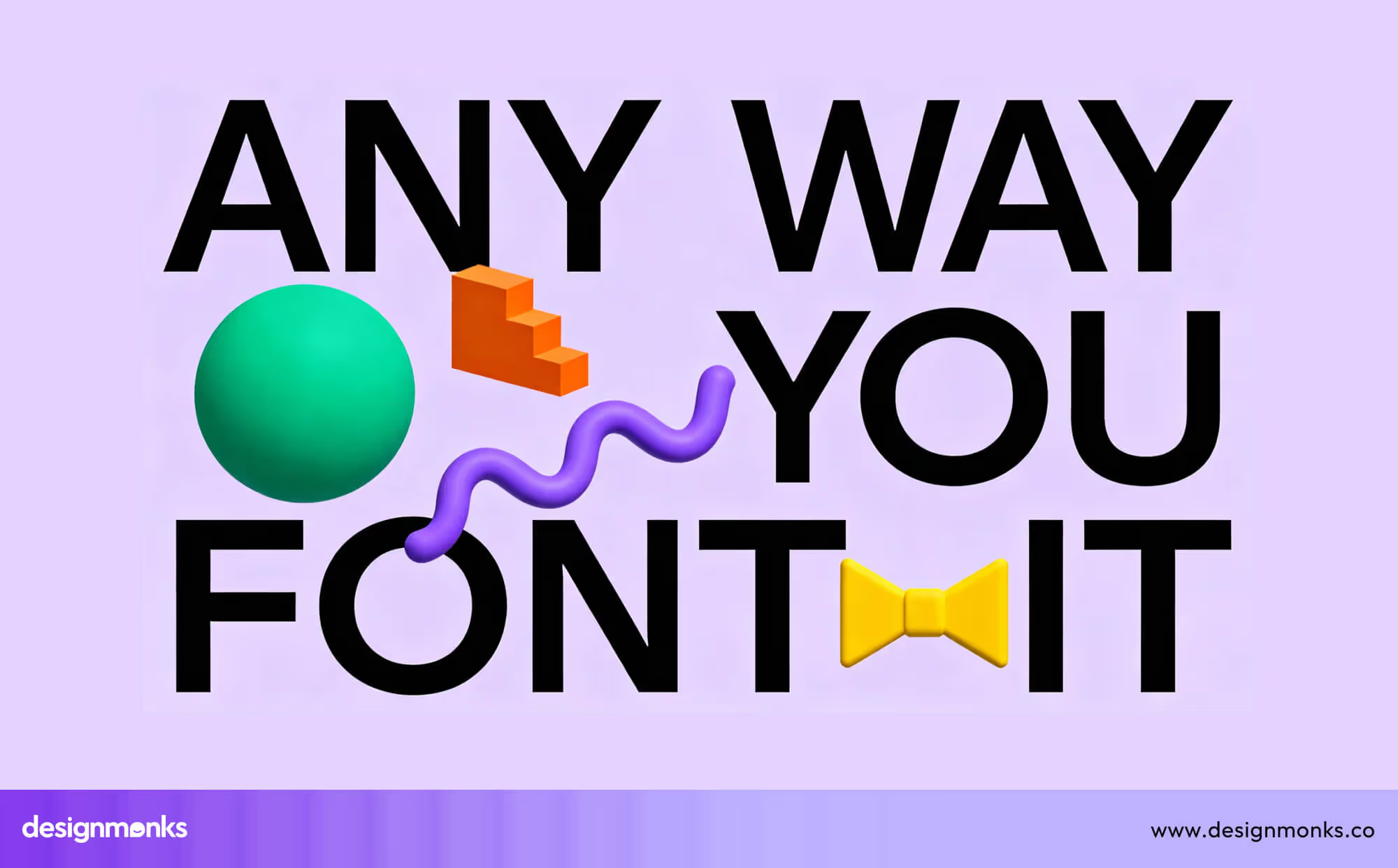
Variable fonts are no longer just efficient; they’re a playground. I love how you can shift weight, width, slant, and style in real time, creating endless combinations from a single file. This flexibility makes branding feel alive and responsive.
The trick I’ve learned is to explore extremes carefully. You can push a font boldly in one context while keeping it subtle elsewhere. It’s perfect for campaigns that need both consistency and surprise.
According to the Conguence Market insights, around 48% of newly launched websites now use variable fonts, which improve responsiveness and reduce load time while enabling more expressive typographic flexibility.
- Experiment with multiple axes to add character to type.
- Balance expressive choices with readability for clarity.
- Combine variable fonts with layout dynamics for visual impact.
- Use font variation to indicate hierarchy and mood.
- Test different environments for font responsiveness and legibility.
- Avoid overusing extremes; maintain brand coherence across media.
4. Hyper-Chromatic Palette Play
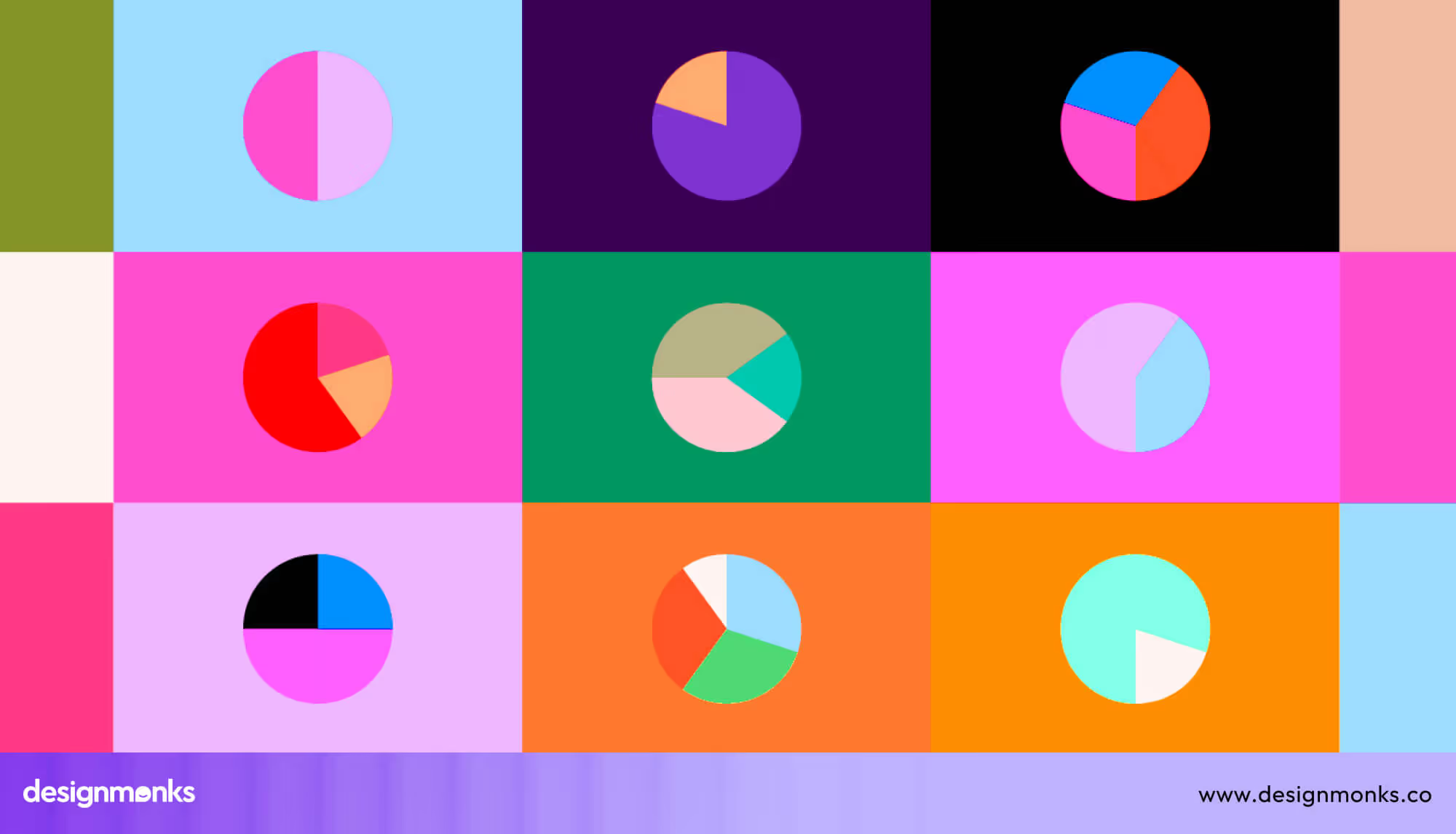
Color in 2026 is louder, bolder, and unapologetically experimental. Nowadays, designers are playing with gradients, clashing tones, and neon pops, and honestly, it instantly grabs attention. It’s not just decoration; it sets the mood, hierarchy, and energy.
Here, the principle is to be intentional. Pair extreme colors with neutral spaces to avoid visual chaos. I usually test palettes on different screens and in motion to see how they really feel in real-world contexts.
- Use bold color combinations to create dynamic, memorable designs.
- Balance intense hues with muted backgrounds for clarity.
- Experiment with gradients and duotones to add depth.
- Test color contrast for accessibility and readability.
- Keep brand personality consistent across all color choices.
5. Surreal & Absurdist Visuals
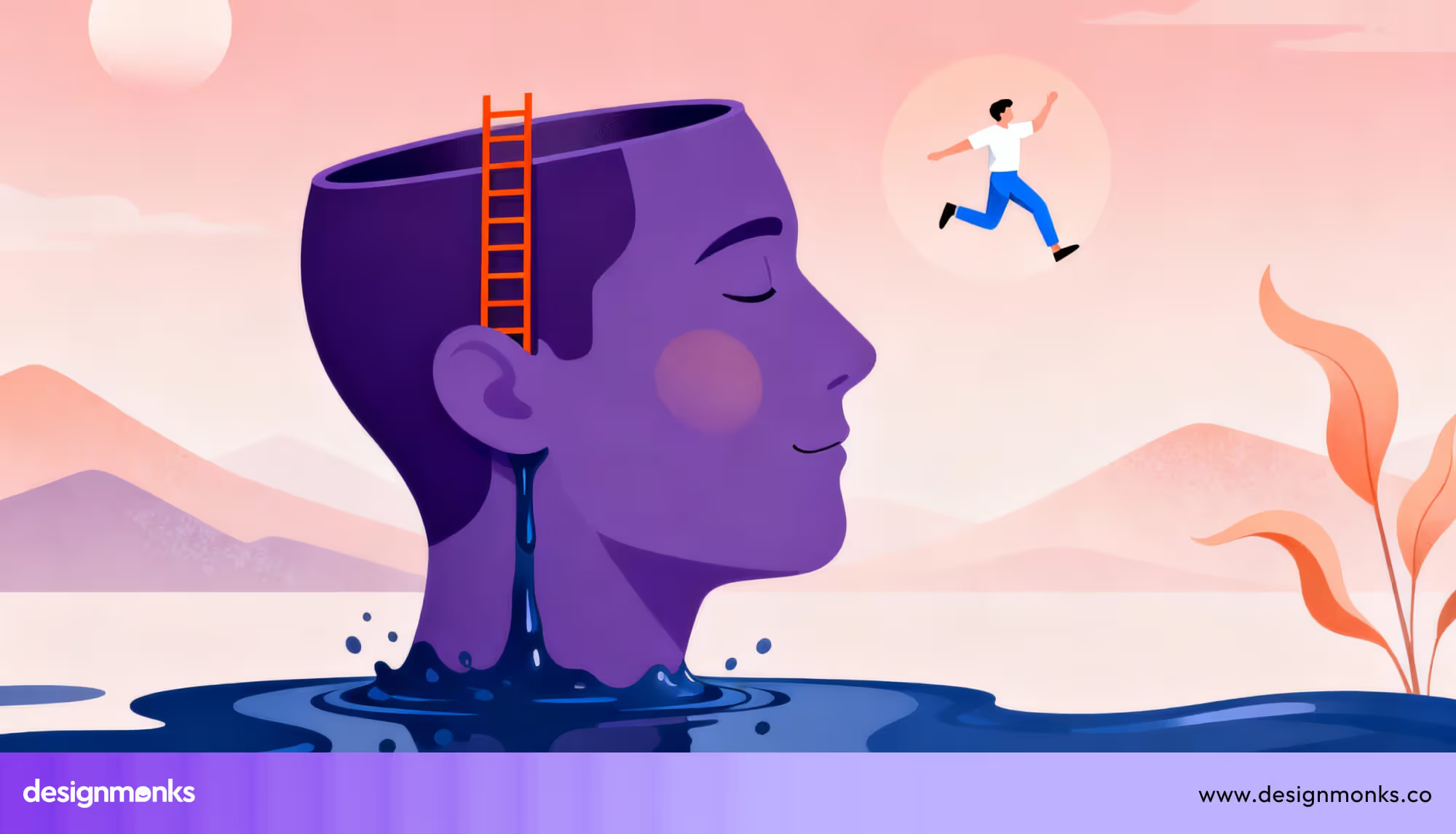
Forget strict realism, this year, imagination runs wild. I’ve been exploring dreamlike compositions, unexpected proportions, and absurd scenarios that surprise and delight viewers. It’s playful, engaging, and perfect for making brands memorable.
To make it work, you need rhythm and coherence. I like mixing familiar elements in unfamiliar ways, which keeps the viewer intrigued but not confused. It’s a delicate balance between chaos and clarity.
- Blend real and surreal elements for compelling compositions.
- Use unexpected proportions to create visual interest.
- Keep focus clear despite absurd or chaotic imagery.
- Test audience reactions to gauge effectiveness and impact.
- Experiment with textures and layering for depth.
- Combine humor and surprise to enhance engagement.
6. Hyper-Personalized Visual Systems
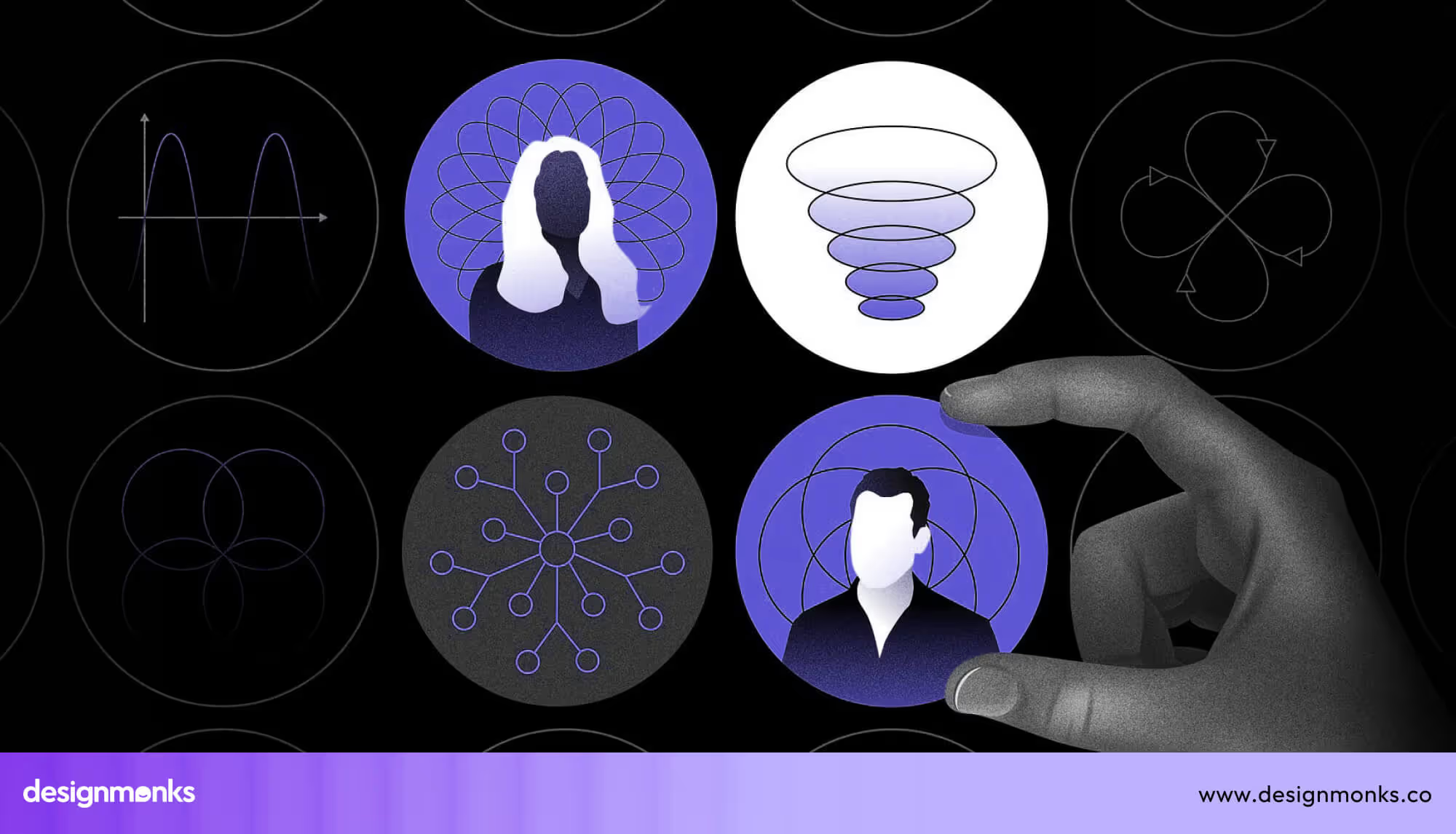
Design is moving from one-size-fits-all to deeply personalized experiences. I’ve been working with responsive visuals, adaptive layouts, and user-specific color or content variations, and the results feel like the brand is talking directly to each person. That’s what the hyper-personalization concept is about.
Implementation is all about modularity and rules. I usually build flexible components that adapt to context, device, or user preference while keeping the overall brand voice intact. It’s a lot of upfront work, but the payoff in engagement is huge.
For example, Netflix dynamically tailors its homepage banners, category order, and thumbnails based on each viewer’s watch history, creating a highly personalized visual experience that keeps users engaged.
- Design modular visual elements that adapt to user needs dynamically.
- Utilize data to customize visuals for specific audience segments.
- Maintain brand consistency while personalizing experiences creatively.
- Test variations in real user scenarios to measure impact.
- Use adaptive layouts for multi-platform design flexibility.
7. Neo-Minimalism with Emotional Depth

Minimalism in design services industry trends 2026 goes beyond clean lines and empty space; it’s about subtle storytelling. I’ve noticed designers using soft textures, muted tones, and gentle gradients that evoke emotion, creating quiet, elegant interfaces that feel human and relatable without unnecessary clutter.
Emotion comes from thoughtful details. Shadows, slight contrasts, and tiny illustrative touches make users feel something deeper while keeping the design restrained. Every element is intentional, which simply gives minimalism a heart without compromising clarity or function.
According to Graphicted, 84.6% of users still prefer minimalist designs that deliver clarity and simplicity, yet emotional minimalism is gaining traction as designers weave warmth and expressive details into restrained layouts.
- Use muted palettes to convey warmth and sophistication effectively.
- Add suitable textures to evoke depth and tactile feeling.
- Utilize negative space to highlight important content naturally.
- Incorporate small illustrative or typographic accents for personality.
- Ensure every component has meaning; avoid decorative fluff.
8. Immersive 2.5D & Spatial Graphics
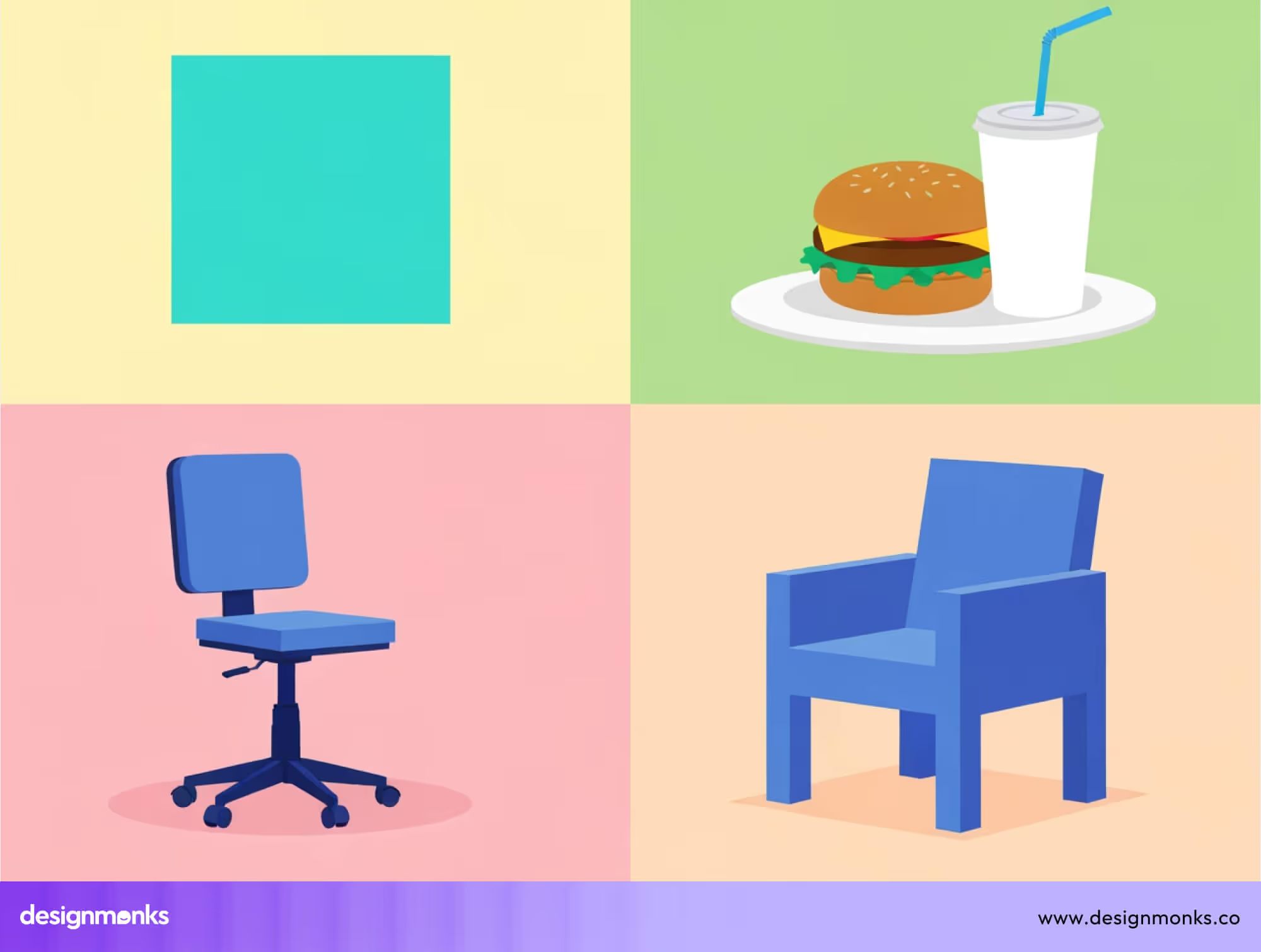
Design is no longer just flat; 2.5D creates layered depth and perspective that draws viewers in. Designers love experimenting with overlapping elements, shadows, and subtle angles to give a sense of space while keeping compositions readable and engaging.
The magic is in balance. You can add dimension without overwhelming the audience by using consistent visual anchors, careful hierarchy, and restrained motion. Depth enhances storytelling while making interfaces feel dynamic and alive, but usability must stay at the forefront.
- Combine layered elements to create depth and visual interest.
- Use shadows and perspective carefully to guide attention.
- Animate elements subtly for interactive, immersive experiences.
- Test depth effects across screens for consistent perception.
- Maintain readability despite overlapping or angled visuals.
- Balance foreground and background to avoid visual confusion.
9. Modular & Scattered Layouts
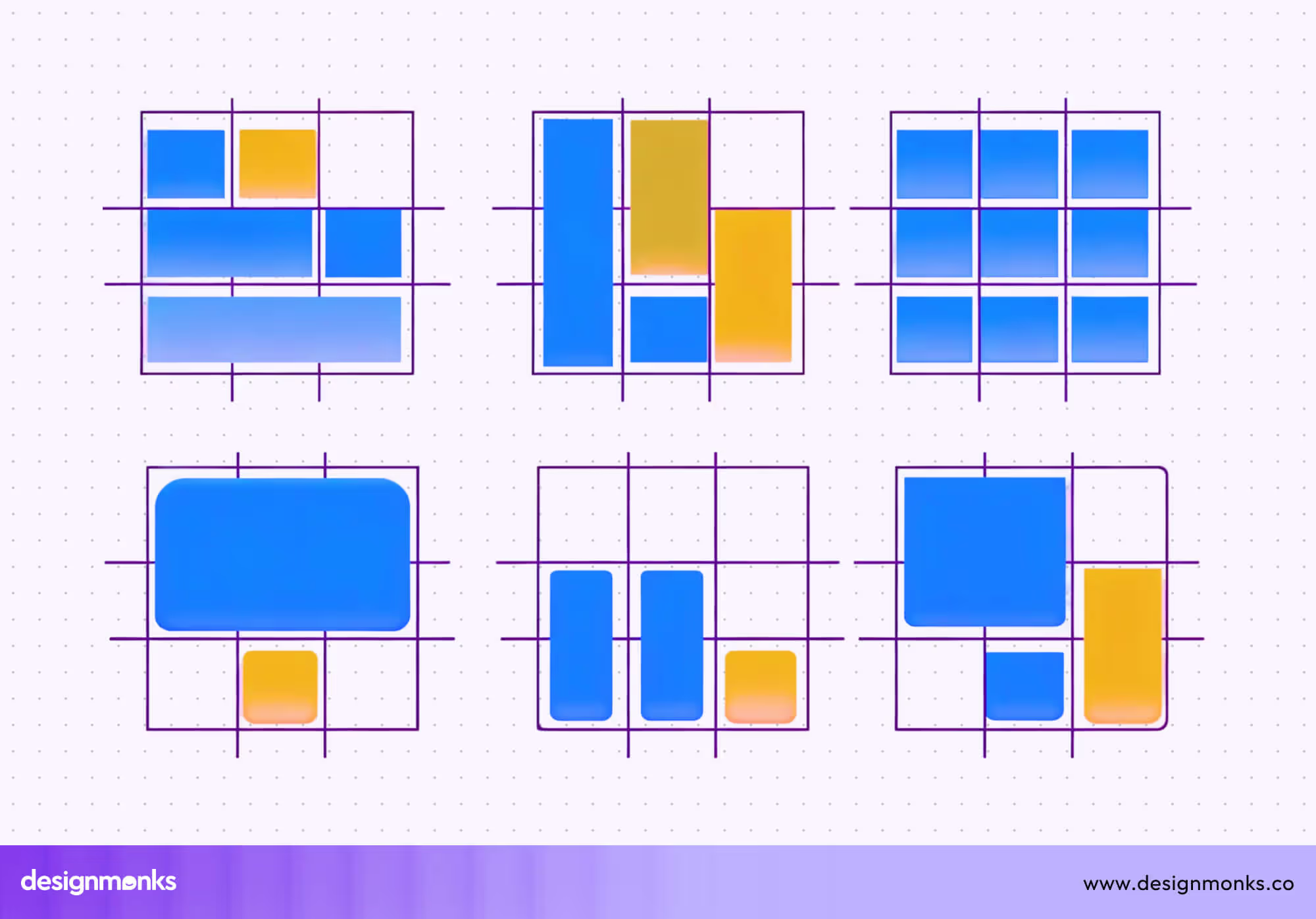
Asymmetry and playful modularity are taking over. Nowadays, brands use scattered grids, irregular blocks, and flexible modules to create dynamic, engaging compositions. It feels spontaneous, yet everything has structure, resulting in designs that are lively but coherent.
Experimentation is all you can do for the best outcome in this case. Shuffling modules, layering visuals, or breaking conventional grids allows fresh storytelling while maintaining rhythm and balance. The trick is to keep anchors and focal points so the layout guides viewers naturally through content.
- Design modular blocks for flexibility across devices and screens.
- Mix asymmetry with visual anchors for controlled spontaneity.
- Layer images and text to create a dynamic hierarchy.
- Keep spacing consistent to prevent clutter and confusion.
- Use scale and color contrast to emphasize focal points.
10. High-Concept Chaos Design
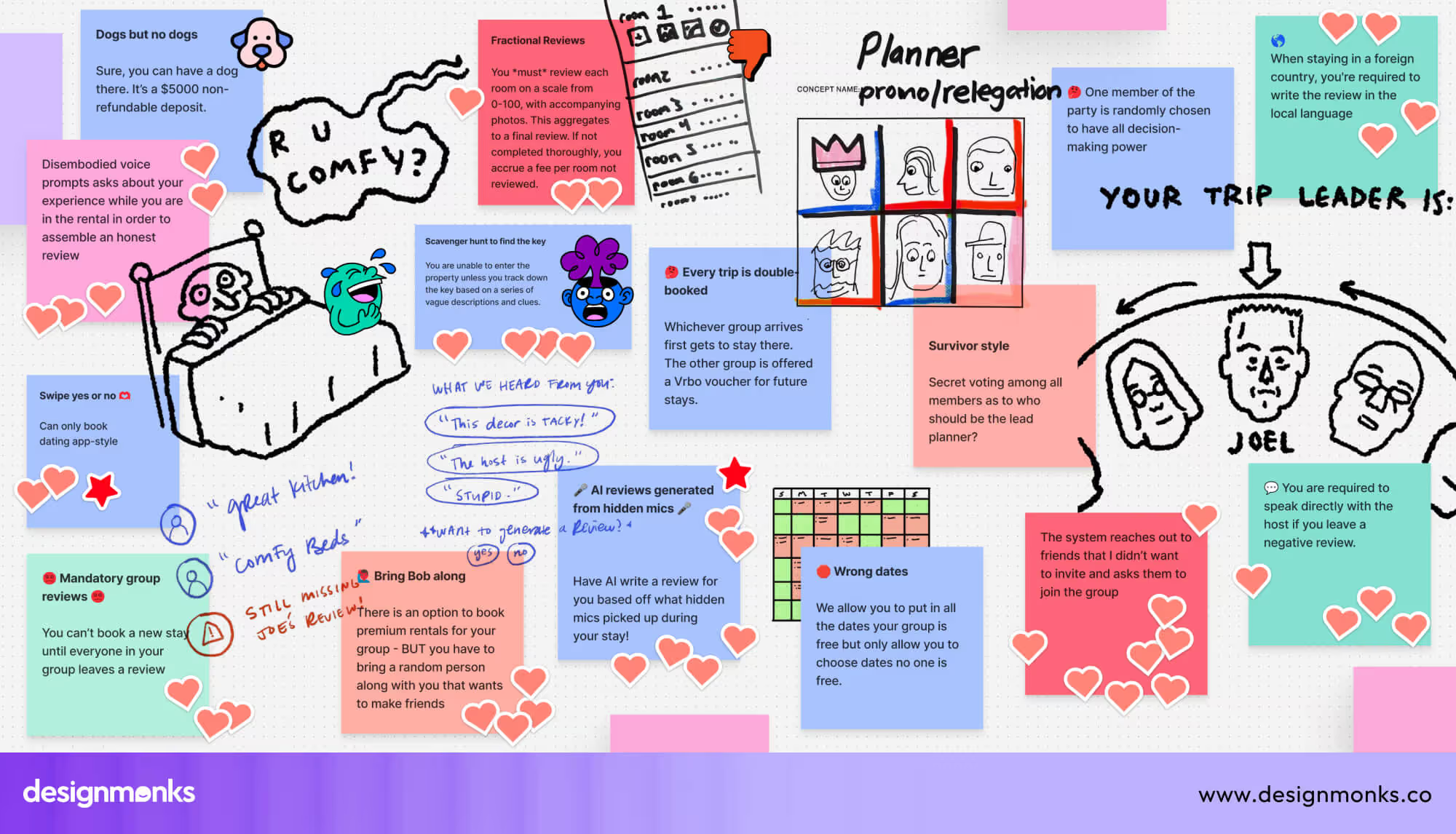
This anti-design aestheticstrend works best on controlled disorder, blending multiple visuals, bold colors, and overlapping elements to create energy. Designers are breaking conventional rules while maintaining cohesion, producing compositions that feel chaotic yet intentional, drawing viewers into a layered, multi-dimensional experience.
The challenge is rhythm and hierarchy. Strategic spacing, contrast, and focal points prevent overwhelm, guiding the viewer’s eye through the apparent chaos. The design should feel spontaneous but be carefully orchestrated to communicate ideas clearly without confusion.
- Layer visuals thoughtfully to create intentional chaos without clutter.
- Use contrasting colors to emphasize hierarchy and guide focus.
- Break conventional grids while maintaining overall balance.
- Introduce asymmetry for dynamic and energetic compositions.
- Anchor key elements to prevent visual overload.
11. Sustainable & Ethical Visual Design
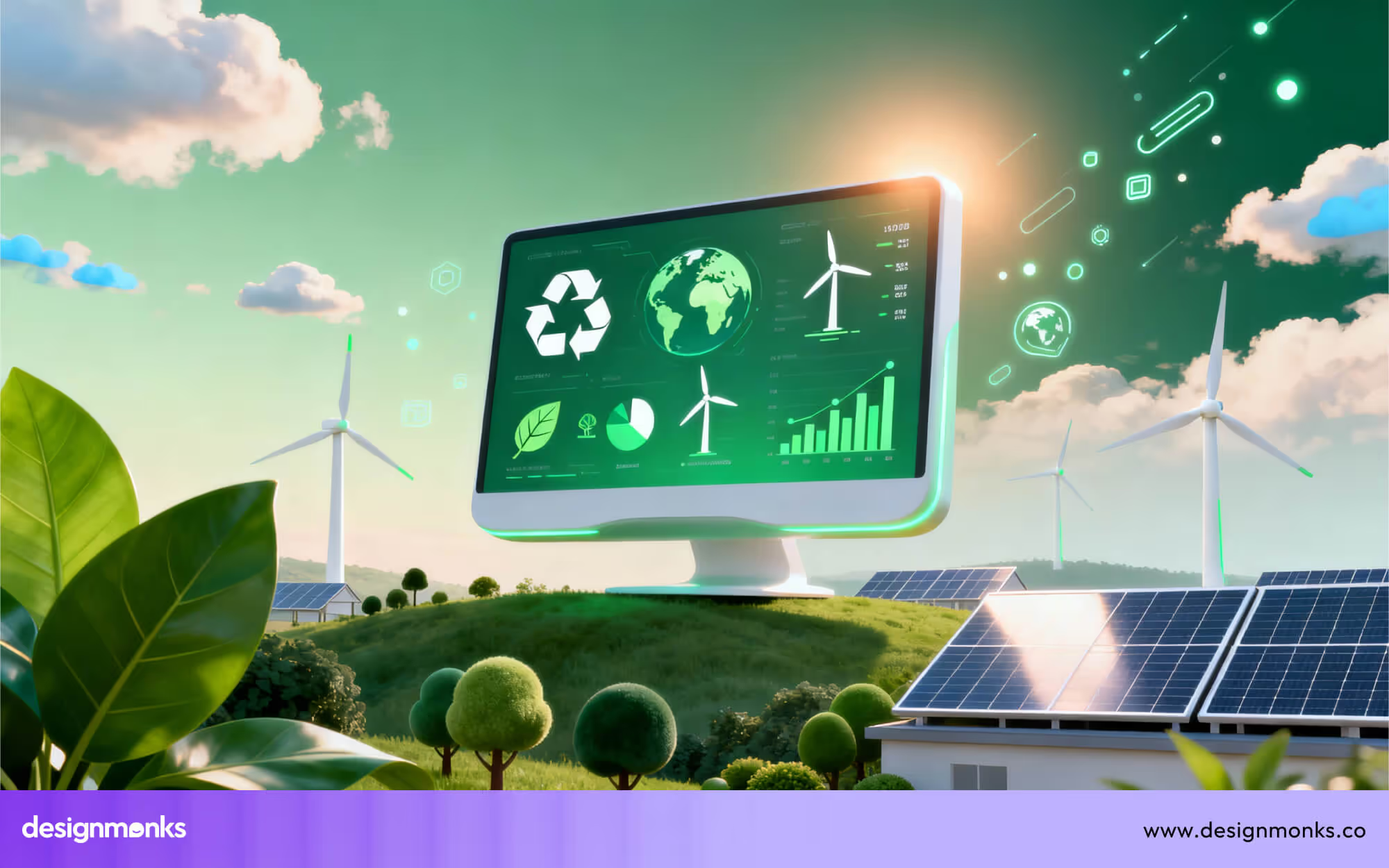
Sustainability is now playing with visual storytelling. Eco-conscious brands are favoring earthy palettes, recycled textures, and transparent messaging that communicates responsibility. This trend emphasizes authenticity, showing that design choices can reflect environmental and social ethics while still being visually striking.
Consistency and clarity are important in this case. Choosing materials, color schemes, and imagery that align with sustainability reinforces brand trust. Ethical visuals also involve accessible, inclusive design practices, ensuring that visuals are both responsible and meaningful for diverse audiences.
- Use earthy, natural tones to reflect environmental awareness effectively.
- Integrate textures and materials that suggest sustainability.
- Highlight ethical practices through visuals subtly but clearly.
- Ensure accessibility and inclusivity in all design components.
- Maintain clarity while showcasing social or environmental responsibility.
12. Retro-Futurism Reloaded
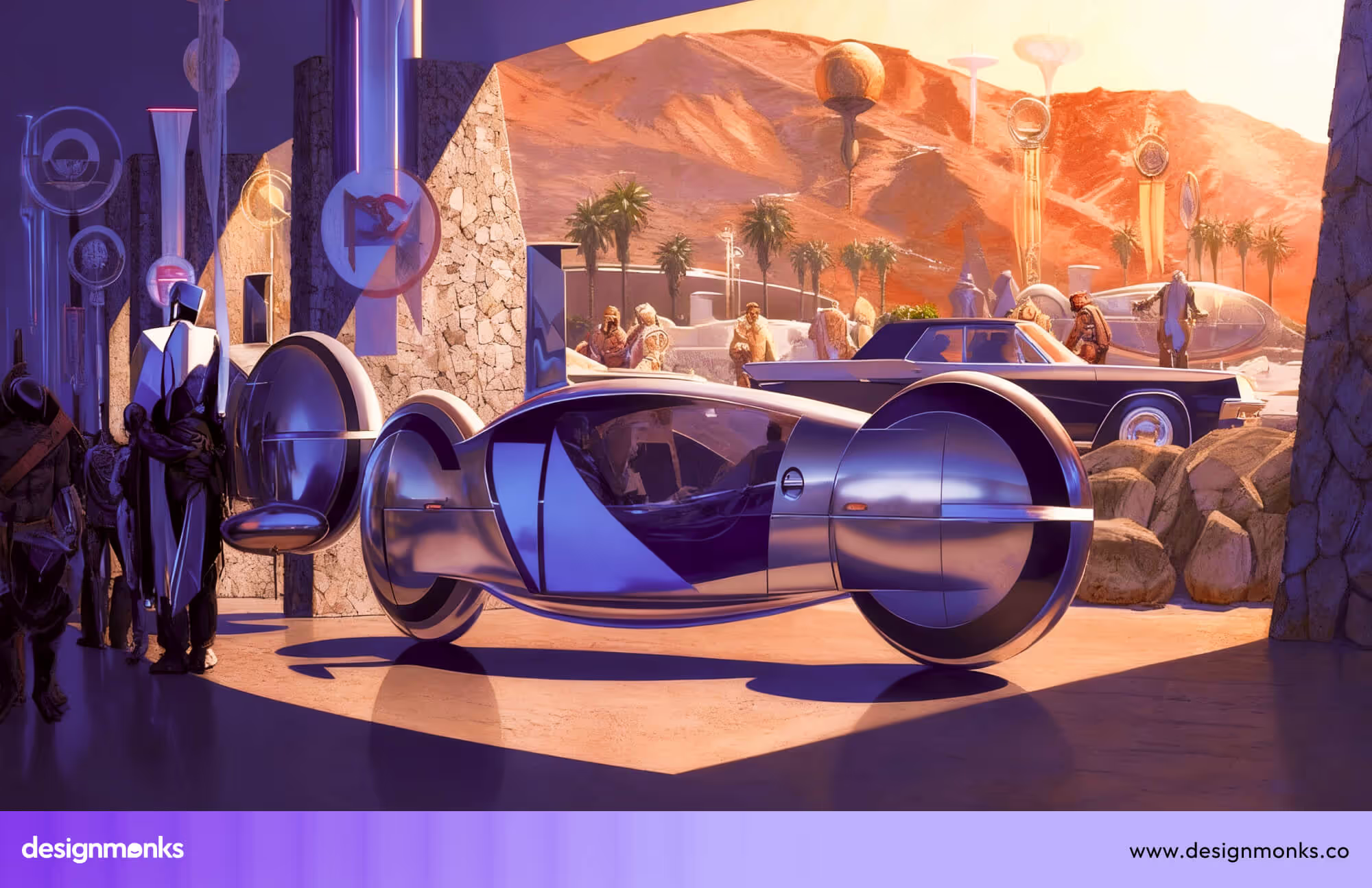
Retro-futurism brings nostalgia and imagination together by combining vintage aesthetics with modern technology-inspired visuals. Designers combine neon gradients, geometric shapes, and sci-fi motifs to evoke past visions of the future, producing bold, eye-catching graphics that feel timeless yet forward-looking.
Elements should hint at the past while remaining relevant today, avoiding kitsch. Mixing digital textures, reflective surfaces, and animated accents helps build immersive environments that honor retro influences while appealing to modern audiences.
- Combine retro color palettes with futuristic shapes for impact.
- Use neon gradients and reflective textures for sci-fi vibes.
- Balance vintage motifs with modern, clean execution.
- Add subtle animation to enhance the futuristic feel.
- Experiment with geometric compositions to create dynamic visuals.
- Maintain visual clarity despite rich, nostalgic layering.
13. Editorial-Style Layouts for Digital Brands
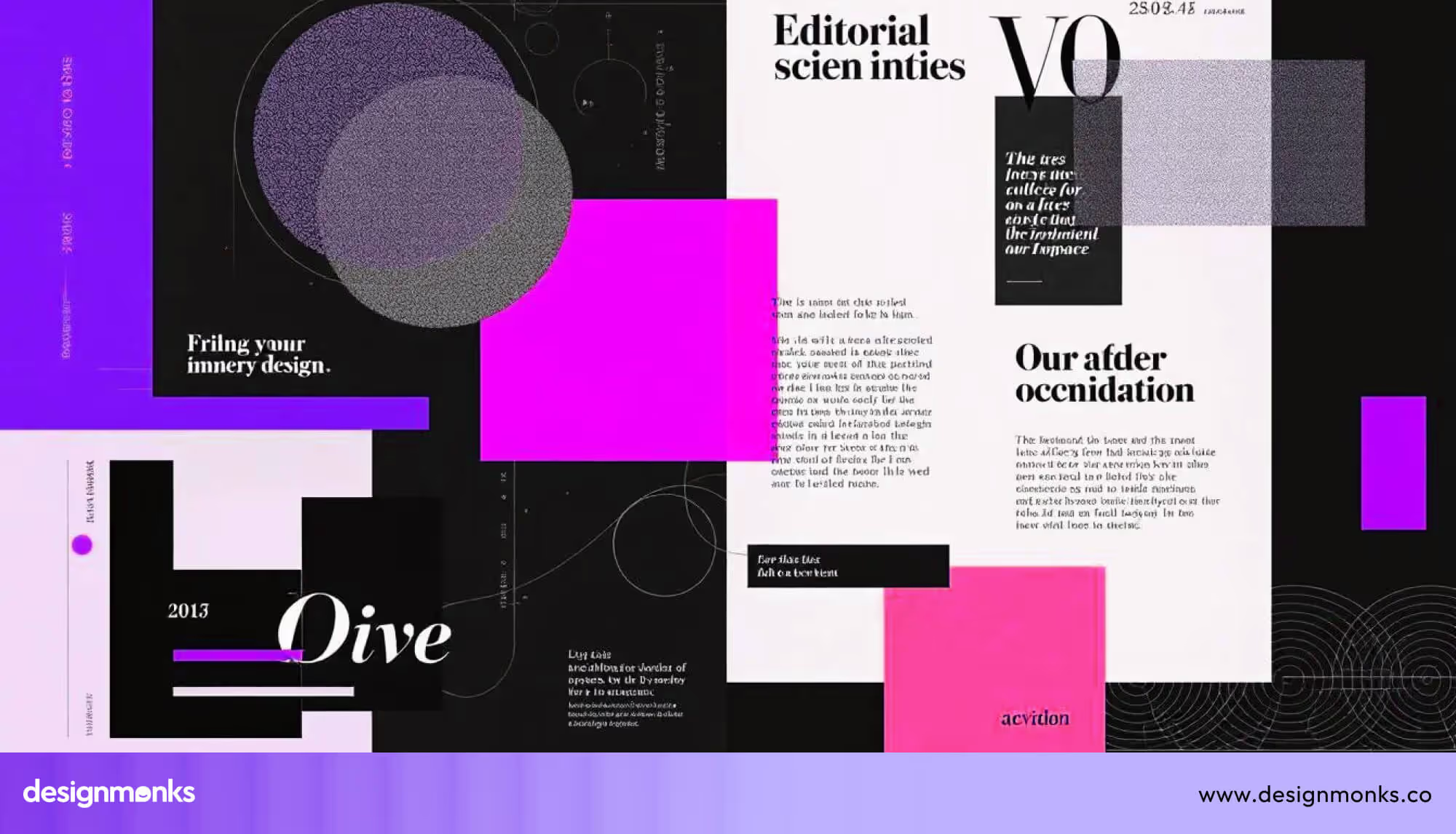
Editorial-style design gives digital brands a magazine-like & narrative quality. By combining clear hierarchies, bold headings, and curated visuals, it helps brands tell stories that feel sophisticated and engaging.
For this style, designers should balance typography, imagery, and whitespace to maintain readability while creating visual interest. Structured grids guide users through narratives, which makes even complex content feel digestible and visually appealing.
- Use strong headings and subheadings to guide the reader's attention clearly.
- Maintain consistent typography and spacing for a polished, professional look.
- Integrate high-quality visuals to support storytelling and brand tone.
- Balance text-heavy sections with whitespace to improve readability.
- Apply grids strategically for structured, coherent layouts.
14. Motion-First Brand Identities
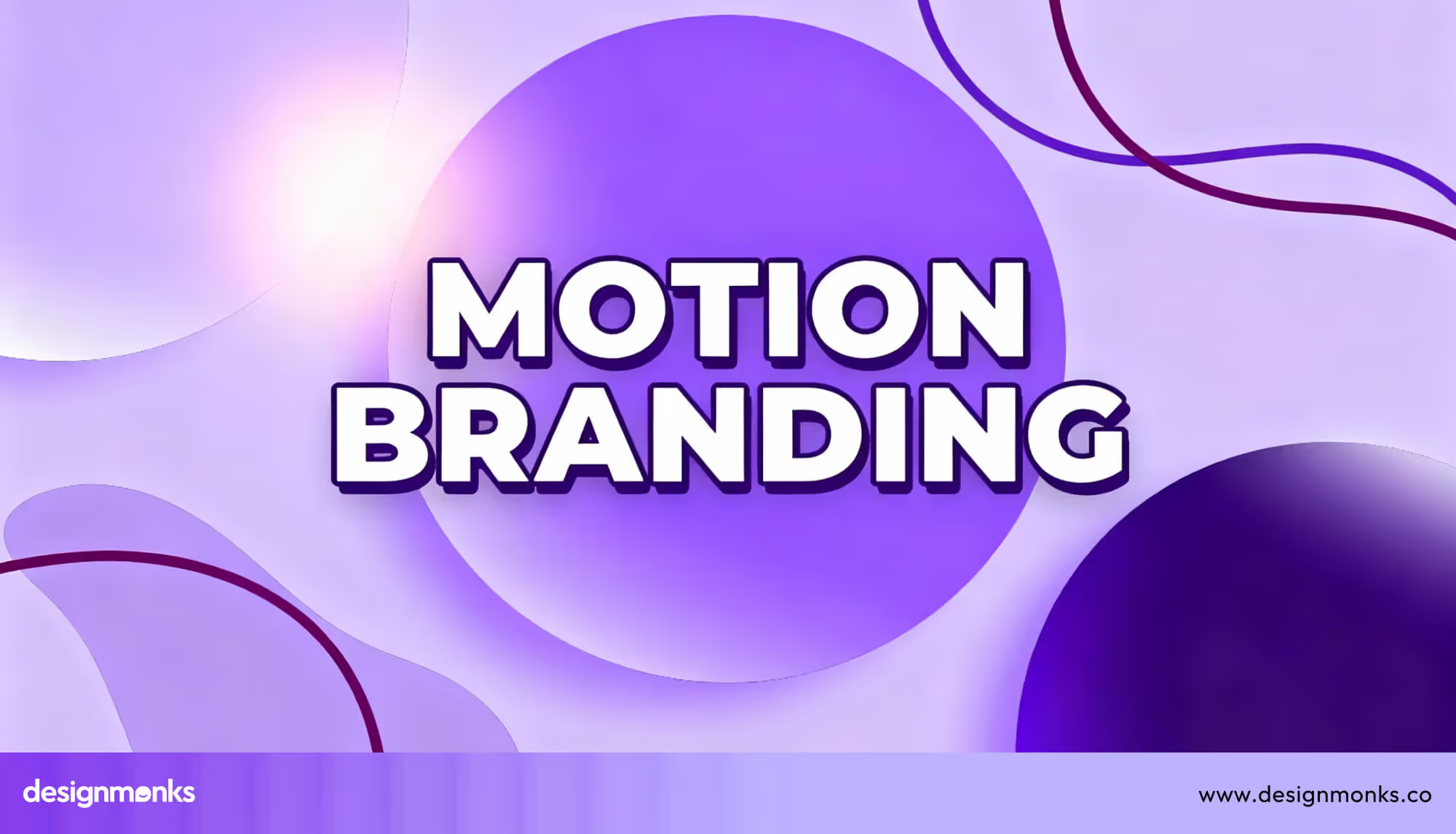
Motion-first identities bring brands to life through animation, transitions, and interactive elements. Rather than static logos or visuals, these designs prioritize movement, making experiences feel dynamic, memorable, and engaging across digital touchpoints.
Timing, rhythm, and context are crucial in this trend. Animations should enhance storytelling, not distract, and work seamlessly across devices. This trend emphasizes thinking of brand identity as a living system that interacts naturally with audiences.
- Use subtle animations to emphasize key brand elements without distraction.
- Ensure transitions feel smooth and natural across all platforms.
- Incorporate interactive elements that enhance user engagement.
- Test motion on different devices to maintain consistency.
- Balance movement with readability to avoid overwhelming users.
- Align animated elements with overall brand tone and personality.
What Defines Graphic Design Trends in 2026?
2026 graphic design trends are shaped by rapid AI adoption, cultural shifts, immersive experiences, sustainability, and platform-driven aesthetics. Designers focus on dynamic and human-centered visuals that resonate across digital, social, and brand spaces. Here are the major facts that define the graphics design trends in 2026:
AI-Powered Creativity
Artificial intelligence accelerates ideation, automates repetitive tasks, and generates multiple design variations. Designers incorporate AI in UX and graphic design to experiment faster, explore novel combinations, and enhance visual storytelling while maintaining human judgment and creative intent.
Cultural Influence & Storytelling
Designs now reflect societal values, inclusivity, and authenticity. Cultural trends drive typography, color choices, and visual narratives to help brands connect meaningfully with diverse audiences. At the same time, it remains visually appealing and contextually relevant.
Immersive & Spatial Experiences
2.5D, layered graphics, and AR/VR-ready visuals define interactive experiences. Designers create depth and engagement through motion, spatial layouts, and perspective, which makes digital products feel alive, intuitive, and memorable.
Sustainability & Ethical Design
Eco-conscious visuals, accessible layouts, and transparent storytelling are central. Designers emphasize minimalism, ethical sourcing, and sustainable aesthetics to align brands with environmental and social responsibility, resonating with conscious audiences.
Platform-Driven Aesthetics
Trends adapt to social, mobile, and web platforms. Designers optimize layouts, motion, and visuals for specific contexts, ensuring consistency, clarity, and brand recognition across multiple digital touchpoints.
2025 vs. 2026 Graphic Design Trends
2025 trends emphasized digital clarity and UX-driven visuals. In contrast, 2026 pushes boundaries with experimental aesthetics, tactile textures, AI-human hybrids, and bold expression. The comparison highlights evolution in style, technique, and purpose.
2025 was about simplicity and usability. 2026 embraces complexity, depth, and sensory engagement, blending unexpected elements and visual tension for richer emotional impact.
In 2025, clarity drove design decisions. In 2026, trend logic shifts to meaning and personality, balancing utility with storytelling and expressive visual language.
AI tools in 2025 supported basic automation. In 2026, AI becomes a creative collaborator, generating visuals, suggesting innovations, and amplifying designers’ intent.
How These Graphic Design Trends Impact Branding & Marketing
Graphic design trends in 2026 go beyond visuals; they determine perception. Bold colors, immersive layouts, and motion-driven identities help brands communicate personality, values, and purpose, strengthening recognition and emotional connection with audiences across channels.
Marketing campaigns become more engaging and memorable. Designers utilize kinetic typography, modular layouts, and AI-generated variations to create content that adapts seamlessly across social, web, and interactive platforms. These trends enhance both reach and audience interaction.
Trends also influence strategic decisions. Sustainable visuals, hyper-personalized systems, and cultural storytelling reinforce brand ethics and authenticity, building trust. Integrating these trends with brand strategy ensures design investments translate directly into measurable marketing impact.
Trends That Are Fading Out Before 2026
Some design approaches are losing relevance as aesthetics and technology are developed. Outdated trends often feel predictable or overused, making brands appear less innovative. Recognizing these helps designers stay ahead and maintain visual authority.
Generic Flat Icons
Flat icons dominated the last decade, but their simplicity often lacks personality. Brands now need icons with depth, subtle motion, or contextual meaning, giving interfaces more character and improving user engagement and clarity across platforms.
Overused Gradients
Gradients were trendy, but excessive use can feel dated. Modern designs favor purposeful color blending, selective highlights, or subtle textures instead, allowing color to enhance storytelling without overpowering content or appearing clichéd.
Stock-Heavy Visuals
Relying on generic stock images makes brands feel impersonal. Authentic photography, custom illustrations, or AI-generated visuals offer originality, reinforce identity, and create meaningful connections with audiences who crave unique, relatable content.
Skeuomorphic Elements
Highly realistic textures and immersive 3D visuals like UI components are losing traction. Clean, simplified interfaces with subtle depth communicate functionality more clearly, while reducing visual noise and aligning with modern, immersive digital experiences.
Over-Decorative Typography
Excessive type embellishments or overly ornate fonts distract readers. Brands now prioritize readability, purposeful hierarchy, and expressive yet suitable type choices that convey tone without compromising clarity or professionalism.
Heavy Drop Shadows
Exaggerated shadows and layering effects can feel outdated. Modern aesthetics prefer soft depth cues, minimalistic layering, or 2.5D spatial designs to create visual separation without overwhelming the composition.
Flashy Animations & GIFs
Unrestrained motion can distract or frustrate users. Designers now focus on intentional, smooth transitions that enhance usability, guide attention, and improve storytelling rather than relying on gratuitous, attention-grabbing effects.
Cluttered Grid Layouts
Overly rigid or crowded grids reduce clarity and engagement. Scattered, modular, or asymmetrical layouts allow dynamic storytelling while maintaining hierarchy, offering flexibility for multi-platform designs, and improving visual flow.
How Designers & Brands Should Prepare for 2026
Designers and brands must be proactive to stay ahead. Understanding emerging trends, leveraging new tools, and adapting strategies ensures visual communication remains innovative, impactful, and resonates with audiences across evolving digital platforms.
Embrace AI-Enhanced Workflows
Integrate paind and free AI design tools for rapid ideation, prototyping, and iteration. Use AI as a collaborator to explore multiple design directions while maintaining creative oversight and ensuring outputs align with brand identity.
Focus on Immersive Experiences
Incorporate 2.5D visuals, motion, and interactive layers into digital products. Immersive designs increase engagement, make brand messaging memorable, and create a sense of depth and interactivity that users increasingly expect.
Prioritize Sustainability & Ethics
Adopt eco-conscious visuals, ethical sourcing, and accessible design practices. Demonstrating responsibility through design strengthens brand trust, resonates with socially aware audiences, and reflects long-term brand values authentically.
Develop Modular Design Systems
Create flexible, adaptable components for multi-platform consistency. Modular systems allow rapid iteration, personalized experiences, and scalable design solutions while maintaining a cohesive brand identity across digital touchpoints.
Utilize Data-Driven Personalization
Use user behavior, preferences, and analytics to inform adaptive visual systems. Personalized design experiences increase relevance, improve engagement, and allow brands to connect more meaningfully with individual audiences.
Keep Learning & Experimenting
Encourage teams to explore new tools, trends, and techniques. Continuous experimentation builds skill, fosters creativity, and ensures design strategies remain future-proof in a fast-evolving visual landscape.
FAQs
How can I explore different graphic design styles during ideation?
Start wide before narrowing. Build mood boards, remix references, and prototype fast variations. Use tools like Pinterest for visual discovery, then experiment inside Figma or Adobe to stress-test styles across typography, color, and layout. Treat ideation as exploration, not commitment.
Will AI replace graphic designers in 2026?
No, but it will replace designers who refuse to adapt. AI is becoming a collaborator, the current graphic design trends 2026, not a competitor. It accelerates production, generates options, and removes friction, but human taste, storytelling, and cultural judgment still drive meaningful design decisions.
What colors dominate 2026 branding?
2026 branding design trends leans toward high-contrast palettes: deep dark mode color systems bases paired with electric accents like neon purple, acid green, and luminous blue. Brands are using color to create emotional punch and screen impact.
End Note
From hyper-personalized visuals to motion-first identities, graphic design trends 2026 prove that bold experimentation and thoughtful structure can coexist. Designers are turning layouts, color, and typography into tools that actively engage and surprise audiences.
Brands that adopt immersive experiences, sustainable practices, and adaptive systems will stand out. Paying attention to fading trends while embracing innovation ensures your work feels contemporary, memorable, and intentional. These approaches transform design from static visuals into meaningful, strategic storytelling that truly connects with people.


.avif)
.avif)
.avif)
.avif)


.avif)
.avif)
.avif)
.avif)






.avif)