.svg)



Key Takeaways
- Web design shapes visuals, layout, and user experience for easy navigation.
- Web development builds functionality, coding, performance, and ensures everything works.
- Both design and development must collaborate to avoid technical and UX issues.
- Hiring decisions depend on project type, team skills, and budget considerations.
- Design Monks integrates UI/UX design with development for smooth, responsive websites.
Many beginners confuse web design with web development. But they’re not the same thing. Web design focuses on how a website appears, how its pages are arranged, and how users feel when navigating the site.
Web development focuses on building the website so it works properly, loads fast, and handles all the technical tasks behind the scenes. Both fields work together, but each one has its own job and skills.
Keep reading to find out what each role actually does, why both matter, and how they work together to build a website that feels smooth and easy to use.
What Is Web Design?
Web design is all about how a website looks and feels. It focuses on the visual layout, colors, buttons, images, and how easy it is for people to move from one page to another. This is also called UI/UX design, where “UI” means what you see on the screen and “UX” means how smoothly everything works for the user.
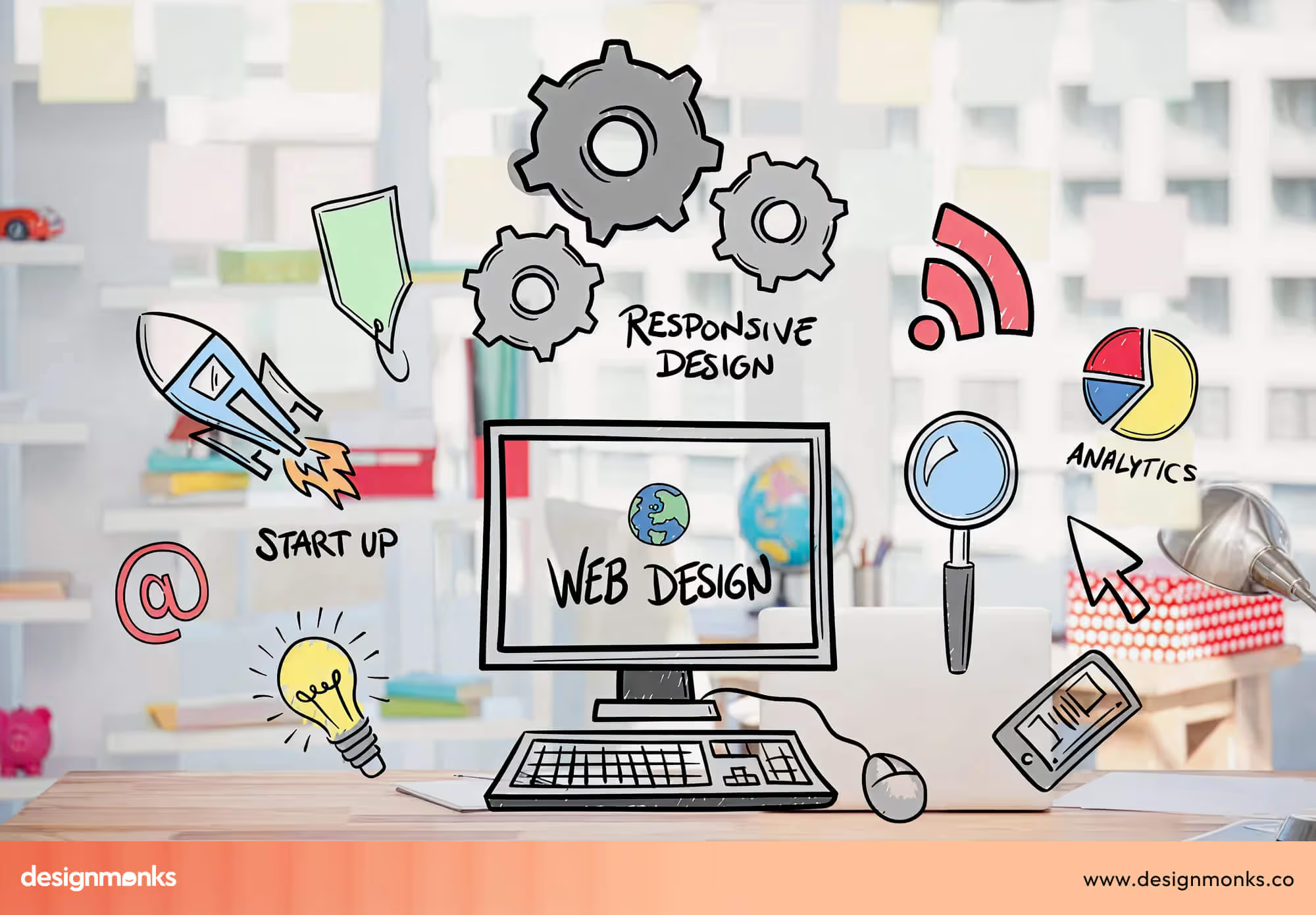
Good web design also plans the navigation flow, which simply means the path a user follows on the website. A designer decides what goes where so visitors don’t feel lost. They also make sure the site uses responsive design, meaning it works on phones, tablets, and computers without breaking.
In simple words, web design creates the “face” of the website, the part you see, like shapes, colors, pictures, and layout.
What Is Web Development?
Web development is the process of building a website so it actually works. Design focuses on how the site looks, while development handles the code, the working buttons, and everything happening in the background.
There are two main types:
- Front-end development: This is the part users see. It makes the design come alive using HTML, CSS, and JavaScript.
- Back-end development: This is the “engine” of the site, handling databases, security, server-side logic, and storing user data.
Developers also work with CMS platforms like WordPress, Webflow, or Shopify, which help manage content easily. They focus on performance, loading speed, and security, making sure everything runs safely. In short, development turns the design into a real, working website.
Key Differences Between Web Design & Web Development
While both are important, web design and web development focus on different jobs. Designers shape the visual layout, while developers build the working system. Here is a simple comparison to make it clear:
Now that you’ve seen the key differences side-by-side, let's move on to details:
Focus & Purpose
Web design services focus on the visual appearance and user experience of a website. Designers think about colors, spacing, icons, buttons, and the overall user experience (UX). Their goal is to make every page clear, clean, and enjoyable to use.
A good design makes people stay longer on a site and helps them find what they need quickly. Studies show users judge a website’s look in less than 0.05 seconds.
Web development services focus on making the website actually work. Developers write the code that powers every click, page, menu, form, and feature. Their job is to keep the site fast, stable, and safe. If design is the plan, development is the build. A strong development setup prevents slow loading and errors, which is important because even a 1-second delay can reduce conversions.
Skills & Tools Used
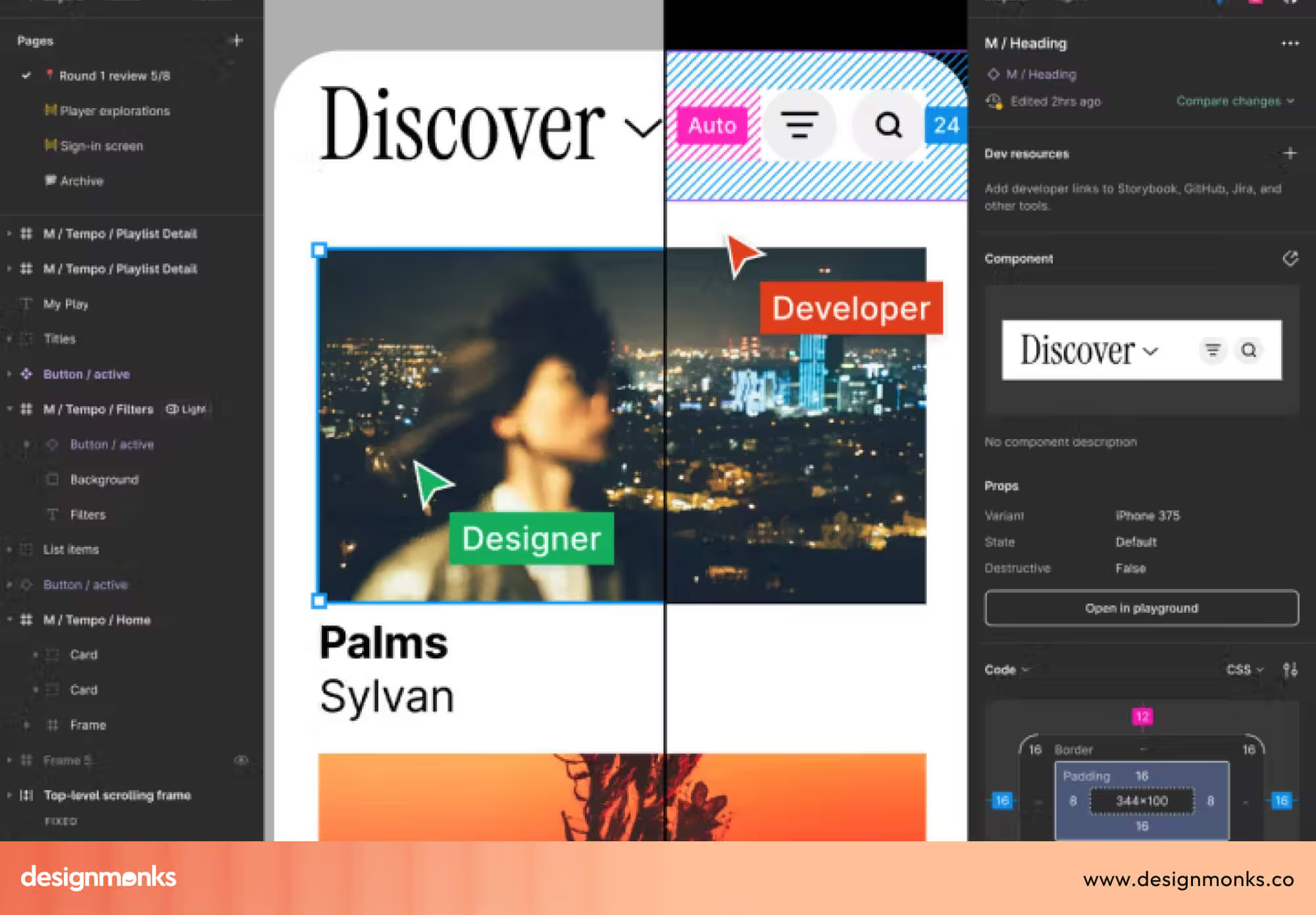
Designers use tools like Figma and Sketch to create layouts and screens. These tools help them plan where buttons go, how text appears, and how a user moves from one page to another. Designers often start with simple sketches called wireframes before adding colors and images. Many designers also work with UX testing tools to see what real users prefer.
Developers use tools based on coding. This includes HTML, CSS, and JavaScript. Many developers also use frameworks like React or work with Webflow, WordPress, or Shopify. These tools help them build pages faster and keep the site organized. Developers must also understand debugging tools to fix issues when something doesn’t work.
Deliverables & Workflow
Designers usually deliver mock-ups, which are image-like previews of how each page will look. These mock-ups show the exact layout, text size, colors, buttons, and images. They help clients see the final design before any coding starts. Some designers also deliver prototypes, which are clickable previews that show the flow of the site.
Developers take these mock-ups and build the real website. They turn the pictures into working pages that load online. Developers use sites like Figma for their workflow. These include coding, testing, fixing errors, improving speed, and sometimes connecting databases or CMS tools.
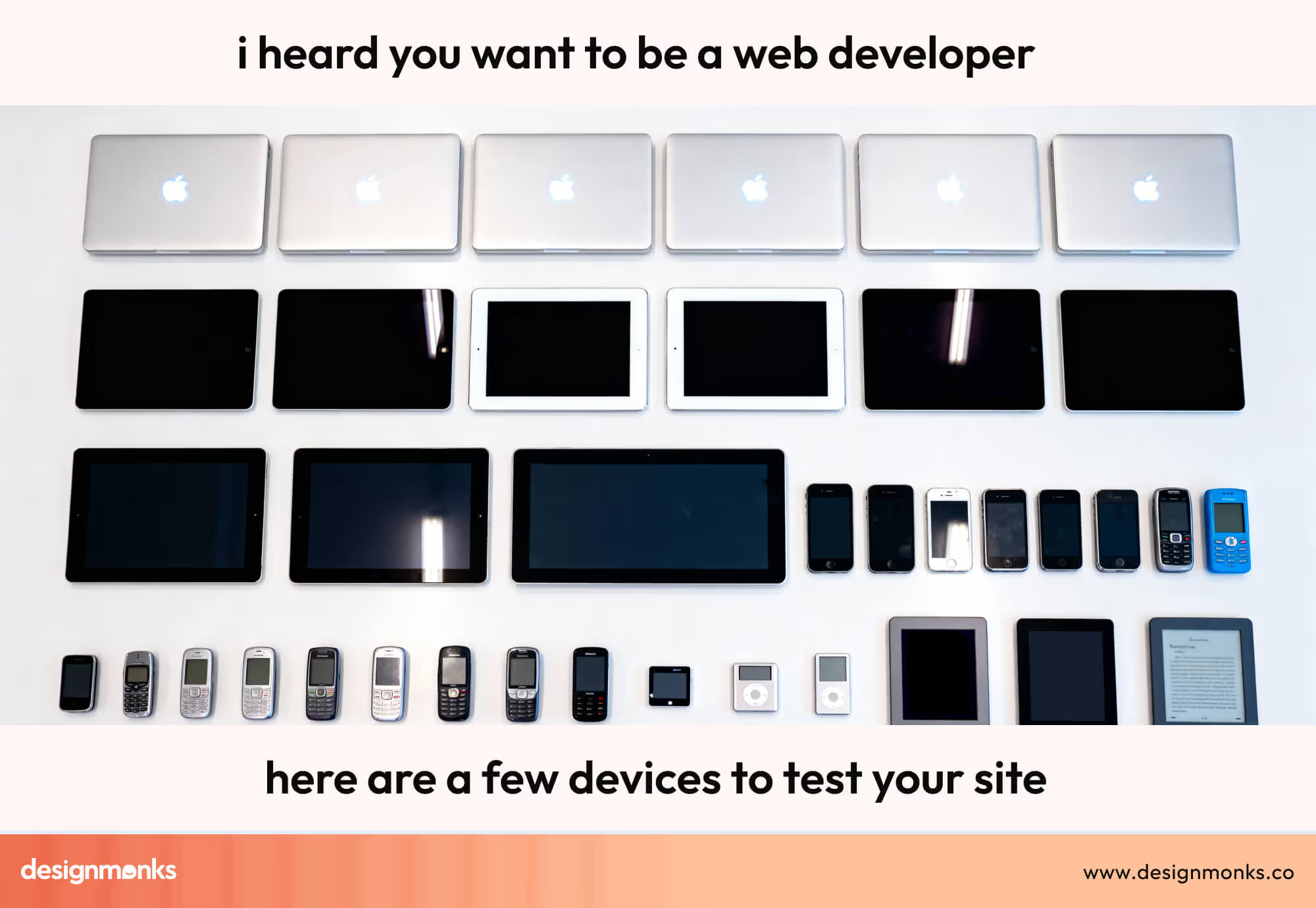
Once everything is ready, they prepare the website for launch, making sure it works on all screen sizes and devices. A good workflow reduces delays and miscommunication.
Cost & Timeline Differences
UI/UX design often costs less when the website has only a few pages or simple layouts. This is because design focuses mostly on visuals, planning, and UX. However, complex designs with animations, custom graphics, or many screen sizes can increase the cost.
Development usually takes more time and budget because it involves coding, testing, performance checks, and fixing issues. The more features a website has (like search, login systems, dashboards, or payment options), the longer development takes. Developers also spend time making sure the site works on phones, tablets, and desktops an important part of modern websites.
Why Both Are Important & How They Work Together
Web design and web development are both needed to make a website work properly. Design makes the site clear, easy to use, and pleasant to look at. Development makes sure every feature works, every button responds, and every page loads correctly.
If either side is weak, the quality of the whole website drops. A visually clean site can still perform poorly if the code is slow or buggy. And a site with strong coding can still fail if the design is messy or hard to understand. This is why both teams must align on goals, user needs, and the site’s purpose. When design and development support each other, the website becomes faster, clearer, and much more enjoyable for users.
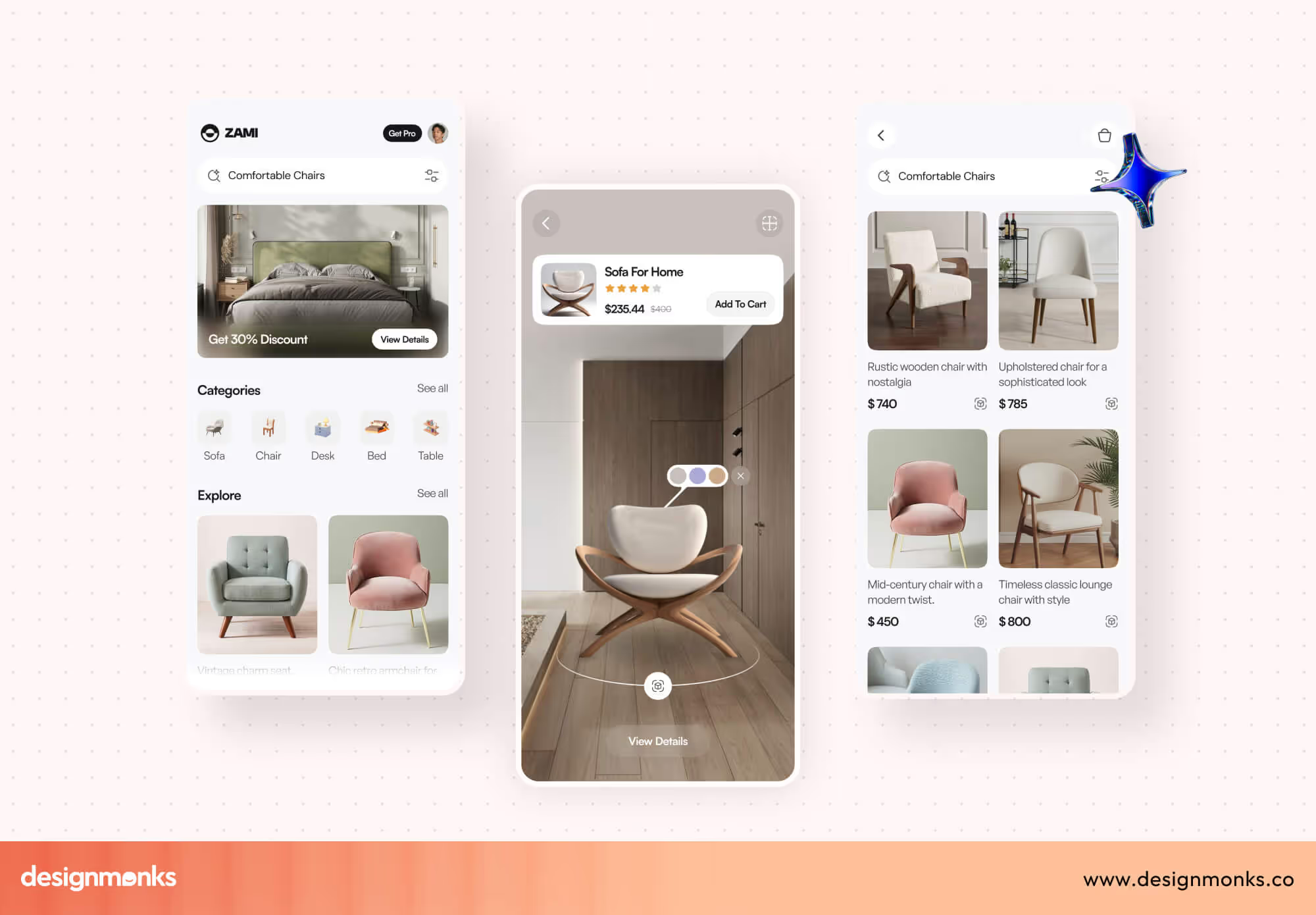
Both roles depend on a step called handoff, where designers share their final screens, assets, spacing, and instructions with developers. A proper handoff reduces mistakes like missing elements, wrong sizes, or interactions that don’t match the plan. It also aligns with information architecture, which is the layout of the entire structure.
When design and development work together from the beginning, you get a final website that feels clean, smooth, fast, and reliable.
Which Do You Need for Your Project?
Choosing between design and development depends on what type of website you need. Here are simple examples to help you understand:
When Only Web Design May Be Enough
- You need a landing page layout to show your idea or pitch.
- You want to refresh your site’s look without changing how it works.
- You need brand elements like colors, fonts, UI layout, or UX planning.
When You Clearly Need Web Development
- You want to build a SaaS product with logins, dashboards, or user accounts.
- You need an e-commerce site with products, carts, and online payments.
- You require custom features like booking systems, apps, or database-driven tools.
When Your Project Demands Full Design + Development
Many business websites fall into this category. If you want a complete, functional website, not just a layout, you need both design and development working together. Some agencies even offer hybrid or no-code solutions like Webflow or Framer, where design and development blend in a single system, making the process faster and cleaner.
What to Look for When Hiring Designers & Developers
When you hire a web designer or developer, it’s important to check a few key things so you don’t waste time or money. The first step is a portfolio review. Always ask for real examples of their past work. Look at visuals, live website links, or demos to understand their style and skill level.
Next, check their experience. Someone who has built websites similar to yours will work faster and make fewer mistakes. You should also decide between a freelancer or an agency. Agencies offer bigger teams, more support, and structured processes. Freelancers are often more affordable and great for smaller projects.
If you want one person to handle everything, consider a full-stack developer, who can manage both front-end (design-related coding) and back-end (server features). Finally, understand regional cost differences. Countries like Bangladesh and other Asian regions often provide high-quality work at more budget-friendly prices compared to US/UK agencies.
Common Mistakes & How to Avoid Them
Many clients make simple but costly mistakes when building a website. Knowing these pitfalls can help you save time, money, and frustration:
- Focusing only on design: Ignoring development limits can create technical debt, which means features may break or need rework later. A site can look perfect but fail in real use.
- Skipping UX planning: Choosing development first without considering user experience leads to UX debt. Visitors may get lost, frustrated, or leave before completing tasks.
- Poor handoff between teams: A handoff gap occurs when designers and developers don’t communicate clearly. Missing assets, unclear instructions, or mismatched screens can delay the project and increase costs.
- Neglecting maintenance: Websites need regular updates, security checks, and performance improvements. Skipping ongoing maintenance can cause slow loading, errors, or security vulnerabilities.
- Ignoring mobile responsiveness: A site that looks good on desktop but fails on phones loses users. Testing across devices is crucial.
- Overcomplicating features too early: Adding unnecessary animations or complex functions before testing UX can confuse users and extend timelines.
- Not setting clear goals: Without defining purpose, target audience, or key actions, the website may lack focus and fail to meet business needs.
- Failing to test before launch: Not checking load speed, broken links, forms, or browser compatibility can harm credibility and user trust.
FAQs
Is web design just about how a site looks?
No, web design isn't just about how a site looks. Web design also focuses on layout, navigation, and user experience (UX) to make a site easy to use.
Can one person handle both web design and development?
Yes, one person can handle both web design and development. A full-stack developer or hybrid designer-developer can manage both, but complex projects usually need separate specialists.
Will using a template remove the need for development?
No, template dont remove the need for development. Templates help speed up design, but development is still needed for custom features, forms, or dynamic content.
How much does web design vs development usually cost?
Design alone is generally cheaper for simple layouts, while development costs more because of coding, testing, and features. Costs also vary by region and agency type.
Can I start with design and add development later?
Yes, you can start with design and add development later. But it may lead to technical debt or mismatched UX. Planning both together usually saves time and ensures a smoother site.
Takeaway from Design Monks
At Design Monks, we don’t just design websites, we make them work flawlessly. Our UI/UX design services create clean, user-friendly layouts, while our development team brings them to life with Webflow and Framer for fully functional, responsive sites.
When you work with us, you get more than visuals. We ensure smooth collaboration, clear handoffs, and ongoing support, so your website runs fast, looks great, and delivers a seamless experience for users.
Choosing Design Monks means choosing a team that combines design and development expertise. The result? A website that’s visually appealing, reliable, and ready to help your business grow without technical headaches or delays.


.avif)
.avif)
.avif)
.avif)


.avif)
.avif)
.avif)
.avif)






.avif)