.svg)



Key Takeaways
- UX Prototyping Consultant validates ideas early and prevents costly redesigns after development begins.
- It differs from UI design by focusing on research-driven validation, not just visuals.
- The consulting process moves through discovery, research, wireframes, testing, and developer handoff.
- Pricing for this service ranges from hourly rates to fixed-project and retainer models.
- SaaS, FinTech, healthcare, and ecommerce industries benefit most from this consulting approach.
Building first and testing later often leads to expensive redesigns and unhappy users. But a UX prototyping consultant can help businesses avoid these problems by creating interactive prototypes before development begins. Teams can test ideas, collect user feedback, and improve the experience while changes are still fast and affordable.
A UX prototyping consultant combines user research, product strategy, and design to validate ideas before any code is written. This helps teams make smarter decisions, reduce development risk, and build products with confidence.
Want to know more about how consulting works? Keep reading to learn how UX prototyping consulting works, its benefits, process, and how to choose the right consultant for your business.
What Is a User Experience Prototyping Consultant?
A User Experience (UX) prototyping consultant helps businesses turn ideas into interactive prototypes before development begins. The consultant connects UX strategy with product development. They work with business goals, user needs, and product requirements to create prototypes that answer important questions early.
Instead of guessing what users want, companies can test ideas, collect feedback, and improve the design before investing in engineering. This approach reduces risk, saves money, and leads to better products.
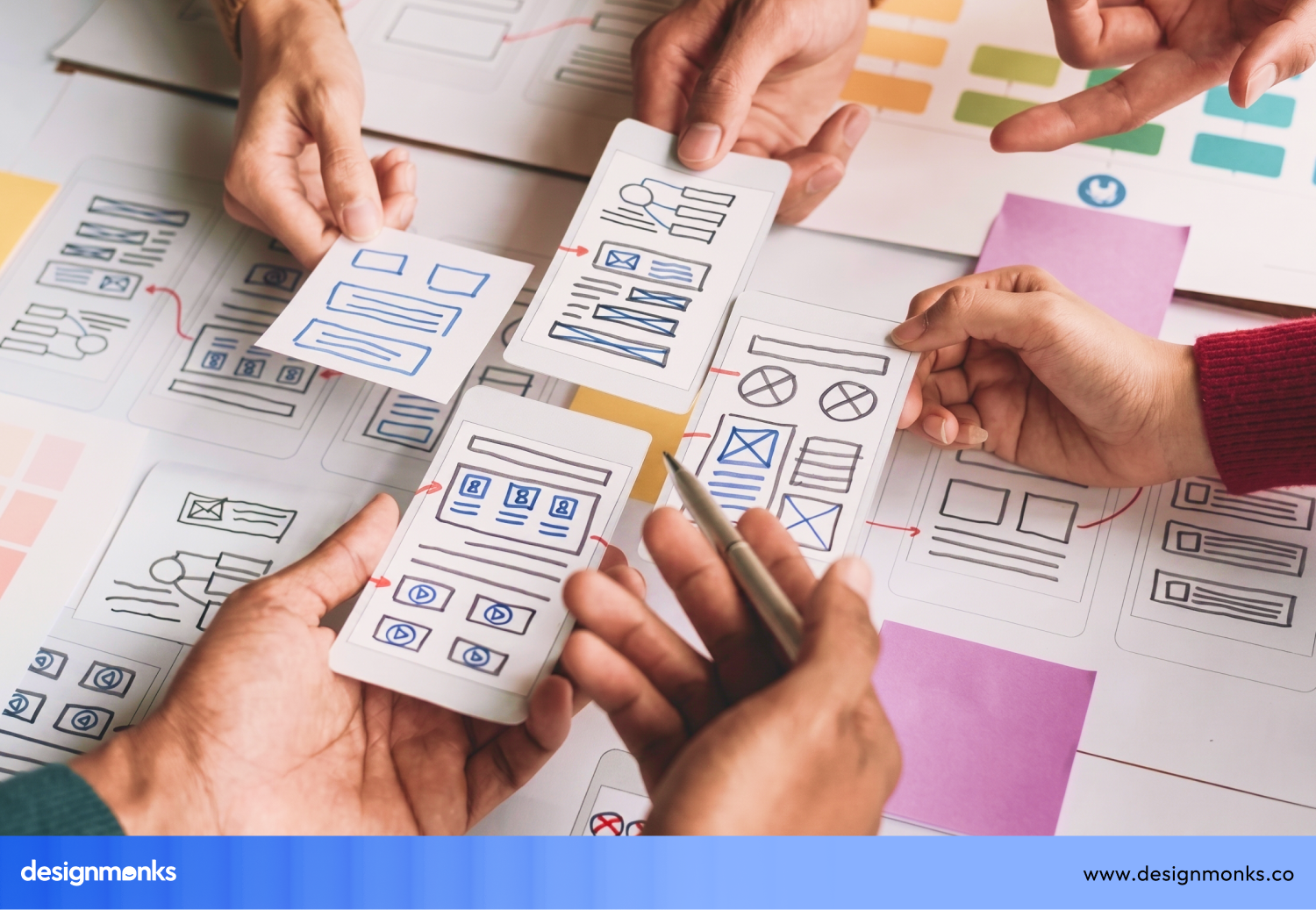
Unlike someone who only designs screens, a UX prototyping consultant focuses on product validation. They study how people interact with a prototype, identify usability problems, and recommend improvements before developers start writing code.
Responsibilities of a UX Prototyping Consultant
A UX prototyping consultant supports teams throughout the early product design process. Their main responsibilities include:
- Understanding business goals and user needs
- Planning the overall UX strategy for the product
- Creating wireframes and interactive prototypes
- Mapping user flows and key interactions
- Running usability tests with real users
- Analyzing feedback and improving the prototype
- Working closely with designers, developers, and stakeholders
- Preparing design files for a smooth developer handoff
How Consultants Differ From UI Designers or Product Designers
Although these roles often work together, they have different responsibilities:
A prototyping consultant is usually brought in to reduce uncertainty before major development begins.
When Companies Need a Prototyping Consultant
Businesses often hire a UX prototyping consultant when they need to make important product decisions with confidence. Common situations are:
- Launching a new website, app, or SaaS product
- Testing an MVP before full development
- Redesigning an existing product with usability issues
- Validating a new feature before investing in engineering
- Preparing for investor or stakeholder presentations
- Improving user experience based on customer feedback
By testing ideas early with interactive prototypes, businesses can build products that solve real user problems instead of relying on assumptions.
Why UX Prototyping Matters Before Development
The biggest benefit of UX prototyping is that it helps businesses avoid expensive mistakes. Changing an idea in a wireframe or clickable prototype is much faster and cheaper than changing it after developers have built the product.
Finding problems early saves both time and development costs.
Prototyping also helps teams validate ideas before making a big investment. Instead of guessing whether a feature will work, businesses can watch real users interact with the prototype. This gives clear evidence about what works, what doesn't, and what needs to be improved.
Another advantage is better user feedback. People can click through a prototype and complete tasks just like they would in the real product. Because they are using something interactive, their feedback is more honest and useful than comments based on sketches or static designs.
Prototypes also help everyone stay aligned. Designers, developers, product managers, and stakeholders can review the same prototype. This makes it easier to discuss ideas, solve problems, and make decisions together.
For these reasons, UX prototyping has become an essential step before web development. It helps teams reduce risk, validate ideas, and build better products with greater confidence.
Types of UX Prototypes Consultants Create
Not every project needs the same type of prototype. A UX prototyping consultant chooses the right level of detail based on what the team wants to learn.
Early ideas only need simple wireframes, while later stages benefit from mockups and more interactive prototypes for testing. Knowing when to use which matters just as much as the tools themselves. Here are the different types of prototypes consultants create:
Low-Fidelity Prototypes
Low-fidelity prototypes are the simplest type of prototype. They are usually basic wireframes made with sketches or wireframing tools. These prototypes focus on page layouts, user flows, and navigation instead of colors or visual design.
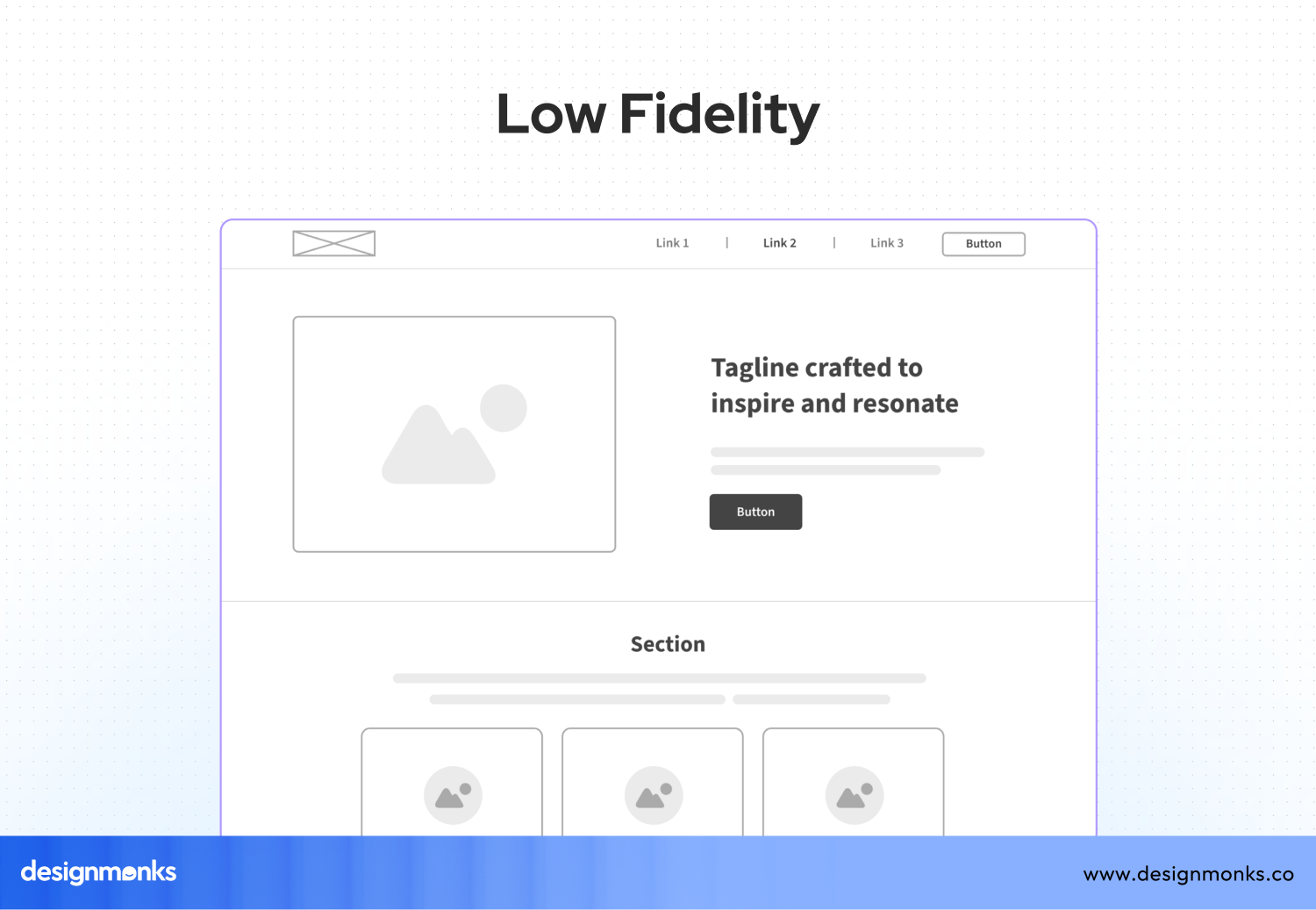
Consultants use low-fidelity prototypes at the beginning of a project to explore ideas quickly. Since they are fast to create and easy to change, teams can test different concepts before moving forward.
Mid-Fidelity Prototypes
Mid-fidelity prototypes add more detail to the design. They include better layouts, clearer content, and basic visual elements while still avoiding polished graphics or animations.
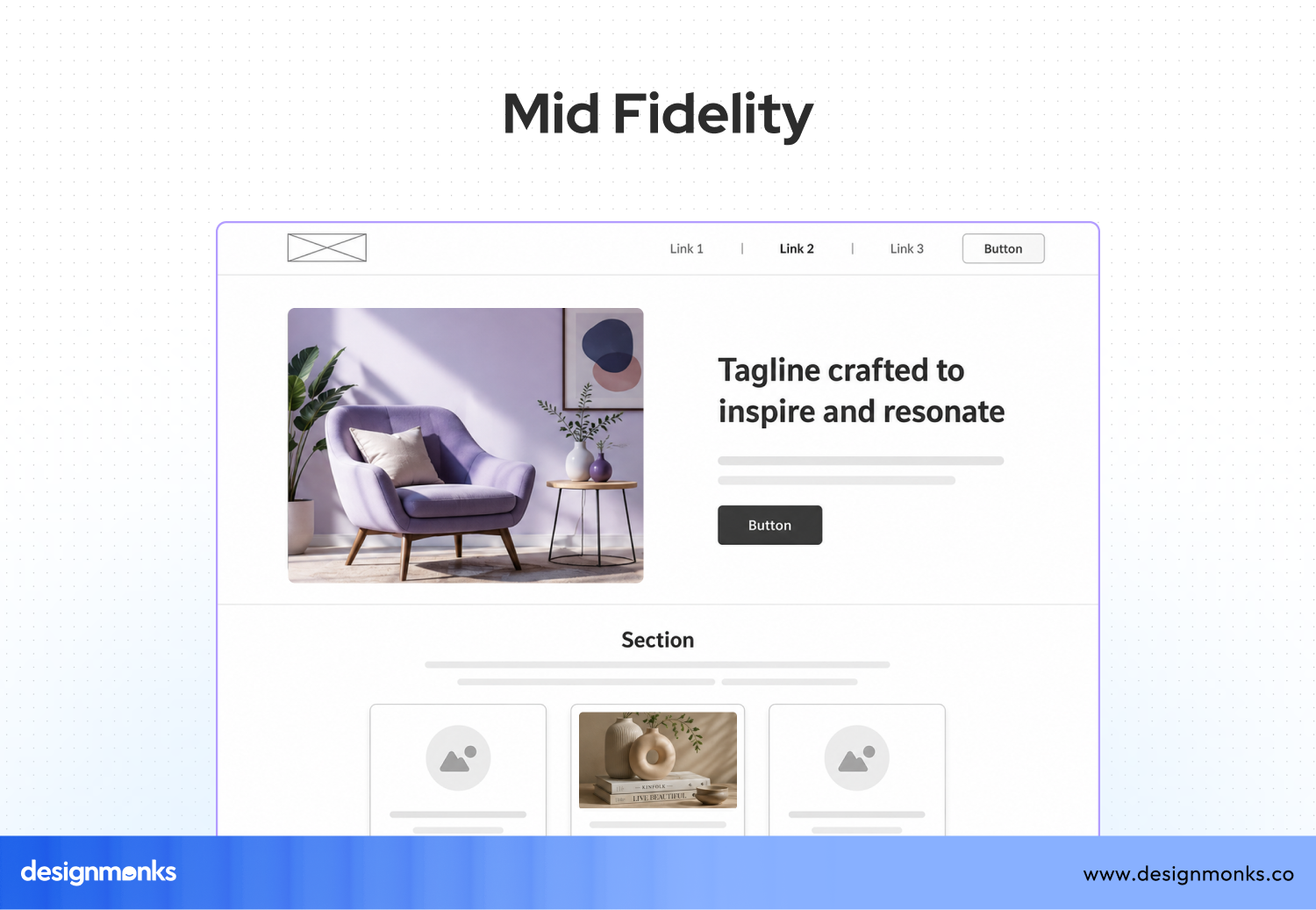
These prototypes are useful for stakeholder reviews and early usability testing. They help users understand how the product works without spending time on final design details.
High-Fidelity Interactive Prototypes
High-fidelity prototypes look and behave much like the finished product. They include realistic content, branding, interactions, and screen transitions. This gives users a close-to-real experience.
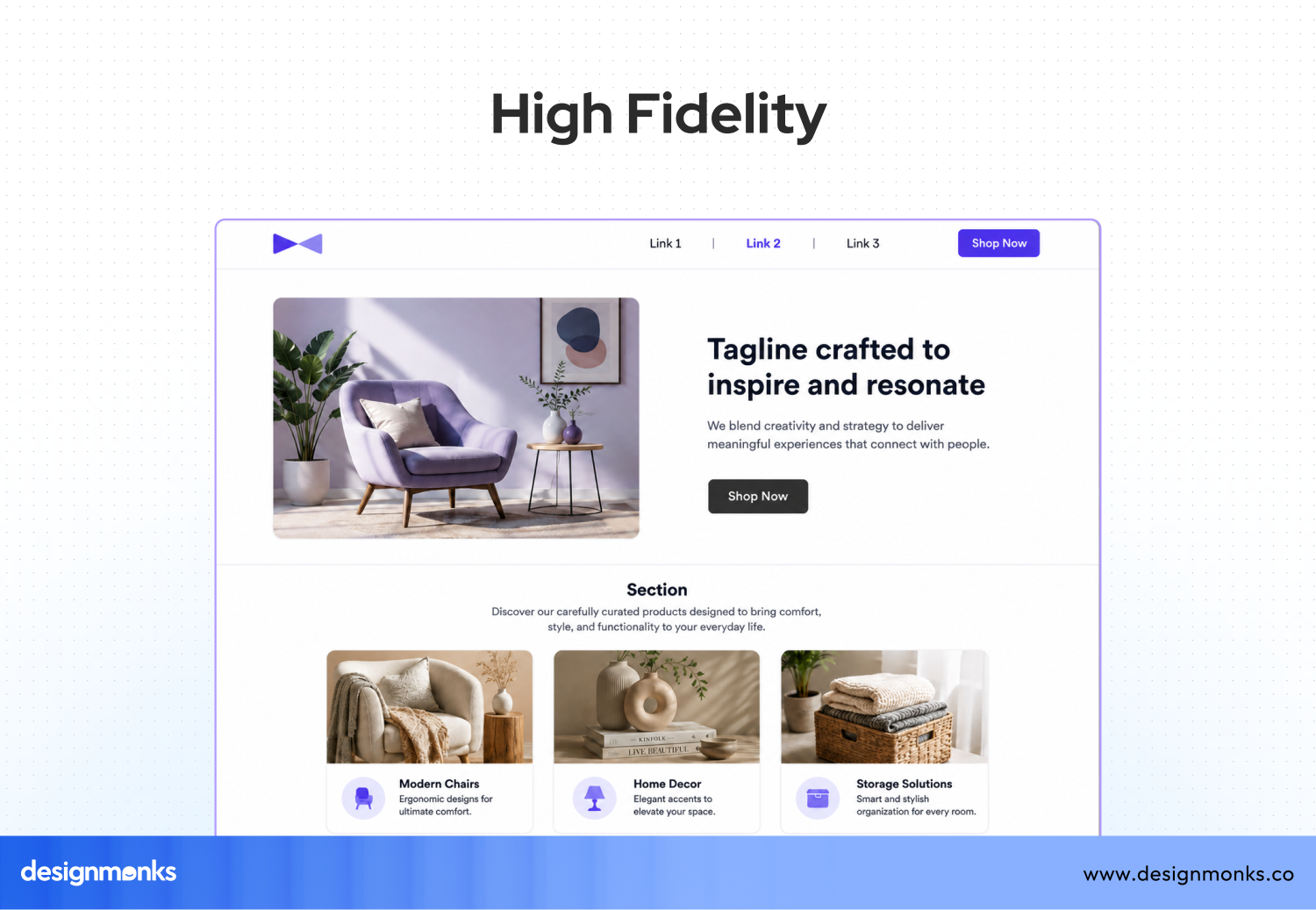
Consultants use high-fidelity prototypes for detailed usability testing, client presentations, investor demos, and final design validation before development begins.
Clickable Mobile App Prototypes
Mobile apps need their own prototypes because people interact with phones differently than websites. Users tap, swipe, scroll, and use gestures that cannot be fully tested with static screens.
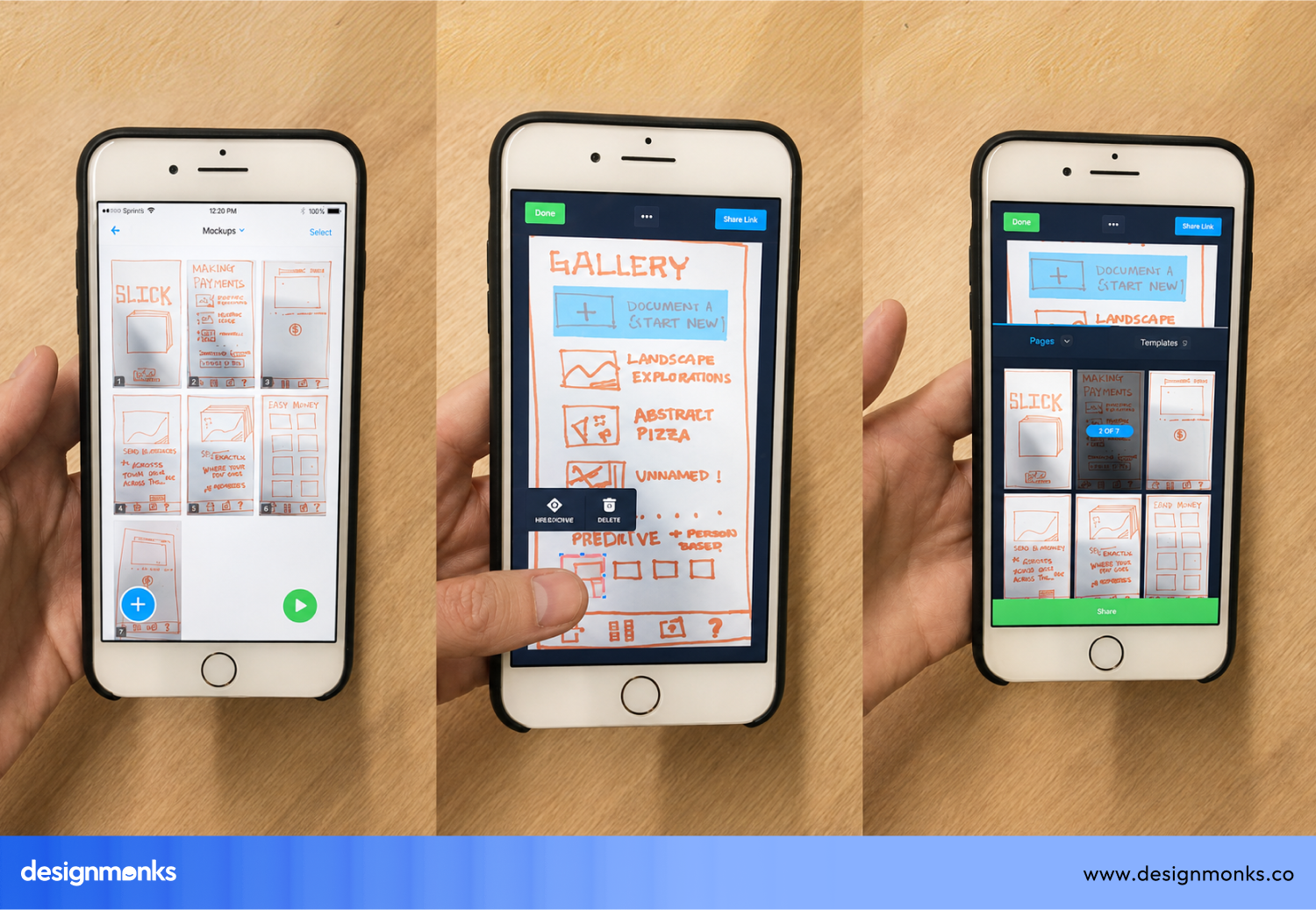
A clickable mobile app prototype lets users experience the app on a real device. This helps consultants test navigation, button placement, screen flow, and overall usability before development starts.
Choosing the right prototype is just as important as creating one. By matching the prototype to the project's stage, consultants can gather better feedback, validate ideas faster, and avoid spending time on unnecessary design work.
UX Prototype Consulting Process
A successful prototype doesn't happen in a single step. UX prototyping consultants follow a clear prototype workflow that starts with understanding the business and ends with a design ready for development.
While every project is different, most consultants follow the same UX process:
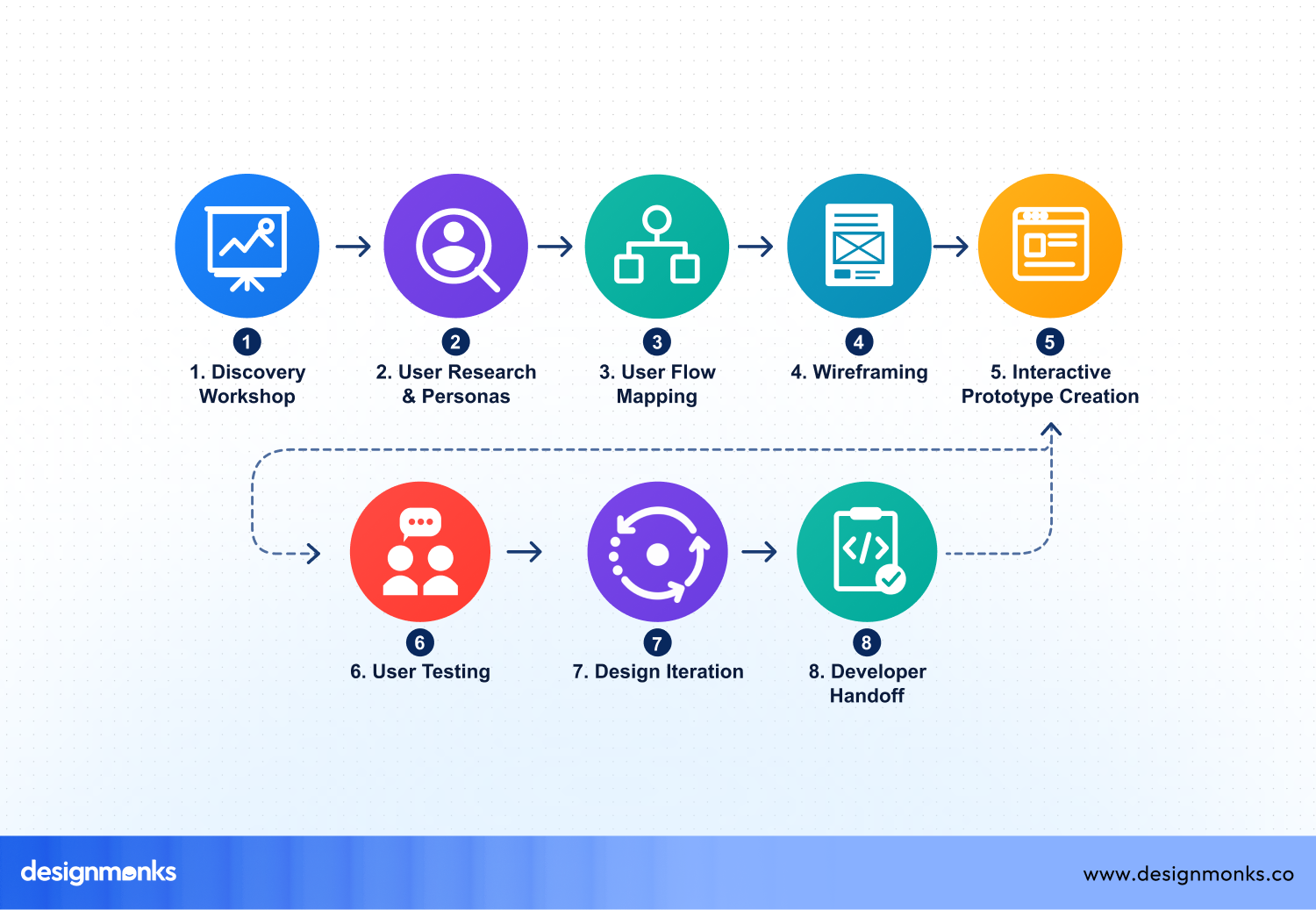
Discovery Workshop
The process usually begins with a UX workshop. The consultant meets with stakeholders to understand business goals, target users, project requirements, and success metrics. This creates a clear direction before any design work begins.
User Research & Personas
Next comes user research. Consultants learn about the people who will use the product through interviews, surveys, analytics, or customer feedback. They often create user personas that represent different user groups and help guide design decisions.
User Flow Mapping
Before designing screens, consultants map out how users will move through the product. User flow mapping shows each step users take to complete a task and helps identify confusing paths or missing features early.
Wireframing
With the user flows ready, consultants create wireframes. These simple layouts focus on structure, navigation, and content placement instead of colors or visual details. Since wireframes are quick to update, they make early design changes much easier.
Interactive Prototype Creation
The wireframes are then turned into an interactive prototype, often using Figma. Users can click through screens, test different actions, and experience how the product will work before development begins.
User Testing
The prototype is shared with real users for testing. Watching people complete tasks helps consultants discover usability issues, confusing interactions, and areas that need improvement. This feedback plays a key role in Design Thinking.
Design Iteration
After testing, consultants improve the prototype based on user feedback. This design iteration process may happen several times until the product provides a smooth and user-friendly experience.
Developer Handoff
Once the design is validated, the final files are prepared for developers. The handoff includes design specifications, components, interactions, and documentation. This makes it easier for the development team to build the product accurately.
Although these steps are shown in order, the process is often flexible. Consultants may go back to wireframing, testing, or refining the prototype several times before the design is ready for development.
UX Prototyping Methods Consultants Use
There isn't a single way to create a great prototype. Different projects need different approaches depending on the product, timeline, and business goals. That's why experienced consultants use a mix of proven UX methodologies instead of following one process every time:
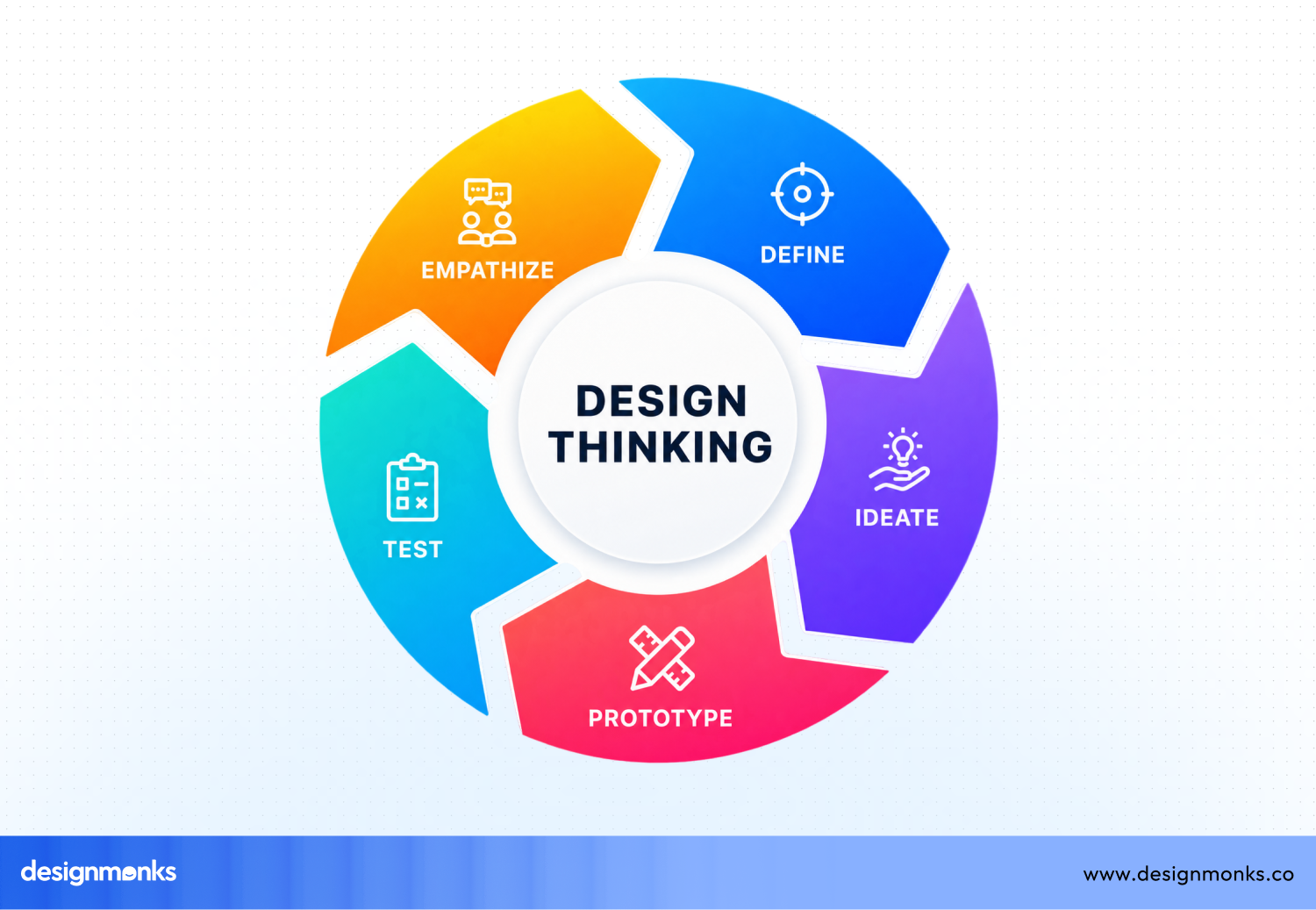
Design Thinking
Design Thinking is a user-centered approach that focuses on solving real problems. Consultants first understand users, define the problem, explore different ideas, build prototypes, and test them with users. This process helps create products that are both useful and easy to use.
Double Diamond
The Double Diamond framework separates the design process into two stages: understanding the problem and finding the best solution.
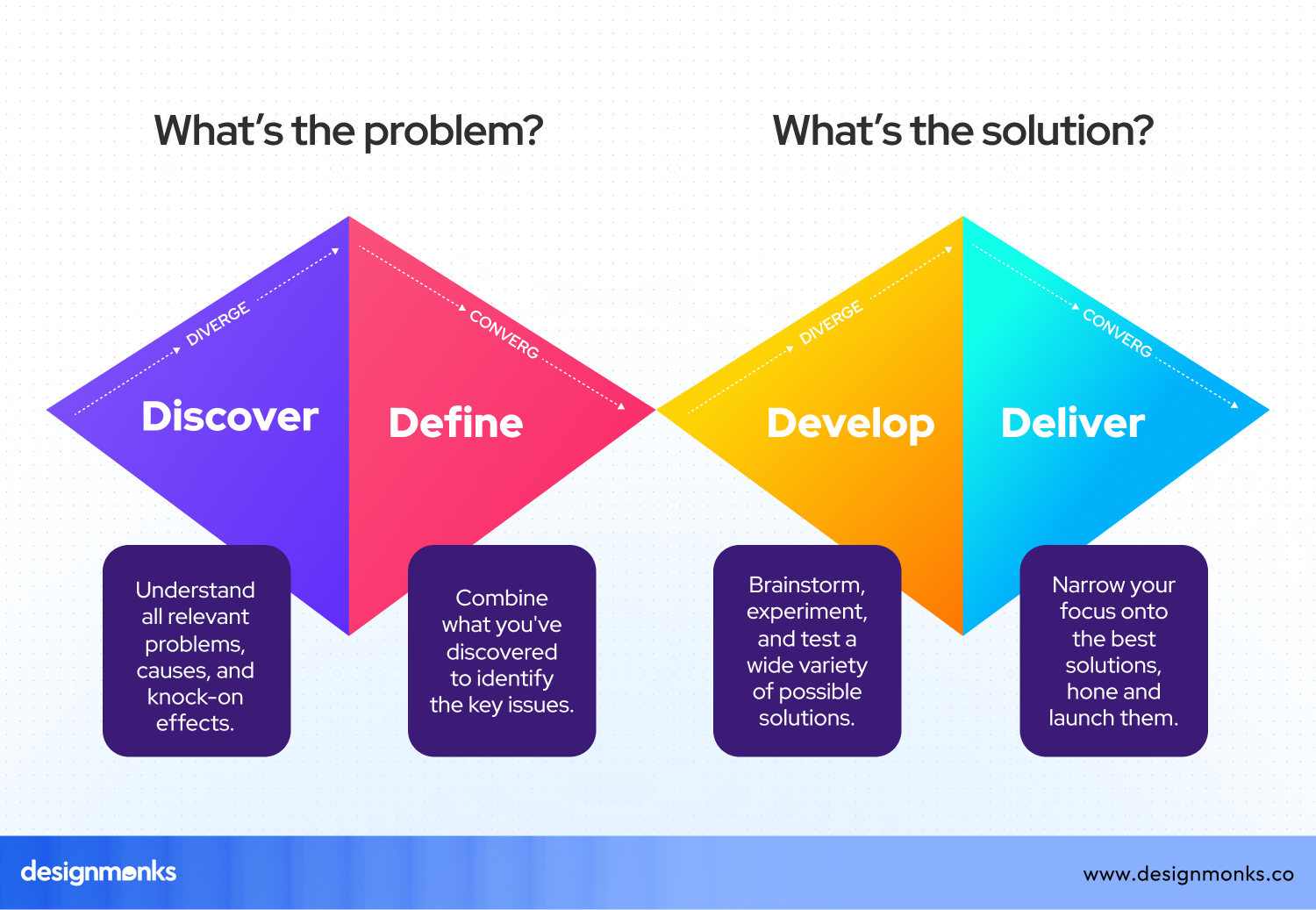
Teams first explore different user needs before choosing the right problem to solve. Then they generate multiple ideas before selecting and refining the best solution.
Lean Startup
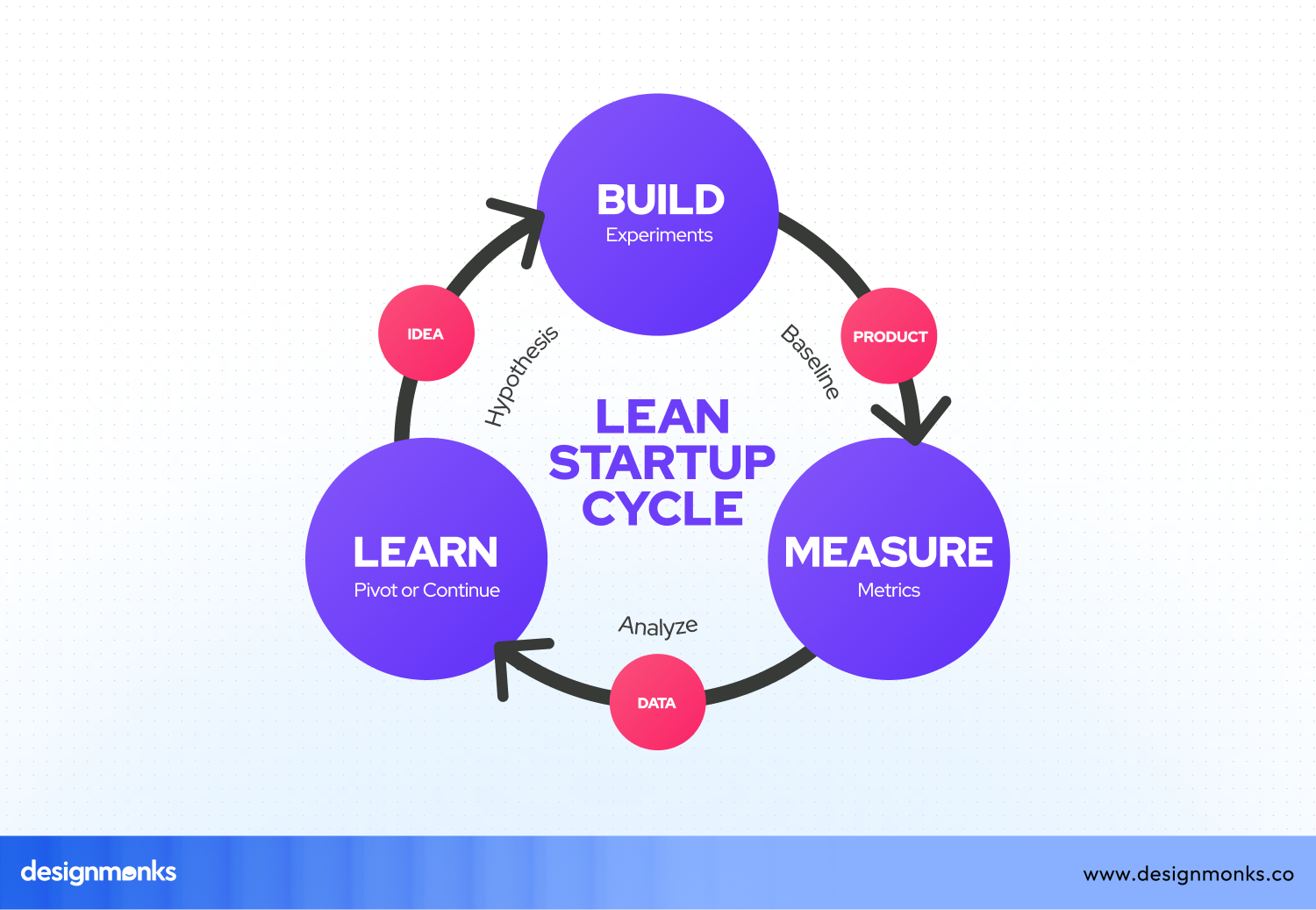
The Lean Startup method encourages teams to test ideas with the smallest possible investment. Instead of building a complete product, consultants create simple prototypes to gather user feedback early. This helps businesses learn quickly and avoid spending time on features users may not need.
Agile UX
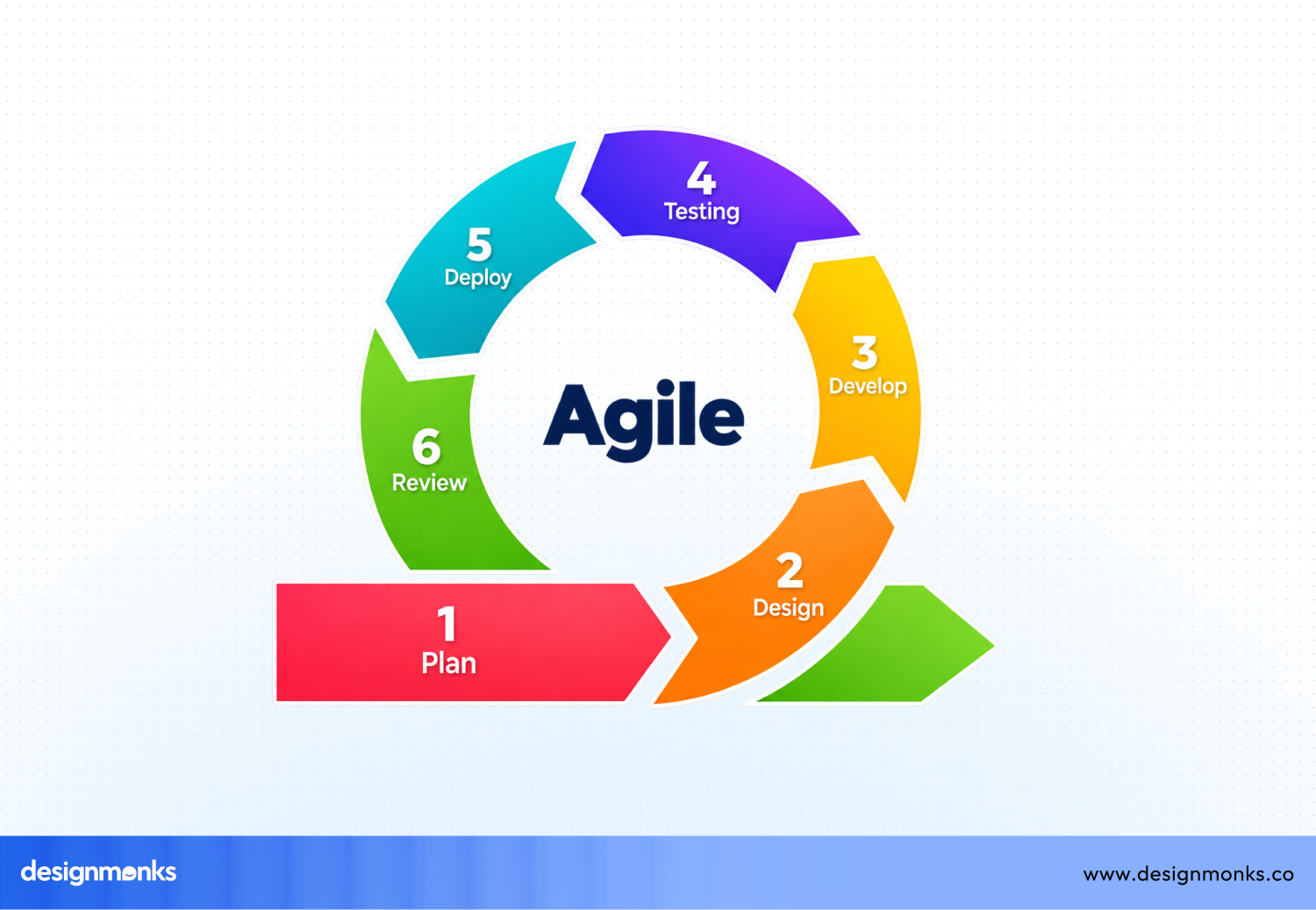
Agile UX combines user experience design with Agile development. Designers, developers, and product teams work together in short development cycles. This allows prototypes to be tested and improved throughout the project instead of waiting until the end.
Rapid Experimentation
Rapid experimentation, often used in a Google Design Sprint, helps teams answer important questions in just a few days. Consultants quickly build prototypes, test them with users, and use the results to decide the next steps.
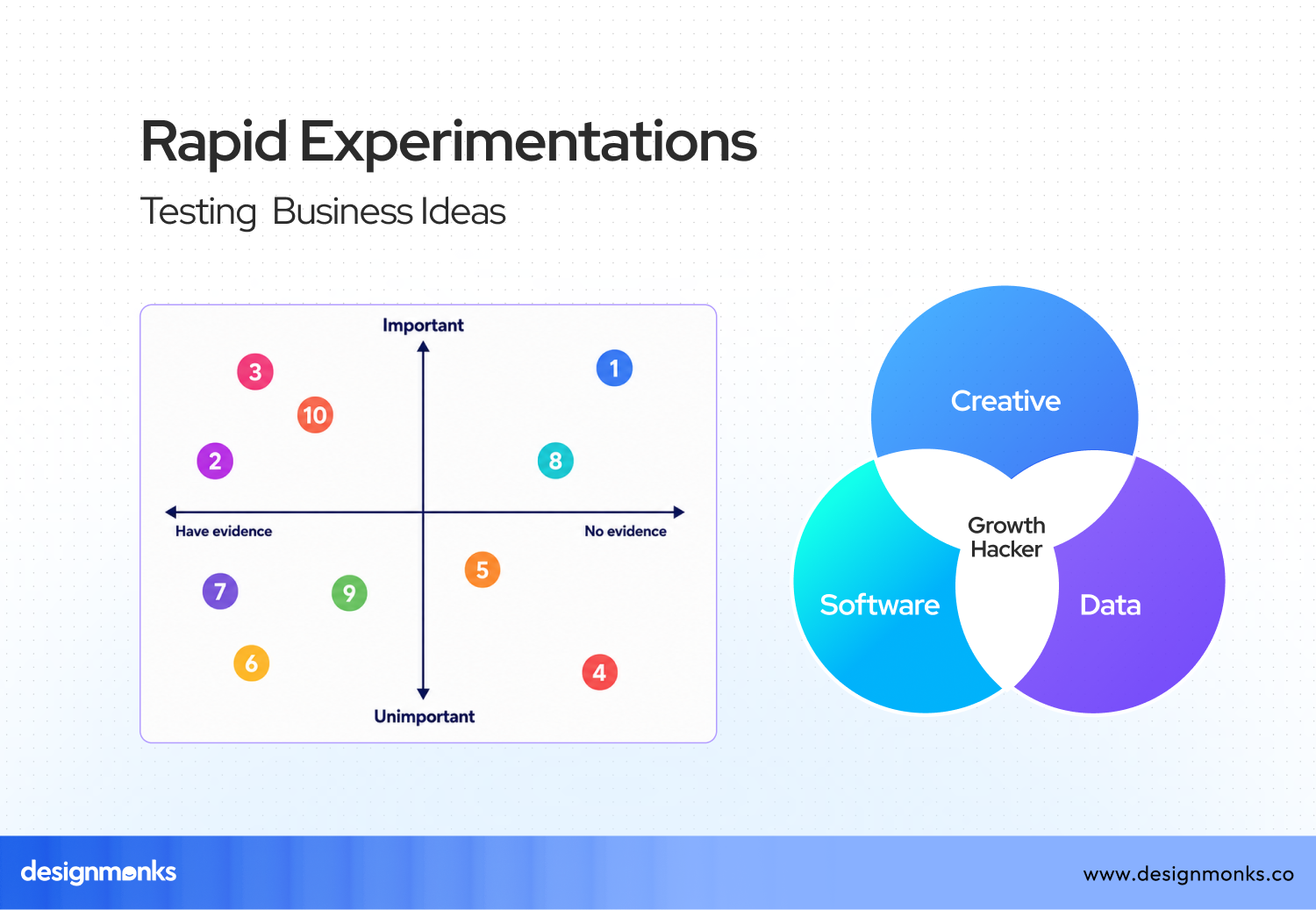
This approach works well when businesses need fast answers before making a large investment.
Most UX consultants don't rely on just one method. They combine different approaches based on the project's goals, timeline, and level of risk. The right UX methodology helps teams validate ideas faster, improve collaboration, and build better products with confidence.
3 Best UX Prototyping Consulting Agencies
The right consulting agency does more than create attractive prototypes. It helps businesses validate ideas, reduce development risk, and build products users actually want. Here are three agencies known for their UX prototyping expertise.
Design Monks
Design Monks specializes in product design and UX prototyping for startups, SaaS companies, and enterprise businesses. Rather than jumping straight into visual design, the team begins with user research, product strategy, and workflow planning to understand both business goals and user needs.
- Services: SaaS Graphic Design, MVP Design, UI/UX Design & Consulting, Branding, Web Design, Mobile App Design, UX Audits, Post-Launch Support
- Engagement model: Project-based or monthly retainer
- Best for: Early-stage startups needing research-backed design without an in-house team
- Industry: SaaS, Fintech, EdTech, HealthTech, Crypto, and many more
- Notable clients: Telenor, Pepsi, Rakuten Viber, OneTread, and several Y Combinator-backed startups
- Location: United States, Australia, Dubai, Italy, Bangladesh, etc
- Price: Starts from $1800.
Their consultants create interactive prototypes that are tested and refined before development begins. This helps businesses validate ideas, improve usability, and avoid expensive engineering changes later.
Design Monks also works closely with clients throughout the process. It makes collaboration fast and transparent from discovery to developer handoff.
One of their strengths is combining strategy, UX research, prototyping, and UI design into a single workflow. Instead of treating prototyping as a standalone task, they use it as a decision-making tool that helps teams launch products with greater confidence.
Goji Labs
Goji Labs is a digital product agency that works with startups, nonprofits, and established businesses. Their consulting process focuses on understanding business challenges before designing solutions.
User research, workshops, and rapid prototyping are used to validate ideas early in the product lifecycle.
The team builds interactive prototypes that allow stakeholders and users to test important features before development starts. This helps reduce uncertainty and gives businesses clearer direction before investing in engineering.
Goji Labs is especially known for helping organizations turn early-stage ideas into well-tested digital products through a collaborative and research-driven process.
IDEO
IDEO is one of the world-renowned design and innovation consultancies. The company helped popularize Design Thinking, a human-centered approach that starts with understanding people before creating solutions.
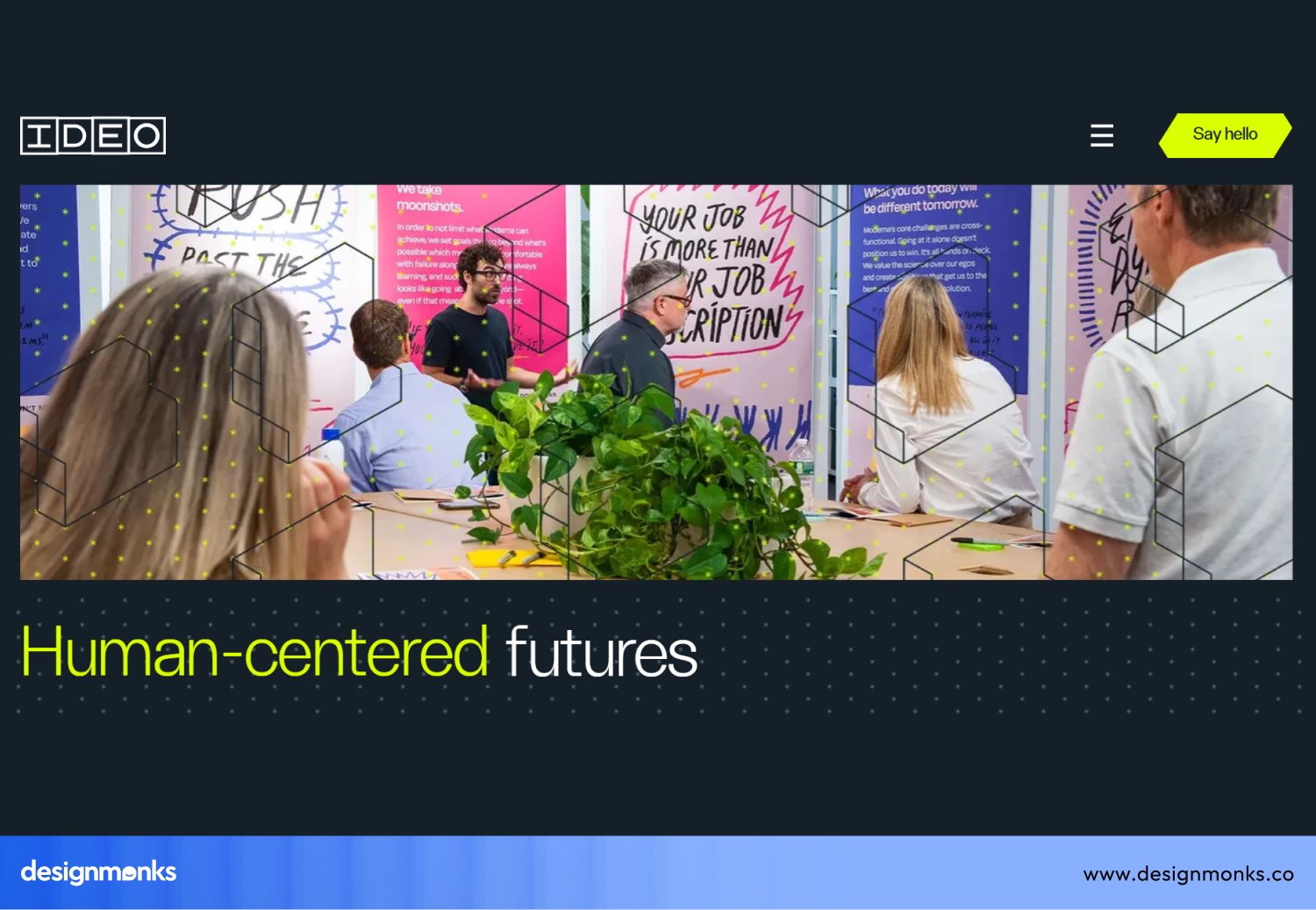
IDEO uses research, workshops, prototyping, and user testing to solve complex product and service challenges. Rather than focusing only on screens, their consultants often look at the entire customer experience, exploring multiple ideas before narrowing down the best solution.
Their prototyping process encourages experimentation and continuous learning. It helps organizations test concepts quickly and improve them through real user feedback before moving into development.
UX Deliverables You Should Expect
When you hire a UX prototyping consultant, you should receive more than just a prototype. Most consulting projects include several prototype deliverables that guide both design and development.
These UX artifacts help teams stay organized, communicate clearly, and build the product more efficiently;
User Flows
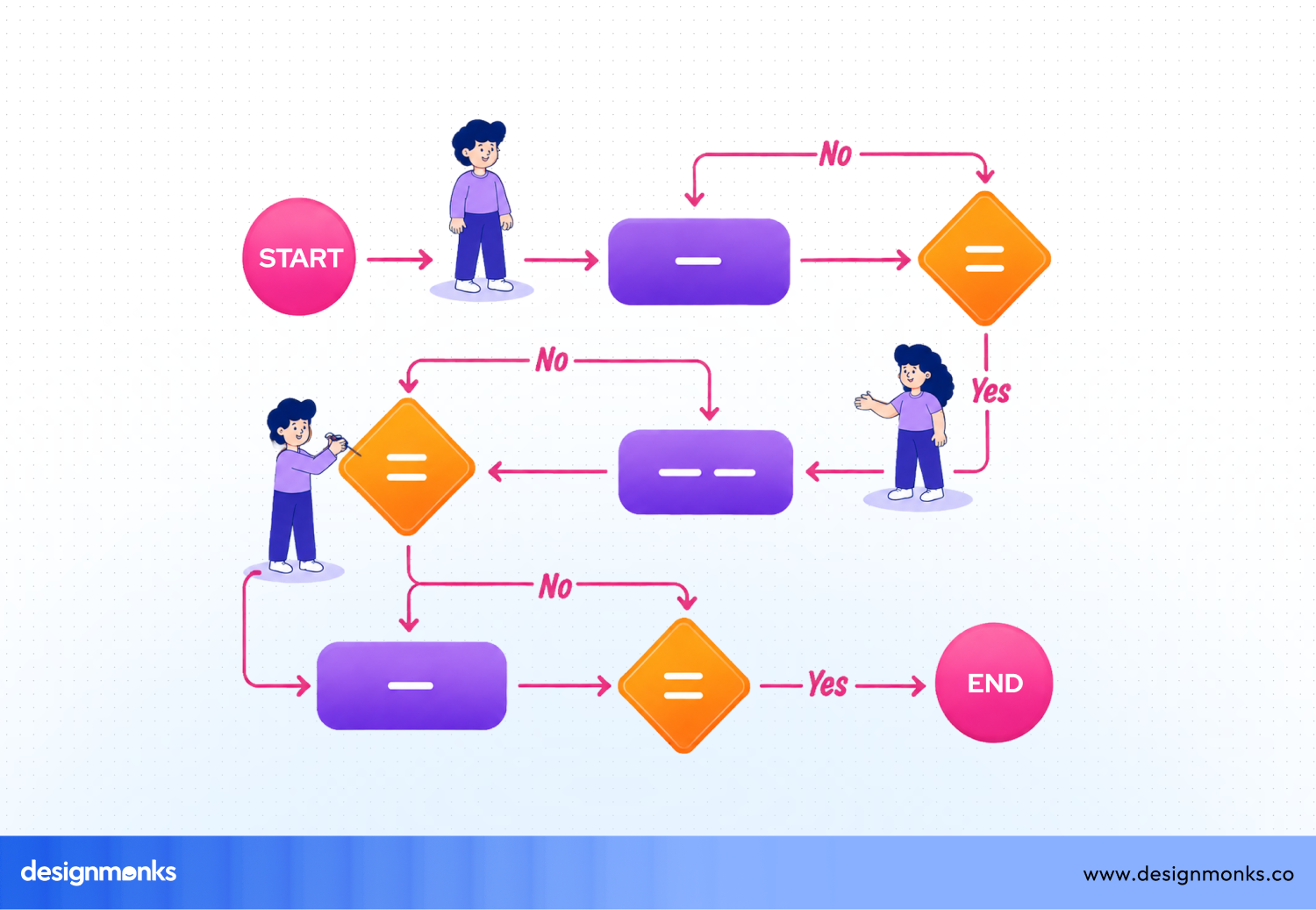
A User Flow shows the steps people take to complete a task, such as signing up or making a purchase. It helps teams understand the user journey and identify areas that can be improved.
Wireframes
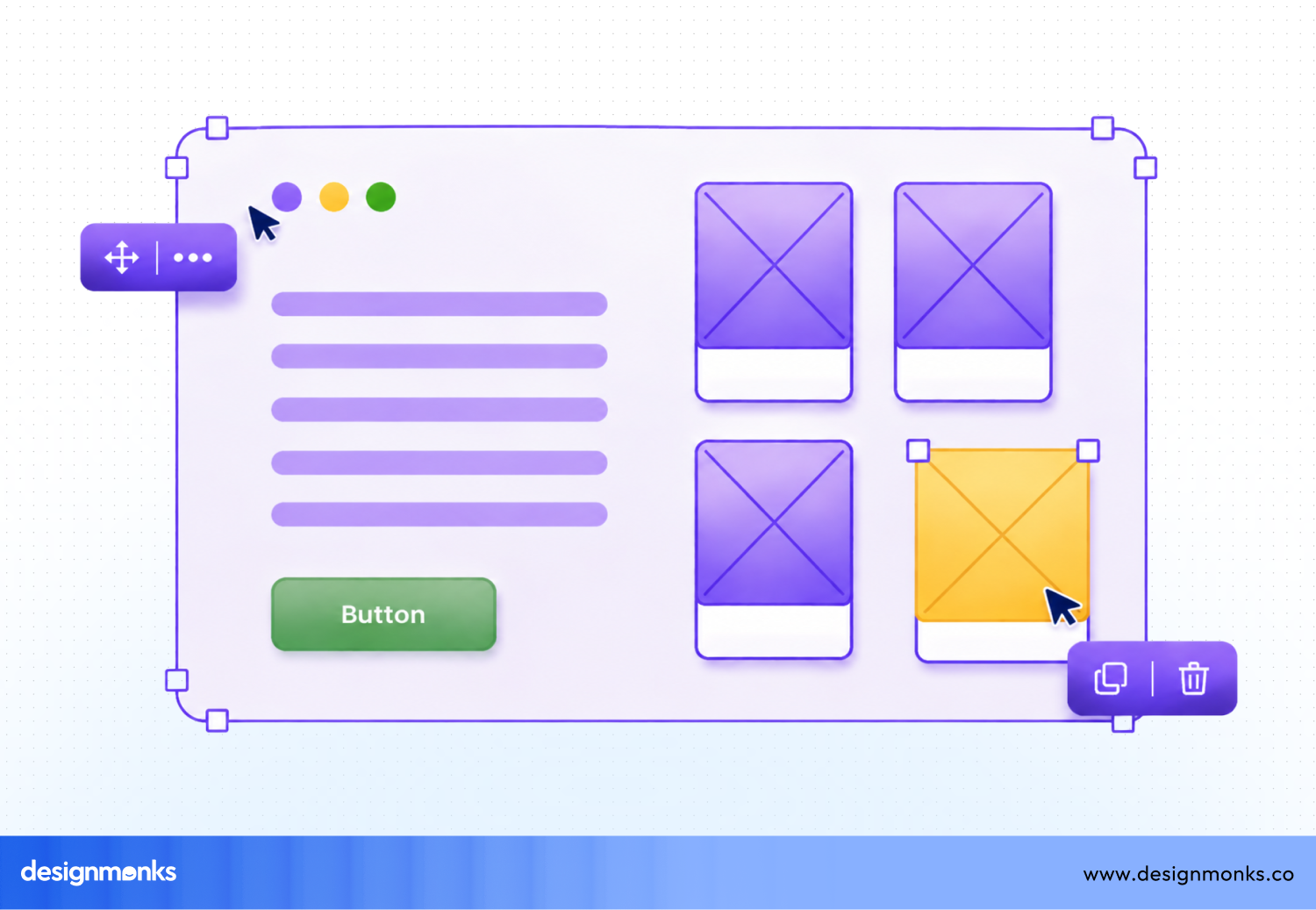
Wireframes are simple page layouts that focus on structure, navigation, and content placement. They help teams agree on the overall design before adding visual details.
Interactive Prototypes
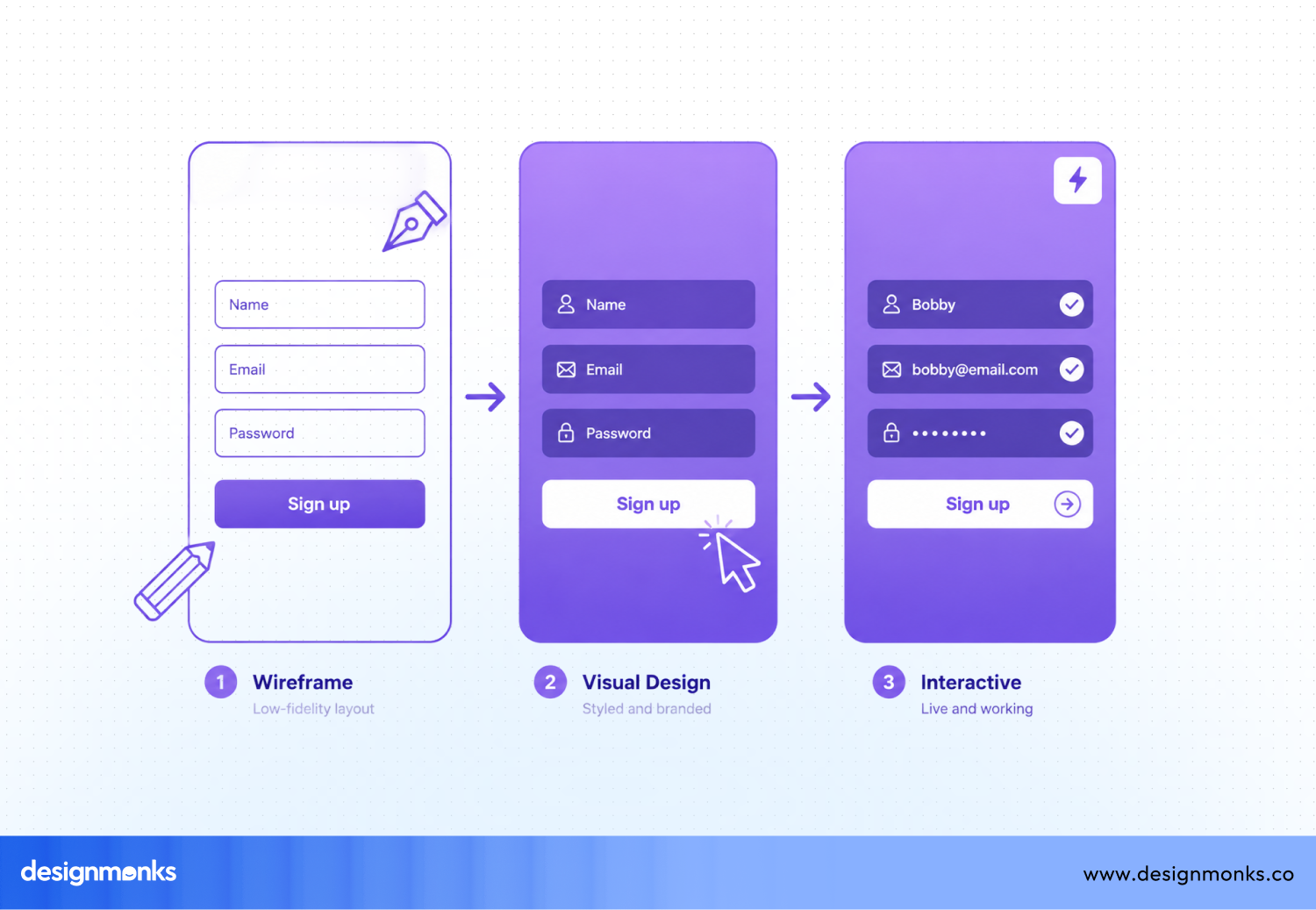
Interactive prototypes allow users to click through screens and experience how the product will work. These prototypes are used for stakeholder reviews, user testing, and product validation before development begins.
Component Library
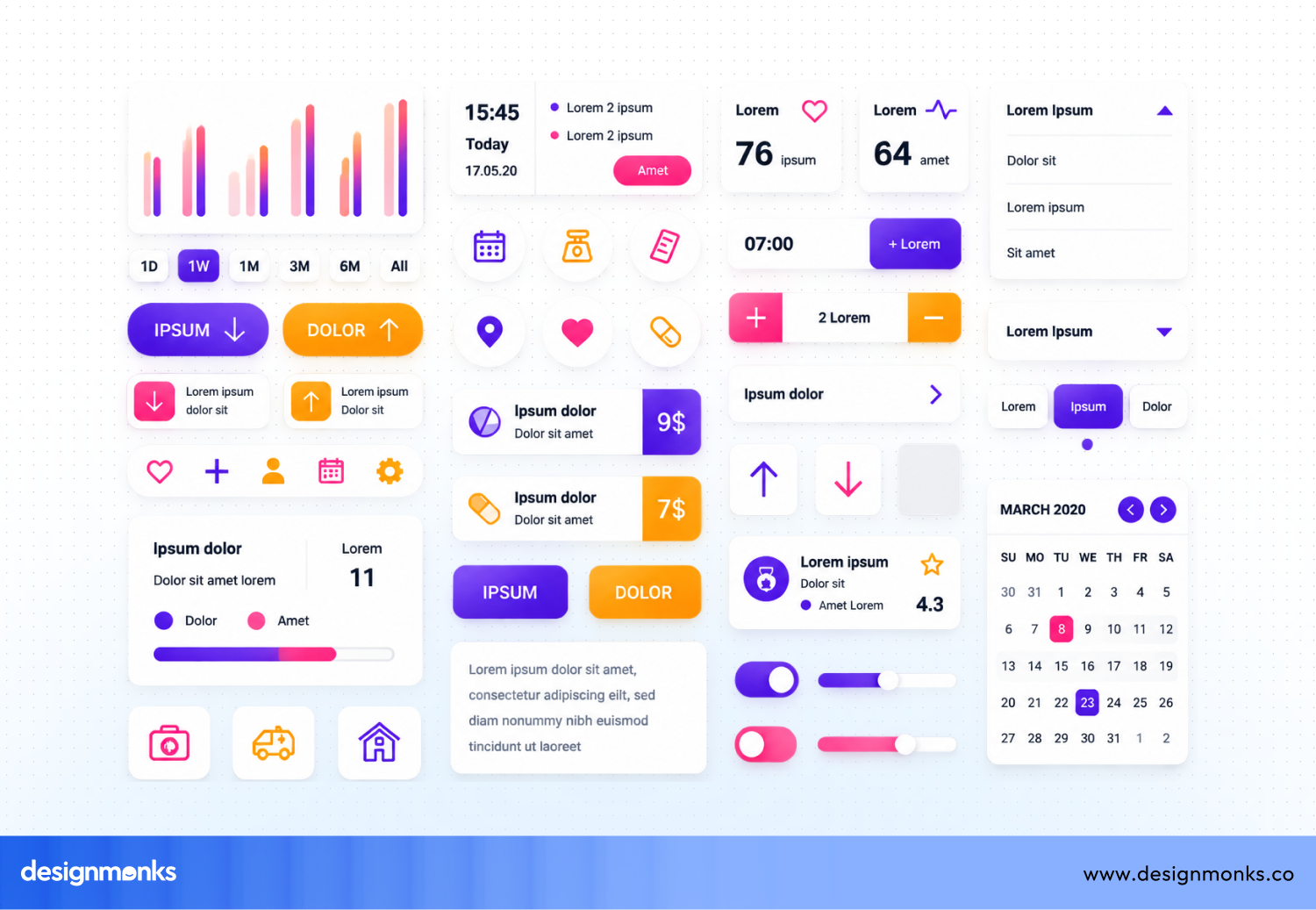
A component library contains reusable design elements like buttons, forms, cards, and menus. Using the same components across the product creates a more consistent user experience and speeds up future design work.
Usability Testing Report
After testing the prototype, consultants prepare a report that summarizes user feedback, usability issues, key findings, and recommended improvements. This report helps teams prioritize the most important changes.
Design Documentation
The final handoff usually includes design documentation with layouts, interactions, specifications, and Information Architecture. These documents give developers everything they need to build the product accurately.
The exact deliverables may vary from project to project, so it's always a good idea to discuss them before the consulting engagement begins.
Industries That Benefit Most From UX Prototyping Consultancy
Almost any business that builds a digital product can benefit from UX prototyping consulting. However, industries with complex user journeys or high customer expectations often see the greatest return:
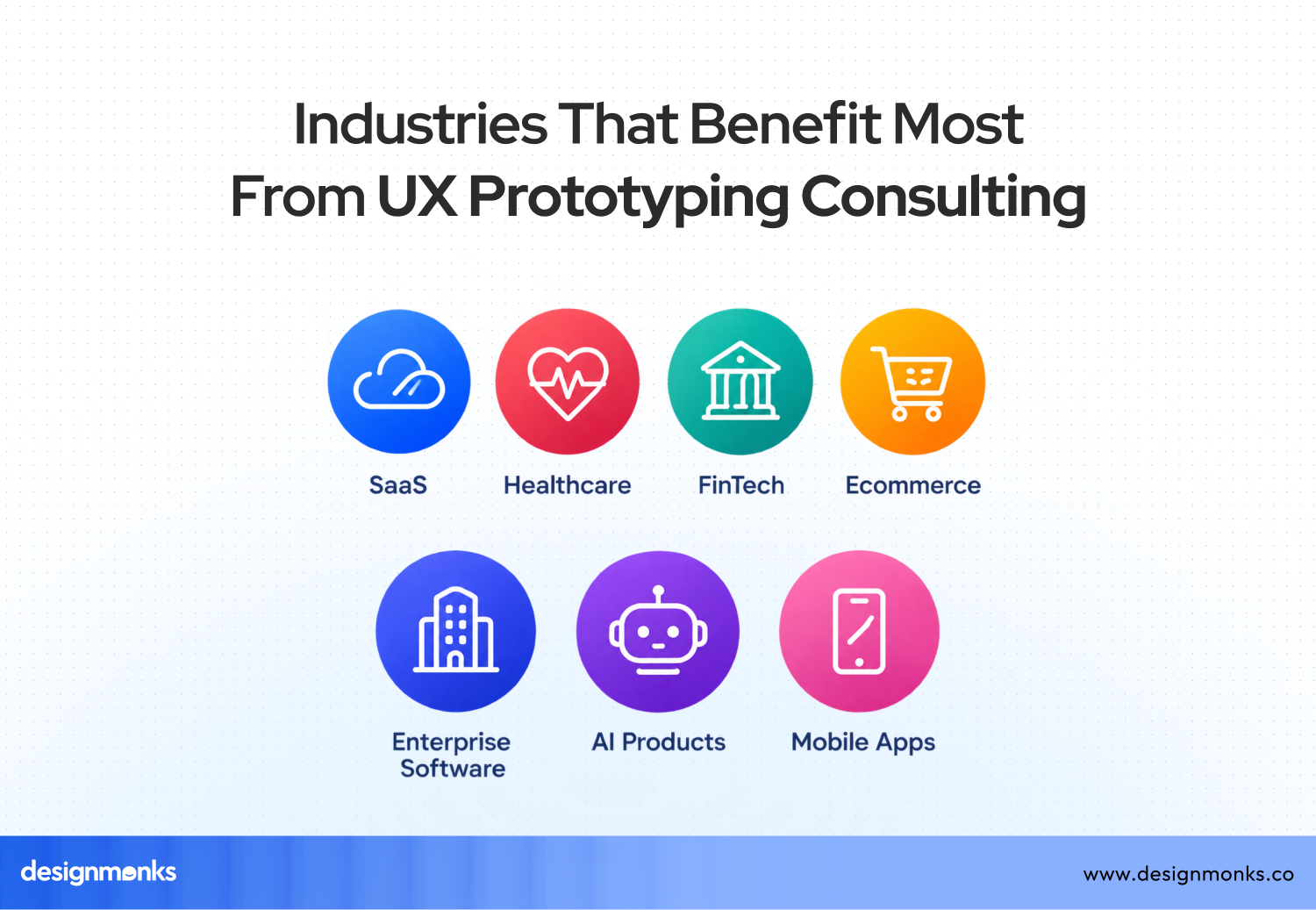
- SaaS: SaaS (Software as a Service) products often include many features and complex workflows. UX prototyping helps teams simplify navigation, improve dashboards, and validate new features before they are built.
- Healthcare: In HealthTech, users need products that are simple, accurate, and easy to understand. Whether it's a patient portal or a doctor dashboard, early testing helps reduce errors and improve the overall user experience.
- FinTech: FinTech products handle payments, banking, and financial information where trust is essential. Prototyping helps businesses test onboarding, payment flows, and account management to make sure users feel confident at every step.
- Ecommerce: For ecommerce websites, a smooth shopping experience can increase sales. Consultants use prototypes to improve product browsing, checkout, and payment flows before launch. It helps reduce cart abandonment and improve conversions.
- Enterprise Software: Enterprise software is often used by large teams with different roles and responsibilities. UX prototyping helps simplify complex workflows. This makes business tools easier to learn and more efficient to use.
- AI Products: AI products introduce new ways for people to interact with technology. Prototypes help businesses test AI features, conversations, recommendations, and user flows to make sure the experience feels clear and natural.
- Mobile Apps: Mobile applications have smaller screens and rely on taps, swipes, and gestures. Clickable mobile prototypes allow consultants to test navigation, screen layouts, and interactions on real devices before development starts.
No matter the industry, the goal is the same. UX prototyping helps businesses validate ideas, improve usability, and reduce costly changes later. The more complex the product, the more valuable early testing becomes.
How to Choose the Right User Experience Prototyping Consultant
Choosing the right consultant is about more than finding someone with good design skills. A great UX consultant understands users, solves business problems, and works closely with your team throughout the project. Here are the key things to look for:
- Portfolio Evaluation: Start by reviewing the consultant's UX portfolio. Don't just look for attractive designs. Check whether their case studies explain the problem, research process, testing, and results. A strong portfolio shows how they think, not just what they create.
- Industry Experience: Every industry has different users and challenges. A consultant with experience in your field can understand your business faster and suggest better solutions based on similar projects.
- User Research Capability: Great prototypes are built on real user insights. Make sure the consultant has experience with user interviews, usability testing, and product validation, not just creating screens in Figma.
- Communication & Collaboration: UX prototyping is a team effort. Look for someone who communicates clearly, welcomes feedback, and works well with designers, developers, product managers, and stakeholders throughout the project.
- Technical Understanding: A consultant doesn't need to write code, but they should understand how products are built. This helps them create realistic prototypes that developers can implement without unnecessary changes.
Before hiring a consultant or UX agency, ask them to walk you through a recent case study. Seeing how they solved a real problem often tells you much more than simply looking at their portfolio.
User Experience Prototyping Consultant Pricing
UX prototyping consulting costs vary based on project size, complexity, and the consultant's experience. Most consultants use one of these pricing models:
- Hourly Consulting: Best for design reviews or small projects. Typical rate is $75–$250+ per hour.
- Weekly Engagement: Ideal for product discovery or a Design Sprint. Typical rate is $3,000–$10,000 per week, depending on the team and scope.
- Fixed Project: Suitable for clearly defined work such as wireframes, interactive prototypes, and usability testing. Typical cost is $5,000–$30,000+ per project.
- Retainer: Best for ongoing UX support and continuous product improvements. Typical cost is $4,000–$20,000+ per month.
Choose a pricing model based on your project's scope rather than cost alone. Fixed-price projects work well for defined deliverables, while hourly or retainer agreements provide greater flexibility for evolving products.
Common Mistakes Companies Make Without UX Prototyping
Skipping UX prototyping may seem like a way to save time, but it often creates bigger problems later. Without testing ideas before development, businesses risk building products that don't meet user needs and cost more to fix after launch. Common mistakes include:
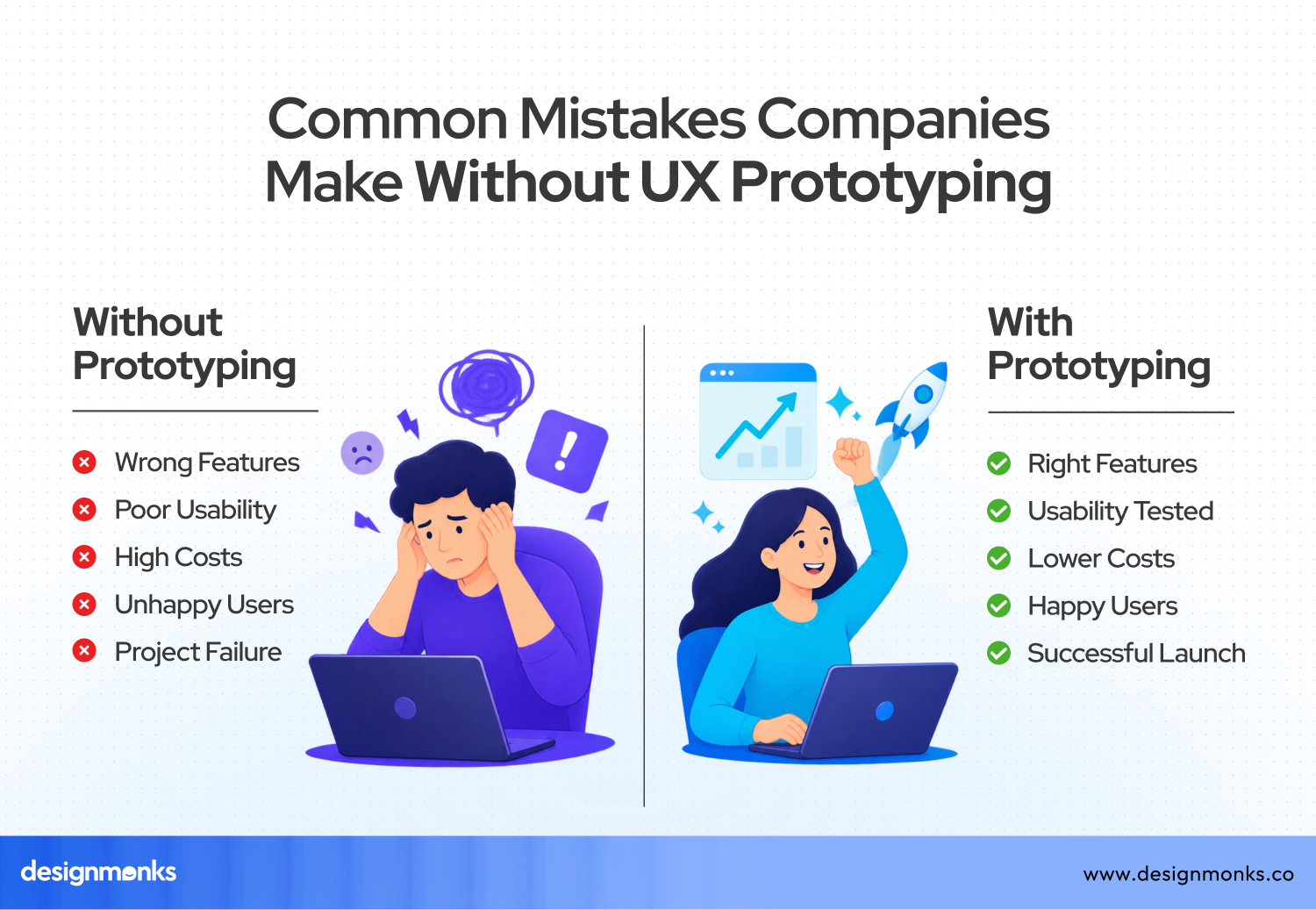
- Building features users don't need because decisions are based on assumptions instead of user feedback.
- Launching an MVP too early without validating whether the product solves the right problem.
- Poor usability caused by confusing navigation, unclear buttons, or complicated user flows.
- Expensive design changes after development begins, requiring additional engineering time and budget.
- Misaligned teams when designers, developers, and stakeholders have different ideas about the final product.
- Longer development timelines due to repeated revisions and unexpected design issues.
- Higher risk of product failure because important usability problems are discovered only after launch.
UX prototyping helps businesses avoid these mistakes by validating ideas early, improving usability, and reducing development risk before any code is written.
Frequently Asked Questions
How long does UX prototyping take?
The timeline depends on the project's size and complexity. A simple wireframe or low-fidelity prototype usually takes 2–5 days. An interactive prototype with user testing typically takes 2–4 weeks, while a complete consulting project can take 4–8 weeks or longer for complex products.
What software do consultants use?
Most consultants use Figma for wireframing and interactive prototyping. They may also use research, whiteboarding, and collaboration tools depending on the project.
What is the difference between UX consulting and UI design?
UX consulting focuses on understanding users, improving workflows, and validating ideas through research and testing. UI design focuses on the product's visual appearance, such as colors, typography, icons, and layouts.
Is prototyping necessary before development?
Not necessarily. While it's not required, prototyping helps identify usability issues early, reduce development risk, and improve product quality before developers begin building.


.avif)
.avif)
.avif)
.avif)


.avif)
.avif)
.avif)
.avif)






.avif)