.svg)



Key Takeaways
- Telemedicine website design builds patient trust through clarity, security, and usability.
- Strong UX simplifies booking, consultations, and record access across all devices.
- Secure video, scheduling, and EHR integration form the core platform foundation.
- Compliance with HIPAA and GDPR must be embedded into design, not added later.
- Well-designed telemedicine websites improve care delivery while reducing friction for clinics.
Healthcare decisions now start with a screen, not a clinic visit. Telemedicine website design shapes how patients trust a provider, book appointments, and begin online care.
A clear, modern website makes people feel safe and confident. A confusing one pushes them away before care even starts. Patients want simple steps and easy navigation, while clinics need systems that protect data and support daily work. Good design brings both needs together without stress.
As virtual care becomes normal, strong websites quietly do the hard work in the background. They build trust, remove confusion, and support better care from the first click to the final consultation. Keep reading to see how you can also make that happen.
What Is Telemedicine Website Design?
Telemedicine website design means creating a website that lets patients speak with doctors online. These websites support Telemedicine, where medical care is delivered through video calls, chat, or online forms instead of in-person visits.
The goal is to make online doctor visits simple, safe, and easy to understand for everyone.
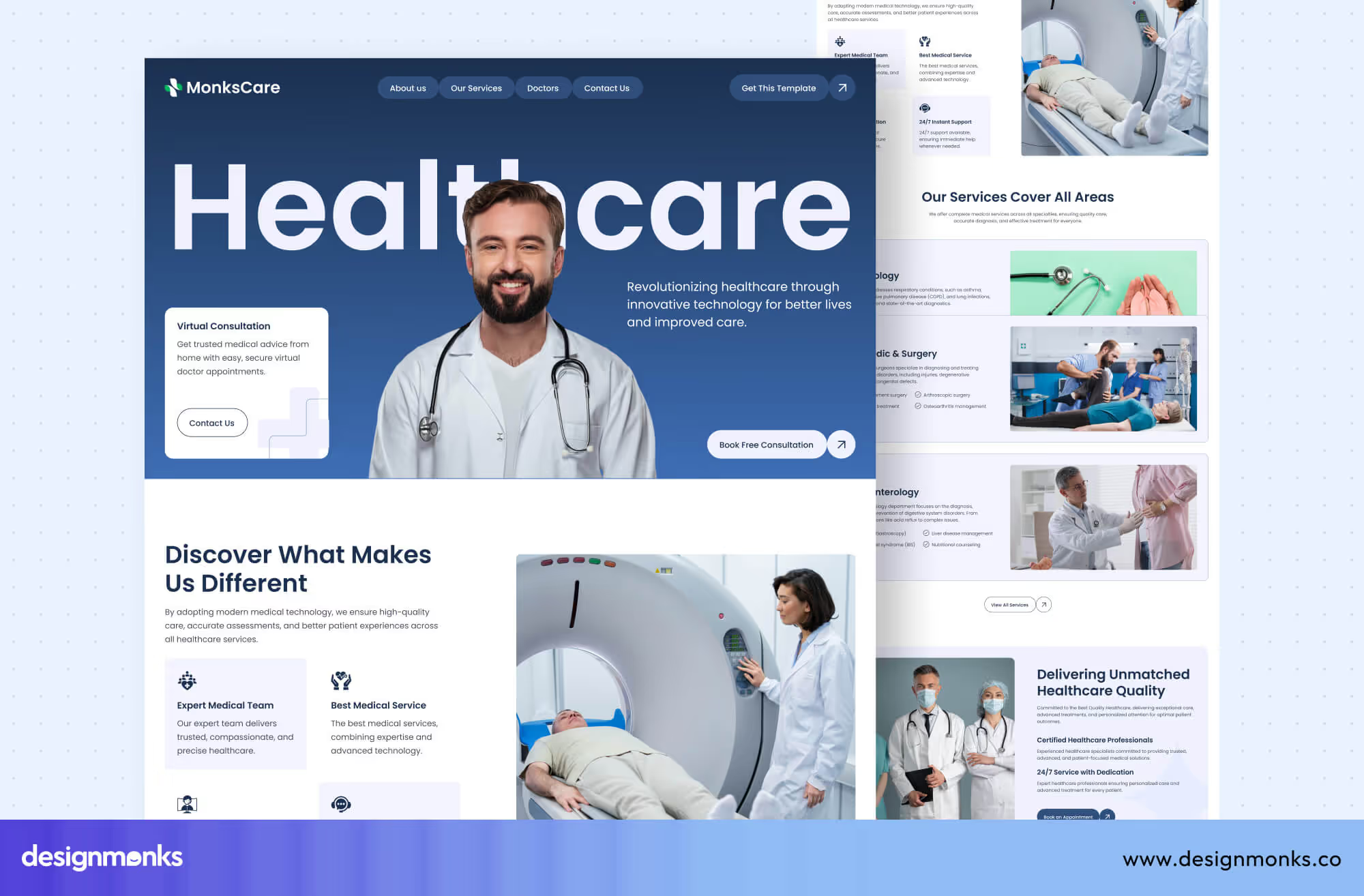
Unlike regular healthcare websites that mostly share information, telemedicine websites are made for action. They help patients book appointments, join video calls, and send health details online.
They also support Telehealth and Virtual Care, which means getting care without going to a clinic. These websites act like a digital clinic that patients can use from home.
Telemedicine vs Telehealth Websites
Although the words sound similar, telemedicine and telehealth websites are not the same. They are designed for different types of online healthcare needs, and knowing the difference helps clinics choose the right kind of website:
- Purpose: Telemedicine websites are built for real doctor visits and treatment. Telehealth websites are mainly for sharing health tips, advice, and educational content.
- Doctor Interaction: Telemedicine websites let patients talk to doctors live through video or chat. Telehealth websites usually do not offer live doctor consultations.
- Features: Telemedicine websites include appointment booking, secure video calls, and patient forms. Telehealth websites focus more on articles, guides, and wellness tools.
- Privacy Needs: Telemedicine websites need strong security because medical information is shared. Telehealth websites usually need only basic protection.
- User Experience: Telemedicine websites guide patients step by step through care. Telehealth websites are mostly informational and less interactive.
Both support online care, but telemedicine websites are mainly built for real medical consultations using a telemedicine web platform or an online medical consultation website.
Core Features Every Telemedicine Website Must Have
A telemedicine website is more than just a place to post information. It’s a telemedicine platform where patients and doctors meet online safely. To work well, it must include key features that make visits easy, secure, and organized:
Secure Video Consultation
One of the most important features is live video consultations. Patients can talk to doctors in real time, just like in a clinic. Good telemedicine websites make video fast, clear, and without delays (latency) so conversations feel natural.

Security is also critical, platforms need to follow HIPAA guidelines to protect patient data. Without proper security, private medical information could be at risk. Secure video ensures patients feel safe and doctors can give proper care online, making the website a true online medical consultation website.
Appointment Scheduling & Patient Portals
Patients need a simple way to book visits, and clinics need organized schedules. Appointment scheduling systems let patients choose times, get reminders, and reduce missed visits.

Patient portals allow patients to access records, test results, and past consultations. Together, these features make the website interactive and useful. They save time, reduce errors, and give patients a sense of control. A well-designed portal makes online care feel personal and easy, not confusing.
EHR / EMR Integration
Telemedicine websites must work with EHR (Electronic Health Record) or EMR (Electronic Medical Record) systems to manage patient information efficiently.
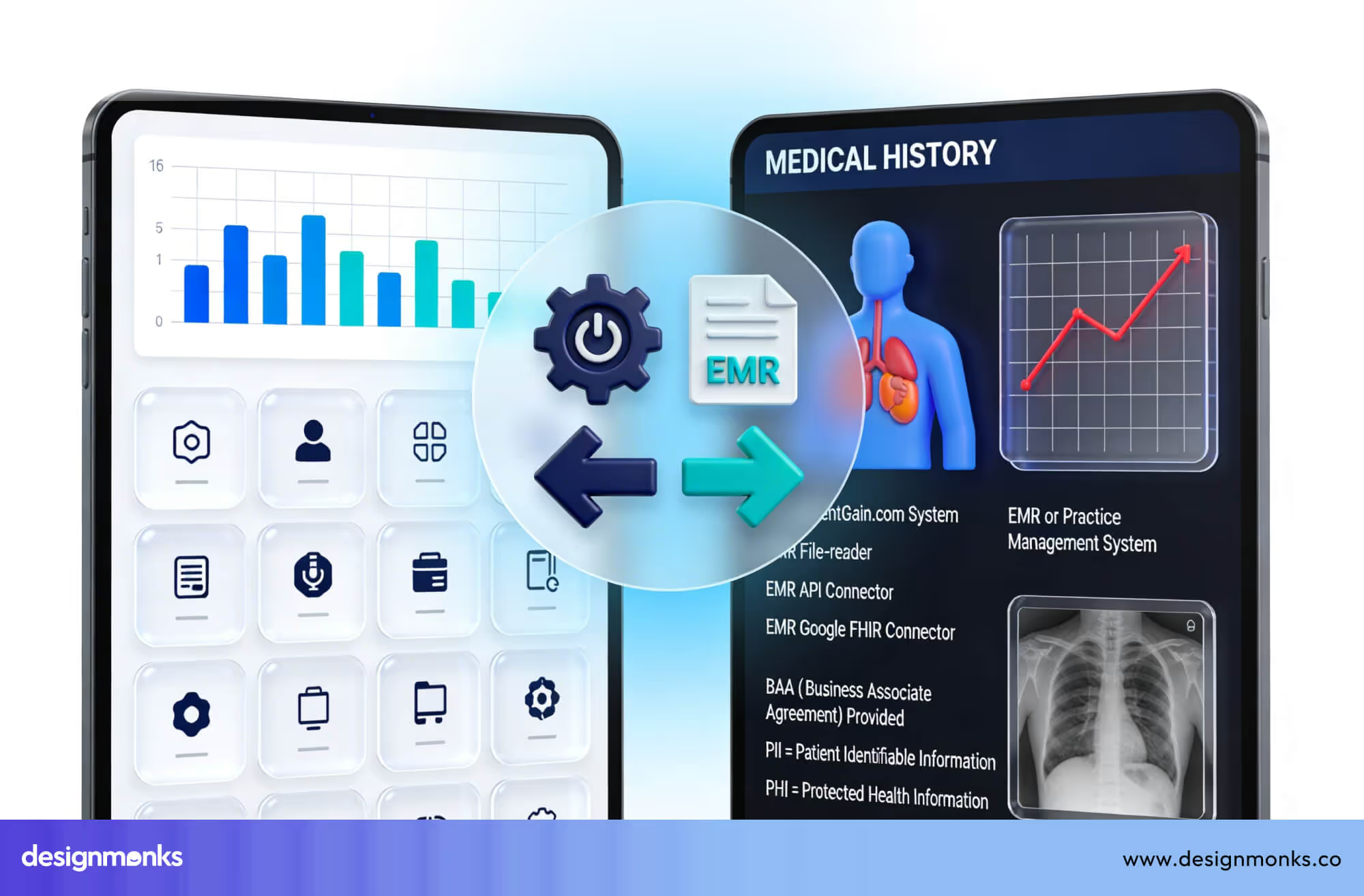
EMR is a digital version of a patient’s paper chart. It keeps track of medical history, prescriptions, lab results, and diagnoses, but usually only within one clinic or hospital.
EHR is similar, but it can share information between different clinics, hospitals, and healthcare providers. This helps doctors see a patient’s full medical history, even from other clinics, so they can make better decisions.
This integration ensures doctors have accurate patient information, reduces errors, and keeps records up to date. It also makes online care safer and more efficient.
Other Important Features
Along with the discussed three features, telemedicine websites need to have these features as well:

- Prescription Management: Doctors can create and send prescriptions online, and patients can access them easily. This prevents mistakes and saves trips to the clinic.
- Payment Gateways: Secure online payments let patients pay safely. Encryption and secure checkout build trust.
- Doctor Profiles: Each doctor’s profile shows experience, specialties, and availability. This helps patients choose the right doctor confidently.
- Multi-Language Support: Websites that support multiple languages make online healthcare accessible to more people and reduce confusion.
UX & UI Best Practices for Telemedicine Websites
A telemedicine website isn’t just about features, it’s about making every step of care smooth and simple for patients. The right UX and UI design can guide users from booking an appointment to joining a video consultation without confusion.
The design choices you make here directly affect how well your core features work:
Designing for Accessibility & Inclusivity
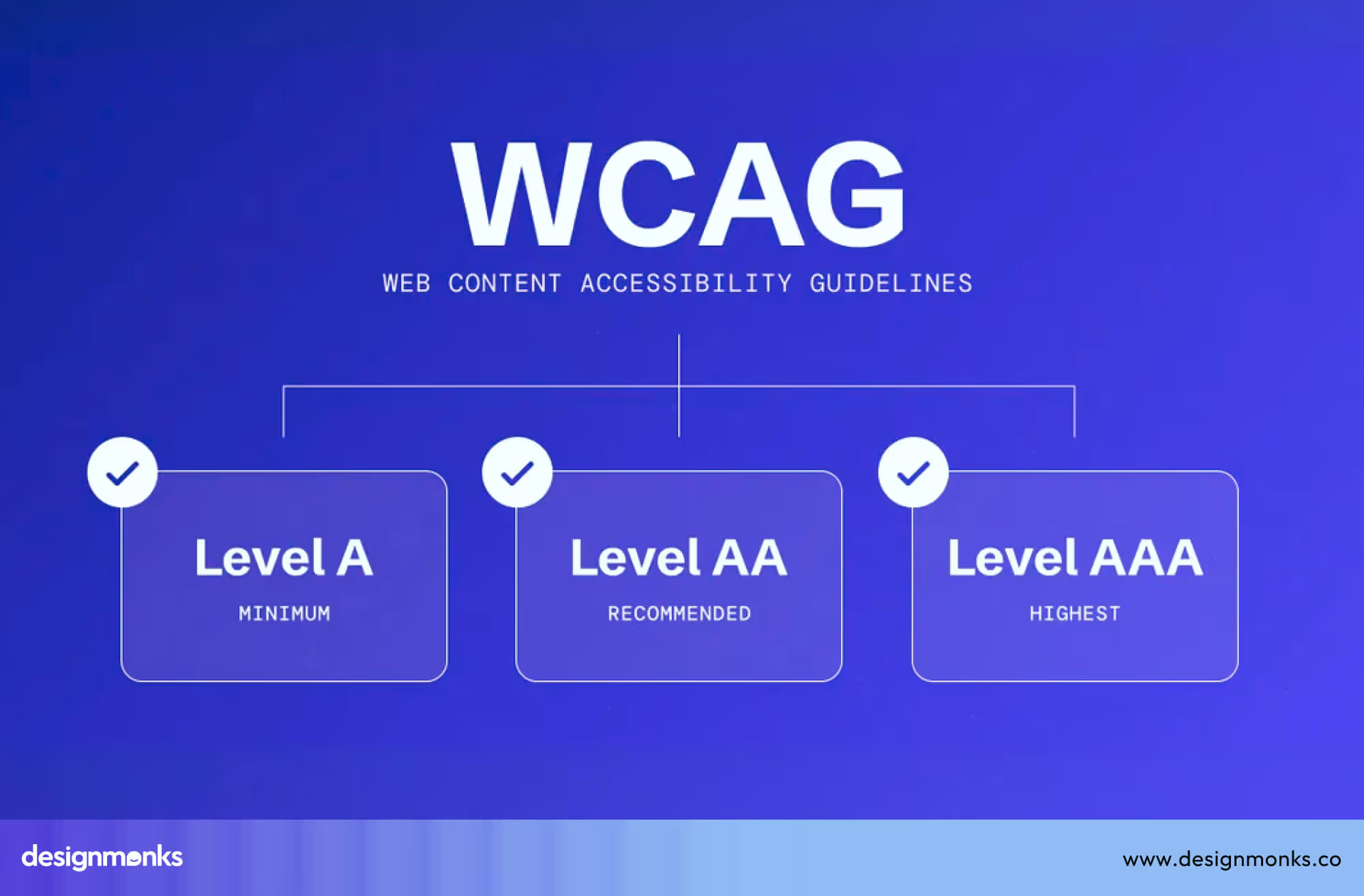
Telemedicine websites must work for everyone, including elderly patients, people with disabilities, and those who are not comfortable with technology. Following WCAG makes the website readable, easy to navigate, and simple to understand:
- Clear fonts and high-contrast colors: Ensures that all text can be read easily, even for users with weak eyesight or in bright lighting conditions.
- Simple, consistent menus: Helps patients find what they need quickly without feeling lost, which is especially important for first-time users.
- Screen-reader support and alt text for images: Allows visually impaired patients to understand content and use the website independently.
- Design for all skill levels: Ensures that even those with limited experience using technology can book appointments, access records, or join video consultations without frustration.
By making the website accessible and inclusive, clinics can serve a wider audience, build trust, and make patients feel confident using online care.
Mobile-First & Responsive Design
Most patients now use phones or tablets for online healthcare. A responsive healthcare website adapts to any screen size so patients can easily book appointments, join video calls, or check their test results:
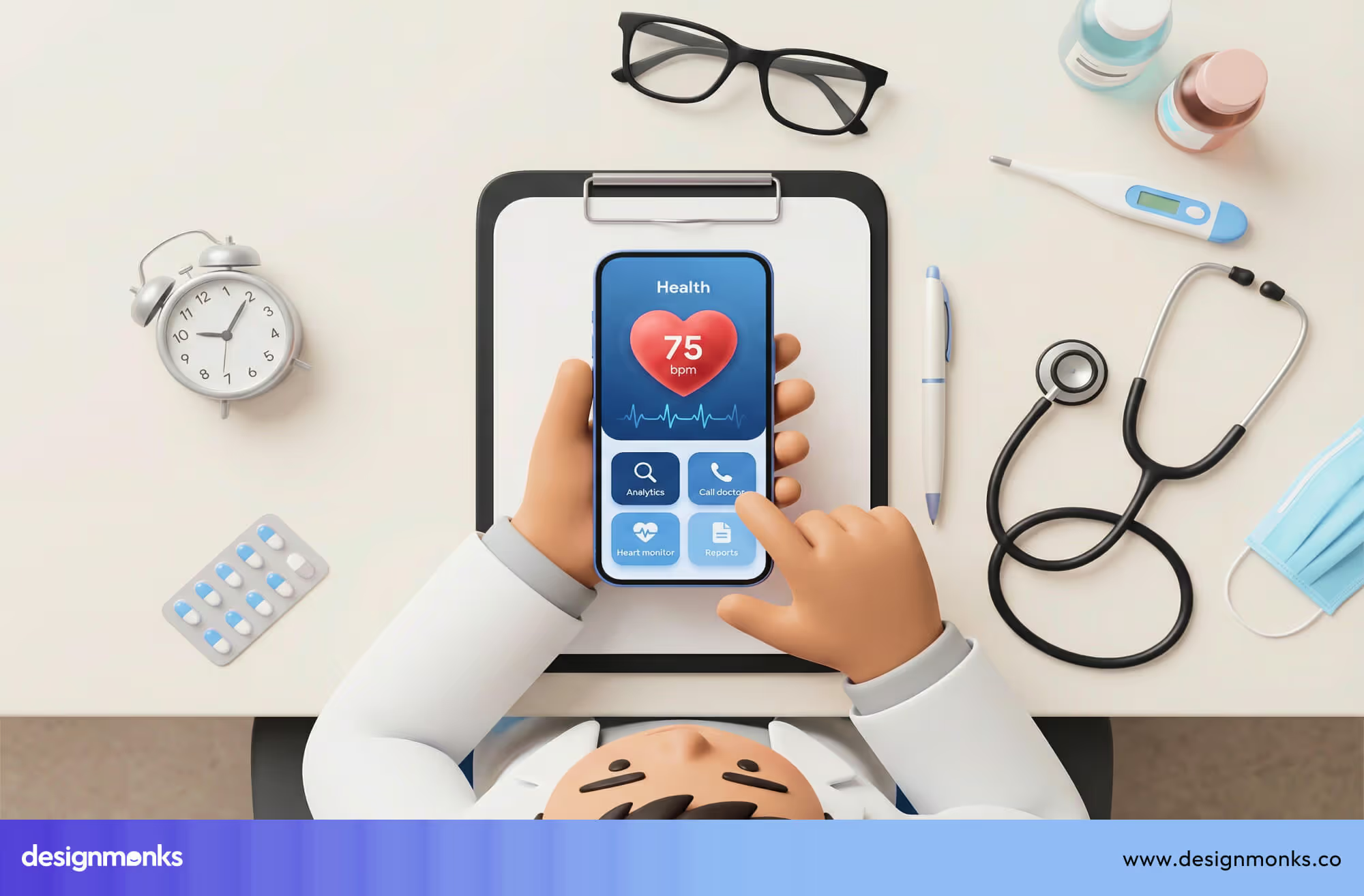
- Mobile-first design: Focuses on the most important actions first, like scheduling visits or starting consultations, so patients can complete these tasks quickly on small screens.
- Access anytime, anywhere: Patients should be able to use the website wherever they are. This makes telemedicine convenient for busy schedules or those at home.
- Intuitive on small screens: Reduces mistakes and frustration by keeping navigation simple, buttons easy to click, and information easy to read.
A website that works well on any device makes online care reliable, convenient, and trustworthy. This also helps patients feel confident and encourages them to use the service regularly.
Security, Privacy & Compliance in Telemedicine Website Design
In telemedicine, trust is not created by design alone, it is earned through how safely patient data is handled. Every interaction, from booking an appointment to joining a video consultation, involves sensitive health information.
To meet patient expectations and regulatory standards, security and privacy must be built into the foundation of the website, not added later. These requirements directly influence how telemedicine platforms are planned, designed, and developed, shaping decisions from user flows to technical architecture.
HIPAA & Healthcare Data Protection
The HIPAA or Health Insurance Portability and Accountability Act defines how patient health information should be stored, accessed, and shared. Telemedicine websites must be designed to prevent unauthorized access and ensure all medical data remains confidential throughout the care journey.

In practical terms, this affects how systems are structured:
- Who can access patient records and under what conditions
- How data is encrypted during messaging and video consultations
- How user activity is logged to reduce misuse
These safeguards don’t just protect patients, they guide core design and development decisions across the entire platform.
GDPR & International Patient Data
For telemedicine platforms serving patients across borders, GDPR, or General Data Protection Regulation, reshapes how patient data is collected, displayed, and controlled.
Unlike basic privacy policies, GDPR requires platforms to give patients clear visibility and direct control over their personal and medical information. From a design and UX perspective, this means patients must be able to:
- See what data is being collected and why, using plain, non-technical language
- Access their medical records without friction through secure dashboards
- Download their data in a usable format when changing providers
- Request corrections or deletion of personal information when appropriate

These requirements influence how account settings, consent flows, and patient portals are structured. Interfaces must be simple enough for non-technical users while still handling complex healthcare data securely.
When implemented well, GDPR-aligned design improves transparency, reduces patient hesitation, and strengthens trust, especially for international users who may already feel uncertain about remote care.
Meeting these standards isn’t a final checkbox,it’s the starting point.
To achieve security, compliance, and usability at scale, telemedicine websites must follow a structured design and development process from day one.
Telemedicine Website Design Process
A professional telemedicine website is built through a structured process that balances healthcare needs, patient behavior, technical constraints, and compliance requirements. Each stage ensures the platform works reliably for patients, doctors, and administrators before it ever goes live:
Discovery & Healthcare UX Research
The process starts with understanding real users, not assumptions. User Research for a telemedicine website focuses on patient demographics, clinician workflows, and healthcare goals. This includes:
- Creating patient personas (elderly users, remote patients, busy professionals)
- Mapping patient journeys from booking to post-consultation follow-up
- Identifying pain points such as appointment confusion, login friction, or poor mobile experiences
This groundwork ensures the platform is designed around how people actually seek care, not how the system expects them to.
Wireframing, UI Design & Prototyping
Once user needs are clearly defined, wireframing, UI design, and prototyping turn research into a structured, usable interface.
Screens are carefully planned to prioritize essential actions. Actions such as booking appointments, joining video consultations, and accessing medical records without friction.
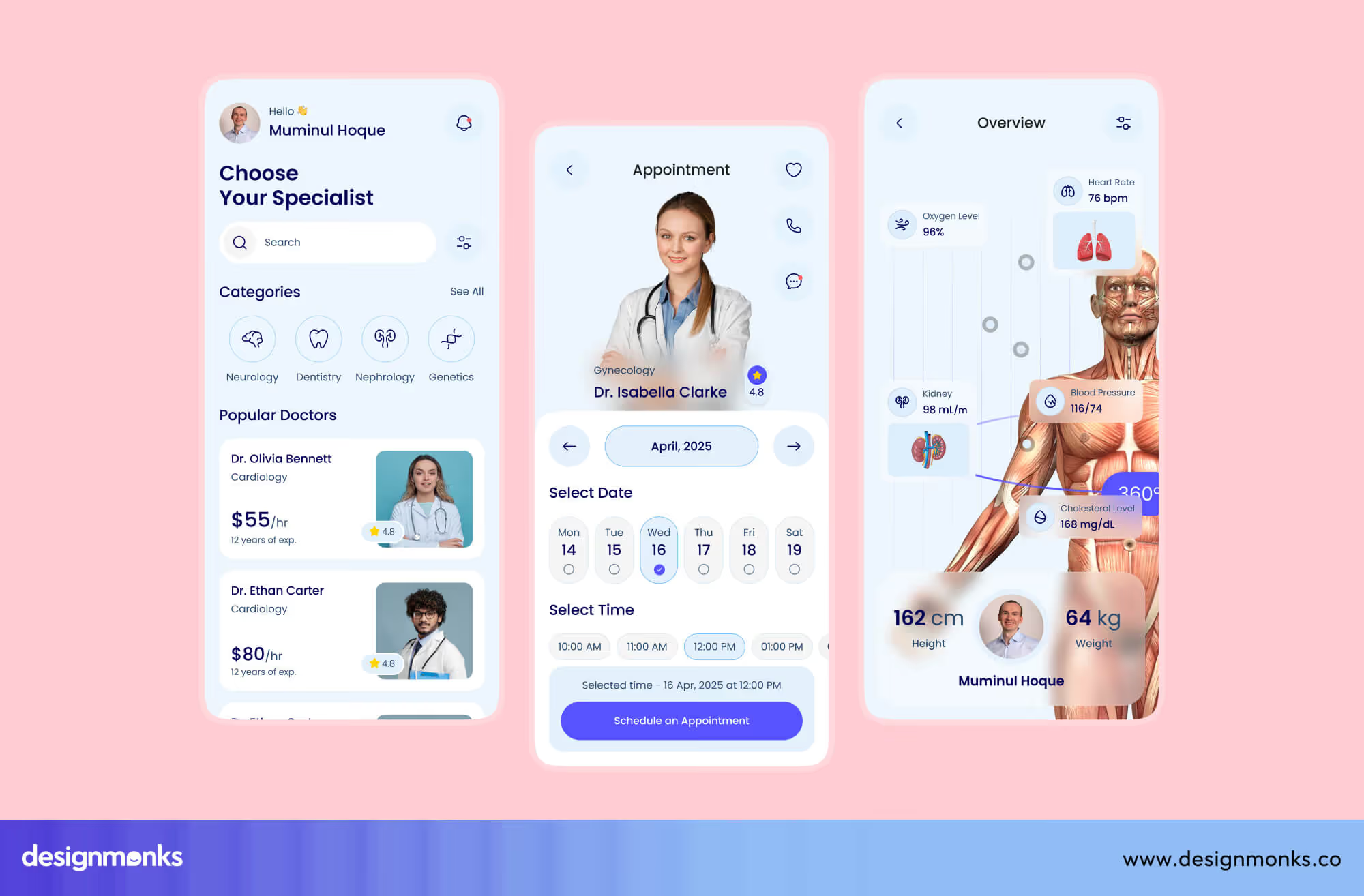
Interactive prototypes make it possible to test navigation clarity before development begins, validate layouts with real users and clinicians, and uncover usability issues early.
Changes are faster and more cost-effective this way. Strong UX Design at this stage reduces rework later and ensures the platform feels intuitive and reliable from the very first use.
Development, Testing & Launch
Designs are then transformed into a working platform through secure development and rigorous testing. This stage focuses on reliability and safety as much as appearance.

Key activities in this stage include:
- Functional testing of video calls, scheduling, and portals
- Security testing to protect patient data
- Performance testing to ensure stability during peak usage
- Quality assurance across devices, browsers, and screen sizes
Only after passing these checks is the platform launched, ensuring patients can trust the system when they need care most.
Telemedicine Website Design Cost & Timeline
A telemedicine website design cost typically ranges from $15,000 to $150,000+, depending on features, compliance requirements, and platform complexity.
Budget and timelines are often the final decision-makers for clinics and startups, so understanding the cost early helps teams plan realistically, avoid surprises, and invest at the right level.
In healthcare web development, pricing is driven less by visuals and more by scope, security, integrations, and regulatory compliance.
Cost Factors
Several elements directly influence how much a telemedicine website costs. Project scope is the biggest factor. A simple consultation platform costs far less than a full-featured system with patient portals and analytics.
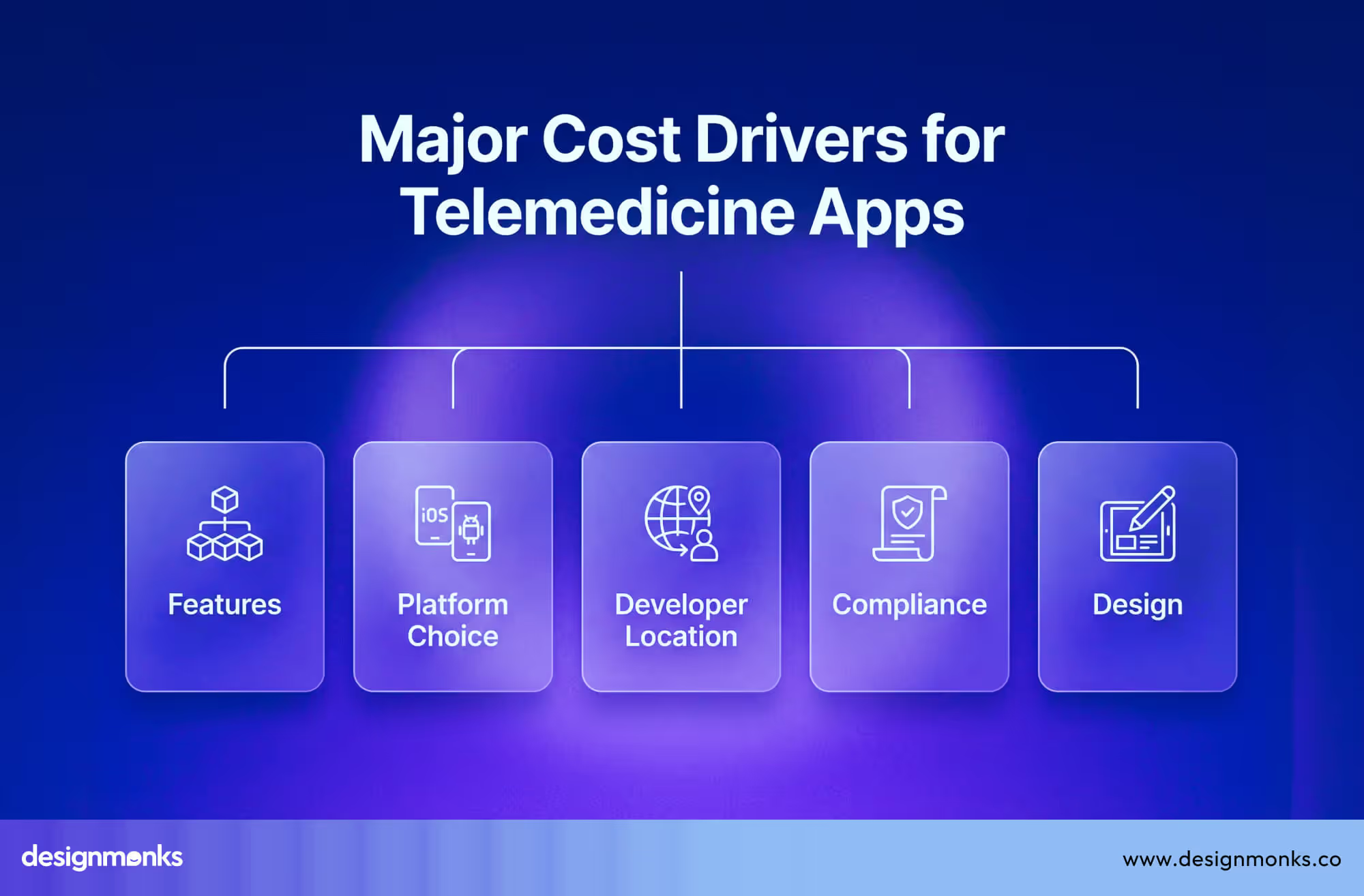
Integrations such as EHR/EMR systems, payment gateways, and video tools add complexity and development time. Compliance requirements like HIPAA or GDPR also increase costs due to security, encryption, and testing.
Finally, design depth matters, custom UX/UI design and usability testing require more effort than basic templates but deliver better patient outcomes.
Typical Timeline
Timelines depend on whether you’re building a basic MVP or an enterprise-grade platform. An MVP telemedicine website usually takes 8–12 weeks, focusing on core features like video consultations and scheduling.
Enterprise-level platforms, with advanced integrations, compliance layers, and scalability, often take 4–6 months or more. The more complex the system, the more time is needed for testing, security reviews, and refinement.
Examples of Successful Telemedicine Website Designs
Seeing real-world examples can spark ideas and show you what a great telemedicine website design looks like in action. Below are a few standout patterns and platforms that combine clean visuals, clear user flows, and effective virtual care experiences:
Healio
One strong example of telemedicine website design is this telemedicine landing page created by Design Monks for Healio. Healio is a well-known healthcare platform that provides medical news, education, and clinical tools for doctors and healthcare professionals.
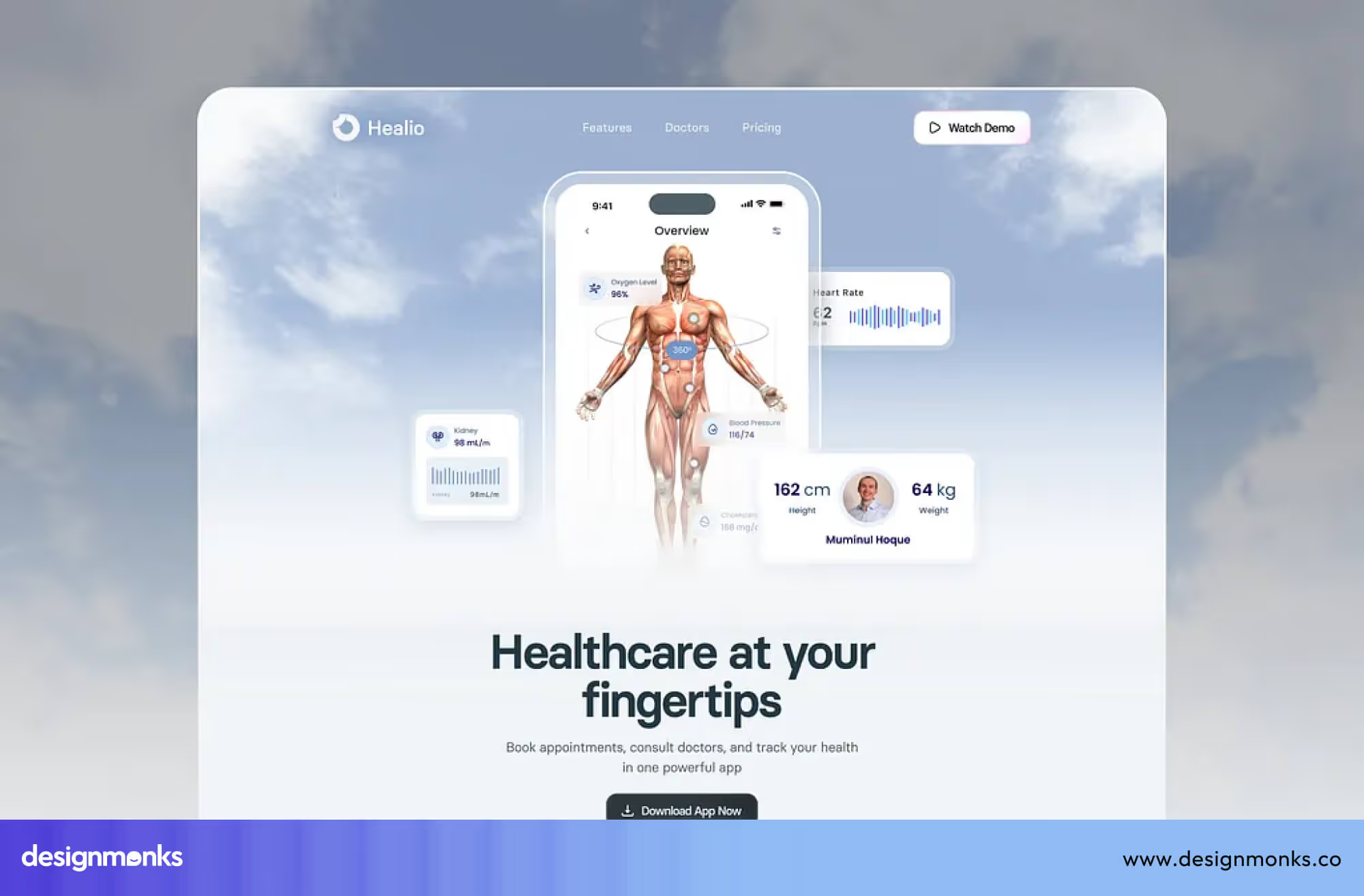
The landing page focuses on calm colors, clear sections, and simple messaging, which helps visitors feel comfortable right away. Important actions like learning about services or booking care are easy to find without confusion.
This shows how thoughtful design can build trust from the first visit. By keeping the layout clean and readable, Design Monks demonstrates how telemedicine websites can guide users smoothly toward care instead of overwhelming them.
Teledoc
One of the most recognized names in remote care, Teladoc’s platform is built around simple navigation and quick access to services.
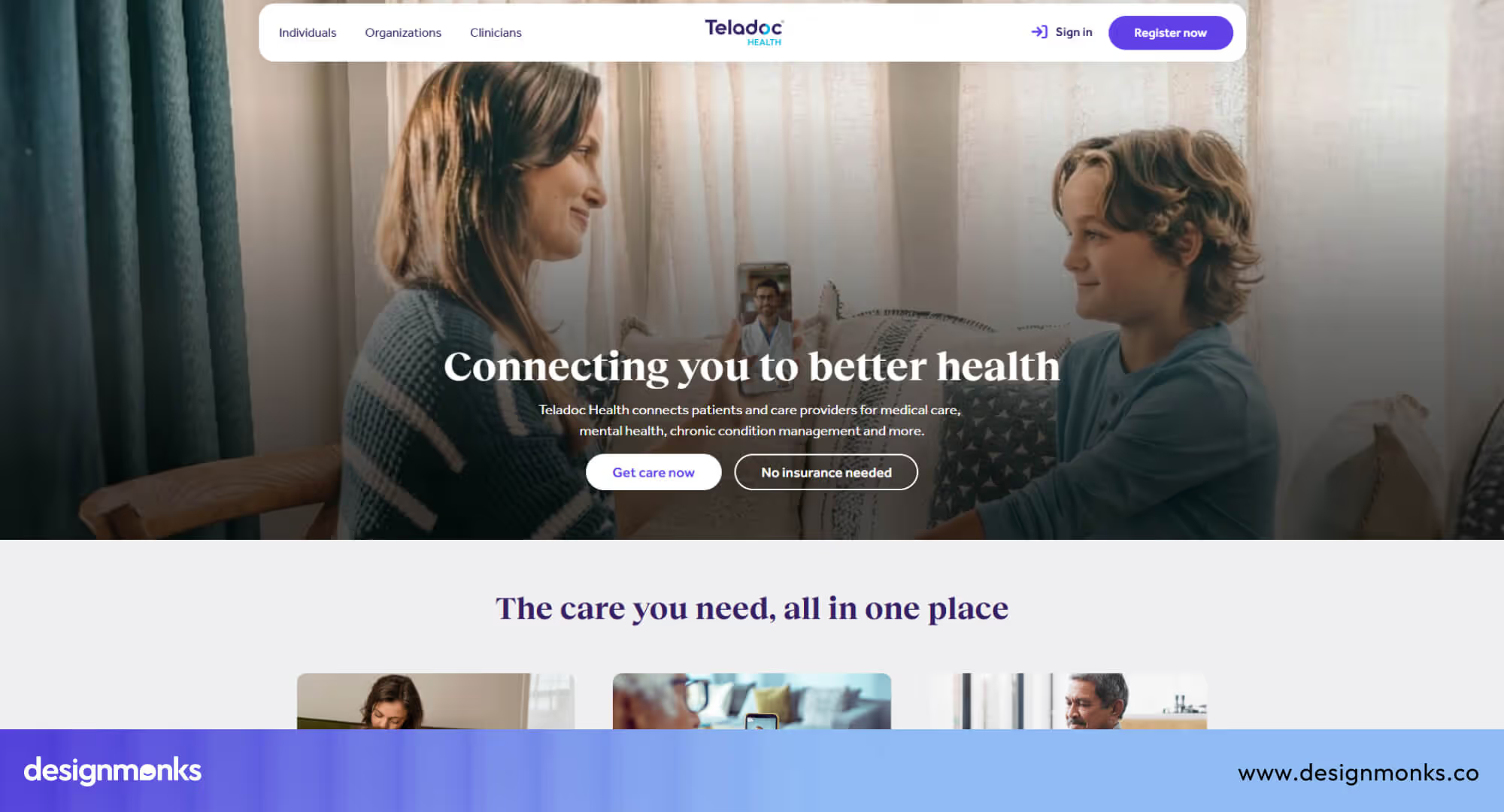
Its clean design helps users find urgent care, primary care, or specialist consultations without unnecessary steps. These patterns, clear calls to action, logical menu structures, and reassuring visual cues are what good telemedicine websites should strive for.
Amwell
Amwell has become a strong example of telemedicine done right, with a website designed to be easy for both new and returning patients.
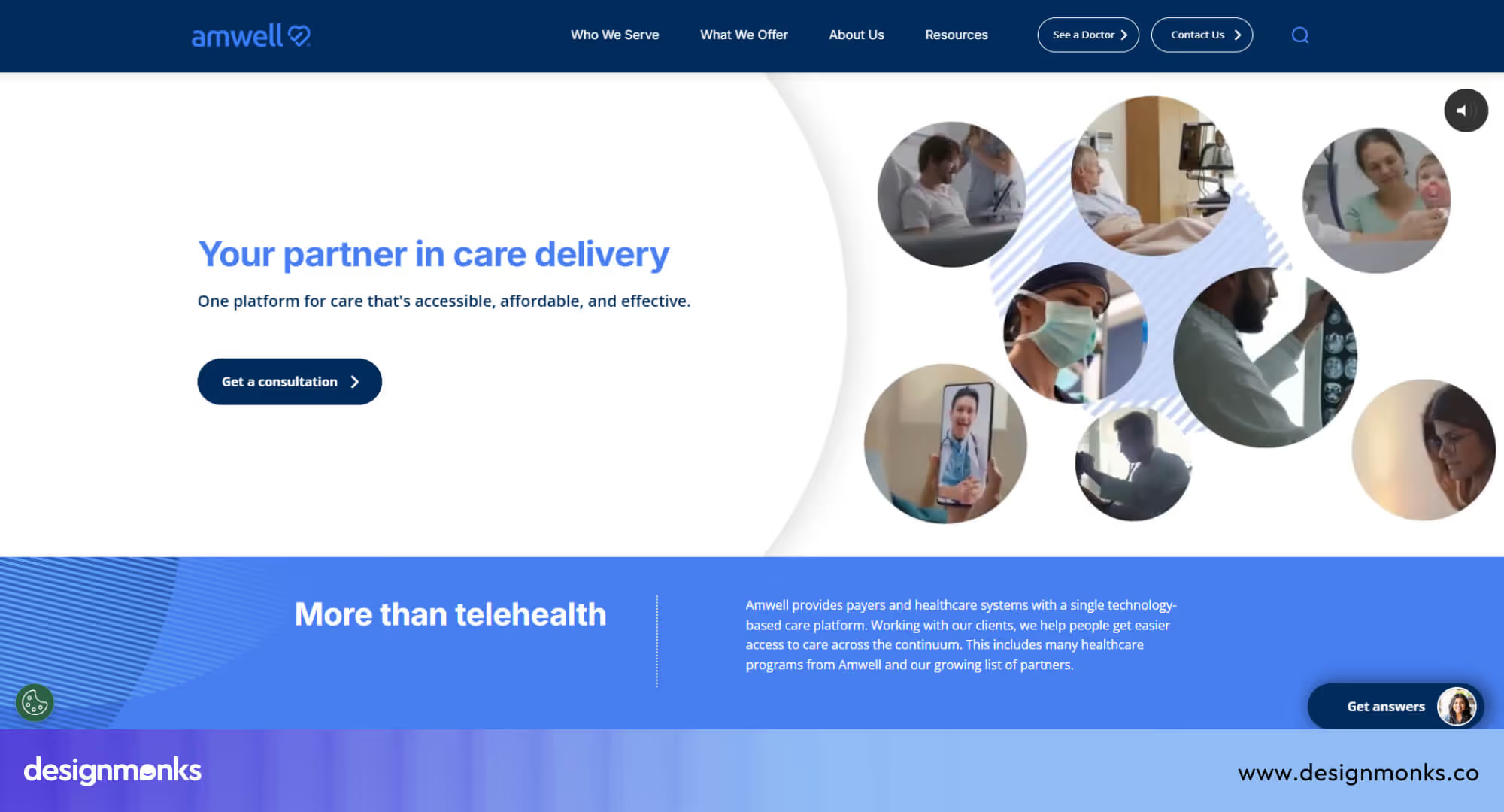
The homepage highlights key services up front, offers simple booking buttons, and uses consistent layout patterns to build familiarity. Millions use Amwell’s virtual care tools, showing how user-centered design supports real engagement.
How to Choose the Right Telemedicine Website Design Agency
Picking the right agency is critical for building a telemedicine website that is secure, user-friendly, and effective. Not all web agencies understand the unique demands of healthcare, so making the right choice upfront can save time, money, and headaches. Here’s what to look for:
Industry Experience & Compliance Knowledge
Healthcare websites require specialized knowledge. Choosing an agency with healthcare experience ensures your website is secure, professional, and legally compliant, which builds patient trust from day one.
The best agencies know strict rules like HIPAA and GDPR, handle sensitive patient data safely, and design user flows that match real patient journeys.
Custom UX vs Templates
Check whether the agency offers custom UX design rather than relying on generic templates. Telemedicine websites need intuitive flows for booking, video consultations, and accessing records.
Templates may look fine, but they rarely solve real patient or clinician needs, such as:
- Patients booking appointments and joining video calls easily
- Key services are being highlighted to reduce confusion
- Integrations like EHR/EMR systems working seamlessly
Custom UX reduces errors, improves engagement, and gives your platform a professional edge.
Portfolio & Proven Results
Always review an agency’s past work. Strong agencies will share case studies showing how their websites improved patient engagement, reduced errors, or simplified clinician workflows.
Seeing real-world examples of functional telemedicine websites helps you assess whether the agency can deliver results that match your goals.
Communication & Support
Healthcare projects require close collaboration. The right agency communicates clearly, responds promptly, and guides you through decisions about security, design, and compliance.
Check if they offer post-launch support and maintenance, because telemedicine platforms need ongoing updates and monitoring to stay secure and reliable.
Why Design Monks Is the Right Choice for Your Telemedicine Website
Choosing the right agency is crucial, and Design Monks doesn’t just meet the standards, they excel in every area and beyond.
From understanding patient journeys to building HIPAA- and GDPR-compliant platforms to integrating complex systems like EHR/EMR, Design Monks handles every aspect of telemedicine website design.
Their team also provides post-launch support, performance monitoring, and updates, ensuring your platform remains secure, reliable, and user-friendly.
Partnering with Design Monks means working with an agency that delivers a complete, high-performing telemedicine platform built to serve patients and clinics with confidence, ease, and trust.
FAQs About Telemedicine Website Design
How long does it take to build a telemedicine website?
Simple MVP platforms may take 8–12 weeks, while full-featured enterprise solutions can take 4–6 months or more. This depends on integrations and design complexity.
Can telemedicine websites integrate with EHR?
Yes. Modern platforms connect with EHR/EMR systems to provide doctors with complete patient history and keep medical records up to date in real time.
Why does good design matter for a telemedicine website?
A well-designed telemedicine website helps patients feel confident and secure while using online care. Clear layouts and intuitive navigation make it easy to book appointments, access medical records, and join video consultations.
How do telemedicine websites keep patient data HIPAA compliant?
Professional telemedicine websites are designed to follow HIPAA rules and, when necessary, GDPR standards. They protect sensitive information through secure storage, encryption, and controlled access, ensuring patient data stays safe at every step.


.avif)
.avif)
.avif)
.avif)


.avif)
.avif)
.avif)
.avif)







.avif)