.svg)




Key Takeaways
- Strong digital branding of medical startups builds trust before patients even try your service
- Medical branding must focus on clarity, safety, and patient trust first
- Simple UX and clear messaging improve engagement and user confidence significantly
- Consistent branding across platforms helps users recognize and trust your startup
- Compliance, social proof, and transparency are essential for healthcare brand credibility
A great medical service is not enough if people do not trust you online. That's why medical startup digital branding has become so important these days. It helps you show who you are and why patients should choose you. A strong brand builds confidence from the first click.
Patients today depend on online research. They look for clear, simple, and trustworthy information before making decisions. Your brand must meet these expectations.
Keep reading to learn simple ways to strengthen your brand and grow step by step!
What Is Medical Startup Digital Branding?
A patient can decide in seconds whether to trust you or not. That is why medical startup digital branding is so important today. It is the way your healthcare startup looks, sounds, and behaves across all online platforms. This includes your website, social media, and even how your content speaks to people.
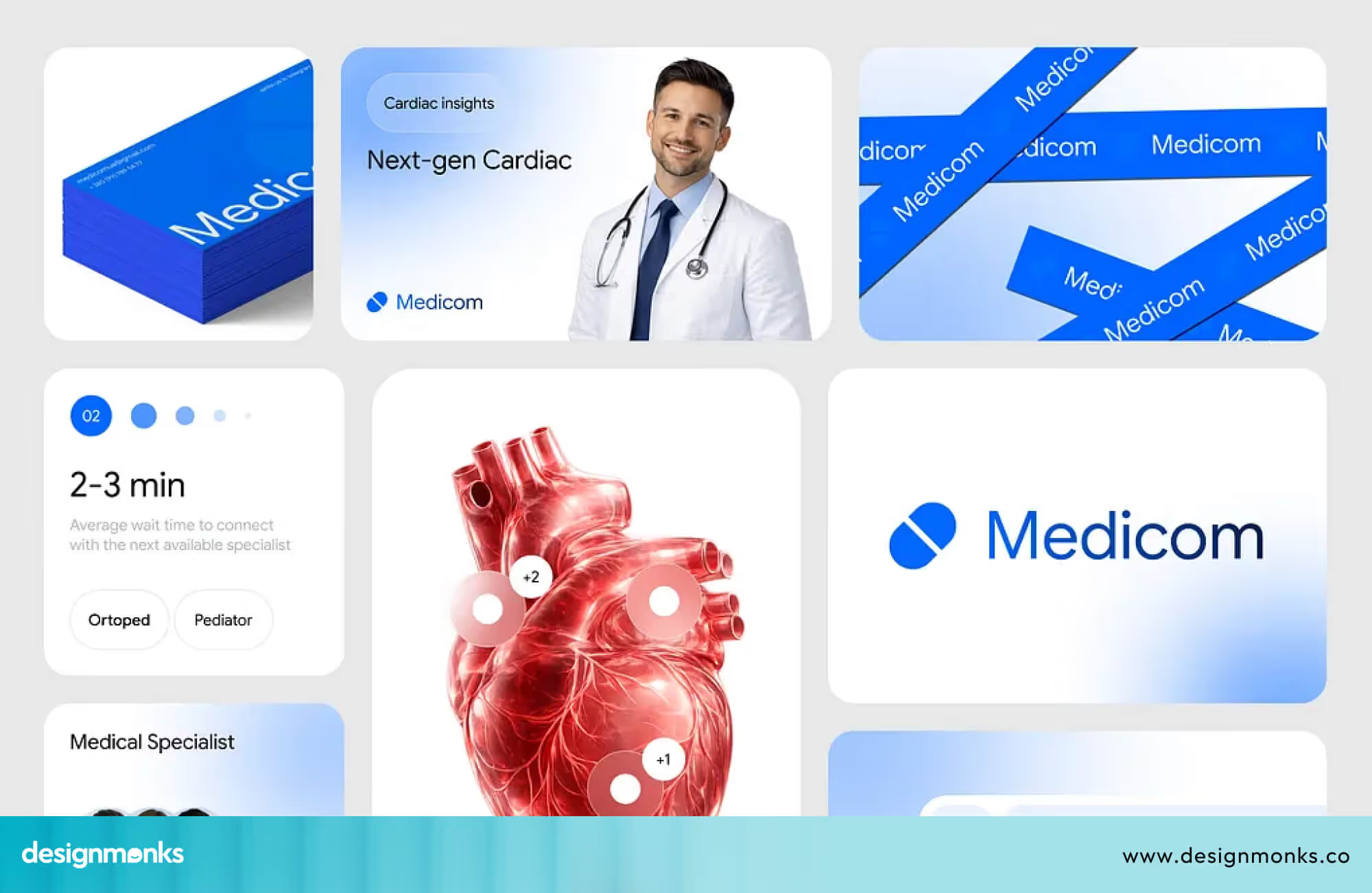
If you are targeting a specific place, like a medical startup digital branding in Austin, your brand must also match local expectations and trust signals. In simple words, digital branding is your online identity as a medical startup. It tells people who you are, what you offer, and why they should trust you.
A strong digital brand identity makes your startup feel clear and reliable. It also helps people remember you. For a healthcare startup, this is even more important. Patients are not just buying a product. They are trusting you with their health.
Difference Between Healthcare Branding and Traditional Startup Branding
Branding is important for every business, but healthcare is different. In a normal startup, branding focuses on growth, speed, and market reach. But in healthcare, the focus is on trust, safety, and credibility.
One big reason is regulation. Healthcare startups must follow strict rules like HIPAA. This law protects patient data and privacy. If your branding ignores this, people may not trust you.
Another key difference is patient trust. In other industries, customers may take risks. But patients do not. They want clear, safe, and reliable information. Your branding must show that you understand their needs.
Also, healthcare credibility matters more than anything. You cannot use flashy or confusing branding. Everything must feel professional, simple, and easy to understand. This is what makes healthcare branding unique and more sensitive than traditional startup branding.
Why Digital Branding Matters for Early-Stage Medical Startups
When you are just starting, people do not know your brand. This is where digital branding helps you grow faster. It builds trust even before someone uses your service.
First, it improves healthcare product trust. When your branding looks clean and clear, people feel more confident in your product. Even small things like good design and simple language can make a big difference.
Second, it increases patient engagement. A strong brand keeps people interested. They stay longer on your website, read your content, and learn more about your services.
Third, it helps with investors. A startup that looks organized and trustworthy attracts more attention. Investors want to see a clear vision, and branding helps show that.
In short, good branding helps you grow, connect, and succeed faster.
Best Digital Branding Services for Medical Startup
Choosing the right partner can make branding easier and more effective. Here are three trusted companies that help medical startups build strong digital brands:
Design Monks
Design Monks is one of the strongest choices for medical startup digital branding. They focus on creating clean, simple, and user-friendly designs that build trust quickly. In healthcare, where users need clarity and confidence, this approach works very well.
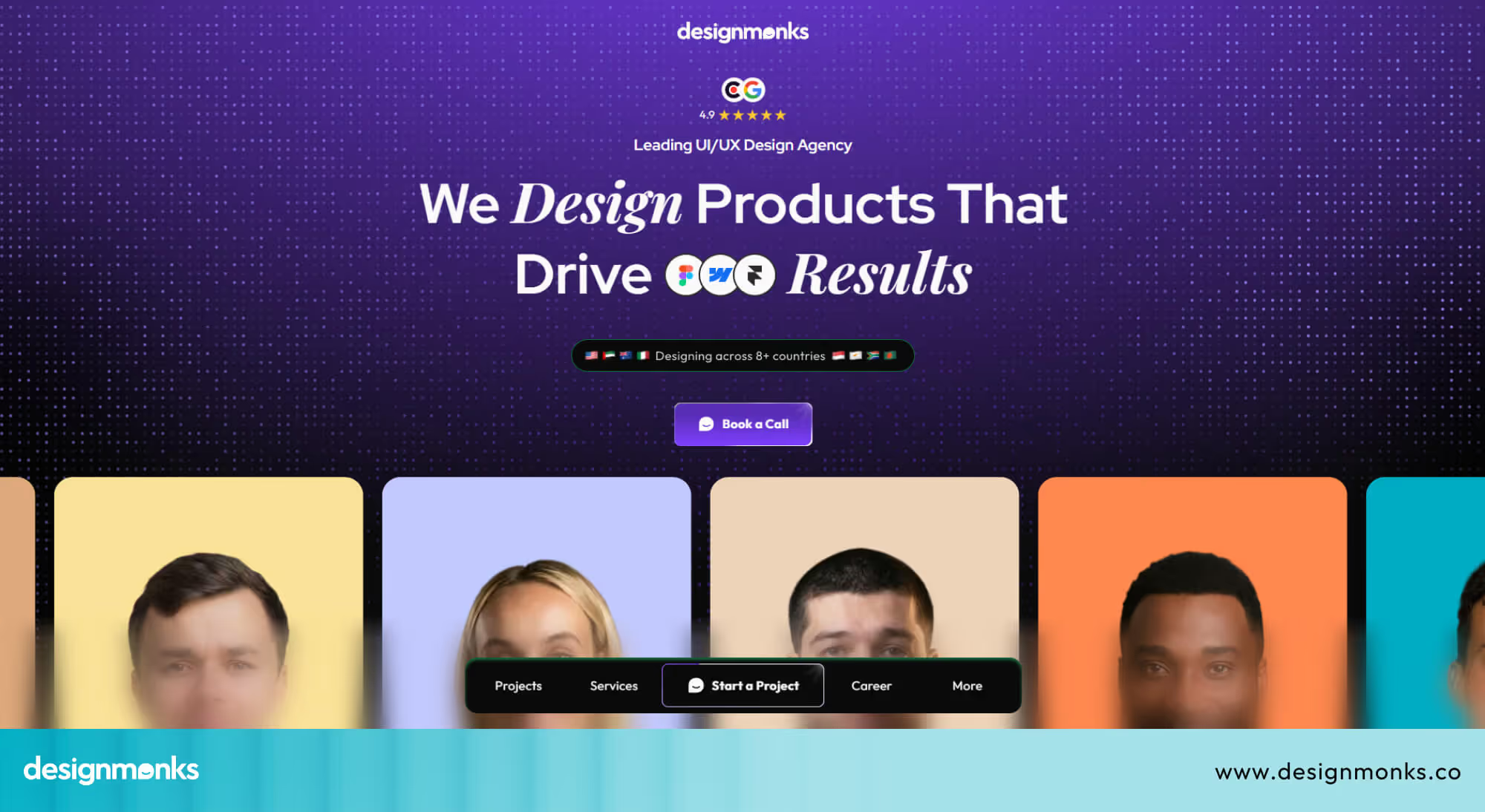
Overview:
- Website: Design Monks
- Location: Global (Remote-first team)
- Pricing: Mid to premium range
- Clients: Medease, Crantech, Telenor, Affine, and many more
Design Monks focuses heavily on healthcare UX and brand clarity. They design interfaces that are easy to use, even for first-time users. Their work often includes simple layouts, clear messaging, and smooth navigation.
They also understand how to balance branding with compliance. Their designs feel modern but still safe and professional, which is very important in healthcare. They have strong experience working with startups and understand early-stage challenges.
Design Monks focus on the full user journey, from first visit to final action. This helps improve both trust and conversion. Their process is structured and user-focused. They create design systems that keep your branding consistent across all platforms.
What makes them different is their attention to detail and simplicity. They remove confusion and focus on what users really need. This makes them a top choice for medical startups looking to build trust from day one.
The Brand Consultancy
The Brand Consultancy focuses strongly on strategy and brand thinking. They help medical startups understand who they are, what they offer, and how to communicate it clearly to the right audience.
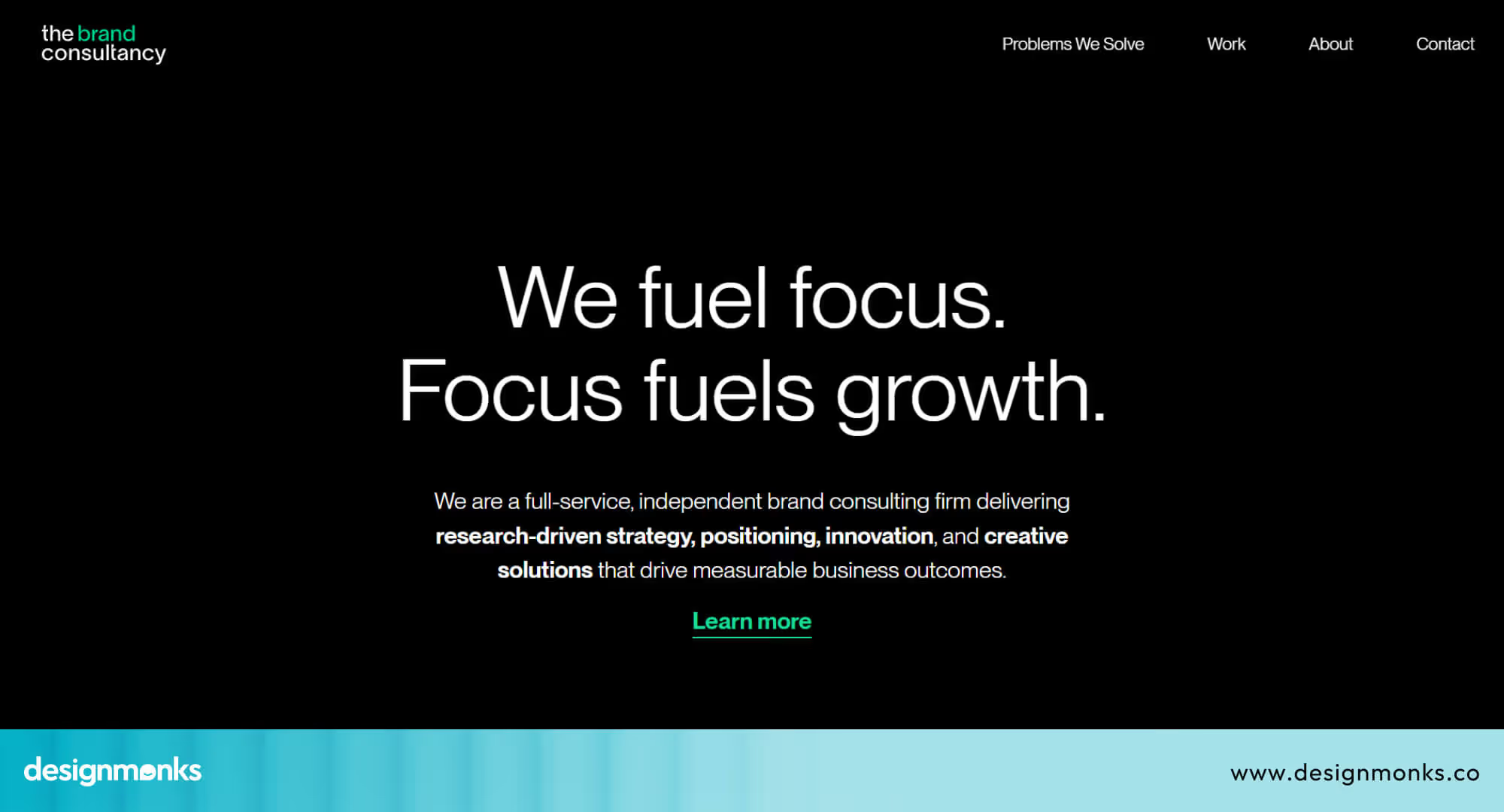
Overview:
- Website: The Brand Consultancy
- Location: Global
- Pricing: Mid to high
- Clients: American College of Radiology, CNS, Medstar Health, Northside Hospital, and more
The Brand Consultancy’s work includes defining brand voice, brand positioning, and overall identity. In healthcare, they focus on building credibility through simple, honest, and easy-to-understand communication.
They also help startups explain complex medical concepts in a clear, user-friendly way. Their process usually starts with deep research and then moves into building strong branding systems.
Their strategic approach helps startups grow with clarity and consistency over time.
Atomic Health
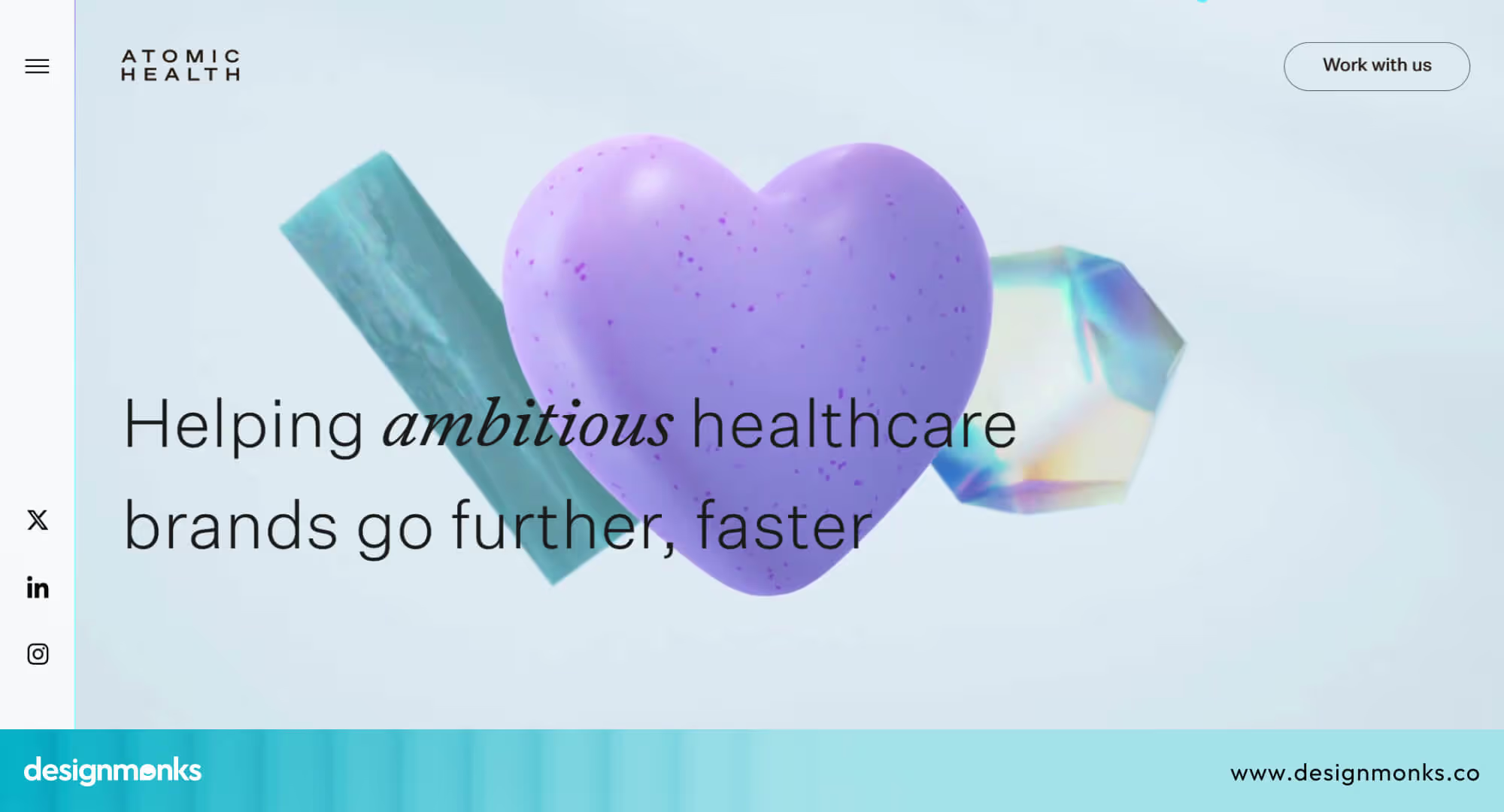
Atomic Health is a specialized agency that works mainly in healthcare and digital health products. They have deep knowledge of the industry, which helps them create designs that feel safe, professional, and easy to use.
Overview:
- Website: Atomic Health
- Location: USA
- Pricing: Premium
- Clients: Iodine Software, Medbridge, H1, DNAnexus, Linus Health, and more
Atomic Health’s focus is on patient experience and accessibility, which are very important for medical startups. They design websites and products that are clear, simple, and smooth to navigate.
This helps users feel more confident when using the platform. Their process includes research, UX design, and testing to improve usability. They stand out because of their healthcare expertise and ability to create reliable digital experiences.
Core Elements of Medical Startup Digital Branding
Building a medical startup is about how people see, understand, and trust your brand. Many startups fail not because their idea is bad, but because their branding feels confusing or unclear. In healthcare, this becomes even more serious because people are making decisions about their health.
Most patients decide whether they trust a service within a few seconds of visiting a website. They may not read everything, but they quickly notice how clean, simple, and professional it feels. This first impression comes from your core branding elements.
To build a strong and credible healthcare brand, you need three key foundations: brand identity, healthcare UX, and brand positioning. Let’s break them down in a simple way:
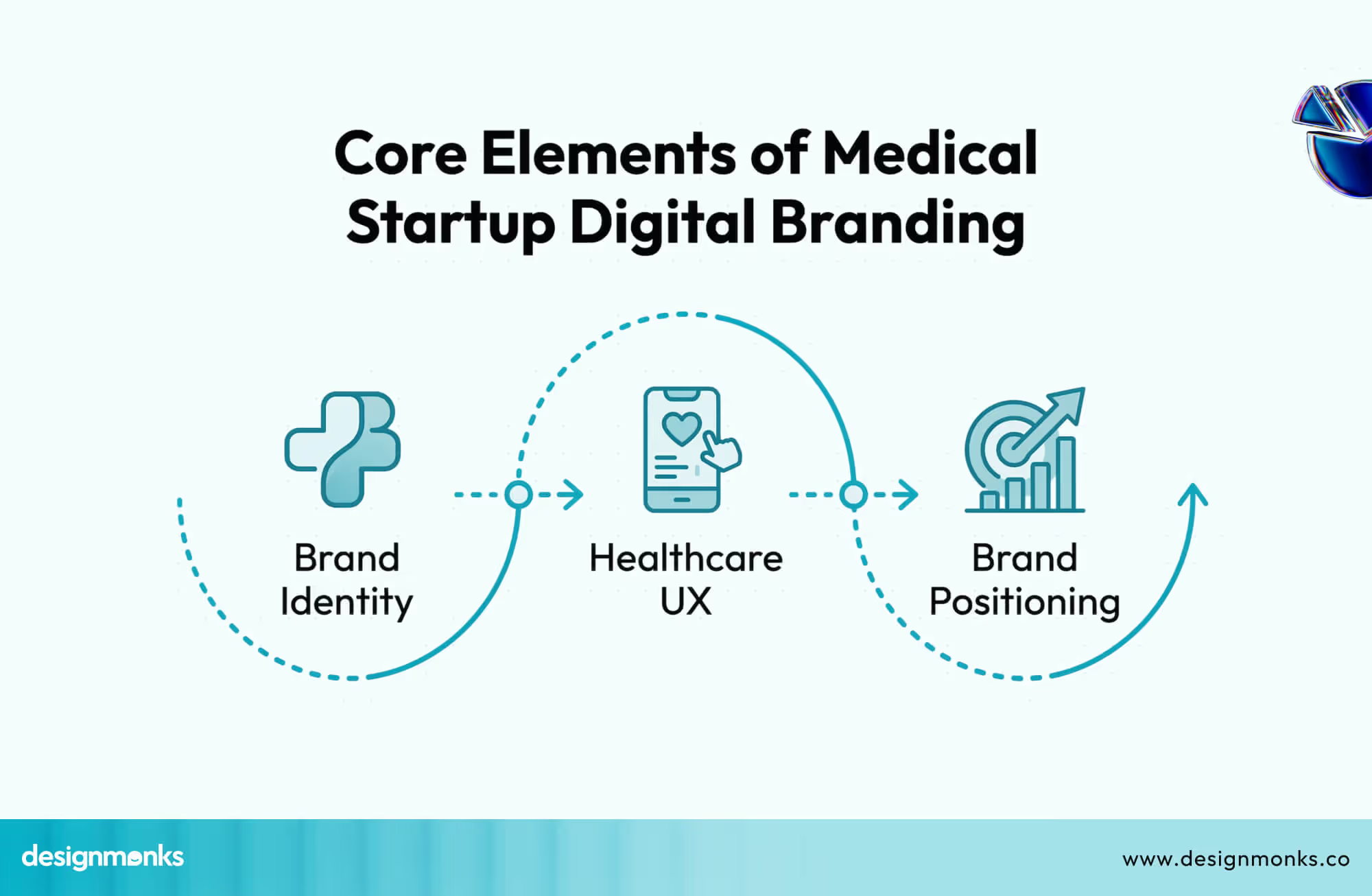
Brand Identity: How Your Startup Looks and Feels
Your brand identity is the visual and emotional face of your startup. It includes your colors, logo, fonts, combination, and overall design style. But it is not just about looking good. It is about making people feel safe and confident.
In healthcare, a simple design builds more trust than a complex design. For example, many successful medical brands use colors like blue and green. Why? Because blue is linked to trust and safety, while green is linked to health and calmness. These small choices have a big impact on how users feel.
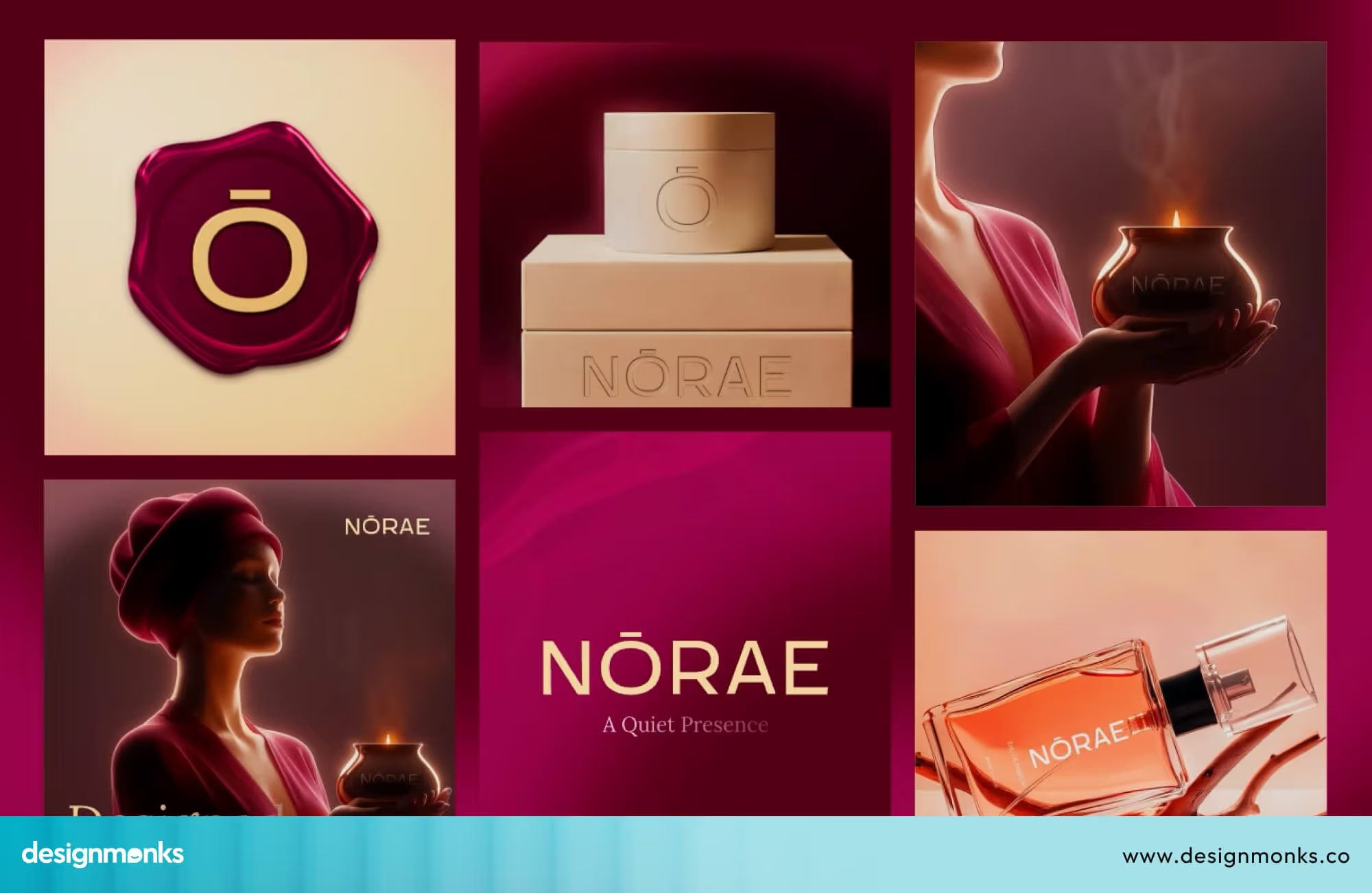
A clear brand identity also helps people remember you. If your design is consistent across your website, app, and social media, users start recognizing your brand easily. This builds familiarity, and familiarity builds trust.
Another important point is clarity. If your logo or design is confusing, people may feel unsure about your service. But if everything looks clean and easy to understand, users feel more comfortable.
Healthcare UX: How Your Brand Works for Users
Healthcare UX (User Experience) is about how people interact with your product or website. It answers a simple question: Is it easy to use?
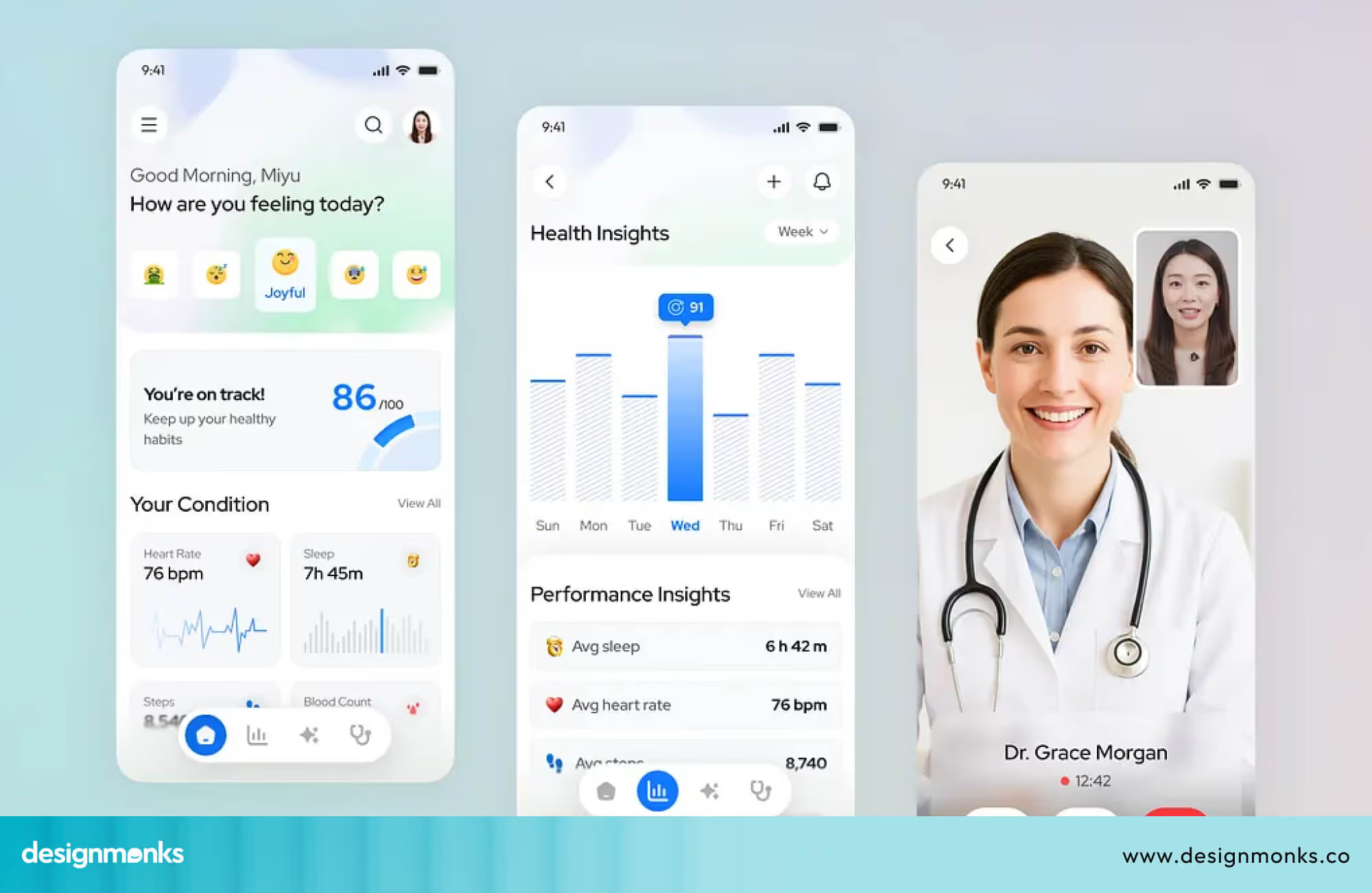
This is one of the most important parts of medical startup digital branding. Even if your design looks good, a poor user experience can quickly break trust. Studies show that users often leave a website within seconds if they cannot find what they need easily.
Good healthcare UX focuses on:
- Simple navigation
- Clear instructions
- Fast loading speed
- Easy access to important information
It also reduces stress. Healthcare can already feel overwhelming for users. Your platform should make things easier, not harder.
A strong UX design also improves conversions. When users feel comfortable, they are more likely to take action, whether it is signing up, booking a service, or contacting support.
Brand Positioning & Strategy: Why People Should Choose You?
Brand positioning and strategy are about your place in the market. It answers a key question: Why should someone choose your startup over others?
Many medical startups struggle here. They offer useful services, but they fail to explain what makes them different. This creates confusion for users. Strong positioning is simple and clear. For example:
- Are you faster than others?
- Are you more affordable?
- Do you offer a better patient experience?
Your answer should be easy to understand in a few seconds.
Another important part is your message. Your communication should focus on the value you provide, not just the features. Patients care about outcomes. They want to know how your service helps them.
Good positioning also builds long-term trust. When your message stays consistent across all platforms, users start believing in your brand.
Building a medical startup brand is not about doing everything at once. It is about getting the basics right. When your brand identity is clear, your UX is simple, and your positioning is strong, your startup becomes easier to trust.
And in healthcare, trust is everything.
Building Trust in a Healthcare Startup Brand
Trust is the base of every healthcare startup. People are not only using a service, but they are also sharing personal health information and expecting safe and reliable care. If they do not feel secure, they will leave immediately, no matter how good the product is.
This is why trust must be supported by clear systems, strong communication, and visible proof. It is not one single action. It is built step by step through compliance, transparency, and real user confidence:
Compliance and Privacy Signals
Once trust is established at a basic level, the next step is showing users that your platform is safe and follows proper rules. This is where compliance and privacy signals become important. They connect directly with trust because they show responsibility and transparency.
Compliance is not only a legal requirement. It is also part of your brand. It tells users that your healthcare startup takes safety seriously and follows standard practices:
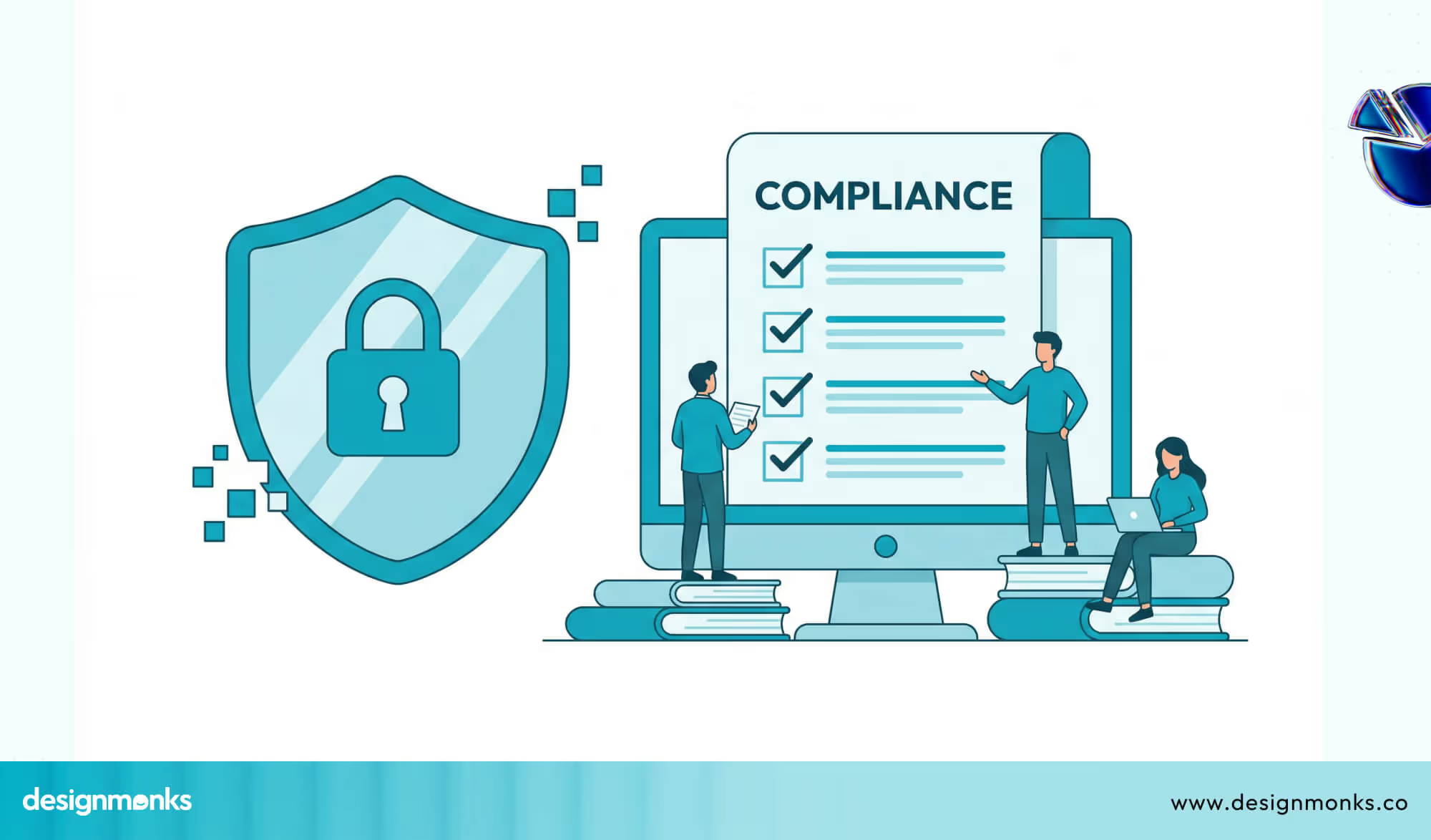
- HIPAA: HIPAA is a law that protects patient data in healthcare systems. If your startup follows HIPAA, it should be clearly mentioned in your platform. This simple visibility helps users feel that their personal information is protected.
- Data Privacy: Users also want to understand how their data is collected and used. A clear privacy policy written in simple language builds confidence. If users cannot understand your policy, they may not trust your service.
- Medical Disclaimers: Medical disclaimers explain the limits of your service. For example, they clarify that your platform does not replace a doctor’s advice. This avoids confusion and increases transparency.
- Security Badges: Security badges, like SSL certificates, show that your website is protected. These small signals help users feel safe while browsing or sharing information.
Together, these compliance elements strengthen trust because they show that your startup is safe, responsible, and transparent.
Social Proof and Medical Credibility
While compliance builds structural trust, users also look for real-world proof before they fully believe a healthcare brand.
This is where social proof and medical credibility connect with compliance and complete the trust system. If compliance shows “we are safe,” social proof shows “others trust us.”
When doctors or healthcare professionals support your product, it increases credibility. Users feel more confident when experts are involved in the platform.
Patient testimonials also show real experiences. They help new users understand how the service works in real life. Honest feedback builds emotional confidence.
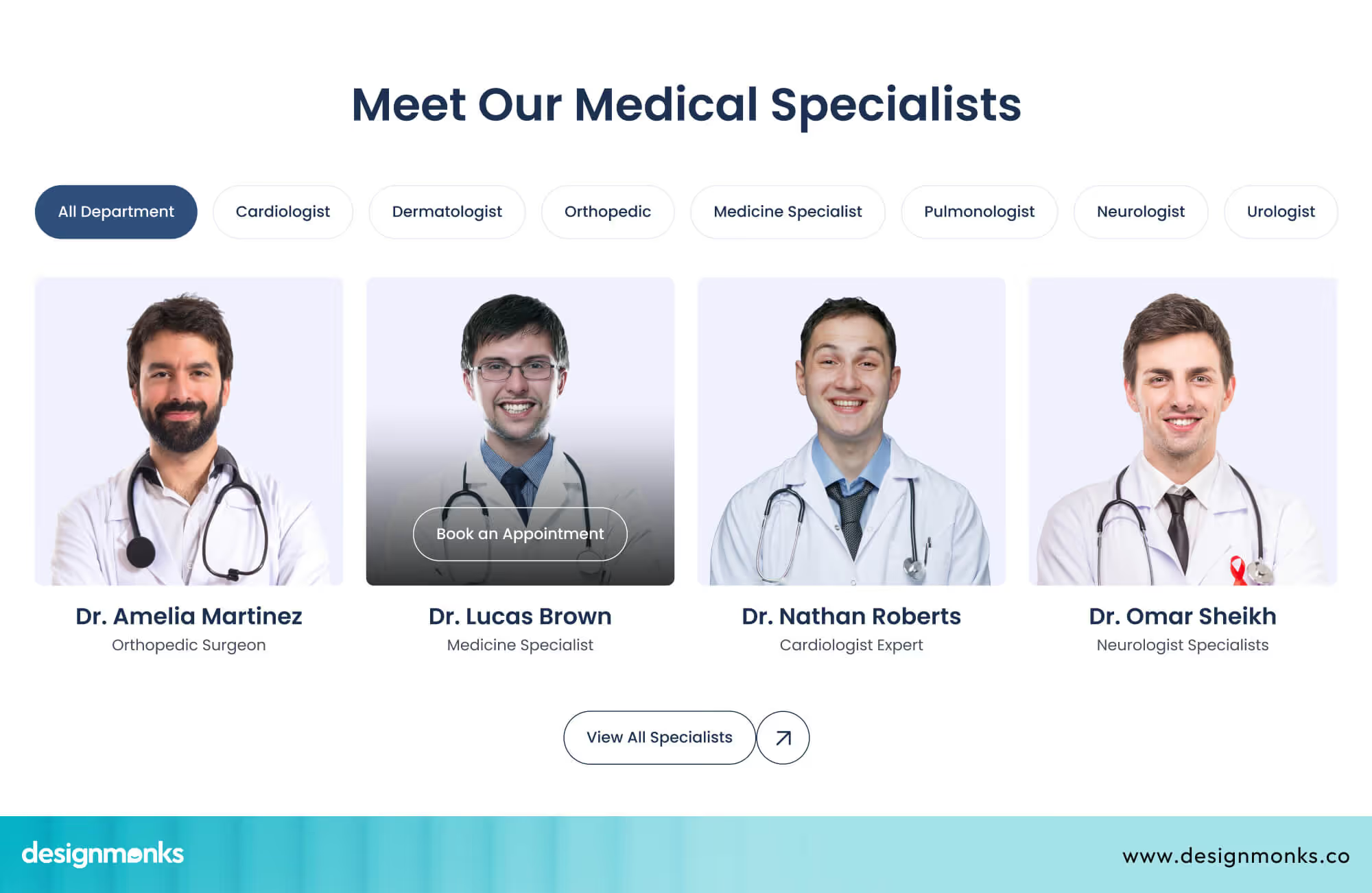
Certifications show that your startup meets industry standards. This adds another layer of reliability and confirms that your service is approved or verified. And when your product is supported by research or data, it strengthens trust even more.
It shows that your solution is based on evidence, not assumptions.
Digital Channels That Shape a Medical Startup Brand
A medical startup brand does not exist in one place. It is shaped through different digital touchpoints where users see, interact, and judge your service.
The most important channels include your website, social media, and healthcare marketing. Together, they create the full brand experience and influence how people trust your startup:
Website as the Primary Healthcare Brand Platform
Your website is the most important digital platform for a healthcare startup. It is often the first place users visit to learn about your service, check details, and decide if they can trust you.
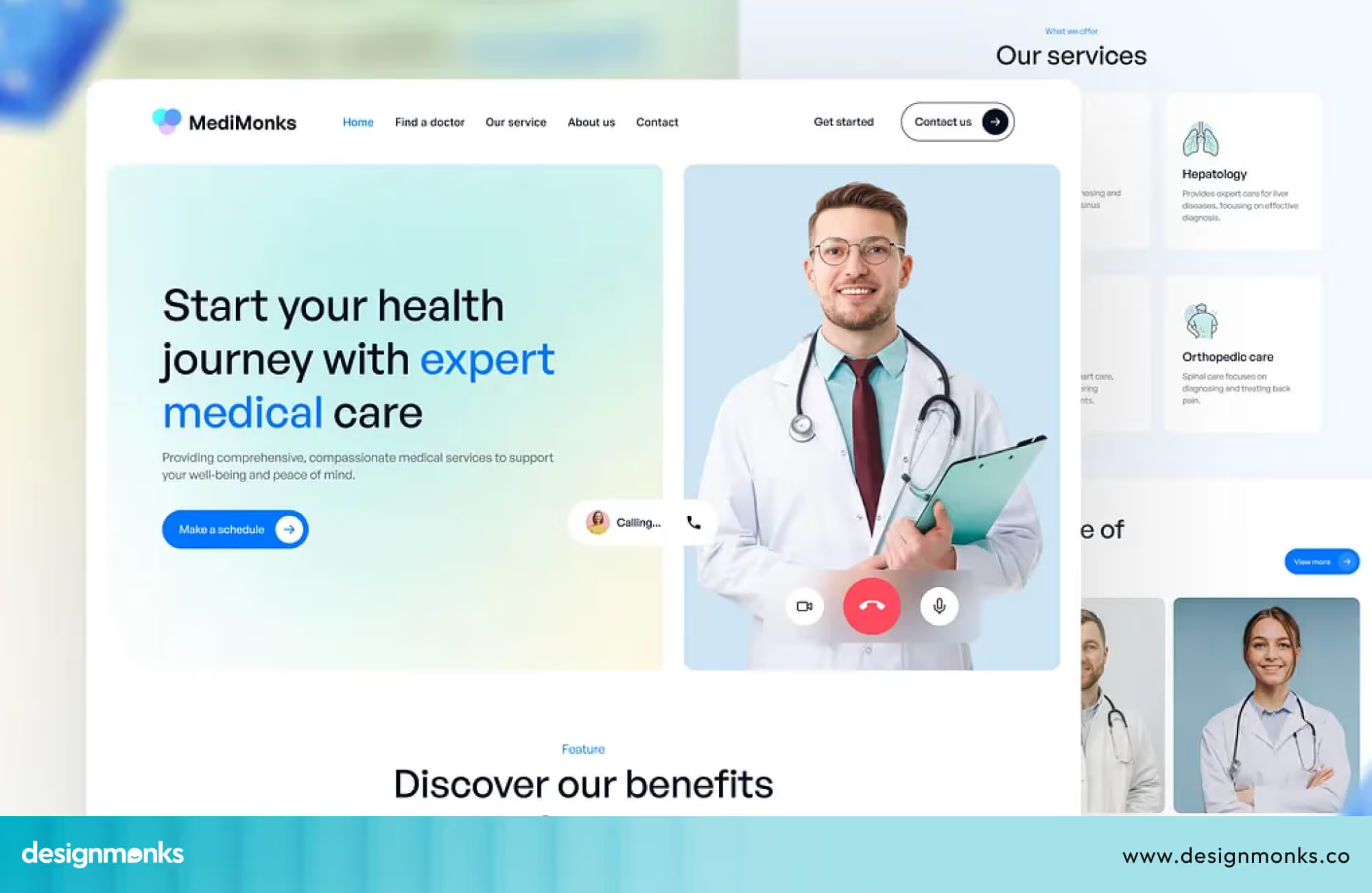
Most trust is built here because users expect clear information and professional design. A strong healthcare website design should be simple, fast, and easy to navigate. Users should quickly understand what your startup offers without confusion.
The overall patient experience on your website plays a big role in conversion. If users find information easily and feel comfortable using the platform, they are more likely to stay and take action.
Content Marketing for Healthcare Startups
Content marketing helps your startup educate users and build long-term trust. Instead of only promoting services, you provide helpful information that answers real questions. This includes:
- Blog content that explains health topics in simple words
- Health education that helps users understand conditions or services
- SEO content that improves visibility on search engines
- Thought leadership that shows expertise in healthcare
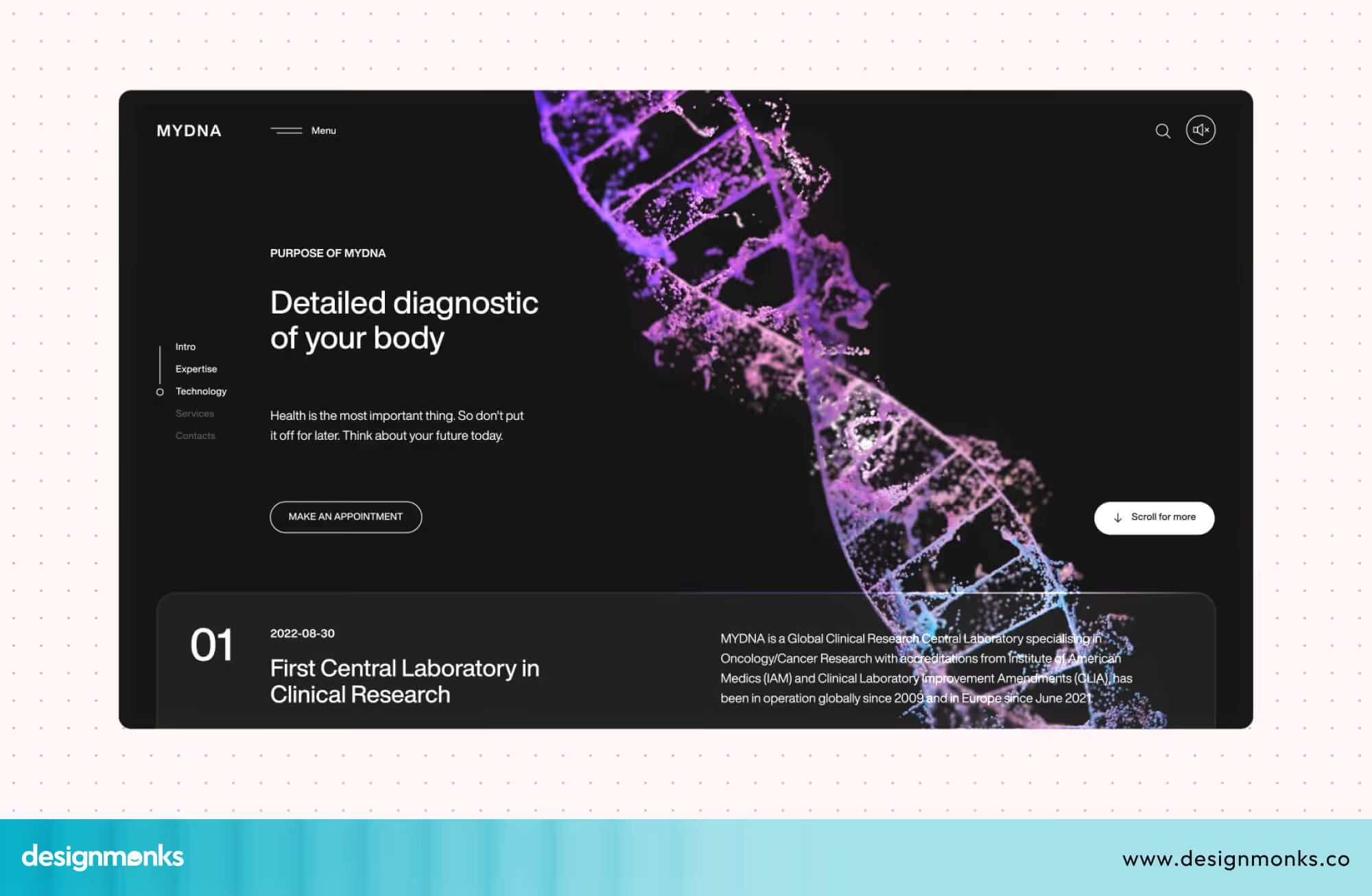
Strong medical content marketing builds authority over time. When users regularly find useful content from your brand, they start trusting your knowledge and services more.
Social Media Presence for Healthcare Brands
Social media is another key channel where your healthcare brand grows. Platforms like LinkedIn, YouTube, and Twitter help you connect with users and share information.
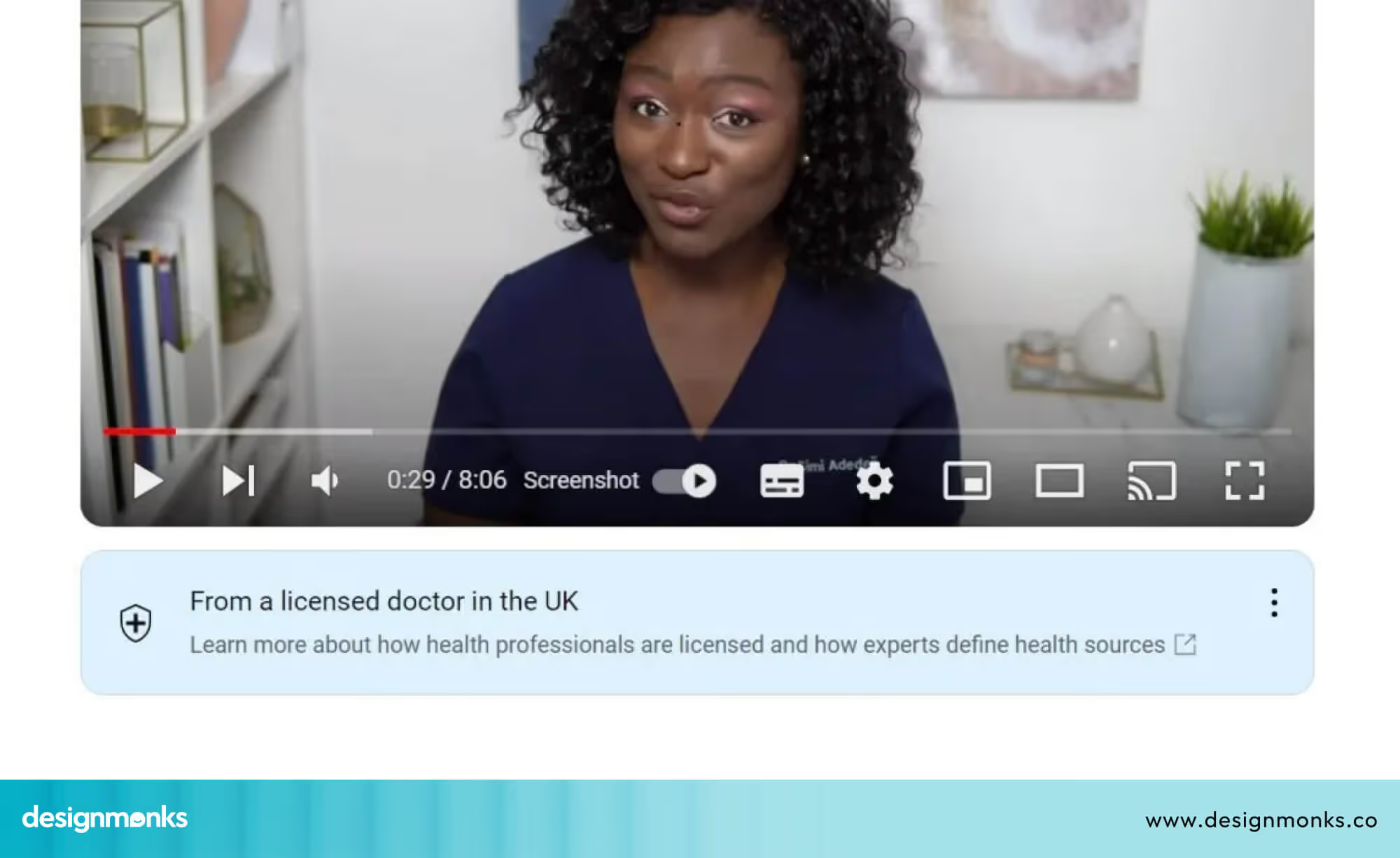
In healthcare, social media should focus more on education than promotion. For example, sharing health tips, explaining services, or answering common questions builds more trust than direct advertising.
- LinkedIn helps build professional credibility
- YouTube is useful for explaining healthcare topics in video form
- Twitter helps share quick updates and insights
When used correctly, social media strengthens trust and keeps your audience engaged with your brand.
Step-by-Step Framework for Medical Startup Digital Branding
A medical startup needs a clear process to build a strong and trusted brand. This brand development framework helps you move step by step instead of guessing what to do next. It makes your branding more structured, simple, and effective:
Step 1: Define the Healthcare Problem and Audience
The first step is understanding the problem you are solving and who you are solving it for. You must clearly identify your target users, such as patients, healthcare providers, and healthcare buyers.
Each group has different needs. Patients want simple access and trust. Providers want efficiency. Buyers want reliable solutions. When you understand your audience clearly, your messaging becomes more focused and effective.
Step 2: Create a Trust-Focused Brand Identity
Next, you build your brand identity. This includes your logo, colors, fonts, and overall visual style. In healthcare, design should always feel clean, simple, and professional.
A trust-focused identity avoids complex visuals and uses clear layouts. Consistent design across your website and platforms helps users recognize your brand easily and feel more confident in it.
Step 3: Build a Patient-Centered Digital Experience
After identity, you focus on UX (User Experience). This is how users interact with your website or product. A patient-centered experience means everything is easy to find and simple to use.
Onboarding should be smooth, with clear instructions and minimal steps. Users should not feel confused at any point. A good UX builds comfort and increases trust.
Step 4: Launch Digital Brand Awareness
The final step is making your brand visible. This includes using digital marketing channels like your website, social media, SEO, and content marketing. The goal is not just promotion but building awareness and trust. When your message stays consistent across all platforms, users start recognizing and trusting your brand over time.
Examples of Successful Medical Startup Branding
Looking at real startups helps us understand how strong medical startup digital branding works in practice. These companies did not grow only because of their services. They grew because they built clear positioning, simple branding, and strong digital experiences:
Zocdoc
Zocdoc is a healthcare platform that helps users find and book doctors easily. Their branding strategy focuses on simplicity and speed. They clearly position themselves as a platform that removes the difficulty of finding doctors.
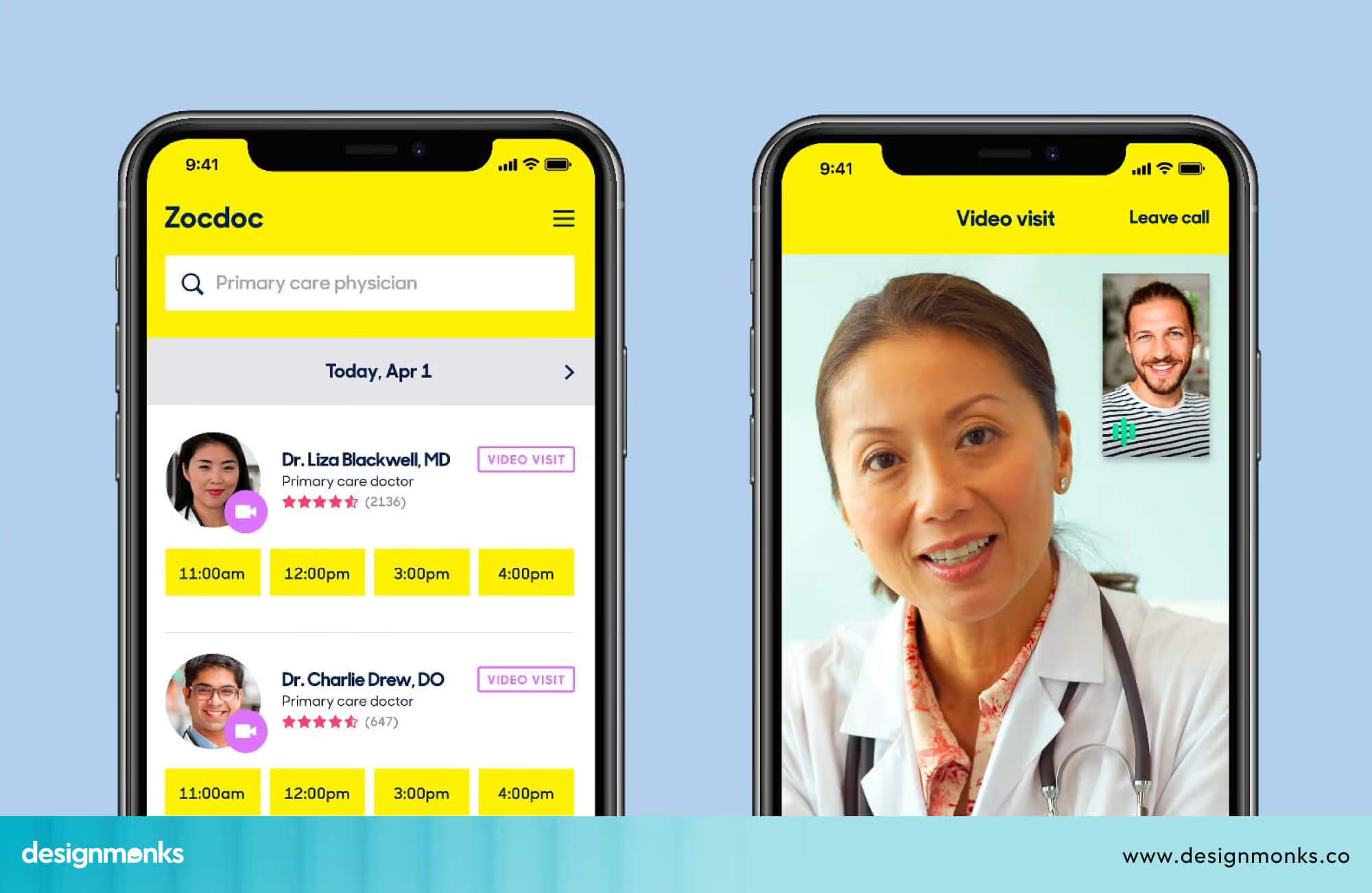
Their digital experience is very user-friendly. The website is simple, and users can quickly search, compare, and book appointments. This easy process builds strong trust because users get results without confusion.
Hims & Hers Health
Hims & Hers Health focuses on personal healthcare services delivered online, with separate platforms for different audiences, Hims for men and Hers for women. This clear separation helps them deliver more personalized and relevant healthcare experiences.
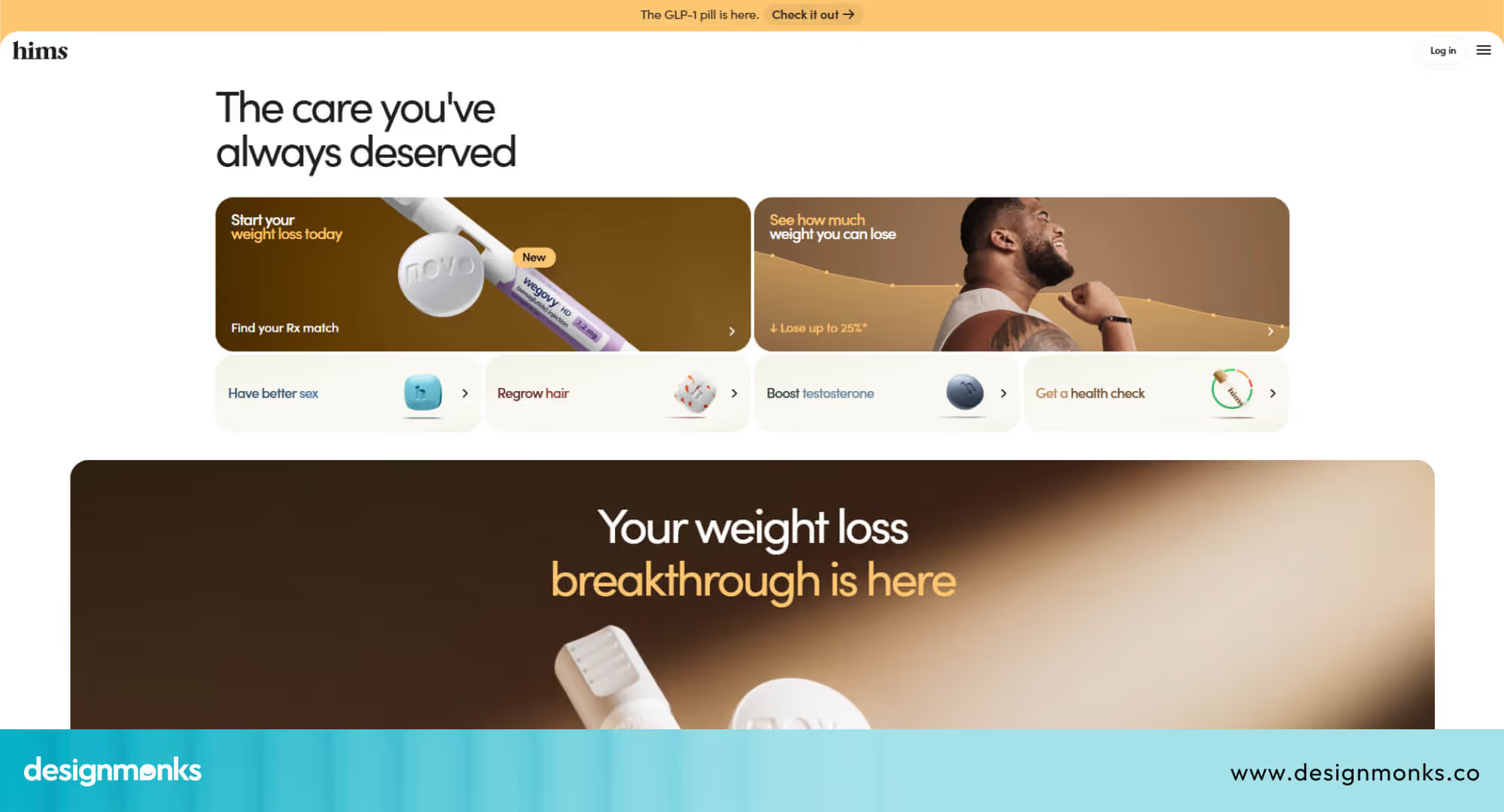
Their positioning is centered on privacy, convenience, and accessibility. They make healthcare feel simple and private, especially for sensitive health needs, where users may prefer a more discreet experience. Their branding strategy uses clean design, simple language, and a friendly tone.
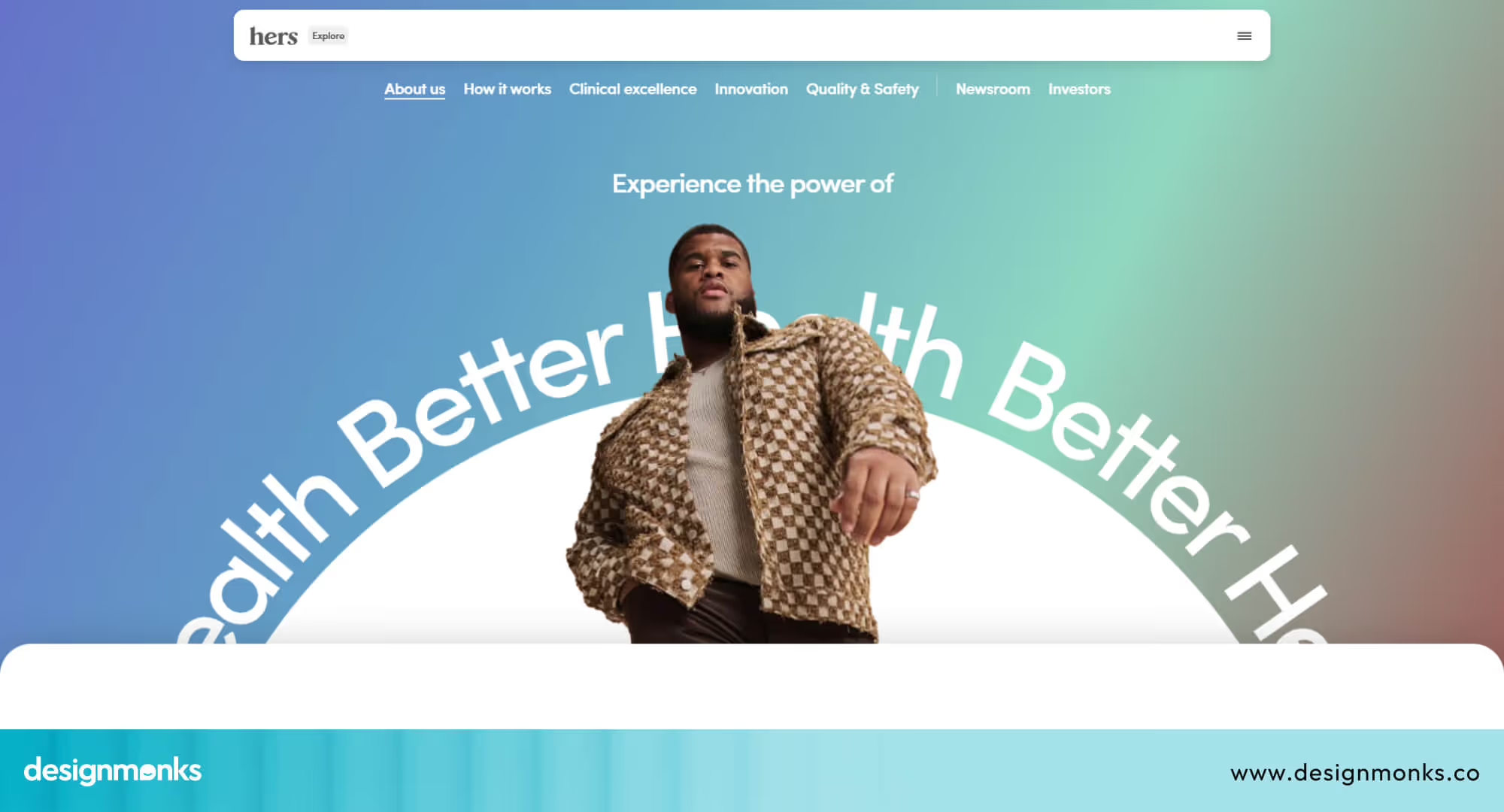
Both websites follow a consistent but audience-specific approach, which helps users feel more comfortable discussing personal health topics online.
Their digital experience is smooth and easy to use, with clear onboarding and direct access to services. The separation between Hims and Hers also improves clarity and trust, making the experience more personalized, modern, and user-focused.
Oscar Health
Oscar Health is a health insurance company focused on making healthcare easier to understand.
Their branding strategy is built around simplicity and transparency. Insurance is often complex, but they focus on making information clear.
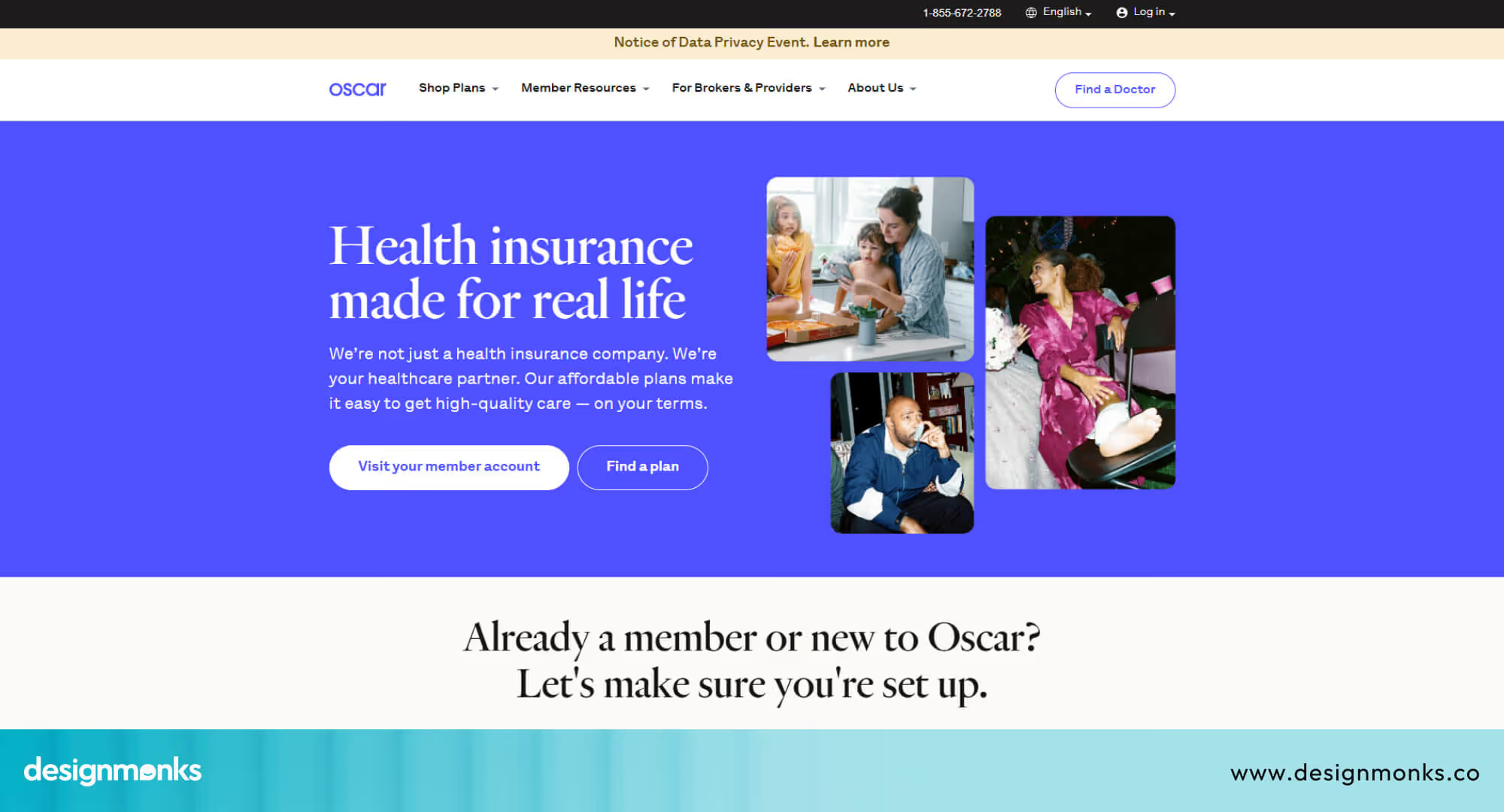
Their positioning highlights user-friendly healthcare insurance with better support and clarity. Their digital experience includes an easy-to-use website and app that helps users manage plans, find care, and get support quickly.
All three startups, Zocdoc, Hims & Hers Health, and Oscar Health, succeeded because they combined strong positioning, clear branding, and simple digital experiences.
They focused on making healthcare easier to understand and trust, which is the core of effective medical startup branding.
Common Branding Mistakes Medical Startups Make
Many medical startups struggle not because of their idea, but because of weak branding. These healthcare marketing mistakes reduce trust, confuse users, and slow down growth:
- Ignoring Compliance: One of the biggest mistakes is ignoring compliance rules like HIPAA and data privacy standards. If users feel their data is not safe, they will not trust the platform, no matter how good the service is.
- Overly Clinical Branding: Some startups use too much medical language or a very formal design. This makes the brand feel cold and hard to understand. Users prefer simple language and clear messaging that feels human and easy.
- Weak UX: Poor UX (User Experience) is another major issue. If users cannot easily find information or complete tasks, they quickly leave. A confusing website or app reduces trust and lowers engagement.
- Inconsistent Messaging: When a startup changes its message across its website, ads, and social media, users get confused. Strong branding needs consistency so people can clearly understand what the startup offers.
- Poor Trust Signals: Missing elements like testimonials, doctor endorsements, certifications, or clear privacy information can reduce credibility. Without these trust signals, users may hesitate to use the service.
These branding errors often seem small, but they have a big impact. In healthcare, even small trust issues can lead to users choosing another provider.
FAQs
How is healthcare branding different from other industries?
Healthcare branding focuses more on trust, safety, and compliance. Unlike other industries, patients need clear, reliable information before making decisions.
What digital channels are most important for medical startup branding?
The most important channels are your website, SEO content, and social media. These platforms shape how users see, trust, and interact with your brand.
How long does it take to build a good medical startup brand?
A good medical startup brand typically takes 3 to 6 months to build a solid foundation (identity, website, messaging). Noticeable trust and growth usually develop within 6 to 12 months with consistent content, UX improvements, and branding efforts.


.avif)
.avif)
.avif)
.avif)


.avif)
.avif)
.avif)
.avif)






.avif)