.svg)




Key Takeaways
- UX design shapes brand perception through every user interaction moment.
- A strong brand story is experienced, not just written or designed.
- Poor UX breaks trust faster than weak visuals or messaging.
- Consistency in design builds credibility and reinforces brand identity over time.
- Good UX aligns user needs with brand values to create trust.
UX design is really important for any digital product. It becomes even more important when you are trying to build a strong brand or tell your brand’s story in a clear and consistent way.
How UX design can tell your brand’s story depends on how easy it is for users to interact with your product. Every click, scroll, and step shapes what they feel and understand about your brand without needing much explanation.
If the experience feels easy and consistent, users trust it more. If not, they leave quickly. Keep reading to learn how you can use UX design to tell your brand story.
What Does “Brand Story” Really Mean?
Most people hear "brand story" and think of a tagline. Maybe a mission statement buried in an “About” page. Something written once and forgotten.
But a brand story is much bigger than that.
It is the complete picture of who you are. It is your values, your personality, the way you speak, the problems you exist to solve, and the feeling you leave behind after every interaction. It is not a single sentence. It is an experience that plays out across every touchpoint a user encounters.
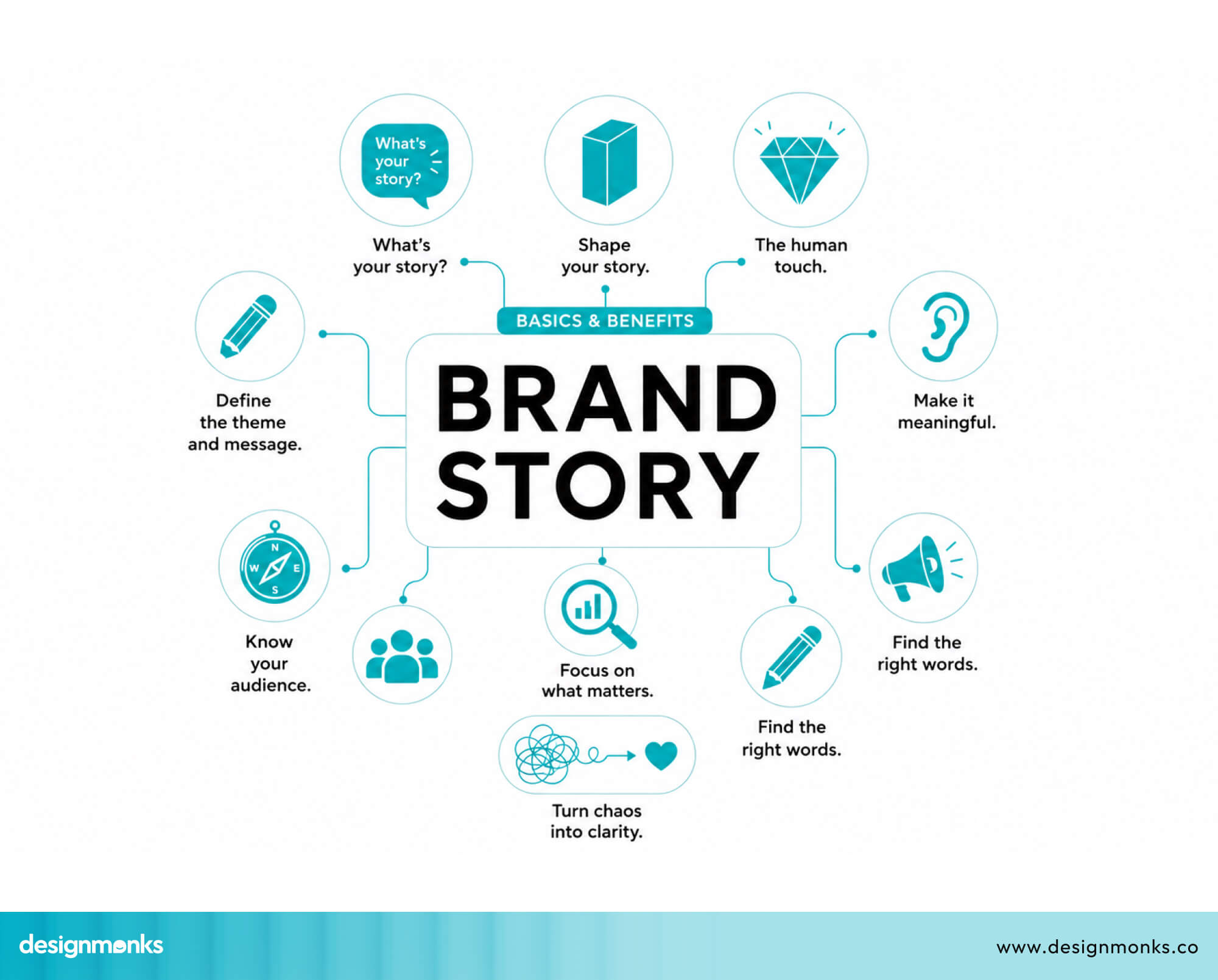
Think about what a brand story actually carries:
A company's values tell users what it stands for. Its tone of voice tells them how it speaks, such as warm or formal, bold or quiet. Its personality tells them whether it feels human or corporate. And the problems it solves tell users why it deserves their attention in the first place.
None of that is communicated through a logo. All of it is felt through experience.
This is what most brands get wrong. They write a beautiful story, clear, compelling, emotionally resonant, and then build a product that contradicts it entirely.
For example, sometimes a brand that claims to be "simple" ships a cluttered interface. Or a brand that promises "speed" has pages that take an extra four seconds to load. A brand that says it "puts people first" buries its support button three clicks deep.
Users notice this. Not consciously, but instinctively. They don't audit your design decisions. They just feel that something is off and they leave.
Users don't understand your brand story by reading it. They understand it by living it. Every scroll, every click, every moment of friction or ease is your brand story in action. The words you write set the expectation. The experience you build either keeps that promise or breaks it.
Your UX is not the supporting act. It is the story itself. That’s why brands that take experience seriously invest directly in UI/UX design services instead of treating it as an afterthought.
Why UX Design Matters for Branding?
Branding isn’t just your logo, colors, or voice. It’s also how people experience your product. And that experience is shaped by UX design.
When users interact with your website or product, they’re not just using it, they’re forming an opinion about your brand. If they can’t find what they need quickly, get confused by navigation, or face delays, your brand feels unreliable, no matter how good it looks.
Good UX fixes that. It makes everything feel clear, fast, and effortless. And that’s what builds trust.

The reverse is equally true, and far more costly. A frustrating experience doesn't just lose a sale. It shapes perception. Users don't think "the UX was poor", they think "this brand feels off." That feeling sticks, and it spreads.
Usability is brand language. The speed of your site signals how much you value someone's time. The clarity of your layout reflects how well you understand your audience. The ease of a checkout, a form, or a simple scroll communicates care or the absence of it.
In this way, UX isn't a feature or a department. It's one of the most honest expressions of what your brand actually stands for. Because while your visuals tell people what you want them to think, your user experience shows them what you actually believe.
How UX Design Becomes a Storytelling Tool
UX design doesn't tell your brand story with words. It tells it with experience. Every click, every transition, every moment of ease or frustration is a sentence in a narrative your users are reading without knowing it.
And here is how that storytelling actually works:
First Impressions Set the Tone
You have just about three seconds. That is roughly how long it takes a user to form a judgment about your website and, by extension, your brand.
In that window, they are not reading your copy. They are absorbing everything at once: how fast the page loaded, how the layout feels, whether it looks like somewhere they want to stay.
It is the same instinct that tells you within moments of walking into a restaurant whether you are comfortable or not. No one explains the vibe. You just feel it.
This is why your homepage, your landing page, your very first screen is not just a design choice, it is a brand statement.
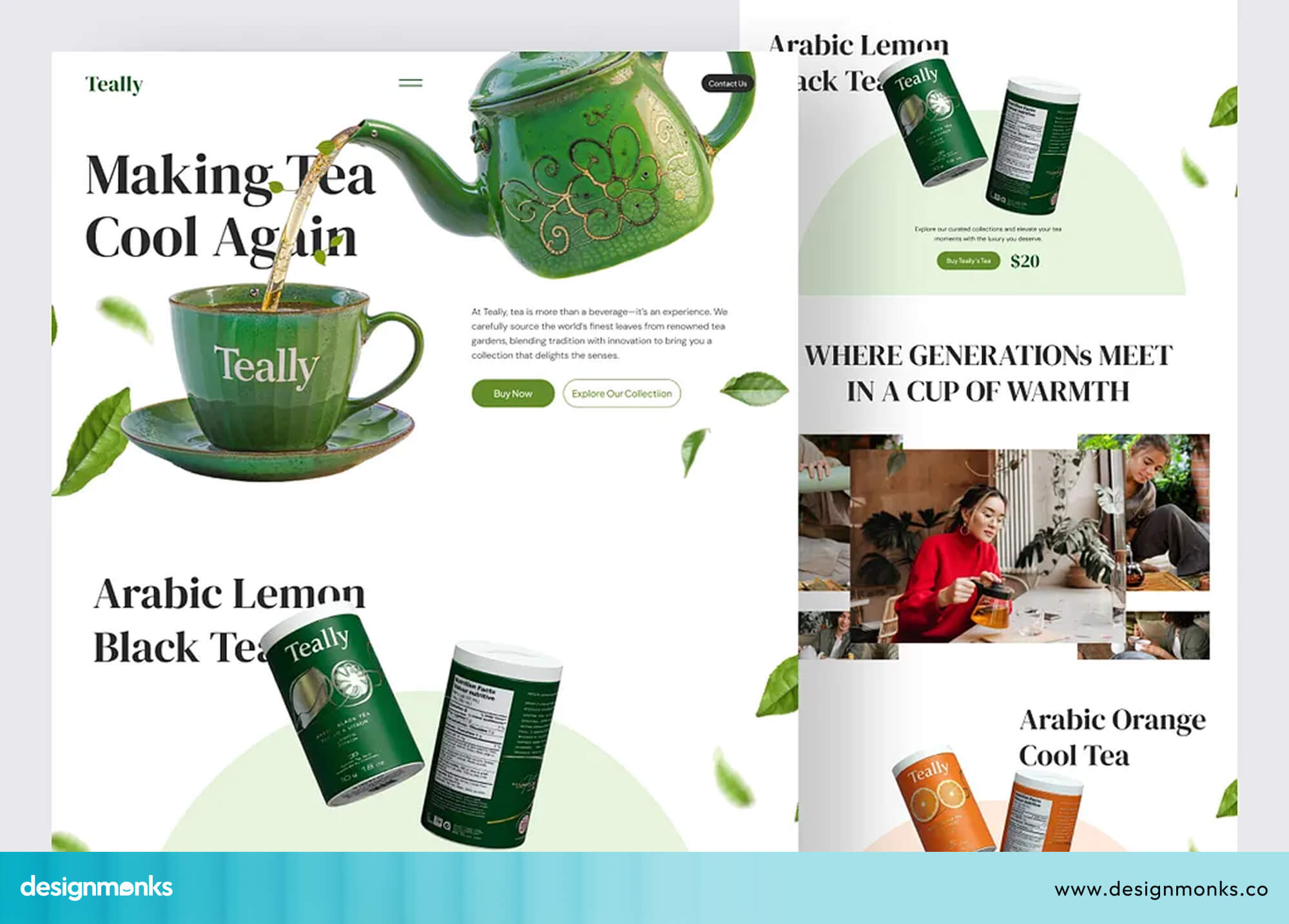
Take Teally's landing page as an example. The moment it loads, before a single word is read, the experience has already communicated something. A clean white background gives the layout room to breathe. Deep greens drawn from actual tea leaves run through the product imagery, typography, and accents.
This creates an immediate sense of nature, freshness, and craft. A beautifully lit ceramic cup sits at the center, not surrounded by text or cluttered with promotions, but given space as if it genuinely deserves attention. The headline "Make Tea Cool Again" is confident and minimal. Two calm, unpressured CTAs sit beneath it.
None of this needs explaining. Within seconds, users understand: this is a premium product, thoughtfully made, for people who appreciate quality over noise.
A minimal layout like this signals clarity and confidence. A bold design, on the other hand, will signal ambition. And a structured, dense layout will signal expertise and reliability.
None of these messages are written anywhere. They are felt the moment the page loads. Get this wrong, and no amount of strong copy will save the first impression your UX already made.
User Journey as a Narrative Flow
Every great story has a structure, a beginning that pulls you in, a middle that builds engagement, and an end that feels earned. Your user journey works exactly the same way.
The beginning is arrival. The middle is exploration. The end is action, a purchase, a sign-up, a form submitted. When this flows naturally, users barely notice they are moving through it. That invisibility is the goal.
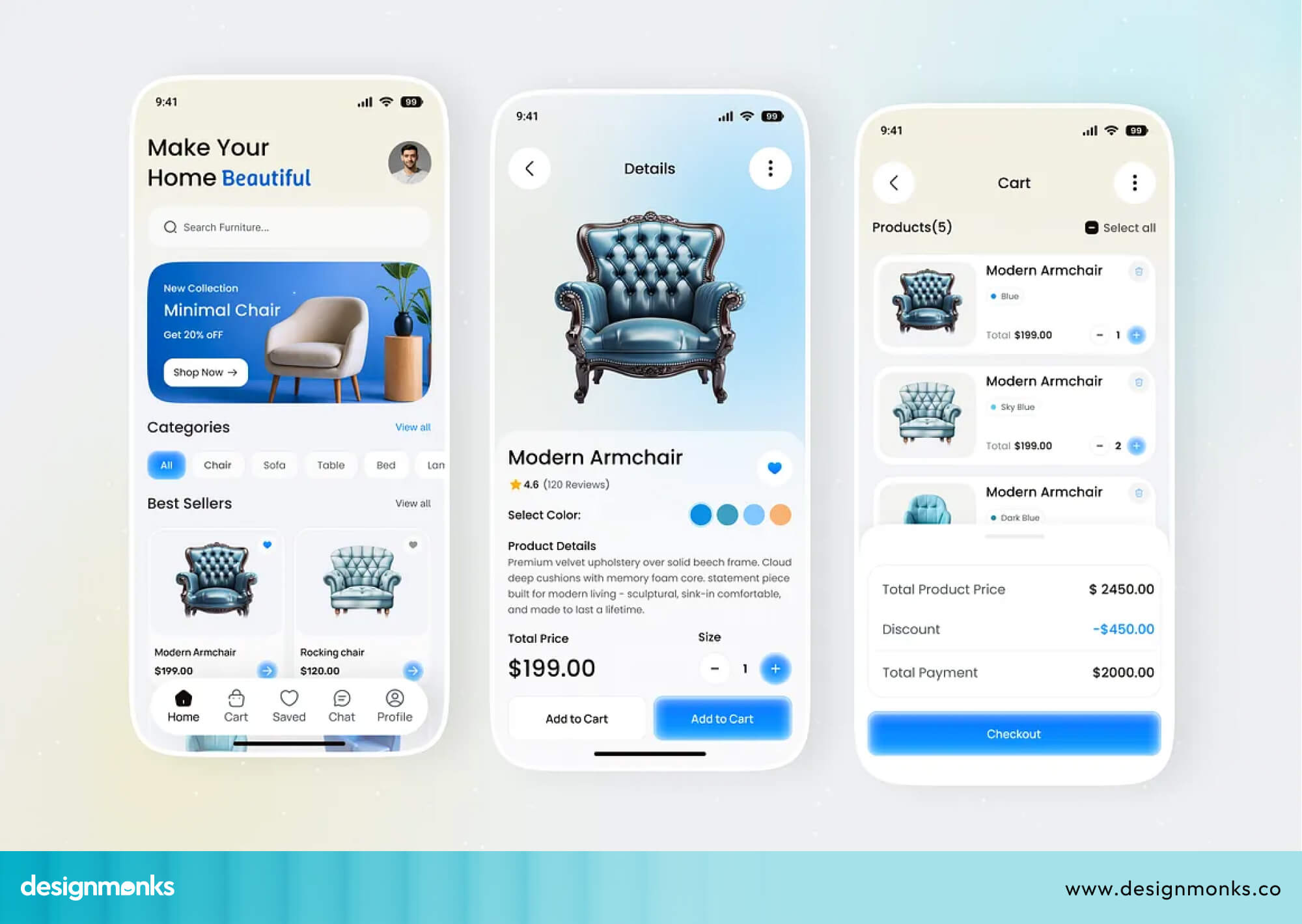
But when the journey breaks down, users feel it immediately. A dead-end page. A form that asks too much too soon. A navigation that makes them think instead of move. These are not just usability problems, they are plot holes in your brand story.
And just like a poorly structured story, they make users disengage, not because they decided to, but because the experience stopped making sense.
That's why good UX is edited UX. It removes every moment of unnecessary friction so users can move toward their goal without ever feeling pushed.
Micro-interactions Add Personality
If the user journey is the plot of your brand story, micro-interactions are the character details that make it feel human. A micro-interaction is any small, contained response your product has to a user's action.
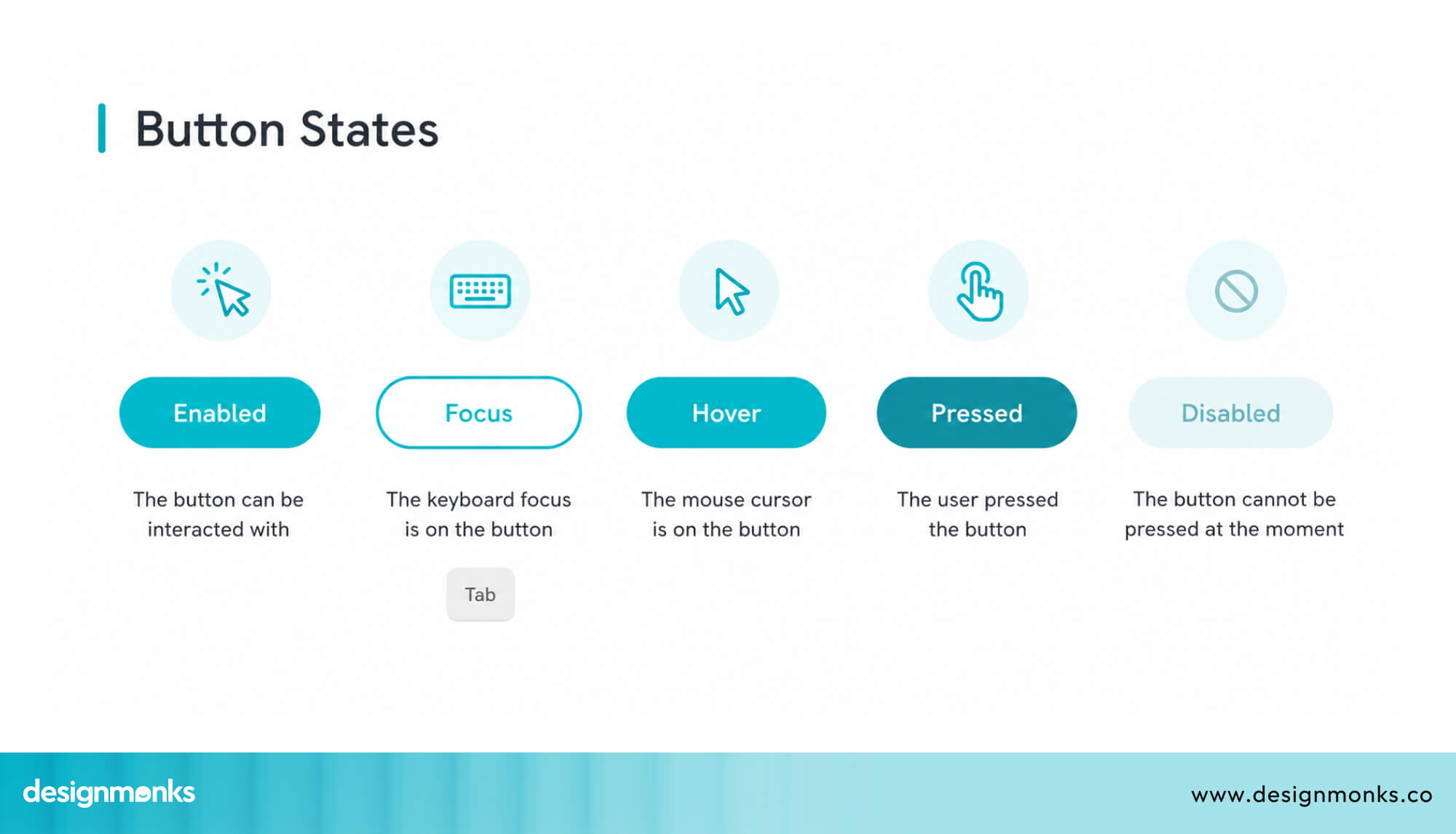
For example, a button that shifts on hover, a loading animation, or a success message with warmth instead of cold system text. Individually, these seem minor. But collectively, they separate a product that feels alive from one that feels assembled.
Strip them away and what remains is functional but emotionally flat. Users complete tasks but feel nothing. And a brand that makes people feel nothing is very easy to forget.
Content & UX Work Together
There is a common mistake in brand storytelling, and that is treating content and design as two separate jobs that happen to share a screen. They are not separate. They are the same conversation.
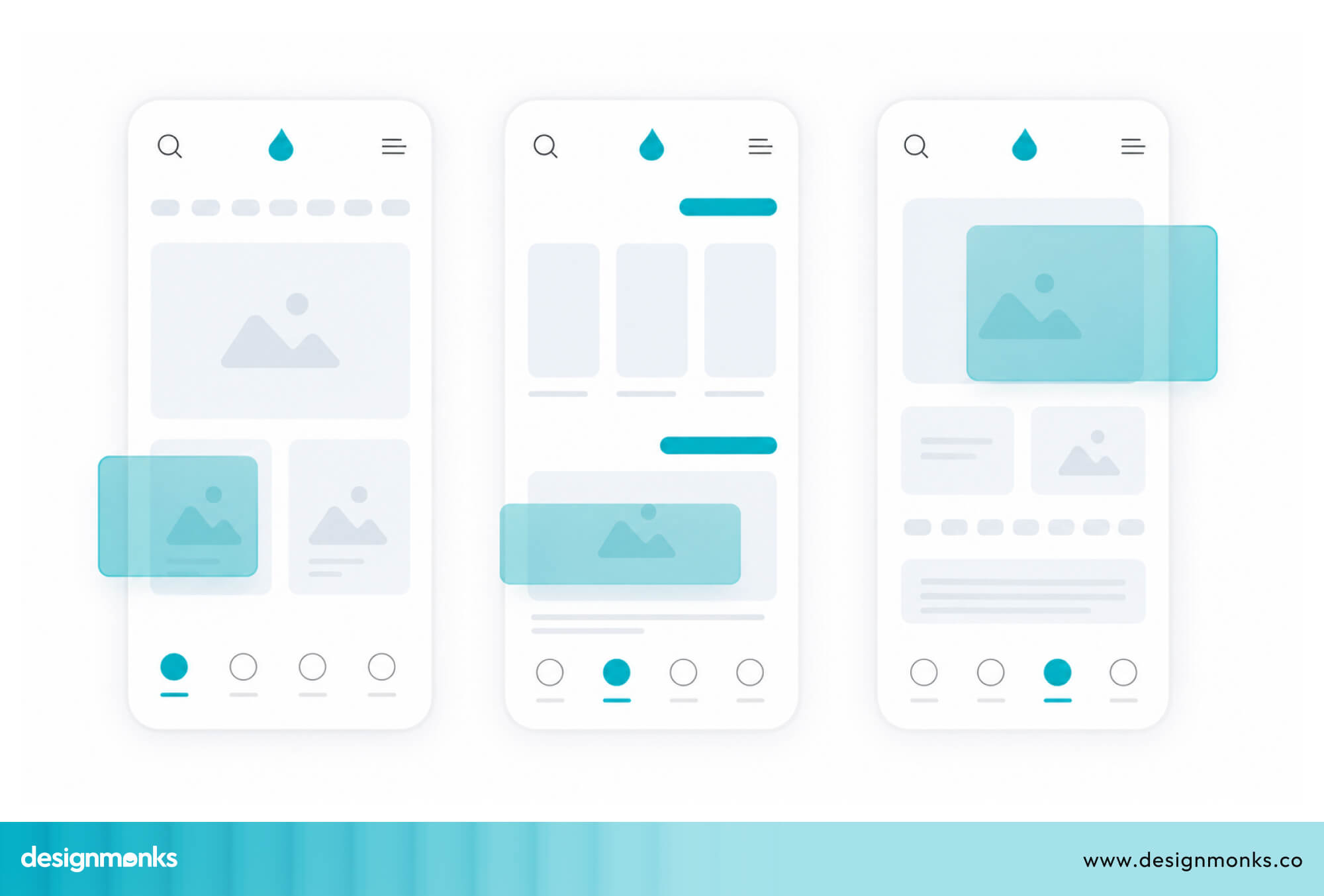
Even the best copy fails if UX undermines it. Dense paragraphs exhaust readers. Important information buried below the fold never gets seen. A cluttered layout sends the eye everywhere, so nothing lands.
But when content and UX are built together, users absorb the brand story without effort. They don't notice the layout or the typography. They just understand it clearly, quickly, and without friction.
That effortless clarity is not an accident. It is what good UX makes possible.
Key UX Elements That Shape Your Brand Story
UX design is made up of smaller decisions that, together, define how your brand is experienced. These are the elements that do the most work:
Navigation: Clarity vs. Confusion
Navigation is the map your users rely on. When it is clear and logical, users move through your product with confidence. When it is confusing, they stop, and they start questioning whether your brand knows what it is doing.
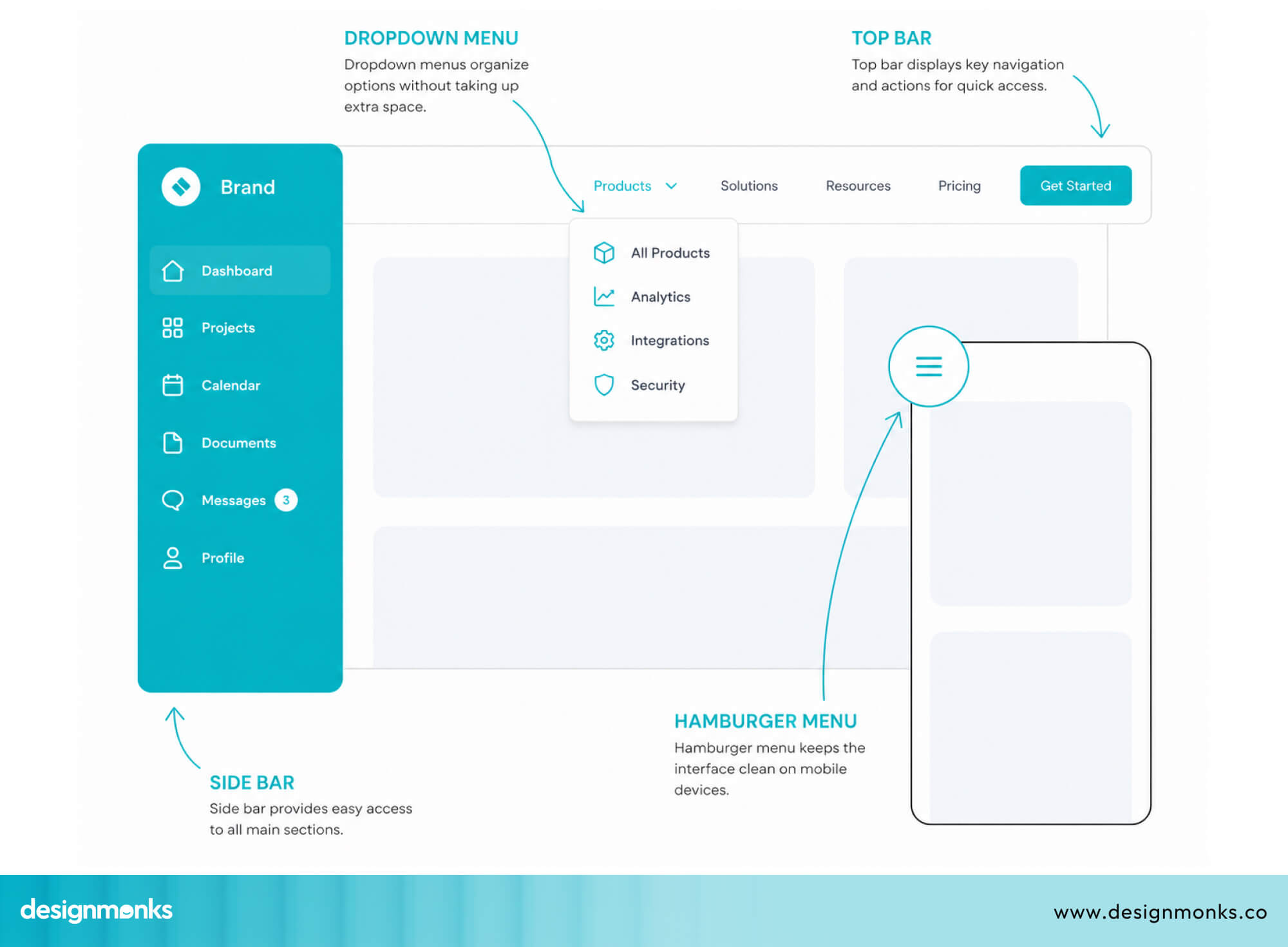
Good navigation does not show off. Rather, it helps users find what they need without thinking about how they got there.
That effortlessness is a brand signal. It says, we understand you, and we built this for you.
Visual Hierarchy: What Users Notice First
Not everything on a screen deserves equal attention. Visual hierarchy is how you decide what users see first, second, and third. Doing it strategically controls how the story is absorbed.
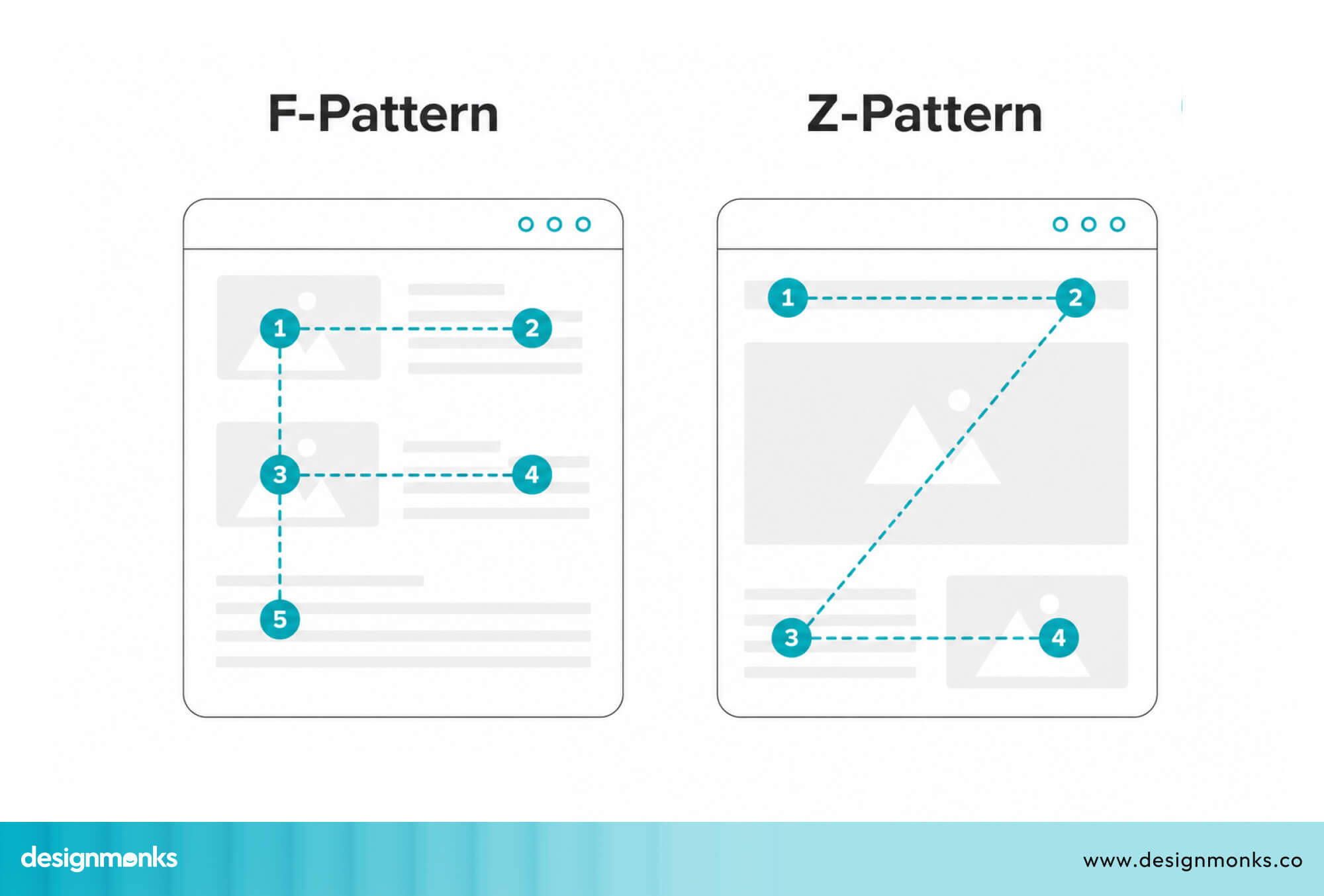
A strong headline. A supporting image. A clear call to action. When these are arranged with intention, users follow a natural reading path that leads them exactly where you want them to go.
Ignore hierarchy and the page becomes chaos, everything competing but nothing landing.
Consistency: The Foundation of Trust
Inconsistency is one of the quietest ways a brand loses credibility. When fonts shift between pages, button styles change without reason, or the tone of one screen contradicts another, users feel it, even if they cannot name it.
Consistency tells users that this brand is in control. Every repeated pattern, every familiar element reinforces trust. It says you have thought this through from beginning to end.
And trust, once built through consistency, is very hard to shake.
Accessibility: Inclusiveness as a Brand Value
How your product treats users with different needs says something real about your brand's values. Accessible design like readable contrast, clear labels, keyboard navigation, and screen reader support is not a compliance checkbox.
It is a statement that your brand was built for everyone, not just the convenient majority.
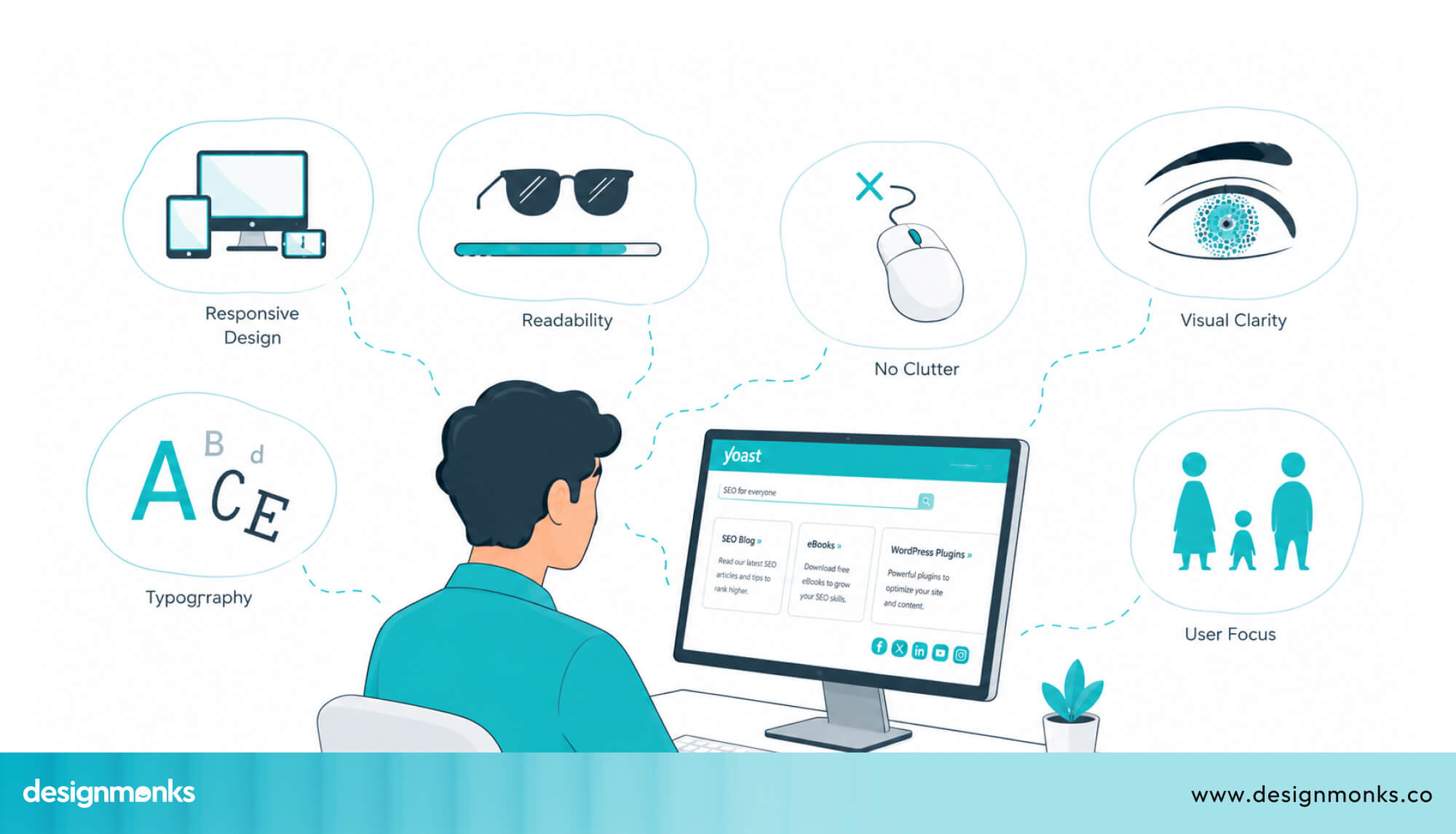
Brands that invest in accessibility communicate care. Those that ignore it communicate the opposite, whether they intend to or not.
Speed and Performance: Professionalism You Can Feel
A slow website is a brand problem, not just a technical one. Every second of load time is a second your brand is asking users to wait, and most won't. Speed signals respect for someone's time.
A fast, smooth, responsive experience tells users this brand is competent, prepared, and serious. Performance is invisible when it works. But when it fails, it is the only thing users notice.
Real-World Examples of UX Storytelling
The best way to understand how UX tells a brand story is to look at brands that do it exceptionally well. Each of the following has built an experience so consistent with their identity that the UX itself has become part of the brand:
Apple: Simplicity as Identity
Apple does not need to tell you it is a premium brand. You feel it the moment you land on their website. Every page is generous with whitespace. Products are centered, lit beautifully, and given room to speak.
Navigation is minimal, never more options than necessary. There is no clutter, no urgency, no noise.
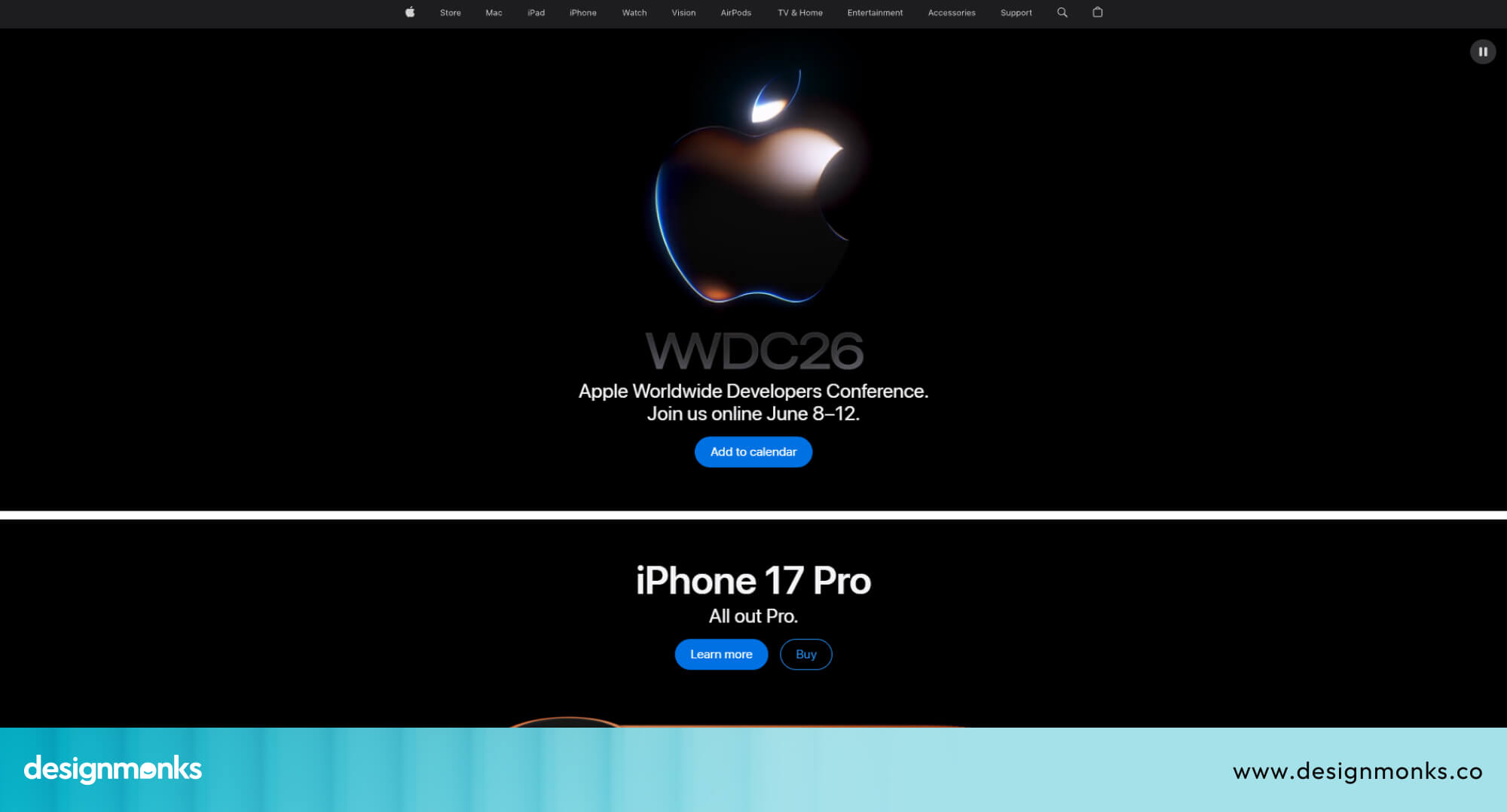
This restraint is a deliberate brand statement. It says, we are confident enough not to oversell. That confidence, communicated entirely through UX, is what makes Apple feel premium before a single line is read.
Airbnb: Warmth Built Into Every Screen
Airbnb's brand promise is belonging, the idea that you can feel at home anywhere in the world. Their UX delivers this at every step. Large, warm photography puts you inside the experience before you book.
Filters are intuitive and human, not clinical. The booking flow guides you gently, like a recommendation from a friend rather than a transaction.
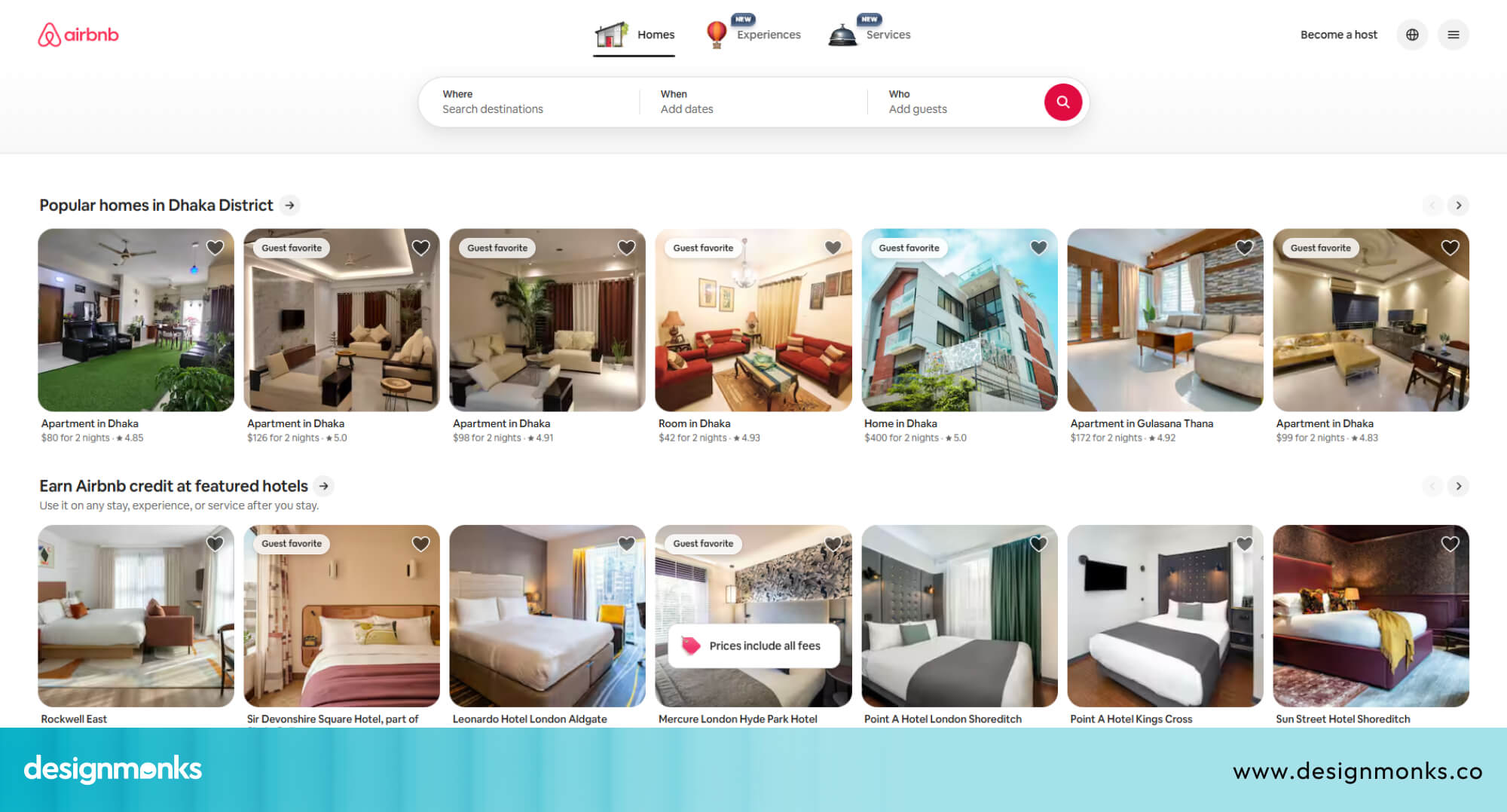
Even small details like the friendly microcopy, the host profiles, and the conversational tone throughout reinforce that this is a platform built around people, not just properties.
Spotify: Personalization as the Story
Spotify's brand is built on the idea that music is personal. Their UX makes that feel true. The interface learns from your behavior and reflects it. It notices your moods, your habits, your taste.
Playlists are curated for you specifically. Discover Weekly feels like a friend who really knows your taste.
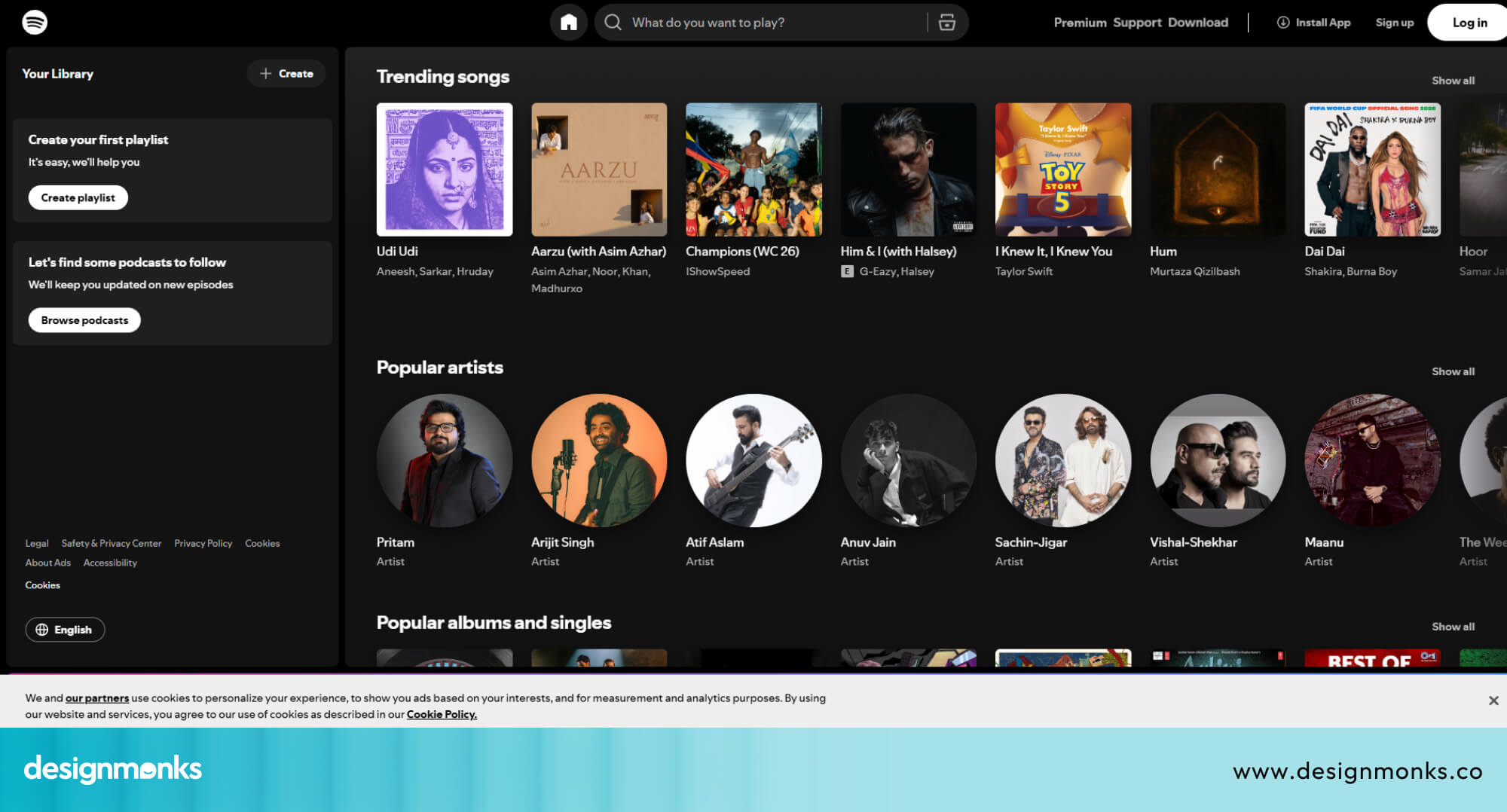
This is UX as identity. Spotify does not just play music. It tells users a story about who they are through what they listen to. And the experience is designed to make that story feel uniquely theirs.
Nike: Energy and Motion in Every Interaction
Nike's brand is built on performance, motivation, and forward momentum. Open their website and the UX immediately matches that energy.
Bold typography fills the screen. High-contrast visuals move with intention. Product browsing feels immersive and active rather than passive and clinical.
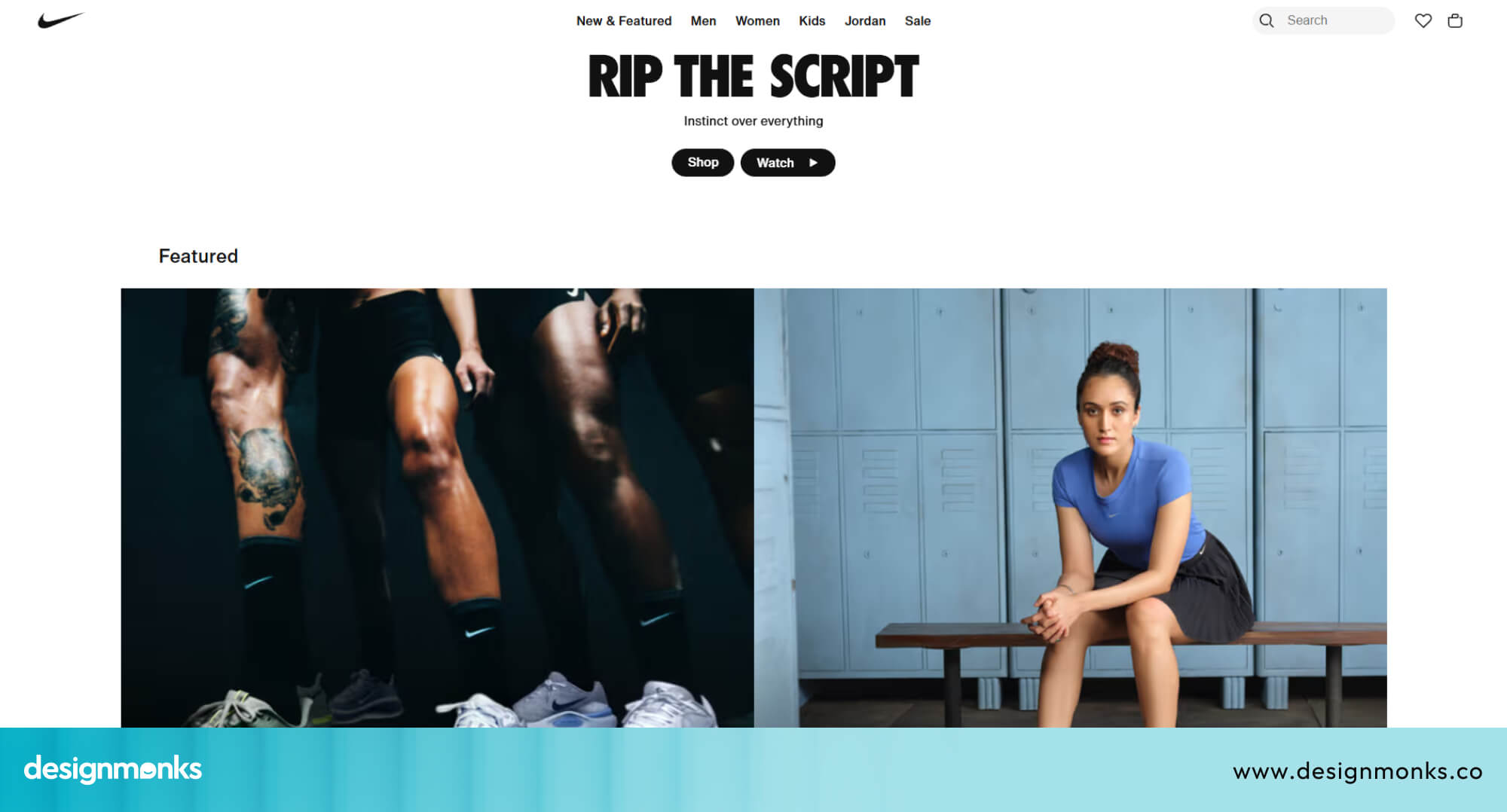
Even the shopping experience carries the brand. Filters are dynamic. Pages transition with purpose. It does not feel like a store, it feels like preparation for something.
Tesla: Innovation Felt Before a Word Is Read
Tesla's UX is as minimal and forward-thinking as the cars themselves. Pages load with cinematic quality, full-screen visuals, smooth scrolling, barely any text.
The small amount of copy that exists on the page is precise and confident. Interactive elements feel considerate and slightly futuristic.
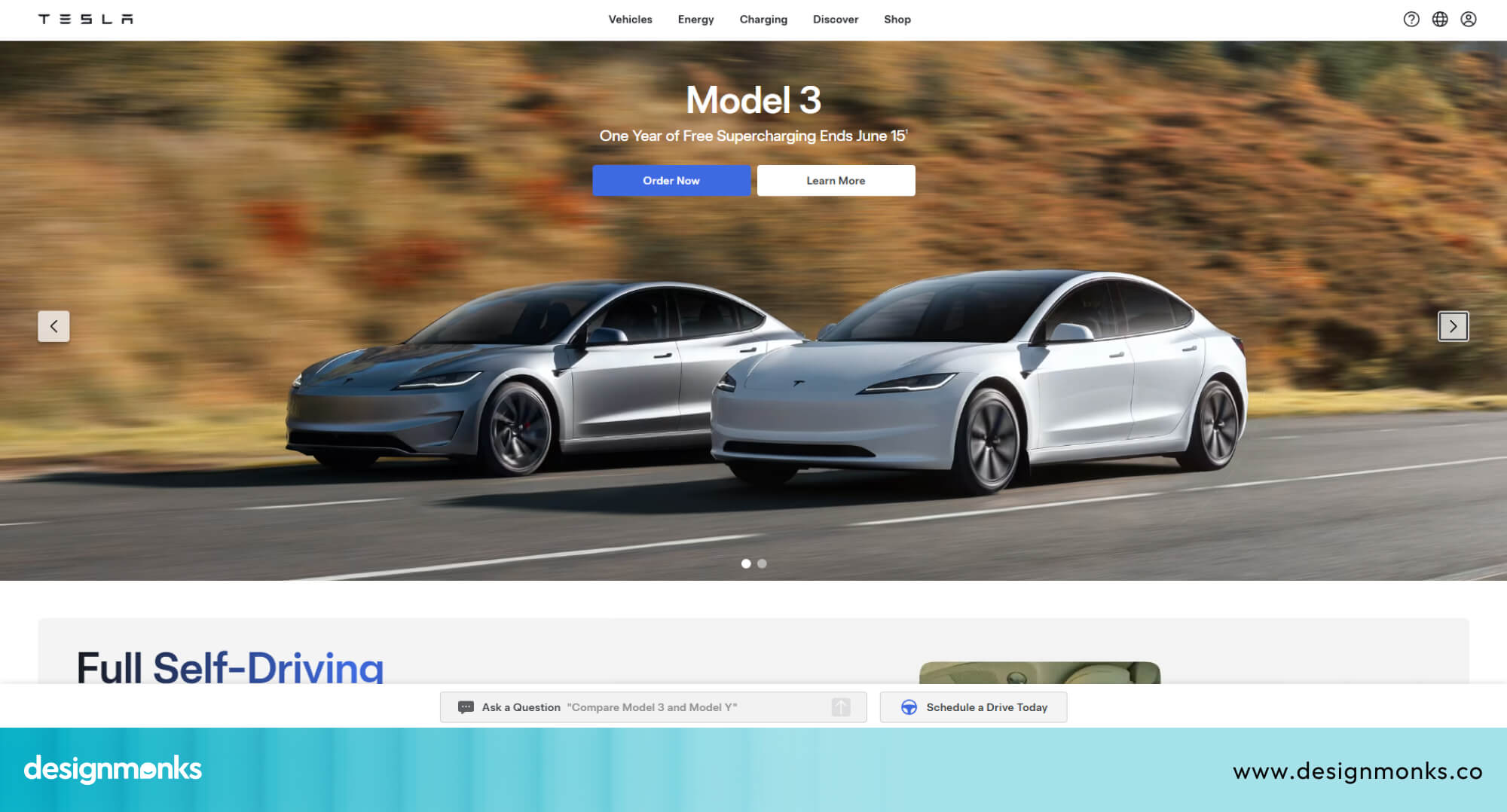
Nothing about the experience feels conventional, because Tesla is not a conventional brand. Long before you read about the technology, the UX has already told you: this is different.
Common Mistakes That Break Your Brand Story
Building a strong UX brand story is not easy, but breaking it is surprisingly simple. Most brands damage the experience in these common ways:
- Cluttered UI that overwhelms users: When a screen is filled with too many elements, it stops helping and starts confusing. Every element should have a purpose. If it doesn’t guide or inform the user, it should be removed.
- Inconsistent design patterns: If buttons, colors, or layouts change across pages, users feel lost. It makes the product feel unfinished. A consistent design system helps everything feel like one unified brand.
- Ignoring mobile experience: Most users will see your product on mobile first. If it doesn’t work well on small screens, it creates a poor first impression and weakens the brand experience.
- Prioritizing looks over usability: A beautiful product that is hard to use fails in practice. Users prefer simple and clear over fancy but confusing. Usability should always come first.
- Lack of clear user flow: If users don’t know what to do next, they leave. Every screen should guide users toward a clear action. A good product feels easy to navigate without thinking too much.
How to Design UX That Tells Your Brand Story
Knowing that UX tells your brand story is one thing. Building that intentionally is another. Here is how you can approach it:
Define Your Brand Personality First
Before any wireframe is drawn or color chosen, you need clarity on what your brand actually is. Not just what it sells but also what it feels like. Is it warm or authoritative? Playful or precise? Bold or understated?
This is not a marketing exercise. It is a design brief.
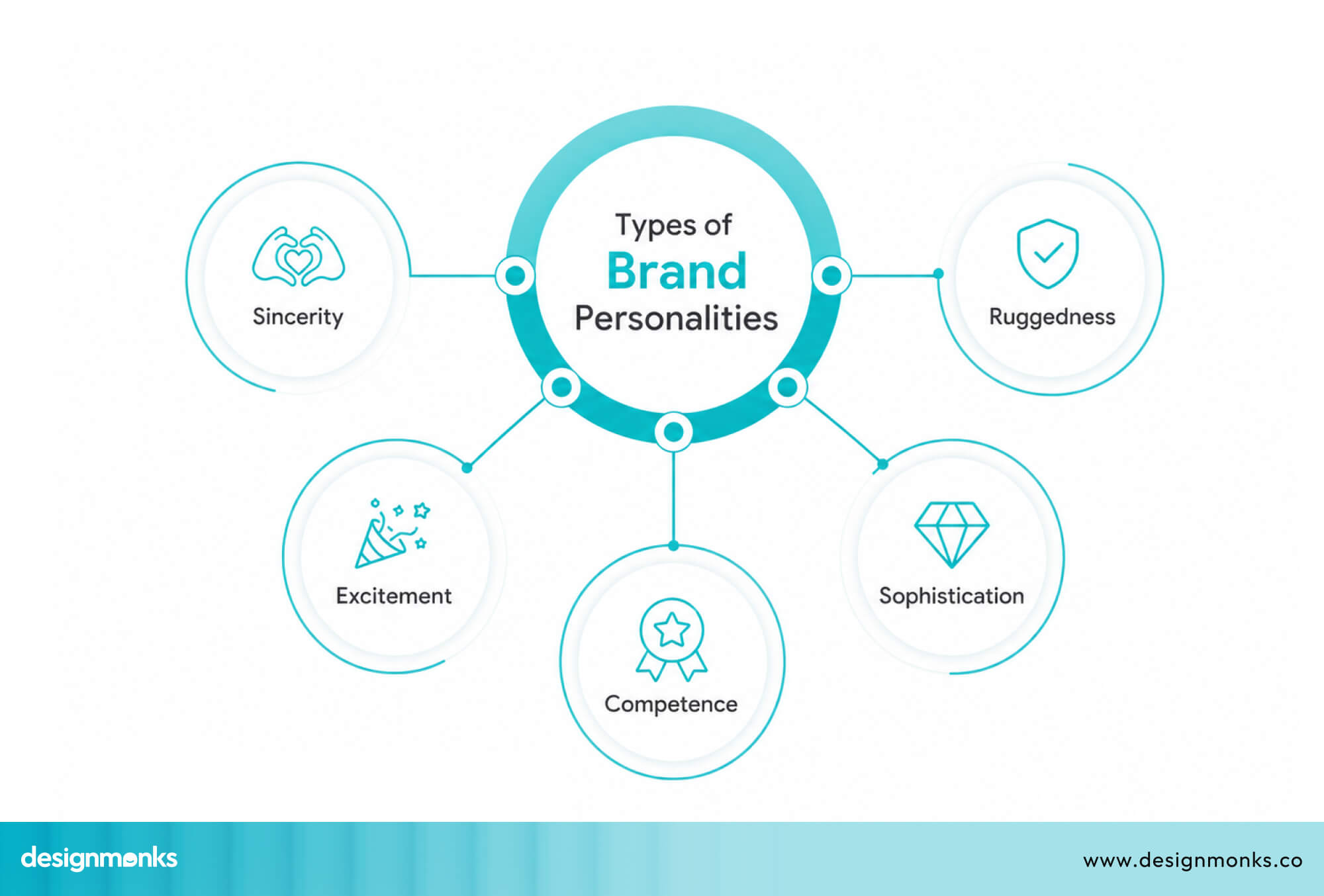
Every UX decision that follows for example, the layout, typography, interaction style, copy tone should be traceable back to this defined personality. Without it, you are decorating without a direction.
Understand Your Users Deeply
A brand story only lands if it connects with the people it is meant for. That requires knowing who those people are, not just demographically, but behaviorally. You need to know:
- How do they navigate?
- What frustrates them?
- What earns their trust?
- What makes them leave?
User research, interviews, and usability testing are not optional extras. They are the foundation of UX that feels personal rather than generic.
Map the User Journey With Intention
Once you know your brand and your users, map out the full journey from first contact to final action. Identify every touchpoint, every decision point, every moment where the experience could either reinforce your story or contradict it.
Image: Journey Mapping
This map becomes your editorial guide. It shows you where to invest detail and where to remove friction. It ensures the narrative holds together from beginning to end.
Design With Purpose, Not Decoration
Every visual decision should serve a function. Color choices should guide attention or signal meaning. Typography should establish hierarchy and tone. Spacing should create clarity, not just fill a grid.
When design is purposeful, it becomes invisible, and that invisibility is the goal. Users are not thinking about your design choices. They are moving through an experience that feels natural, clear, and entirely consistent with the brand they came to find.
Test, Listen, and Improve Continuously
No UX is finished at launch. User behavior reveals things that research cannot always predict. Pages that seemed clear create confusion.
Steps that felt logical cause drop-off. Details that seemed minor turn out to matter enormously. So you need to build a habit of testing, watching, and listening. Every insight is a chance to tell your brand story more clearly.
The brands with the strongest UX did not get it right once, they kept getting it less wrong over time.
UX Design Trends That Influence Brand Storytelling
Design keeps evolving, and so do user expectations. These are the trends shaping how brands tell their story through UX today:
- Personalization: Users expect experiences that feel made for them. When a product adapts to behavior and preferences, it feels more relevant and more human.
- Minimalism: Less is more. Clean, simple interfaces help users focus and show confidence in the brand. It tells users you respect their time and attention.
- Motion Design: Small animations and smooth transitions add life to a product. When used well, motion guides users and makes the experience feel more natural.
- AI-Driven Experiences: AI allows products to respond and adapt in real time. From smart suggestions to dynamic content, it helps create more useful and personalized experiences.
Conclusion
UX design is how your brand story is truly told, not in words, but in every click, scroll, and interaction a user experiences. When UX is intentional, it builds trust, communicates values, and turns first-time visitors into loyal advocates.
So take an honest look at your product today. Is every interaction telling the story you want to tell? Because in the world of digital branding, great UX is not just design, it is your most powerful voice.


.avif)
.avif)
.avif)
.avif)


.avif)
.avif)
.avif)
.avif)






.avif)