.svg)



Key Takeaways
- Clear project goals guide agencies and prevent confusion during the process.
- Portfolio and UX depth reveal real skill, not just visual style.
- Strong communication and workflow ensure smooth progress and timely delivery.
- Pricing transparency and post-launch support protect your budget and long-term investment.
- Choosing an agency aligned with your brand vision ensures better results.
Choosing the right web design agency comes down to three things: strong past work, solid UX and technical skill, and clear communication. The team behind your website shapes how people see your brand, how much they trust it, and how easily they take action.
A smart agency choice can boost sales, improve user flow, and build a lasting brand image. From their portfolio to their process, every detail shows how well they can guide your project and support you after launch.
If the process feels confusing right now, this guide breaks it into simple steps so you can move forward with confidence.
How to Choose a Web Design Agency (Complete Step-by-Step Guide)
A clear plan helps you avoid wrong choices and wasted money. This guide breaks the process into 8 simple steps of choosing the right web design service agency. Let’s check them out:
Define Your Project Needs Clearly
A clear project idea helps every agency understand what you want. It also reduces confusion during the project and keeps the team focused on one direction.
Your website must serve a main purpose. It may inform, sell, or guide visitors toward a goal. When this purpose stays clear, the entire design flows in a simple, natural direction.
Here are the key parts you should map first:
- A short list of features you cannot skip.
- Tools or platforms you prefer.
- Your budget range.
- A rough timeline.
- People inside your team who will approve the work.
Review Agency Portfolios for Style & Fit
A portfolio shows the true skill of an agency. It also reveals if their taste and your taste can stand together without long arguments or repeated edits.
When you study their work, observe how they use space, color, and layout. If the style matches your brand's mood, the project moves faster and smoothly. You face fewer surprises later because their natural style already aligns with your vision.
You may also look for these helpful signs:
- Work done for different types of brands
- Layouts that feel easy to follow
- Screens that guide users without confusion
Check Their Industry Experience & Technical Expertise
Strong technical depth keeps your website safe, fast, and stable. A good agency understands how each tool works and chooses the right one for your goals instead of forcing the same platform on every client.
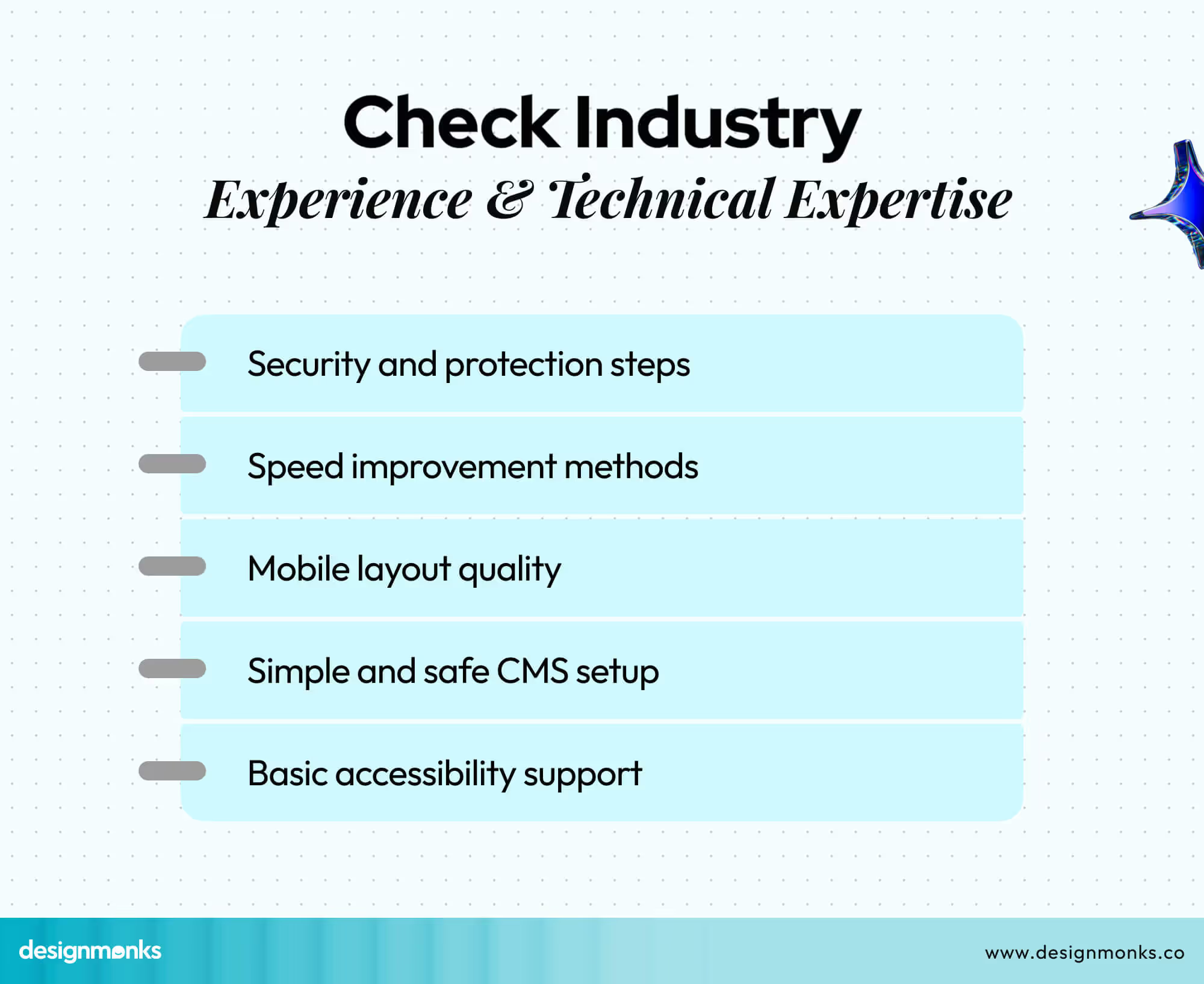
Some teams may have great skill in WordPress or Webflow, while others can handle Shopify or full custom builds. A clear explanation from them helps you decide if their skills match your needs. They must also show comfort with mobile layout, SEO basics, and clean code.
Evaluate Testimonials, Reviews & Case Studies
Real client words speak louder than any sales message. Reviews show how an agency behaves under pressure, how it handles delays, and how it reacts when a client needs help.
Case studies also reveal how an agency deals with real problems. If they explain the problem, the steps they took, and the result they achieved, you gain a clear picture of their skill. A good case study proves that the agency does more than make pretty screens.
Check these places for honest signs of quality:
- Google Reviews
- Clutch or similar platforms
- Before-and-after examples
- Result-based project summaries
Assess Their Communication & Workflow
Smooth communication keeps the project healthy. You must know how the agency explains ideas, handles changes, and reports progress. Clear updates reduce stress and keep everything on track.
A strong workflow also helps you understand what comes next. Some teams follow clear steps such as discovery, wireframes, layout design, development, and testing. When they show these steps early, you avoid confusion later.
Helpful things to confirm:
- Fixed communication channels
- A project tool like Trello or Asana
- Regular progress updates
- Fast and fair feedback rounds
Understand Their Pricing & Engagement Models
Money talk can feel uneasy, but clear pricing protects you from surprises. Agencies may offer fixed cost, hourly cost, or long-term partnership plans. You must know which plan fits your situation.
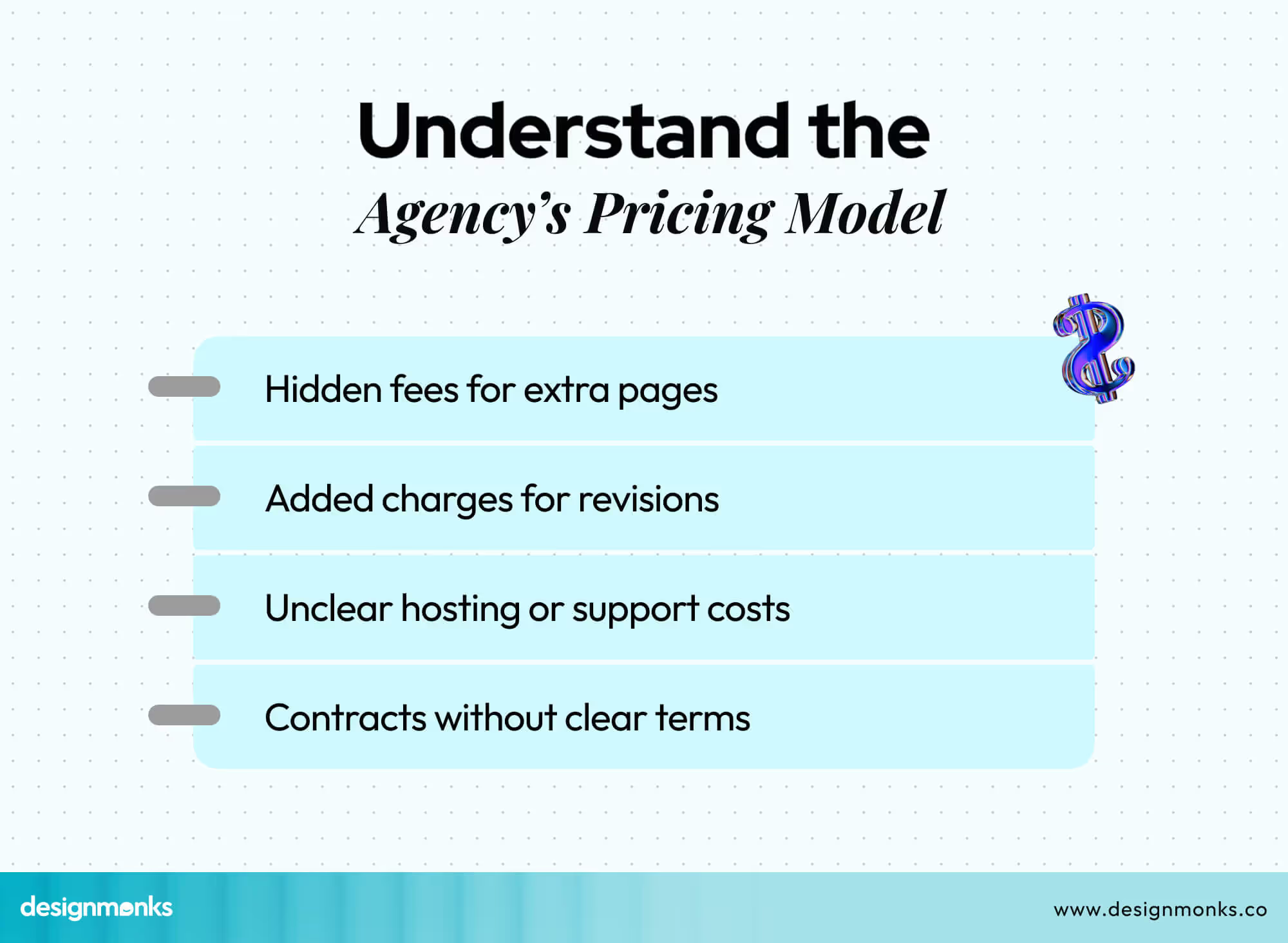
A clear quote explains exactly what you pay for. It may include design, development, testing, and basic launch help. If the agency hides details, the final bill may grow in a way you never expected. This is why simple and honest pricing matters.
If you don’t know what transparent pricing details look like, check Design Monks' pricing plans. They provide a crystal clear pricing guide with no hidden fees.
Discuss Post-Launch Support & Maintenance
A website needs a checkup after it goes live. Updates, small fixes, security checks, and backups keep the site safe and fast. A strong agency stays with you even after the project ends.
Some agencies offer full support plans, while others only offer basic help. You must know how they protect your site, how often they update it, and how fast they respond when something breaks. This step protects your investment long-term.
Ask for References
A short call with a past client can reveal many hidden things. You learn how the agency handled delays, how they behaved during problems, and how stable their work remained after launch.
You also understand whether they kept promises or ignored client feedback. A past client can share small details that you will never see in a portfolio or review page. These details help you avoid painful mistakes.
Additional Factors to Consider When Choosing a Web Design Agency
Choosing a web design agency goes beyond visuals and basic functionality. You also need to evaluate how well the agency understands business goals, uses technology, and aligns with long-term growth. These added factors help you select a partner, not just a vendor.
UX & Strategy Capabilities
A strong agency should be able to connect design with real user needs. Their process must go deeper than wireframes and UI screens. Look for teams that treat UX as a research-driven discipline and create decisions backed by data, not guesswork.
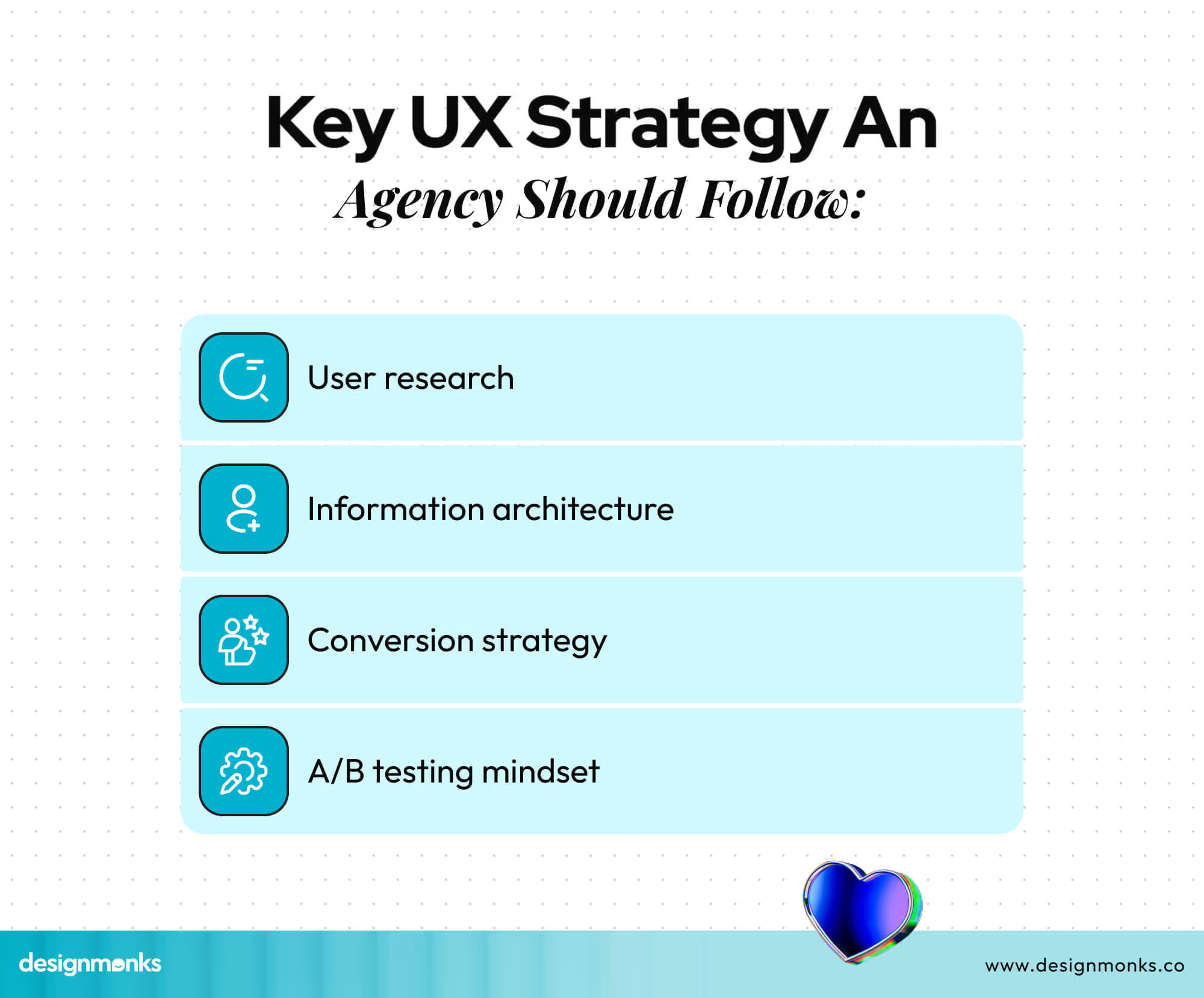
A mature UI/UX service provider team also brings strategic thinking to the table. They combine user behavior insights, structural clarity, and testing culture to help your website achieve long-term performance, not just short-term aesthetics.
Ability to Scale With Your Business
You should ensure the agency isn’t just right for today, but can grow alongside your brand. A scalable partnership helps avoid frequent vendor changes and keeps your design consistent over time. This matters more when your business plans to expand or shift directions.
A good agency can support multiple future needs, from brand updates to marketing assets and CRO improvements. Their offerings should align with your roadmap, providing a reliable partner as your digital ecosystem evolves.
Technology Stack & Specialization
Every modern website relies on a specific tech foundation. A good agency understands your preferred CMS or platform deeply enough to build stable, optimized, and scalable solutions. Their expertise reduces technical issues, speeds up development, and improves long-term maintainability.
You should also check whether they hold official certifications or partnerships. Specialized partners often follow industry best practices and deliver higher-quality builds with better support and security.
Types of Web Design Agencies (Know Which One You Need)
Some teams work with small brands, some work with large companies, and some focus on one field only. Each type offers a different level of skill, cost, and support. This part helps you find the right fit.
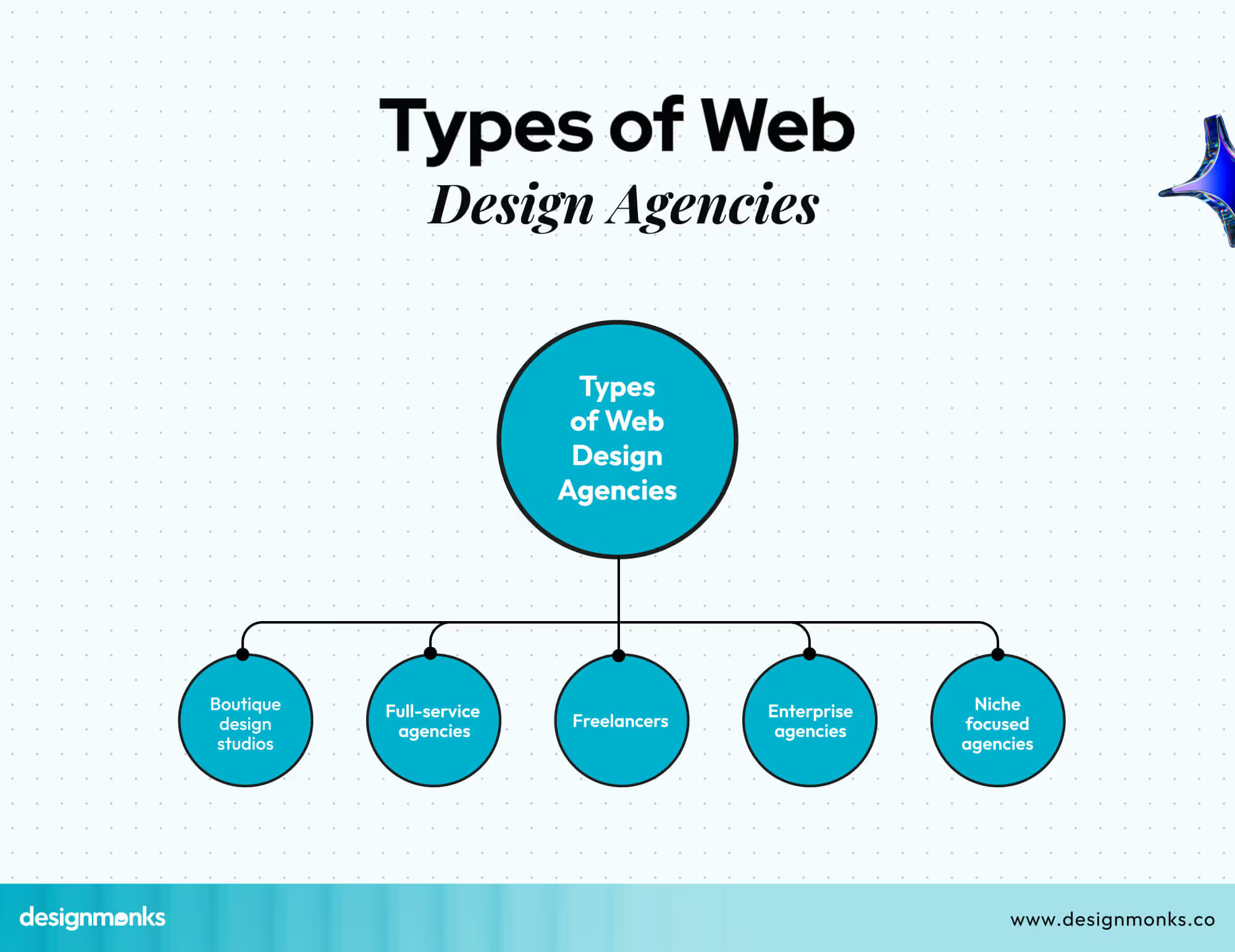
Boutique Design Studios
These studios work with a small team that gives very close attention to every project. They value fresh ideas, neat layouts, and a strong sense of style. Their work suits brands that want a unique look.
They often give more personal care because they deal with fewer clients at a time. This helps them build designs that fit the brand's body, tone, and purpose in a very precise way.
Full-Service Agencies
Full-service agency teams cover more areas than only website work. They help with design, coding, branding, and even online ads. This makes them a good choice for brands that want all services in one place.
Their wide skill set supports long-term growth plans. A company can move from website design to full marketing plans without searching for new partners. This approach keeps the whole brand story aligned.
Freelancers
A freelancer works alone and gives more freedom in terms of time, budget, and style. Many small brands choose them when they need simple pages or low-cost work. The line of contact is also very direct. You just need to find the right place to hire the designers.
They suit projects that do not demand large systems or heavy features. Their process feels light and quick, and it helps new founders finish the early steps of their online presence without pressure.
Enterprise Agencies
These agencies handle very large projects with heavy data and complex systems. They work with strong teams who know how to deal with strict rules, long scopes, and large-scale platforms.
Their cost stays high because they follow deep processes and strong testing. Such teams suit banks, global companies, and tech firms that need stable websites with strong security and long-term support.
Niche-Focused Agencies
These teams choose a single field, such as real estate, health, travel, or finance. They understand the common problems, the user behavior, and the style that works best in that field.
This approach focuses on helping them deliver pages that match the market rules quickly. Brands trust them because they already know the patterns, needs, and user flow of that industry, which saves time and effort.
Must-Ask Questions Before Hiring a Web Design Agency
Many people feel unsure during the first talk with an agency. The team may sound skilled, but you still need clear proof that they can handle your goals. Good questions help you see their real method, their honesty, and their ability to support your business.
These questions also reveal how they plan, how they solve problems, and how they treat clients once the project starts. A strong agency answers each point in a simple and open way, without confusion or pressure. This gives you a clear view before you spend your budget.
Below are the key questions you should ask. The short notes under each point show what kind of answer you should look for in a reliable partner.
- What is your design and UX process?
They should explain each step in simple words and show a clear path from ideas to final pages.
- Do you work in-house or outsource?
They should tell you who handles each part so you know the real team behind your project.
- Can I talk to two or three past clients?
A good agency shares contacts without fear because they trust the quality of their work.
- How do you handle revisions?
They should explain how many rounds you get and how they respond to changes.
- What is included in your support package?
You should hear about updates, fixes, and help after the website goes live.
- What CMS do you recommend and why?
Their answer should match your goals, not their personal choice.
Common Mistakes to Avoid While Choosing A Web Design Agency
Some teams look fine at first, but small signs can warn you early. These signs help you avoid trouble, missed deadlines, extra costs, and weak results. Watch these points before you decide.
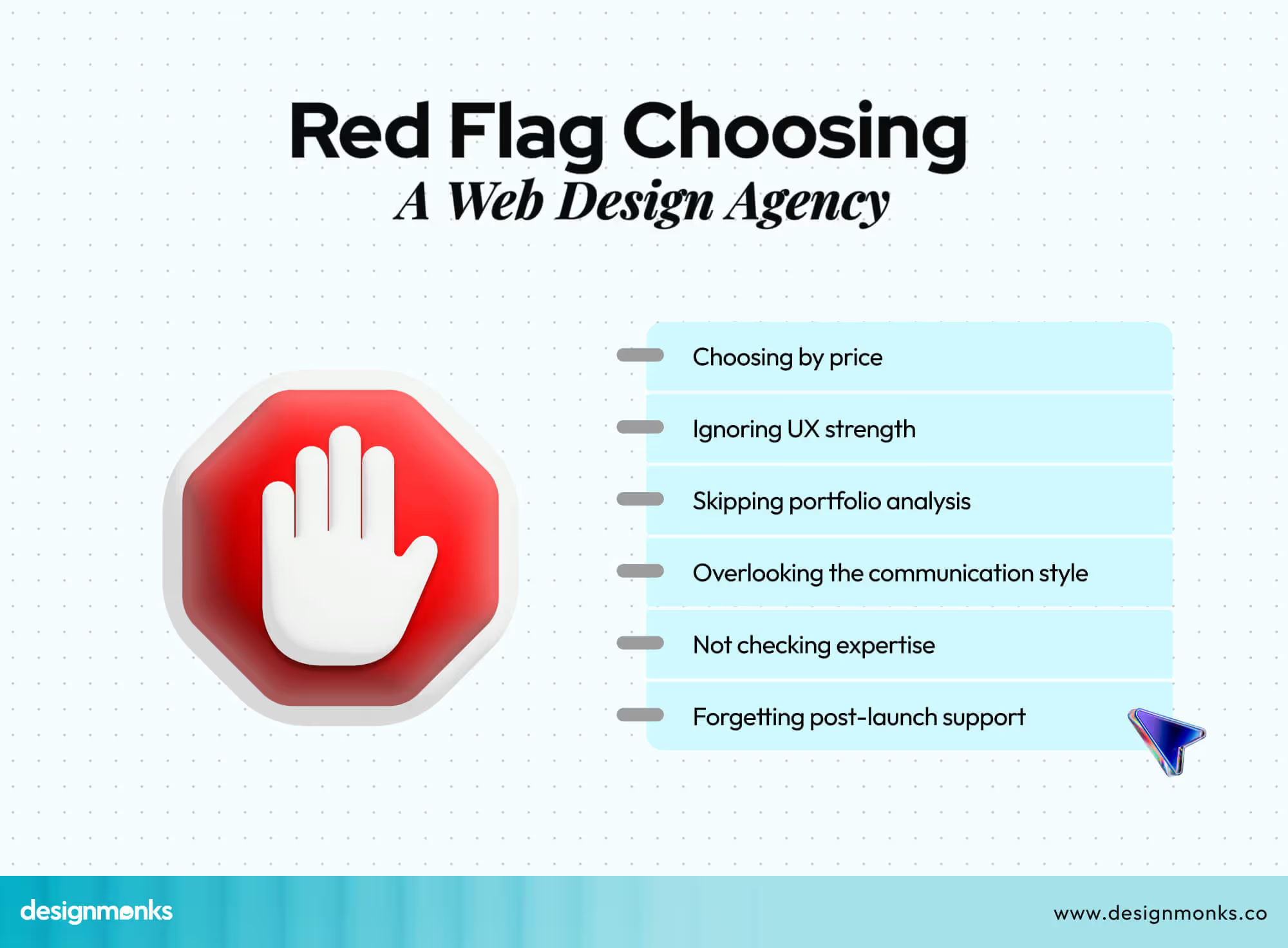
Choosing by price
A very low cost often hides weak skills or rushed work. A fair price reflects real effort, clear planning, and proper care. A strong agency explains why its price fits your goals.
Ignoring UX strength
Nice colors cannot save a website with weak flow. A good team cares about user paths, page purpose, and visitor comfort. Strong UX shows that they value real results, not only visuals.
Skipping portfolio analysis
A portfolio reveals their taste, skill, and problem-solving level. If you skip this step, you lose the chance to see how they handle challenges. The right team has solid and honest samples.
Overlooking the communication style
A team that replies late or gives unclear answers creates stress later. Good communication builds trust and keeps the project smooth. Clear talk often matters as much as design skill.
Not checking expertise
Every project needs some level of tech skill. If the team cannot prove their strength in your chosen tools, the work may break later. Proper experience ensures safety and stable results.
Forgetting post-launch support
A website needs care after it goes live. Without support, small errors can turn into major issues. A dependable team gives updates, fixes, and help so your site stays healthy.
FAQ
How much does a web design agency cost?
A web design agency usually costs $800-$2,000 for small sites, $2,000-$8,000 for mid-size sites, $5,000-$20,000 for eCommerce, and $10,000+ for custom work. The price grows when features, pages, or tech needs increase.
How long does it take to build a website?
A website usually needs two to twelve weeks. Simple sites finish early, mid-size projects take a steady amount of time, and large builds need the longest because they involve more pages, planning, and reviews.
What should I look for in a web design portfolio?
A portfolio should show steady quality, clear layouts, and smooth user flow. It should also show work in your field and real outcomes so you can trust their ability to solve real problems.
Should I choose a local or remote agency?
Both local and remote agencies work well. The main focus should be skill, steady replies, and open talk. A remote team can serve you well if it keeps the process clear and simple.
End Note
Choosing a web design agency is an important step because the right team helps you reach your goals with strong UX, solid tech skills, clear communication, and steady support. Take enough time to compare options and check who understands your brand vision. A good choice should match your future plans, not only your budget.
If you want a team that cares about clean UX, honest communication, and long-term support, you can contact Design Monks. For sure, they can be your best partner. Look through the points in this guide and pick the agency that feels right for your business.


.avif)
.avif)
.avif)
.avif)


.avif)
.avif)
.avif)
.avif)






.avif)