.svg)



Key Takeaways
- Senior Designers focus on hands-on execution, creating screens, visuals, and layouts.
- Design Leads guide strategy, manage teams, and align designs with goals.
- Senior Designers follow direction, Design Leads make key design and project decisions.
- Senior Designers can progress to Design Lead with leadership skills.
- Both roles are essential, balancing creative execution with strategic team leadership.
Bright ideas often start small, but knowing who shapes them as they grow matters a lot. That’s where Design Lead vs Senior Designer comes in, two roles that sound alike but guide a project in very different ways. Understanding this helps you see how a design team turns an idea into something real.
Both roles have important jobs, but they don’t do the same work. One leads the team, sets the direction, and helps everyone stay on the same path. The other focuses on creating the screens, layouts, and visuals that people actually see and use every day.
When these roles support each other, the whole project becomes smoother and clearer. Keep reading to discover how their differences work together to build better designs.
What Is a Senior Designer?
A senior designer is a seasoned member of a design team who spends most of their time creating actual designs. They are often also called a UX/UI Designer or Product Designer, depending on their work focus.
In simple terms, a Senior Designer is a “hands-on designer,” someone who makes screen layouts, user interfaces, and visual parts of a product. Their job is execution-focused. They turn ideas into concrete designs that people see and use.
Within a design team, a Senior Designer sits just below the leadership level. They usually take direction from a more senior role (like a Design Lead or Creative Lead) and then translate that direction into real design work. They don’t lead the team or make strategic decisions.
Key Responsibilities of a Senior Designer
The key responsibilities of a senior designer are:
- Wireframing: Drawing simple outlines of screens or pages to plan where buttons, text, and images go before creating the real design.
- Prototyping: Building interactive versions of designs so people can click and test like a real app or website.
- Visual Design: Choosing colors, fonts, icons, and graphics to make the design look nice and easy to understand.
- User Research Support: Helping gather user feedback or test design samples so designers know what works and what doesn’t.
- Iteration & Feedback Implementation: Updating and refining designs based on feedback from users, teammates, or clients.
- Collaboration with Developers: Working with engineers to make sure the design can be built correctly and looks good in the final product.
- Design Documentation: Keeping a clear record of design decisions, styles, and guidelines so other designers or developers can follow them.
- Quality Assurance: Checking final screens to ensure everything matches the planned design before launch.
Skills Required to Be a Senior Designer
To succeed as a Senior Designer, one needs strong tactical, hands-on design skills. This includes being comfortable with design tools like Figma (or similar software), knowing how to create good user flows, and avoiding any issues. Senior Designers also need to master visual design, picking colors, fonts, spacing, and layout for clarity and appeal.
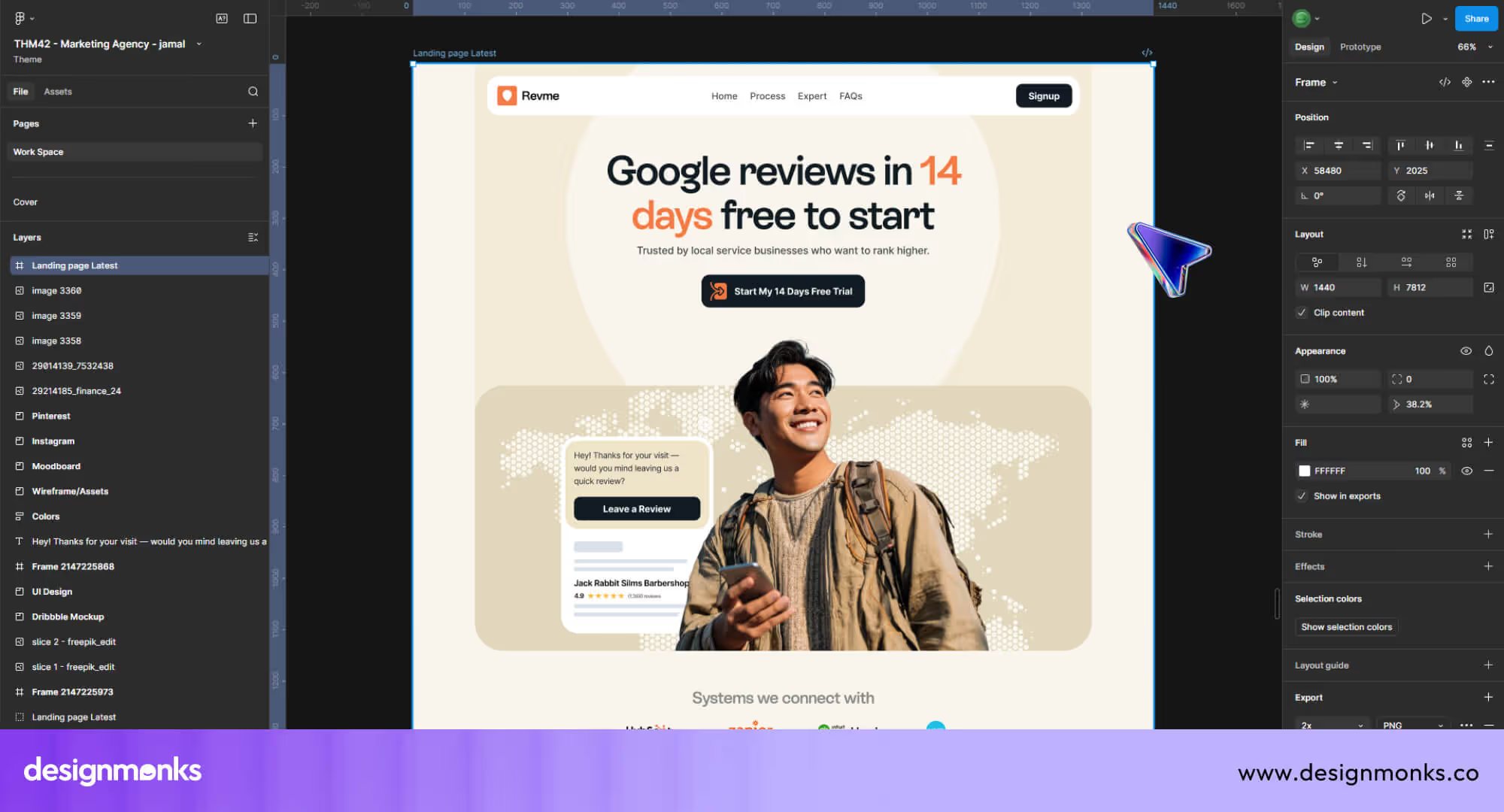
Good Senior Designers also understand design systems, reusable sets of UI elements that keep a product consistent and easy to build. They pay attention to craft quality, making sure each button, icon, or page looks polished and user-friendly.
They need to think about usability and accessibility. Finally, they must be open to feedback, ready to revise, and able to solve problems creatively when designs don’t work as expected in real use.
What Is a Design Lead?
A Design Lead is a senior person in a design or product team who leads the design direction. Sometimes called a Creative Lead, this person focuses on team ownership and strategic direction rather than detailed design creation. Their main job is to ensure the team works as a smooth unit, planning, guiding, and aligning design work with overall project goals.
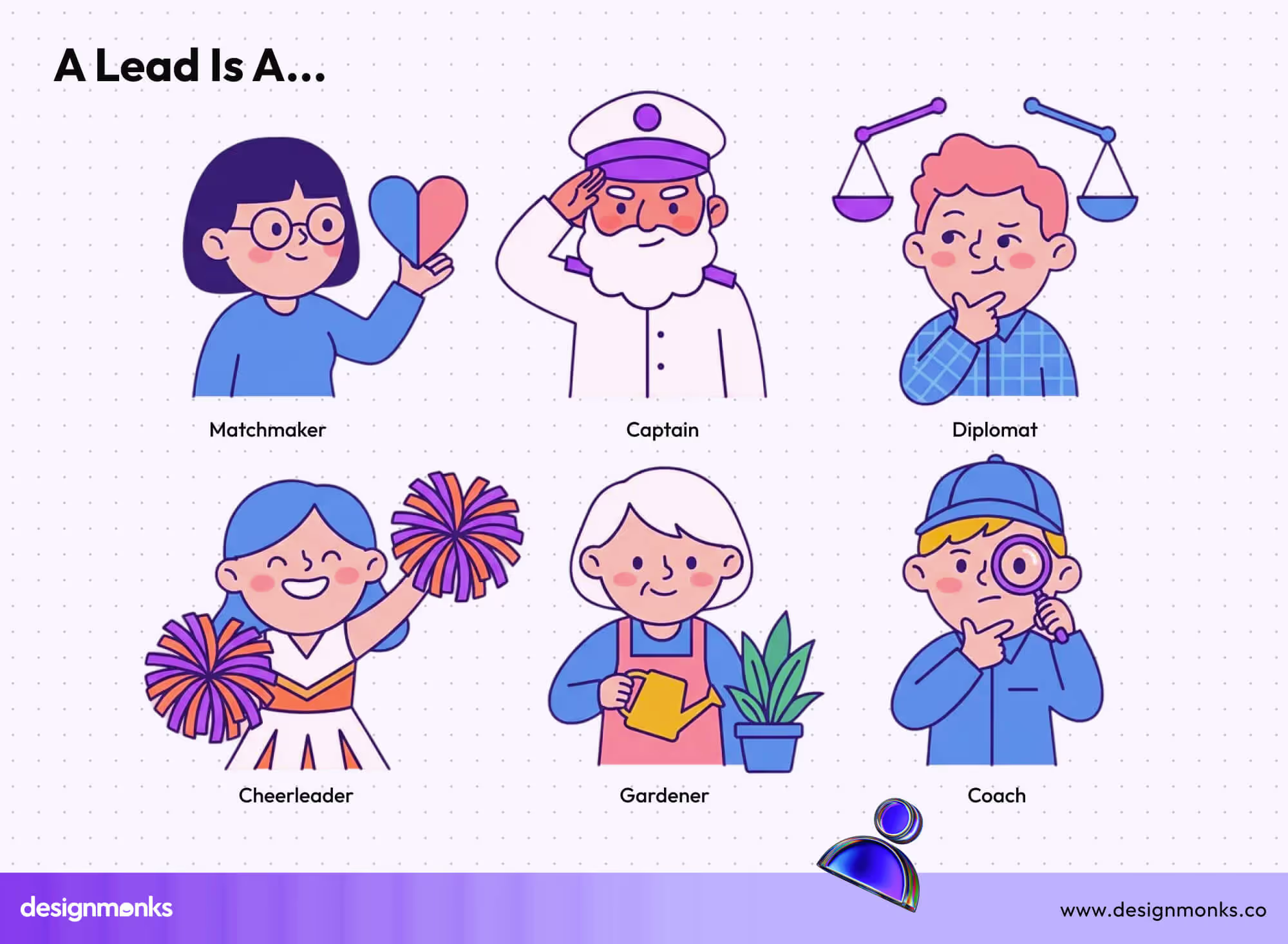
Unlike a Senior Designer who spends day-to-day on screens and visuals, a Design Lead spends time on bigger picture decisions. They decide what the design will achieve, which features are most important, and how the design supports the user’s needs, business goals, and any user pain points.
They coordinate with other parts of a product team, such as product managers, developers, or stakeholders, to make sure everything fits together. Design Leads steer the ship, they don’t row every stroke themselves.
Key Responsibilities of a Design Lead
The main responsibilities of the Design Lead are:
- Team Management: Guiding and mentoring other designers, helping them grow, and making sure the team works well together.
- Design Strategy: Defining design direction, style standards, and long-term design plans for a project or product.
- Cross-Functional Collaboration: Working with product managers, developers, and stakeholders to align design goals with product goals.
- Roadmap Planning: Deciding which features or design tasks should come first based on priorities, resources, and user needs.
- Design Reviews & Feedback: Reviewing designs from team members, giving feedback, and approving the final design before release.
- Quality & Consistency: Ensuring all designs follow a unified style and quality across screens and products.
- Mentorship & Growth: Helping team members improve skills, guiding juniors, and supporting their learning.
- Stakeholder Communication: Presenting design ideas and decisions to clients, managers, or other teams clearly and convincingly.
Skills Required to Be a Design Lead
A good Design Lead needs leadership and communication skills more than just design ability. They must be strong in stakeholder management. They should be good at workshops and team meetings, helping people share ideas and come to decisions together.
They need a clear vision-setting skill, knowing where the product should go and describing it so everyone understands. Also important is strategic thinking, deciding which design problems matter most, which features to build first.
Soft skills are also important for design leads. They need empathy to understand user needs and team concerns, clarity to explain design decisions, and patience to guide projects over time. While they may still know tools like Figma or visual design, their core strength lies in guiding and uniting the team toward a shared goal.
Role Comparison: Design Lead vs Senior Designer
To understand how these two roles work together, here’s a clear side-by-side comparison that highlights their focus, responsibilities, and impact on the team:
Design Lead vs Senior Designer Salary Comparison (US, UK & Global)
Salaries vary depending on country, company size, and experience, but here are common ranges:
United States: A Senior Designer often earns roughly $80,000–$110,000 per year. A Design Lead usually earns around $110,000–$150,000 or more, depending on seniority and responsibility.
United Kingdom: Senior Designers may earn about £45,000–£65,000 annually, while Design Leads’ salaries typically range from £60,000–£90,000 or higher.
Global / Other Locations: In many other countries, salary differences follow a similar pattern. Senior Designers get good pay for execution work, but Design Leads earn more because they also manage strategy, teams, and bigger responsibilities.
Of course, these numbers can vary widely based on the cost of living, company budget, and the designer’s skills. But overall, Design Leads tend to earn more than Senior Designers, reflecting their broader role in guiding projects and people.
Which Role Is Higher?
In a design team hierarchy, the Design Lead is above the Senior Designer. A Senior Designer is an individual contributor who focuses on creating designs, building screens, and completing project tasks. They usually do not manage people or make major strategic decisions.
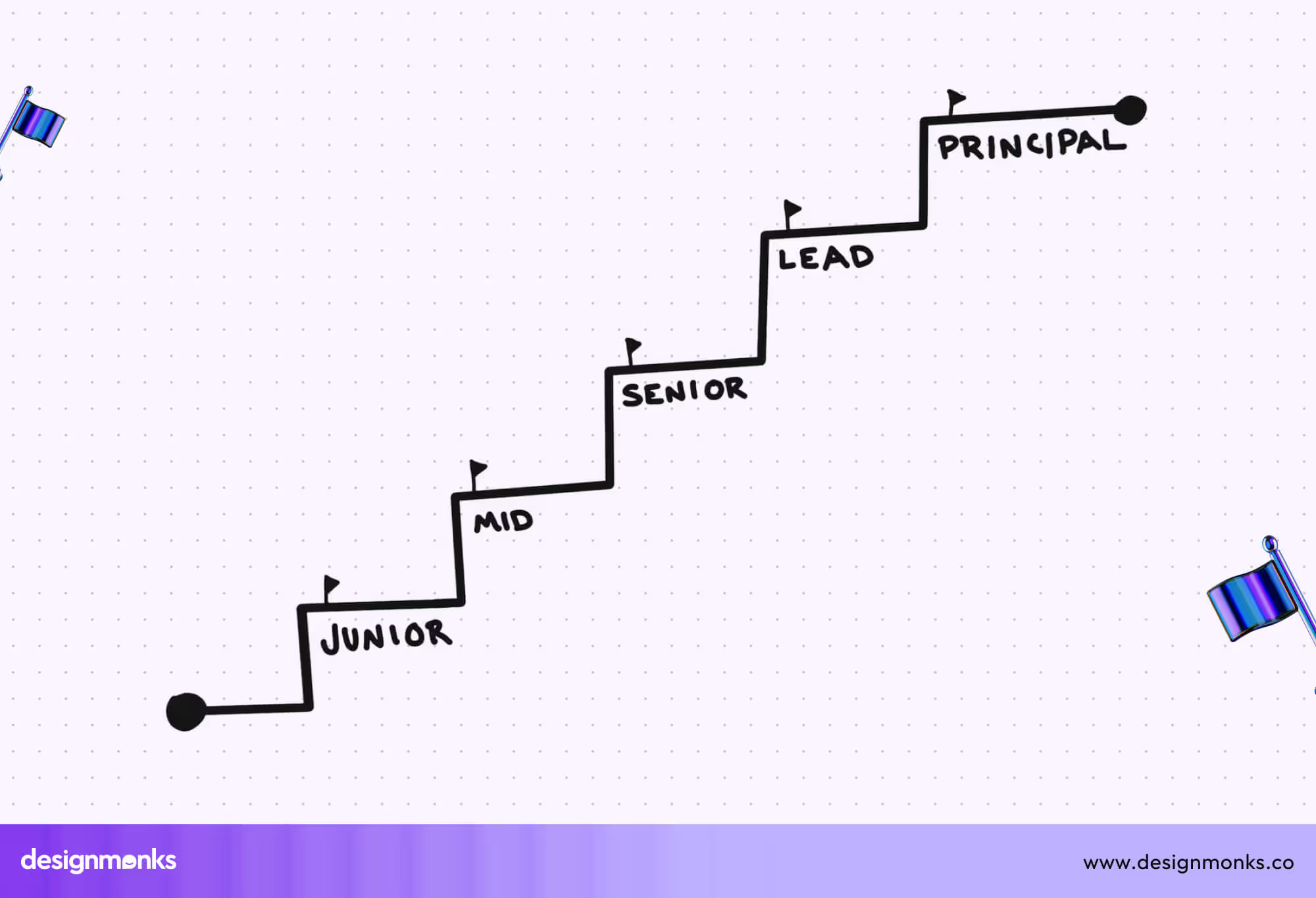
A Design Lead, on the other hand, guides the team, makes important design decisions, and ensures the project moves in the right direction. They handle planning, coordination, and alignment across the team or product.
So, yes, the Design Lead is higher in career level. But both roles are important, the Senior Designer delivers high-quality design work, while the Design Lead ensures that work supports the project’s bigger goals.
Career Path: Moving from Senior Designer to Design Lead
Many designers start as Junior Designers and grow into Senior Designers. Later, if they like leadership, they aim to become a Design Lead. This jump usually needs more than just design skill.
First, you need to build mentorship and leadership ability. Helping other designers, giving feedback, and showing that you can guide a project helps. You also need to learn strategic thinking, understand business goals and user needs, and understand how design affects big-picture success.
Often this takes 2–5 years as a Senior Designer, though it can be shorter or longer depending on opportunity, initiative, and team size.
You should also start asking to lead small parts of a project, plan design schedules, and help decide what features go in first. You can also give input in early design choices, letting others see that you can handle more than just design execution.
Skills You Must Develop to Become a Design Lead
To move up, you need to build leadership and soft skills more than design tools:
- Learn stakeholder management: Talk confidently with product managers, developers, or clients, understand their needs, and explain design choices clearly.
- Practice facilitation: Learn to run meetings or workshops where people share ideas, give feedback, and make decisions.
- Build a clear vision: Think about how the final product should look, feel, and work, and explain it to others.
- Work on communication: You must be able to guide a team, give clear instructions, and handle feedback or conflict calmly. All these help you become someone who leads, not just designs.
Portfolio Requirements for a Design Lead Candidate
If you want to show you’re ready to be a Design Lead, your portfolio should show more than nice screens. Start building strategic case studies. Not just “here is what I designed,” but “why I designed this, how I made decisions, how I worked with a team, what problems I solved.”
Show projects where you helped plan or shape design direction, worked with others, handled feedback or trade-offs, and made improvements based on user needs or business goals.
Include leadership examples, maybe you coordinated designers, helped junior team members, or suggested design standards. These demonstrate that you understand project planning and collaboration. A bigger design vision helps hiring teams see you as leadership-ready, not just a good designer.
Pros & Cons of Each Role
Choosing between these two roles can feel tricky because both offer different kinds of growth. Here’s a look at the pros and cons of each so you can see what fits you best:
Senior Designer
- Pros: Great for people who love drawing, crafting visuals, and focusing on design tasks. You get to build clean and beautiful screens and improve your craft. No need to manage people or handle big decisions.
- Cons: Less control over big-picture decisions, you may feel limited if you want to direct a project. Career growth may slow if you don’t step into a leadership track.
Design Lead
- Pros: You shape projects, guide team direction, and learn strategy and leadership. More influence on product, bigger responsibility, and often higher pay.
- Cons: Less time for hands-on design work. You spend more time talking, planning, and managing people than crafting visuals. Pressure increases, and mistakes affect the whole team.
The role that fits you best depends on what drives you. Is it creating detailed designs or leading projects, or guiding a team? But, whatever your project requires, Design Monks offers both skilled Senior Designers and experienced Design Leads to deliver the right expertise and ensure your goals are met efficiently.
FAQs
Is a Design Lead Higher Than a Senior Designer?
Yes, a design lead is higher than a senior designer. A Design Lead sits above a Senior Designer because they handle direction, planning, and team decisions, while the Senior Designer focuses mainly on creating designs.
Can a Senior Designer Become a Design Lead?
Absolutely, a senior designer can become a Design Lead. If you enjoy guiding others, making decisions, and thinking strategically, moving into a lead role is a natural next step.
Does a Design Lead Still Design?
Yes, Design Lead still designs, but not as much. A Design Lead’s time usually goes into planning, reviewing, guiding the team, and making decisions.
Which Role Earns More?
Design Leads usually earn more because they take on bigger responsibilities, guide projects, and support the team’s success.
Conclusion
Understanding Design Lead vs Senior Designer helps you see how a design team functions at every level. The Senior Designer focuses on hands-on creation, crafting the visuals and interfaces that users interact with, while the Design Lead guides the team, sets strategy, and ensures alignment with project goals.
Both roles are essential for delivering high-quality, user-friendly products. By knowing their differences, you can better plan your career path or assemble a team that balances creativity with leadership for successful outcomes.


.avif)
.avif)
.avif)
.avif)


.avif)
.avif)
.avif)
.avif)







.avif)