.svg)



Key Takeaways
- A design system turns scattered UI decisions into scalable product infrastructure.
- The right agency connects design consistency with real product workflows.
- Design systems reduce duplication while improving speed, accessibility, and collaboration.
- The right design system improves consistency without slowing down product teams.
- The best design system investment grows with your product, team, and users.
One small design difference may not seem important. But across hundreds of screens, these tiny gaps can make a product feel confusing and hard to manage. A design systems service can help prevent this by providing teams with a shared foundation for how the product should look and work.
As products grow, keeping everything consistent gets harder. Designers may create different versions of the same component, while developers may build them differently. Without a clear design system, even simple updates can take more time than expected.
But how do you choose the right agency for your design systems service? What should you look for, and how much does it cost? Let’s find the answers!
Criteria for a Reliable Agency for Design Systems Service
Not every UI/UX agency that offers design systems has the same level of experience. So, before comparing agencies, it’s important to know what makes a reliable design systems partner. Here are the main things to look for:
A Clear Process
A good agency should explain how it starts the project, reviews your current design, chooses components, and builds the system. If an agency only shows pretty designs but cannot explain its research process, that may be a warning sign.
Design and Development Skills
A design system should work in both design and code. Ask if the agency can build coded components or work closely with your developers. This helps make sure the final product matches the designs.
Accessibility
Accessibility should be part of the system from the start. Components should follow WCAG guidelines, so your team can create accessible screens without having to fix the same issues again and again.
Experience with Similar Projects
Every design system is different. A small SaaS startup will have different needs than a healthcare company or a large enterprise. Look for agencies that have worked with products similar to yours.
Support after Launch
A design system needs regular updates as your product grows. Ask how the agency handles maintenance, new components, updates, and system management after the project is finished.
Clear pricing and good reviews
A reliable agency should be open about its process, timeline, and expected costs. Also, check reviews on platforms like Clutch and DesignRush instead of relying only on the agency's own website.
Now that you know what to look for, let's explore five agencies that stand out for design systems services and see which one may be the right fit for your project.
5 Best Agencies for Design Systems Services
Choosing the right agency depends on your product, team size, budget, and the level of support you need. Some agencies are better suited for startups, while others focus on large or complex products.
Here’s a quick comparison of the five best agencies for design systems services to help you see what each one offers at a glance:
Now let's get into more details about the agencies:
Design Monks
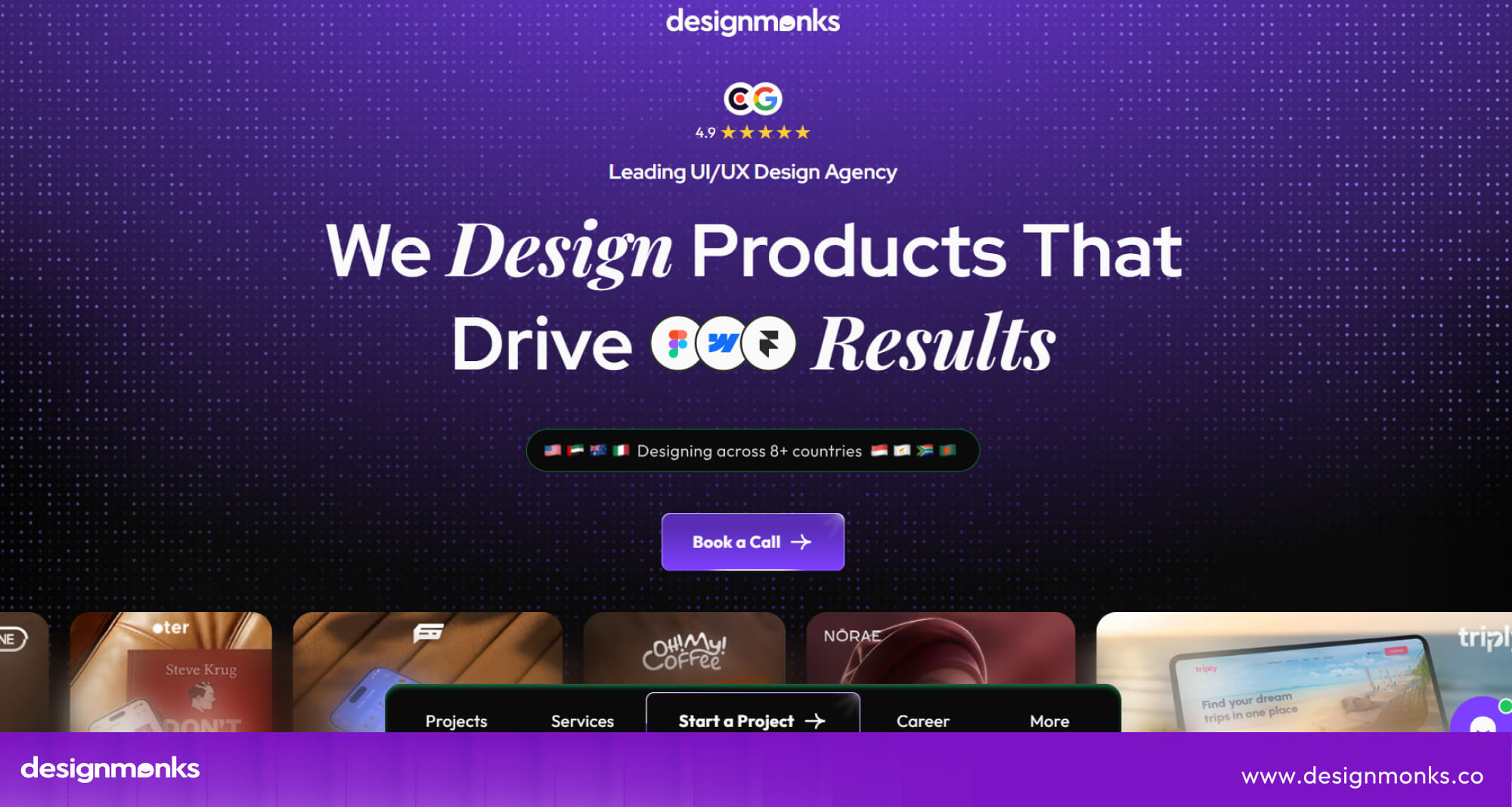
Design Monks is a UI/UX design agency that brings UX research, product design, UI/UX, prototyping, and design systems together under one team.
This makes it a strong option for startups and growing businesses that want to build a design system alongside their digital product rather than as a separate project.
Overview
- Services: Design Systems Service, Mobile App Design, UI/UX Design, UX Research, MVP Design, Product Design, Prototyping, Branding, UX Audits, App Redesign, Post-Launch Support
- Engagement model: Project-based or monthly retainer
- Industries: SaaS, Fintech, HealthTech, EdTech, Crypto, Real Estate, and more
- Price: Starts at $1800
- Location: Remote-first
- Best for: Startups, SaaS companies, and growing product teams looking for a flexible and scalable design systems service.
Design Monks is a strong choice for design systems service because the team builds systems around how the product actually works. Instead of creating a library of components in isolation, it connects UX patterns, UI components, design tokens, and reusable guidelines to the product's real screens and user flows.
This gives teams a system that is easier to maintain, scale, and use as new features are added. Its wider product design experience across SaaS, fintech, healthcare, real estate, and other industries also helps the team understand how design systems need to work in real products.
With a 50+ member remote-first team, Design Monks offers a flexible option for companies that want experienced design support without building a large in-house team.
Clay
Clay is a San Francisco-based UX and branding agency known for working with major technology brands. Its experience includes companies such as Slack and Coinbase.

The agency combines brand strategy with digital product design. It's a good choice for companies that want their product and brand to feel connected. Clay also has experience working with complex B2B software and large organizations, where design systems need to support many screens and teams.
Its senior-led approach and focus on polished digital experiences make it a good option for companies with larger budgets and more complex design needs.
Best for: Enterprise, fintech, and SaaS companies that need strong brand and product design together.
Think Company
Think Company is an experience design and development agency with strong experience in healthcare, financial services, pharmaceuticals, and other complex industries.

Its design systems work focuses on reusable components, documentation, accessibility, and long-term growth. The agency also pays close attention to governance and helping teams manage and update their systems as products change.
Its experience in regulated industries makes it especially useful for companies that need to meet strict accessibility and compliance requirements. They are a better fit for larger organizations than small startups, as their approach is more structured and detailed
Best for: Healthcare, finance, government, and other organizations with complex compliance and accessibility needs.
Ramotion
Ramotion is a San Francisco-based product and brand design agency with a strong focus on design systems, reusable components, and documentation. The agency starts by reviewing existing products and workflows before creating the structure for the new system.
Its experience in both branding and product design also makes it useful for companies that want their marketing website and digital product to feel more connected.
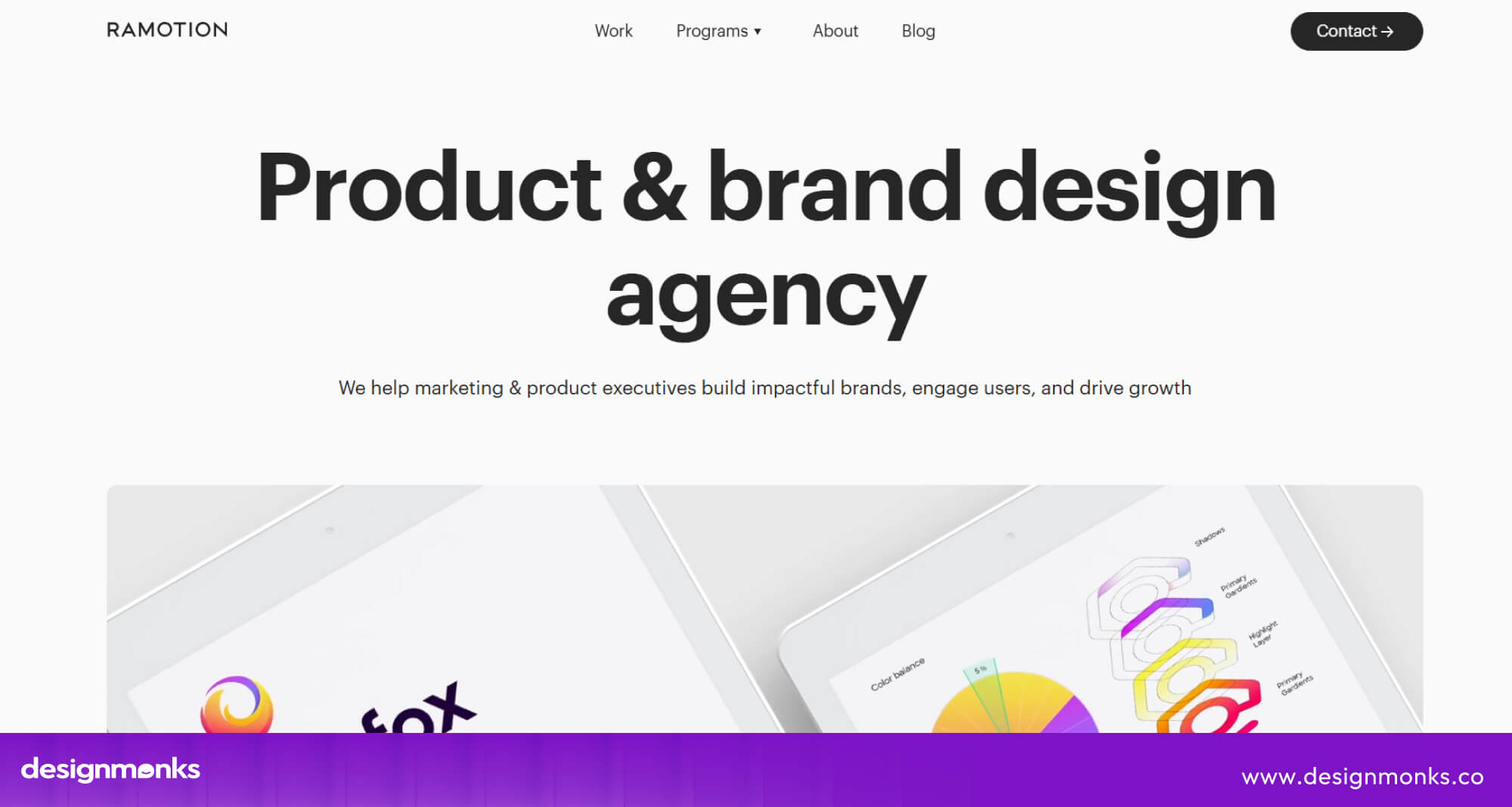
Ramotion takes a structured approach to documentation and governance and helps teams keep the system organized as they grow. This makes it a good choice for companies that want a more formal design system process.
Best for: Growing and enterprise companies that need to bring brand and product design together.
Impekable
Impekable is a product design consultancy that helps organizations create and manage reusable design systems. Its work often begins with an audit of the existing product to identify inconsistent components, outdated patterns, and areas that need improvement.
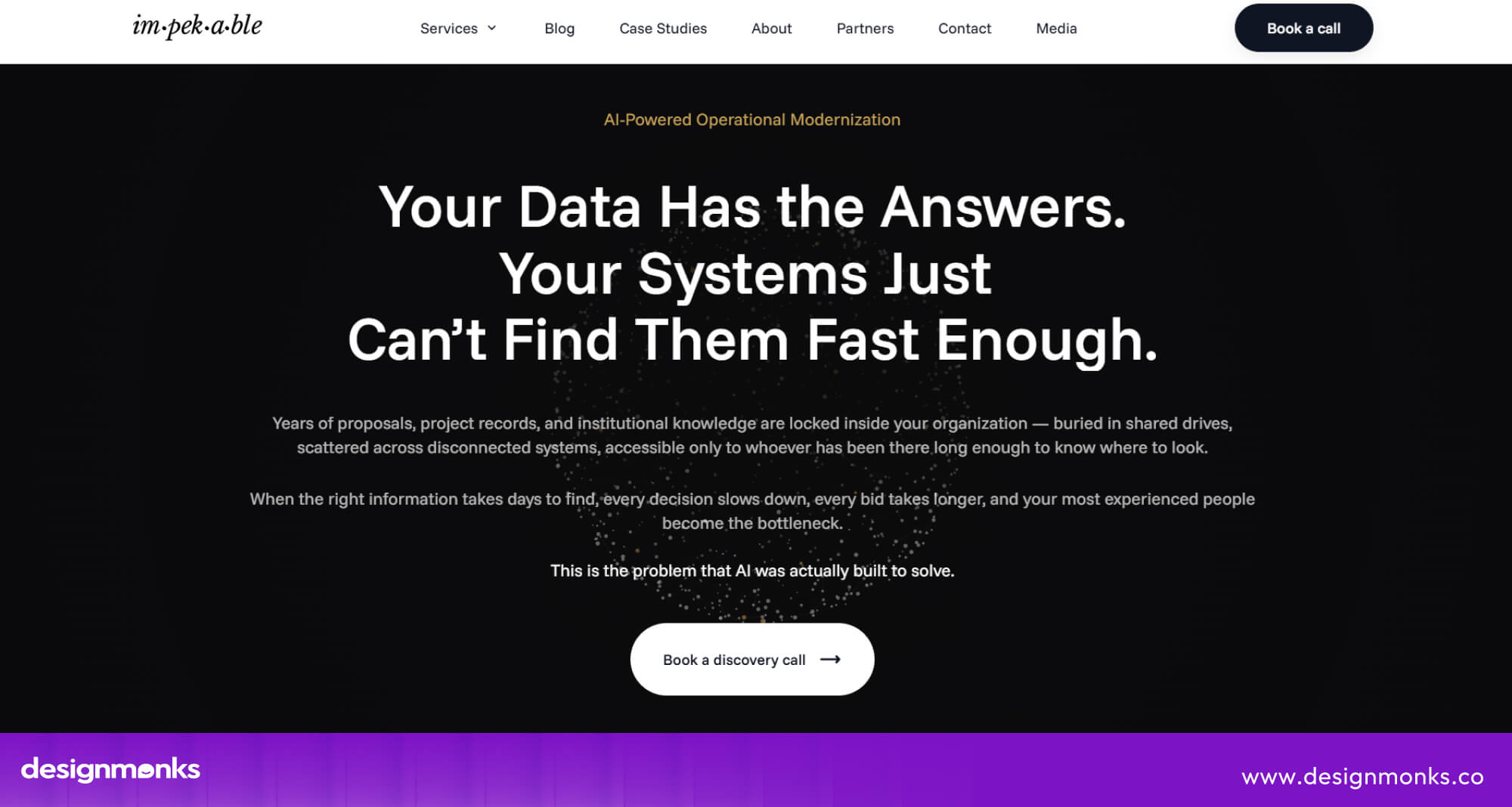
The agency also provides training and ongoing support, which can help teams maintain their design system after launch. This makes it particularly useful for companies that already have a system but find it difficult to manage or scale.
Its experience with larger and more complex products makes it a suitable choice for organizations with multiple teams and digital products.
Best for: Mid-sized and large companies that need to organize, improve, or maintain an existing design system.
Case Study: Design Systems Service Website Projects by Design Monks
A mental health app needs to feel calm, clear, and easy to use. It may include features such as mood tracking, meditation, journaling, and therapy, so keeping the design consistent across all these screens can be a challenge.
Design Monks’ mental health app UI kit shows how reusable design elements can help solve this problem. The kit includes 70+ screens, 80+ reusable components, and 300+ wellness icons and illustrations.
It also uses Figma Auto Layout, which makes the components easier to customize and reuse across different screens. The focus is not only on making the app look good. The kit uses calm visuals, simple layouts, and consistent design patterns to create a more comfortable experience for users.
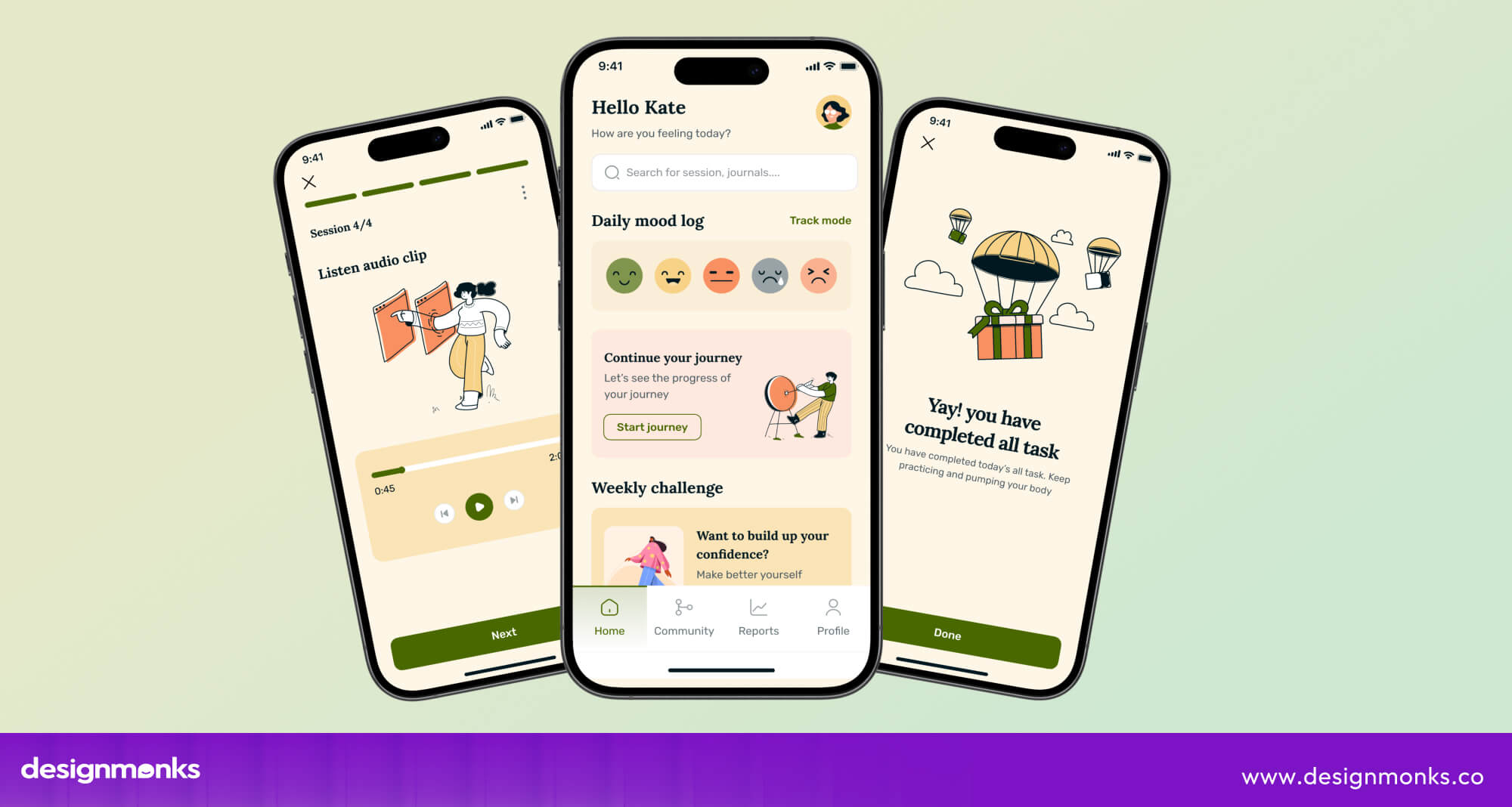
It also makes it easier for designers to build new screens without starting everything from scratch.
This project shows why reusable components are so useful in a design system. Once common elements are organized and ready to use, teams can work faster while keeping the product consistent as it grows.
Design Systems Service vs. Traditional UI/UX Design: Why Specialization Matters
A design system is closely connected to UI/UX design, but the work goes beyond creating attractive and easy-to-use screens. Traditional UI/UX projects often focus on specific features, user flows, or pages.
A design system looks at the product as a whole and creates a shared foundation that can support all of them. Instead of designing every button, form, card, or navigation element again, teams can create these elements once and reuse them across the product.
This makes it easier to keep screens consistent while also reducing repeated design and development work. There is also a bigger team involved. A traditional UI/UX project mainly focuses on the end user's experience.
A design system must also work for designers, developers, and product managers. This means it needs clear documentation, naming rules, usage guidelines, and components that are easy for everyone to understand and use.The work also requires skills that go beyond visual design. A strong design systems team needs to understand accessibility, reusable components, design tokens, documentation, and how designs connect with development.
These decisions help determine whether the system will remain useful as the product grows. That is why choosing a specialized design systems agency is important. A team may be excellent at designing individual screens but may not have the experience needed to build a system that supports a growing product.
The right partner can help you create a system that your team can use, maintain, and build on for years to come.
What Affects Design Systems Service Pricing?
There is no fixed price for a design systems service. A small startup may need a basic component library, while a large company may need a complete system for several products and teams.
As a rough guide, a small design system can cost around $ 10,000- $ 30,000, a more complete system may range from $30,000-$75,000, while large enterprise projects can reach $100,000 or more. Several factors can move the price up or down:
Number of Components
The more components your design system needs, the more time it will take to design, test, and document them. A basic system with buttons, forms, cards, and navigation will cost less than one with dashboards, charts, complex tables, and multiple states.
Design Only or Design and Code
A Figma-based design system usually costs less than one that also includes coded components. If the agency needs to build production-ready components and work with your development team, expect the project cost to increase.
Existing Product and Brand
Starting from scratch is often simpler than fixing an old product with years of inconsistent design. If the agency needs to audit your existing screens, remove duplicate components, and bring everything under one system, the extra work will affect the price.
Accessibility and Compliance
Some products need more testing than others. Healthcare, finance, and government products may require detailed accessibility checks, documentation, and compliance work. These requirements can add to the overall cost.
Ongoing Support
A one-time design system handoff will usually cost less than ongoing support. If you want the agency to manage updates, add new components, maintain documentation, and help your team use the system, you will need to include those services in the budget.
Agency Experience
The agency you choose also affects pricing. Experienced designers and developers may charge more, but they can help avoid costly mistakes and build a system that works well as your product grows.
So, while $10,000-$30,000 can be a reasonable starting range for a smaller project, larger and more complex systems can quickly move beyond $75,000 or $100,000+. The best way to get an accurate estimate is to share your product requirements and expected scope with the agency before starting.
How to Choose an Agency for Design Systems Service?
Choosing a design systems agency is not just about finding the one with the best-looking portfolio. You also need a team that understands your product, budget, team size, and long-term goals.
Here are a few things to consider before making your choice:
Start With Your Main Problem
First, figure out what you actually need help with. If your brand and product feel disconnected, an agency with strong branding and product design experience may be a better fit.
If accessibility and compliance are your main concerns, look for an agency with experience in regulated industries. For startups that need a system quickly, a smaller and more flexible agency may make more sense.
Look Beyond the Figma File
A good-looking Figma library is not enough. Ask the agency if it can show you how its design system works in a real product. If your project includes development, find out whether the agency can create coded components or work closely with your developers.
Ask About Long-Term Support
Your design system will need updates as your product grows. Ask what happens after the project is finished.
Who will update the system? How will new components be added? Does the agency offer ongoing maintenance? A clear answer shows that the agency is thinking beyond the initial design handoff.
Check Independent Reviews
Do not rely only on testimonials shown on the agency's website. Check platforms such as Clutch and DesignRush to see what past clients say.
Pay attention to comments about communication, meeting deadlines, design quality, and support after the project.
Choose an Agency That Fits Your Team
A small startup and a large enterprise will not need the same type of agency. A startup may want a simple, fast, and affordable process, while a large company may need more detailed documentation, governance, and support across several teams.
Choose an agency that is comfortable working at your level of complexity.
Consider a Small Project First
If you are unsure about an agency, start with a smaller project. You could ask them to audit your existing UI or create a few core components. This gives you a chance to see their design quality, communication, and process before investing in a complete design system.
Taking these steps can help you find a design systems service agency that fits your needs, rather than simply choosing the agency with the most impressive portfolio.
End Note
A strong design system does more than keep screens looking consistent. It helps teams work faster, reduce repeated design work, and create products that are easier to grow and maintain.
The right design systems service can give your team the structure and support needed to build that foundation properly. Whether you are starting from scratch or fixing an existing system, choose an agency that understands your goals, team, and product.
A good investment today can make every future design decision easier.


.avif)
.avif)
.avif)
.avif)


.avif)
.avif)
.avif)
.avif)






.avif)