.svg)



Key Takeaways
- MedTech design firms build simple and safe healthcare digital products
- They help doctors and patients use systems quickly and easily
- They study real healthcare users to improve design and usability
- Good firms follow medical rules and safety requirements carefully
- The right firm should match your project needs and goals
A slow system leads to hesitation. Hesitation leads to delay. And in healthcare, even a few seconds can change outcomes. That is why MedTech creative design firms are becoming essential in building safer healthcare products.
They design clear and simple systems that work under pressure. Their goal is to help users act fast and make the right decisions without second-guessing.
Keep reading to see how these creative design firms help reduce risk and improve healthcare experiences.
What is a MedTech Creative Design Firm?
A MedTech creative design firm is a company that designs digital products for the healthcare industry. These products include medical apps, hospital systems, patient platforms, and clinical tools used by doctors and patients.
These firms work by studying how healthcare systems are used in real life. They research doctors, nurses, and patients to understand their needs. Then they create simple designs that make complex medical processes easier to use on a screen.
Medtech creative design firms follow a clear process:
- First, they research healthcare users and workflows
- Next, they design user interfaces for apps and systems
- Then, they test the design with real users, like doctors and patients
- Finally, they improve the design based on feedback
Medical products are complex and high-risk. They require clear design, fast access to information, and accurate data handling. General design teams often lack healthcare knowledge, so specialized expertise like medtech creative design firms is required.
How MedTech Design Differs from Generic Product Design
MedTech design is different from normal product design because it is built for healthcare use. It deals with medical data, patient care, and clinical decisions, while generic product design is usually for everyday apps like shopping, social media, or entertainment.
The biggest difference is regulation. MedTech products must follow strict healthcare rules such as data privacy and medical safety standards. These rules ensure patient information is protected and the system works safely in real medical environments. Normal apps do not have to follow such strict rules.
Another key difference is patient safety. In MedTech design, even small mistakes can create serious problems. That is why every screen, button, and message must be carefully designed to avoid confusion and reduce errors.
Usability testing is also much more important in MedTech. Designers test products with real doctors, nurses, and patients. This helps ensure the system works well in real hospital conditions, not just in theory.
Finally, compliance plays a major role. MedTech products must meet healthcare standards before they can be used. Designers must work closely with medical experts and follow strict approval processes.
Because of all these factors, MedTech design requires more precision, more testing, and more responsibility compared to generic product design.
Key Services Offered by Top MedTech Creative Design Firms
MedTech creative design firms provide different types of services that help healthcare companies build simple, safe, and easy-to-use digital products. These services are focused on improving how doctors, patients, and medical staff interact with healthcare apps and systems in real situations:
Healthcare UX Research
Healthcare UX research is the process of understanding how people actually use medical systems in real life. Instead of guessing what users need, designers study real behavior.
They talk to doctors, nurses, and patients to learn about their daily challenges. They also observe how hospital systems are used during real work.
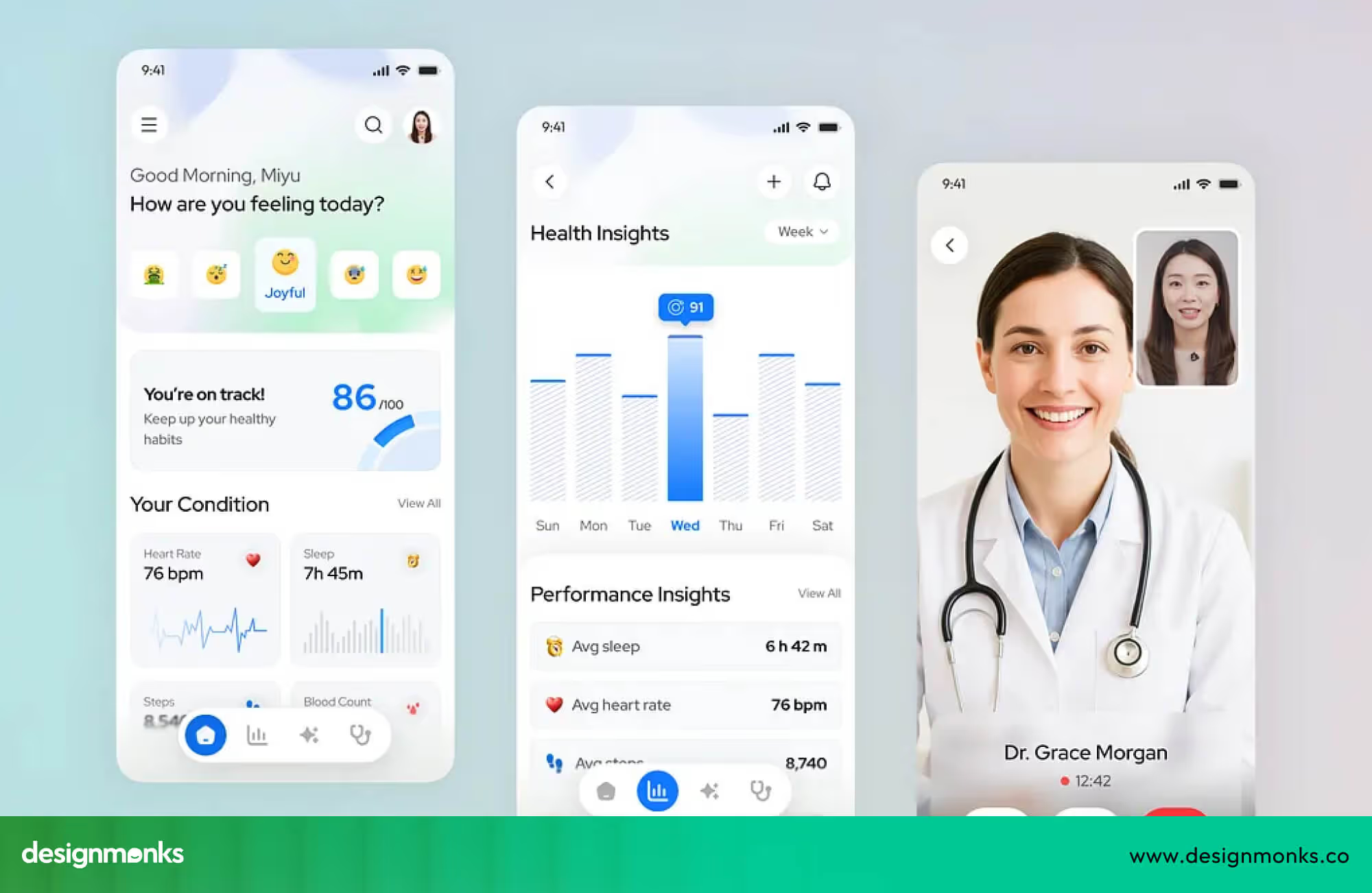
This research helps identify problems like slow workflows, confusing screens, or missing information. Based on these findings, designers create better solutions that fit real healthcare environments.
The main goal is to make sure the product is useful, practical, and easy to understand for all types of users.
Medical Product UI Design
Medical product UI design focuses on how a healthcare app or system looks and works on the screen. UI means user interface, which includes buttons, menus, layouts, and visual elements that users interact with.
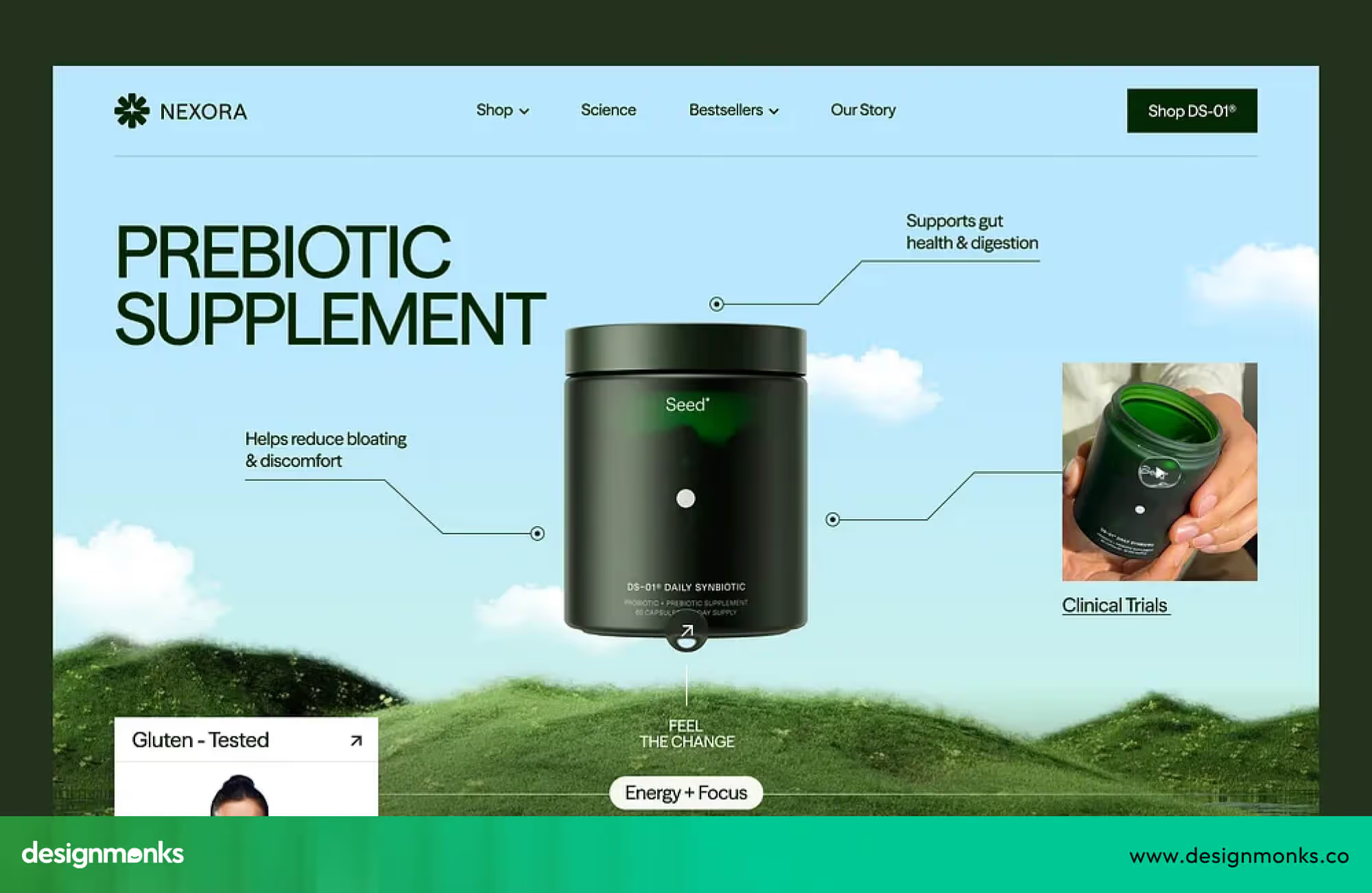
In MedTech, UI design is used for products like diagnostic tools, hospital software, and telemedicine platforms. Designers make sure the interface is clean, simple, and easy to navigate.
The goal is to reduce confusion so users can find important information quickly without making mistakes, even in complicated or stressful situations.
Branding for MedTech Startups
Branding for MedTech startups means creating the overall identity of a healthcare company. This includes the logo, colors, fonts, and visual style that represent the brand.
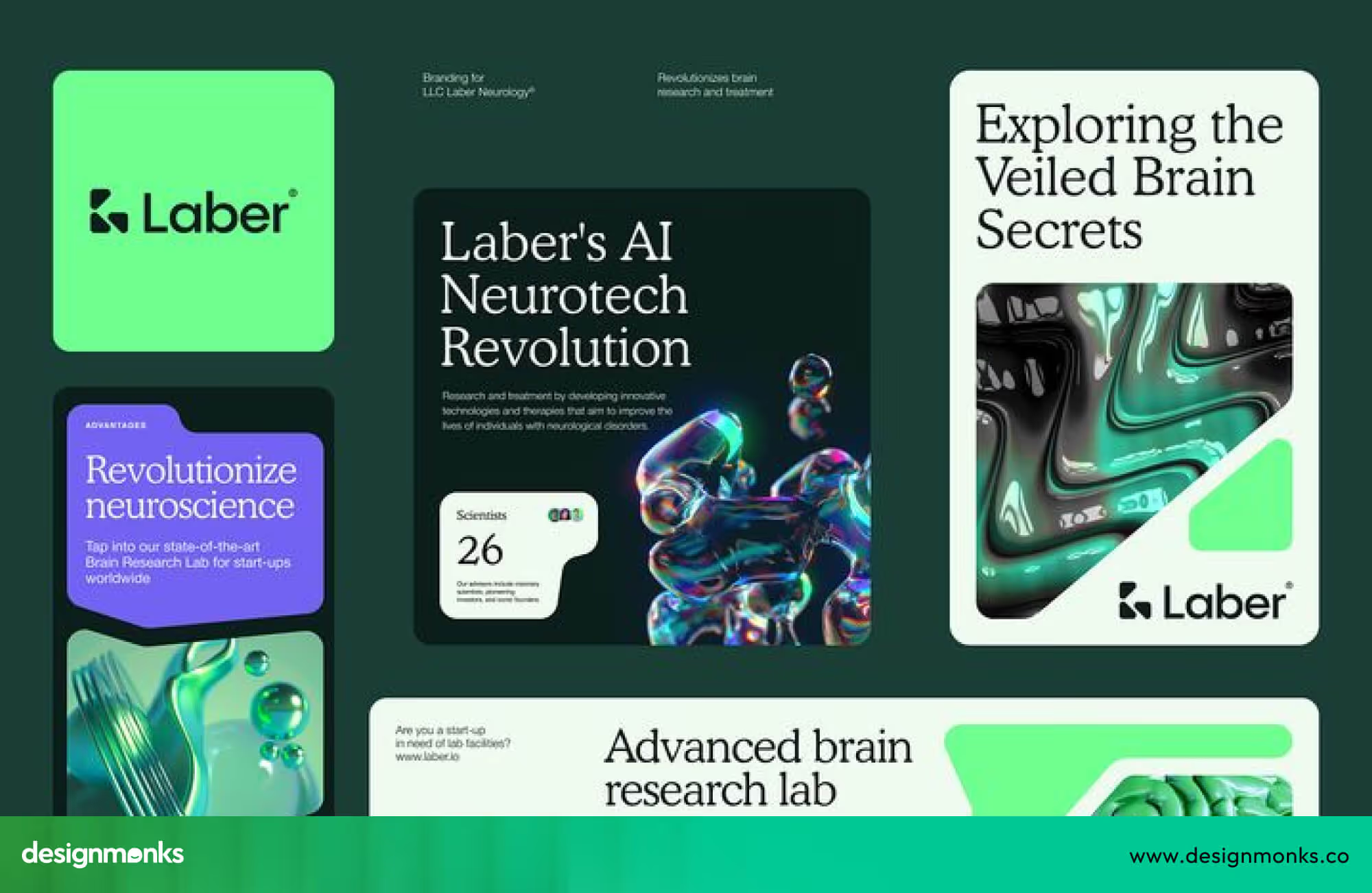
In healthcare, branding is very important because trust plays a big role. Patients and doctors need to feel confident that the product is reliable and professional.
A strong and clear brand helps build that trust. It also helps the company stand out in a competitive healthcare market.
Healthcare Dashboard Design
Healthcare dashboard design focuses on creating screens that show important medical data in one place. These dashboards are used by doctors, nurses, and hospital staff to monitor patient health and track important information.

Dashboards may display things like patient records, test results, or real-time health updates. Good dashboard design makes this information easy to read and understand at a glance.
It helps medical staff make faster and more accurate decisions without getting overwhelmed by too much data.
Top 5 MedTech Creative Design Firms in the Industry
Choosing the right MedTech Creative Design Firm becomes easier when you know who the top players are. These agencies are known for their work in healthcare design, strong portfolios, and a deep understanding of medical products.
Let’s look at five well-known firms and what makes each one stand out:
Design Monks
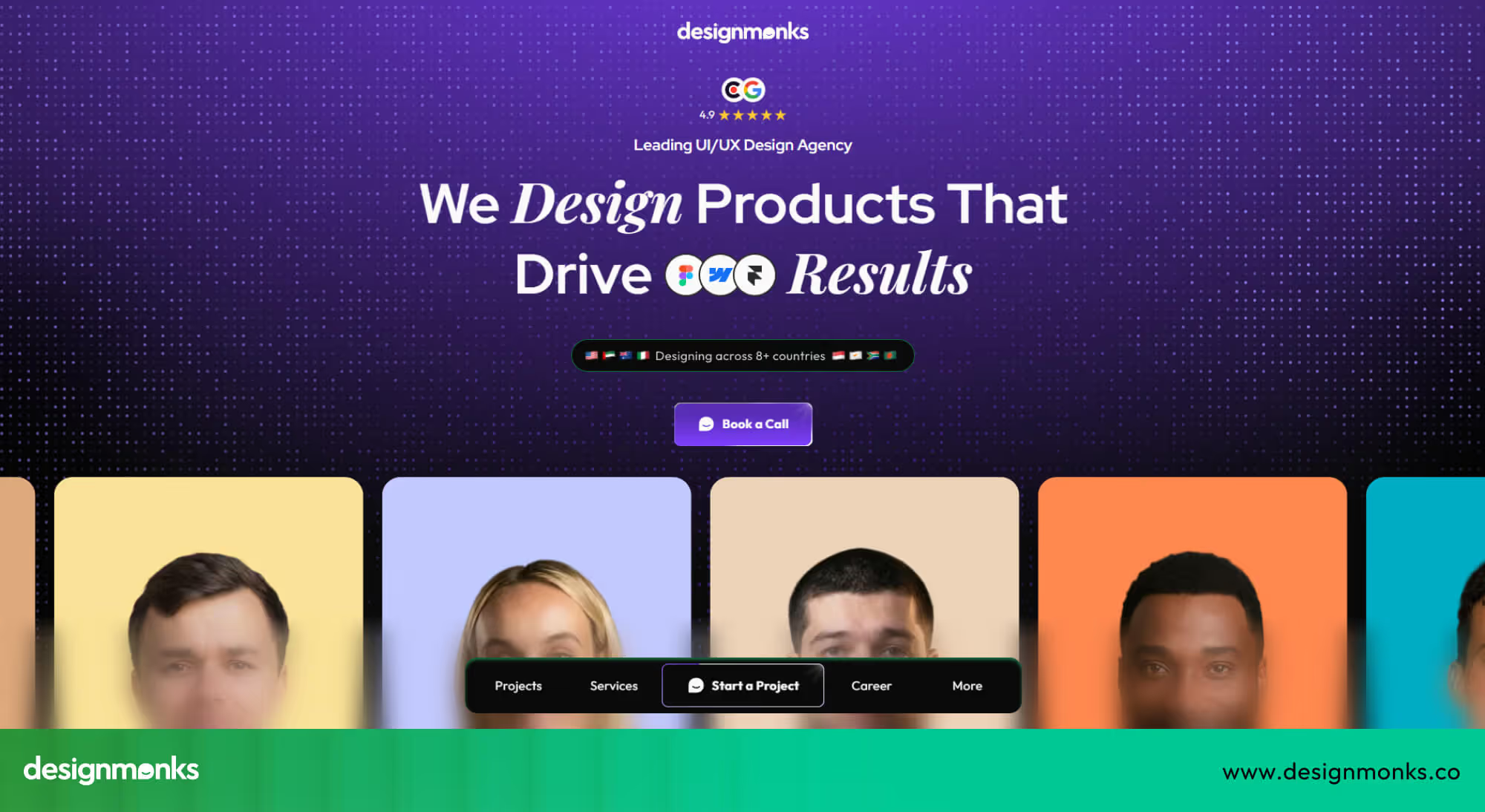
Design Monks is a design agency that provides MedTech creative design services for healthcare and digital health companies. They help startups and growing health-tech teams design apps, dashboards, and healthcare platforms that are simple and easy to use in real clinical situations.
Overview:
- Website: Design Monks
- Location: Global (Remote-first team)
- Pricing: Mid to premium range
- Clients: Medease, Crantech, Telenor, Affine, and many more
Over time, they have built a reputation for turning complex healthcare systems into simple and usable digital products. Their work usually starts with understanding the problem through UX research.
After that, they move into planning user flows, creating wireframes, and designing clean interfaces. They also focus heavily on building scalable design systems, which helps healthcare products grow without losing consistency.
Design Monks balance simplicity with strong product thinking. Their strength is in making complex healthcare systems feel easy from the first interaction. They also focus on scalability, which is important for healthcare startups that plan to grow fast.
This makes them one of the strongest choices for companies that want both speed and quality in UI/UX design. For startups and digital health products that need fast, high-quality design, Design Monks is the best choice.
Atomic Dust
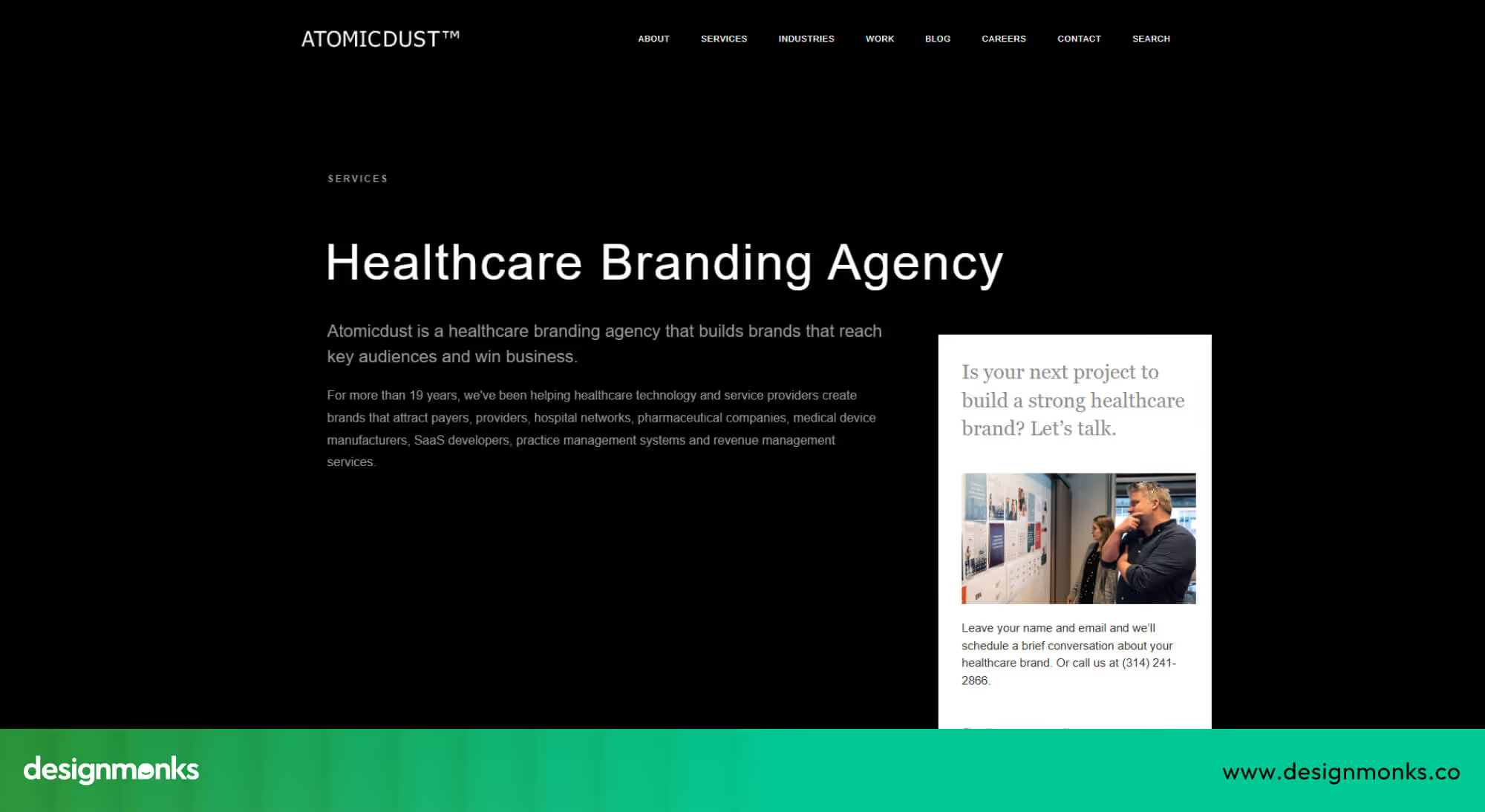
Atomic Dust offers MedTech creative design services focused on healthcare branding and digital experiences. They help medical companies build strong visual identity systems along with user-friendly digital products.
Overview:
- Website: Atomic Dust
- Location: St. Louis, USA
- Price: Mid to high range (custom pricing based on project)
- Clients: Intellivo, Trillent Health, Biofourmis, Zelis, and more
Atomic Dust’s work includes branding, UX/UI design, and website development for healthcare organizations. Their process begins with research into the healthcare brand, followed by strategy building, design direction, and final execution.
They combine MedTech design with strong branding and storytelling. Their focus is on making healthcare products look trustworthy and easy to understand, which is important for patient confidence and brand credibility.
GIG Health
GIG Health offers MedTech creative design services with a stronger focus on communication, content, and healthcare messaging rather than just interface design.
Overview:
- Website: GIG Health
- Location: USA
- Price: Mid-range (varies based on services)
- Clients: Leo Cancer Care, Bee-Lieve Foundation, Astellas Pharma, UK and more
GIG Health works with healthcare organizations that need to explain complex medical information in a simple and structured way for patients and professionals.
Their work usually includes UX/UI design, content planning, and digital campaign support. Instead of starting only from visuals, they first study how information is understood by different users. Based on that, they shape the content structure and then design the interface around it.
GIG Health is often chosen when the main challenge is not just building an app, but improving how healthcare information is communicated. They are a better fit for projects where clarity of message is just as important as design quality.
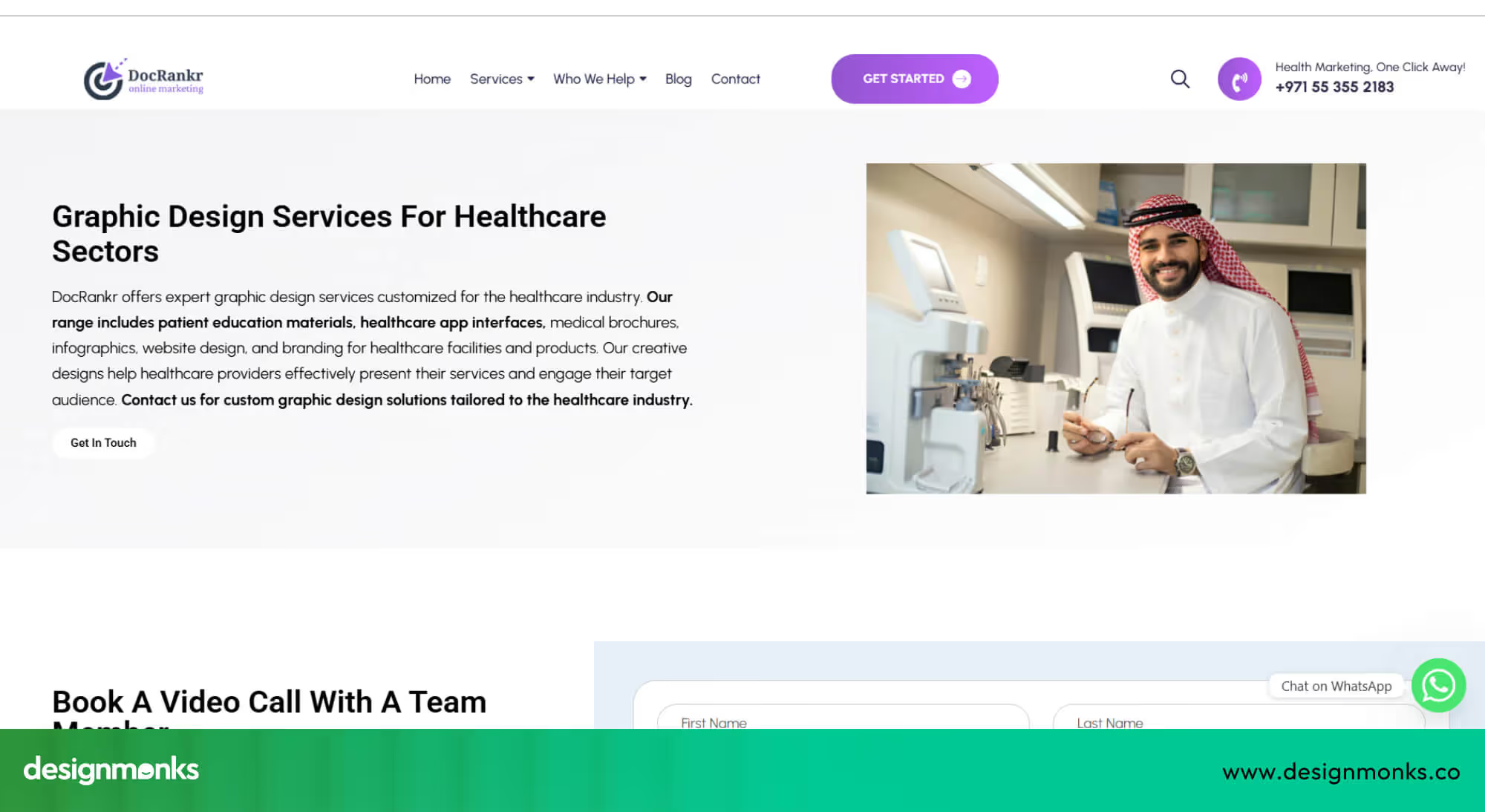
DocRankr
DocRankr provides MedTech creative design services focused more on usability and patient access rather than complex system building.
Overview:
- Website: DocRankr
- Location: USA/Global Services
- Price: Affordable to mid-range
- Clients: Thumbay Labs, Healio, Estemedical group, and more
They mainly work with clinics and individual healthcare providers who want to improve their digital presence and make it easier for patients to use their services online.
Their services include website design, UX improvements, and patient-focused digital setup. Their process is simple and practical, they first identify where users struggle, especially patients trying to find information or book services, and then redesign those journeys to be clearer and faster.
DocRankr is more suitable for smaller healthcare setups where the goal is to improve accessibility and reduce friction in basic digital interactions. They are less focused on large product systems and more on real-world usability improvements.
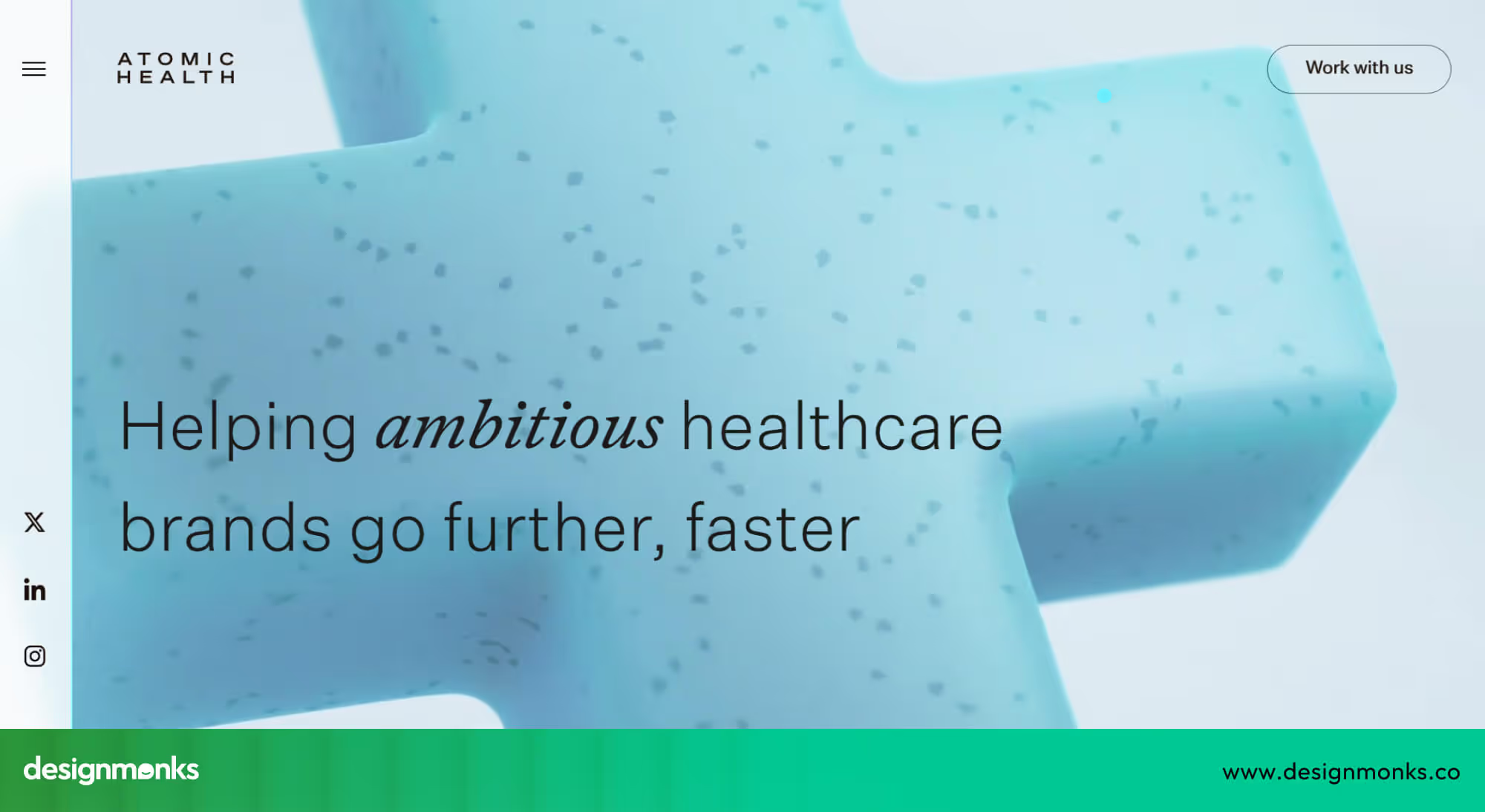
Atomic Health
Atomic Health works on MedTech creative design services that focus on building structured healthcare systems and improving internal workflows.
Overview:
- Website: Atomic Health
- Location: USA
- Pricing: Premium
- Clients: Iodine Software, Medbridge, H1, DNAnexus, Linus Health, and more
Their work is more system-oriented, meaning they design platforms that support both operational and clinical use inside healthcare environments.
They typically handle product design, healthcare platform development, and workflow optimization. Their process starts with studying how healthcare teams actually work day to day. After understanding these workflows, they design systems that reduce manual effort and improve efficiency in data handling and patient management.
Atomic Health is usually a better fit for companies dealing with complex healthcare operations, where the challenge is not just UI design but organizing large systems in a usable way for both staff and patients.
How to Choose the Right MedTech Creative Design Firm?
Choosing the right MedTech Creative Design Firm is an important step for any healthcare company. The right team can help you build a product that is simple, safe, and easy to use in real situations.
When evaluating different firms, it is important to focus on their experience, knowledge, and past work. This helps you choose a partner who can handle the complexity of healthcare design and deliver reliable results:
Evaluate Healthcare Industry Experience
The first thing to check is whether the design firm has experience in the healthcare industry. MedTech products are very different from regular apps, so past experience matters a lot. Look for work related to:
- Healthcare apps
- Hospital systems
- Medical devices or platforms
A firm that has already worked with doctors, patients, or healthcare systems will better understand real-world challenges. This makes it easier for them to design solutions that actually work in practice.
Check Regulatory Knowledge
Another important factor is regulatory knowledge. Healthcare products must follow strict rules related to data privacy and safety. A good MedTech design firm should understand standards like HIPAA and other healthcare guidelines.
This ensures that the product is not only easy to use but also safe and legally compliant. Without this knowledge, there is a higher risk of delays and issues during product launch.
Review Portfolio and Case Studies
Before choosing a firm, always review its portfolio and case studies. This shows the kind of work they have done and how they solve problems. Look for examples such as:
- Telemedicine apps
- Patient portals
- Diagnostic platforms
Pay attention to how simple and clear their designs are. Good case studies will also explain the problem, the solution, and the results. This helps you understand if the firm can handle your project needs.
Design Trends in MedTech Products
As MedTech design continues to evolve with more advanced digital health tools, the focus is shifting beyond just appearance. It now centers on speed, clarity of data, and how easily users can take action.
These changes are shaping how healthcare products are built and used every day. Let’s take a closer look at the key design trends driving this shift:
AI-Powered Medical Interfaces
One of the biggest trends is the use of artificial intelligence in healthcare design. AI-powered interfaces help doctors understand complex data in a simple way. For example, AI can highlight important patterns in reports or suggest possible diagnoses based on patient data.
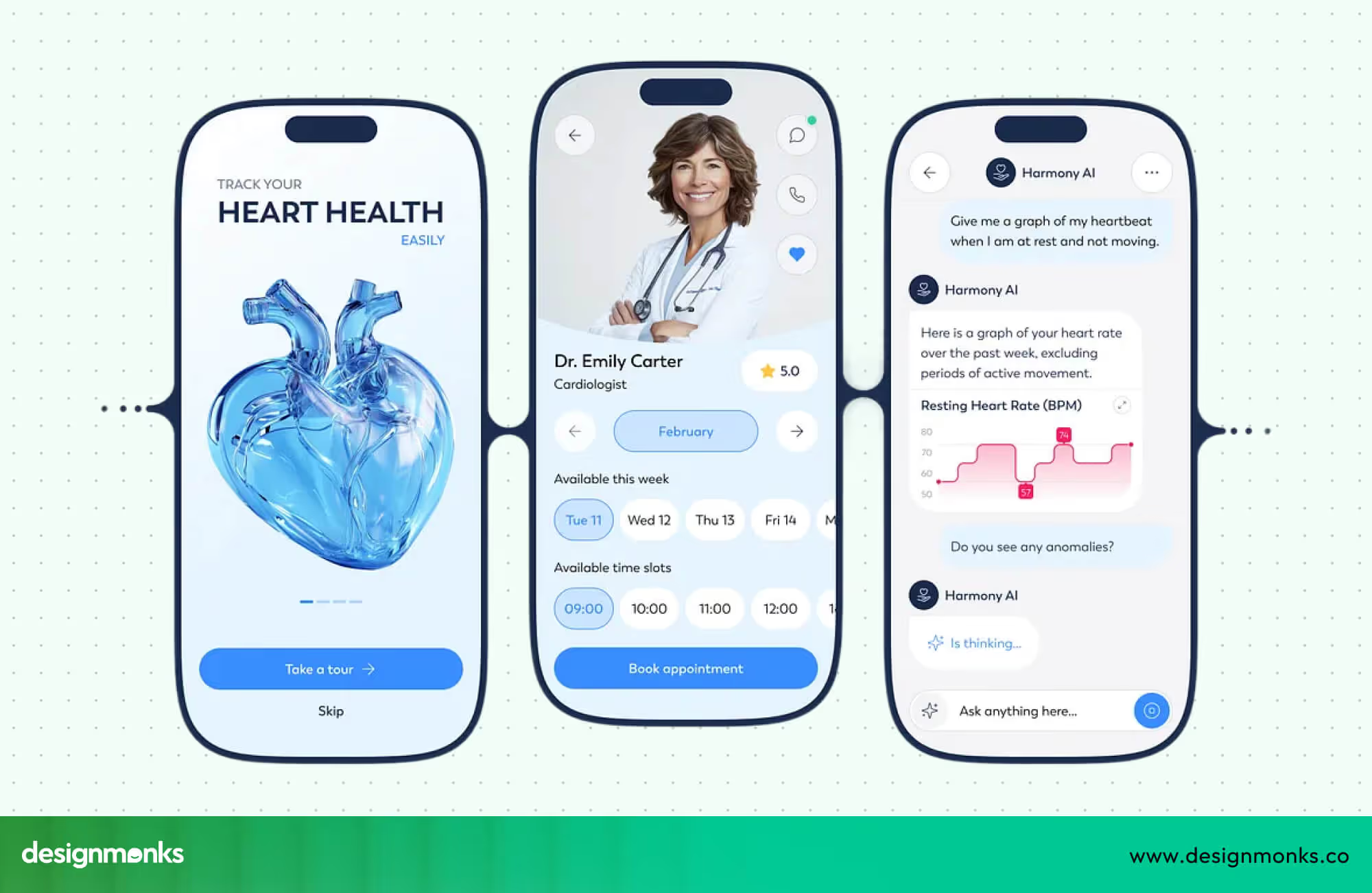
In design, this means showing only the most useful information at the right time. Instead of overwhelming users with too much data, the interface guides them step by step. This improves speed and reduces confusion, especially in high-pressure situations.
Remote Patient Monitoring Dashboards
Remote patient monitoring is becoming more common with wearable devices and smart health tools. These devices collect data like heart rate, blood pressure, and activity levels.
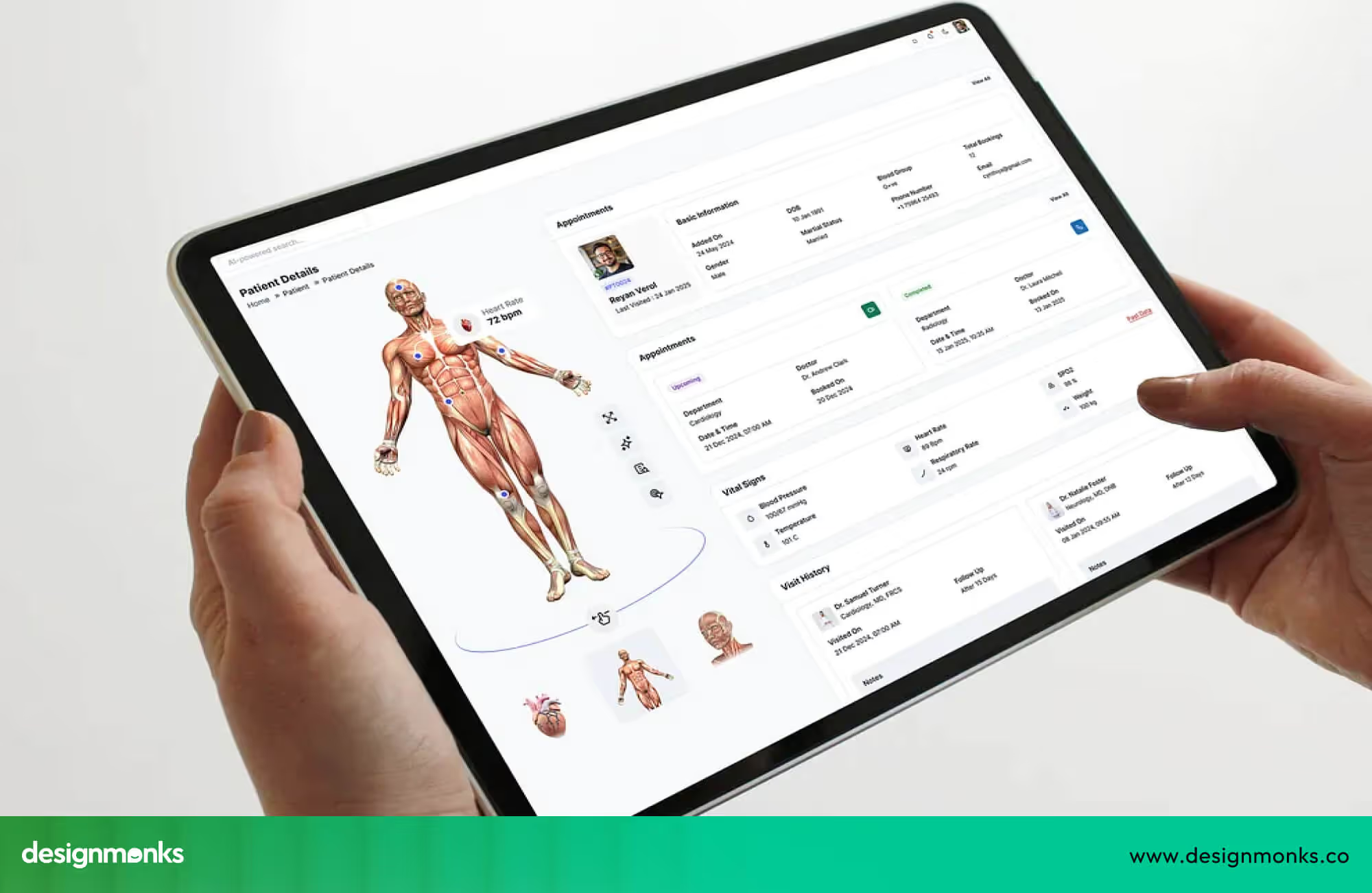
Designers create dashboards that show this data in a clear and simple format. Doctors can quickly check a patient’s condition without going through complex reports. At the same time, patients can also understand their own health better. Good dashboard design focuses on clarity, real-time updates, and easy navigation.
Telemedicine UX Optimization
Telemedicine has changed how patients and doctors connect. Because of this, telemedicine user experience design plays a big role in making virtual consultations smooth and reliable.
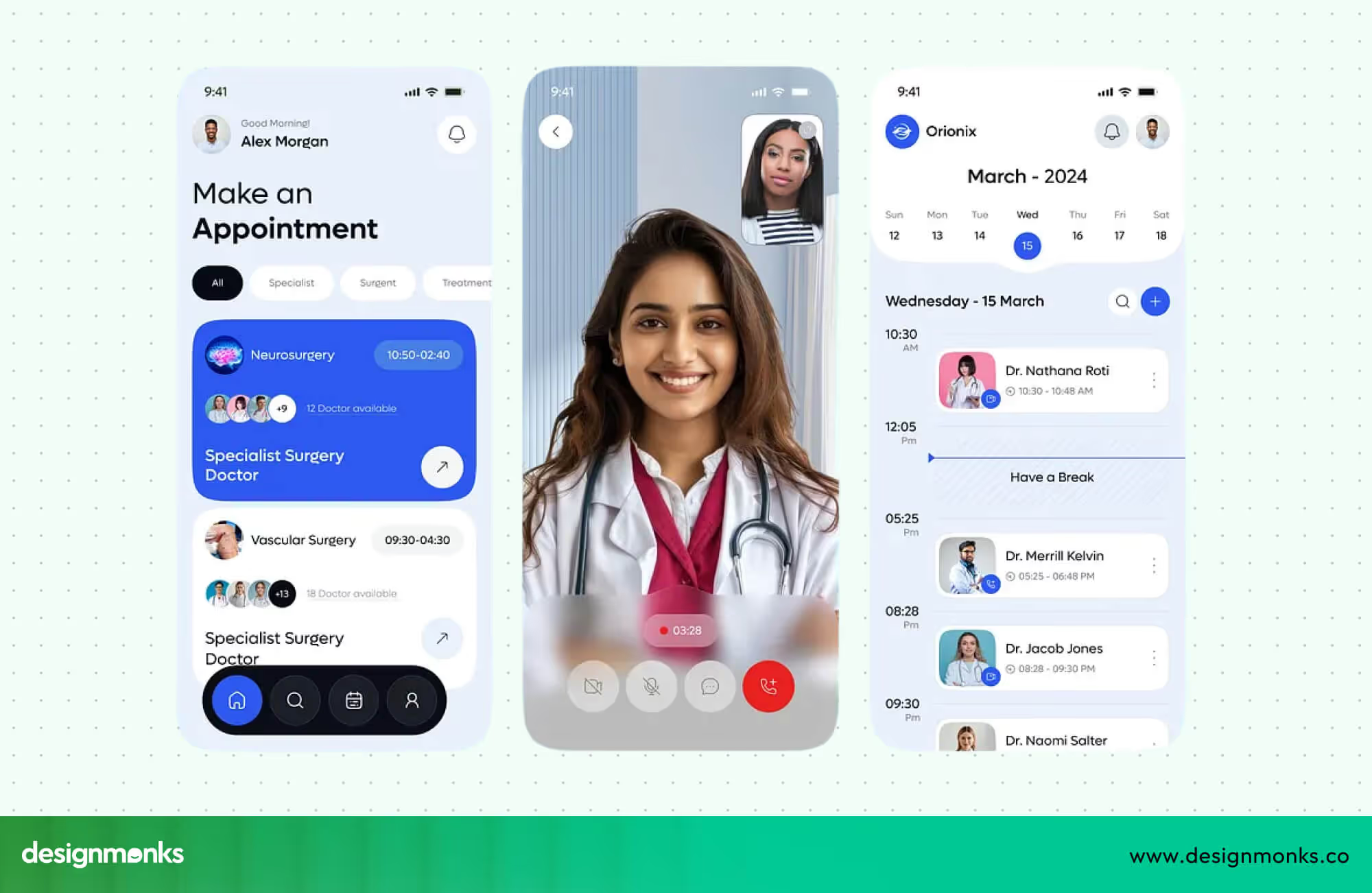
A well-designed telemedicine platform makes it easy to book appointments, join video calls, share reports, and communicate clearly.
It reduces technical issues and helps both doctors and patients focus on the conversation. Simple layouts, clear buttons, and stable interfaces are key parts of good telemedicine design.
Case Study Examples of Great MedTech Design
Looking at real-world examples helps us understand how good design works in healthcare. Many successful digital health products focus on simplicity, clarity, and ease of use.
A good example is Apple Health. It collects health data from different sources and shows it in a clean and simple way. Users can easily track their steps, sleep, heart rate, and more without confusion. The design focuses on clear visuals and easy navigation, which makes it useful for everyday users.
Another strong example is Epic Systems. It provides software used by hospitals to manage patient records and workflows. The system handles a large amount of data, but its design keeps things structured and organized. This improves speed and reduces errors during daily tasks.
Another strong modern example is Design Monks and their mental health app UI kits. These ready-made screens and components help teams build apps faster with a consistent design.

Their focus is on calm, simple, and supportive user experiences. With features like journaling and tracking, plus easy customization, these kits help create clear and user-friendly healthcare apps.
How Creative Design Impacts MedTech Product Success
Creative design plays a major role in how successful a MedTech product becomes. It directly affects how people use the product and how much they trust it.
For doctors, a well-designed system makes daily tasks faster and easier. This increases adoption because medical professionals prefer tools that save time and reduce effort. For patients, a simple and clear design builds trust. When users understand what they see, they feel more confident using the product.
Design also improves how data is presented. Clear layouts and visual structure help users understand complex medical information without confusion. This is especially important in healthcare, where every detail matters.
Finally, good design can even influence investors. A product that looks polished, easy to use, and well thought out creates a strong first impression. It shows that the company understands both technology and user needs, which increases confidence in the product’s success.
FAQs
What is the difference between MedTech and HealthTech design?
MedTech design focuses on clinical tools, hospital systems, and products used by doctors. HealthTech design covers broader solutions like fitness apps, wellness platforms, and lifestyle tools. In short, MedTech is for medical use, while HealthTech is for everyday health and well-being.
How much does MedTech product design cost?
MedTech product design usually costs between $10,000 to $150,000+, depending on complexity. Simple apps cost around $10K–$25K, while mid-level platforms range from $25K to $70K. Advanced systems with AI, research, and compliance can go $70K–$150K+.
What design tools are used for healthcare products?
Common tools such as Figma, Adobe XD, and Sketch are used for healthcare UI design. Teams also use research tools, prototyping software, and testing platforms to improve usability and performance.


.avif)
.avif)
.avif)
.avif)


.avif)
.avif)
.avif)
.avif)






.avif)