.svg)



Key Takeaways
- Strong architecture website design builds trust and attracts serious project inquiries.
- Clear portfolio galleries help visitors understand architectural style and project quality.
- UX design improves navigation, project exploration, and overall user experience
- Mobile responsive design ensures that architecture websites work smoothly across all devices.
- Professional architecture website agencies create custom portfolios that reflect the firm's identity.
A visitor forms an opinion about an architecture firm within seconds after the website opens. A clean layout, clear project images, and simple navigation help visitors trust the firm quickly. In contrast, a poorly designed website can create doubt, even when the firm produces excellent architectural work.
Many architecture firms still use outdated websites that hide their best projects and services. Clients want quick access to portfolios, contact details, and project information. A well-planned website shows the firm’s skills and builds strong first impressions.
Well, if you’re planning to have a new architecture website or already have an outdated one, you should have a clear idea about architecture firm website design. So today, let’s learn how an architecture firm's website design can attract clients and present projects clearly.
What Is an Architecture Firm Website Design?
Architecture firm website design refers to the visual and structural planning of a website that presents architectural projects clearly. The design focuses on strong visuals, simple layouts, and clear navigation so visitors can review projects, trust the firm, and request consultations.
A normal business website mainly talks about products, prices, and service details. Architecture firm websites work differently because clients expect to see real design work first. Large images and detailed project pages help visitors judge quality.
An architectural portfolio website also needs strong UX design, which means user experience design. UX design explains how easy a website feels during use. Clear menus, simple page structure, and quick loading help visitors explore projects easily.
A good architecture website design also builds trust for architecture firm websites. Many clients review several architect web design examples before contacting. A clear website structure helps visitors understand services, project scale, and design expertise without confusion.
Essential Features of a High-Performing Architecture Website
A strong architecture website helps visitors explore projects, trust the firm, and request consultation easily. Good structure, clear visuals, and simple navigation improve user experience. These features guide visitors through projects and help architecture firms gain serious client inquiries.
Visual Portfolio & Project Galleries
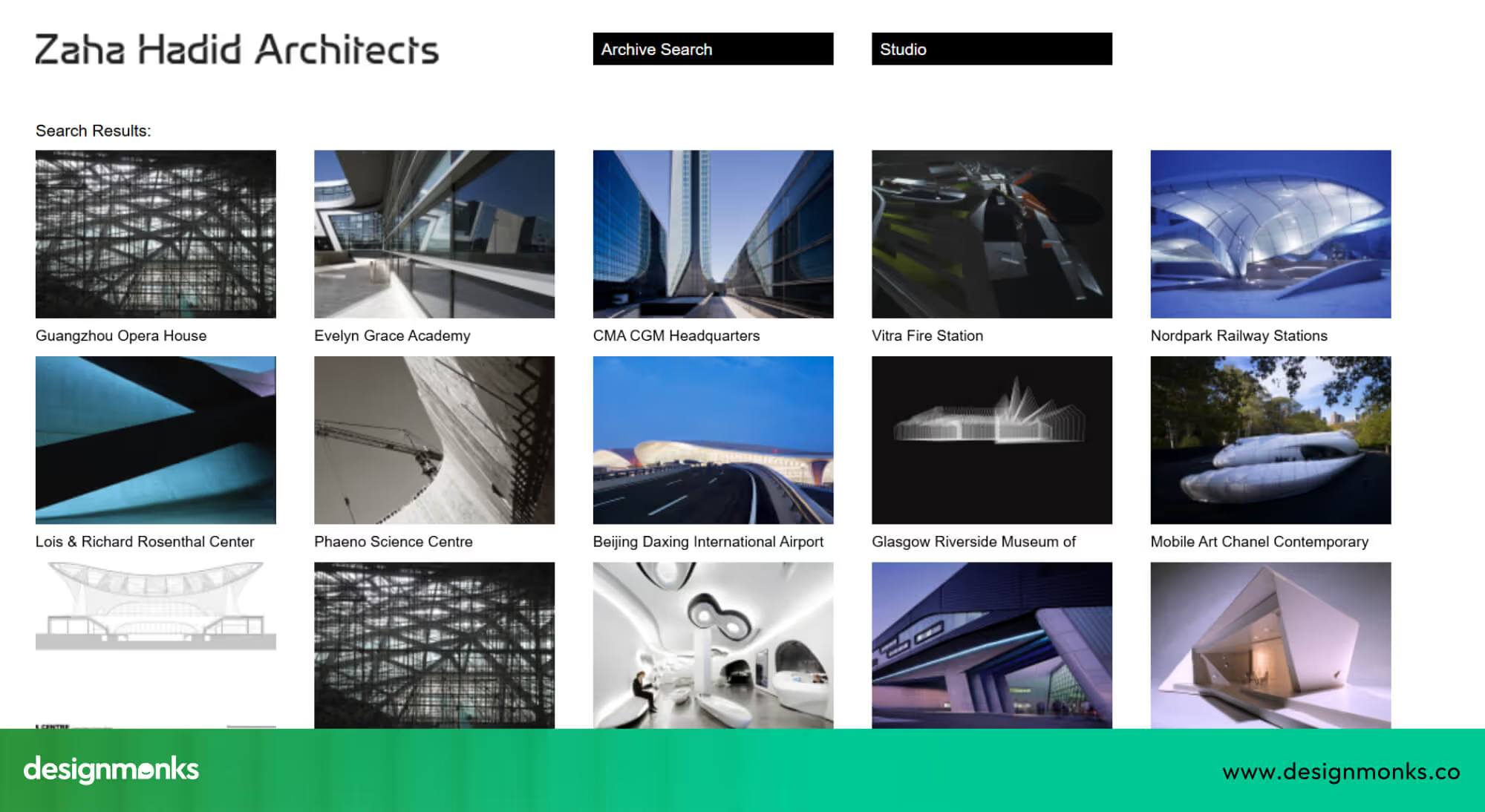
A strong portfolio gallery stands at the center of an architecture portfolio website. Visitors want to see real buildings, layouts, and interior spaces before they contact the firm. Clear images allow clients to judge design quality with confidence.
Each project page should act like a short case study that explains the idea behind the work. This type of architecture project showcase gives context to images. Visitors then understand project goals, design solutions, and final results.
Project Case Studies & Design Process Pages
Detailed case study pages help visitors understand how an architecture firm solves design problems. These pages present project goals, challenges, and final results in a simple story format that feels clear and professional.
A clear design process page also builds trust with potential clients. Such an architecture project presentation explains the steps the firm follows during each project. As a result, clients feel more confident when they see a structured and thoughtful approach.
Mobile-Responsive & Performance-Optimized Design
Many visitors open architecture firm websites on mobile devices during travel or work hours. Responsive design allows the website layout to adjust smoothly across phones, tablets, and desktop screens without layout errors.
Fast loading speed also boosts user engagement and search ranking. Good Core Web Vitals scores help search engines evaluate performance. A responsive architecture website with mobile optimized design keeps visitors engaged longer.
Lead Generation & Contact Conversion Tools
A good website must guide visitors toward contact without confusion. Clear lead generation tools, such as inquiry forms and consultation requests, help clients reach the firm easily after they review projects.
Strong call-to-action buttons also support conversion rate optimization. A clear architecture firm contact page with direct contact options helps visitors send project details quickly, which supports a conversion-focused architecture website.
Best UX/UI Design Practices for Architecture Firm Websites
Architecture websites must feel clean, clear, and easy for visitors during every page visit. Strong UI and UX design help people explore projects, understand services, and contact the firm without confusion.
Clear Grid-Based Layout
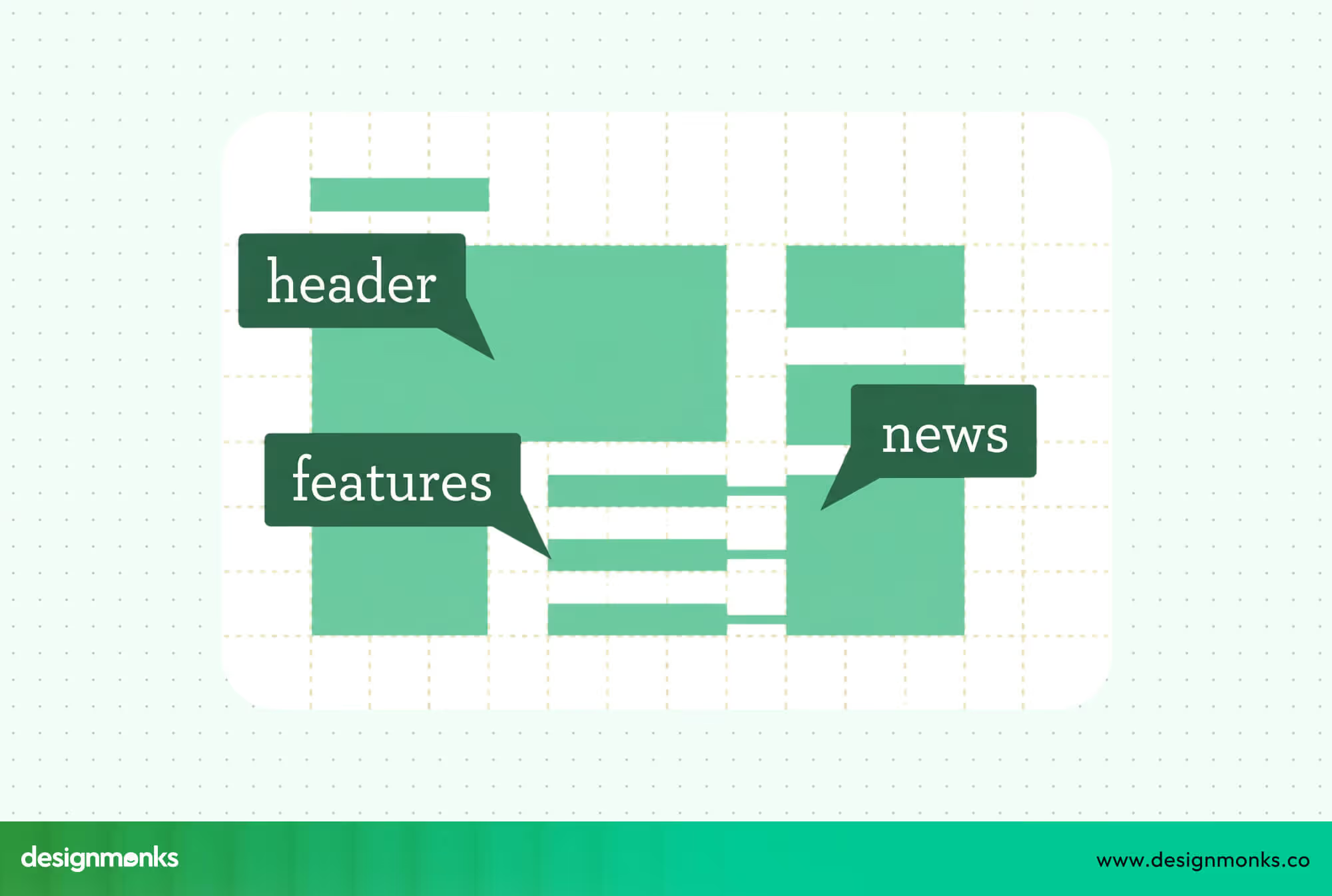
A structured grid layout keeps page elements aligned and balanced across the website. Architecture projects contain many images and details, so organized spacing helps visitors focus on important visuals and read project information without distraction.
Minimal Visual Style
A minimal design website suits architecture firms because the projects deserve full attention. Clean space, simple colors, and calm typography support an elegant architectural aesthetic web design that reflects the firm’s design philosophy.
To keep the design perfectly minimal, try:
- Use neutral color palettes.
- Keep typography simple and readable.
- Maintain generous white space.
- Limit decorative graphic elements.
Large Project Images
Architectural work depends heavily on visual presentation. High-resolution images around 1600 to 2400 pixels wide help visitors examine details such as structure, materials, and spatial form clearly. This visual clarity improves the architecture website UX and helps visitors understand the project scale.
Simple Navigation Structure
Visitors should reach important pages without confusion or unnecessary steps. Clear navigation menus help people locate portfolio pages, services, and contact details quickly. To ensure a perfect navigation, you can follow these tips:
- Keep menu items short and clear
- Place portfolio link in main navigation
- Add a visible contact button
- Maintain a consistent menu structure
Consistent Typography and Colors
Consistent visual elements support strong UI design across the entire website. When fonts, colors, and spacing stay consistent, visitors move across pages smoothly and feel a stronger sense of professionalism from the architecture firm.
Clear Project Categories
Architecture firms often complete many project types, such as residential, commercial, and public spaces. Clear project categories help visitors locate relevant work quickly and understand the firm’s experience in different architectural sectors.
A clear project category can include:
- Residential architecture projects
- Commercial building projects
- Interior architecture projects
- Urban or public design work
Strong Call-to-Action Placement
Visitors often decide to contact the firm after they review portfolio projects. Clear call-to-action buttons guide them toward consultation requests or contact pages. Strategic placement improves the architecture website UX and increases client inquiries.
Architecture Website Design Process (Step-by-Step)
A clear website design process helps architecture firms build professional websites with a strong structure and smooth user experience. Each stage focuses on planning, visual clarity, and technical quality so the final website supports client trust and business growth.
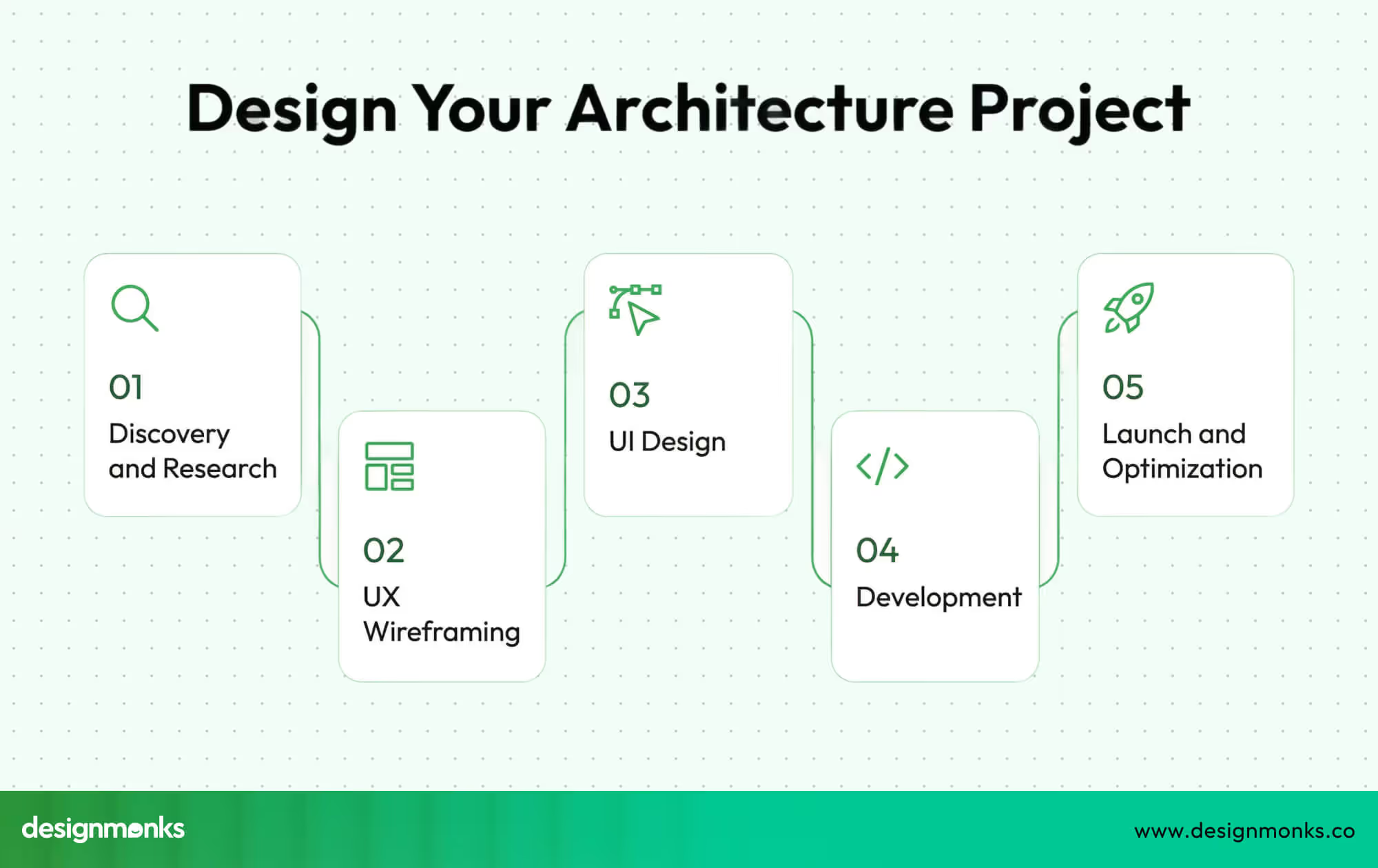
Step 1: Discovery and research
This first stage helps the team understand the architecture firm, its services, and project style. Designers review competitor architecture firm websites, target audience needs, and portfolio structure using a proper user-centered research method before the website plan takes shape.
Step 2: UX wireframing
UX wireframes create the basic page structure without colors or visual decoration. This stage focuses on UX design, which defines page layout, navigation flow, and project presentation before detailed visual design begins.
Step 3: UI design
During the UI design stage, designers add visual elements such as typography, color palettes, spacing, and image layout. The goal is a clean architectural aesthetic that highlights projects and supports a clear portfolio presentation.
Step 4: Development
Developers then convert the design into a working website using platforms such as Webflow, WordPress, or another CMS. This stage ensures responsive layout, smooth performance, and stable page structure across devices.
Step 5: Launch and optimization
After final checks, the website goes live and becomes accessible to visitors. Ongoing optimization improves speed, usability, and search visibility, which supports long-term performance for the architecture website.
Architecture Firm Website Design Cost Factors
The architecture website design cost depends on several practical elements, such as website size, feature requirements, and design complexity. Each architecture firm has different portfolio needs, which directly affects the final website pricing.
The platform also influences development cost. A website built with a CMS such as WordPress or Webflow requires different setup methods. In addition, reliable hosting services help maintain website speed, security, and stable performance.
Typical price ranges for architecture firm websites often vary based on project scope:
- Basic architecture portfolio website: $1,500 - $3,000
- Medium firm website with project galleries: $3,000 - $6,000
- Custom architecture website with advanced UX: $6,000 - $12,000
- Large architecture firm website with complex features: $12,000+
Several key elements influence the website design cost for architecture firms during development.
- Number of pages and portfolio projects.
- Level of custom UX design and UI design.
- CMS platform such as WordPress or Webflow.
- Performance setup and hosting quality.
- SEO preparation and launch support.
Architecture firms should review these factors before they start a new website project. A clear budget helps firms build a professional website that presents architectural work clearly and attracts serious client inquiries. Also, choosing a design agency that provides clear plans like what you see in Design Monks’s pricing plan is another important consideration.
Best Examples of Architecture Firm Website Design
Strong architecture websites present projects clearly, with visual strength and simple navigation. Many global firms use thoughtful UX design and visual storytelling. These architecture website examples offer useful inspiration for firms planning a new portfolio website.
Zaha Hadid Architects
The website of Zaha Hadid Architects presents bold architecture through powerful visuals and structured project pages. Visitors quickly see the studio’s design philosophy, global projects, and architectural scale through a clean and confident layout.
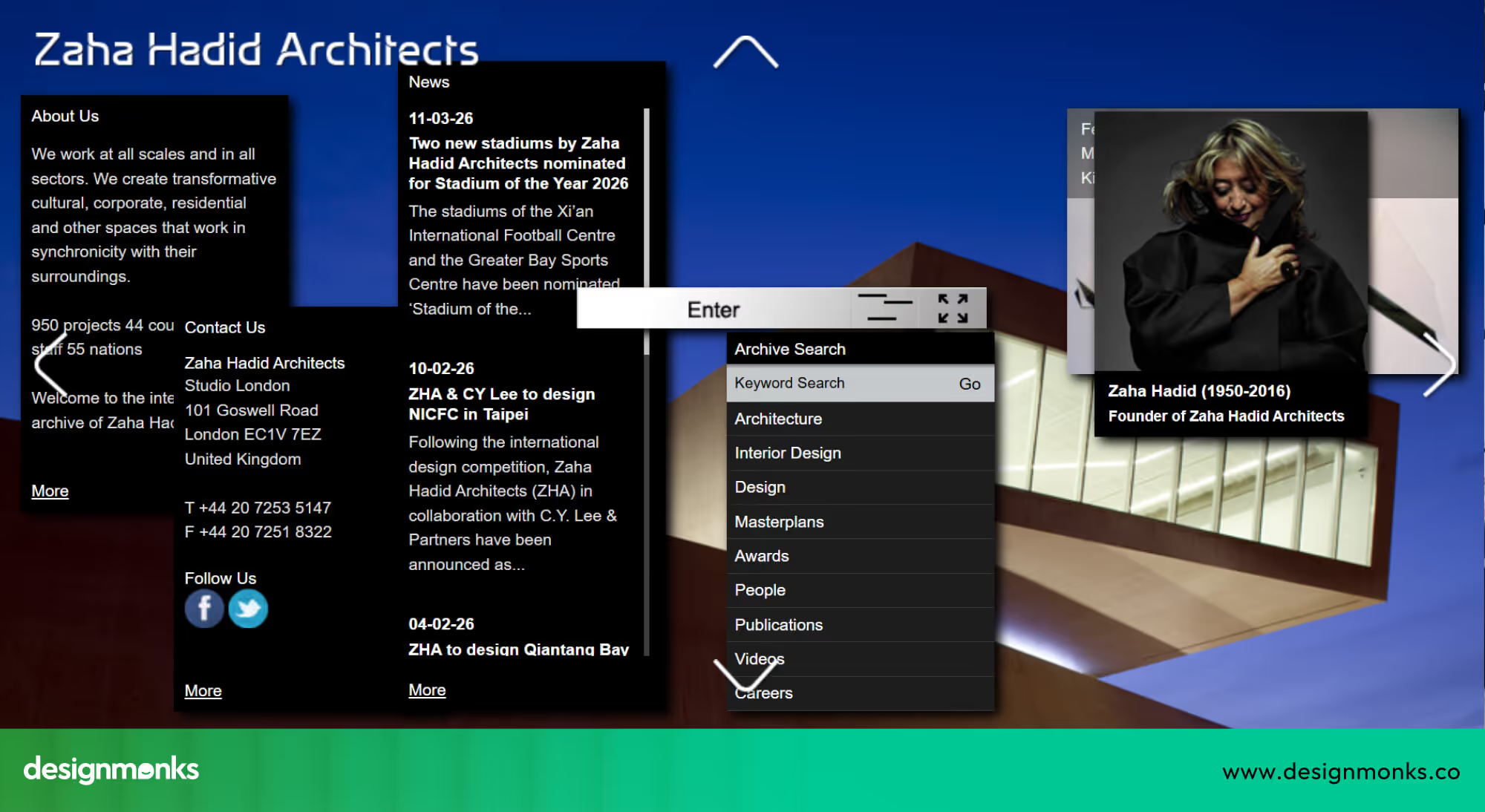
Each project page acts like a visual narrative that explains design context, structure, and spatial idea. The layout supports an architectural aesthetic that reflects the futuristic identity of the firm.
Notable website features
- Large full-screen project images that highlight structural form and architectural identity clearly.
- Clear project categories that help visitors explore buildings by sector and design type.
- Simple navigation structure that keeps the visitor focused on portfolio projects and architectural ideas.
- Minimal interface style that reflects the futuristic and experimental brand of the architecture firm.
Foster + Partners
The Foster + Partners website presents a refined and highly organized architectural portfolio. Visitors can explore global projects, research work, and studio initiatives through structured navigation and balanced visual presentation.
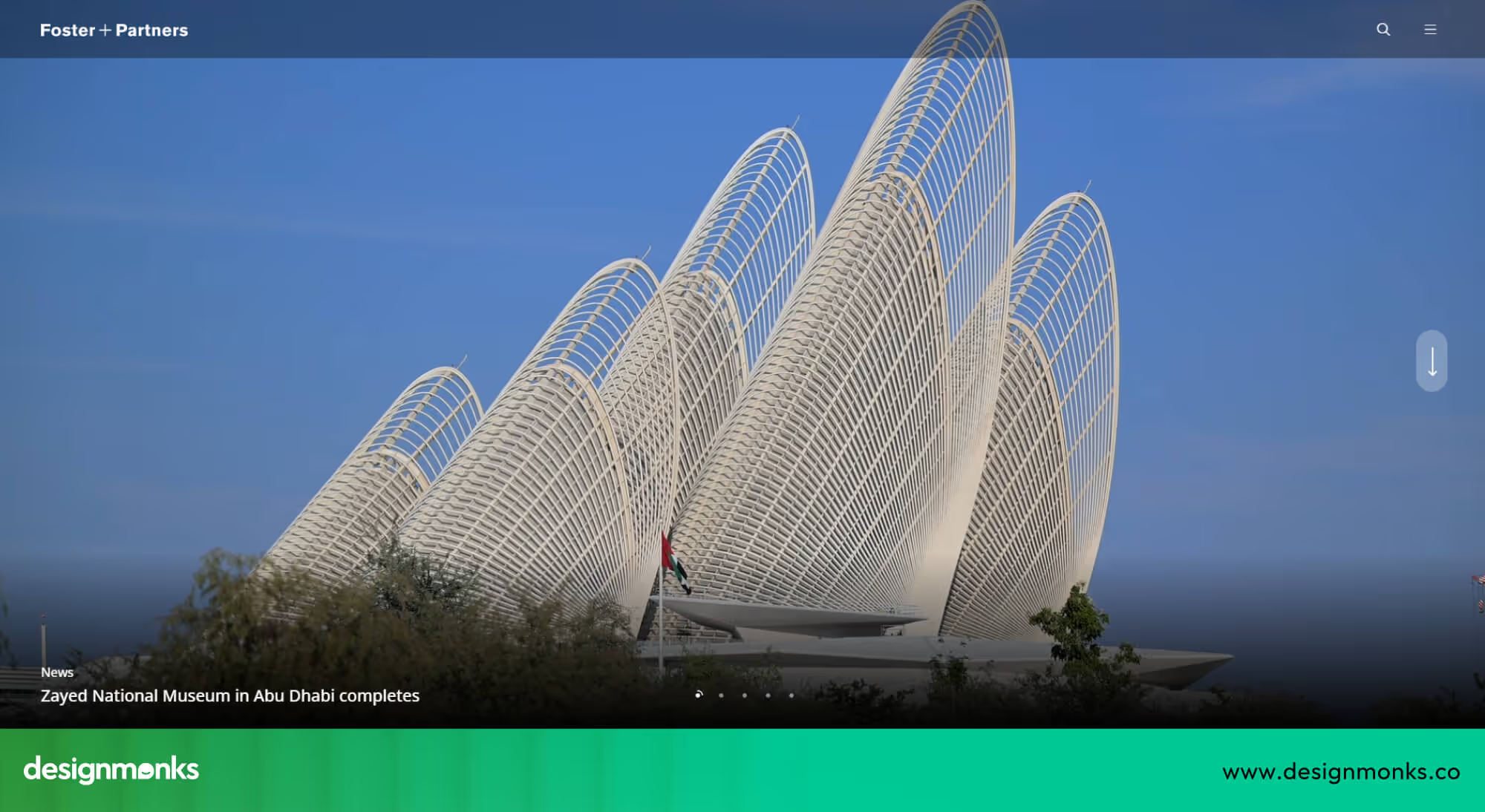
Project pages explain the concept behind each design with images and short descriptions. This structure helps clients understand how the firm approaches complex architectural challenges across different sectors.
Notable website features
- Well-structured portfolio pages that present large architectural projects with a clear visual hierarchy.
- Strong project storytelling that explains concept, structure, and environmental design decisions clearly.
- Balanced grid layout that keeps images, text blocks, and spacing visually organized.
- Clear project filters that allow visitors to explore work by location, sector, or scale.
BIG - Bjarke Ingels Group
The website of BIG uses a playful yet organized design that reflects the creative energy of the studio. The homepage introduces projects through bold imagery and confident typography that attracts visitor attention immediately.
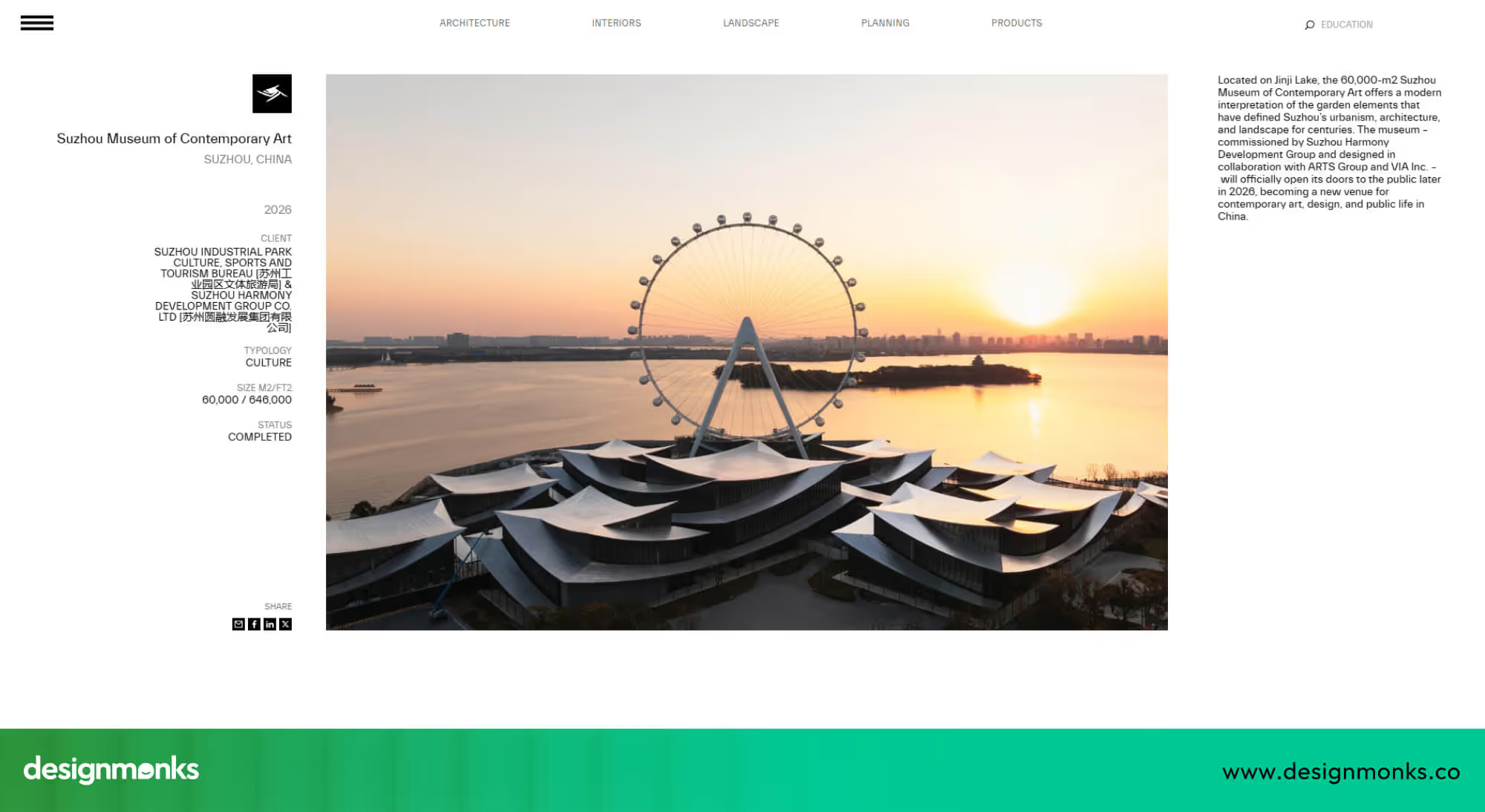
Project pages present architectural ideas through diagrams, images, and short explanations. This structure helps visitors understand the creative thinking behind each building concept.
Notable website features
- Bold visual presentation that highlights innovative architecture projects with strong visual impact.
- Project pages that explain concept ideas through diagrams, images, and short explanations.
- Simple navigation that allows visitors to explore projects without confusion or extra steps.
- Distinct brand personality that reflects creativity, experimentation, and confident architectural vision.
Choosing the Right Architecture Website Design Agency
A strong website shapes how clients view an architecture firm for the first time. The right design agency helps present projects clearly and attract serious inquiries. Careful evaluation helps firms select reliable architecture website design services.
Portfolio Experience in Architecture Websites
An experienced architecture website design company understands how architectural work needs a visual presentation. The agency should show past projects that include architecture or design studios.
Here is what to review inside the agency portfolio:
- Real architecture firm websites with a strong portfolio gallery structure and clear project storytelling.
- Case study pages that explain the design concept, project challenges, and architectural solution clearly.
- Balanced layout that allows large project images without visual clutter or confusion.
- Navigation structure that helps visitors explore architectural projects by category or sector.
- Portfolio websites that present professional architectural identity through clean visual design.
UX Strategy and User Experience Knowledge
Architecture websites require thoughtful UX design to guide visitors through projects and services. A capable UX agency like Design Monks plans navigation structure, portfolio layout, and visitor flow so clients can easily explore projects and reach contact pages.
Custom Design Approach Instead of Templates
Some agencies rely heavily on generic templates that limit brand identity. Architecture firms benefit from custom website design that reflects their architectural style, philosophy, and project scale through a unique visual presentation and layout structure.
Technical Skills and CMS Development Capability
A professional agency must also handle technical development and content management systems. Platforms such as WordPress or Webflow allow architecture firms to manage projects, publish new case studies, and update content without complex coding knowledge.
Here are the technical capabilities the agency should offer
- Website development through modern CMS platforms such as WordPress or Webflow
- Responsive layout structure that adapts smoothly across desktop, tablet, and mobile devices.
- Fast loading pages that support a good user experience and stable performance.
- Clean backend dashboard that allows easy portfolio updates and content management.
- Technical optimization that helps search engines understand architecture and content.
Clear Communication and Project Process
A reliable design agency should explain the complete website development process before work begins. Transparent communication, timeline planning, and clear deliverables help architecture firms stay confident during the website design project.
If you’re not sure about choosing the right architecture website design agency, you can try the safest one. Contact Design Monks, explain your requirements, and relax. They will make you the best website you can even imagine.
FAQs
How does UX design improve an architecture firm's website?
UX design improves an architecture firm's website by making project exploration simple and clear for visitors. Good navigation, organized portfolio pages, and fast loading speed help users view projects easily and contact the firm with confidence.
How long does it take to build a professional architecture website?
A professional architecture website usually takes four to eight weeks to complete. The timeline depends on project size, number of portfolio pages, design complexity, content preparation, and development work required for the final website launch.
How can an architecture website attract more client inquiries?
An architecture website attracts more client inquiries through strong project presentation and clear contact options. Large portfolio images, simple navigation, clear service descriptions, and visible consultation buttons help visitors trust the firm and request project discussions.
End Note
Architecture firm website design helps firms present projects clearly and build strong trust with potential clients.
A well-structured portfolio website highlights architectural work, explains project ideas, and shows the professional capability of the firm.
When strong UX design, clear visuals, and simple navigation work together, the website becomes a powerful client acquisition tool. Architecture firms can use these strategies to strengthen their online presence and attract better project opportunities.


.avif)
.avif)
.avif)
.avif)


.avif)
.avif)
.avif)
.avif)







.avif)